

Moving to Vietnam. Is the monthly cost of living under 100,000 yen?



This is my second post. On this blog, I'm planning to share information about relocating to Vietnam (Ho Chi Minh City), as well as travel information covering all of Vietnam. I'm thinking the ratio of posts will be roughly 3 parts relocation/living info to 7 parts travel info. If there's a topic you'd like me to cover, such as "please tell me about this," please feel free to leave comments anytime. We relocated to Ho Chi Minh City, Vietnam. Where we live is an apartment.
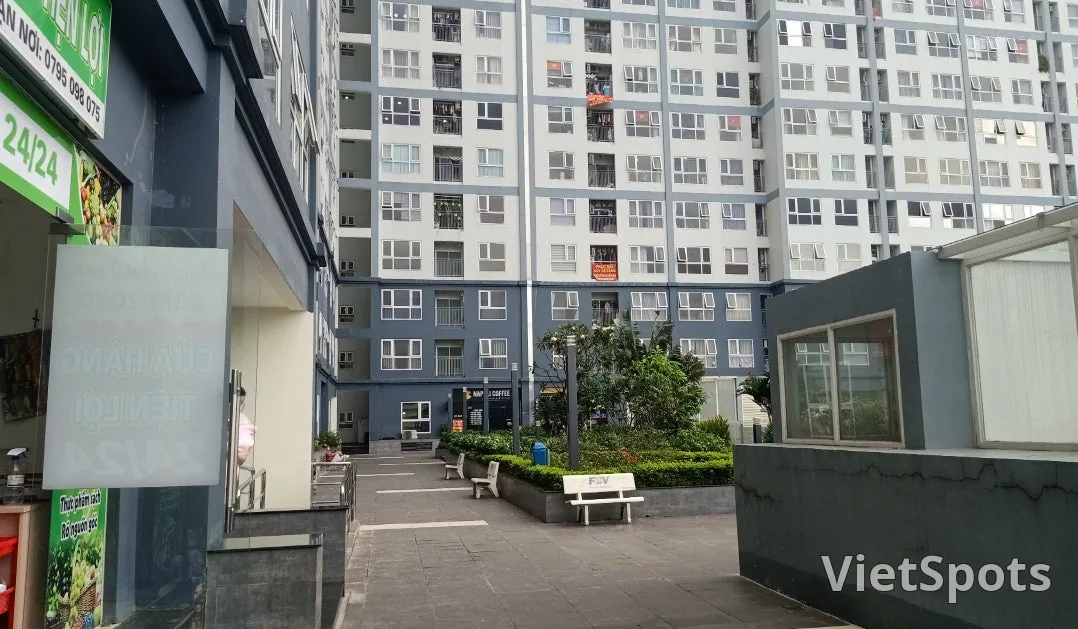
We live in an apartment a bit away from the center of Ho Chi Minh City. We've already paid off the mortgage, but for an apartment of this size, you could rent it for around 50,000 to 70,000 yen. Unlike apartments and condos in Japan, I really like that there are lots of tenants inside the apartment complex itself, like a mini supermarket, a beauty salon, and a convenience store.If you're planning to move to Vietnam with only Japanese people around you, it might be less stressful to look for a slightly pricier property (cheap apartments tend to have a higher proportion of residents with... let's say, questionable manners). Moving to Vietnam. Monthly living costs in Ho Chi Minh City are under 100,000 yen. Item Amount (VND) Apartment management fee & motorbike parking 1,500,000 VND Elementary school tuition for children 2,700,000 VND Tuition for children's English & Japanese cram school: 1.5 million dong Utility bills: 3 million dong Children's extracurricular activities: 1 million dong Food expenses: 5 million dong Daily necessities: 2 million dong Total: 16.7 million dong (about 96,000 yen) So, all together it comes to about 80,000 yen (excluding rent). On top of that, there are separate costs for socializing and eating out.Vietnam is still a developing country, so there are hardly any entertainment facilities or tourist spots to go and enjoy on weekends. Because of that, our "social expenses" basically just mean shopping and eating out at the supermarket, or, if you have kids, the cost of playing at a game arcade. As for dining out, going to a Japanese restaurant costs about 1,000 to 2,000 yen per person, so if you go 2 to 3 times a week, that ends up costing 20,000 to 30,000 yen a month.So, by cutting back on Japanese food (foreign food), you can save as much of your budget as you want~. By the way, does the cost of living change if you go for a Vietnamese-style "room for rent" (renting a room in someone's house)?
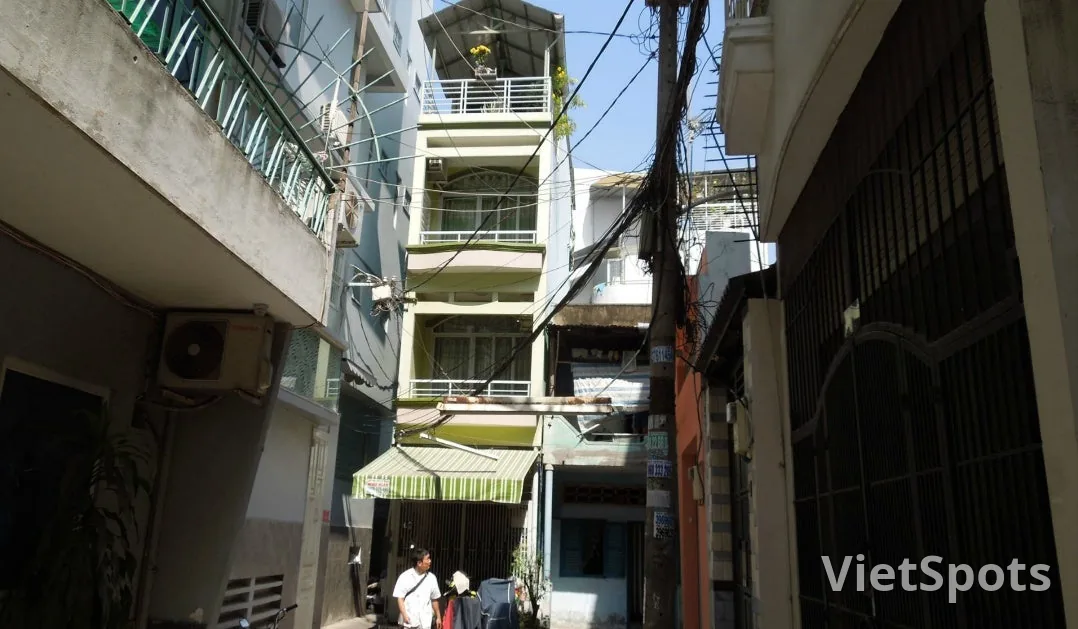
For those who say "I want to live in a house that feels more Vietnamese," there's also the option of signing a room-for-rent contract, renting a single room in a detached house. Rent in central Ho Chi Minh City runs around $300. That's cheaper than an apartment. Also, the fact that "you can move out right away if a problem comes up" is another appealing point, I think. That said, if the landlord actually lives there, you need to be a bit careful, since they often meddle in your daily life more than you'd like, or set a curfew you have to follow. By the way, in Ho Chi Minh City, the area around Nguyen Thi Minh Khai Street is popular among Japanese people. It's not just young people like international students living there — surprisingly, quite a few seniors enjoying their second life live there too.These days, rooms everywhere tend to be clean, so it might be a good idea to take a look inside at least once. On the other hand, let's get back to talking about the cost of living. When I first moved here over a decade ago, it was common for rent to include utilities like electricity and water server fees, but nowadays, due to inflation, electricity seems to be billed separately. Summary: The cost of living for moving to Vietnam, excluding rent, comes out to around "100,000 yen. Including rent, living expenses will probably come to around 150,000 to 200,000 yen. If you're on the employees' pension (kosei nenkin), that should be enough to cover living costs even for just one person, and even those on the national pension (kokumin nenkin) should be able to get by if a couple relocates together. By the way, even seniors past the age of 60 have a few side job options, like teaching Japanese.
Travel Vietnam with VietSpots, in English
- 🎁 Sign up and get 16 Welcome Pack coupons — e.g. Motorbike Rental 45%
- 👑 Member tier discount up to 15% on site (Silver 5% · Gold 15%)
- 🛂 Auto-fill arrival card📶 Compare lowest eSIM prices🚻 Find toilets
Comments