

Hanoi Museum #1: Enter Hoa Lo Prison, Witness History's Weighty Chapter


Overview Hoa Lo Prison is located in the center of Hanoi city, near Hoan Kiem Lake. The original site was once a village of kilns making ceramics, which is how it got its name. The prison was built by the French colonial government in 1896, originally intended to imprison revolutionaries and patriots who resisted French colonial rule. During the Vietnam War, it was also used to hold captured American pilots, and was thus jokingly nicknamed the "Hanoi Hilton.
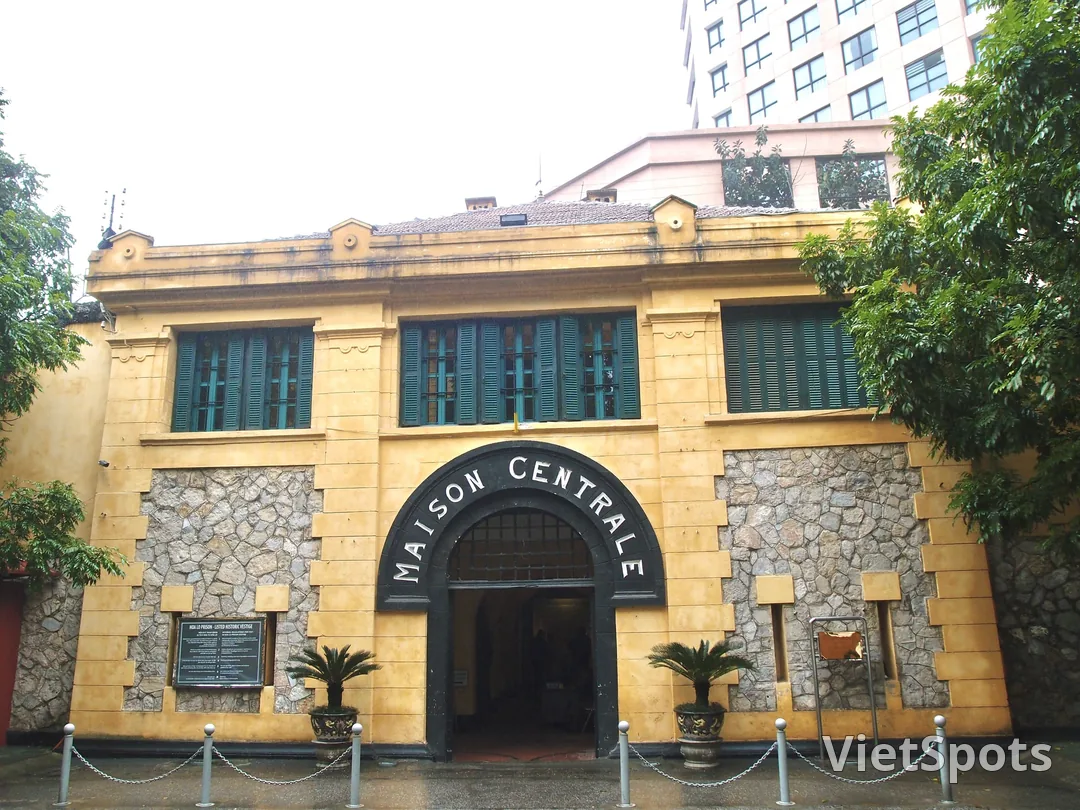
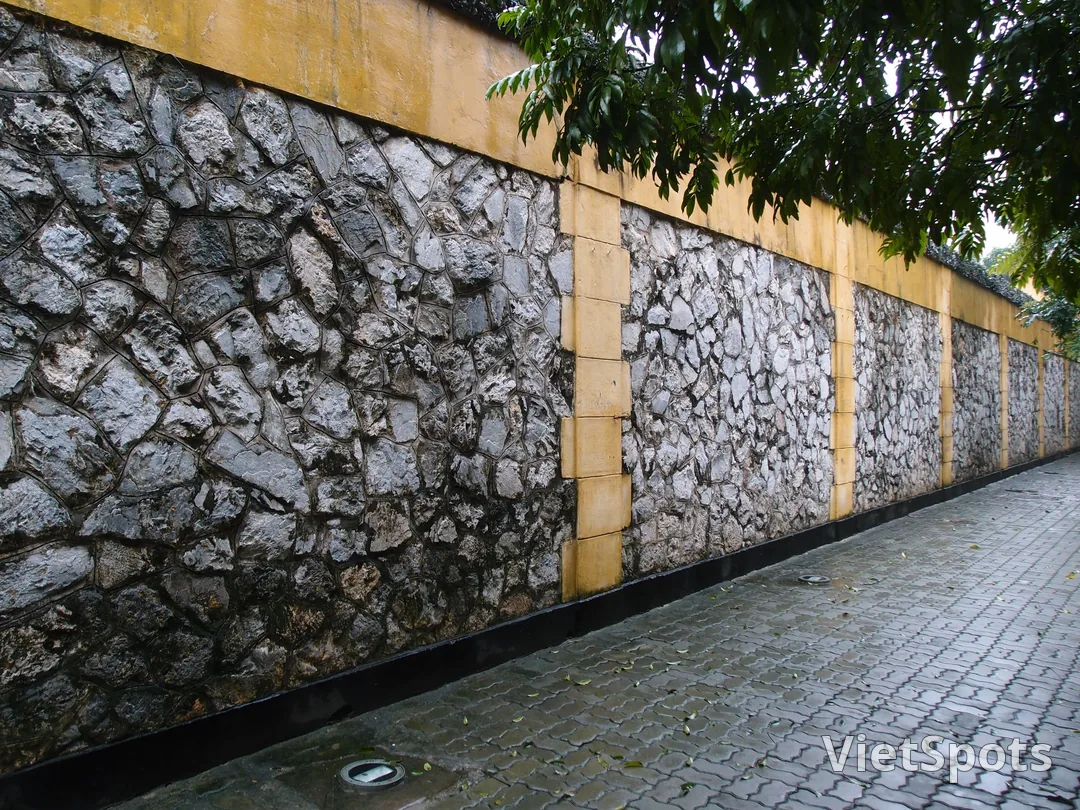
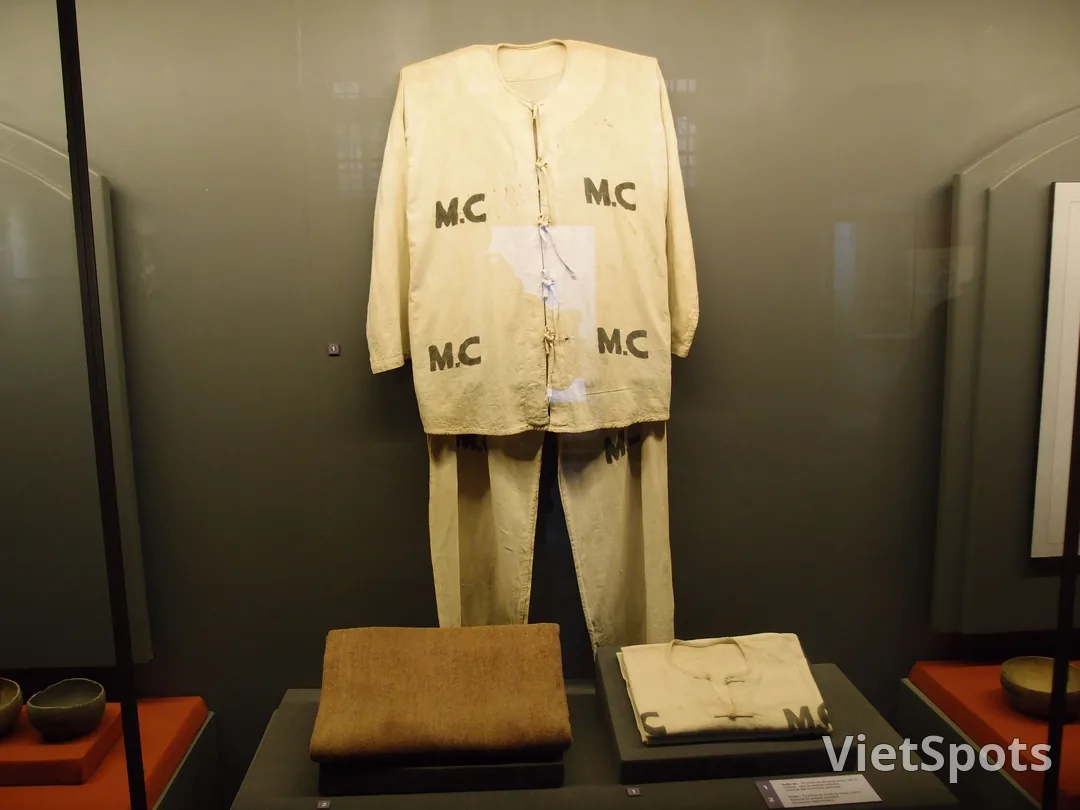
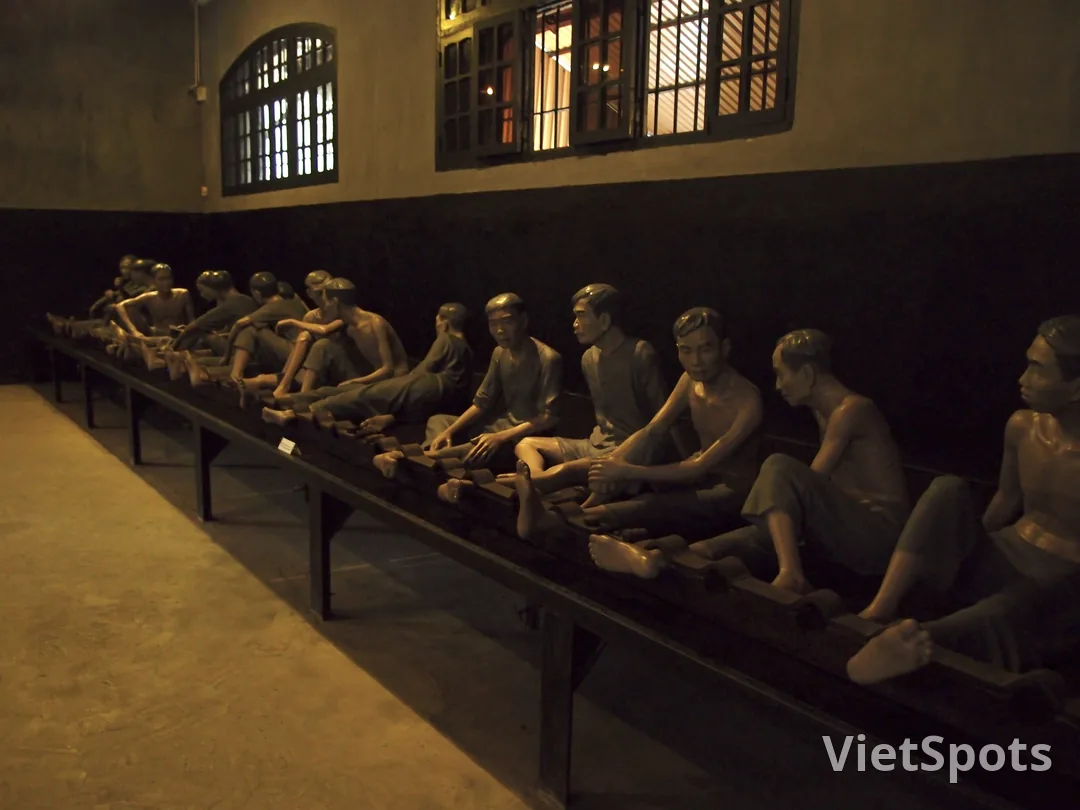
Visiting Information Opening Hours: 8:00 AM to 5:00 PM daily. Ticket Price: 50,000 Vietnamese dong. Tours: Guides available in English, French, and Vietnamese. Recommended Visit Duration: Approximately 1 to 1.5 hours. Visiting Suggestions and Reviews The exhibition theme at Hoa Lo Prison is relatively serious, primarily focusing on colonial oppression and war history. The museum content is heavy but has educational value, suitable for visitors interested in Vietnamese history.As there is no audio guide in the venue, and the exhibit descriptions are mainly in Vietnamese, English, and French, it is recommended to learn about the relevant historical background before visiting in order to have a more complete experience. If your itinerary is tight, this may not be a must-visit place, but if you are interested in historical issues, it is still worth taking the time to explore. Overall recommendation level: ★★★☆☆ Notes As the exhibition content involves war and torture, it may not be suitable for young children to visit. Exhibition Area Introduction 1. Prison Facilities and Prisoner Conditions At the beginning of the exhibition, the prison's facilities and the living environment of the inmates were introduced. The exhibition area recreates the cells inside the prison and displays items used by the inmates, such as prison uniforms and utensils. Among them, the prison uniforms are printed with the letters "MC," which stand for "Maison Centrale," the French name for a central prison. In addition, the inmates' daily necessities are also on display, such as bowls and utensils made from coconuts, allowing visitors to understand the hardships of their daily lives.
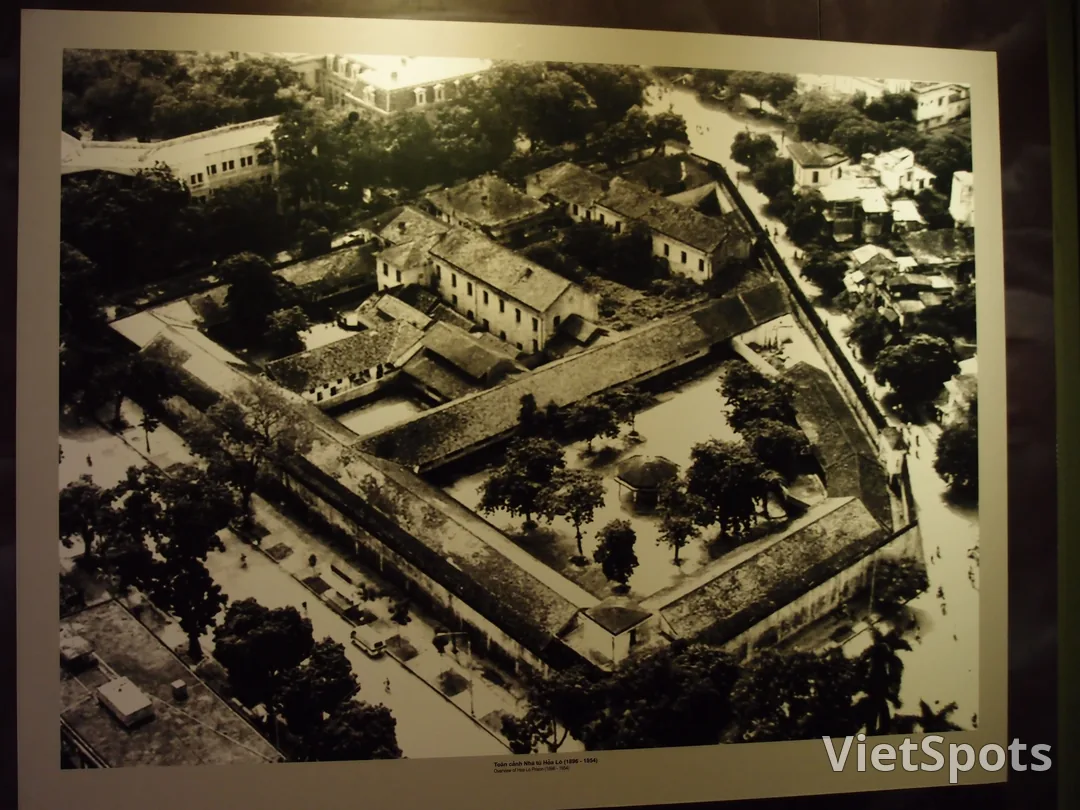
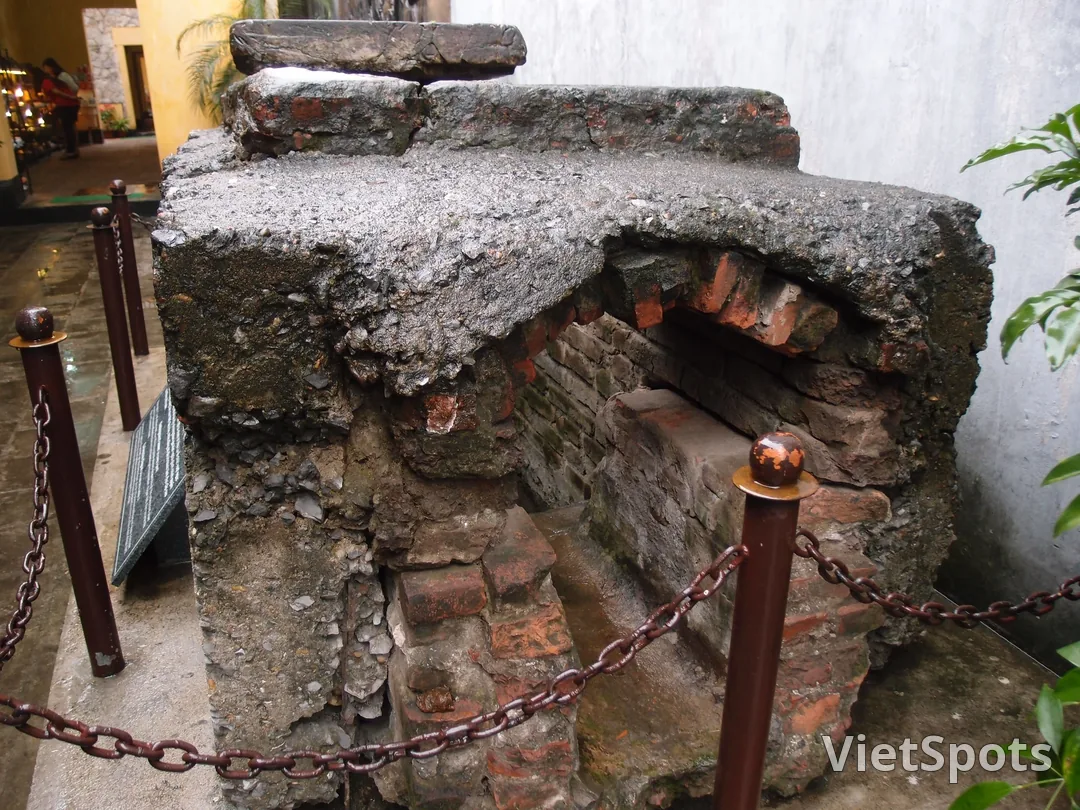
2. Prison Break Stories and Relics The exhibition hall displays relics related to successful prison escapes, recreating the efforts political prisoners made at the time to fight for freedom. For example, in 1945, 29 political prisoners successfully escaped through the sewers by swapping clothes with ordinary prisoners and disguising themselves as food delivery workers. In 1951, in another famous prison break, prisoners successfully escaped from the prison by making keys and sawing through iron window bars. These events demonstrate the wisdom and courage of the prisoners.
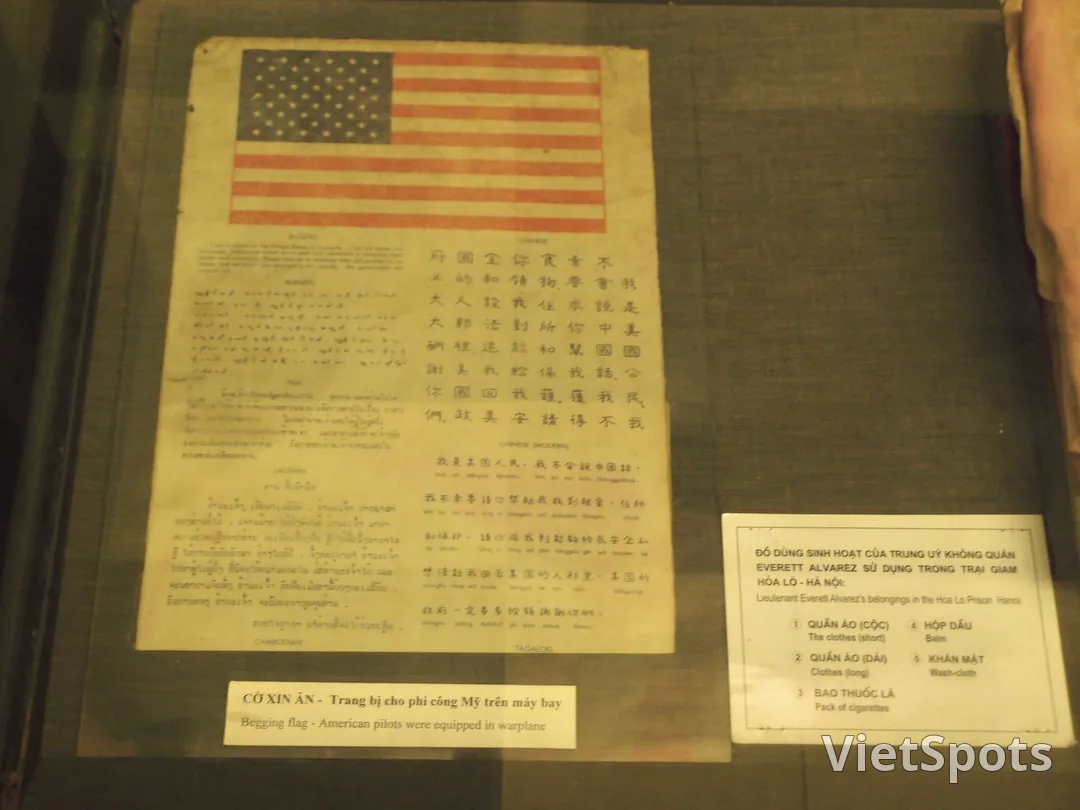
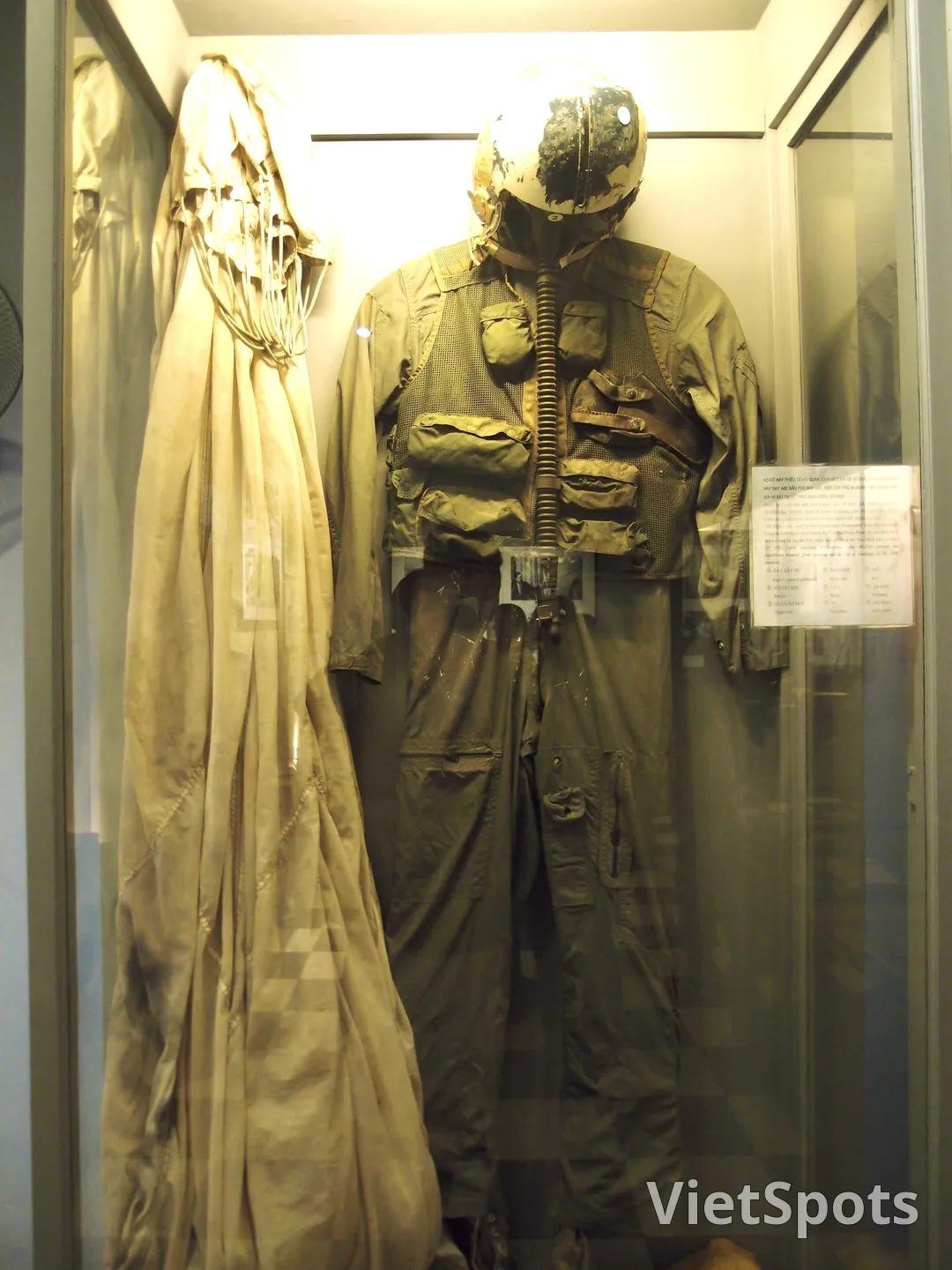
3. French Colonial and War History The exhibition focuses on the history of oppression during the French colonial period, displaying the torture and inhumane treatment suffered by prisoners at the time. For example, it exhibits a guillotine brought from France, as well as various instruments of torture such as shackles, clubs, and electric shock devices, vividly recreating the cruel treatment endured by political prisoners of that era. In addition, the section on American prisoners of war displays items from their daily life in prison, such as guitars, chess sets, and playing cards, offering a contrast in how the prison was used across different periods.
4. Female Prisoners' Area This specially designed exhibit introduces the living conditions of female prisoners and their experiences within the prison. It displays the cells used by female prisoners, the items they used, and stories of how they held firm to their revolutionary beliefs under harsh conditions. This section highlights the important role and contributions of women in the Vietnamese revolution. 5. Death Row and Torture Instruments Exhibit This exhibit displays the guillotine used to execute prisoners sentenced to death, as well as other instruments of torture, such as the iron buckets used for water torture and electric shock devices.These exhibits reveal the brutal methods used to treat serious offenders at the time, giving visitors a profound sense of the weight and cruelty of history. 🔎 A Tour of Hanoi's Museums, Grasp Vietnamese History and Culture in One Trip! Want to gain deep insight into Vietnam's history and social changes? Each of these four museums has its own unique character: 🏛 Hỏa Lò Prison Museum — Explore the history of wartime imprisonment Hanoi Museums #1: Step into Hỏa Lò Prison and witness a heavy chapter of history 📜 Vietnam National Museum of History — From prehistoric times to the modern era, feel a thousand years of change Hanoi Museum #4: Vietnam National Museum of History, a journey through thousands of years of history 👩👩👧 Vietnam Women's Museum — witness to the role and contributions of Vietnamese women in society Hanoi Museum #2: Vietnam Women's Museum, learn about Vietnamese women's history, culture, and stories of war 🌏 Vietnam Museum of Ethnology — get to know the culture and traditions of 54 ethnic groups Hanoi Museum #3: Vietnam Museum of Ethnology, explore the culture and traditions of 54 ethnic groups
Book Travel in Hanoi — in English on vietSpots
- 🎁 Sign up and get 14 Welcome Pack coupons — e.g. Motorbike Rental 45%
- 👑 Member tier discount up to 15% on site (Silver 5% · Gold 15%)
- 🛂 Auto-fill arrival card📶 Compare lowest eSIM prices🚻 Find toilets
Comments