

Nepal 11-Day Independent Travel Guide: Complete Coverage of Kathmandu, Pokhara, and Chitwan

Nepal 11-Day Self-Guided Tour: Complete Guide to Kathmandu, Pokhara, and Chitwan
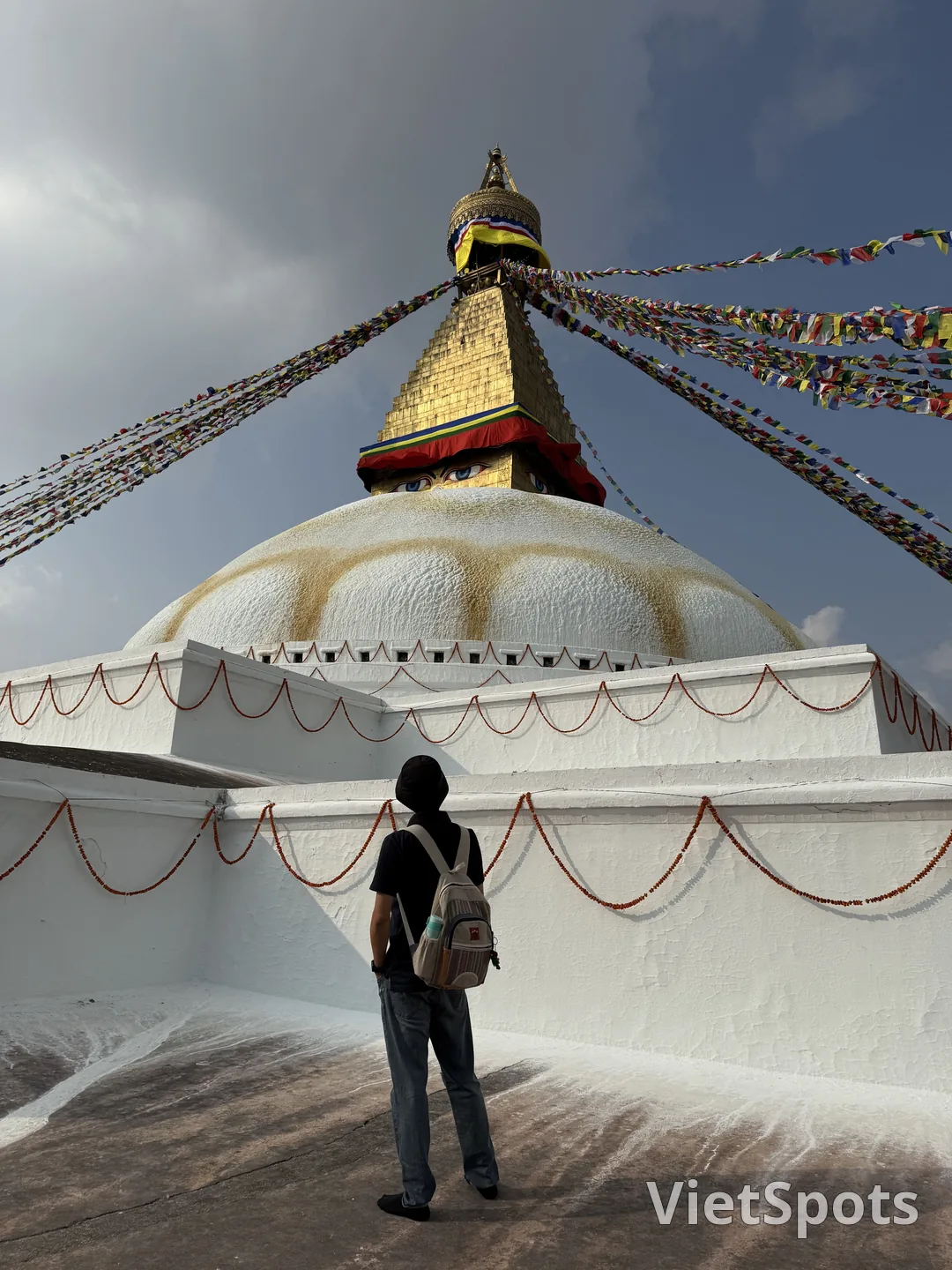
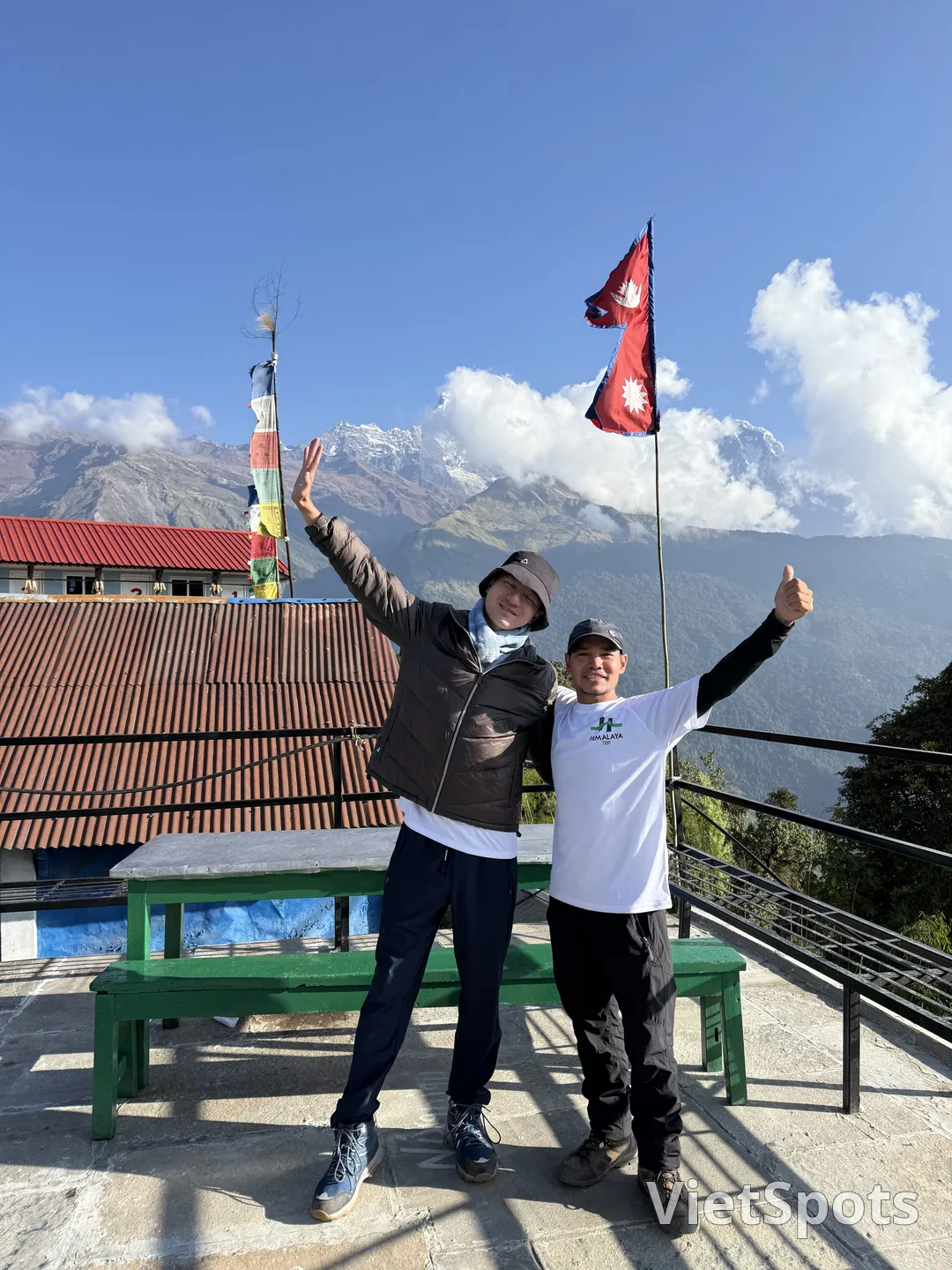
Origins Because I love traveling and love planning trips, I've had a few experiences in the past planning trips and traveling independently with friends, but this was the first time bringing family on a self-guided trip, and thankfully it was a great success! This time the group included Mom, two aunts, and two of Mom's friends The Nepal plan started brewing at the end of last year. At the time, a relative mentioned wanting to join a 13-day in-depth tour group for over 90,000 (NTD), with some items requiring extra payment out of pocket. Later, due to other factors, that trip didn't happen, and that's when I started researching and looking for information related to Nepal. It happened that a fellow traveler from Macau on the Iceland trip recommended this local travel agency, Himalaya Trip, which specializes in trekking around Pokhara. After buying the Thai Airways tickets, I contacted the travel agency and started planning the itinerary. Since I was traveling with elders this time, I asked them to help arrange the transportation in between, as well as a Chinese-speaking guide. Itinerary and Expenses After many rounds of discussion, our itinerary ended up looking like this Day 1 - Thai Airways 14:05-16:50 Taiwan》Bangkok, 21:15-23:23 Bangkok〉Kathmandu, the travel agency will arrange airport pickup to the hotel, the Kathmandu hotel to be booked by yourself Day 2 - The travel agency will help arrange the Kathmandu》Pokhara flight, and airport pickup in Pokhara to the hotel (hotel to be booked by yourself), free time to explore the city in the afternoon Explore Pokhara: Must-visit attractions and activities in Nepal's most beautiful lake city Days 3-6 - Participated in hiking, everything here is completely arranged by the travel agency, including a Chinese guide, two porters, accommodation, meals, and shuttle service in between, etc. Poon Hill Hiking First Experience: 2024 Nepal 4 Days 3 Nights Detailed Itinerary (Part 1) Poon Hill Hiking First Experience: 2024 Nepal 4 Days 3 Nights Detailed Itinerary (Part 2) Day 7~8 - The travel agency arranged a car to Chitwan (having a good car is important here, because the road conditions are quite poor; the cars arranged by the travel agency were all pretty comfortable to ride in). After arriving in Chitwan, the local hotel arranged four package activities: a Tharu tribe tour, a Tharu cultural performance, elephant riding/jeep jungle safari, and canoe adventure. Accommodation and meals for these two days were also included in the itinerary A Guide to Nepal's Chitwan National Park: Wildlife, Jungle Adventures, and Must-Do Experiences Day 9 - The travel agency arranged a car from Chitwan to Kathmandu, with the afternoon free for personal activities in Kathmandu. Day 10 - The travel agency arranged a full-day guided tour of Kathmandu (also with a Chinese-speaking guide), and in the evening arranged a car to take us to the airport. Exploring Kathmandu: A Complete Guide to Cultural Heritage, Temples, and Urban Charm Day 11 - Return flight on Thai Airways at 00:25, arriving back at Taoyuan Airport at 1pm in the afternoon. The above cost is 800 USD per person. We bought the plane ticket for 19139, which includes local meals but you arrange your own accommodation, plus tips for the guide and porters, etc. Each person spends about 53000 in total~ What's really thoughtful about this travel agency is that on the first day the manager specially came to the airport to pick us up and presented us with a khata scarf, and on the second day he personally came again to make sure the driver picked us up on time for the airport, and then the Chinese-speaking guide also came to Pokhara airport to meet us and stayed with us from the third day all the way through the ninth day. With him there I just had to act as the group leader. The Chinese-speaking guide also taught us a lot of Nepali and helped us communicate about vegetarian meals.On the ninth day, the manager came to our hotel in Kathmandu again to confirm whether everything had gone smoothly these past few days, and on the last day he came again to see us off at the airport! Also, the travel agency provided us with a set of sportswear and a wool hat, so we could take group photos together while trekking 👍 Our Pokhara guide, A Chen, was a very caring guide. Besides constantly checking on the elders' physical condition while leading the group, when mom wasn't feeling well he even helped carry her luggage to lighten the load. With his help, this Nepal trip was much less of a burden for me! Nepal's three cities each have their own charm The capital, Kathmandu, is where you can see the remains of the ancient royal palace and many famous temples — it's also the liveliest city. Pokhara, at an altitude of over 800 meters, has fresh air and is also a resupply and rest stop for trekking groups. Many foreigners come here to enjoy a slow-paced life. Chitwan has lots of wildlife, and jungle safaris are a major highlight here. If you're thinking of planning a trip to Nepal, do consider these places! https://himalayatrip.com 2025 Update: To celebrate this article appearing on the Google Search homepage, the boss of Himalayatrip said that friends who mention booking their itinerary through this guide can enjoy a 95% discount! Things to pay attention to for self-guided and hiking trips Consumption preparation: Nepal is currently still mostly cash transactions, except for a small number of hotels and restaurants that provide card services (note that some hotels will charge additional fees for card payments, so be sure to ask clearly) Therefore, exchanging for local rupees is indeed necessary, but there's no need to worry — in the three major cities we visited, Kathmandu, Pokhara, and Chitwan, we generally didn't run into any problems exchanging money at roadside currency exchanges. However, remember to bring US dollars, as Taiwan dollars cannot be exchanged! As for exchange rates, the order is Kathmandu > Chitwan > Pokhara > Airport Electrical appliances: Nepal's voltage is 220V, and the standard outlets generally have 2 round holes (however, whether at mountain lodges or hotels, every outlet I encountered was a universal socket — Nepal has really made an effort for tourists' convenience!) I'd recommend bringing an extension cord and a portable charger, since the mountain lodges often only have 1-2 outlets available. Also, if you're uncomfortable going without a shower, you can bring a 220V-compatible hair dryer — none of the three mountain lodges I stayed at provided one. Best season for travel (trekking): October to May of the following year, which is Nepal's dry season. Visa: Taiwanese citizens can apply for a visa on arrival. You can fill in the information online beforehand, then pay the fee directly after entering the country. Reference for filling out the visa form https://tatahenso.com/nepal-travel/#google_vignette Basically as long as the money is in place, there shouldn't be any problems with the visa application. (Some customs offices didn't even ask for a photo to be attached) Also, there's an experience I'd like to share here — if you directly google "Nepal visa on arrival," an English website will show up, and this is an agent (a third-party service)!!!
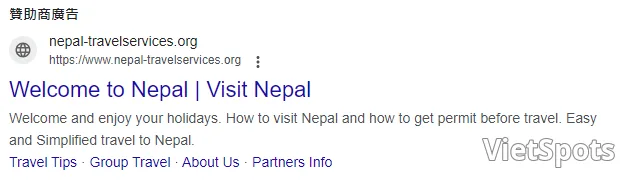
After I finished filling it out and the payment popped up, I only noticed the amount was wrong one second before checkout! For 15 days, it's supposed to be $30 per person, but according to their charge it was over $70 per person. Luckily I immediately hit cancel, or I almost got ripped off… SIM card: We got ours at the airport. You need to provide a 2-inch photo, and it's 7G for 14 days for 400 Nepali rupees, which is very cheap. Nepal has two telecom companies, Ncell and Namaste. When we were up in the mountains, Ncell often had no signal, but our guide's Namaste always had signal, so I'd recommend getting the latter. Food and Beverage: Nepalese cuisine combines Tibetan and Indian cuisines, with curry or masala sauce appearing very frequently. Additionally, vegetarians should pay special attention, as Nepalese vegetarian dishes usually contain garlic, onions, and other ingredients; if you cannot eat these, please make a special request with the restaurant. As for water, you should purchase bottled water. At general supermarkets, 1000ml costs around 20 Nepalese rupees, but in the mountains it costs 100-150 Nepalese rupees. You can refer to Nepalese food introduction Nepal 11.5-day self-guided tour - food introduction Clothing: We went in October, when the weather was starting to turn cool. At that time, Kathmandu was around 15-24°C, Pokhara was around 17-27°C, and up in the mountains it was around 12-20°C. For trekking, we highly recommend wearing a pullover moisture-wicking shirt with a short-sleeve shirt over it (our guides all dressed this way). The reason we recommend a pullover moisture-wicking shirt is that it offers both sun protection and moisture-wicking/warmth at the same time.
In the evenings on the mountain and when going to watch the sunrise, I wear a short-sleeved shirt as a base layer plus a sweater, with a lightweight down jacket and scarf and hat on the outside. Once my body starts warming up, I gradually remove layers. When hiking, the scarf and hat are incredibly effective; by keeping my head and neck covered, even when the outside temperature is around 10 degrees, I can still wear short sleeves. Accommodation: I stayed at Hotel Hidden Kingdom in Pokhara, located by Phewa Lake. This area is where tourists concentrate, with many restaurants and shops. When the weather is nice, you can also see Fishtail Peak. One night costs about 1400 Taiwan dollars, which is well worth recommending. Hotel Yambu in Kathmandu is located in the Thamel area, which also has more shops and restaurants. This hotel costs about NT$1000 per night, but the rooms are ordinary — its advantage is being in the Thamel area. Transportation: 1. If you're taking the domestic flight from Kathmandu to Pokhara, remember to request a seat on the right side when checking in (or just tell them you want a seat with a mountain view), so you can see the many peaks above the clouds. (This trip costs 105 USD) 2. We took cars from Pokhara to Chitwan, and from Chitwan to Kathmandu — the first trip took 5 hours, the second took 6.5 hours. Because the road conditions were all very bad, I can't imagine taking a bus or a worse vehicle. The advantage of taking a car is that it's cheap, but the downside is of course that the commute is more tiring and takes longer. Tips: After looking through what other people shared online, here I'll provide the 2024 experience for reference Guide: give 10 USD per person per day Porter: give 5 USD per person per day Driver: Following the tour group standard, we also give the long-distance driver a tip of 10-12 USD 🌏 More self-guided travel & shopping guide reads Want to explore more exciting travel inspiration and practical shopping information? Here are a few articles recommended for you: 🔹 【Australia 10-Day Self-Guided Itinerary Roundup】Sydney & Melbourne attraction guide + transportation 👉 Visit the Opera House, the Great Barrier Reef, and city food — Australia's classic itinerary all in one 🔹 【Nepal 11-Day Self-Guided Trip】Complete guide to Kathmandu, Pokhara, and Chitwan 👉 An in-depth journey through mountain trekking, ancient cultural cities, and wildlife experiences 🔹 【Nepal Food Sharing】Authentic flavors and food culture over an 11.5-day journey 👉 From street snacks to traditional restaurants, experience the unique culinary charm of Nepal 🔹 【Australia Must-Buy Picks】Unboxing & review of 15 great health, beauty, and everyday items 👉 A must-have shopping list from Australian supermarkets and drugstores — practical and easy to bring home 🔹 [15-Day Turkey & Greece Self-Guided Travel Guide] Itinerary Planning × Must-Visit Attractions × Transportation & Accommodation Budget Cheat Sheet 👉 Magnificent sights and cultural experiences spanning Europe and Asia, a complete route plan
Travel Vietnam with VietSpots, in English
- 🎁 Sign up and get 16 Welcome Pack coupons — e.g. Motorbike Rental 45%
- 👑 Member tier discount up to 15% on site (Silver 5% · Gold 15%)
- 🛂 Auto-fill arrival card📶 Compare lowest eSIM prices🚻 Find toilets
Comments