

1858: Da Nang, where the first shots were fired



Today, Da Nang Bay is where people go to enjoy the afternoon breeze. But it's also the place where the French colonial invasion of Vietnam began.
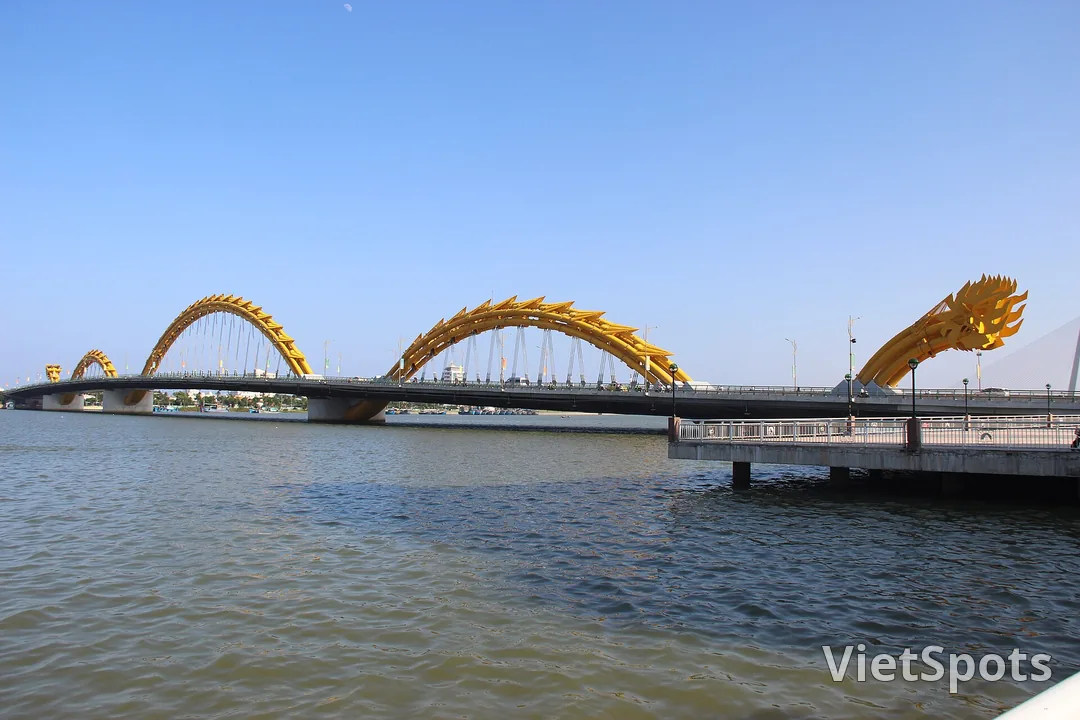
On September 1, 1858, Franco-Spanish allied forces opened fire and attacked Da Nang. They chose this location for very clear practical reasons: the bay is deep, large vessels can easily enter, and from here to the imperial capital of Huế is just over one hundred kilometers. The plan was to strike quickly, seize Da Nang as a springboard, and then push straight on to Hue to force the royal court to surrender.
That plan didn't work out.
The royal court sent Nguyễn Tri Phương to take command. He chose not to arrange his forces for a head-on confrontation with the naval artillery — something the Nguyễn army had no way of resisting. Instead, he ordered the construction of long fortifications and trenches, established defensive lines to block the road to Huế, and combined this with a scorched-earth strategy—destroying gardens and abandoning houses to prevent enemy forces from obtaining any food supplies in the area.
That strategy left the expeditionary force trapped on the beach itself. They captured several coastal positions but were unable to push inland. Then the rainy season arrived, and disease—dysentery and malaria—began claiming more soldiers' lives than bullets ever did.
After about half a year of being immobilized, the French military abandoned their plan to attack Huế and redirected their efforts toward Saigon. Da Nang could not be held indefinitely, and the war eventually came to an end in the way we all know. But at that point, the landholders here had accomplished something that the opposing side's plan hadn't anticipated.
A fact rarely mentioned: most of those who fell in those months were not regular troops, but militia from the surrounding villages — people who went to build ramparts, people who carried provisions, people who held spears to guard the trenches. Da Nang has memorial cemetery areas where the remains of righteous soldiers from this period are gathered together, established and cared for by local residents across many generations.
That was the detail I found most memorable. The matter of erecting monuments for those who died in battle was not the work of some distant royal court — it was the work of the people living right there, doing it themselves, and doing it for over a hundred years.
Standing at the edge of the bay looking out right now, it's hard to picture. But once you know, next time you go to the sea, it'll look a little different.
Book Activity in Da Nang — in English on VietSpots
- 🎁 Sign up and get 15 Welcome Pack coupons — e.g. Motorbike Rental 45%
- 👑 Member tier discount up to 15% on site (Silver 5% · Gold 15%)
- 🛂 Auto-fill arrival card📶 Compare lowest eSIM prices🚻 Find toilets





Comments