

2015 Hanoi Intellectual Journey


There are three reasons I'm writing this travel journal so carefully: First, to make a keepsake for myself. Memories are fleeting, and by turning them into words, they become the cheapest souvenir there is. Second, throughout the trip I received help from many friends, and I want to use this journal to express my heartfelt thanks. Third, I hope to share my experiences with every friend who loves to travel, so that if you happen to be traveling to the same region, this can serve as a reference. Yesterday I finished the itinerary in Ninh Binh, and this six-day trip to northern Vietnam is now coming to an end. Today I'm getting ready to return to the company, with a flight scheduled for 16:35.It has been drizzling continuously in Hanoi these past few days, so I decided to make today mainly an indoor itinerary. I opened Trip Advisor and decided to have an intellectual journey today to the Vietnamese Women's Museum (4) and the prison known as the "Hanoi Hilton" (11). Before the intellectual journey, I had a little project of my own — I want to record the different appearances of Hoan Kiem Lake across the four seasons. In March, Hoan Kiem Lake sits at the turn between winter and spring, with the leaves still sparse and some even still yellow.
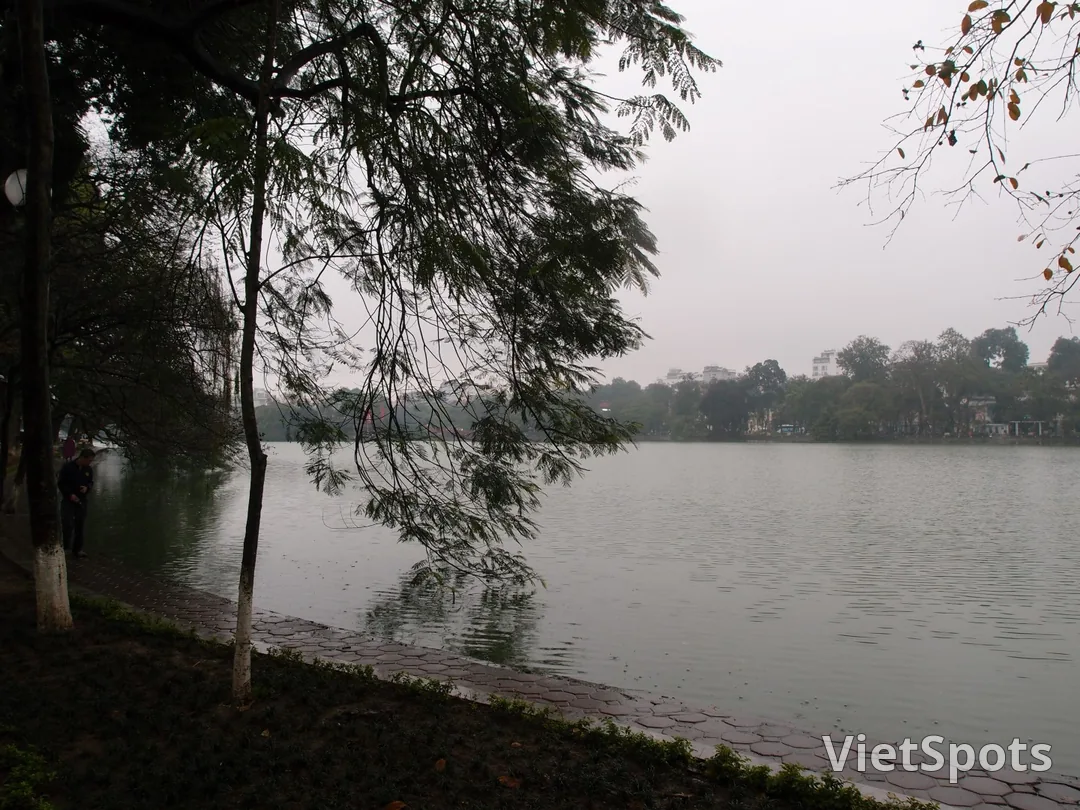
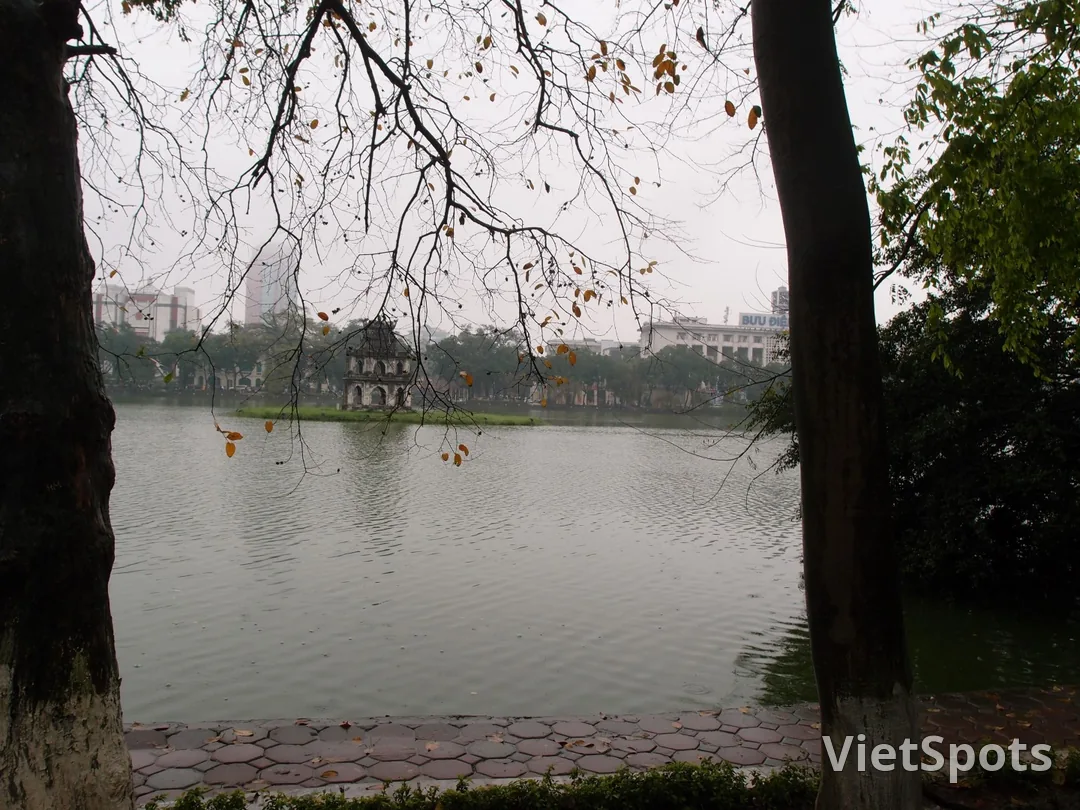
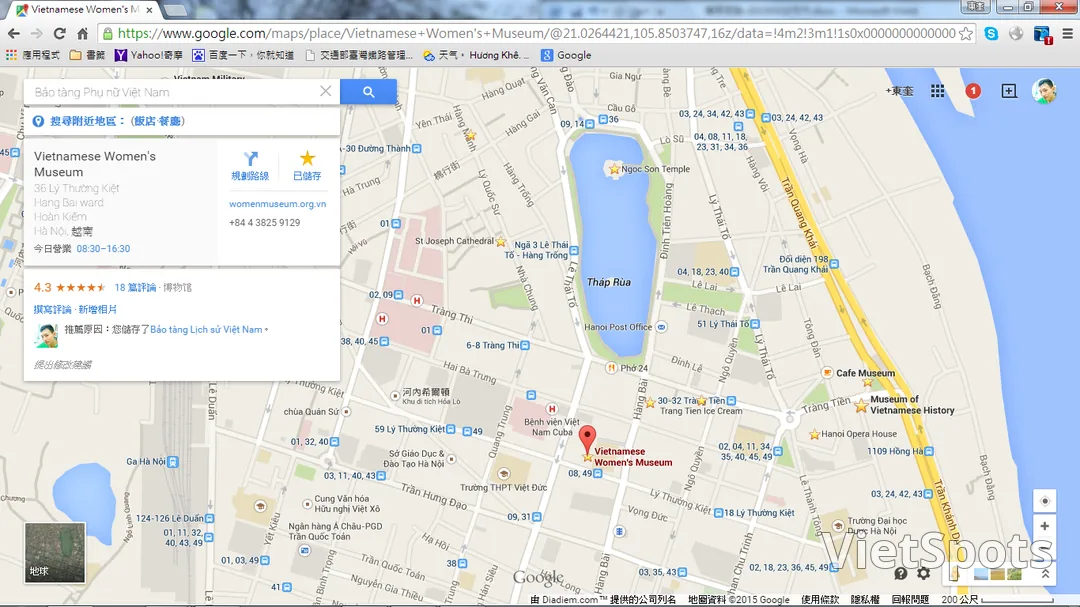
The Women's Museum is located not far south of Hoan Kiem Lake
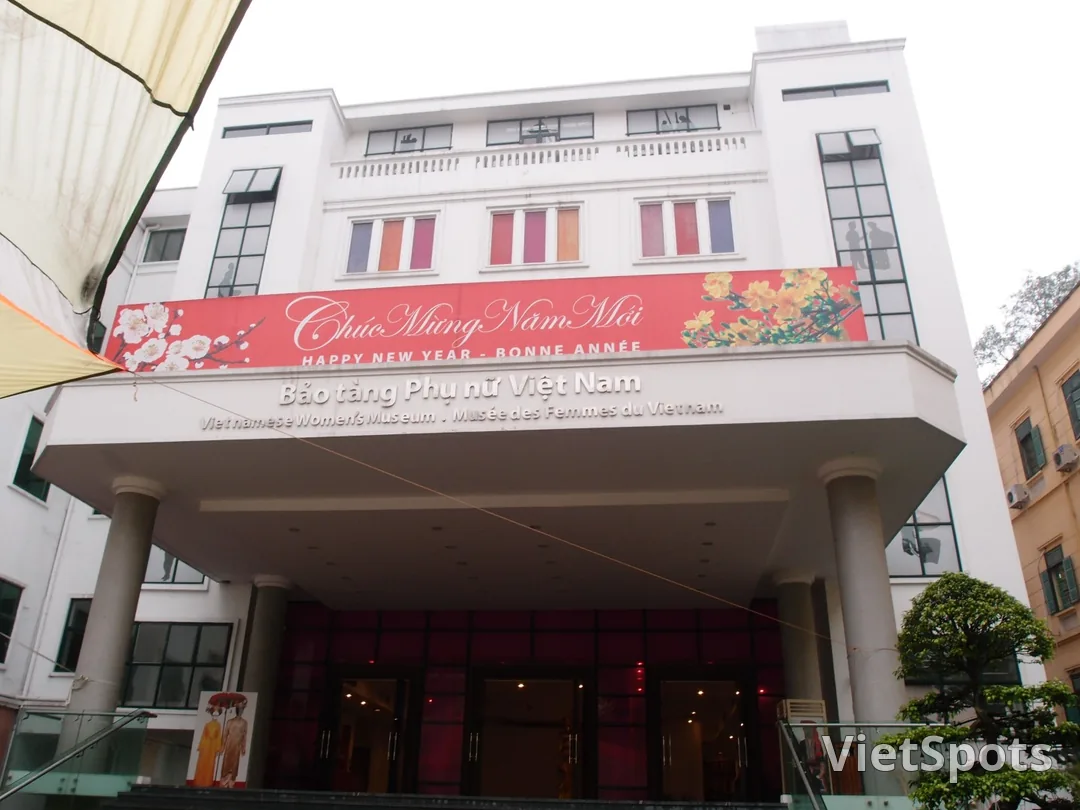
This is a museum depicting the various aspects of Vietnamese women, including their everyday work, roles during wartime, and the improvement of their status up to the present day. (Admission ticket 30,000 VND)
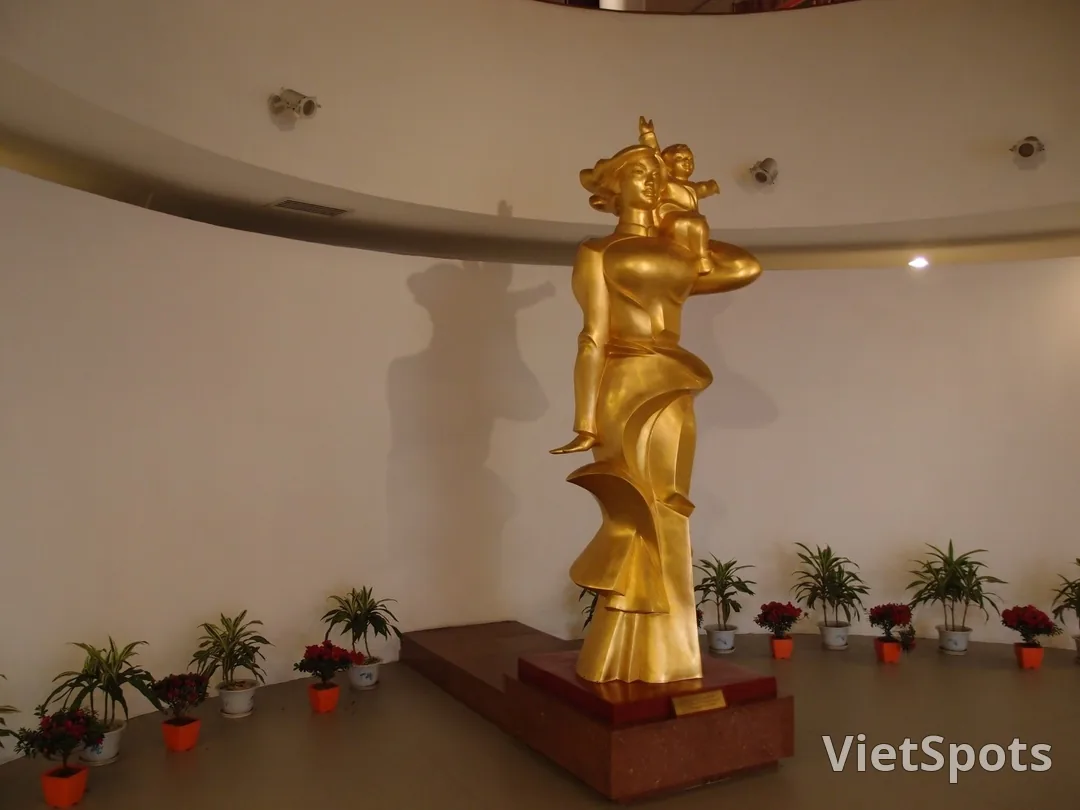
The statue placed in the lobby on the first floor seems to say that a mother is a child's guardian angel
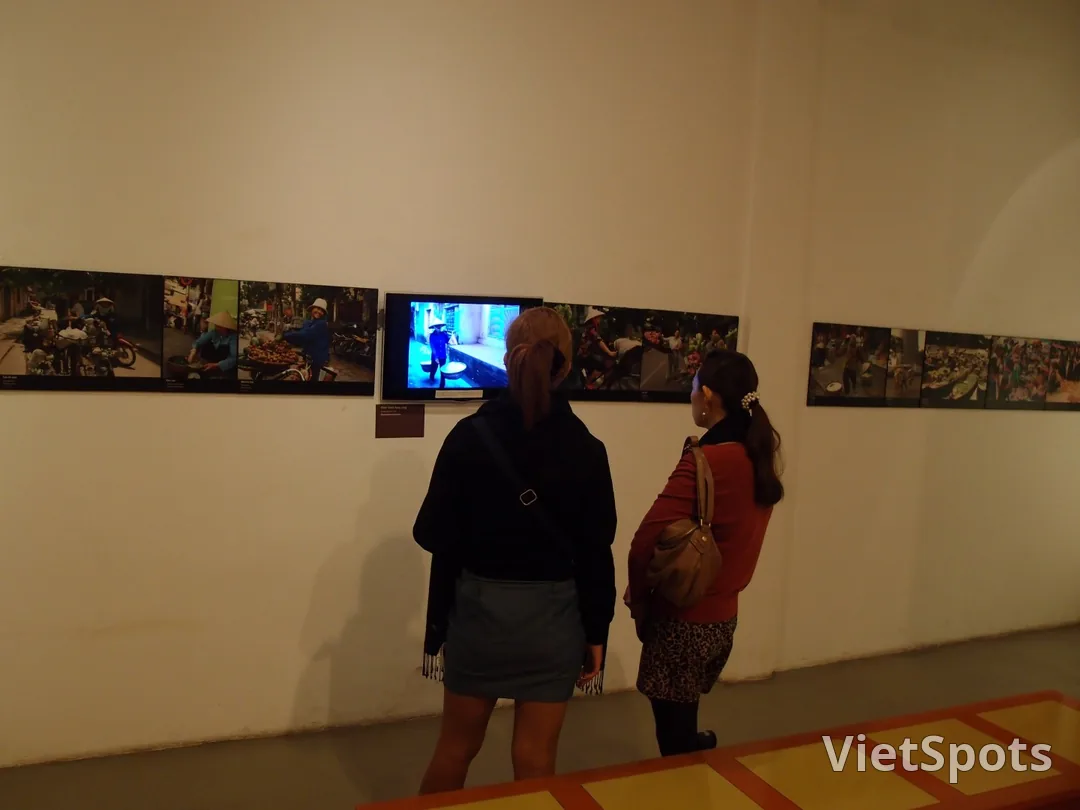
There's a video you can watch at the corner of the second floor, on the theme of interviewing many women who work in Hanoi about why they came to work there. Most of the women get up early and travel from their hometowns, or stay directly in Hanoi for one or two weeks before returning home once, all in order to earn more money in Hanoi to support their families! It's a simple interview, spoken in Vietnamese with English subtitles, and it's truly heart-wrenching.
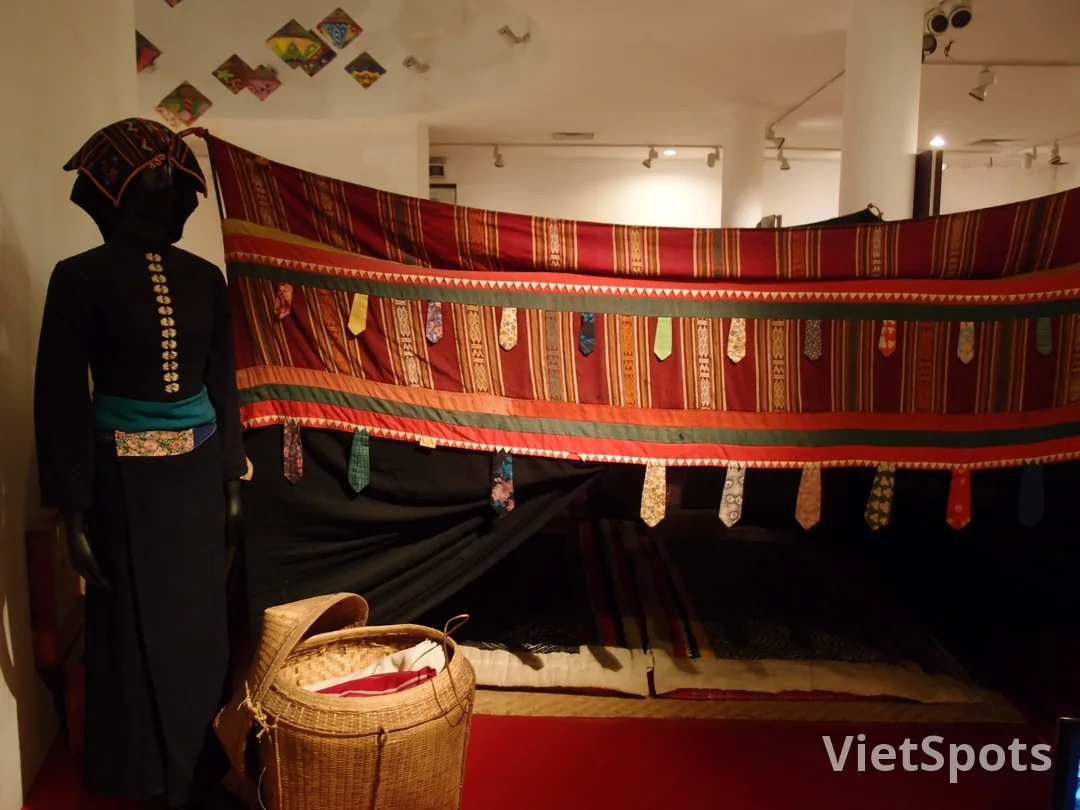
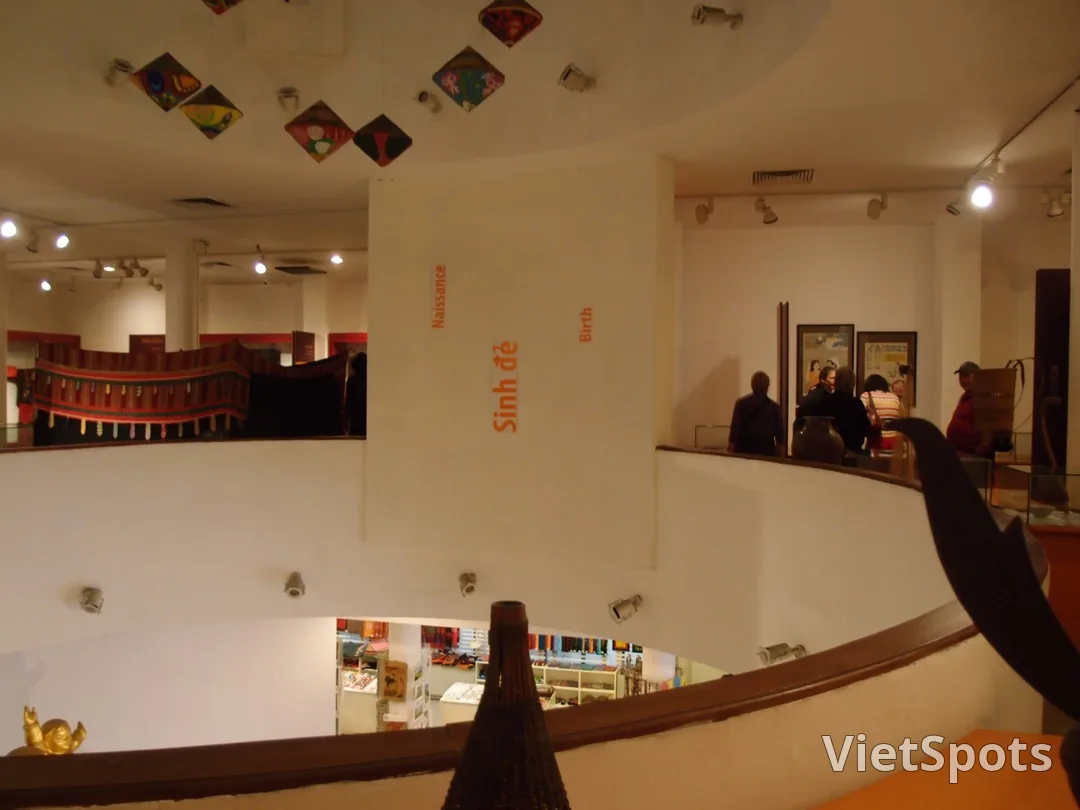
The theme of the second floor is birth, which mostly talks about all sorts of things related to having a baby — how to record a child's birth, foods related to postpartum confinement, children's clothing, and so on. I wasn't very interested in this hall, so I finished looking through it quickly.
The theme of the third floor is the life of Vietnamese women, or in plain terms, the household work of Vietnamese women, and after seeing it, my impression is… they do everything. From the very beginning it covers farming, harvesting, fishing, cooking, weaving, and pottery-making — it leaves nothing out. Perhaps because Vietnam has been caught up in war for many years, the men all went off to fight, so the remaining household chores had to be shouldered by the women.
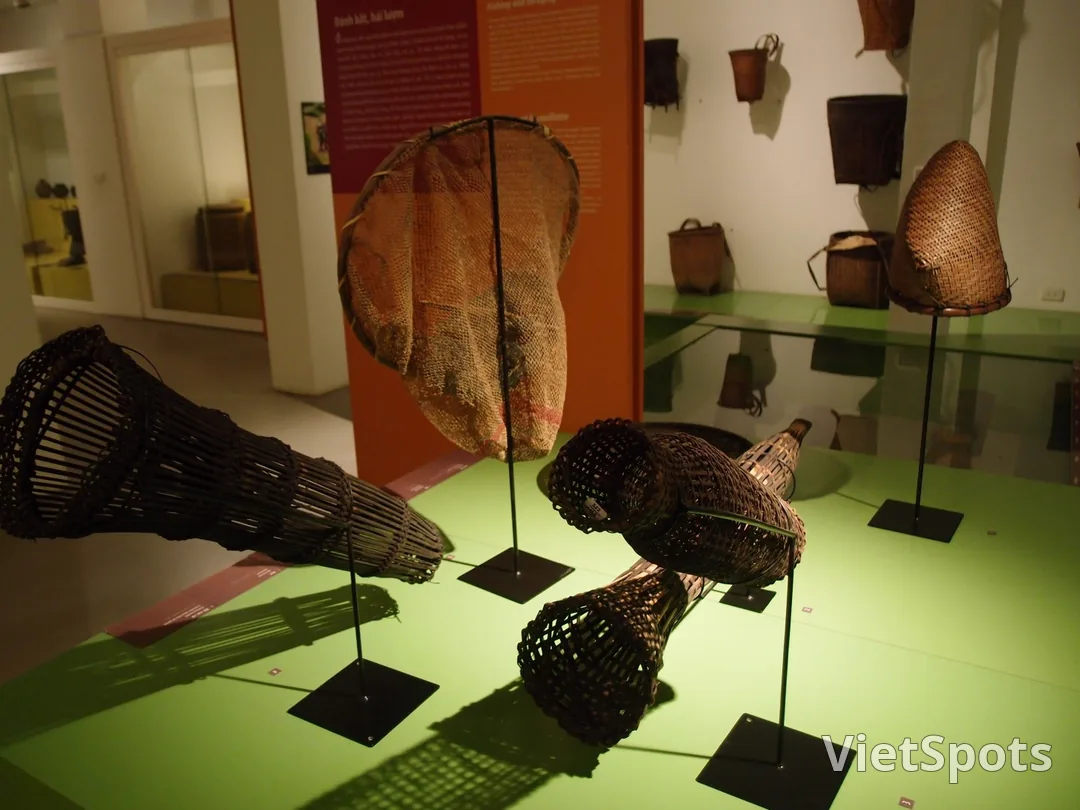
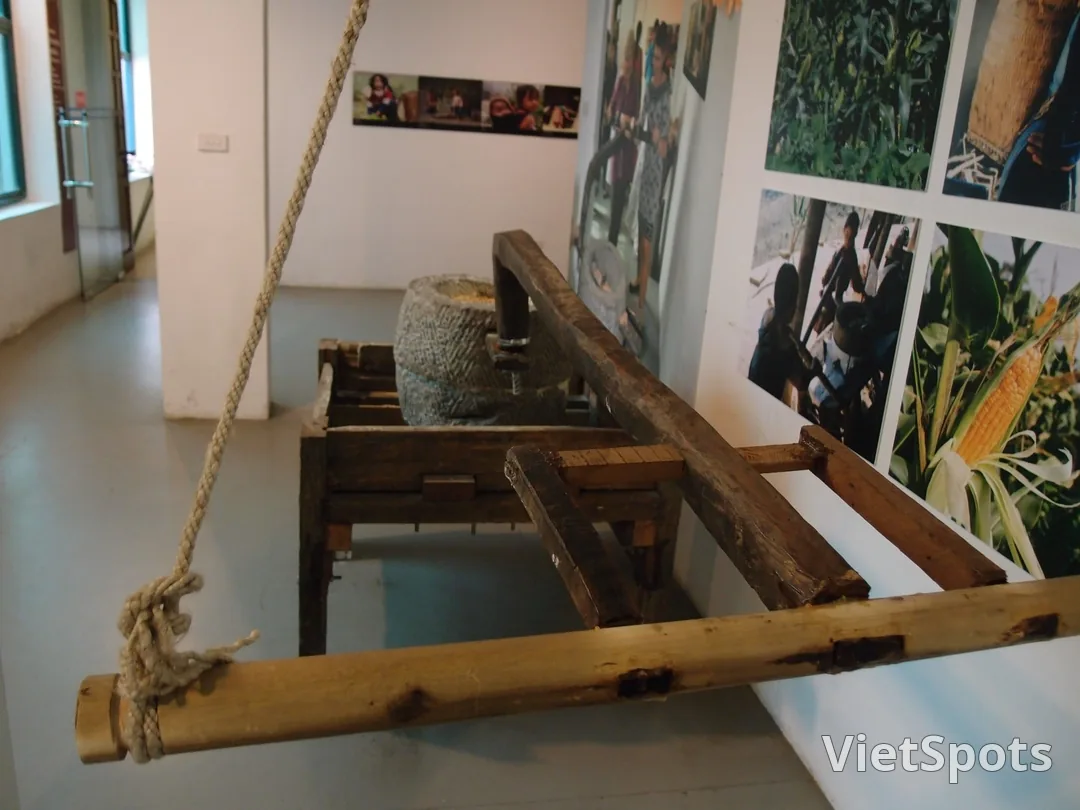
The theme of the third floor is about war. As soon as you enter, you see a wall inscribed with "The Wall of Vietnamese Heroic Mothers.
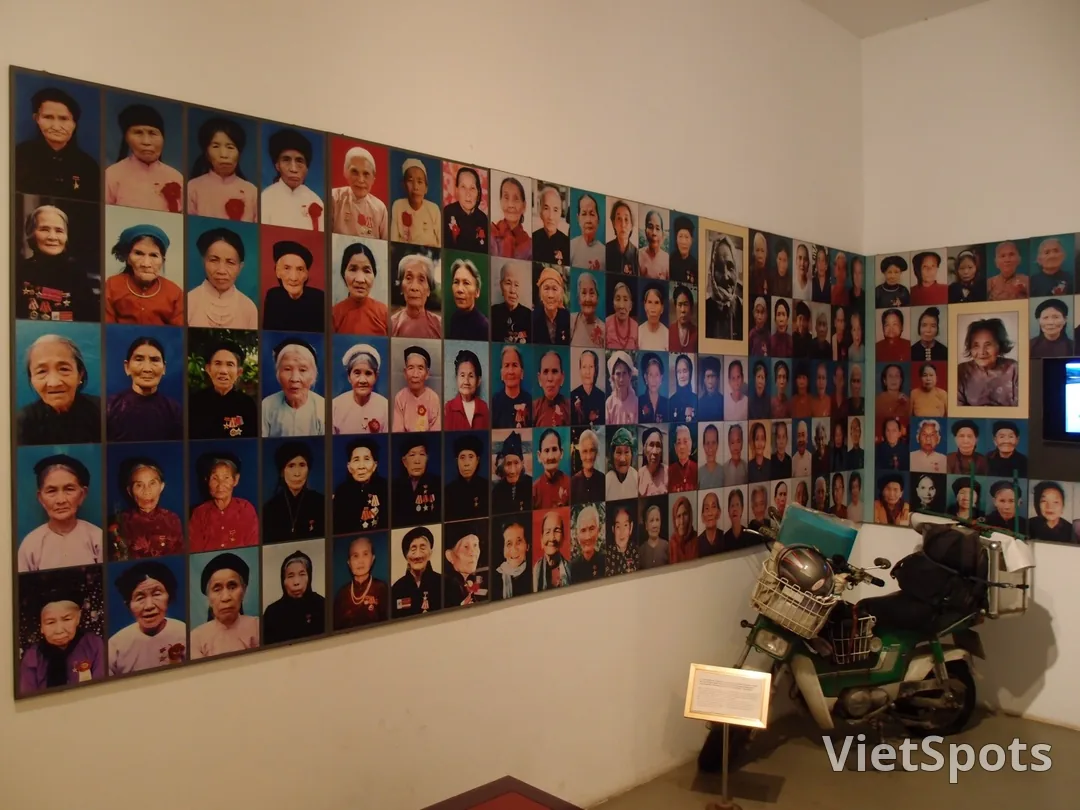
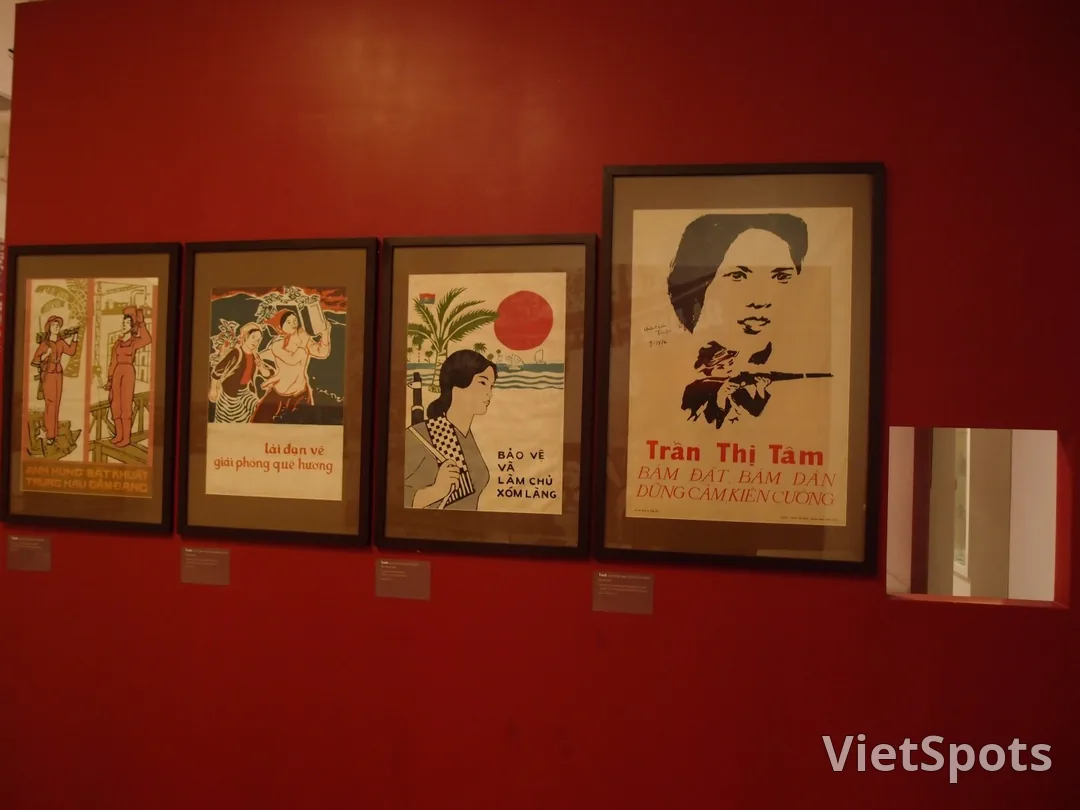
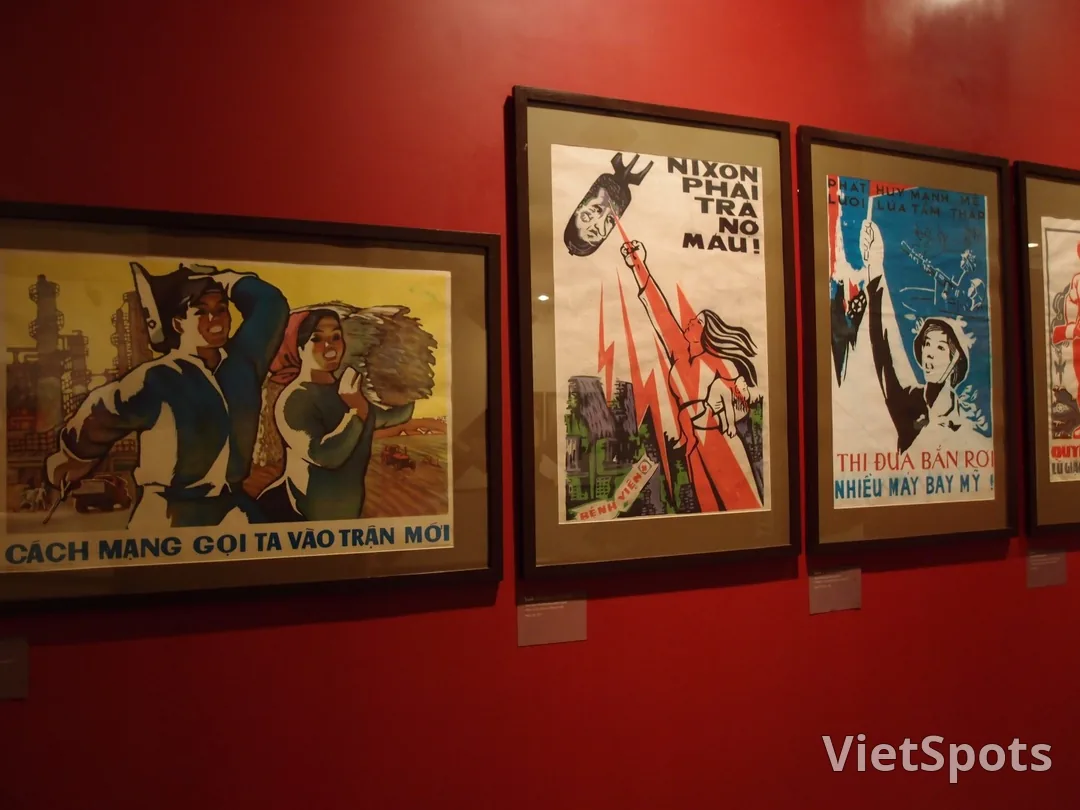
I found it strange that these women were already quite old, but after reading the introduction carefully, I realized that seeing this wall is really not a very happy thing... It honors these mothers whose sons or grandsons sacrificed their lives on the battlefield. The criteria for inclusion are: losing two or more sons, losing an only son, losing both a husband and a son at the same time, or sacrificing oneself. The mother who lost the most lost 10 sons and 2 grandsons... War is truly cruel. Besides displaying many slogans that encouraged women to join the military at the time, the museum also lists photos and stories of some of the heroines.
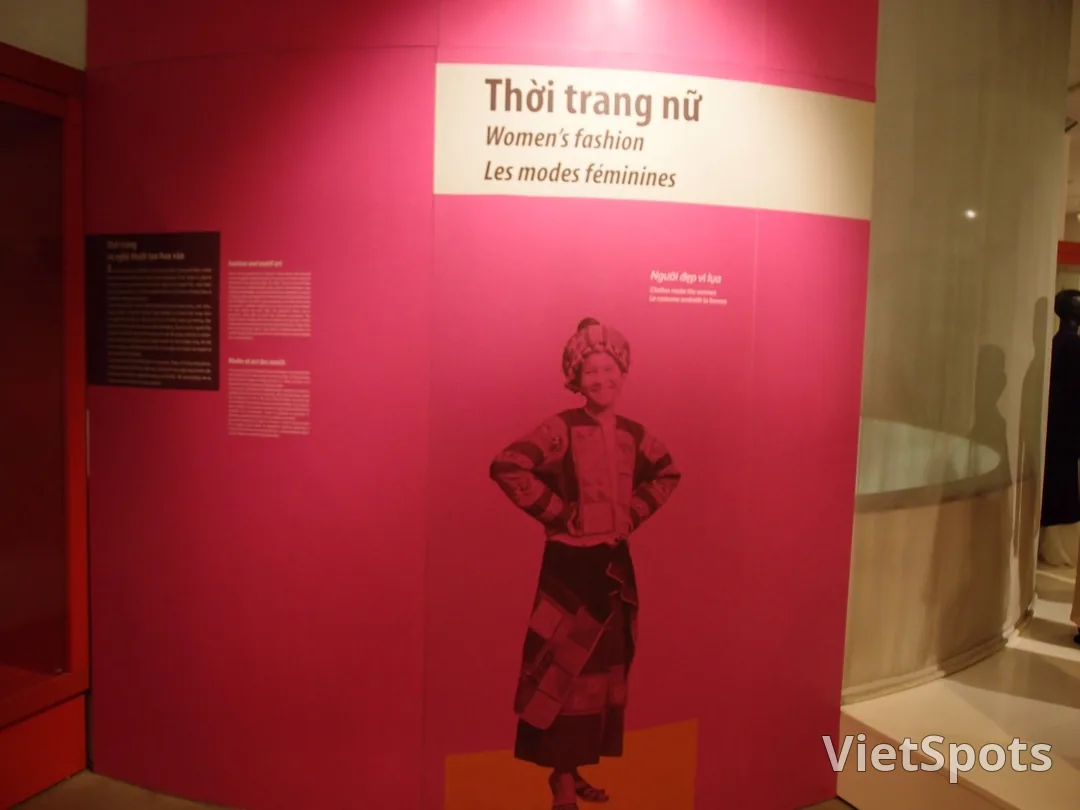
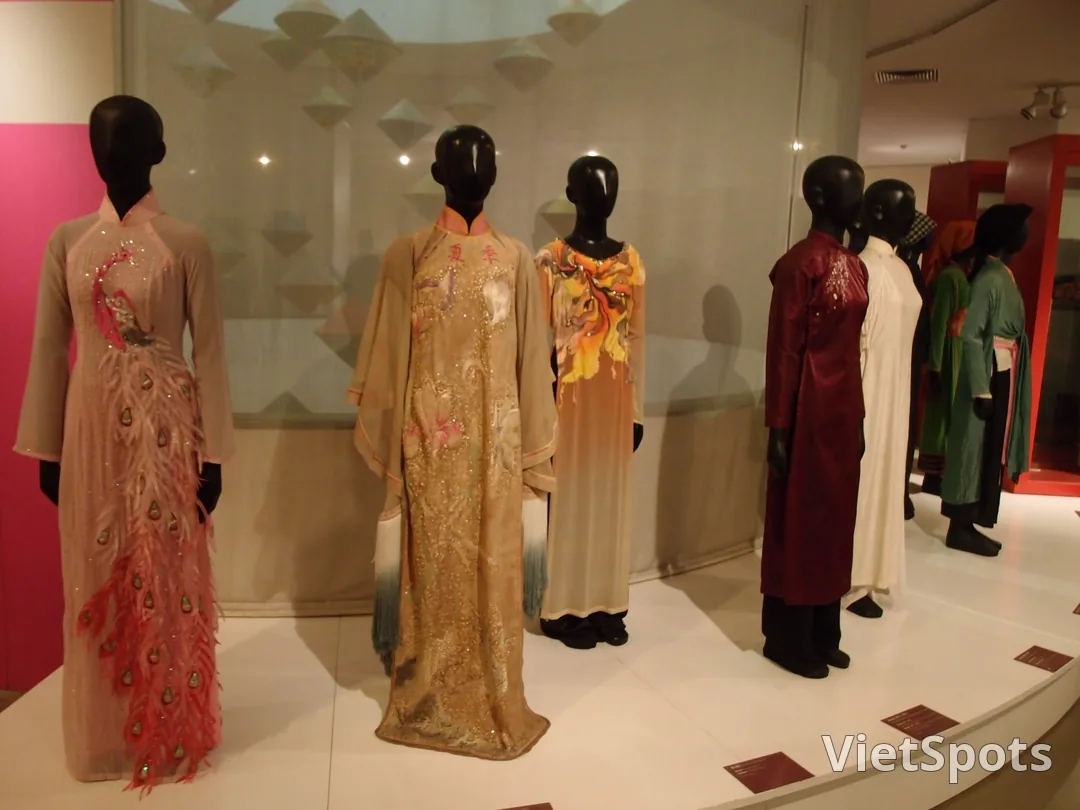
The fourth floor introduces Vietnamese women's clothing. This part overlapped with the Vietnamese Ethnic Museum I had visited before, so I went through it a bit faster.
The fifth floor, which is the top floor, is an art exhibition. It doesn't seem to have much to do with Vietnamese women, but it's quite distinctive. However, only 4 works by that painter are on display, as the others have already finished their exhibition period.
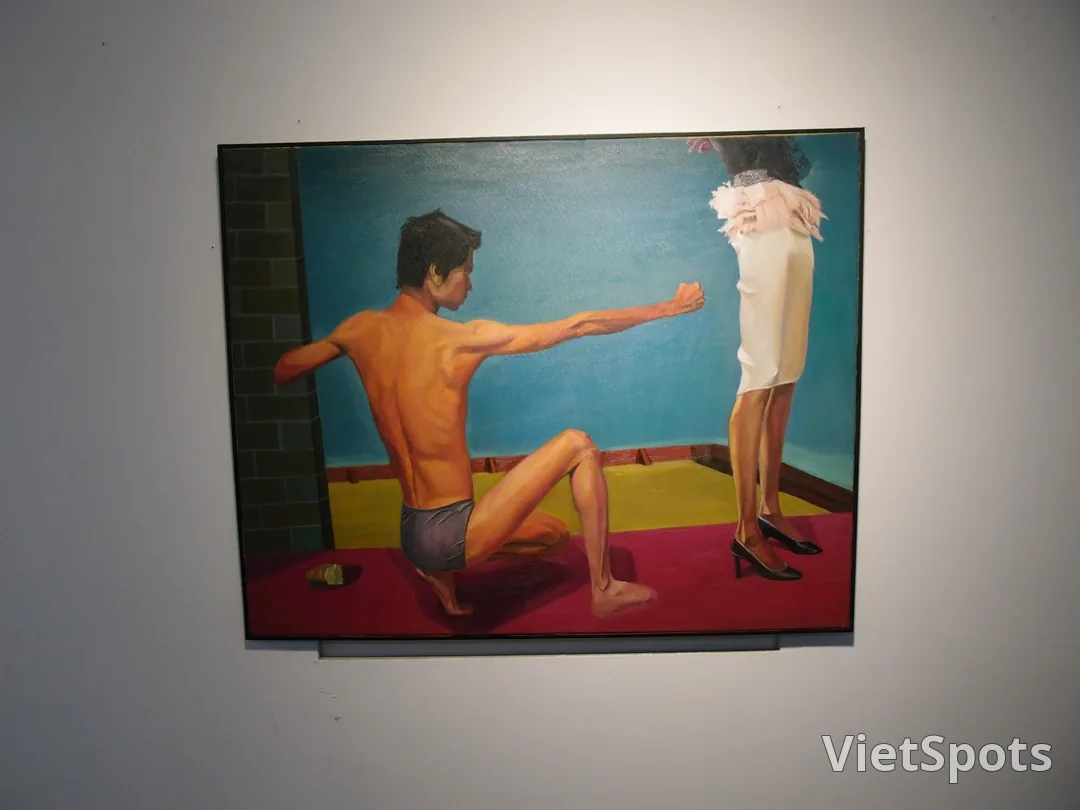
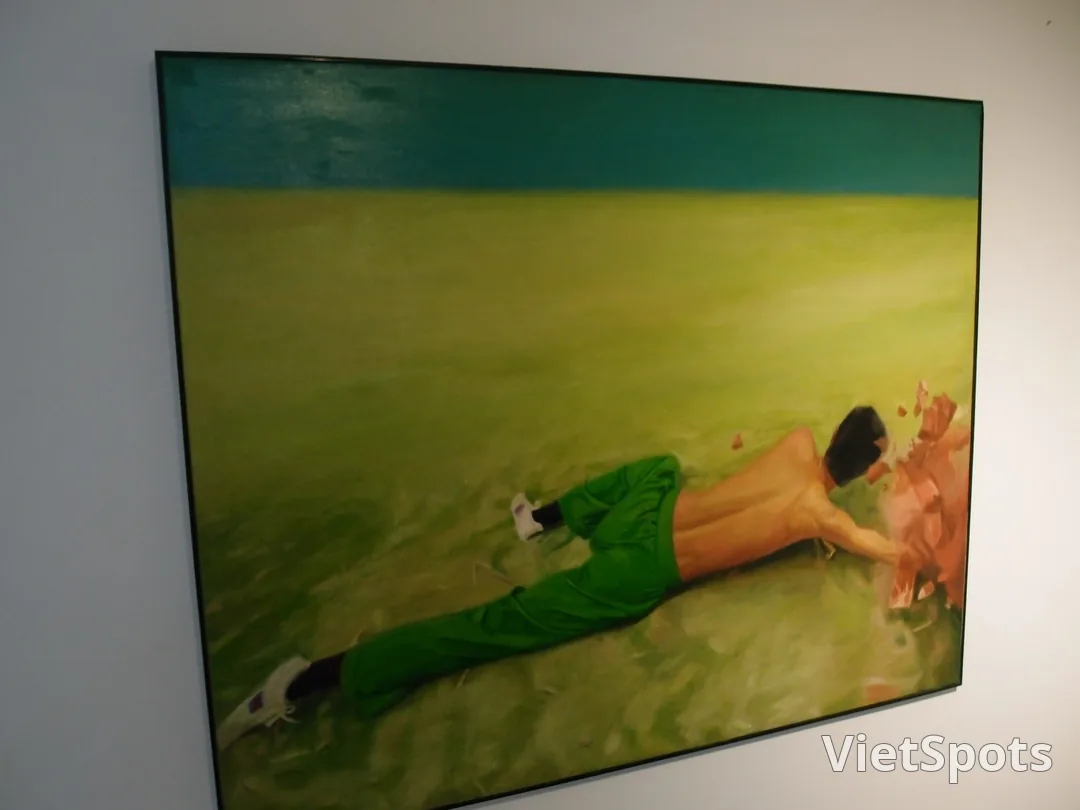
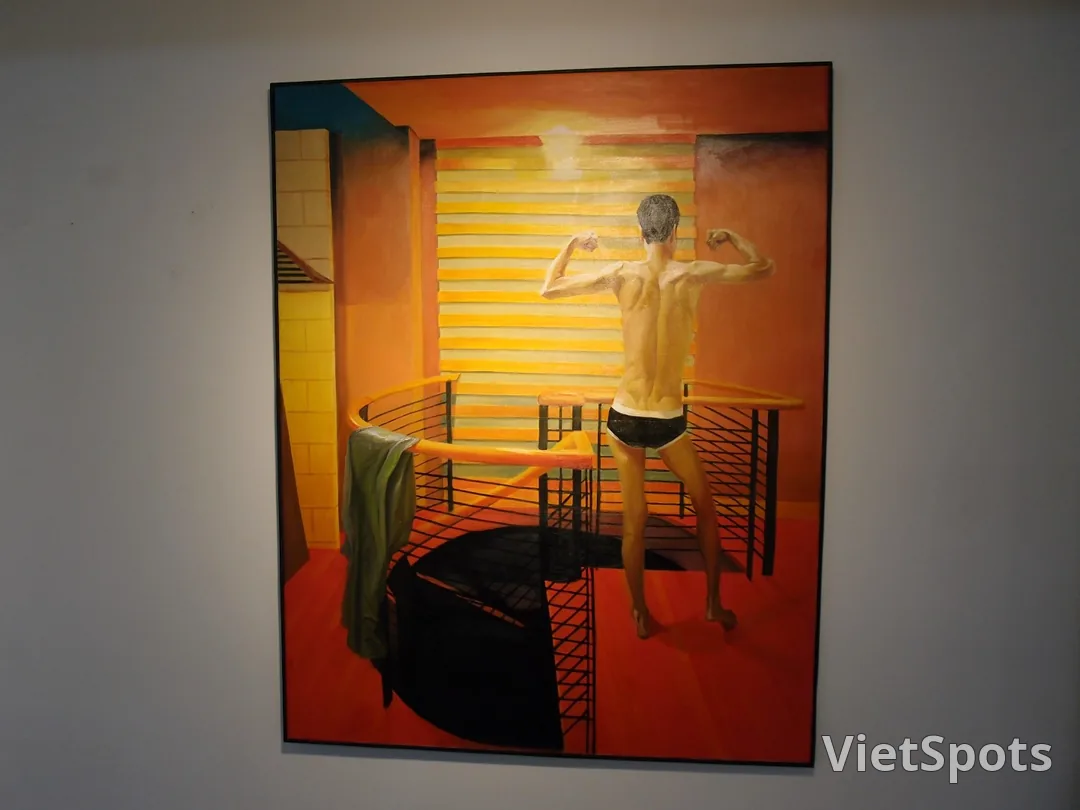
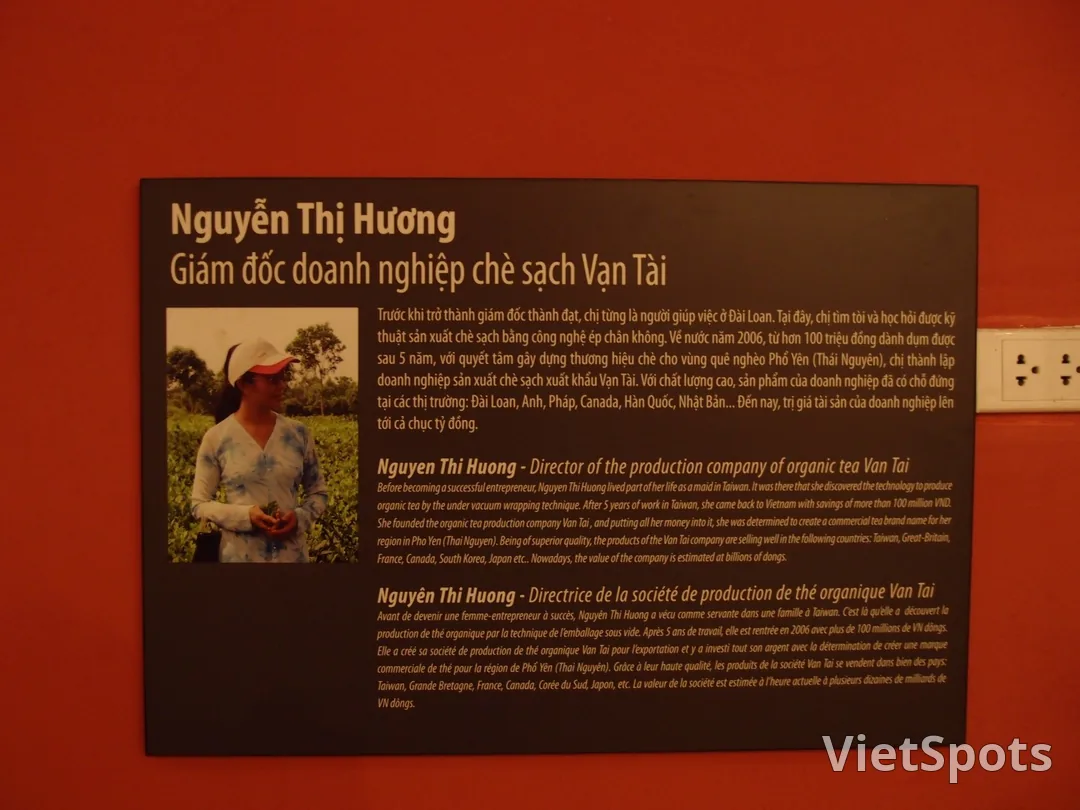
An additional exhibit on the 4th-floor corner introduces outstanding contemporary Vietnamese women. One of the profiles really caught my attention — this woman first went to Taiwan to work as a domestic helper for several years, saving up a few hundred thousand New Taiwan dollars, then returned to Vietnam and used that money, along with the knowledge she gained in Taiwan, to start a tea company. A hero's origins need not be humble.
When leaving, I happened to notice that even the glass windows of this museum matched the museum's theme.
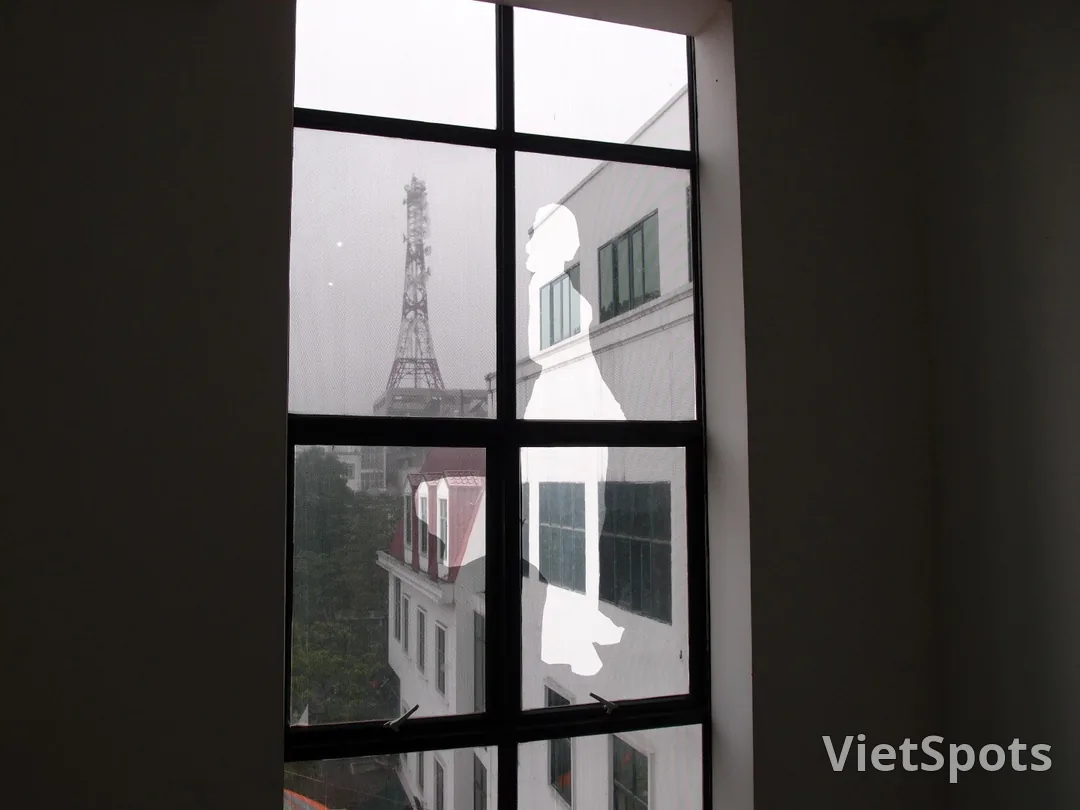
Besides this 5-story exhibition hall, there is also a 1-story exhibition hall right next to it, though its content is also mainly related to war.
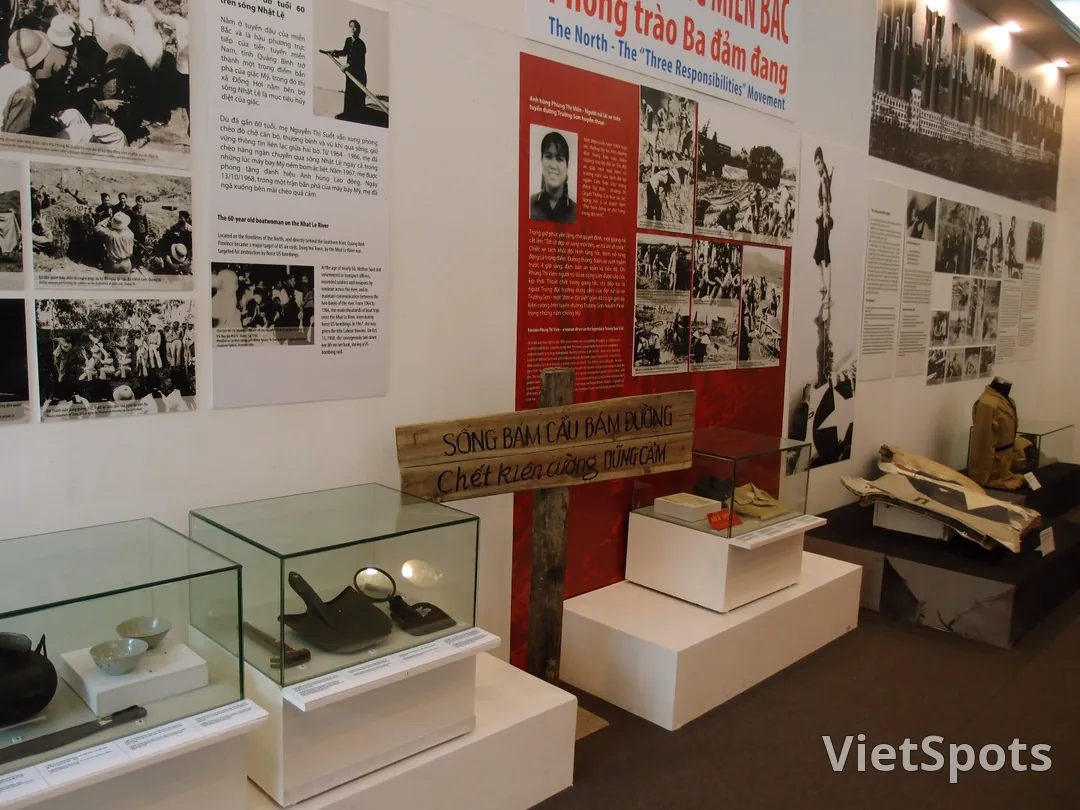
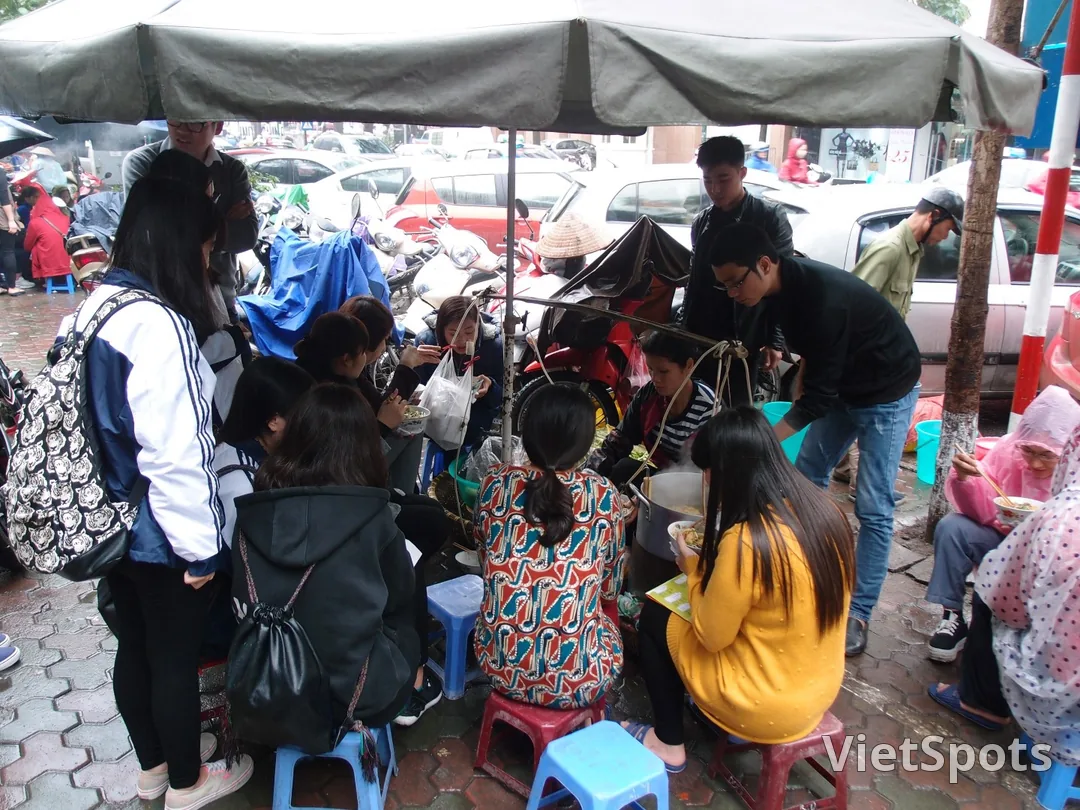
I think this is an exhibition hall worth spending two hours visiting, all the introductions have English available to read, using the lens of Vietnamese women to understand Vietnamese culture. I also hope that in the future our country will have similar themed halls — mothers are great, and I think this hall, besides its historical introductions, also carries something of a symbol of gratitude for women's contributions. It's once again time to worry about lunch, at noon many small food stalls are surrounded by people eating, I originally wanted to pick the one with the most people, but it was really too crowded
Later, I saw another restaurant that was also packed with customers, located near the church, so I decided to give it a try.
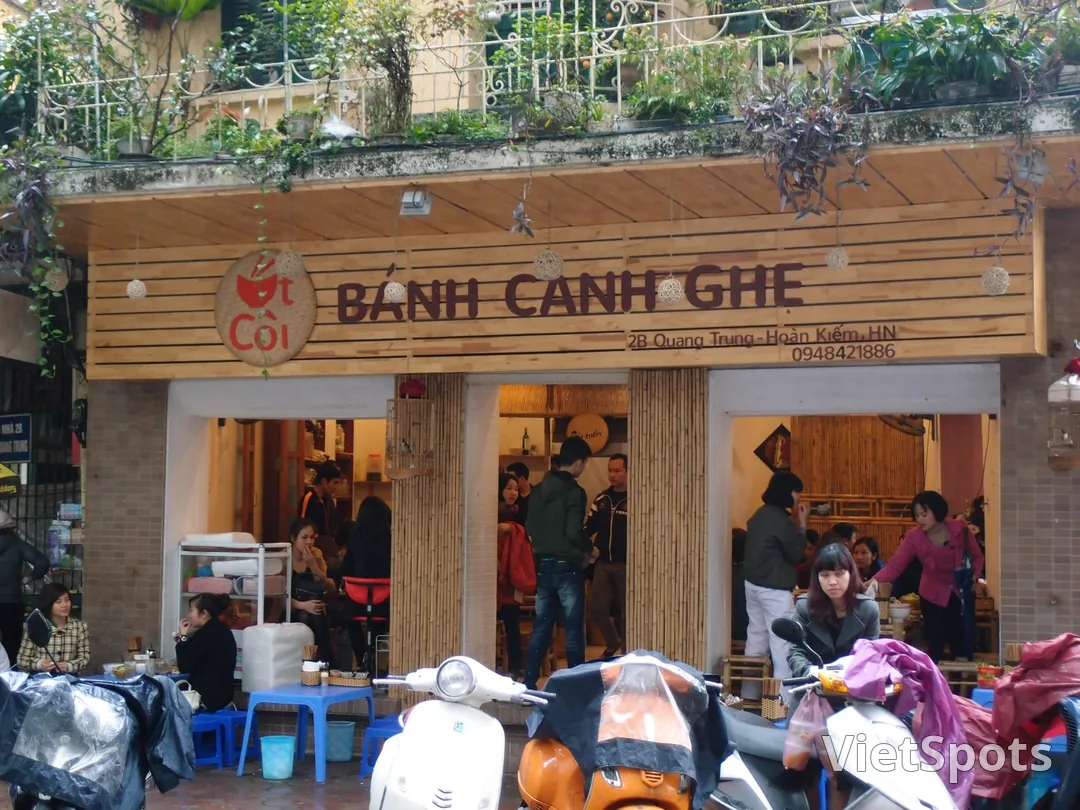
After going in, I first checked out what other people ordered. The two items with the highest visible order counts seemed to be these: spring rolls (15000VND) and banh (55000VND)
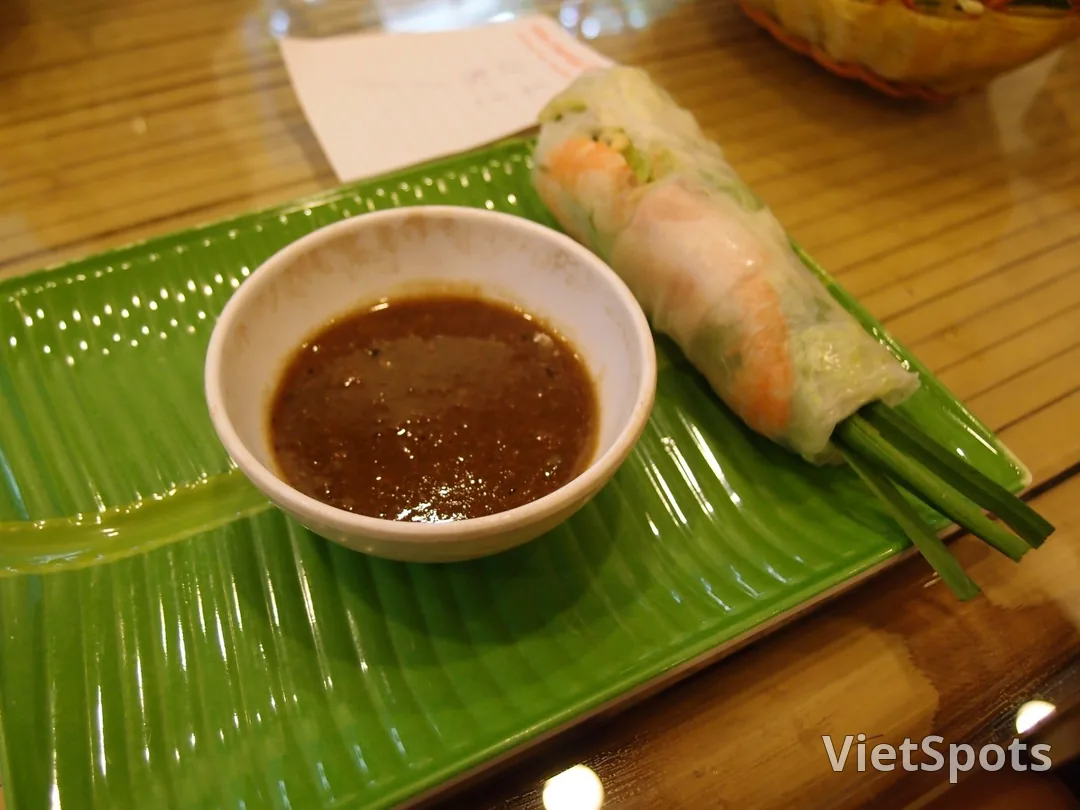
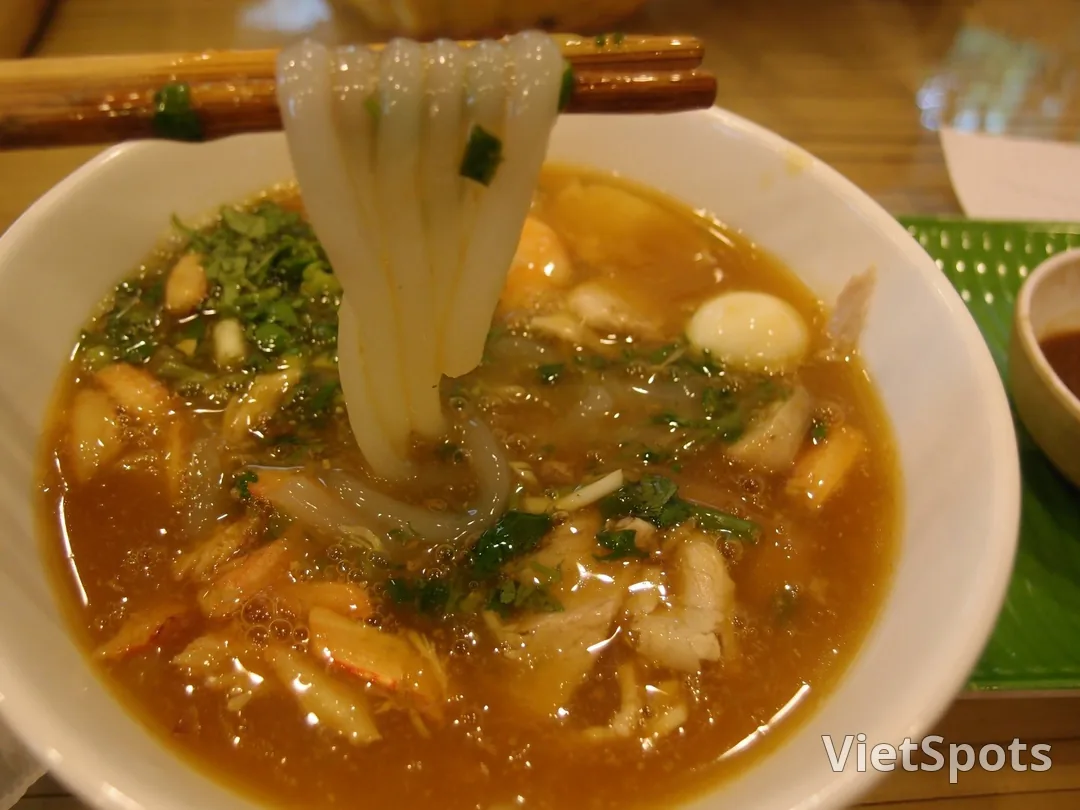
The spring rolls had two shrimp wrapped inside, and with the dipping sauce it was very delicious, while this bowl of banh had very luxurious toppings with meat, shrimp, egg, and so on (so the price wasn't cheap either). Overall the food was good, but the price was a bit high; however, looking at the customers, they were mainly locals, so maybe the prices in Ho Chi Minh City really are higher. After finishing the meal, we didn't rest much and went straight to Hoa Lo Prison, about a 10-15 minute walk from the church.
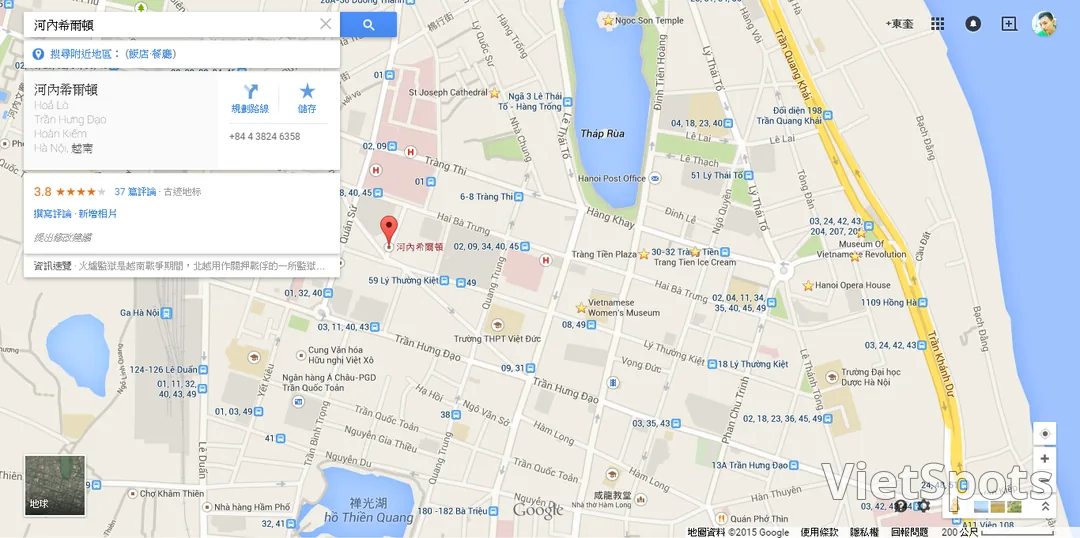
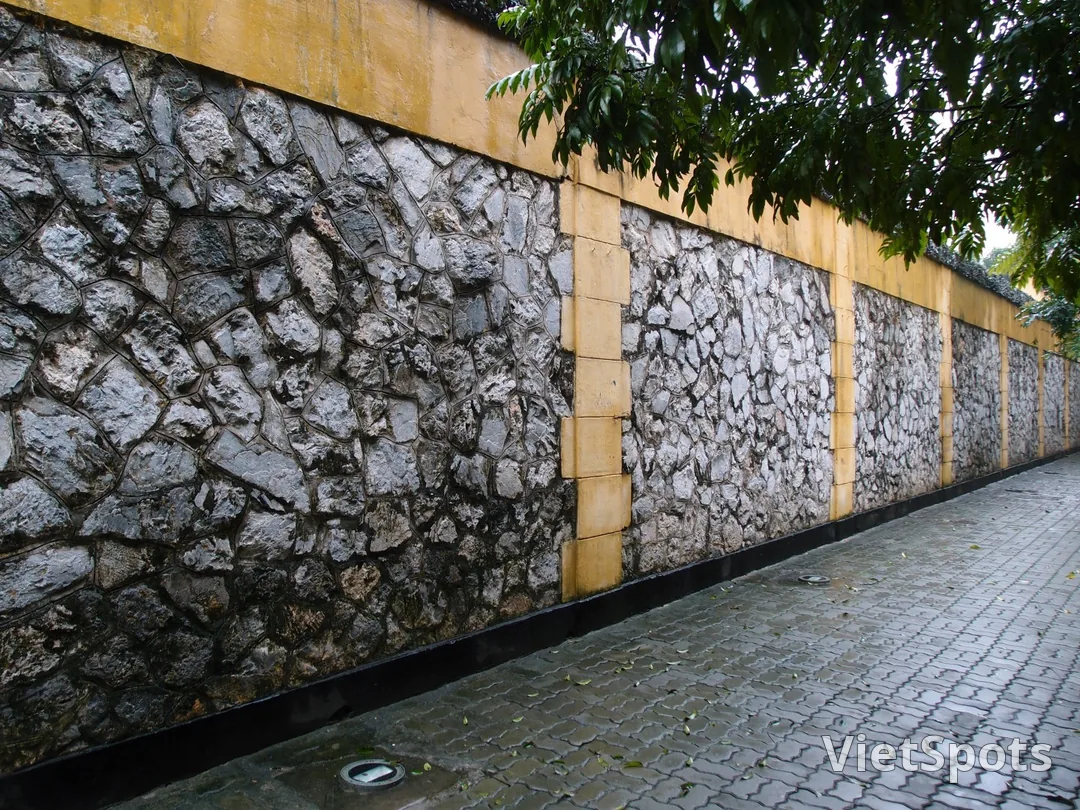
This is the outer wall and gate (admission ticket 30,000 VND)
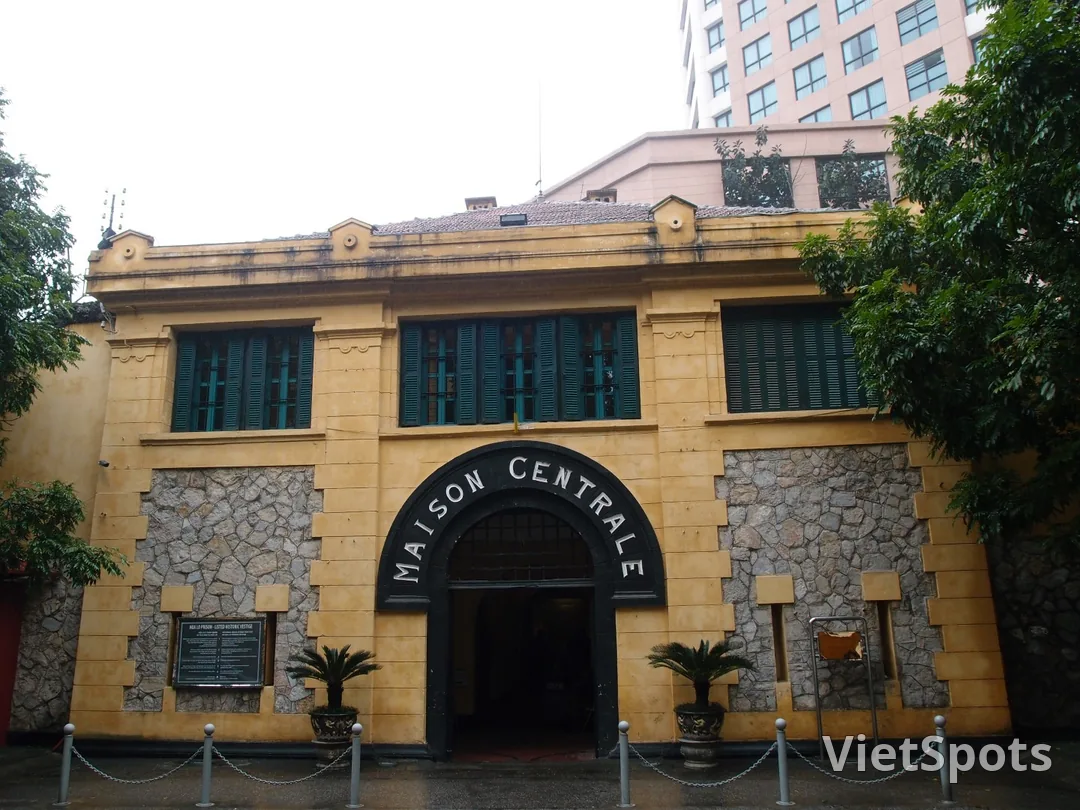
Hoa Lo Prison was built during the French colonial period, primarily to imprison political prisoners who opposed French colonial rule. After North Vietnam was founded, it became a national prison holding serious criminals. During the Vietnam War, some bombers were shot down, and the captured pilots were also imprisoned here. Hollywood once made this the subject of a film called "Hanoi Hilton," which made this place world-famous. This is what Hoa Lo Prison looked like at the time, and there's also a model.
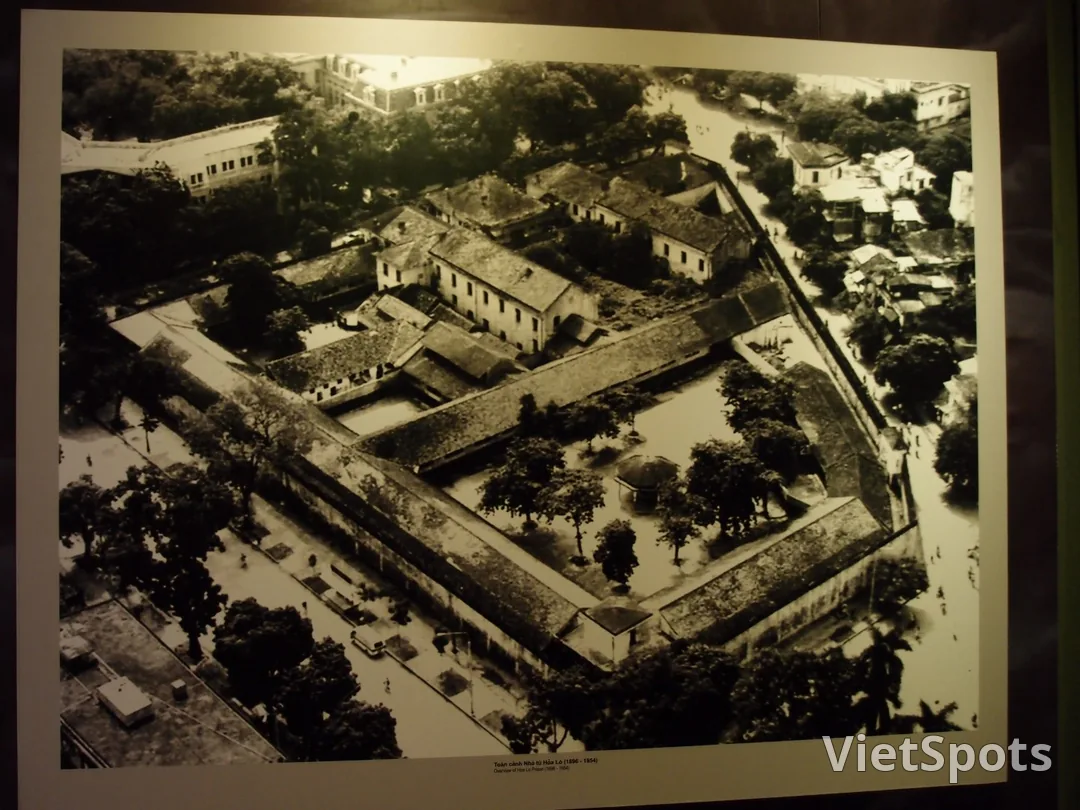
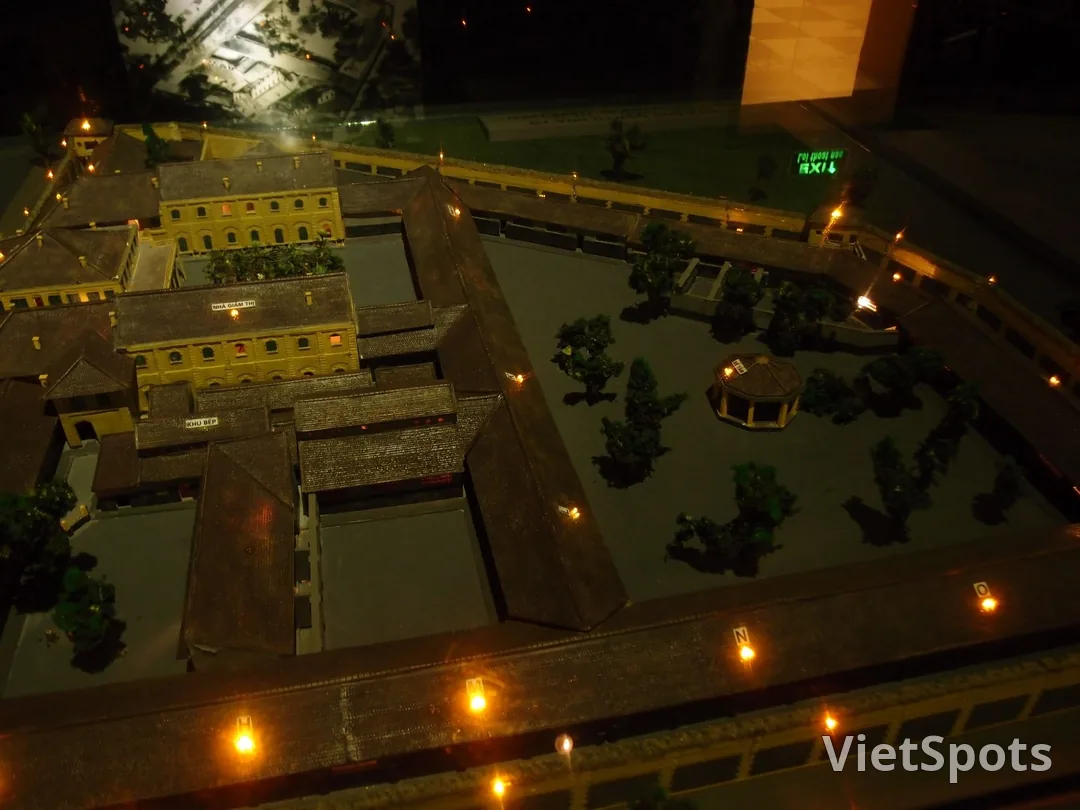
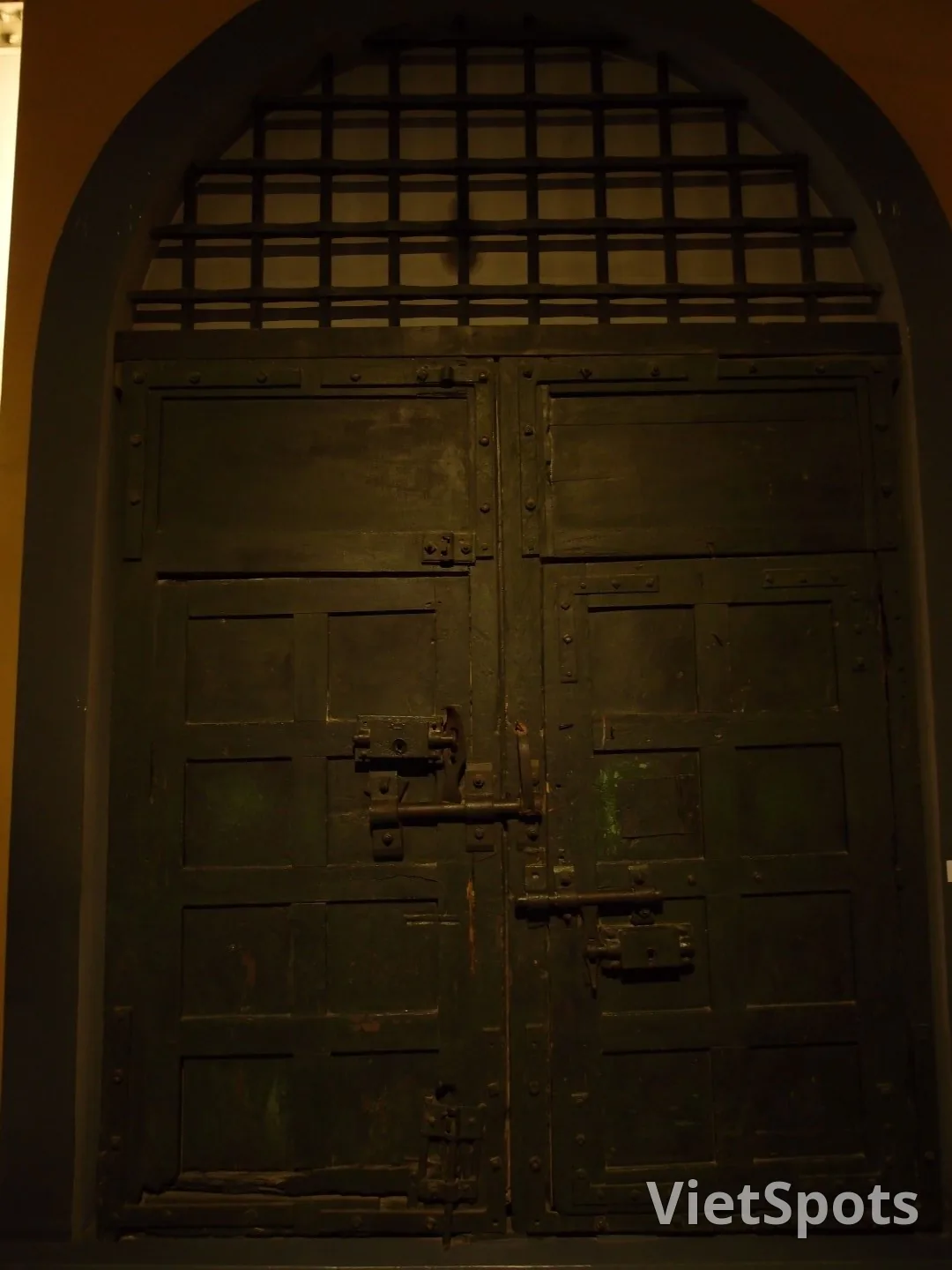
The initial visit mainly introduces the facilities of the prison; this is the gate of the former Fire Stove Prison and the stones that were used in its construction at that time.
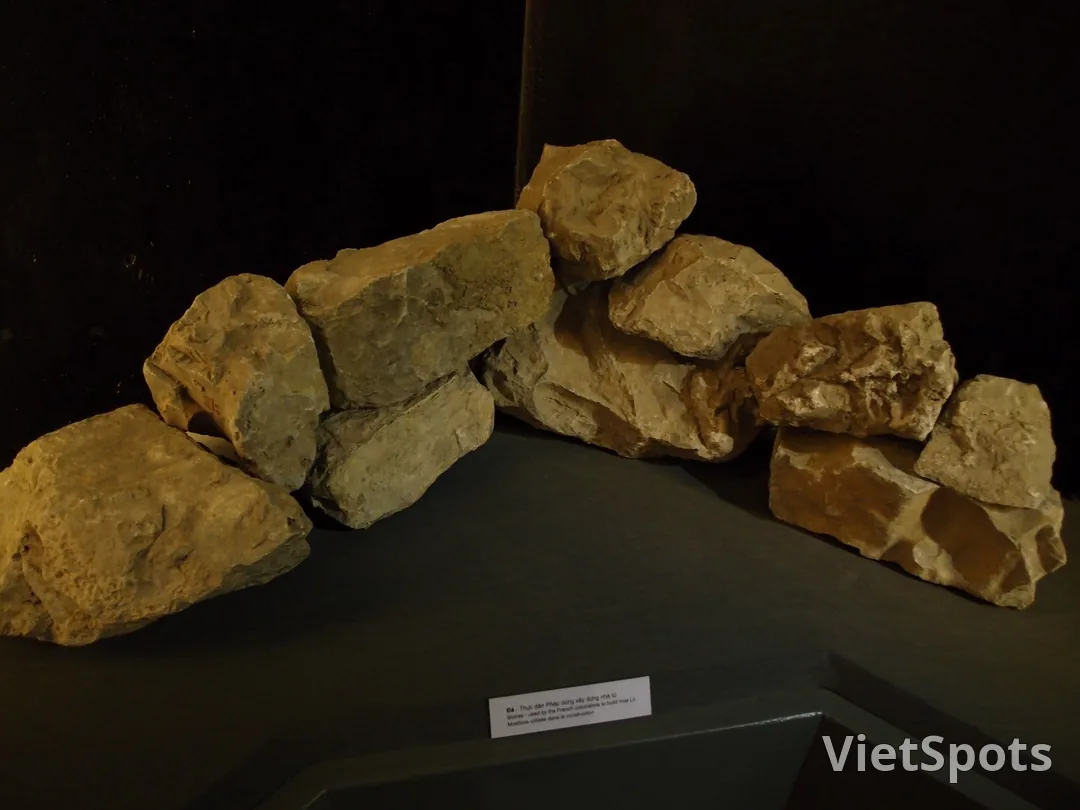
And also the prison uniform from back then.
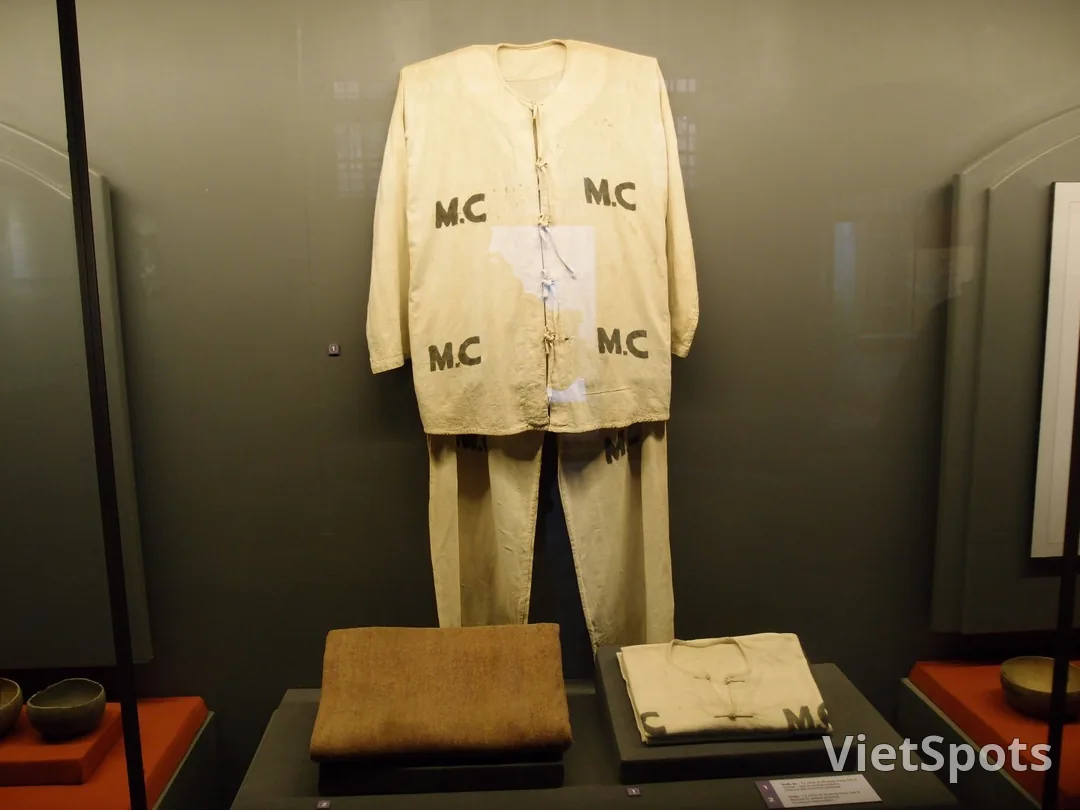
At that time, the prisoners mainly stayed in an environment like this, and even in bed they had to wear leg shackles.
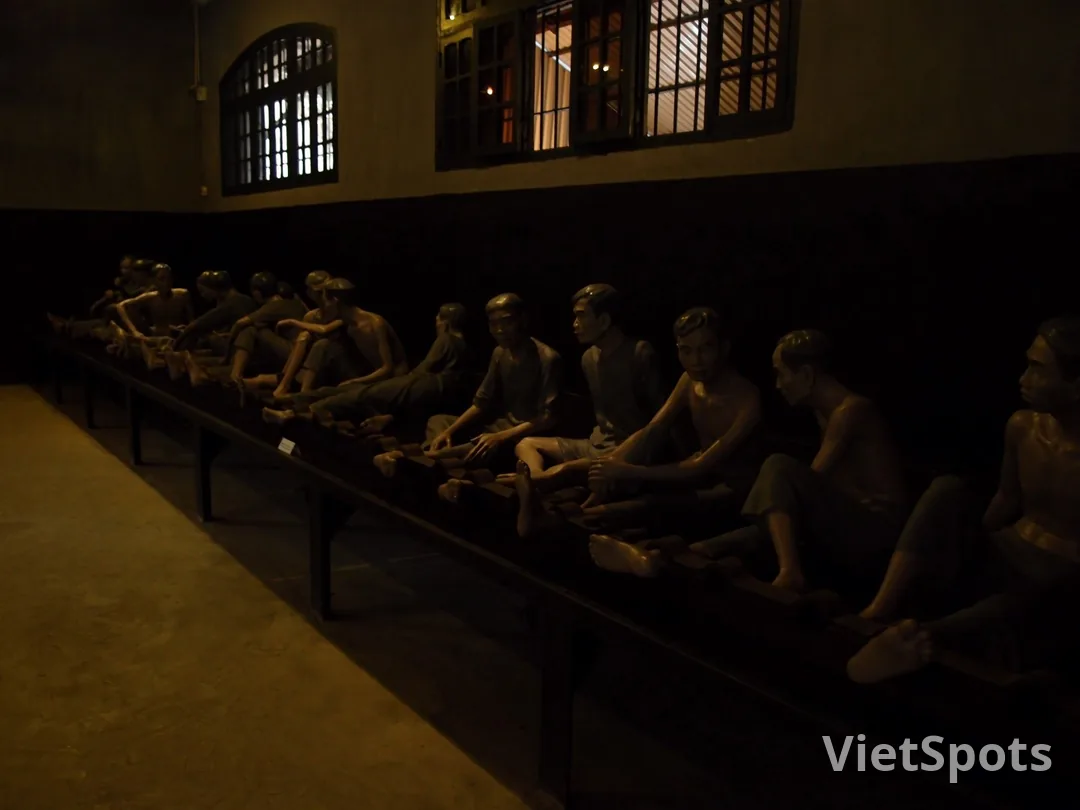
The museum still preserves some of the actual jail cells from that time.
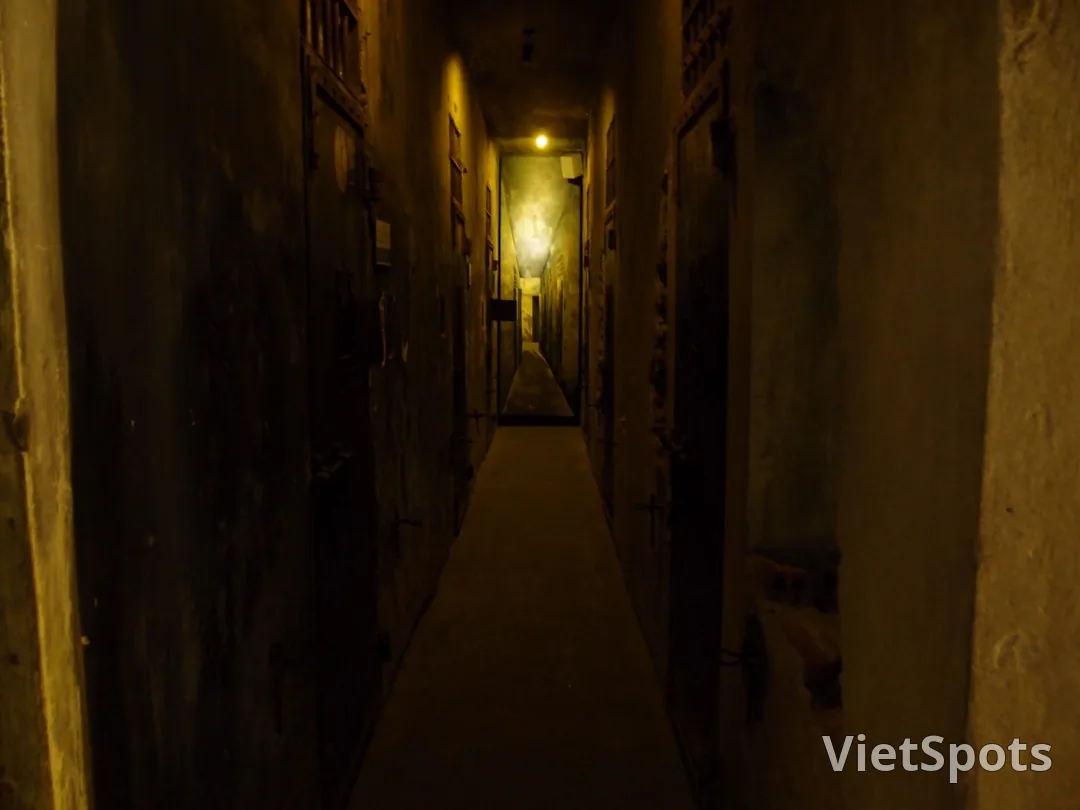
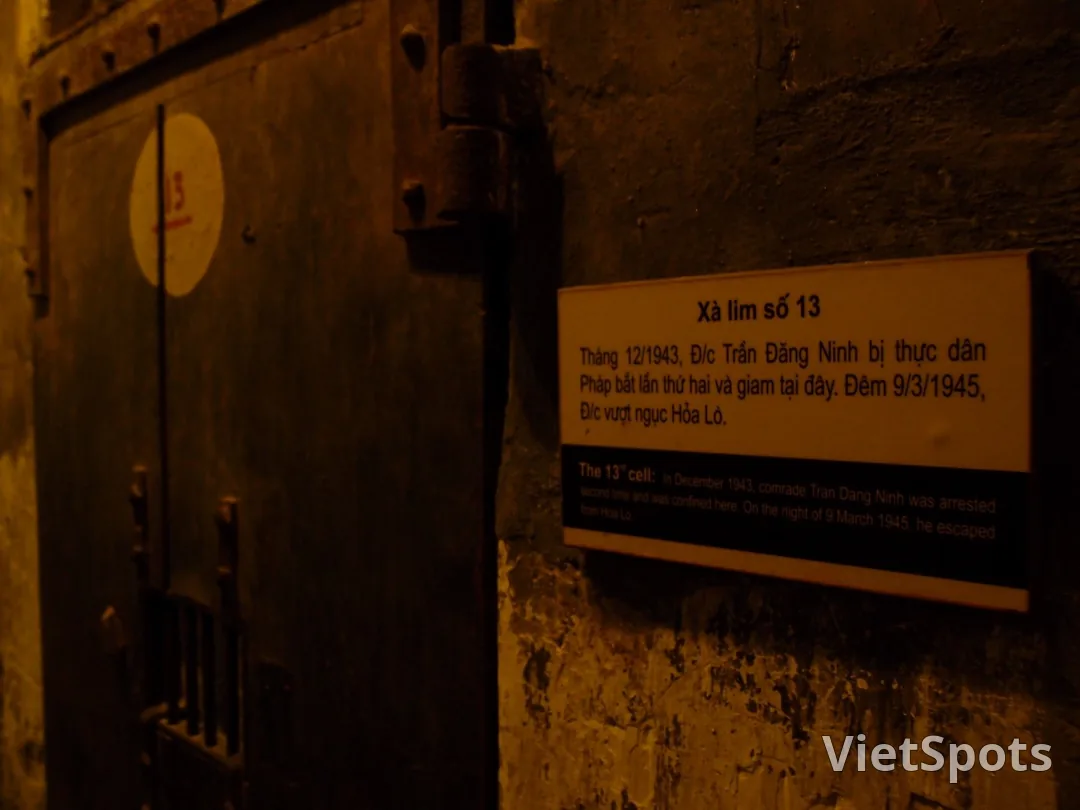
At the end there is a memorial garden for the martyrs who were imprisoned at the time.
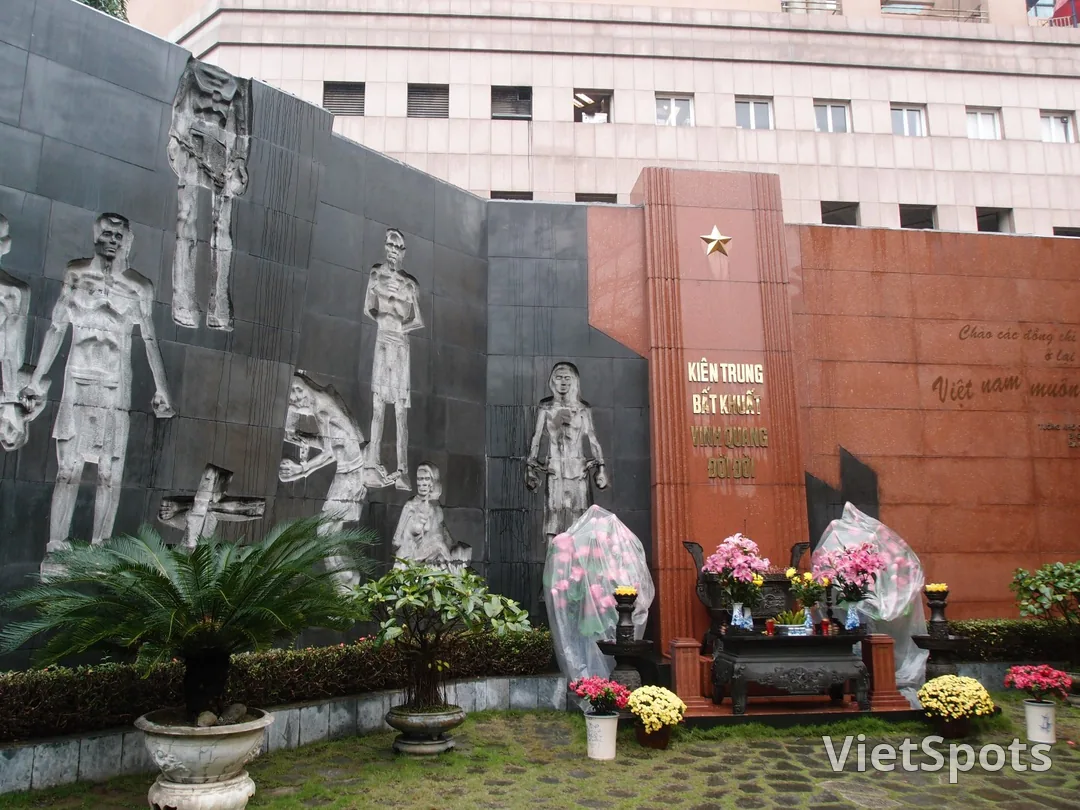
Overall, this is a rather dull exhibition hall, using the stove prison to narrate the various events of the French colonial period (also mentioning part of the Vietnam War). Because of time constraints and my not-so-high interest, I didn't read the explanatory content in detail either. Visit time: 1 to 1.5 hours.
Book Travel in Hanoi — in English on vietSpots
- 🎁 Sign up and get 14 Welcome Pack coupons — e.g. Motorbike Rental 45%
- 👑 Member tier discount up to 15% on site (Silver 5% · Gold 15%)
- 🛂 Auto-fill arrival card📶 Compare lowest eSIM prices🚻 Find toilets
Comments