

2025 Sapa Travel Guide | Terraced Field Hiking, Complete Guide to Ethnic Minority Villages


Introduction to Sapa Sapa (Sapa) is located in Lao Cai Province in northwestern Vietnam, at an altitude of approximately 1,600 meters, bordering Yunnan, China. It is renowned for its stunning terraced landscapes and diverse ethnic minority cultures, making it the most charming mountain tourist destination in northern Vietnam. The main residents are the Hmong and Dao ethnic groups, each with their own distinctive clothing, languages, and architectural styles. The Hmong primarily live in wooden houses, while Dao architecture features gentler roof slopes, commonly characterized by stone walls and mud walls structures. Sapa is also the location of Fansipan (Fansipan Peak)—Vietnam's highest peak, at an altitude of 3,143 meters, hailed as the "Backbone of the Indochinese Peninsula.
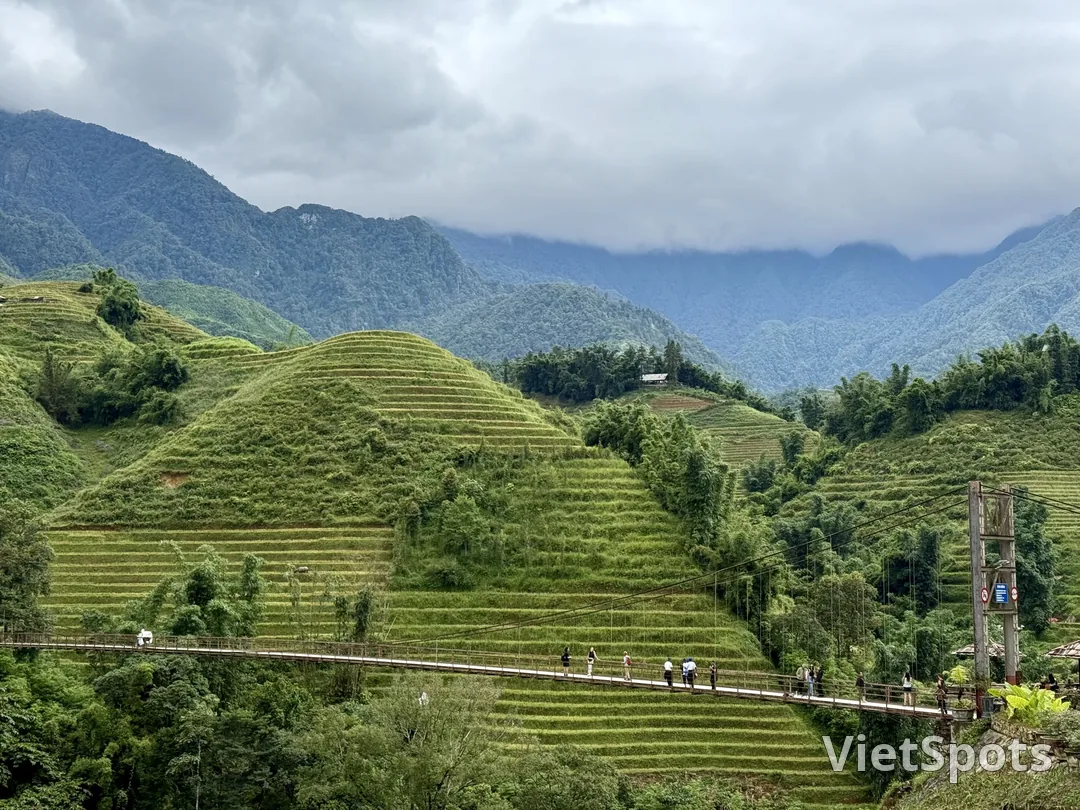
Best time to travel Sapa has four distinct seasons, each with its own charm, but the most recommended times are as follows: May–June: The season of green terraced fields, when the paddies are filled with water and the mountains look fresh and vibrant — a favorite time for photography lovers.
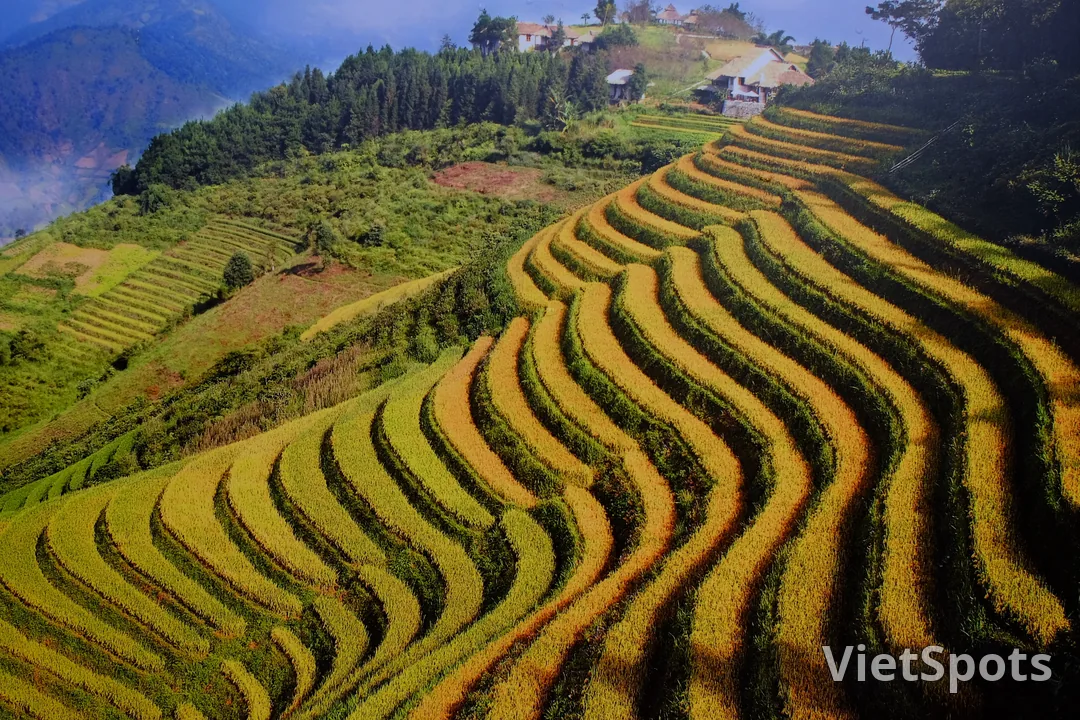
September–October: golden rice wave season, when the fields shimmer with a dazzling golden glow before the harvest, breathtakingly beautiful.
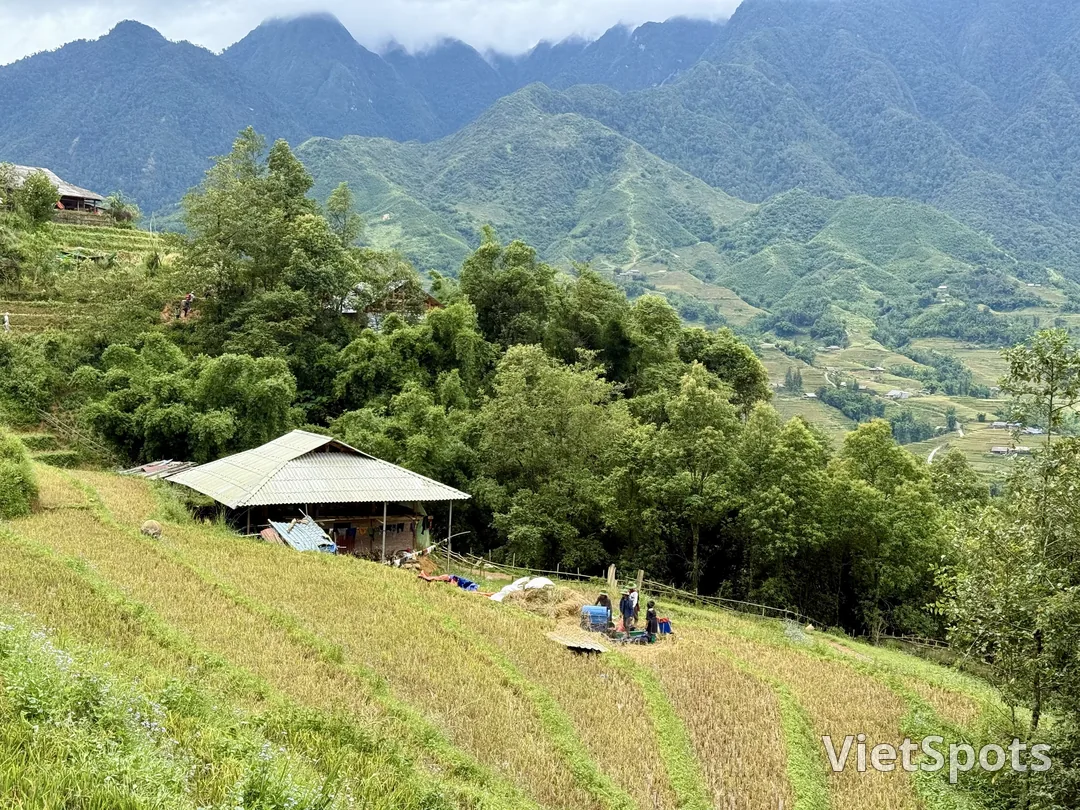
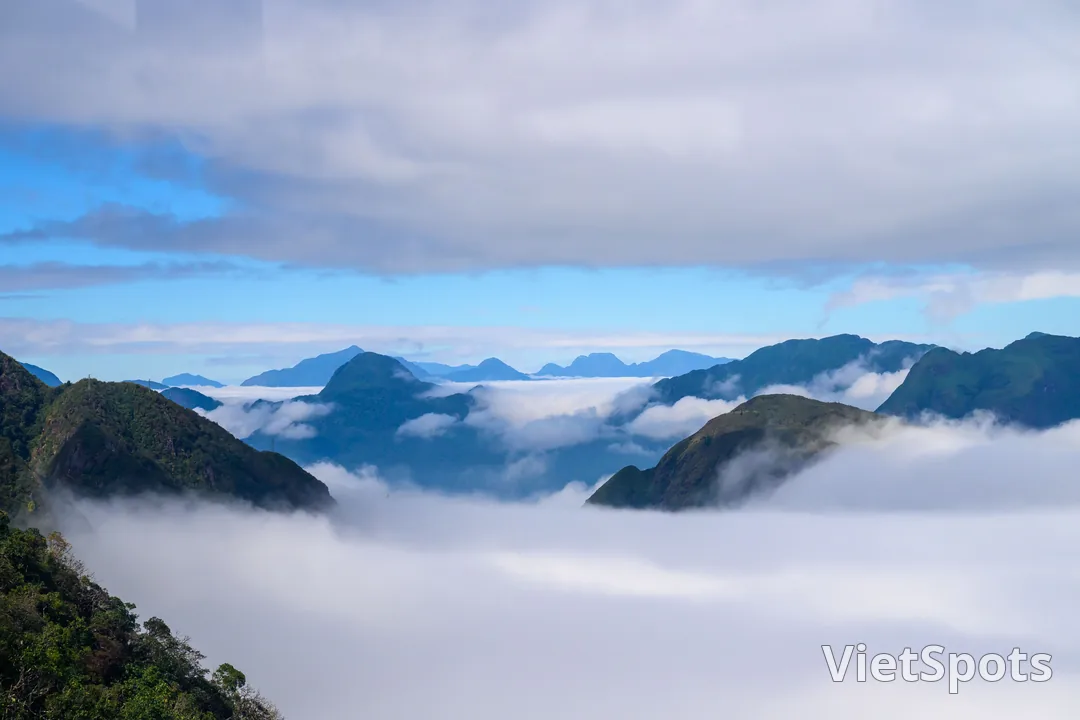
December–February: Winter sea of clouds season, when mountain temperatures drop to 0°C, with occasional frost scenery and cloud waterfalls. (However, mist and clouds are often thick during this time, making it harder to enjoy the beauty of the terraced fields.)

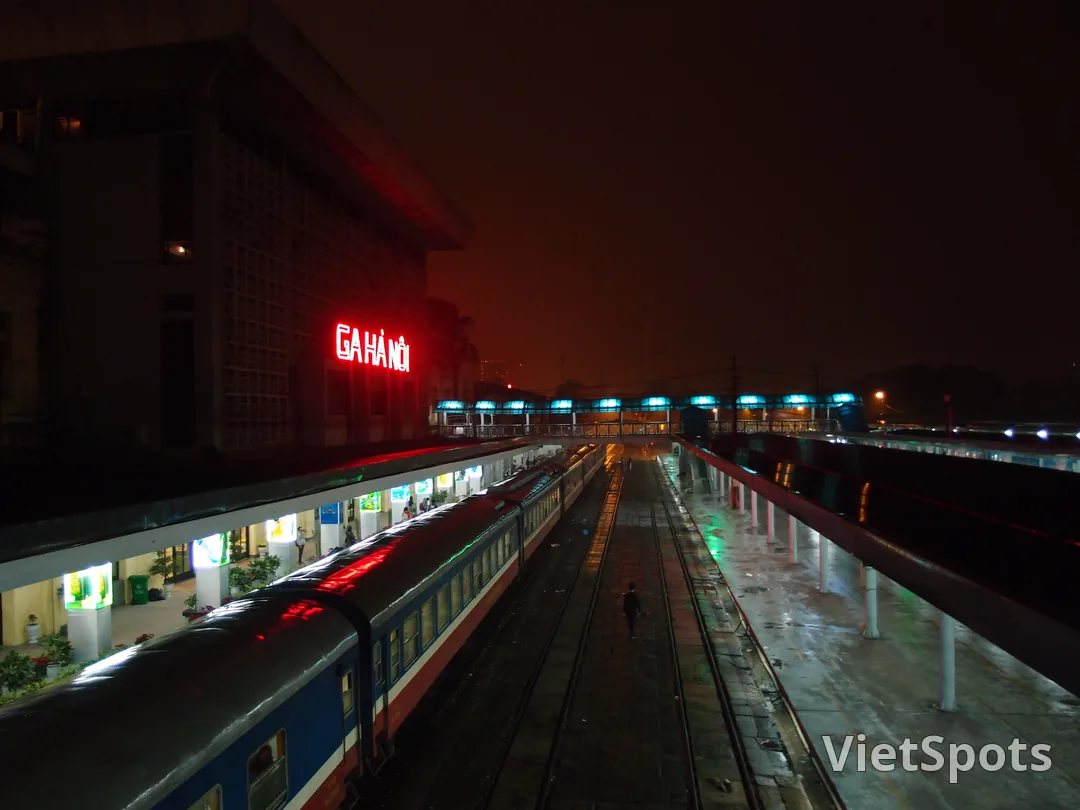
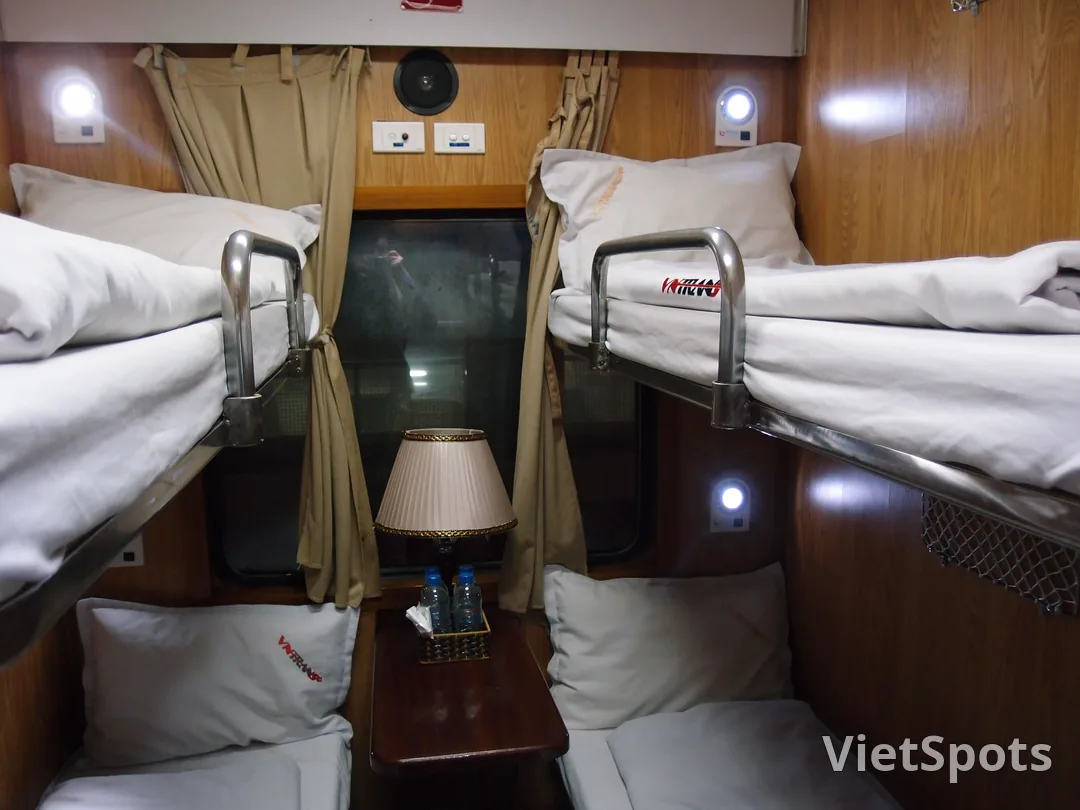
Quick tip: July–August is the rainy season with slippery roads, suitable for short attractions or light hiking. Transportation methods from Hanoi to Sa Pa (5–6 hours) From Hanoi to Sa Pa takes approximately 5–6 hours by car. You can choose from the following options based on your budget, comfort level, and time flexibility: 1️⃣ Sleeper Train (Night Train) | Hanoi → Lao Cai → Sa Pa Take the night sleeper train from Hanoi to Lao Cai, then transfer to a minibus or shuttle bus upon arrival. You can reach Sa Pa in approximately 1 hour. · KLOOK bookable · Four-person shared sleeper: approx. NT$450/person · Two-person deluxe cabin (includes shuttle bus): approx. NT$6,700 · Pros: overnight travel, saves one night's accommodation, some sections offer scenic mountain views along the way · Best for: travelers with plenty of time who want to experience Vietnam's railway culture 2️⃣ Deluxe Bus/Limousine (direct)|Most Recommended Deluxe buses or Limousine-type vehicles can travel directly from downtown Hanoi to downtown Sapa, with a journey time of about 5.5 hours. · Can be booked on KLOOK · Price is about NT$600 per person · Advantages: Saves time, comfortable, direct with no transfers · Recommendation: ★★★★★ (best overall travel efficiency) 3️⃣ Self-driving or private charter You can freely adjust the itinerary and stops, but the mountain roads have many curves and long driving hours can be tiring. · Advantages: High flexibility in the itinerary Note: Not recommended for those without sufficient mountain road driving experience Vietnam Railways' four-person shared sleeper berth
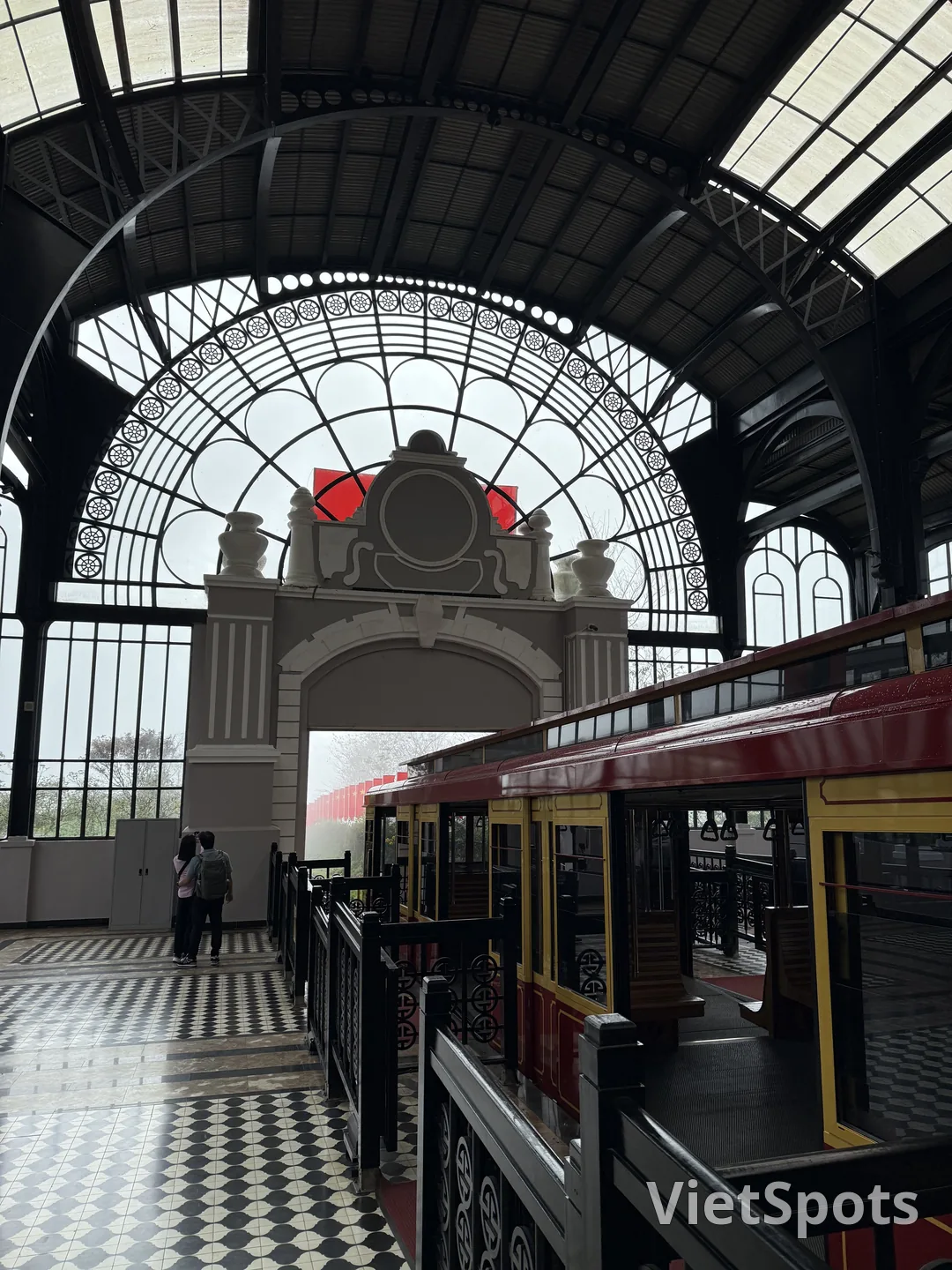
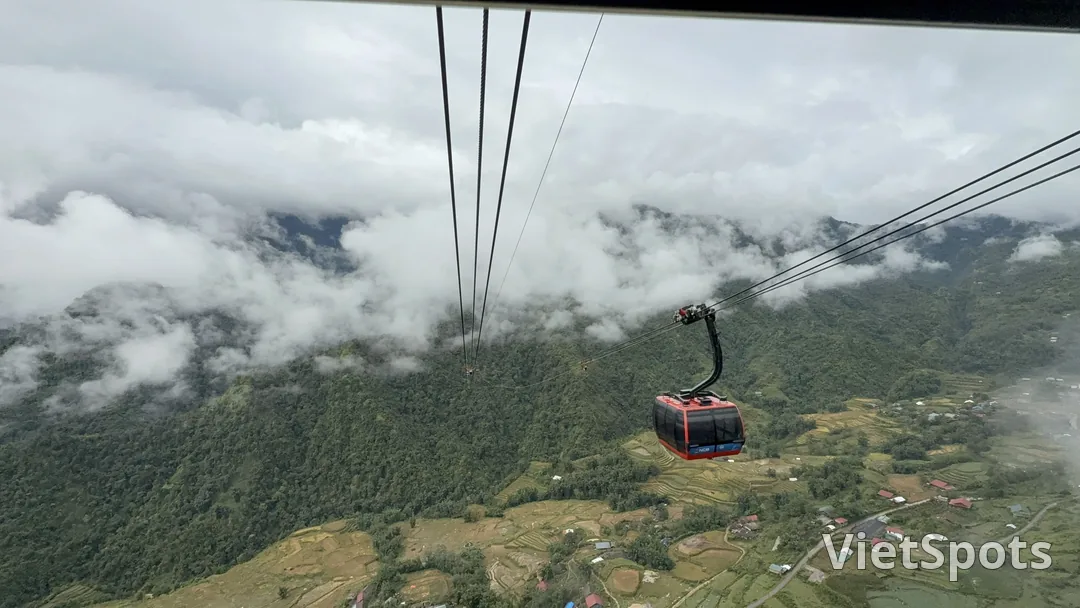
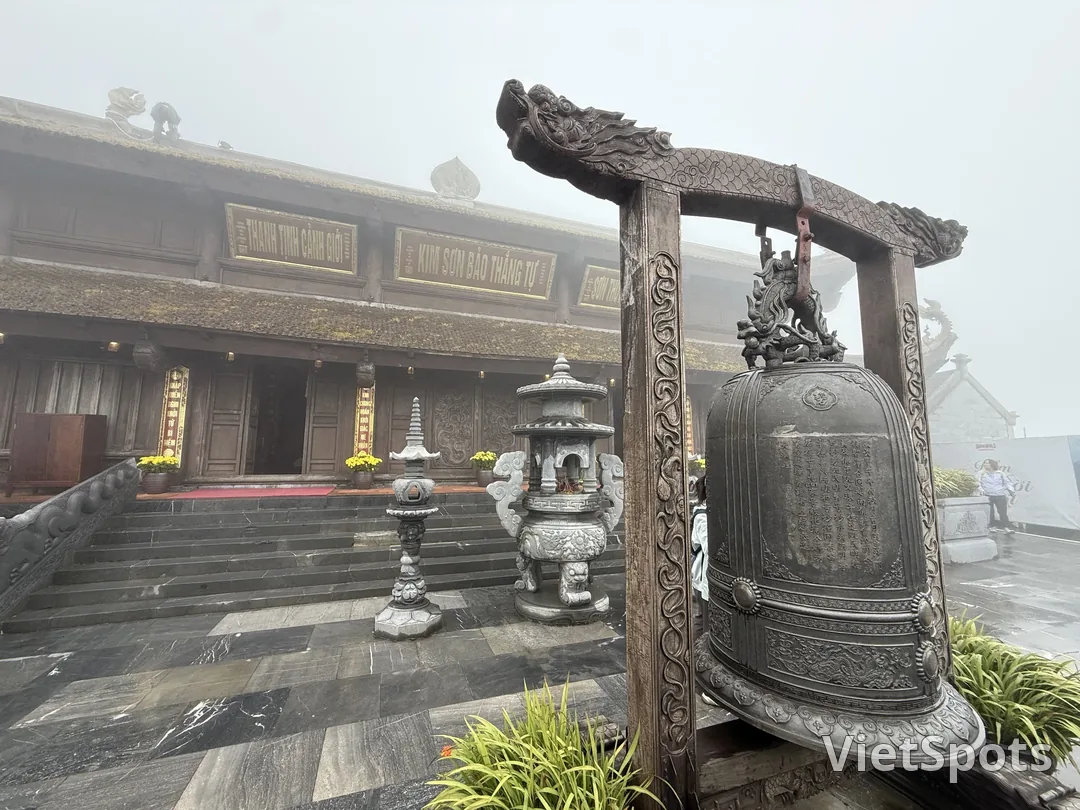
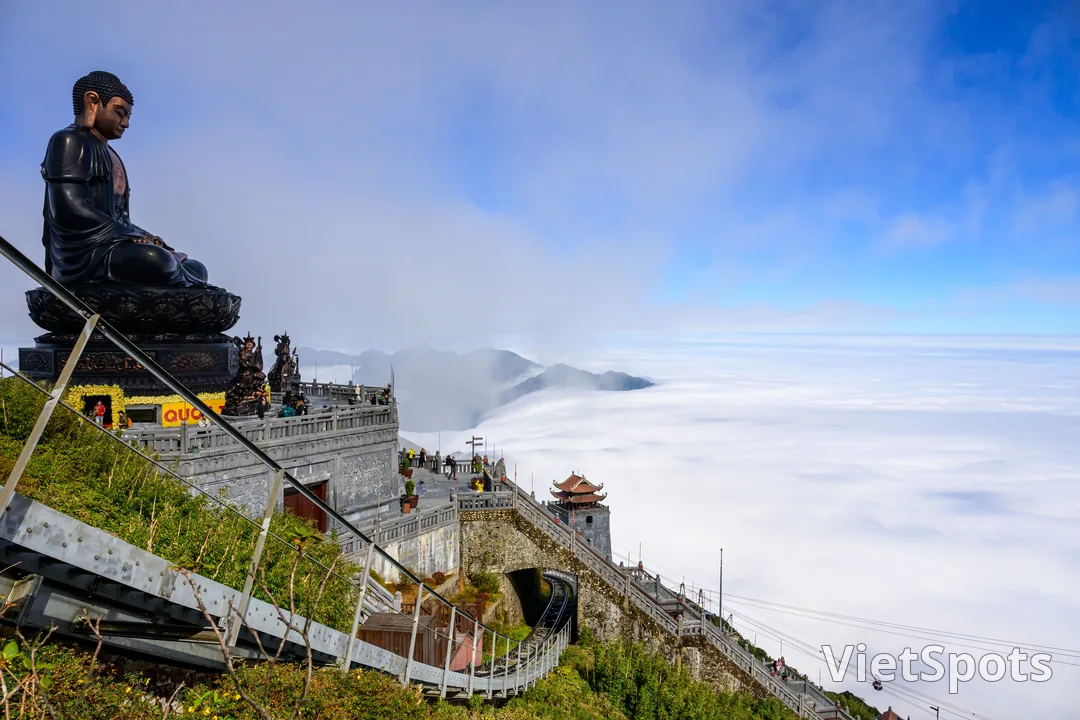
Sapa Classic Attractions Overview Fansipan Peak (Fansipan Peak) The highest peak in Southeast Asia, by taking the Sun World Fansipan Legend cable car and summit electric car you can quickly reach the summit. Along the way you can see sea of clouds, temple clusters, and a 20-meter tall giant Buddha statue. If you have sufficient physical strength, you can choose to do partial hiking and climbing to challenge the "Peak of Indochina.

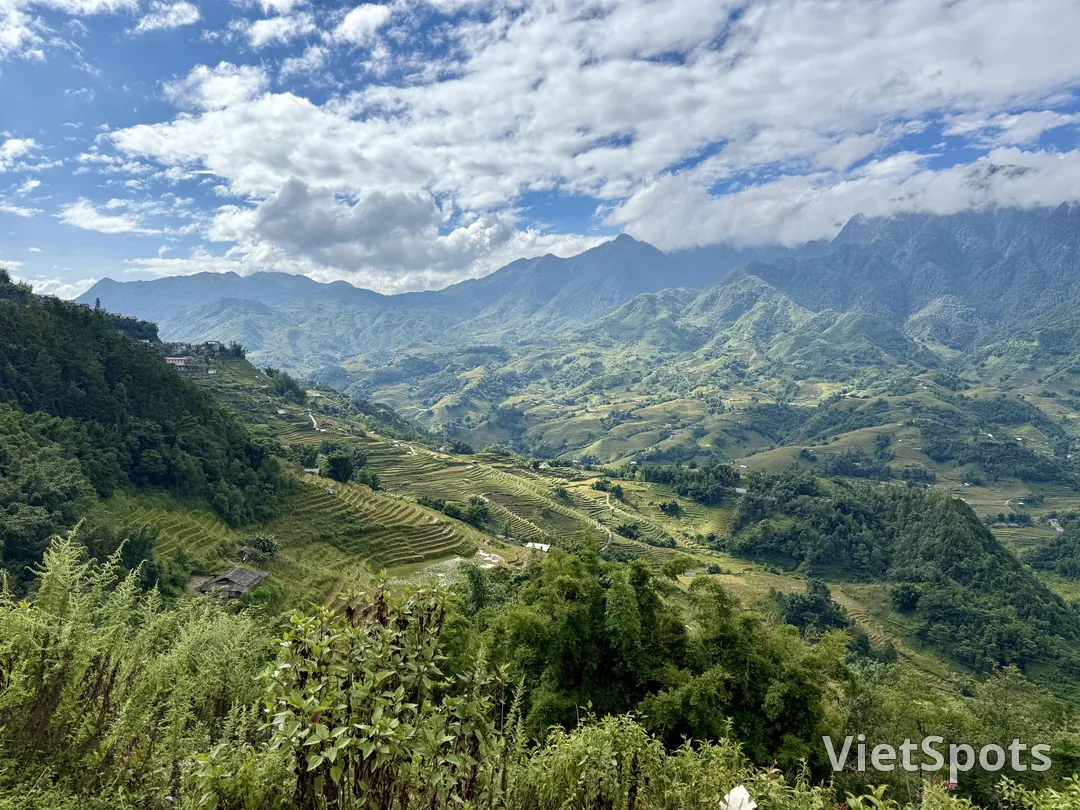
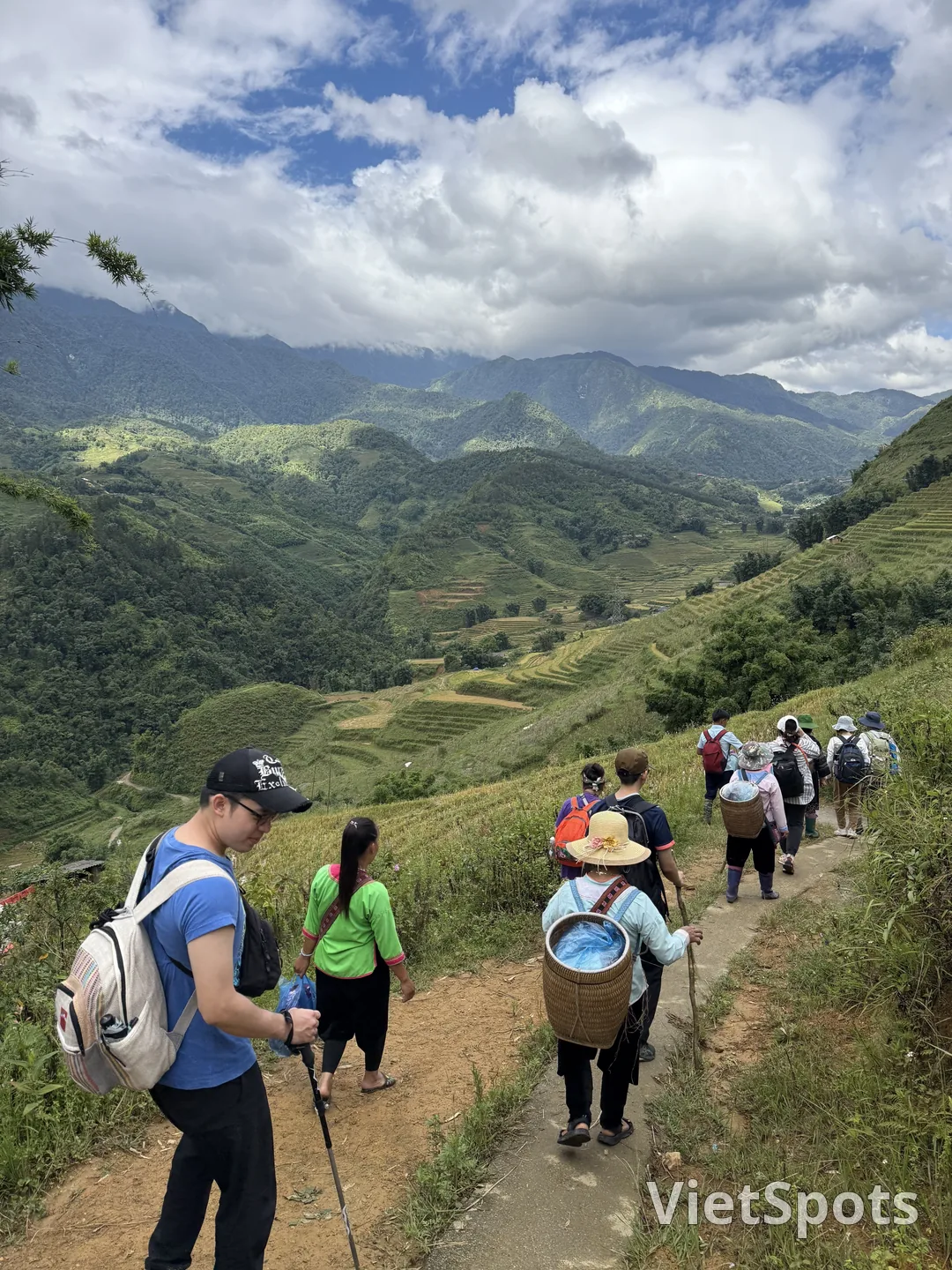
Muong Hoa Valley Trekking The most classic trekking route in Sapa, passing through terraced rice fields, streams, and ethnic minority villages. Villages along the way include Lao Chai, Ta Van, Giang Ta Chai, and others. You can choose a half-day, 1-day, or multi-day trekking itinerary to experience the local culture in depth.
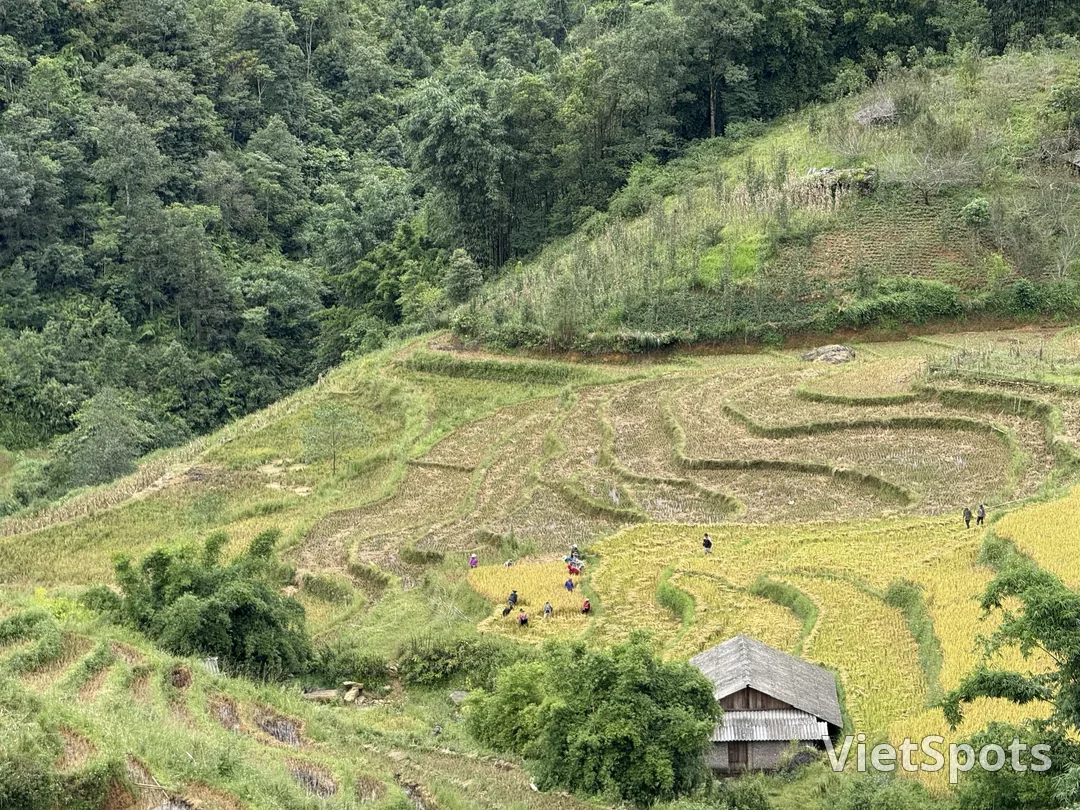
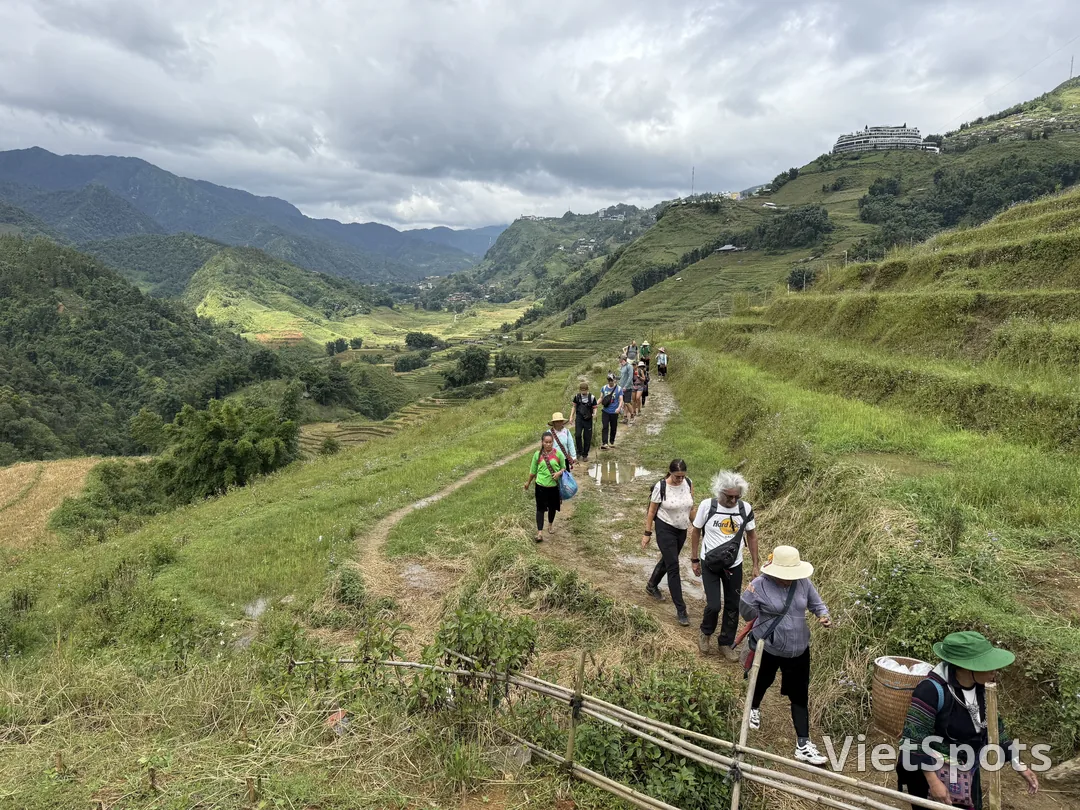
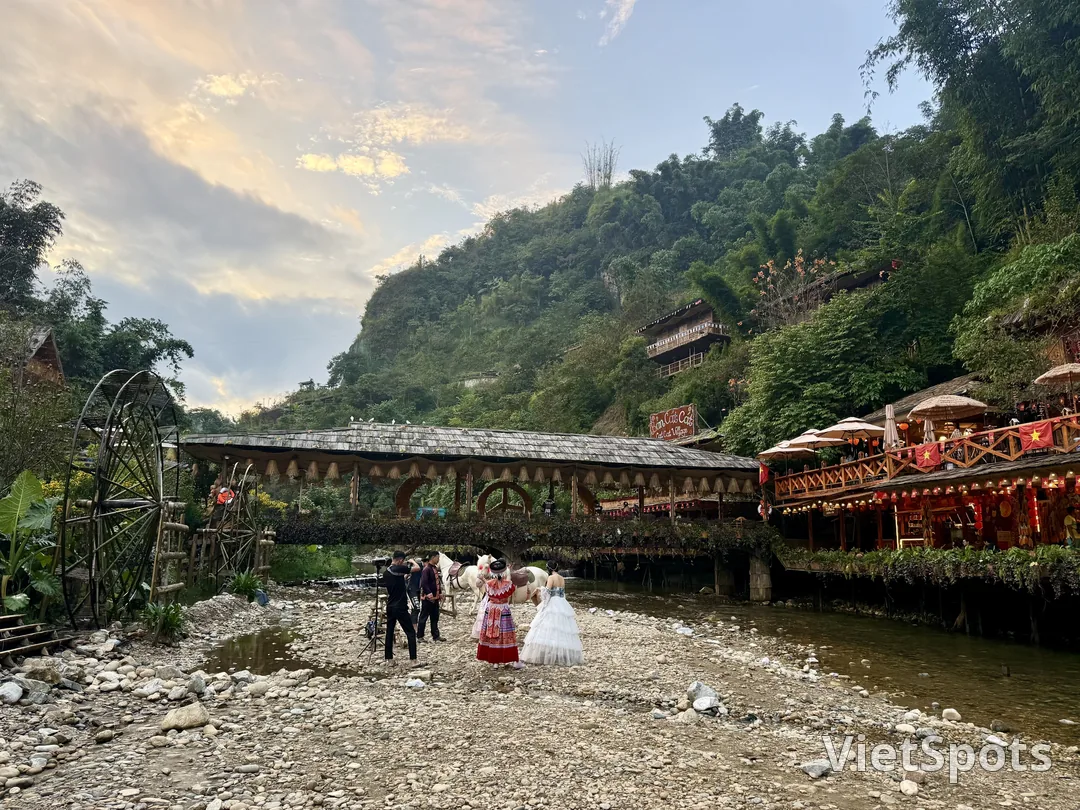
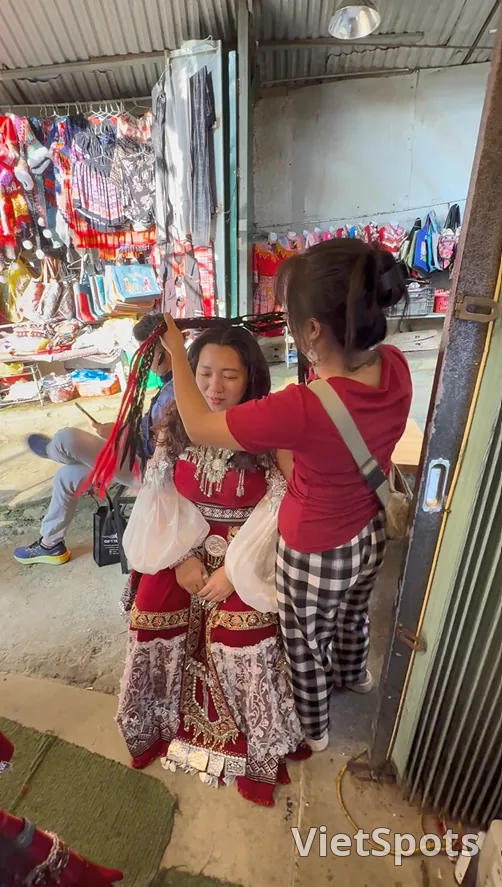
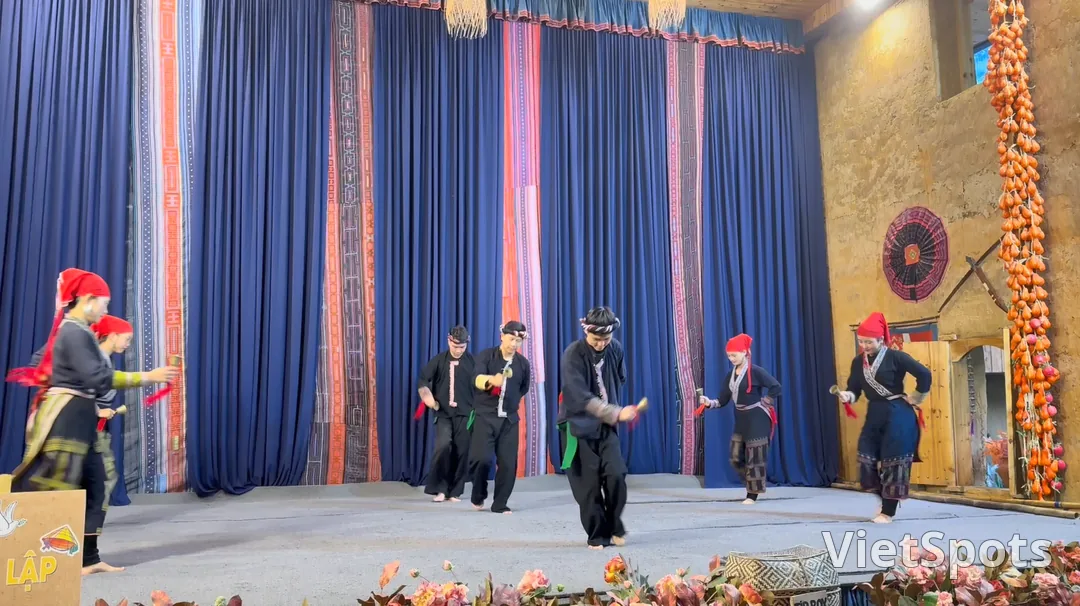
Cat Cat Village(Cat Cat Village) Black Hmong settlement, famous for weaving, silver jewelry, and traditional clothing. The village features waterfalls, small bridges, and traditional song and dance performances, perfect for families and first-time visitors. Renting ethnic costumes for photos is a popular activity (₫250,000/person). Entrance fee: ₫150,000/person.
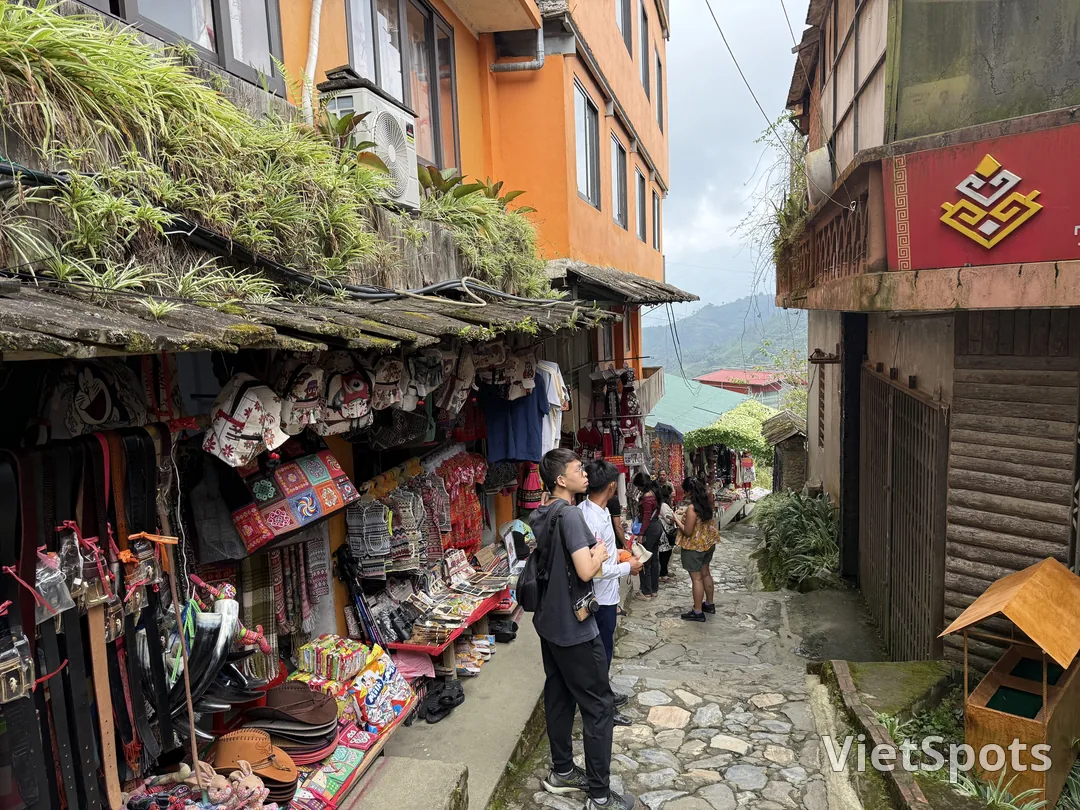
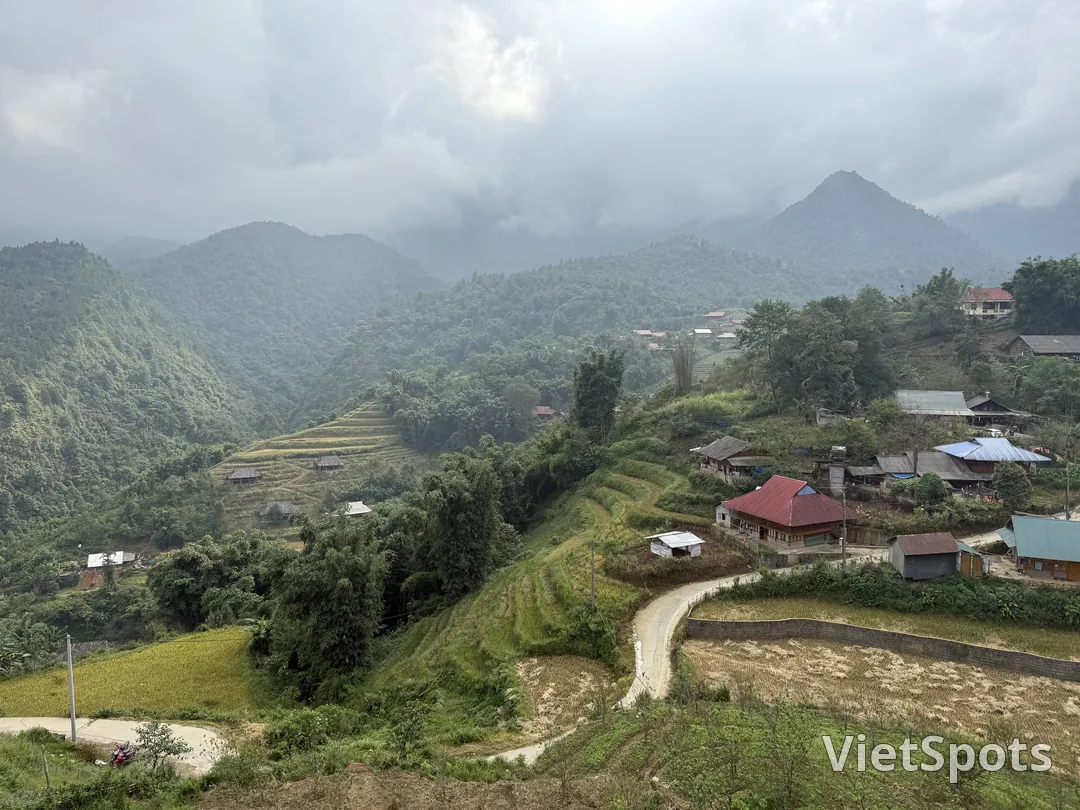
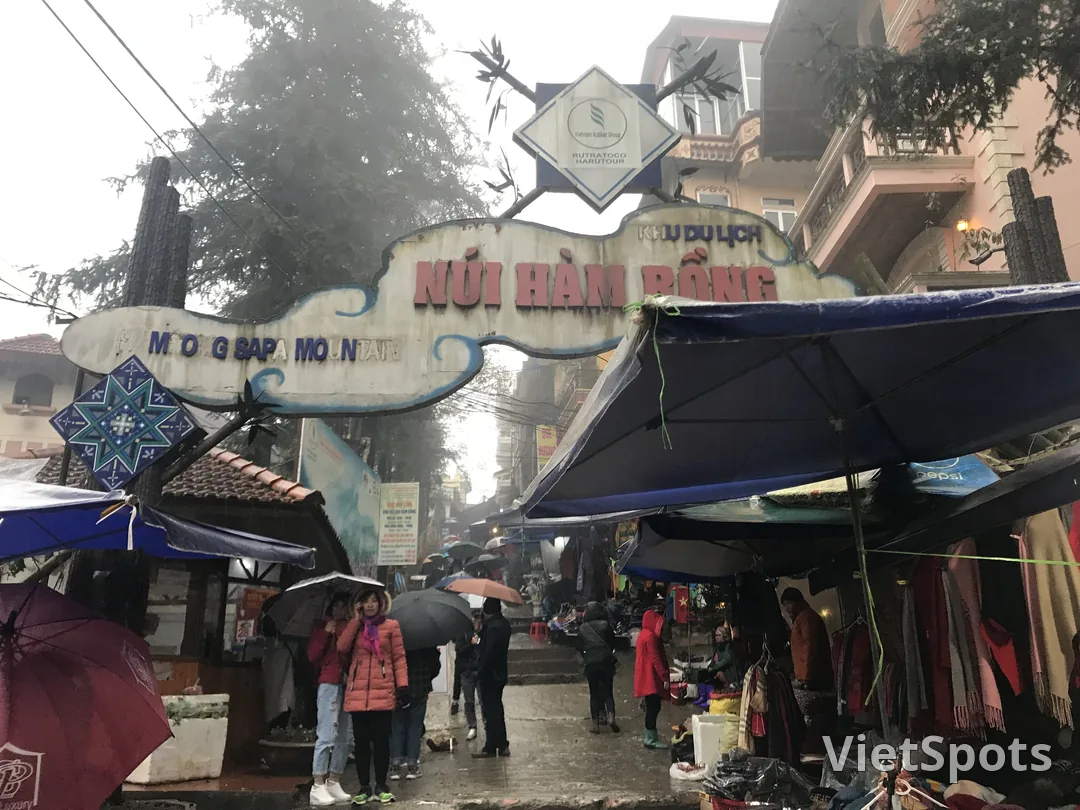
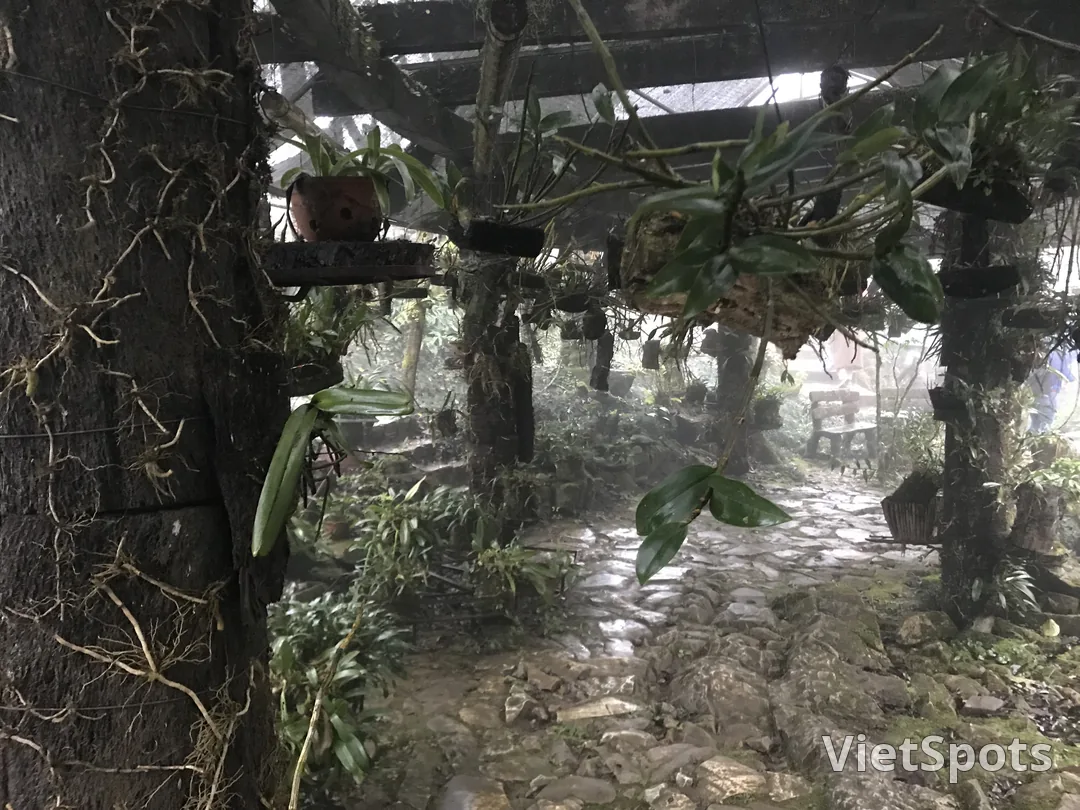
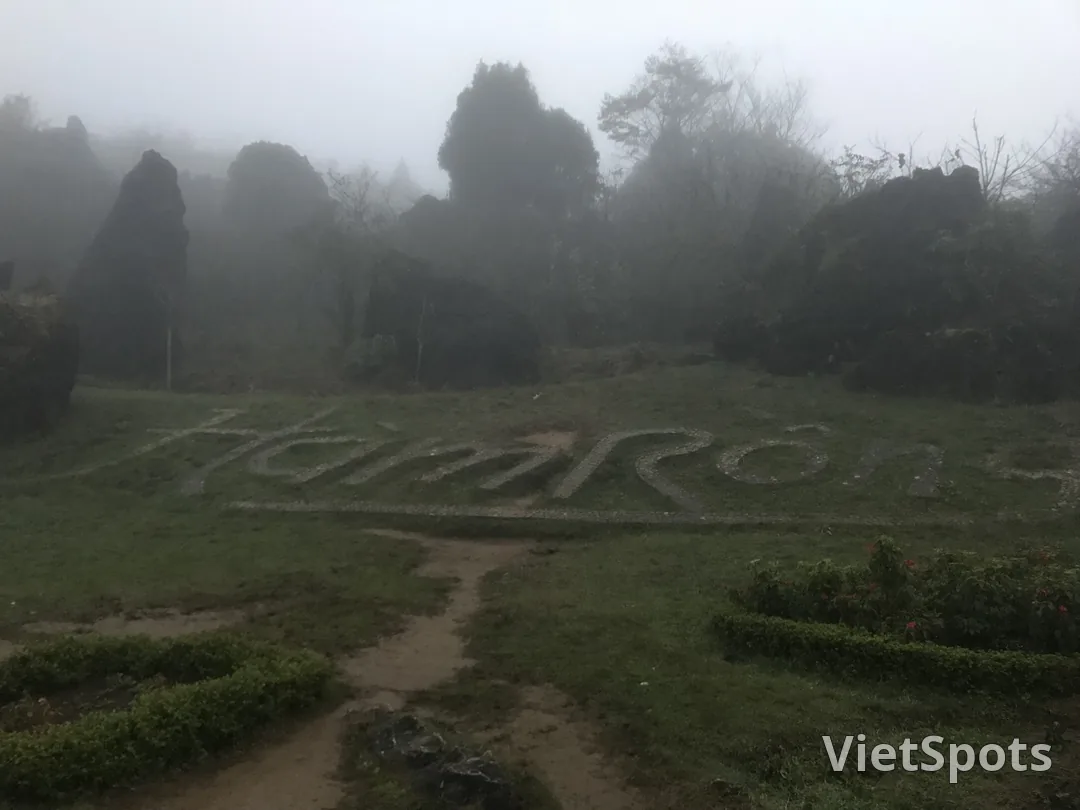
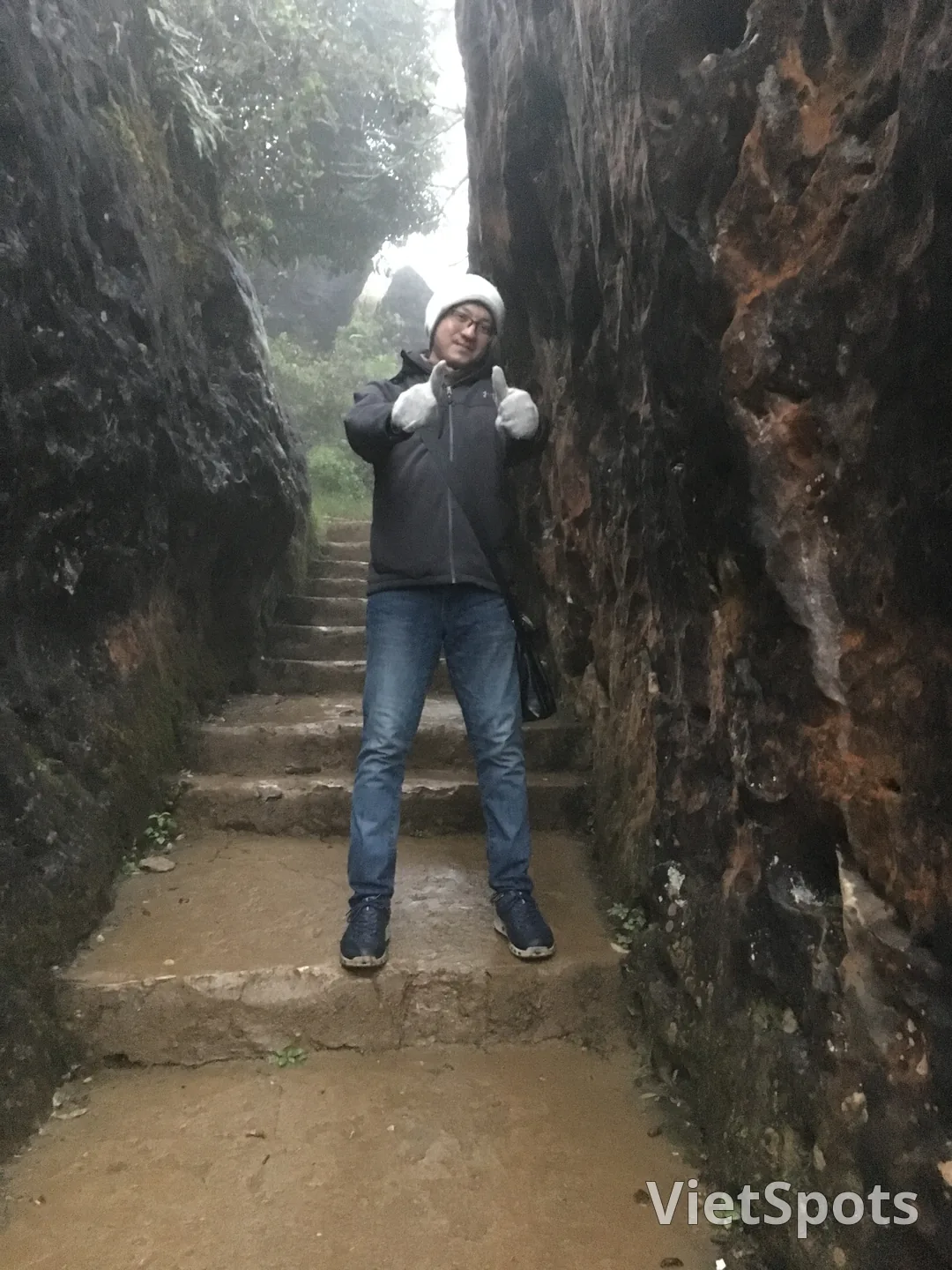
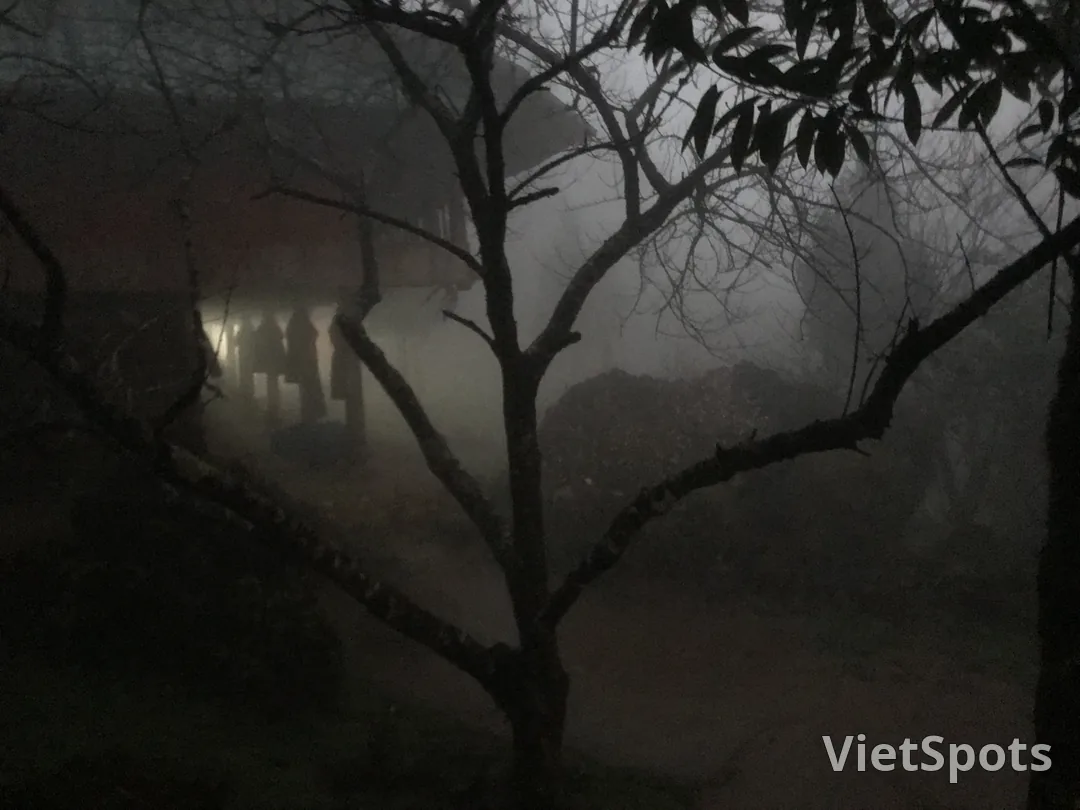
Ham Rong Mountain (含龍山) Located right behind Sapa town center, reachable on foot. From the summit you can overlook the whole of Sapa and the distant Fansipan mountain range, making it the best viewpoint in town. (We went in December, and since we went too late in the day it was all foggy, so we couldn't get any good scenery shots)
Rong May Glass Bridge (Cloud Bridge) ★2025 Latest Recommendation Located in the mountains about a 30-minute drive from Sa Pa Town, this is a rising popular attraction. Ride the cave glass elevator up 300 meters to experience the thrill of a suspended transparent walkway. The glass bridge spans a valley, and on clear days you can gaze out over cloud-wrapped peaks and terraced fields — a breathtaking, awe-inspiring view. We recommend visiting in the afternoon, when you can also enjoy the light and shadows of the sunset. Admission is ₫500,000 per person, open approximately 08:00–18:00.
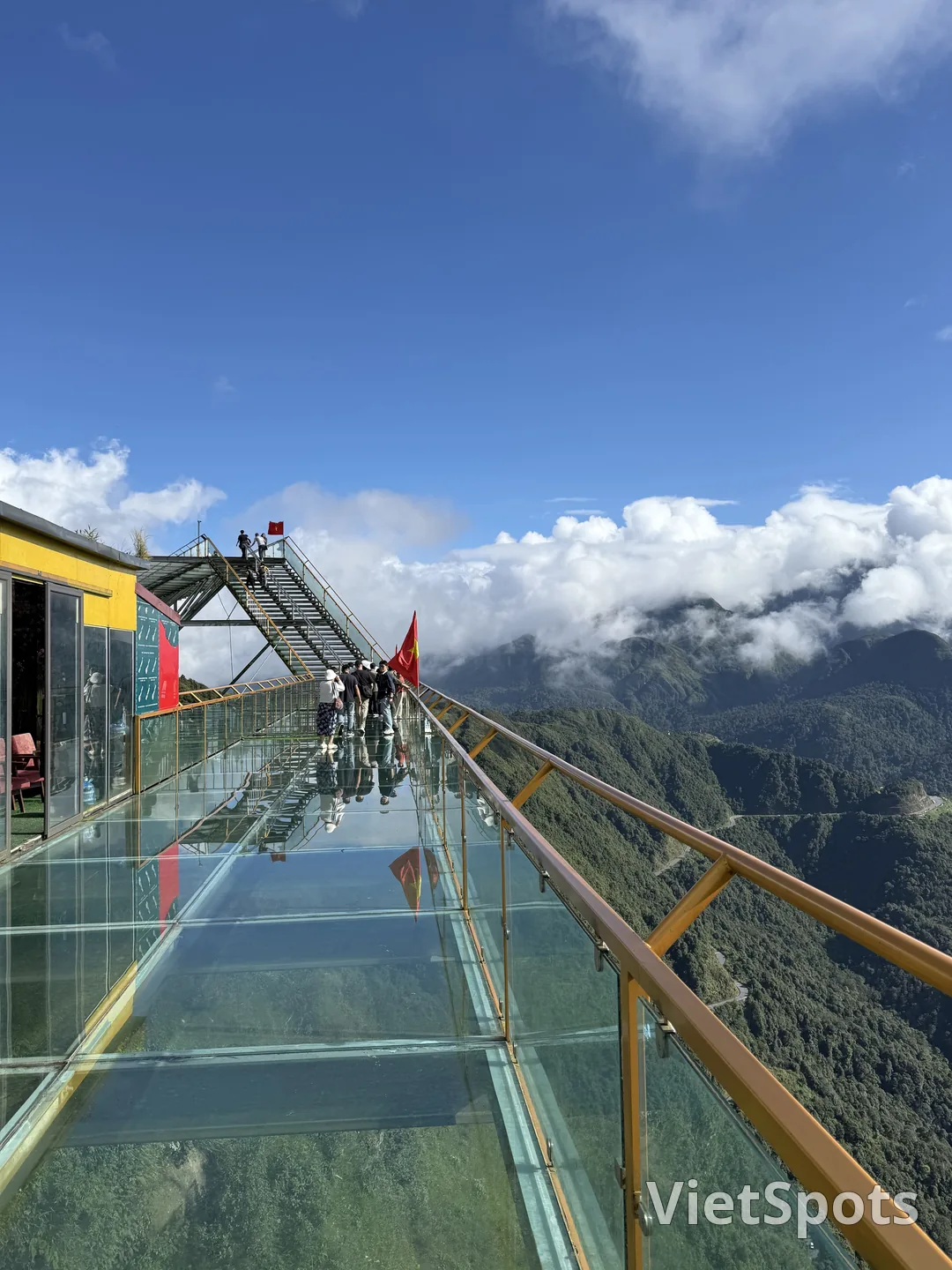
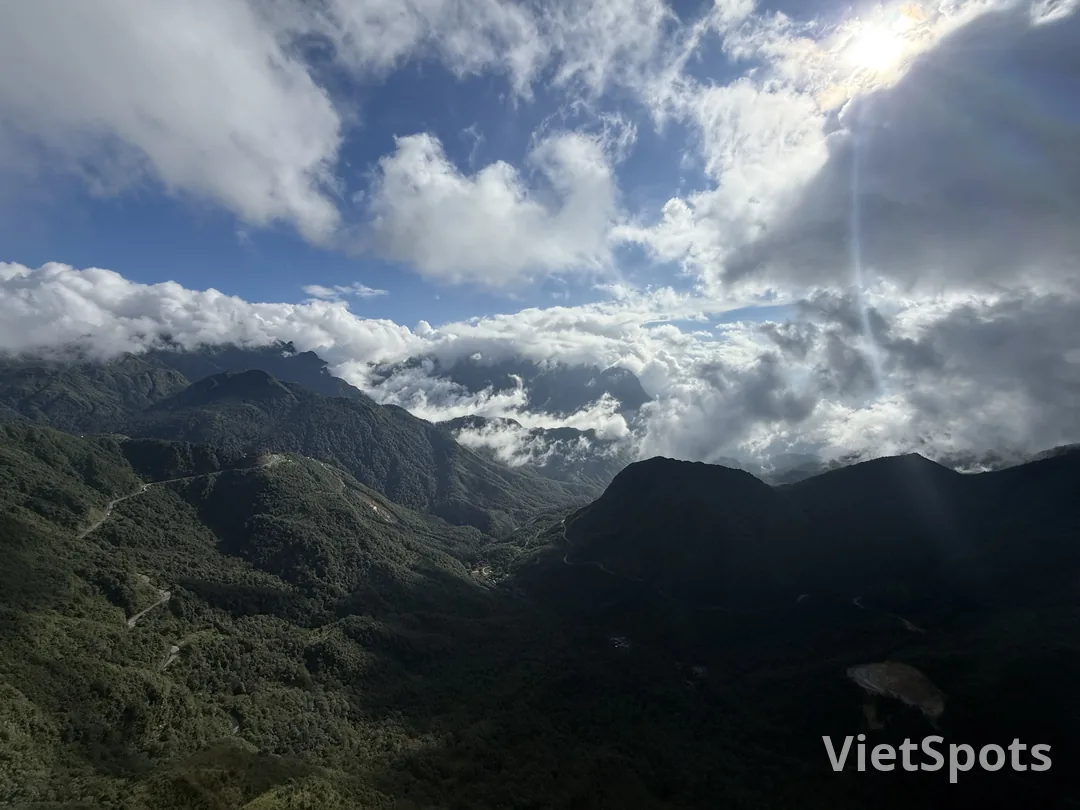
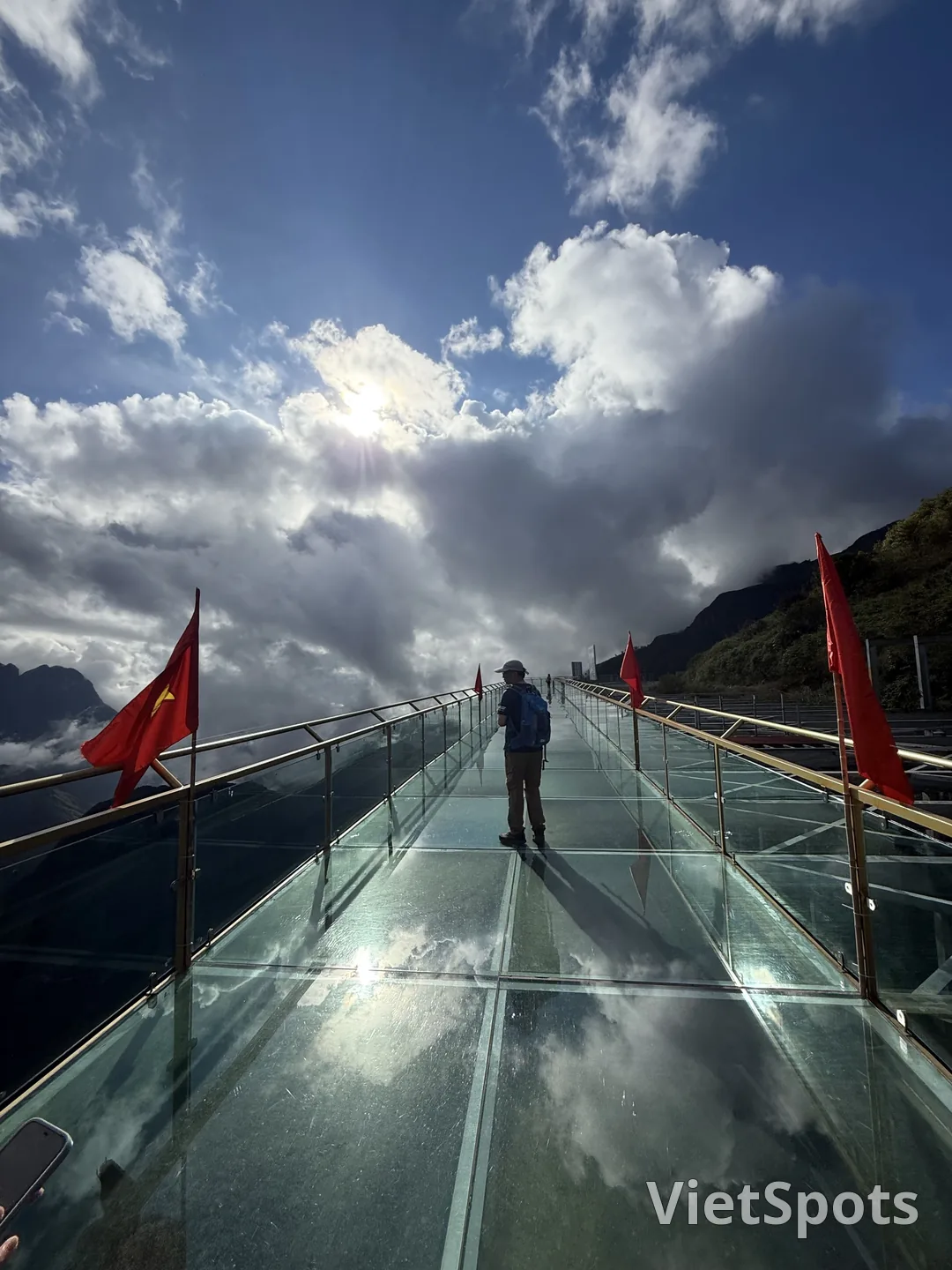
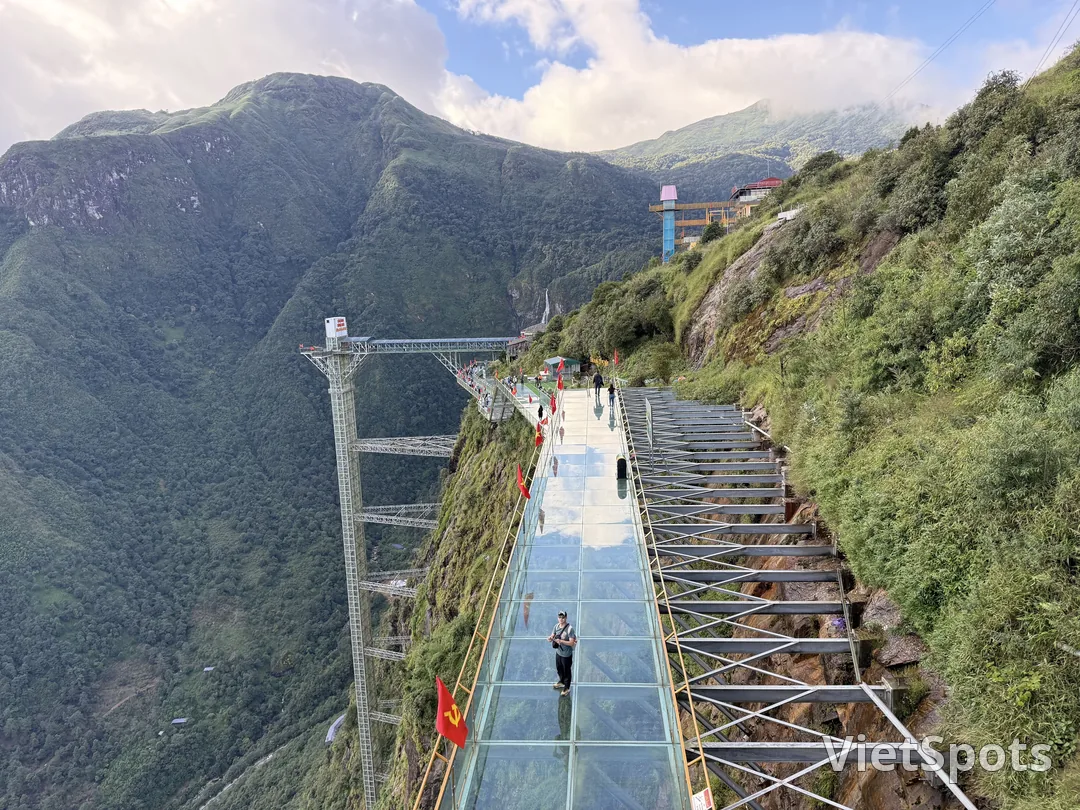
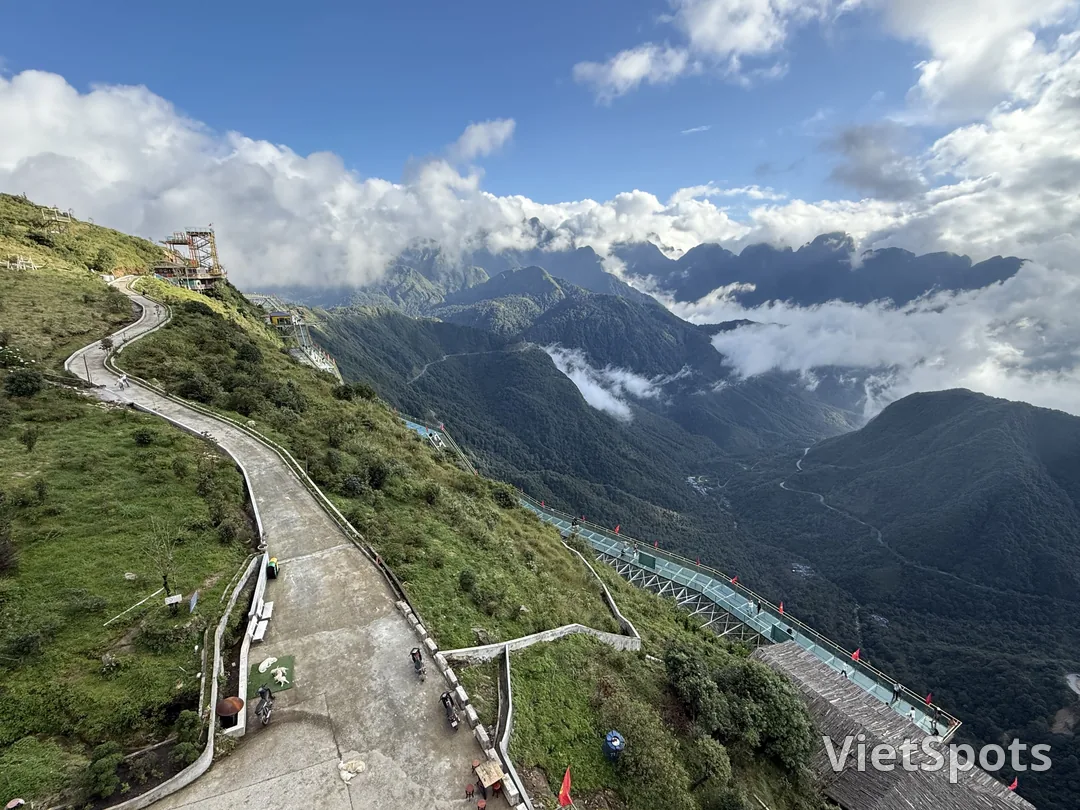
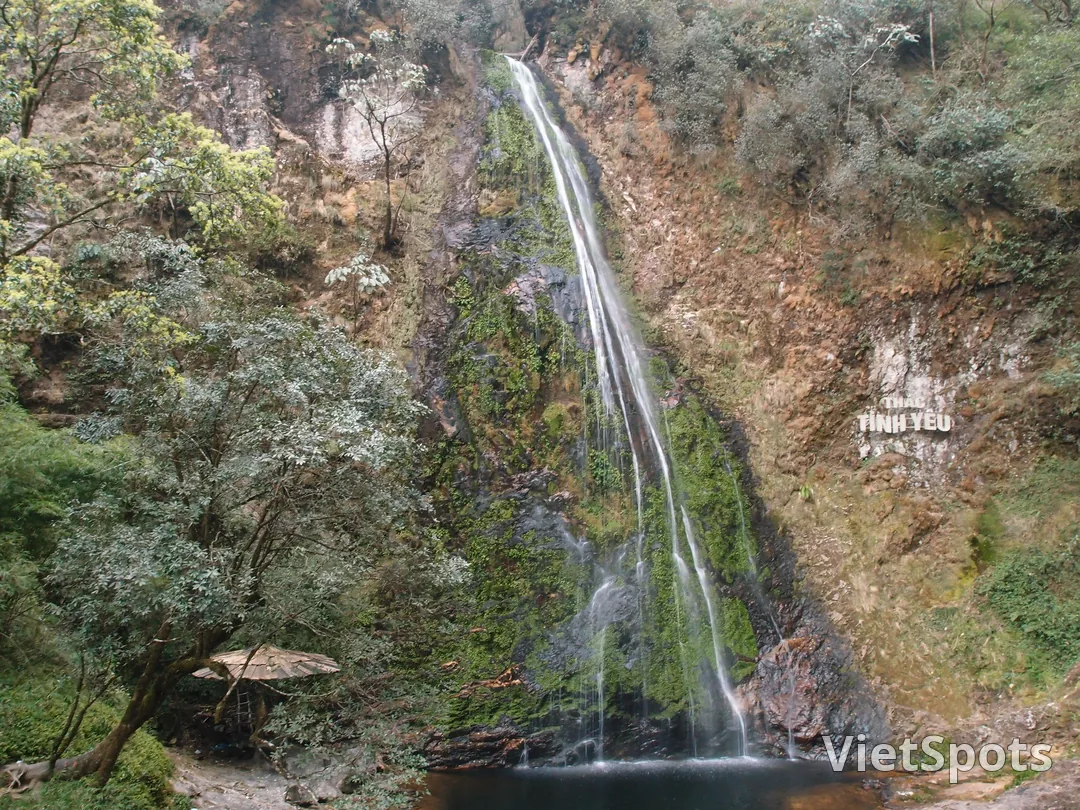
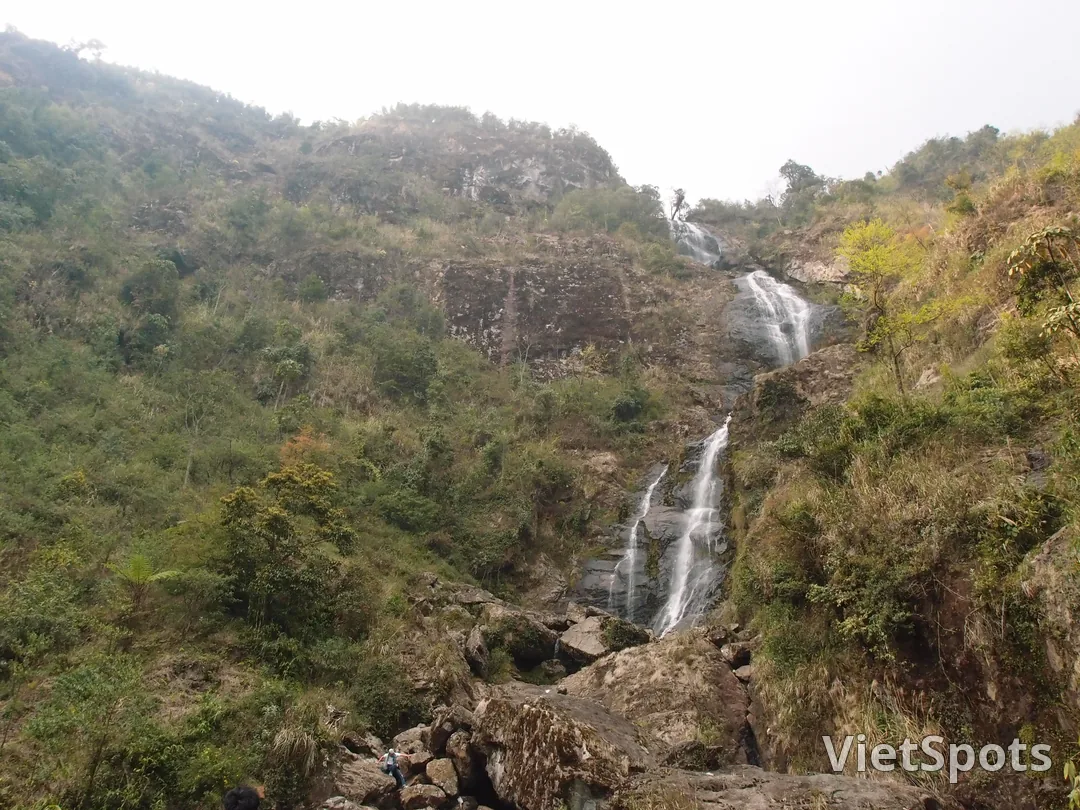
Love Waterfall and Silver Waterfall Located on the mountain road leading to the Rong May Glass Bridge. While not a must-visit, it can serve as a brief stop along the way.
Ta Van Village and Giang Ta Chai Village A mixed village of the Yao (Dao) and Hmong ethnic groups, preserving traditional wooden houses and stone-wall architecture. Here you can experience local homestays, enjoy authentic Vietnamese home-style meals, and feel the simple, unspoiled way of life.
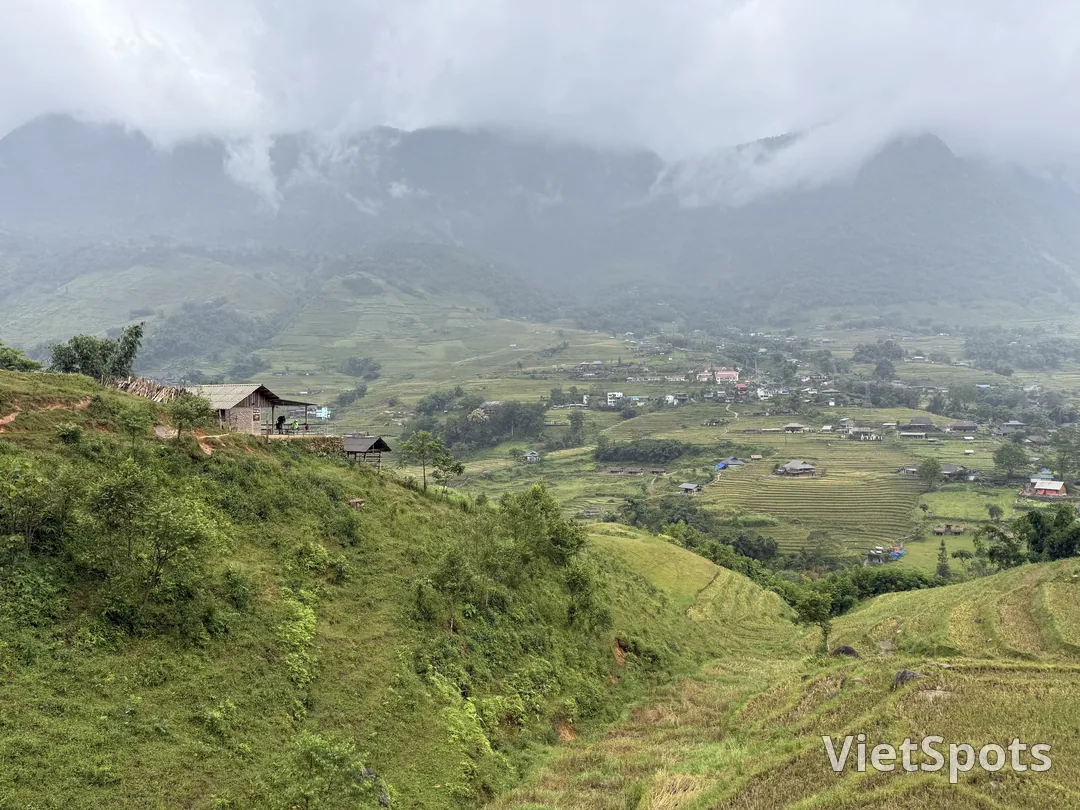
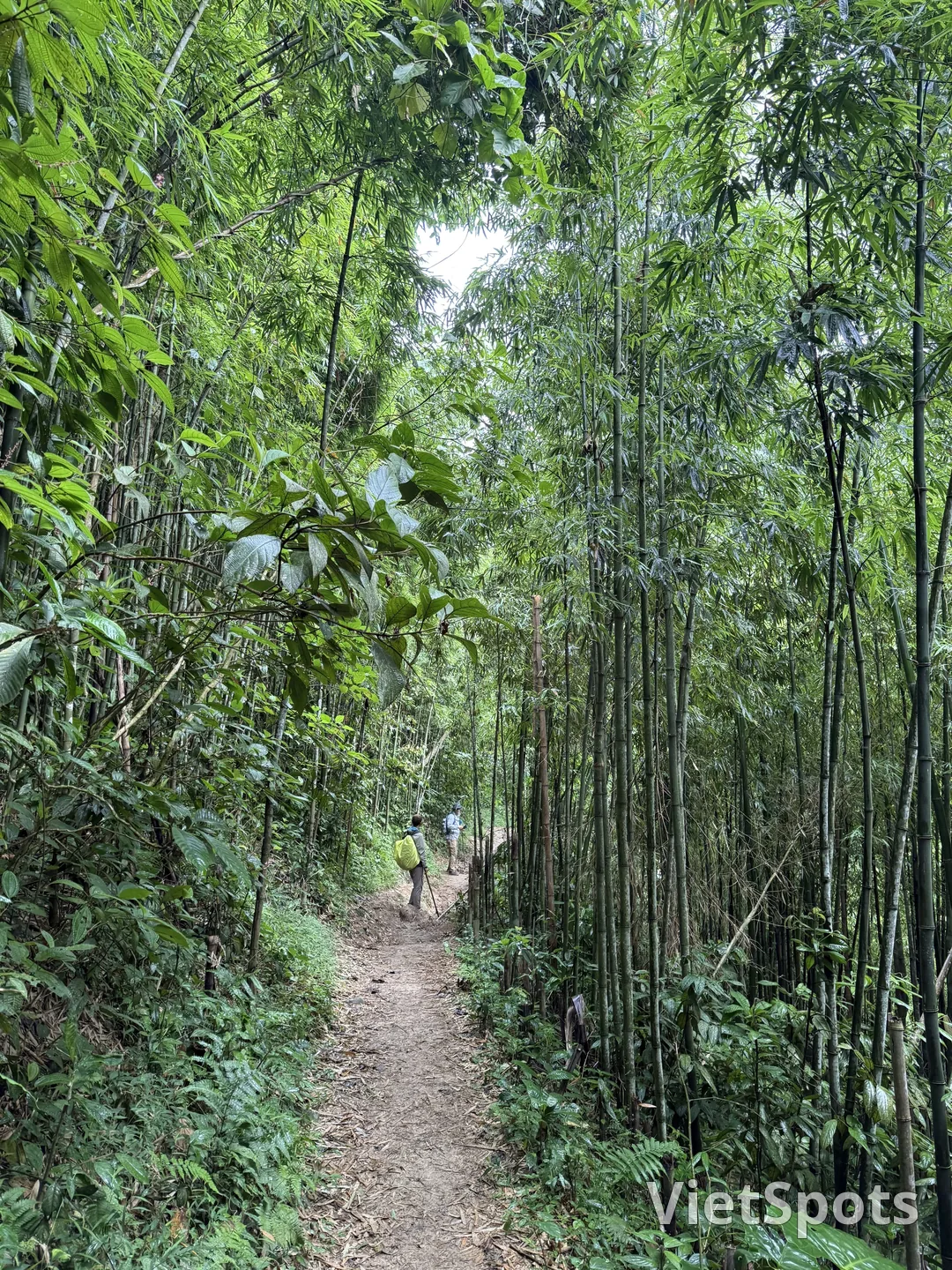
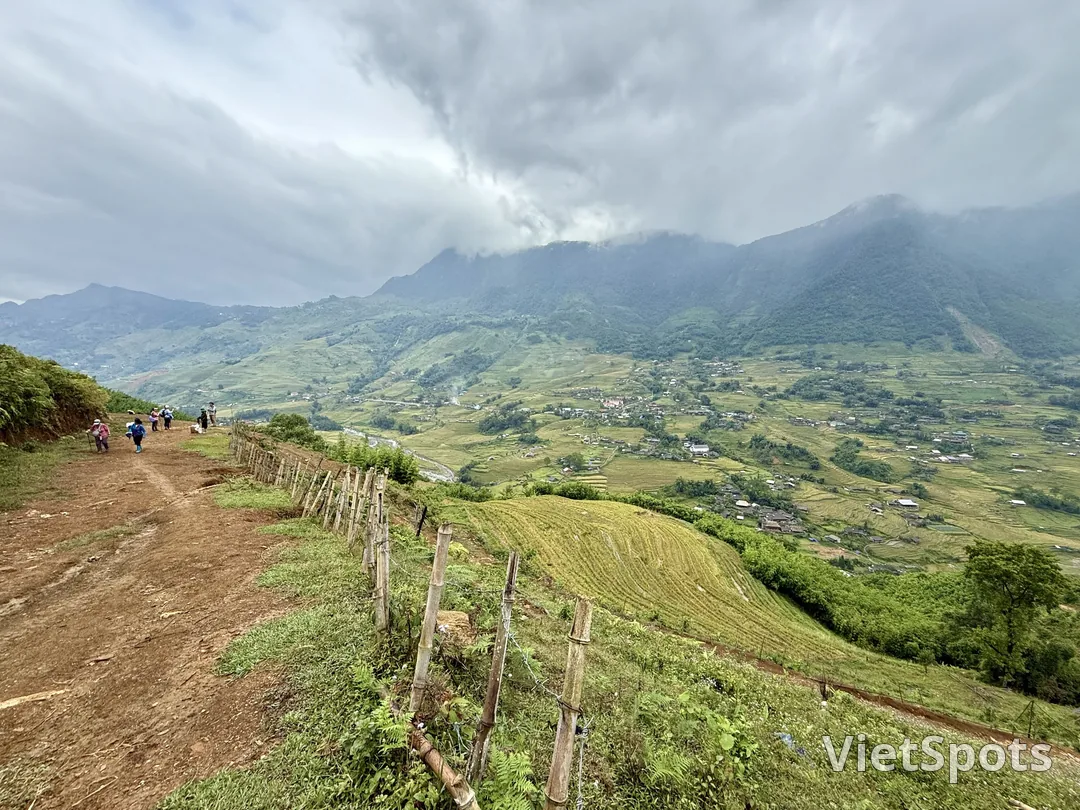
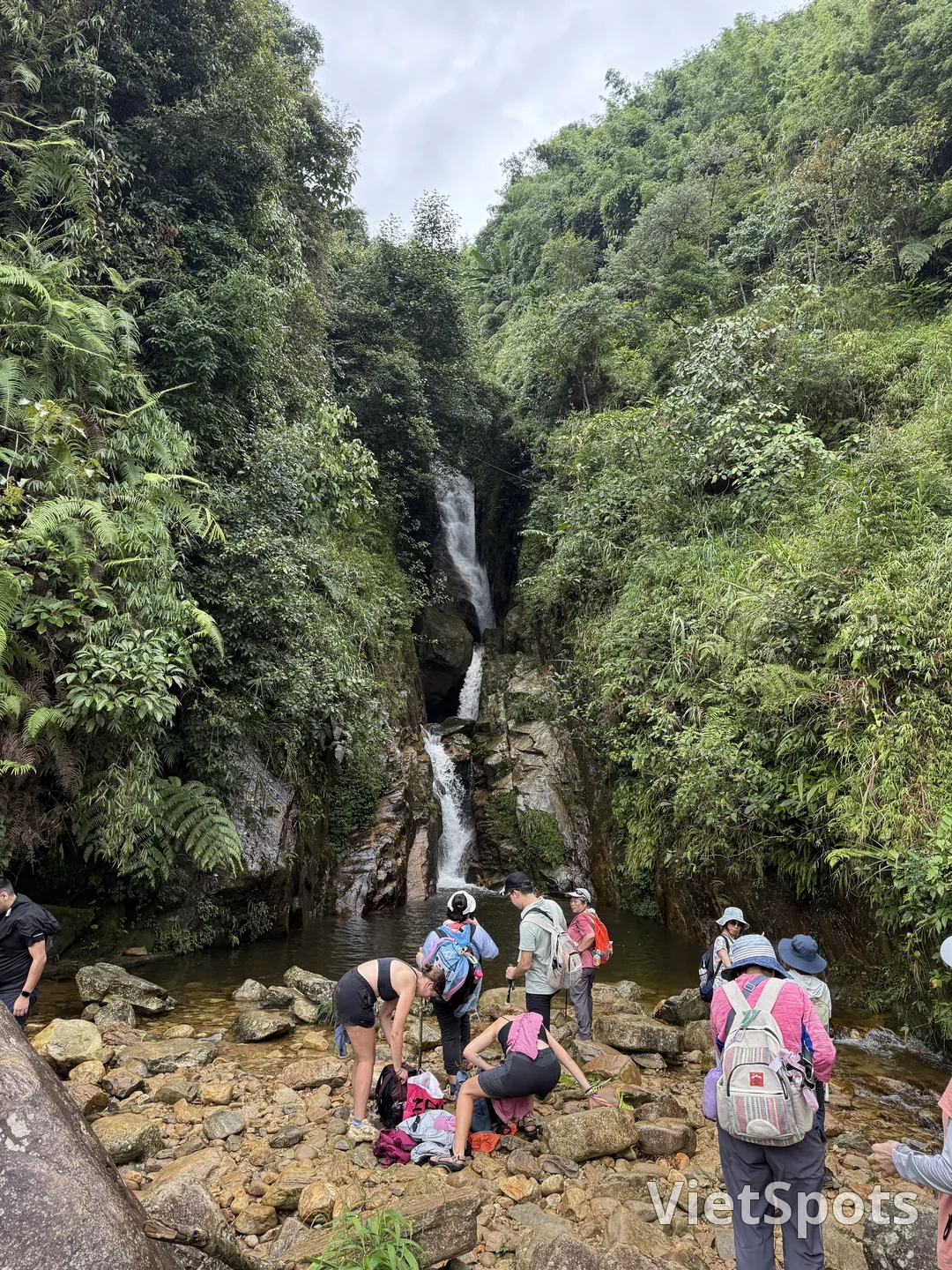
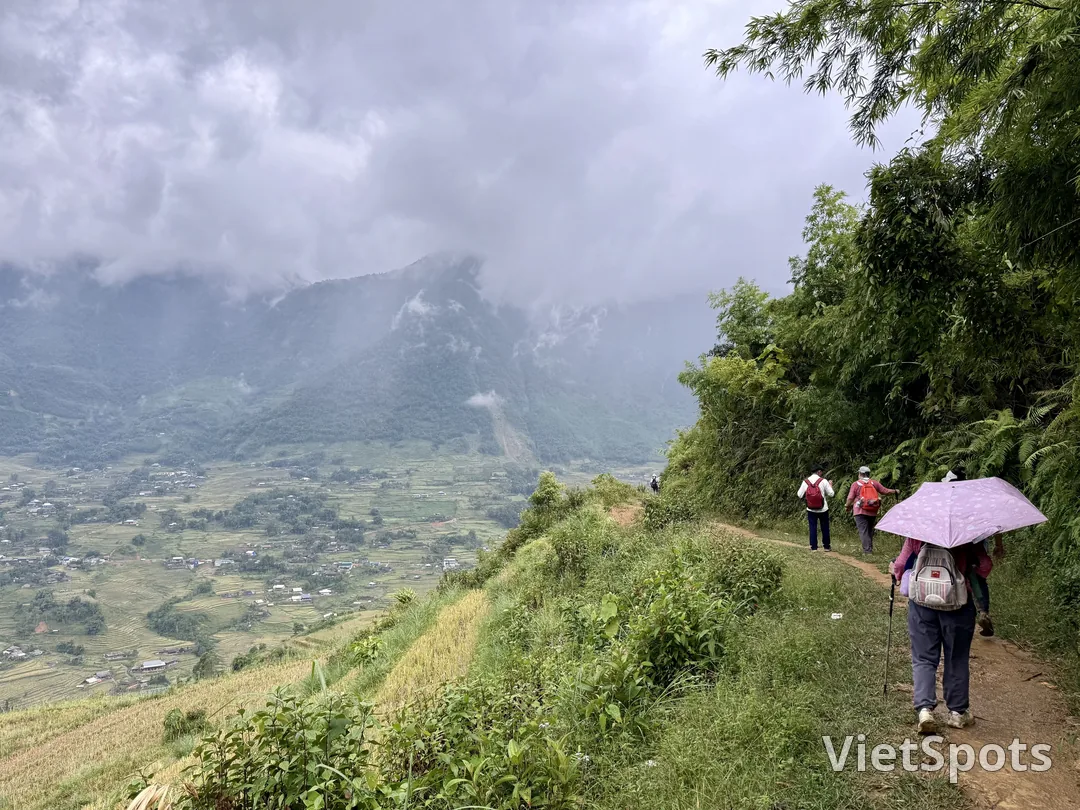
Trekking and Cultural Experience Recommendations The charm of Sapa lies not only in its terraced rice fields, but also in the time spent together with the local people. We recommend travelers try the following experiences: Join a 2–3 day trekking tour, led by a local guide through the terraced fields and villages. Stay at a local Homestay: experience the daily life and handicrafts of the Hmong and Dao people. Cooking class / handicraft experience: some Homestays offer spring roll making or weaving lessons. After trekking, you can enjoy a relaxing massage and coffee time in Sapa town center to unwind body and mind. Sapa Recommended Itinerary Combinations Based on the latest 2025 travel agency directory, Sapa itineraries can be divided into the following classic combinations according to length of stay and preference. First-time visitors are recommended to choose a 2-day-1-night or 3-day-2-night itinerary, which balances the beautiful terraced fields with cultural experiences. 2-Day-1-Night Itinerary Suitable for travelers with limited time who want to quickly experience the essence of Sapa. Itinerary 1: Cat Cat Village + Muong Hoa Valley Trekking In the morning, depart from Hanoi, and in the afternoon visit Cat Cat Village and Ham Rong Mountain, experiencing the Black Hmong settlements and the valley waterfall scenery. On the second day, head to Y Linh Ho, Lao Chai, and Ta Van villages to experience Hmong and Tay culture. ▸ Suitable for first-time visitors or families, with a comfortable trip pace. ▸ Cost: approximately 115–135 USD per person. Itinerary 2: Homestay experience of local life If you want to deeply experience local culture, you can choose to stay at a home stay in Ta Van village, participate in a simple Vietnamese cooking class, and enjoy authentic local home-cooked dishes. On the second day, visit Giang Ta Chai and Supan village to explore the traditions of the Red Yao people and the beautiful rice terraces. ▸ Suitable for those who enjoy cultural exchange and photography enthusiasts. ▸ Cost: approximately 115–135 USD per person. Three-Day, Two-Night Itinerary A three-day itinerary allows for a more comprehensive exploration of Sa Pa, including mountain climbing, hiking, and cultural experiences. Itinerary One: Cat Cat, Lao Chai, Ta Van, Fansipan Classic Route On the first day, visit Cat Cat Village and Ham Rong Mountain. On the second day, trek through Muong Hoa Valley, enjoying the terraced fields and ethnic minority villages along the way. On the third day, you may choose to climb to the summit of Fansipan (Fansipan Peak). ▸ If the weather is clear, the summit of Fansipan offers a view over the sea of clouds and the golden Buddha statue, making it the most iconic and spectacular sight in Northern Vietnam. ▸ Cost: approximately US$165–185 per person. Itinerary 2: In-Depth Cultural Exploration + Bac Ha Market If you're visiting on a weekend, you can choose to extend your trip to the traditional Bac Ha Market. Here you'll find Flower Hmong, Red Dao, and Tay residents gathered together, making it the most vibrant ethnic market in Northern Vietnam. ▸ You can experience traditional handicrafts, local wine brewing, and folk performances. ▸ Suitable for culture-exploring travelers. Advanced recommendation: Sapa Full Experience (5-Day Itinerary) For this North Vietnam trip, we will focus entirely on Sapa, where we'll actually stay 5 days, centered on hiking and ethnic minority cultural experiences. I've also written separate day-by-day travel notes covering each day's route, accommodation, and actual walking conditions — if you're planning your trip, feel free to click into whichever days interest you for reference. Sapa The 5-day itinerary is arranged as follows: 1. Day 1: Depart from Hanoi → Cat Cat Village Ethnic costume experience and the first day adapting to the mountain town of Sapa 2. Day 2: Fansipan in the morning → Rong May Glass Bridge in the afternoon A day of mountain cable cars and scenic viewpoint attractions 3. Day 3: Muong Hoa Valley trek (about 8 km) → Homestay Walking along terraced fields and river valleys, this is the day of the entire trip with the strongest feeling of 'venturing into the mountains' 4. Day 4: Ta Van Village Hiking (Bamboo Forest, Waterfall approximately 7 km) → Homestay The route is relatively pristine, with a slow pace but scenery that's truly worth seeing 5. Day 5: Topas Ecolodge Hiking (Yao-Miao Ethnic Minority Reserve approximately 4 km) → Return to Hanoi As a final light hike, the landscape and accommodation experience are both wonderfully complete ▸ If time is limited, it is recommended to stay at least 4 days, which is enough to cover the main trekking routes and ethnic villages without the itinerary being too rushed. Practical Travel Information Travel time: Hanoi → Sapa about 5–6 hours. Recommended to bring: If trekking, non-slip shoes, a rainproof jacket, a hiking pole, and warm clothing (there is a big temperature difference between morning/evening and daytime) need to be prepared. Fansipan Cable Car: We suggest departing between 7:00–7:30 AM (for example, we left at 7:30 and arrived at Sun Plaza at 8:00) — this can noticeably cut down your waiting time in line. Ticket options: If you'd rather not climb the 600 steps, we recommend buying the full combo package covering the Muong Hoa monorail + cable car + summit funicular (it saves effort and keeps your schedule under control). Clothing and gear: The temperature at the summit is quite low and the weather can change quickly, so you may want to bring a light down jacket or windbreaker, along with simple rain gear. Conclusion Sa Pa is northern Vietnam's most iconic mountain resort town, blending sweeping mountain scenery, ethnic minority culture, and enchanting terraced rice fields. Whether it's a short hike, taking the cable car up Fansipan, or sharing a home-cooked meal with Hmong residents, every step lets you feel "the tranquility and beauty of Vietnam." If you're planning a self-guided trip to northern Vietnam, Sa Pa will be one of the destinations most worth stopping at — a place where you can see a sea of clouds, waves of rice, and smiles all at once. Explore more Vietnam travel attractions Vietnam boasts rich natural landscapes and cultural heritage. Whether you want to explore the magnificent mountains and rivers of North Vietnam, the historic ancient cities of Central Vietnam, or the relaxing coastlines of South Vietnam, you'll find the perfect travel experience for you! 🇻🇳 North Vietnam Travel Guide 📍Hanoi: The Thousand-Year-Old Capital|📍Ha Long Bay: A World Heritage Wonder|📍Trang An (Land Ha Long Bay): Ha Long Bay on Land|📍Sapa: Sea of Clouds and Beautiful Terraced Fields 🇻🇳 Central Vietnam Highlights 📍Da Nang: A Seaside Resort Paradise|📍Hoi An: The Ancient Lantern Town|📍Hue: Remnants of the Imperial City 🇻🇳 Amazing Sights in South Vietnam 📍Nha Trang: Beach and Island Paradise|📍Da Lat: French Romantic Mountain Town|📍Ho Chi Minh City: A Blend of Modernity and History|📍Vung Tau: Seaside Resort Destination
Travel Vietnam with VietSpots, in English
- 🎁 Sign up and get 16 Welcome Pack coupons — e.g. Motorbike Rental 45%
- 👑 Member tier discount up to 15% on site (Silver 5% · Gold 15%)
- 🛂 Auto-fill arrival card📶 Compare lowest eSIM prices🚻 Find toilets
Comments