

Cơm hến (baby clam rice) for 17 thousand dong: a bowl of cold rice with more than ten different things in it



There are two things that make first-time visitors surprised when eating cơm hến. First, the rice is served cold. Second, the price is unbelievably cheap — many shops in Đà Nẵng sell it for just over ten thousand dong a bowl.
Neither one needs to be cut down at all. Cơm hến was simply born that way.
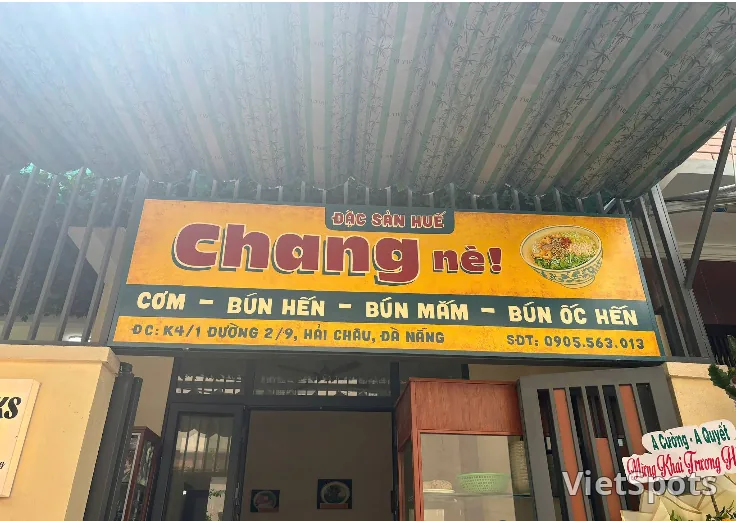
Hến is a type of small clam that lives at the bottom of rivers, each one no bigger than a pinky fingertip. It's a Hue-original dish, tied to Con Hến (Hến Islet) in the middle of the Perfume River, and it followed Hue people to Da Nang and stayed for good. Now there's an entire line of restaurants here specializing in hến: hến rice, hến vermicelli, hến noodles, hến snail vermicelli.
The method sounds simple, but it involves many steps. Boil the clams to get the meat, and keep the boiling water — this is actually the soul of the dish. Stir-fry the clam meat with onion, lemongrass, and chili. Then arrange on top of a bowl of cold rice: stir-fried baby clams, pork cracklings, roasted peanuts, sesame seeds, crumbled rice paper, puffed fried pork skin, sour star fruit, shredded banana blossom, finely chopped herbs, and a spoonful of shrimp paste.
Count more than a dozen ingredients in a single bowl. That's why the cheapest dish on the table is actually the most labor-intensive to prepare.
The clam broth is ladled separately into a small bowl, hot and slightly cloudy. This is where many guests get it wrong — pouring it all over the rice right from the start. Those who are used to eating it mix the bowl of dry rice first, add shrimp paste with chili so it soaks in evenly, eat a few spoonfuls to savor the crunch of the pork cracklings and rice paper, and only then start sipping the clam broth in between. If you add the sauce too early, the rice paper turns soggy and the crispy pork fat softens, losing half the deliciousness.
The overall flavor is quite unusual for those not used to it: the saltiness of shrimp paste, the delicate sweetness of clam broth, the sourness of star fruit, the bitterness of banana blossom, the spiciness of chili, the richness of pork fat cracklings, and the nutty flavor of peanuts. There's no Western equivalent dish. It's not as easy to eat as phở or broken rice — but once someone gets into the rhythm of it, they tend to keep coming back for more.
A note on spiciness: authentic com hen (rice with baby clams) really is spicy, because the chili is added right when the clams are stir-fried, not sprinkled on afterward. If you want it mild, you have to say so when you order — trying to pick the chili out afterward will be too late.
This is a morning dish. The clam shop usually opens early and closes in the early afternoon — the pinned location below is in the Hai Chau area, open from 7am to 2pm, prices starting from 17 thousand dong. If you go late in the afternoon, it'll be sold out.
Comments