

Da Nang
Da Nang: cycling along the beach and around the city streets, an exciting experience when coming to Da Nang.



Translated from Vietnamese
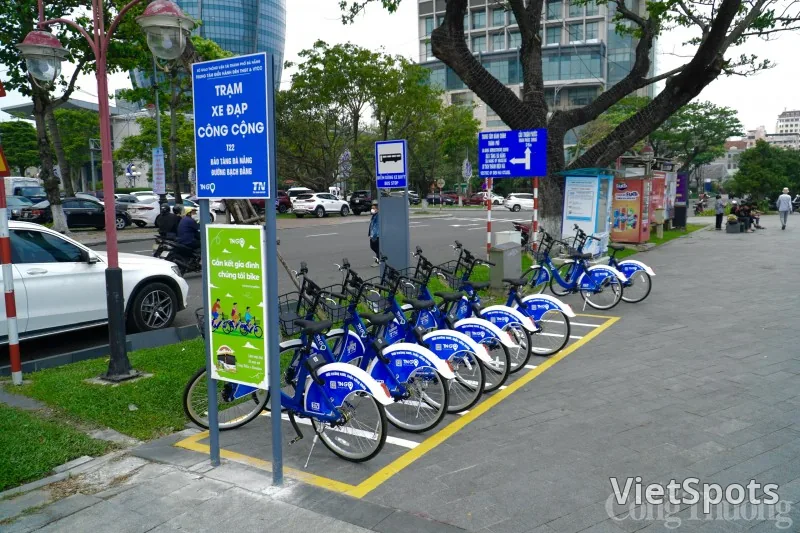
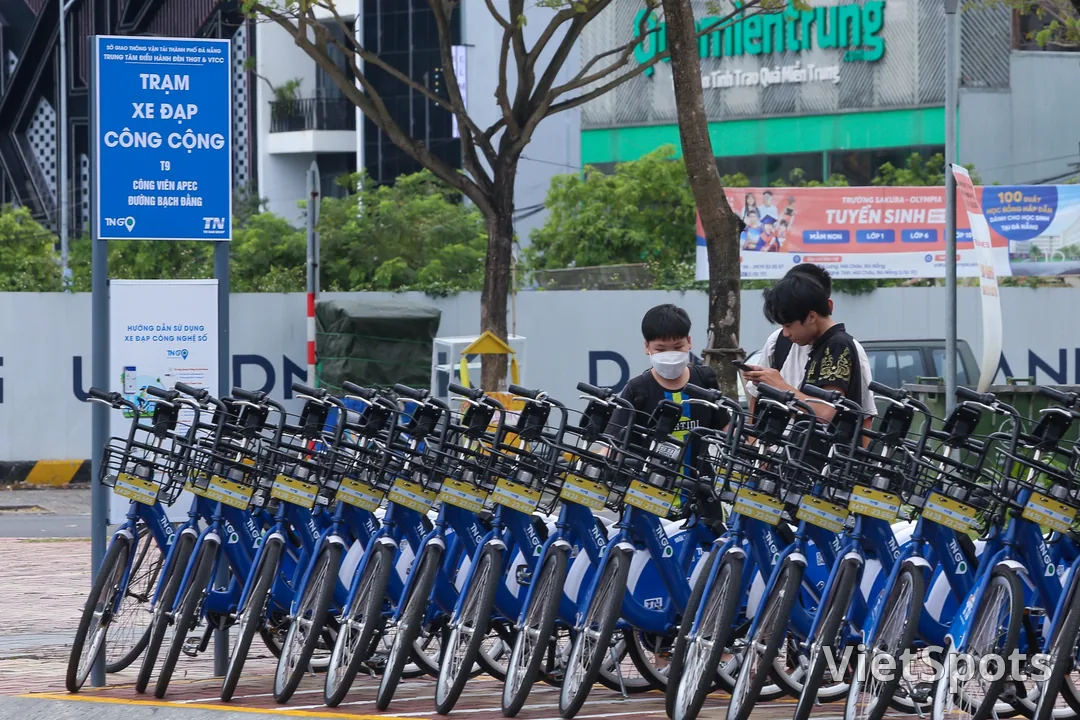

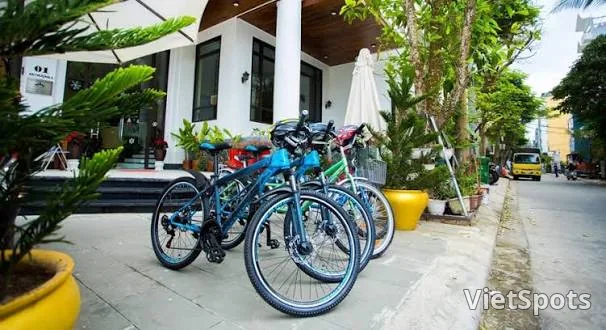
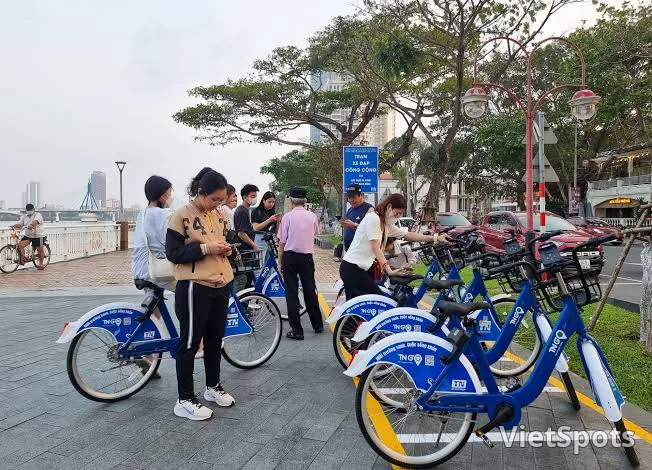

In Da Nang, there are two ways to get a bicycle: public bikes parked at stations on the sidewalk, unlocked via phone and returned to another station; or renting externally, from the hotel you are staying at or from a rental shop.
Option 1 — station-based public bikes
App: The service in Da Nang is tied to a single app: TNGo by Tập đoàn Trí Nam, available to download on the App Store or CH Play.
Vietnamese phone number: Opening an account requires a Vietnamese number to receive a verification code — this is where foreign visitors get stuck the most. If you don't have a Vietnamese number yet, get a SIM or eSIM before heading to the station.
Top up the wallet in the app: The bike deducts money from your wallet, and you don't swipe a card at the lock. Top up using an e-wallet, a card, or cash at a convenience store. If your wallet is empty, scanning the code won't unlock the lock either.
Find a station before heading over: The map in the app shows exactly how many bikes are left at each station — the nearest station may not have any bikes available.
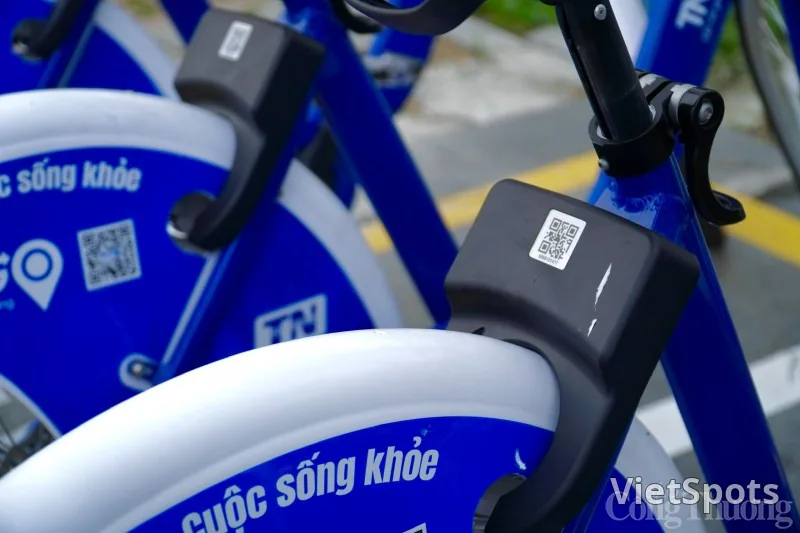
Unlocking: Scan the QR code on the lock at the back of the bike, and the lock will pop open automatically. Before riding, test the brakes and check the tires; if the bike isn't in good condition, take another bike from the station.
Returning the bike — the step people get wrong most often: Park the bike at a station (any station will do), push the lock lever by hand, then open the app and tap to end the trip. Wait until the app confirms before you leave: if you skip this step, the trip will still be running and you will still be charged.
The real price shows in the app right before you unlock — most of the price lists floating around online are outdated; if you need to ask a person, call the operator's hotline at 1900 633548. This route is convenient when you only ride for an hour or two and then leave the bike there.
Option 2 — rent from an outside shop
Ask your hotel first: Many hotels and homestays have bicycles for guests to use, and some don't charge extra. This is the cheapest question you can ask, so check at the reception desk before going out to look for a rental place.
If you rent at a shop: it's usually charged by the day, and some places will deliver the vehicle to your hotel. Ask about all four of these things before you take it: what time a day starts and ends, whether you need to pay a deposit or leave your documents, who to call if the bike breaks down on the road, and whether a lock and helmet are included.
Check the bike right on the spot: squeeze both brakes, look at the tyres, test the bell, and raise the saddle to fit your legs. Swapping the bike while you're still at the shop is much easier. This route is convenient when you want to keep the bike all day, ride far from the city centre, or travel with kids who need a small bike.
Where to ride for the best views
Along Mỹ Khê beach, early morning: Đà Nẵng wakes up before the tourists. The sky isn't fully light yet, but people are already swimming in the water, others are jogging and playing shuttlecock on the sand, and out in the distance the fishing boats haven't yet come back to shore. The Võ Nguyên Giáp – Hoàng Sa road runs right along the beach and is flat, so you can pedal at a leisurely pace: on your right is the sea, and on your left a row of hotels that still look half asleep. The sun rises from the sea here, and the only coolness of the whole day lies within that one hour. If you walk slowly, you can even hear the sound of the waves.
Nguyễn Tất Thành, late afternoon: This stretch hugs the bay, so the water is calmer than on the eastern coast, and it looks straight across to the Hải Vân massif. The late-afternoon sun sinks low, spreading across the surface of the bay, and locals head out to the embankment to sit and enjoy the breeze. The beauty of it is that you don't need a destination: pedal for a stretch, lean your bike against the embankment wall, sit for a while, then pedal on.
The Han River bank, in the evening: The Bạch Đằng – Trần Hưng Đạo stretch runs along both sides of the river, facing each other. When the bridges light up and change colour, the water catches all of that light, while the river breeze blows along the path. Cycle along the west bank, then cross the bridge to the east bank, and you'll see the city from both sides in a single evening. The later it gets, the emptier the roads become, and the easier the ride.
All three sections are flat with no mountain passes; this season often brings afternoon rain, so check the forecast before cycling long distances.
Whichever route you take, just double-check once before leaving the hotel — open the app to see if the station near you has bikes available, or ask the rental place again about the return time.
Book Travel in Da Nang — in English on VietSpots
- 🎁 Sign up and get 17 Welcome Pack coupons — e.g. Motorbike Rental 45%
- 👑 Member tier discount up to 15% on site (Silver 5% · Gold 15%)
- 🛂 Auto-fill arrival card📶 Compare lowest eSIM prices🚻 Find toilets
#Da Nang#Da Nang Travel#Tourist Attractions#Tours & Activities#Public Bicycles#Seaside Cycling#Experiences#Sightseeing
Comments