

[Turkey Independent Travel Day1-2] A City Welcome Day Touring the Palace and Blue Mosque Alongside Seagulls


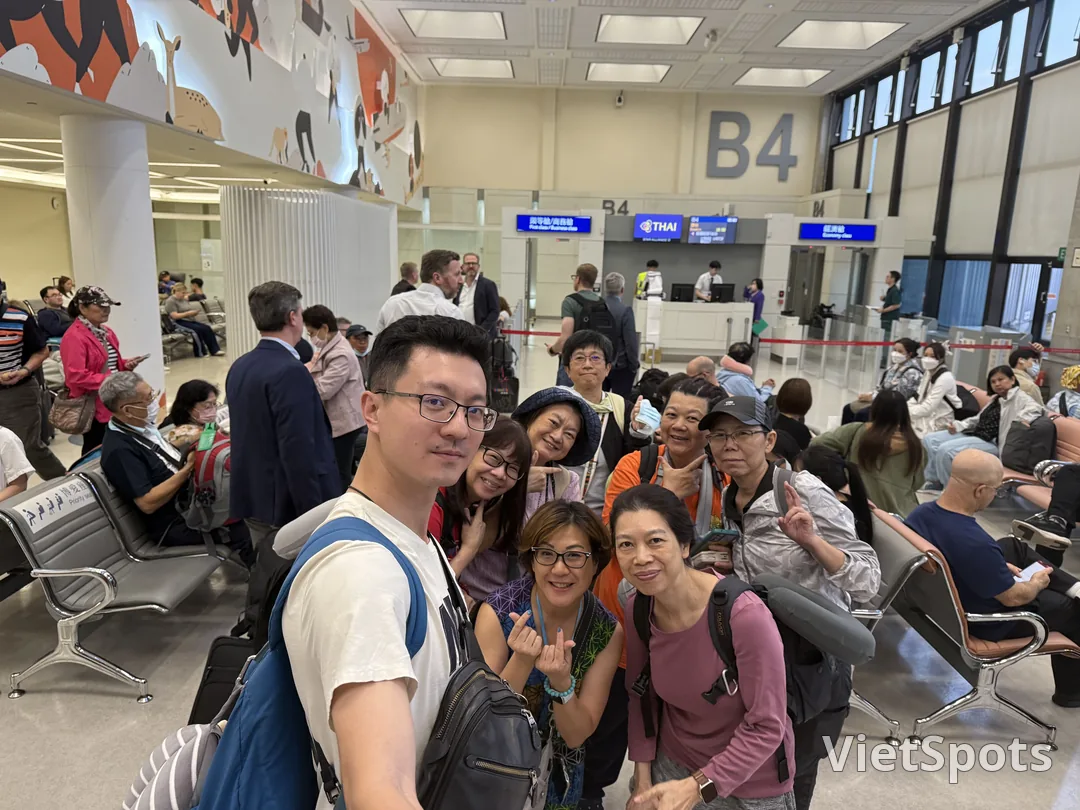
Itinerary Overview Just after five in the morning, we finally arrived in Istanbul, Turkey's largest city. After the long journey from the airport into the city center, the fatigue of the long-haul flight still lingered, but this ancient city where European and Asian cultures blend quickly filled us with fresh energy again. Today's itinerary began at the mosques and palace and ended with a boat cruise accompanied by seagulls, lasting a full 17 hours — a truly spectacular and fulfilling opening to our trip. 📍Today's route: Istanbul Airport → Sultanahmet Old City → Hippodrome of Constantinople Ruins → Topkapi Palace → Blue Mosque → Dinner → Eminönü Ferry → Evening street stroll Entering Turkey and city transfer Entering Turkey was easier than expected — customs only checked our passports, flight tickets and visas before letting us through. Since our group had eight people, sorting out luggage and swapping SIM cards at the airport still took over an hour, but thankfully the transfer driver had already been waiting at the designated spot. 🚐 Pickup Service Recommendation The pickup car we booked this time was extremely luxurious and comfortable, with a spacious interior. It takes about 40 minutes from the airport to the hotel in the old town, and it was absolutely worth the cost.
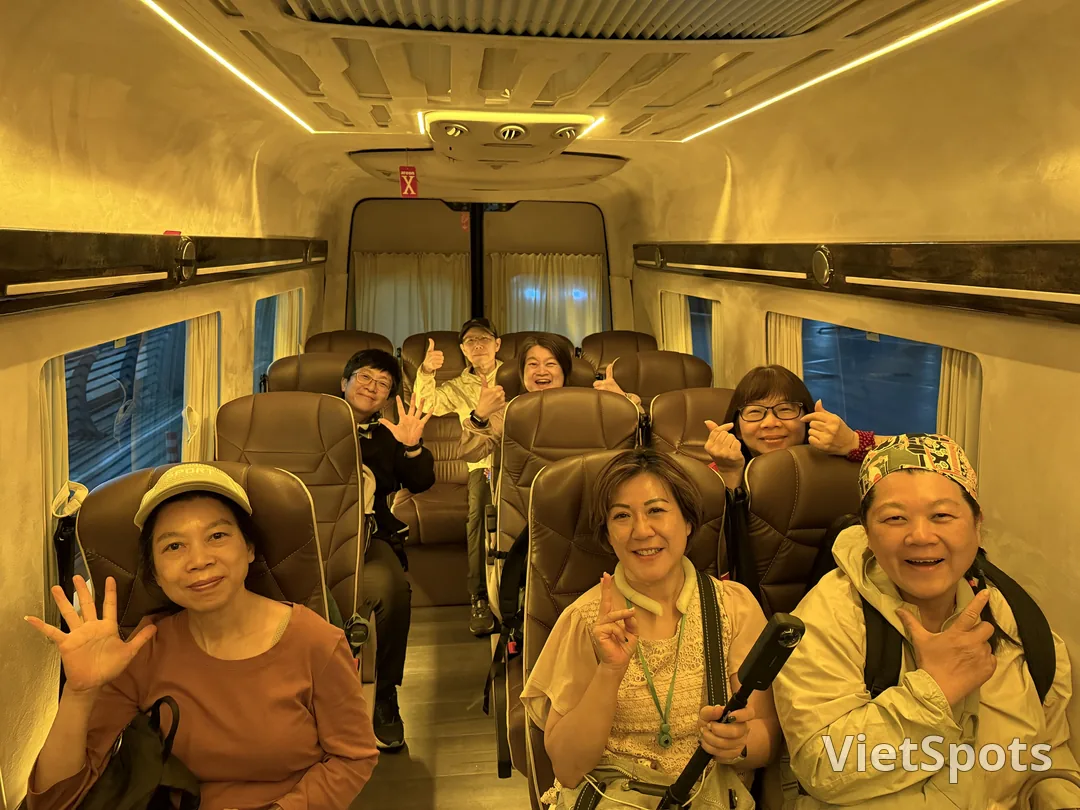
▲From the moment we landed, we enjoyed high-standard airport pickup service Old City exploration: Ruins of the Hippodrome and the Blue Mosque (exterior) The hotel is located in the old city district of Sultanahmet, with attractions all within walking distance. However, the old city has quite a bit of elevation change, so dragging luggage up the slopes still takes some effort. Our first stop was the ruins of the Hippodrome of Constantinople, where only monuments like the Obelisk of Theodosius and the Serpent Column remain today, yet you can still feel the glory of a thousand-year empire. Next we headed to the Blue Mosque (Sultan Ahmet Camii), but unfortunately it happened to be Friday Jumu'ah prayer day, so it was closed to the public in the morning and we could only take photos from the outside.
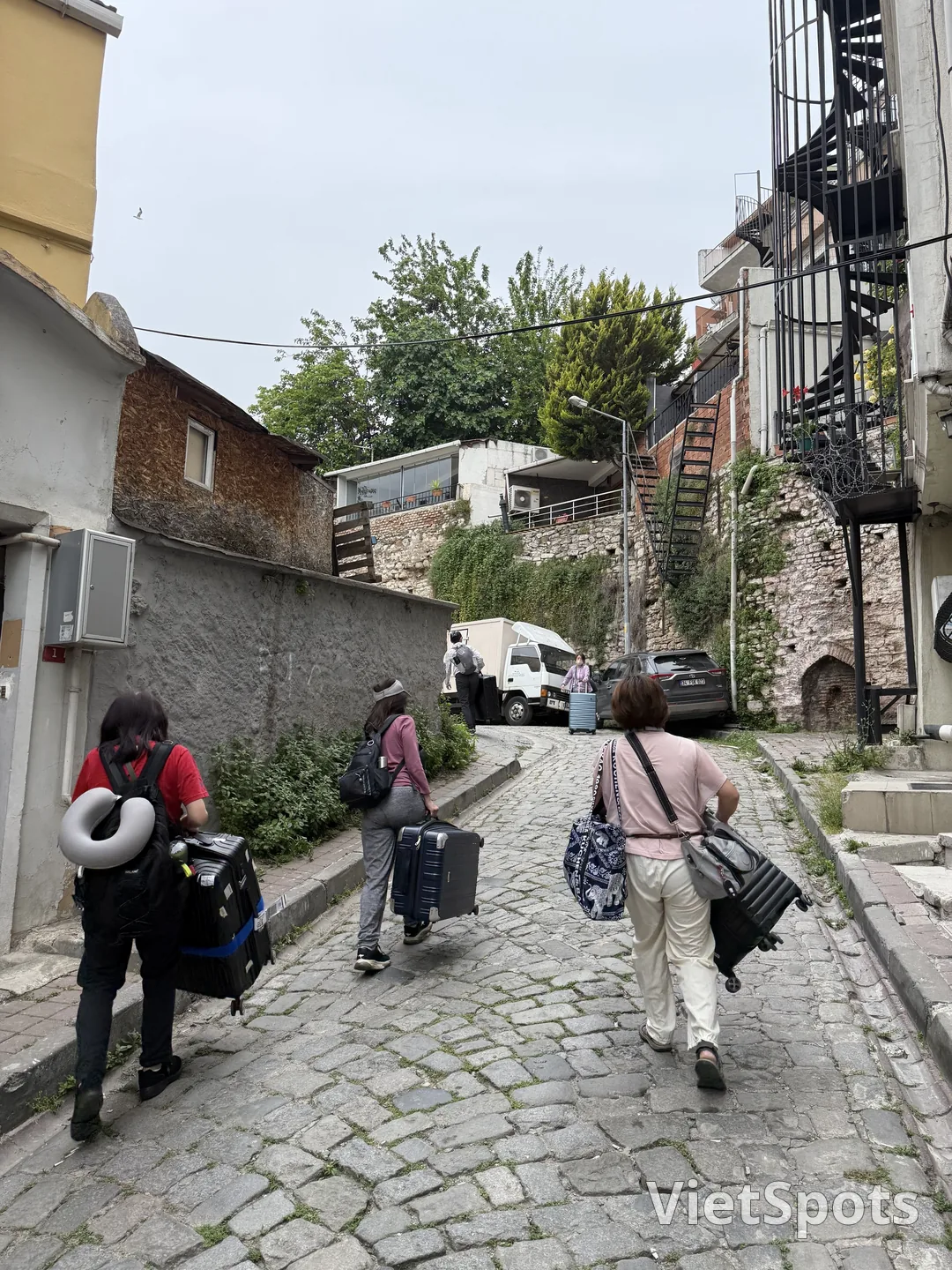
▲The old city district has quite uneven terrain, and climbing slopes with luggage still requires considerable effort
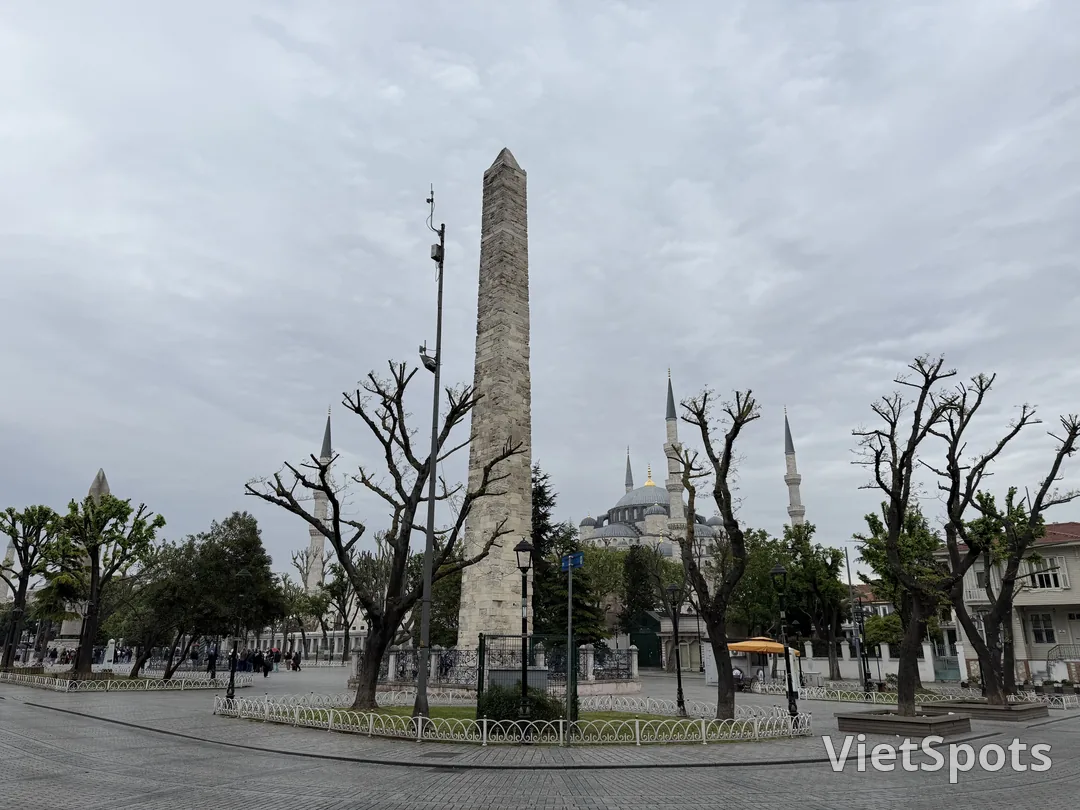
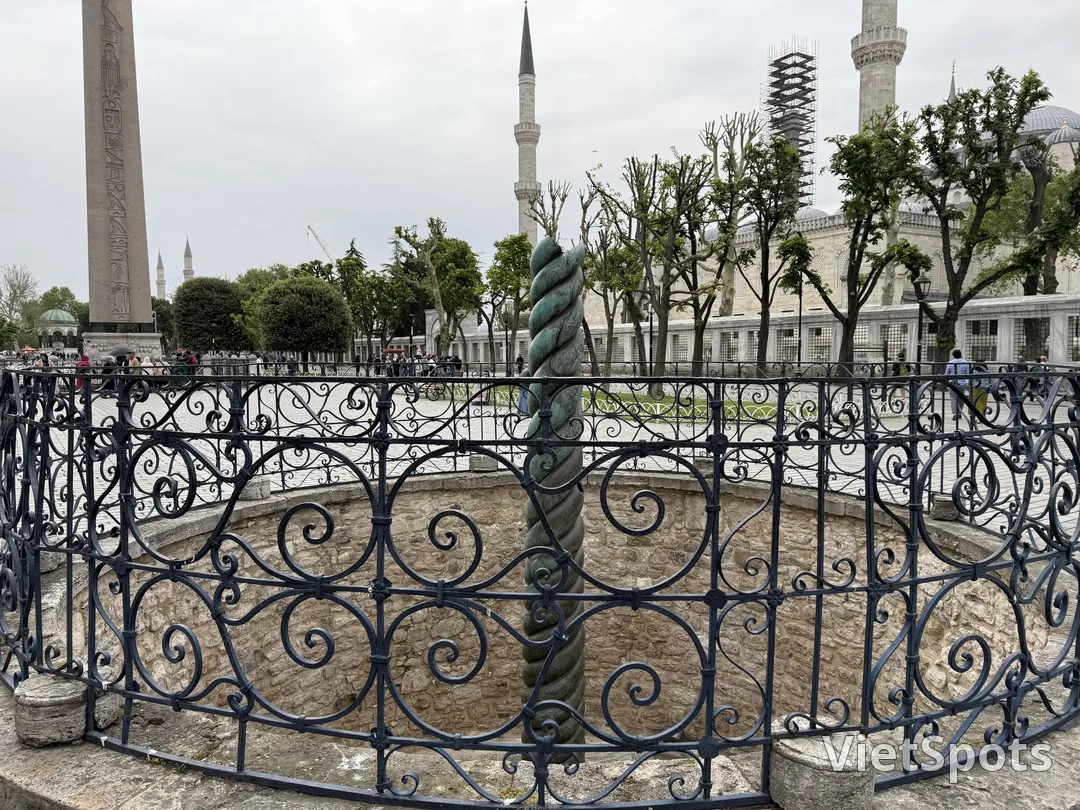
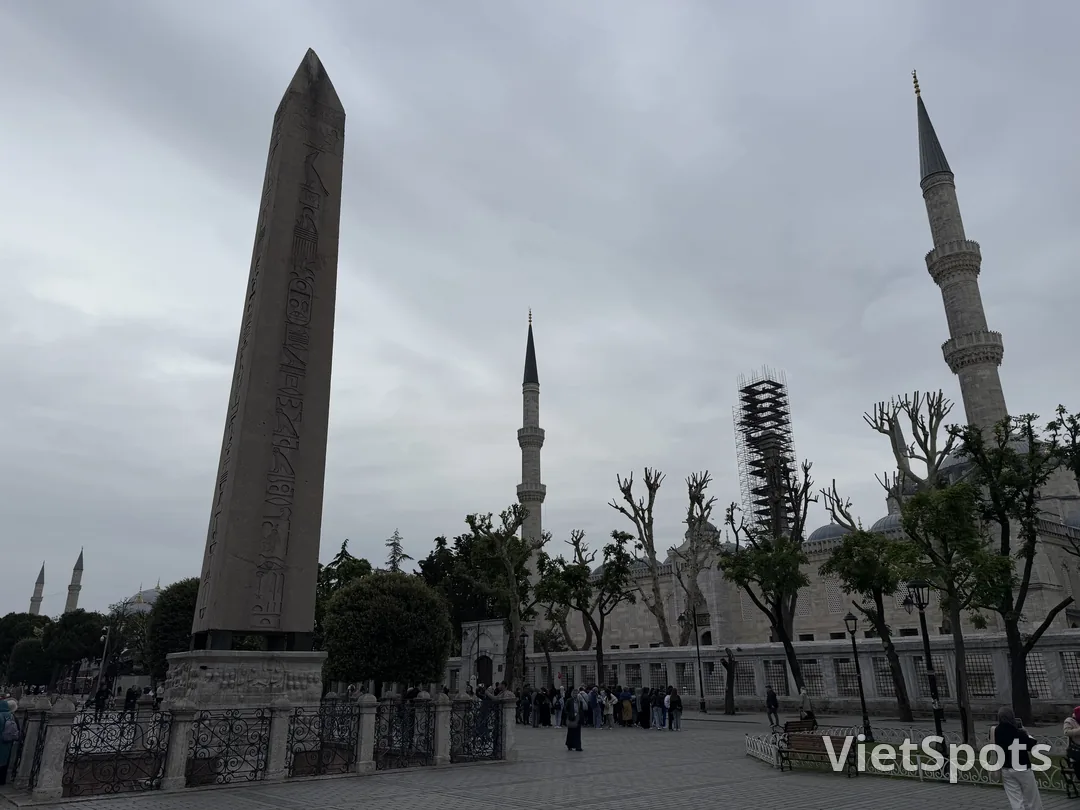
▲The Obelisk and Hippodrome Square (Once the square of the Constantinople Hippodrome, now quietly witnessing history) Topkapi Palace: The Power Center of the Empire's Golden Age Topkapi Palace (Topkapı Sarayı) was the core of the Ottoman Empire's four-hundred-year rule and was an important place where sultans handled state affairs, held ceremonies, and lived in the harem. The entire palace was situated above the strait, surrounded by water on three sides, with sweeping views, and was a representative building that symbolized authority and wealth at that time. We arrived at the palace around ten in the morning. Fortunately, there weren't many people queuing, and we quickly purchased tickets with a card for 2000 liras (this price includes the harem; it recently increased to 2400 liras). Compared to the crowding and waiting mentioned online, this experience was surprisingly smooth.
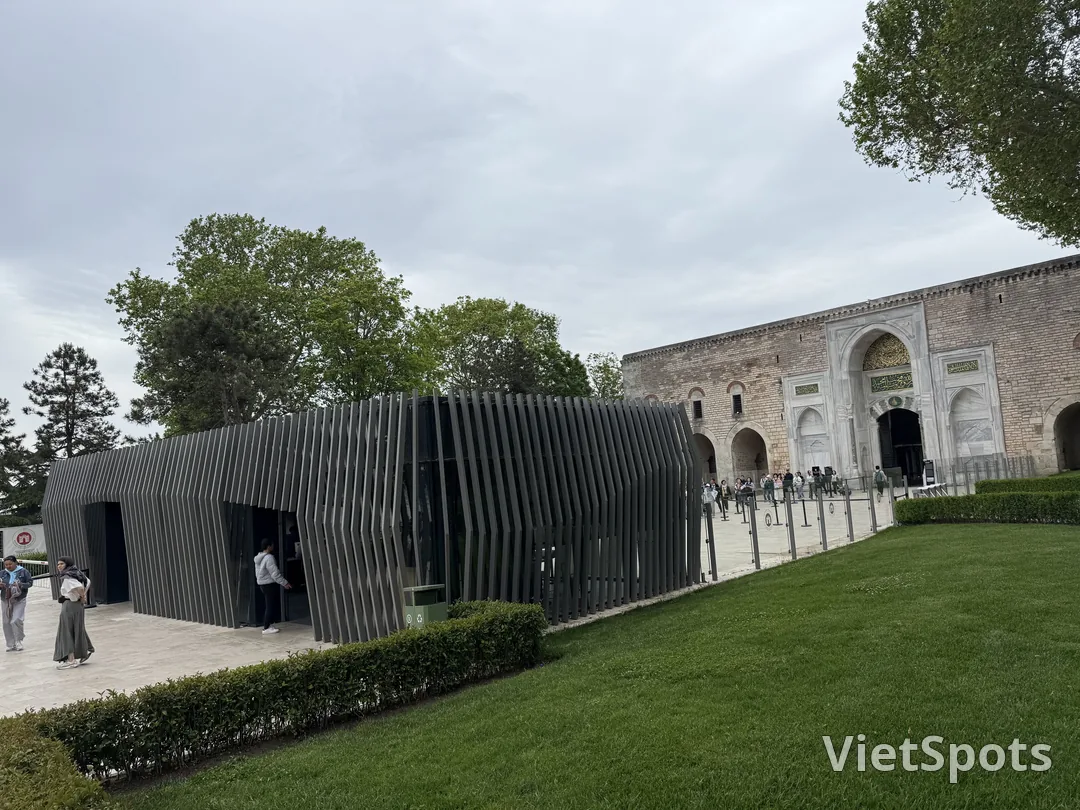
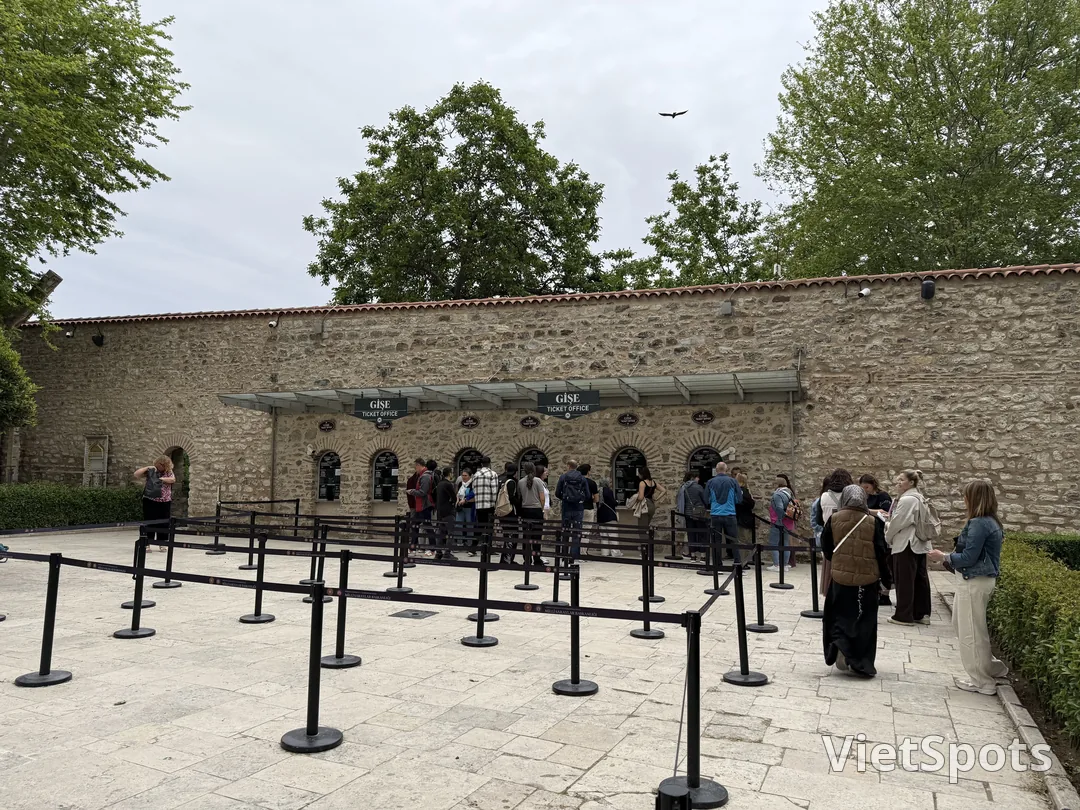
▲ After passing through the first gate and the security checkpoint, the ticket office will be on your right — the one outside the first gate is the ticket office for Hagia Sophia, so don't go to the wrong one! The palace is divided into four courtyards. We passed through the Imperial Gate and into the First Courtyard, where the magnificent grounds and towering trees made it feel like walking through a corridor of history. Starting from the Second Courtyard, there are numerous exhibition halls and buildings, and we visited them in the following order: Treasury Hall: Displays a vast collection of gold, silver, and jewels. The museum's signature treasures include the 86-carat "Topkapi Dagger," a jewel-encrusted throne, and a hookah crafted from pure gold — each one showcasing the empire's opulence and grandeur. Calligraphy and Weapons Hall: Home to hundreds of Quranic calligraphy pieces and ancient battle weapons, especially the legendary relic said to be the Sword of Muhammad, which inspires a particularly reverent hush. Harem Section: A separate ticket is required here, but it is well worth it.The winding, narrow corridors, the vividly colored tile walls, and the story behind every room make you feel as though you've stepped right onto the set of "The Sultan's Women." Although the palace's exterior architecture leans toward simplicity, the interior exhibits and architectural details are rich in content and highly artistic. Over the course of four and a half hours, it felt like we were both touring a museum and exploring a palace that is still alive.
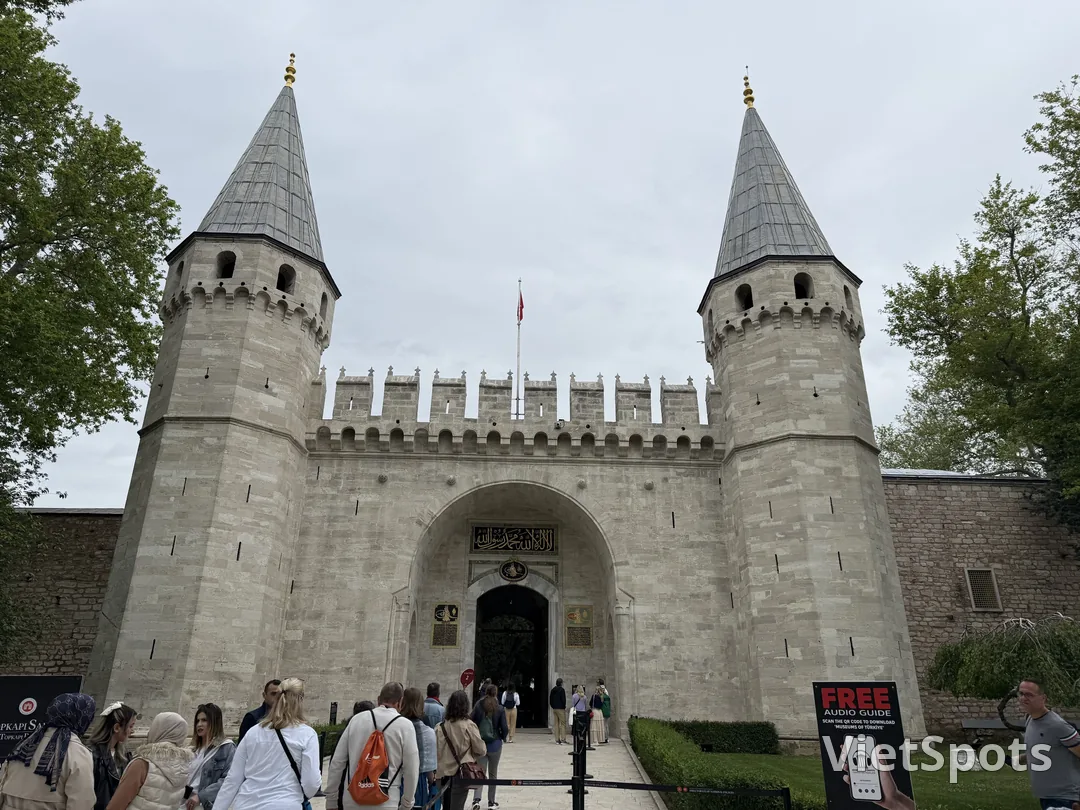
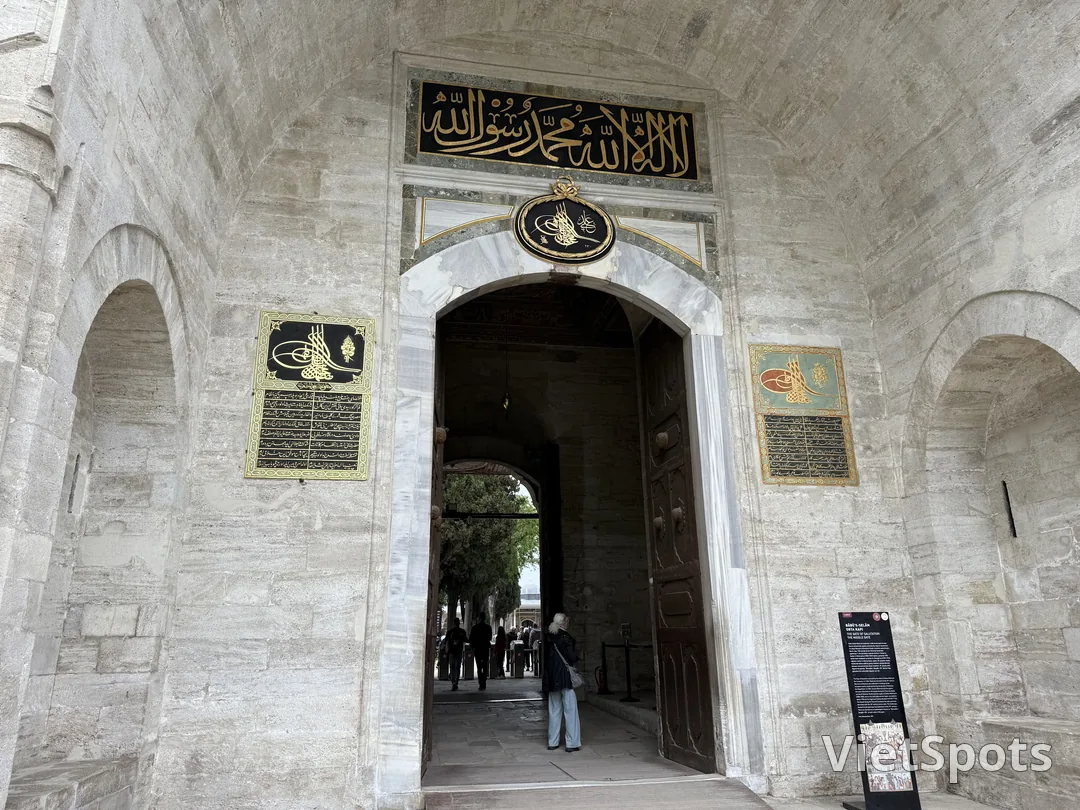
▲Gate of Welcome, pass through the Gate of Welcome, and enter the center of Ottoman power
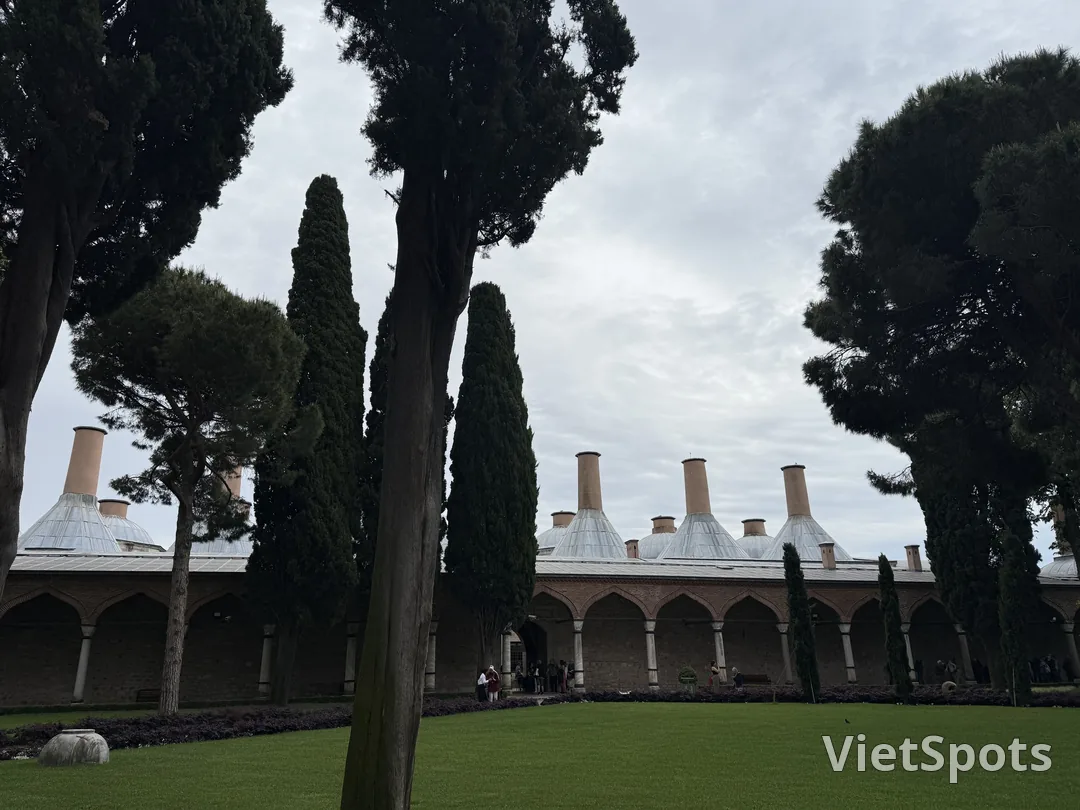
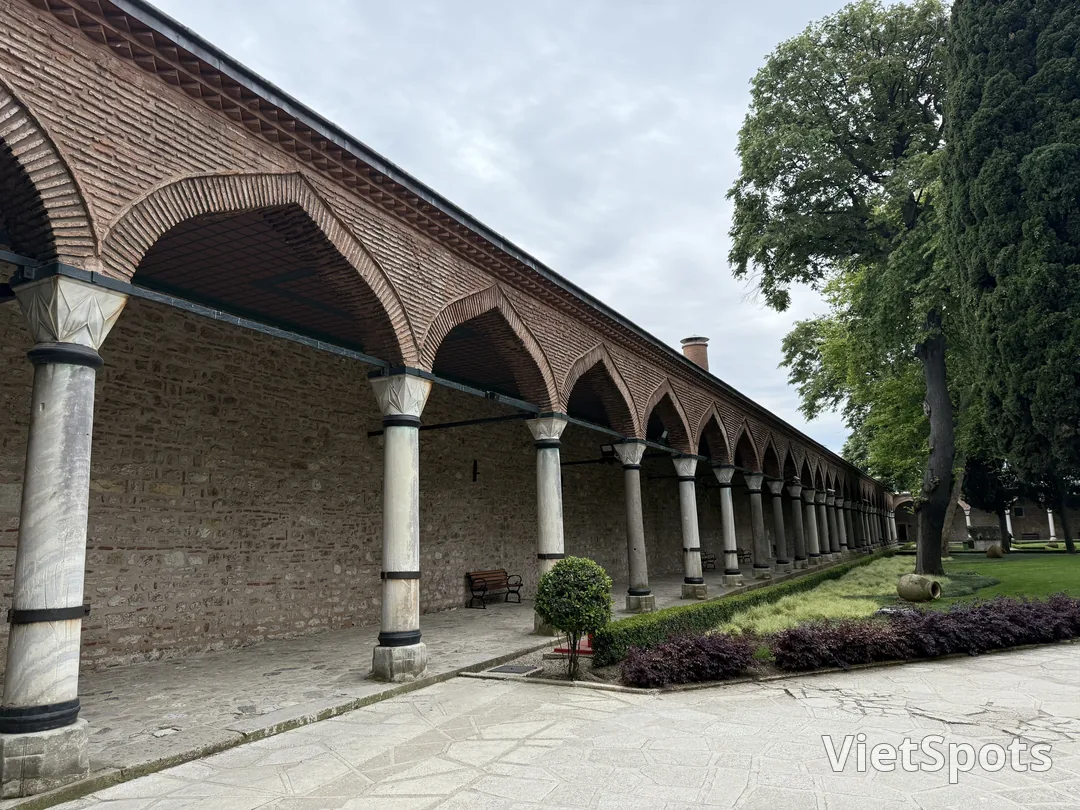
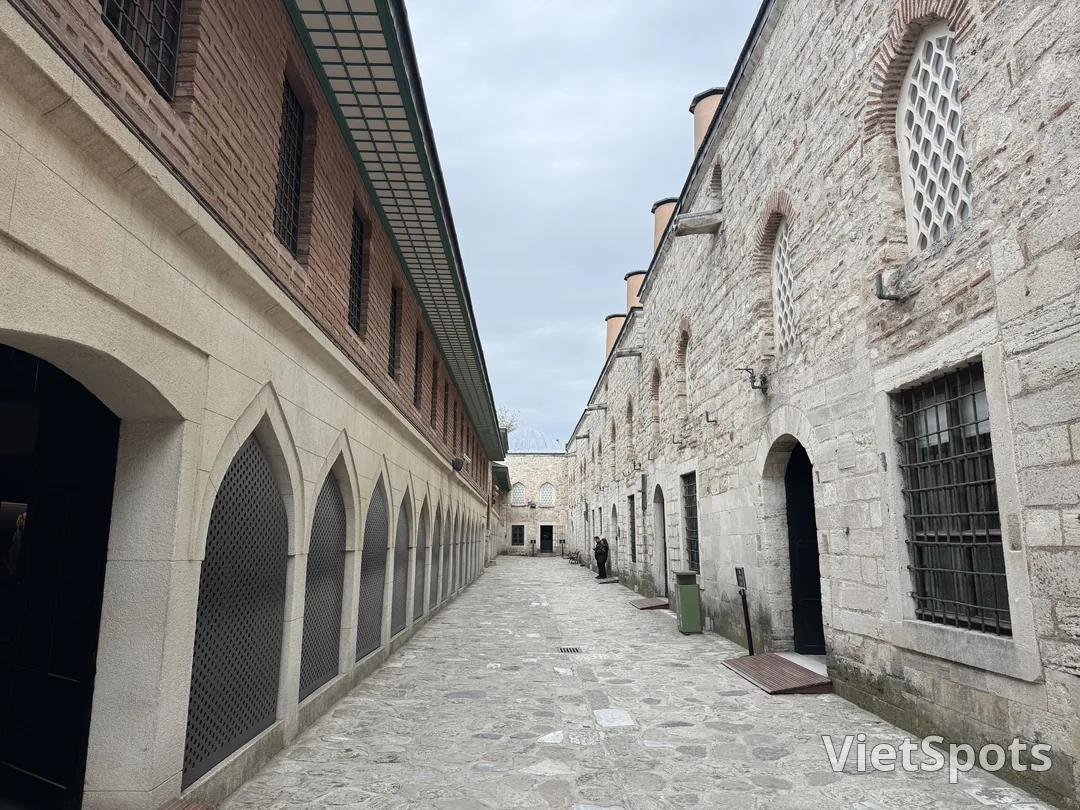
▲Second Courtyard and Long Corridor
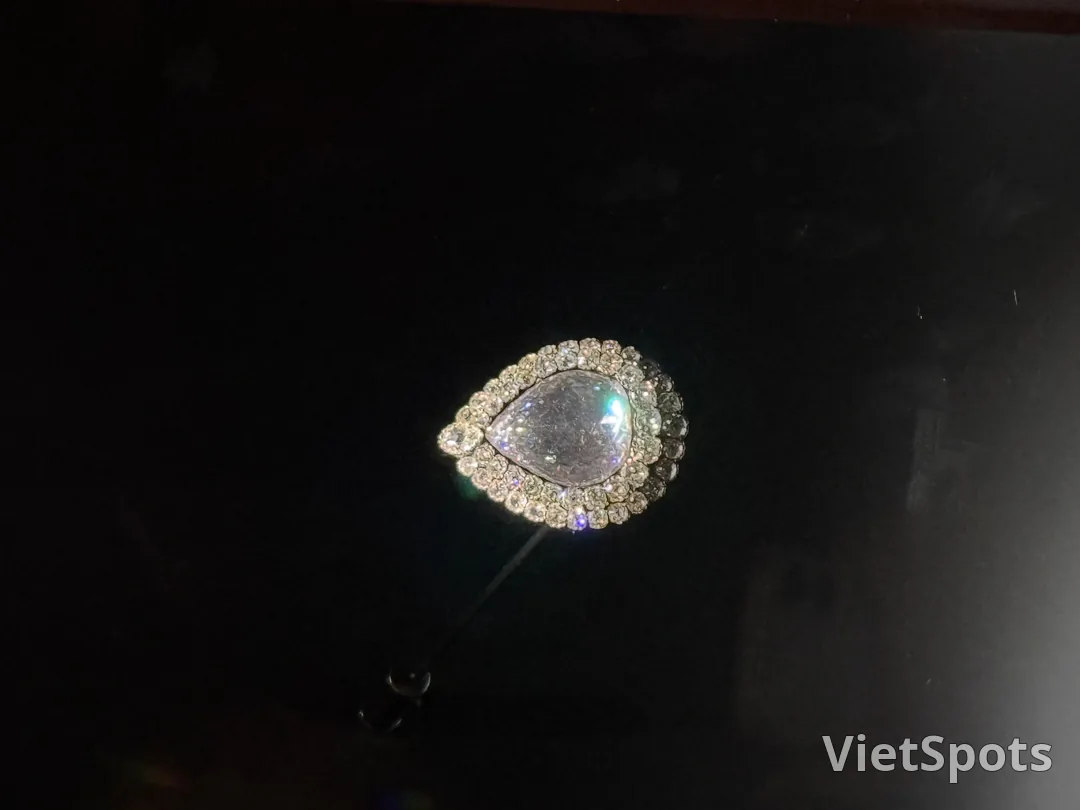
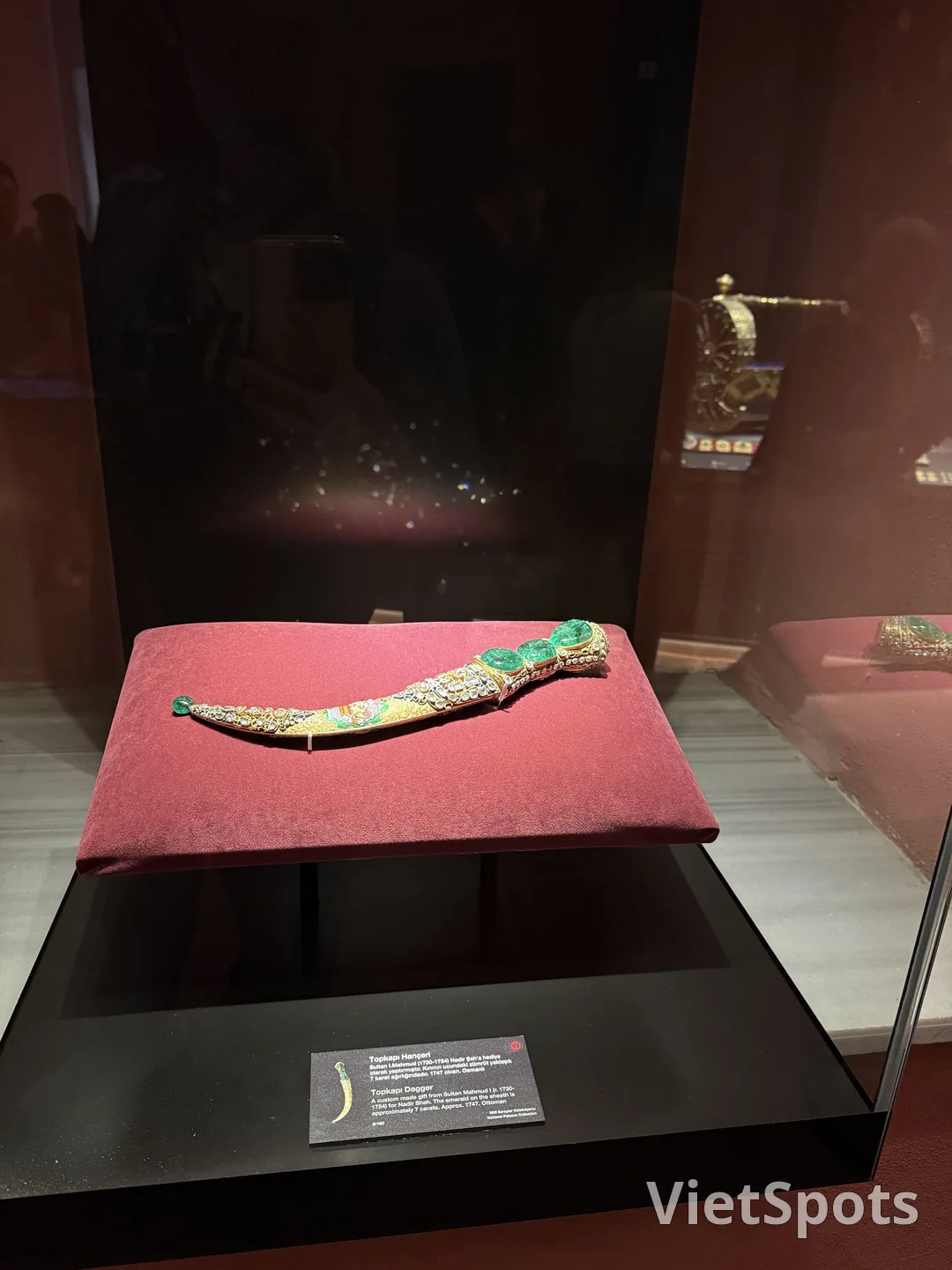
▲Treasury Hall exhibits, the museum's treasures include the 86-carat "Topkapi Dagger
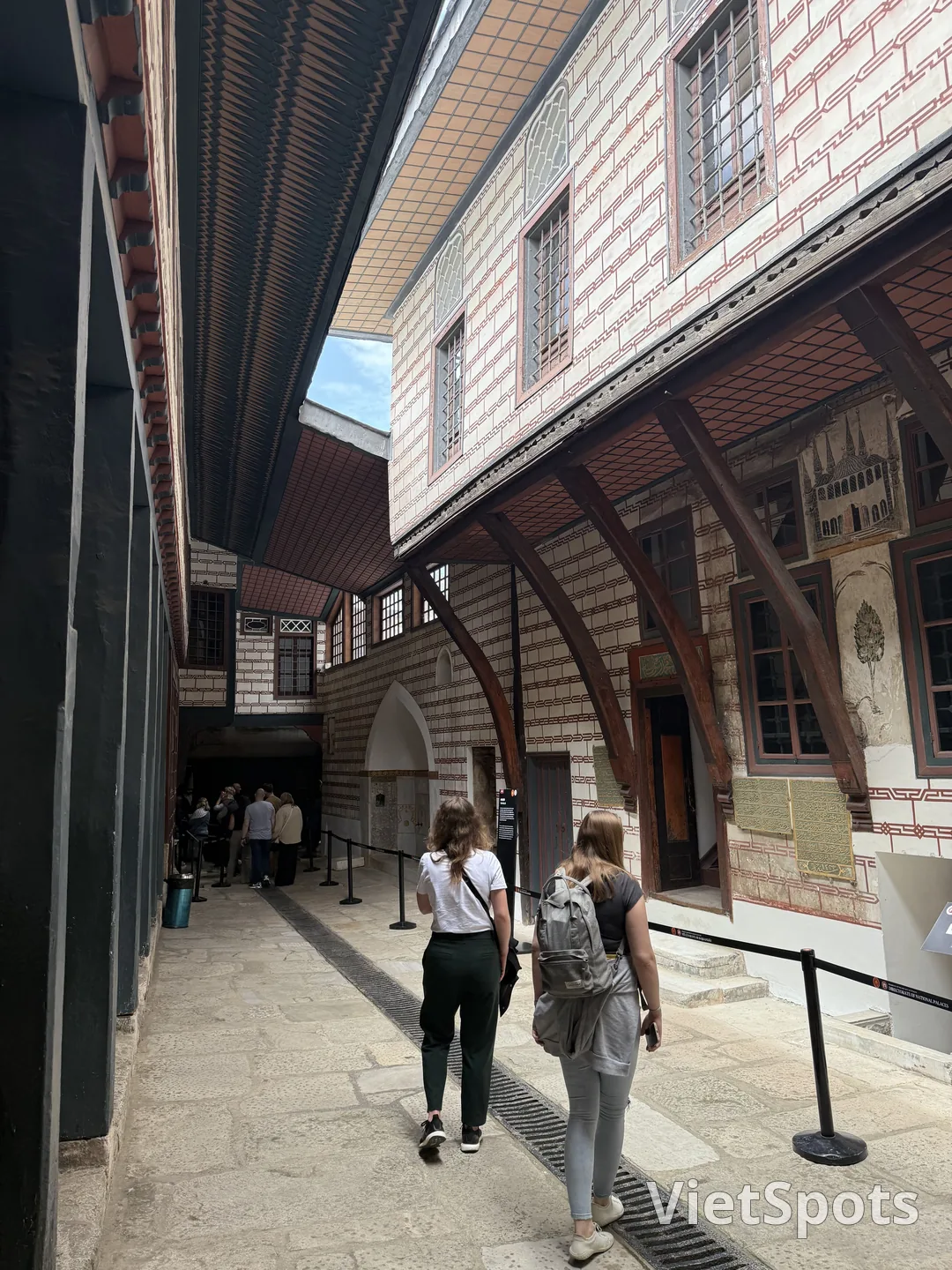
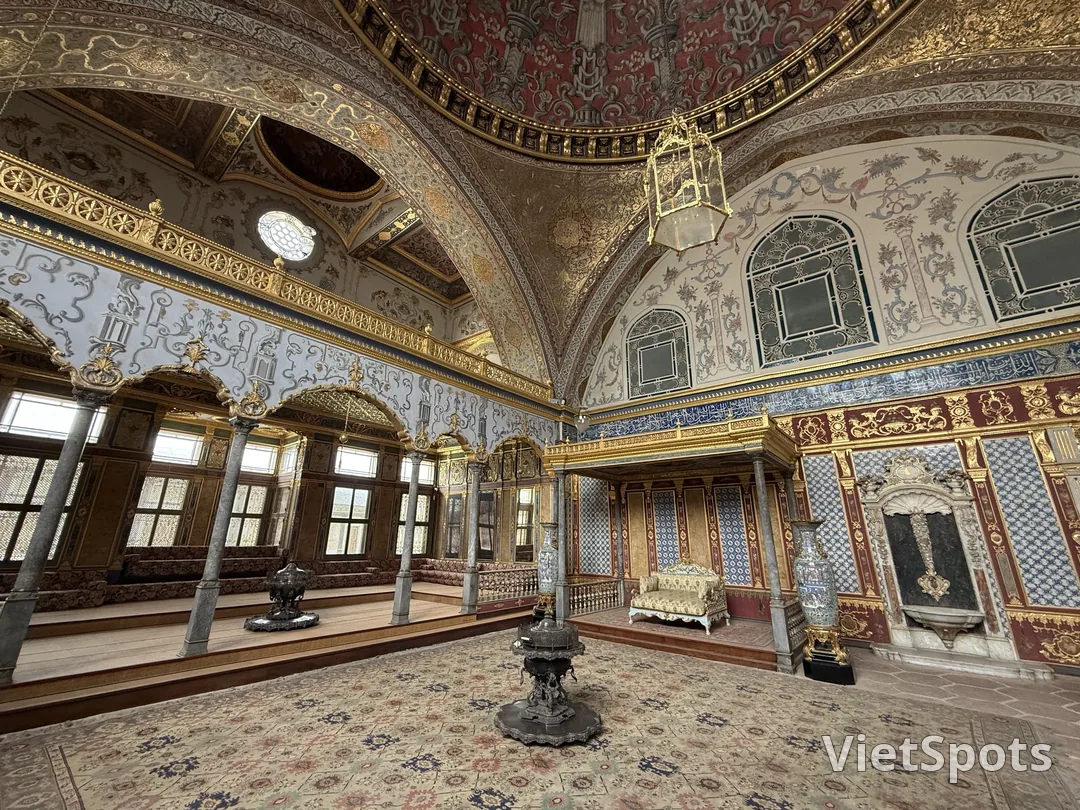
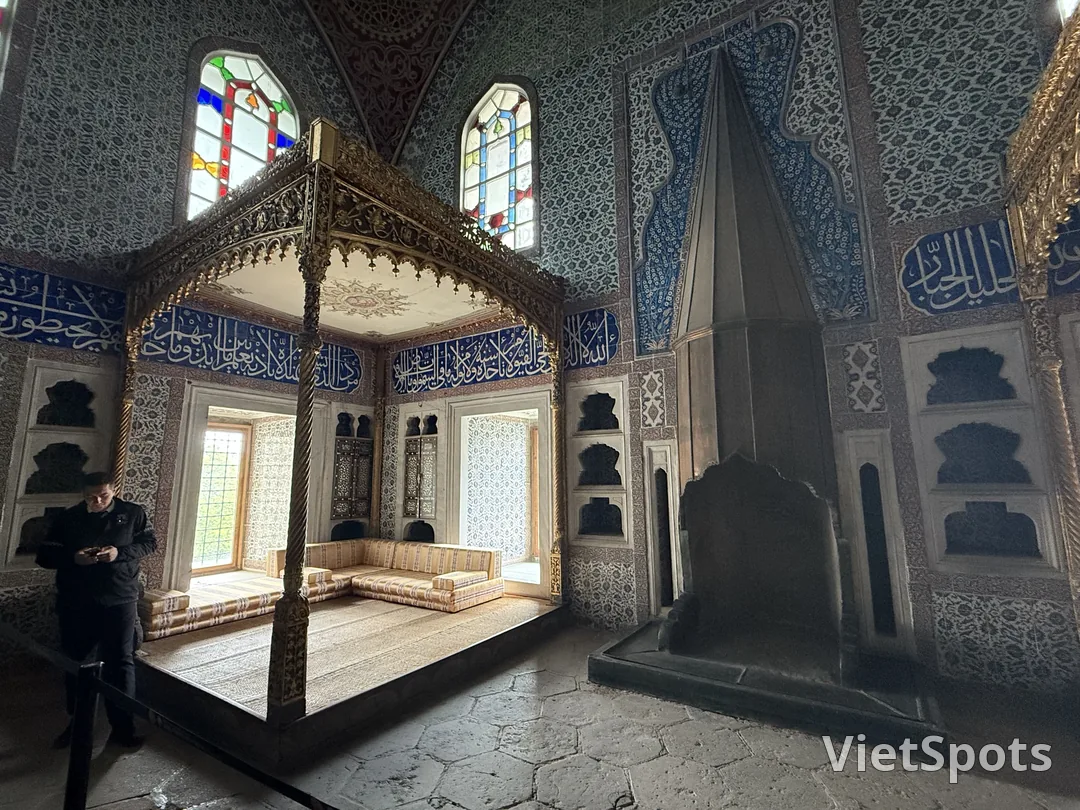
▲Harem entrance and Islamic tile details An In-depth Introduction to Topkapi Palace【In-depth Attraction Guide】Topkapi Palace|A Microcosm of the Ottoman Empire's Power and Splendor Local Dinner Experience: Turkish Hospitality That's Well Worth the Price A little after four in the afternoon, we picked a highly-rated Turkish restaurant to rest and have a meal. Before ordering the main dishes, the restaurant automatically brought out bread and several kinds of sauces, and the family finished them in no time, so a fresh basket was immediately brought out again. After the meal, the restaurant also treated us to dessert and tea, which made us feel right at home.
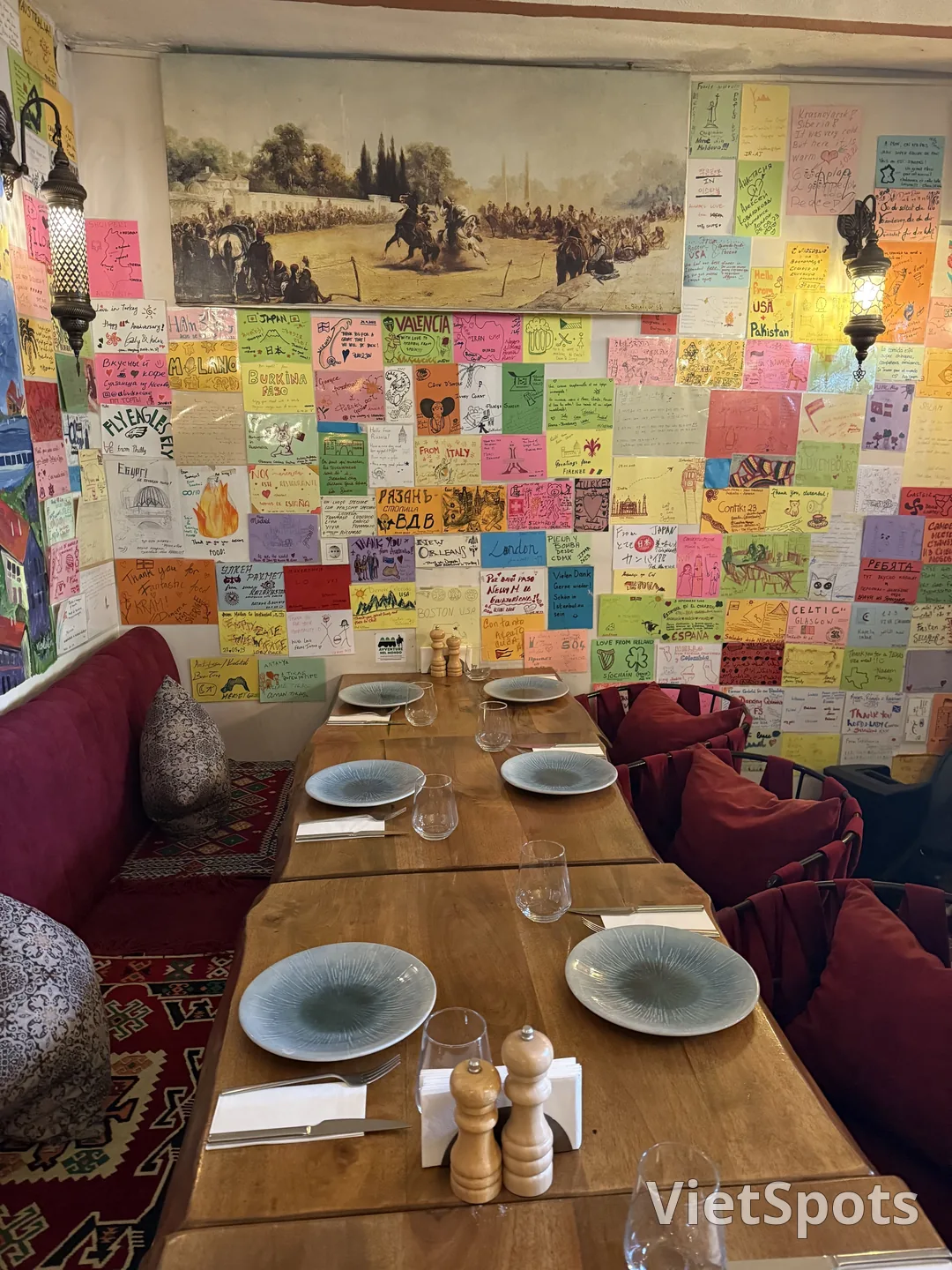
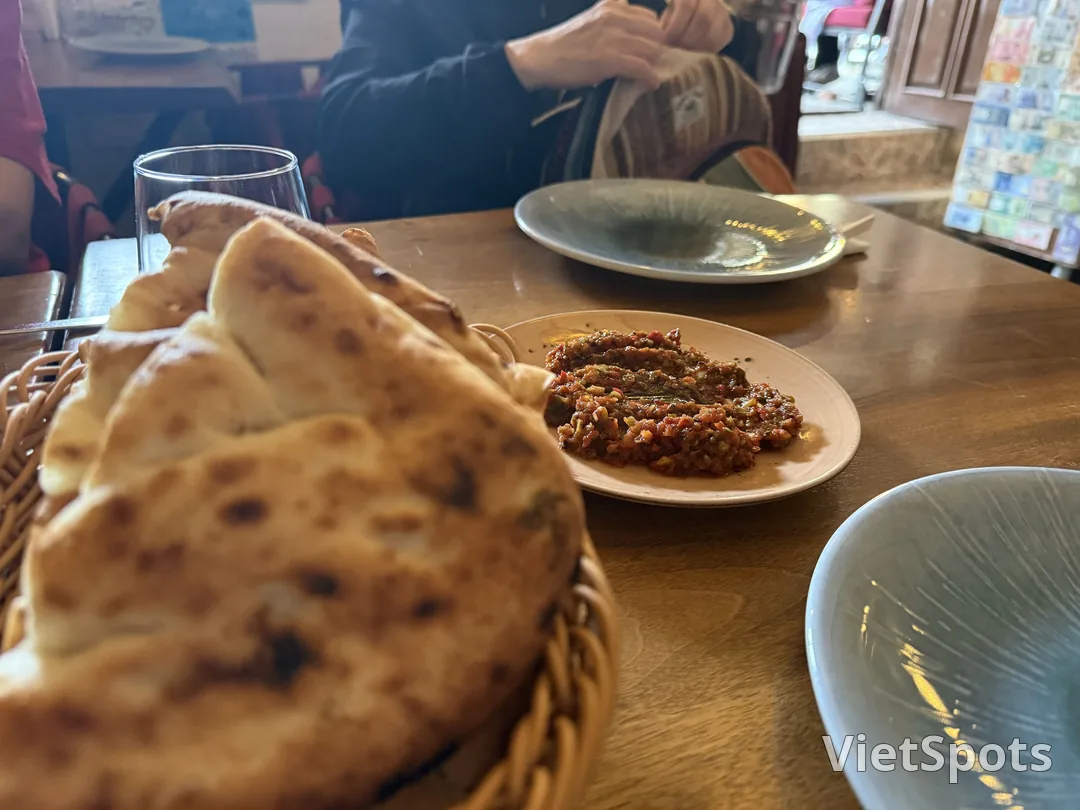
▲Bread and sauce platter is a warm and abundant Turkish appetizer
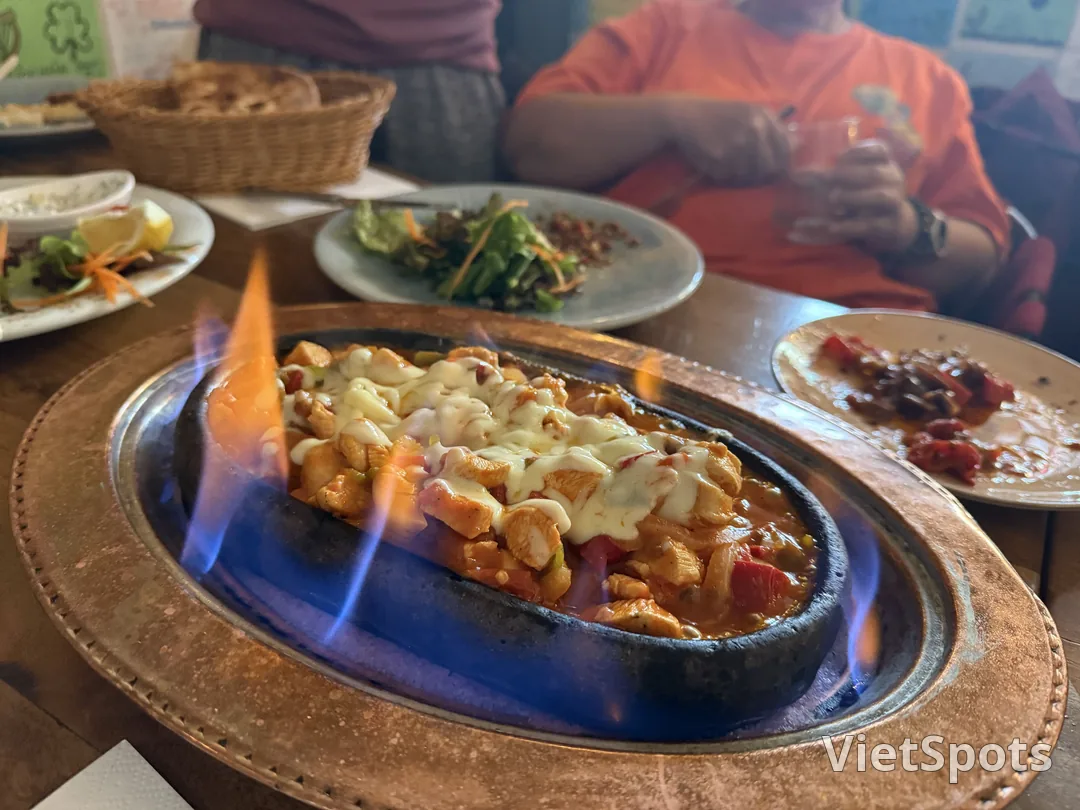
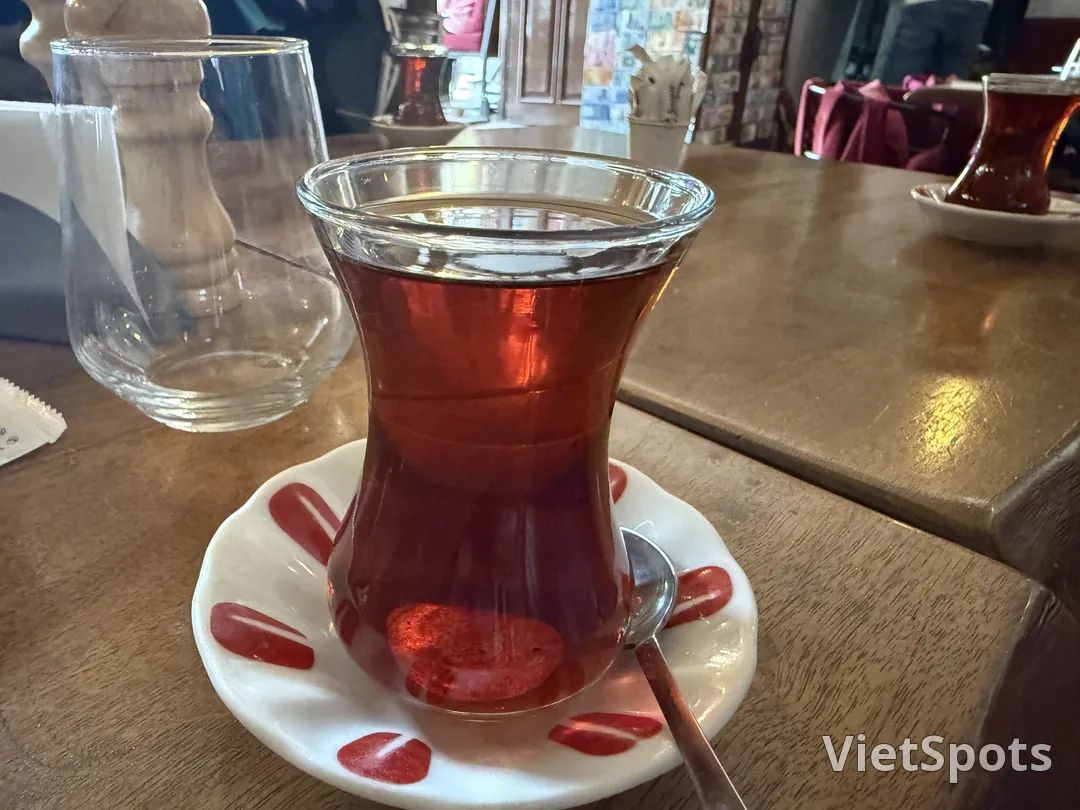
▲The signature main course and the black tea and dessert served to guests — this is a microcosm of this country's hospitality Blue Mosque: Faith and Art Beneath a Deep Blue Dome The Blue Mosque (Sultan Ahmet Camii) was built in the 17th century. It is a masterpiece of the golden age of Ottoman architecture, and the only mosque in the world with six minarets. We visited again in the evening and were finally able to go inside. Before entering, you must remove your shoes, and women must wear a headscarf. The interior space is spacious, and looking up reveals a breathtaking deep blue dome.The entire mosque is called the "Blue Mosque" precisely because its interior is covered with over twenty thousand blue Iznik Tiles, whose patterns are mostly flowers and vines, richly embodying the beauty of Islamic style. Light streams through the stained glass and falls upon the prayer rugs, creating a tranquil and serene atmosphere; even though we are not Muslims, we too can feel the tension of spirituality and artistry that this mosque conveys.
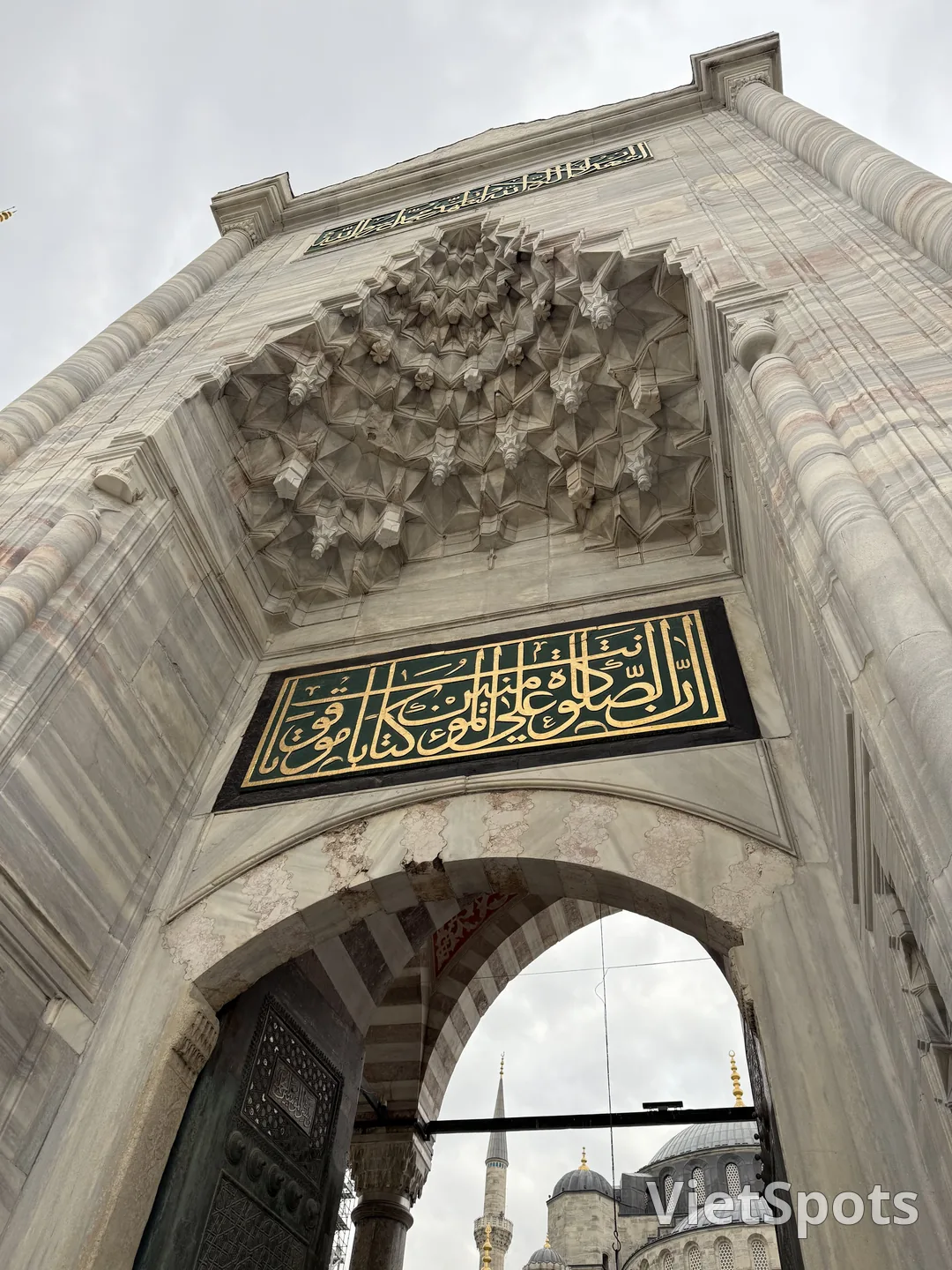
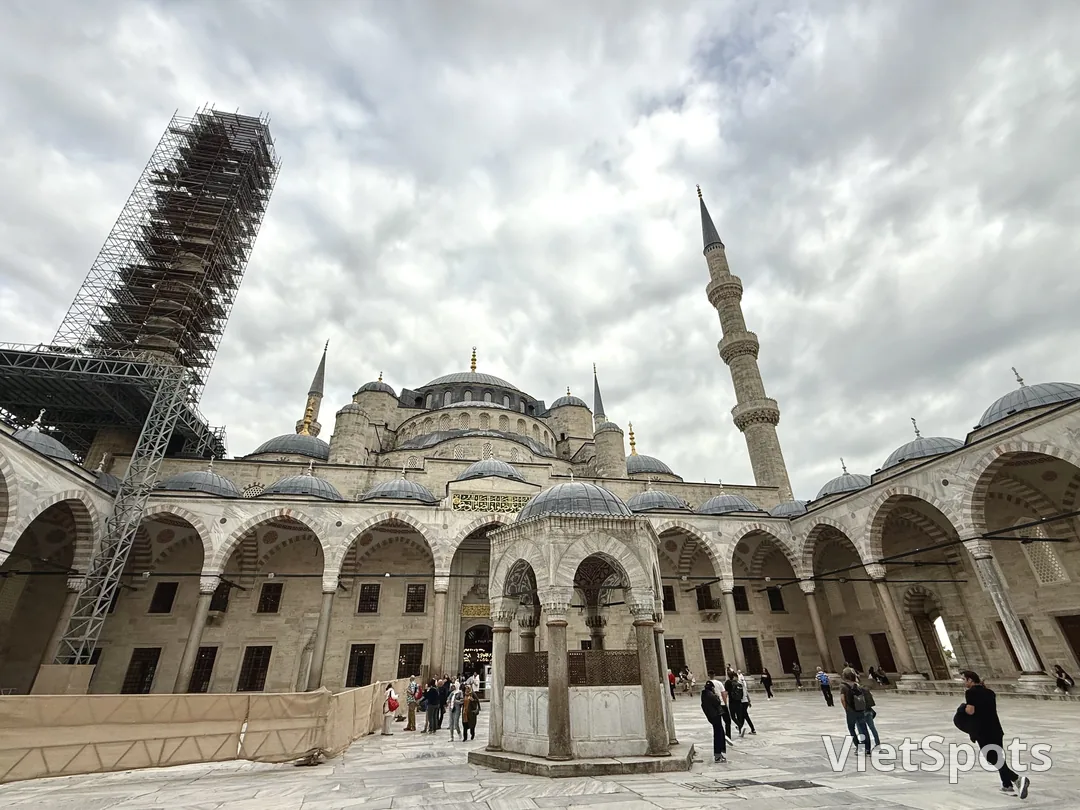
▲Panoramic exterior view of the mosque — the Blue Mosque, with its six minarets, is Istanbul's most iconic mosque
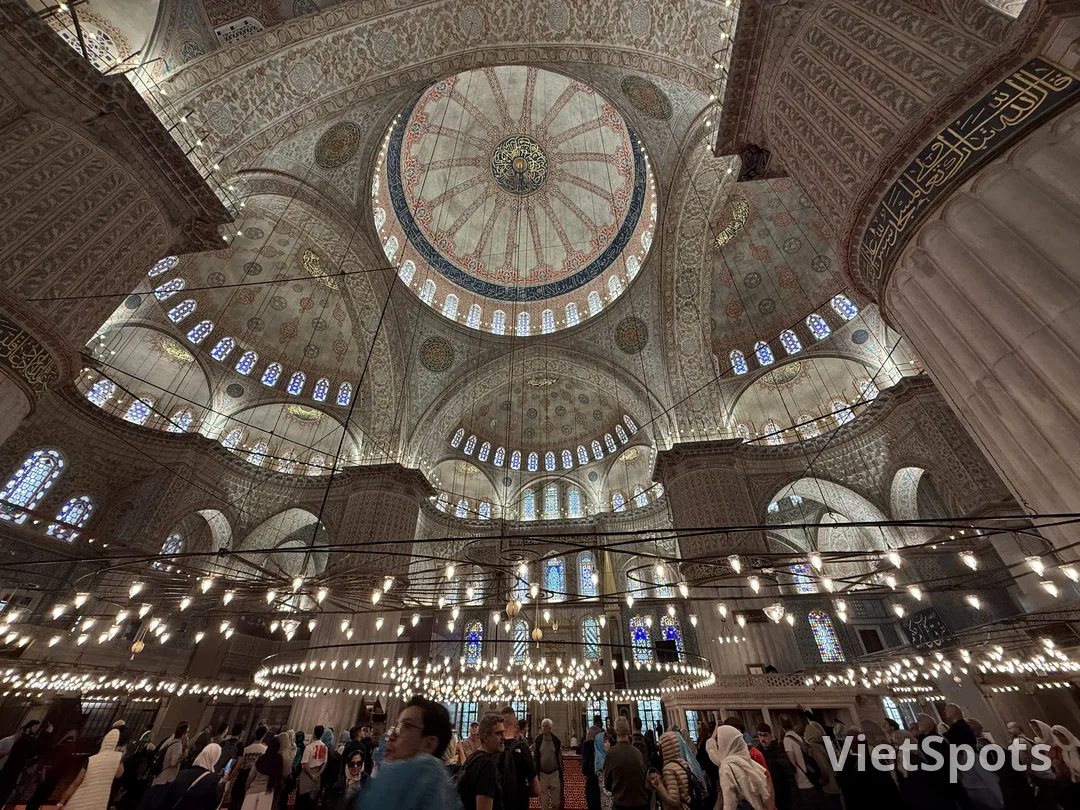
▲Dome and interior tile details — the dome, pieced together from over 20,000 blue tiles, is the very essence of this mosque
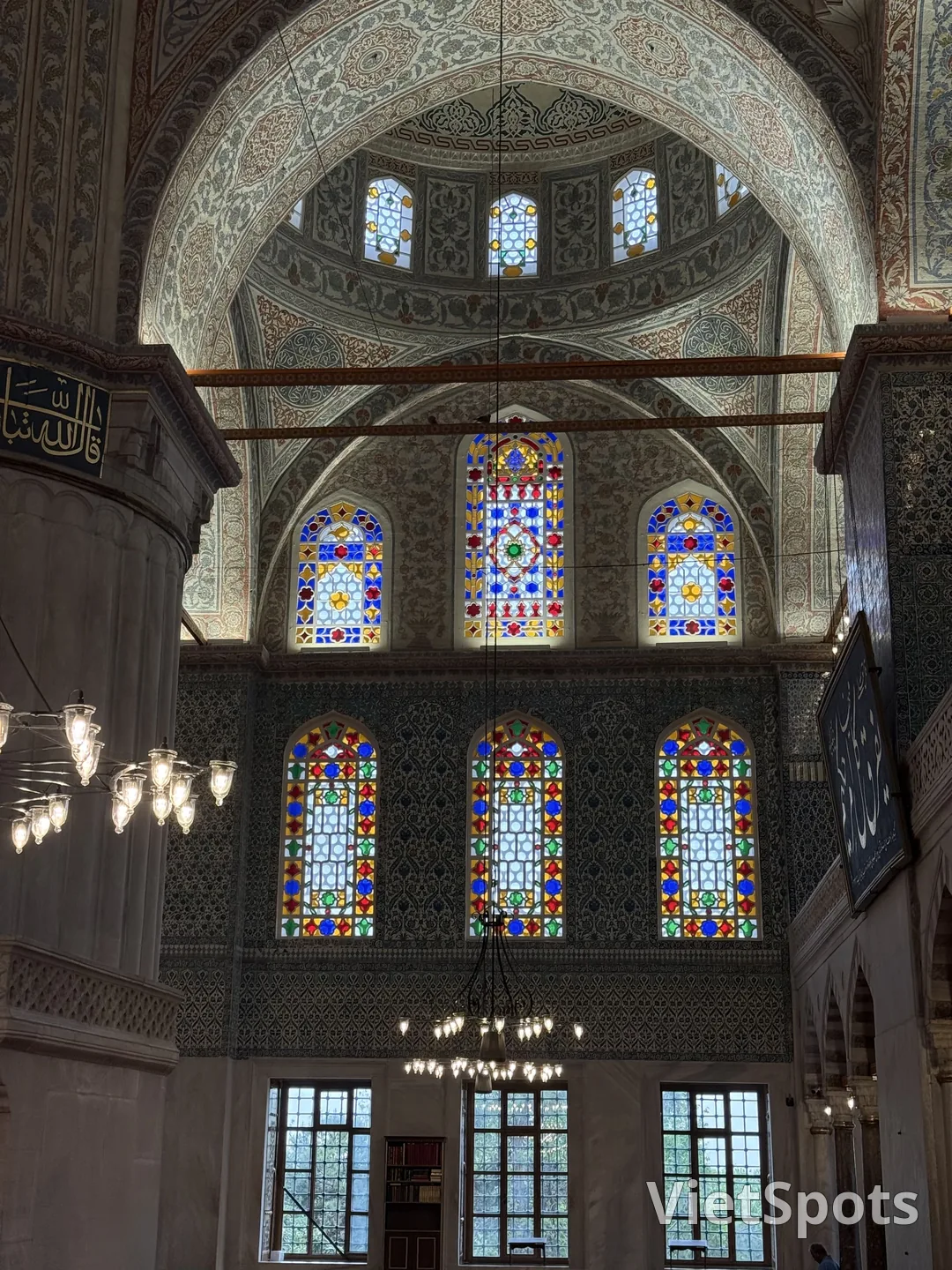
▲ Stained glass inside the church Ferry to the Asian side Then we arrived at Eminönü Pier to take a ferry to Kadıköy Port on the Asian side. Although we didn't see the sunset, traveling alongside seagulls had its own poetic charm. On the return trip, we got off the boat early and unexpectedly stumbled upon the new European district, and also happened to taste the locally famous ice cream. Although the taste was quite strong, the flavor is subjective.
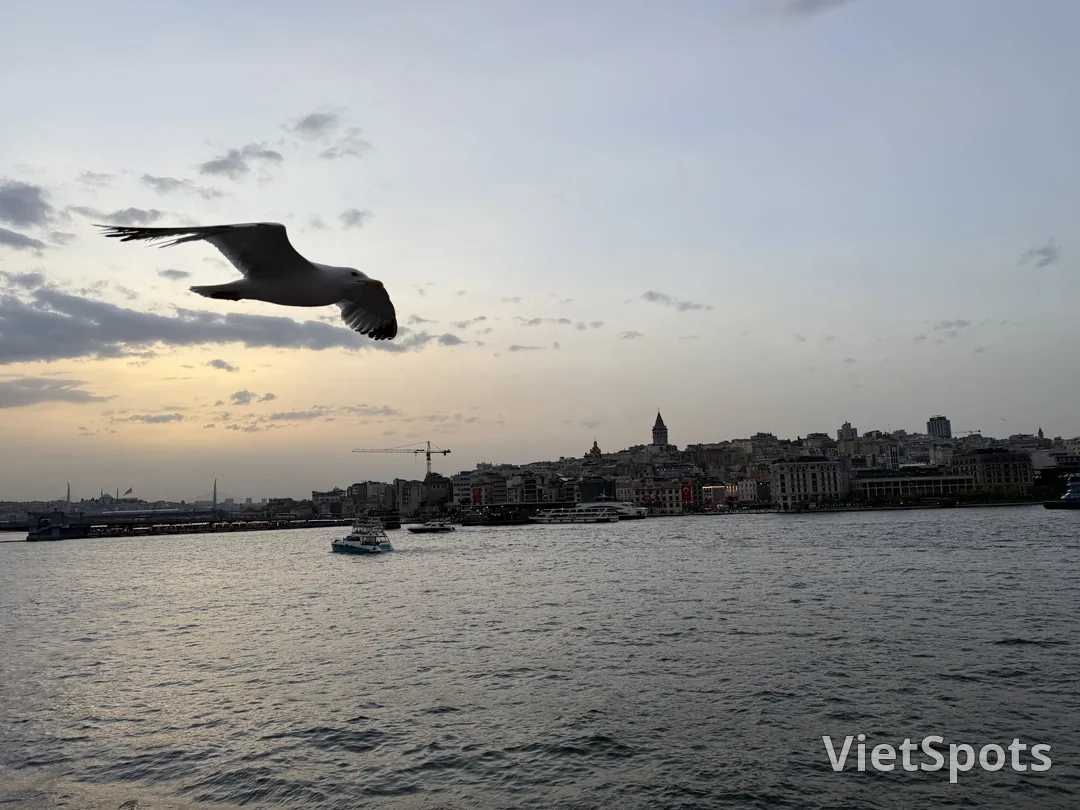
▲Strolling with seagulls under the sunset — a romance that belongs only to Istanbul
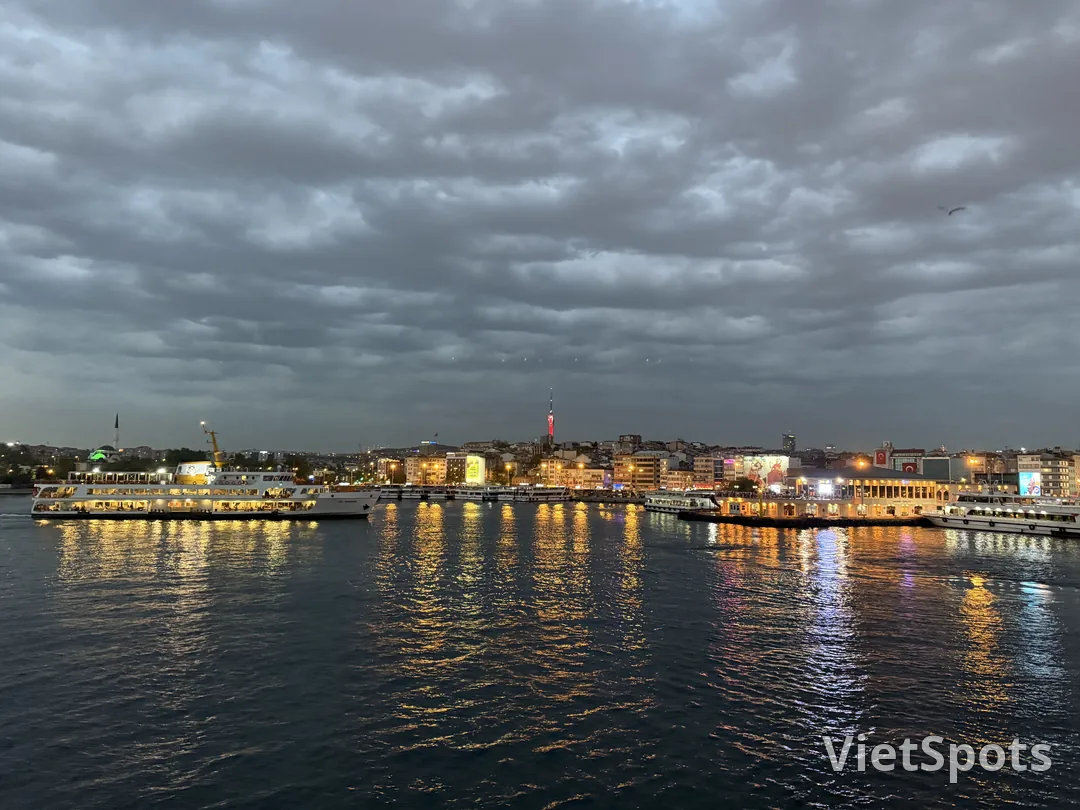
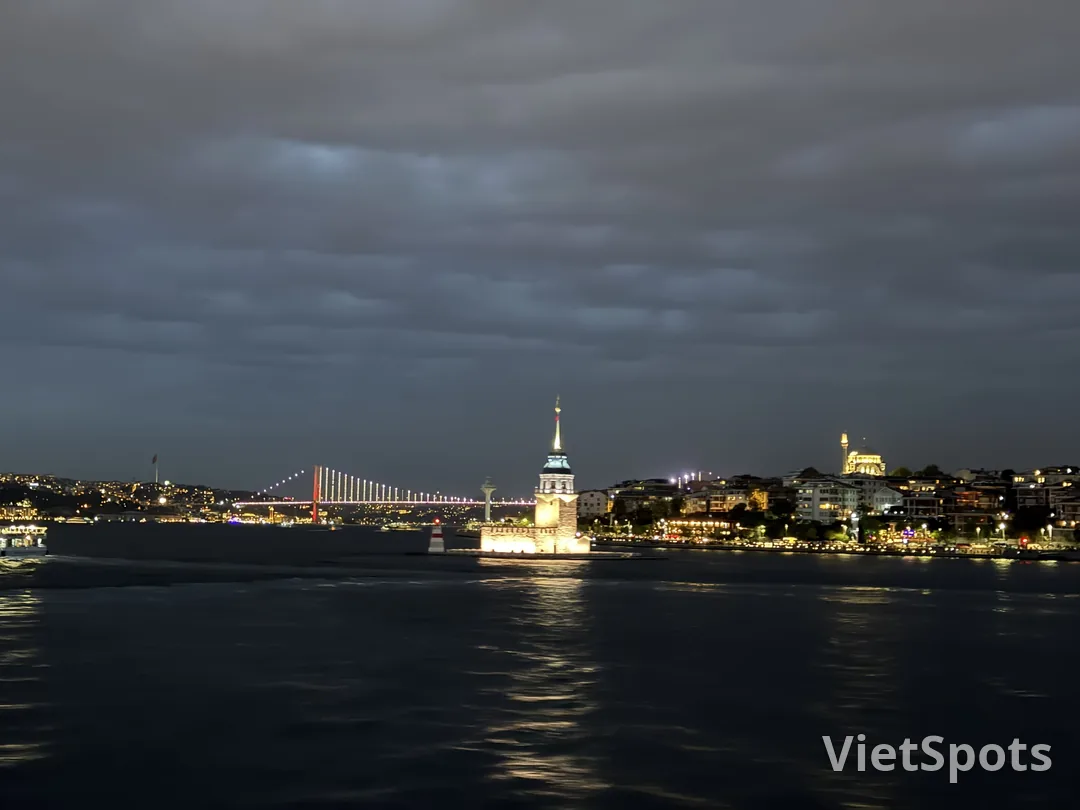
▲Night view of Asia
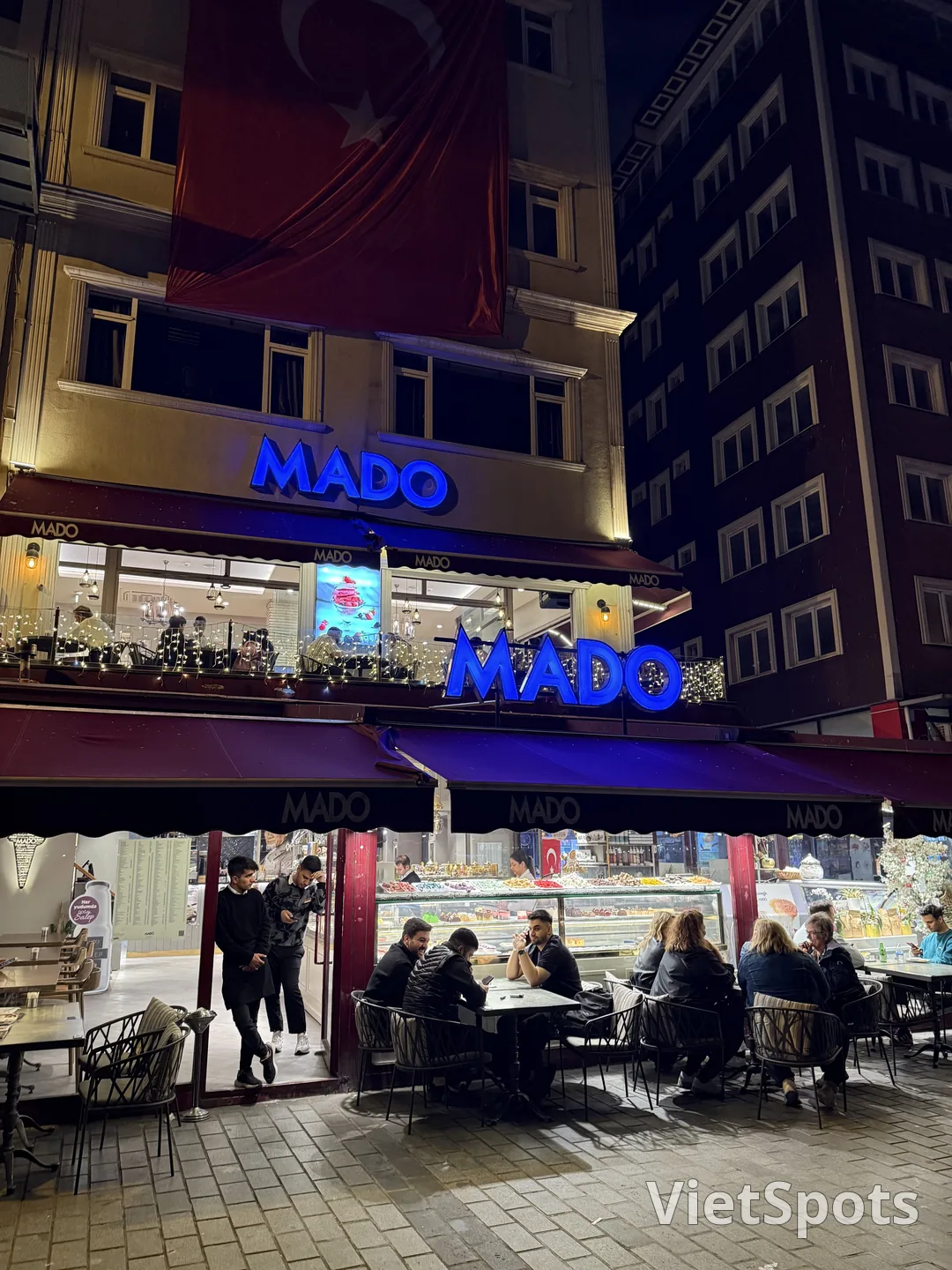
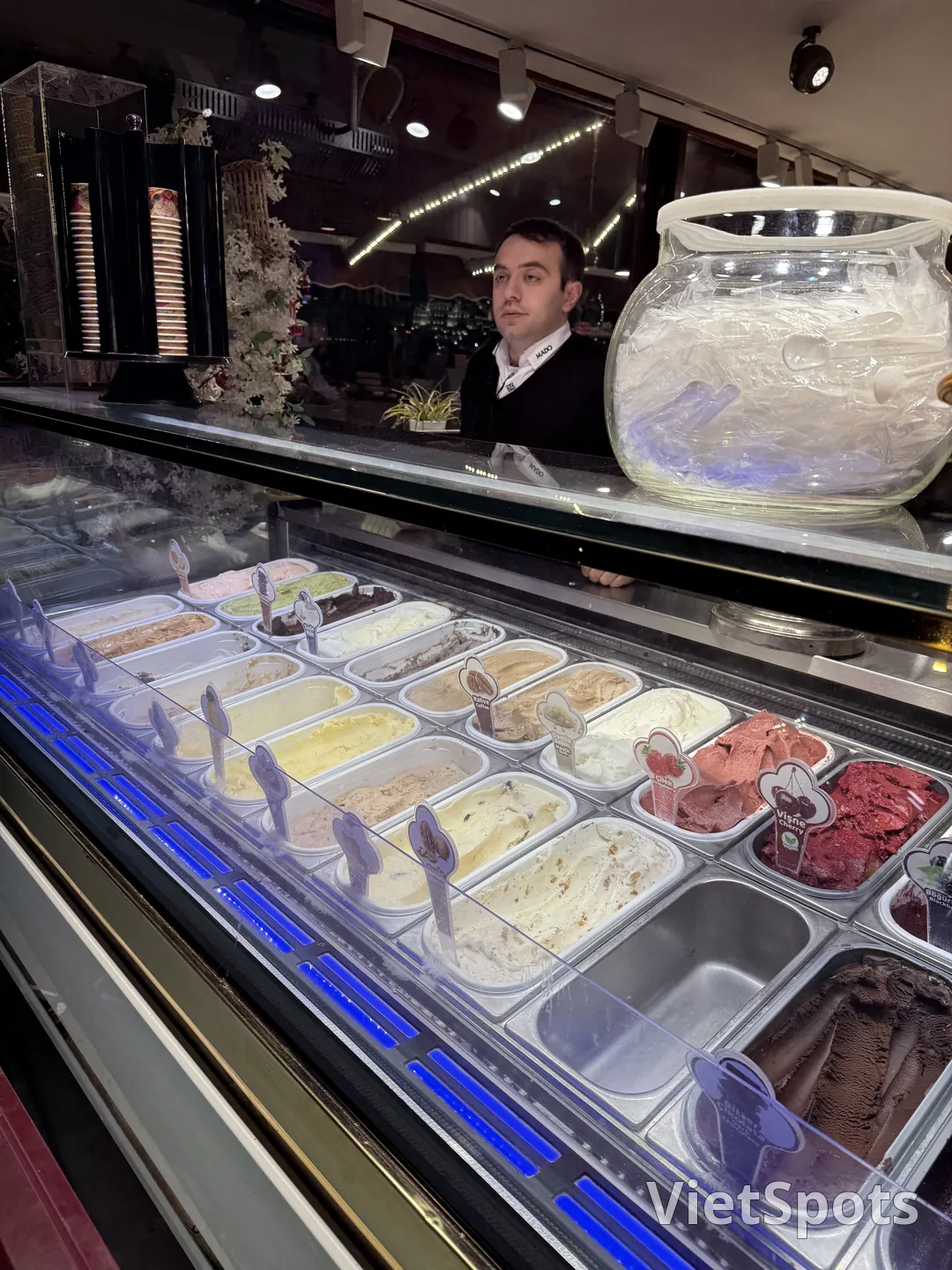
▲Turkish Ice Cream Trip Summary & Reflections From landing just after 5 a.m. to returning to the hotel past 10 p.m., we barely stopped as we experienced the highlights of Istanbul. Topkapi Palace left us with a deep impression of the history and culture of the Ottoman Empire, while the mosques and streetscapes of the Old City wonderfully wove together the charm of East and Europe. Tomorrow we'll continue exploring Istanbul, and in the evening we'll take a night train to Cappadocia to begin the next leg of our adventure. 📌 Full Record of Our Turkey & Greece Independent Travel Turkey Day 1-2: First Impressions of Istanbul|Day 3: Hagia Sophia and the Grand Bazaar Day 4: Cappadocia's Amazing Hot Air Balloons|Day 5: Exploring the Green Line Underground City Day 6: Salt Lake Sky Mirror and Konya Whirling Dervishes|Day 7: Antalya's Ancient Theater and Old Town Day 8: Lake Salda and Golden Pamukkale|Day 9: Relaxing in Marmaris Greece Day 1: Rhodes' Knights' Road|Day 2: Morning Swim in the Aegean and Old Town Tour Day 3: Delphi and Monastery Day Trip|Day 4: Athens Acropolis Classic Route Day 5: Flea Market and Acropolis Museum|Day 6: Attica Department Store and Archaeological Museum
Book Travel in English on VietSpots
- 🎁 Sign up and get 16 Welcome Pack coupons — e.g. Motorbike Rental 45%
- 👑 Member tier discount up to 15% on site (Silver 5% · Gold 15%)
- 🛂 Auto-fill arrival card📶 Compare lowest eSIM prices🚻 Find toilets
Comments