

[Turkey Free Travel Day 3] The solemnity of the Hagia Sophia Mosque interweaves with the bustle of the Grand Bazaar


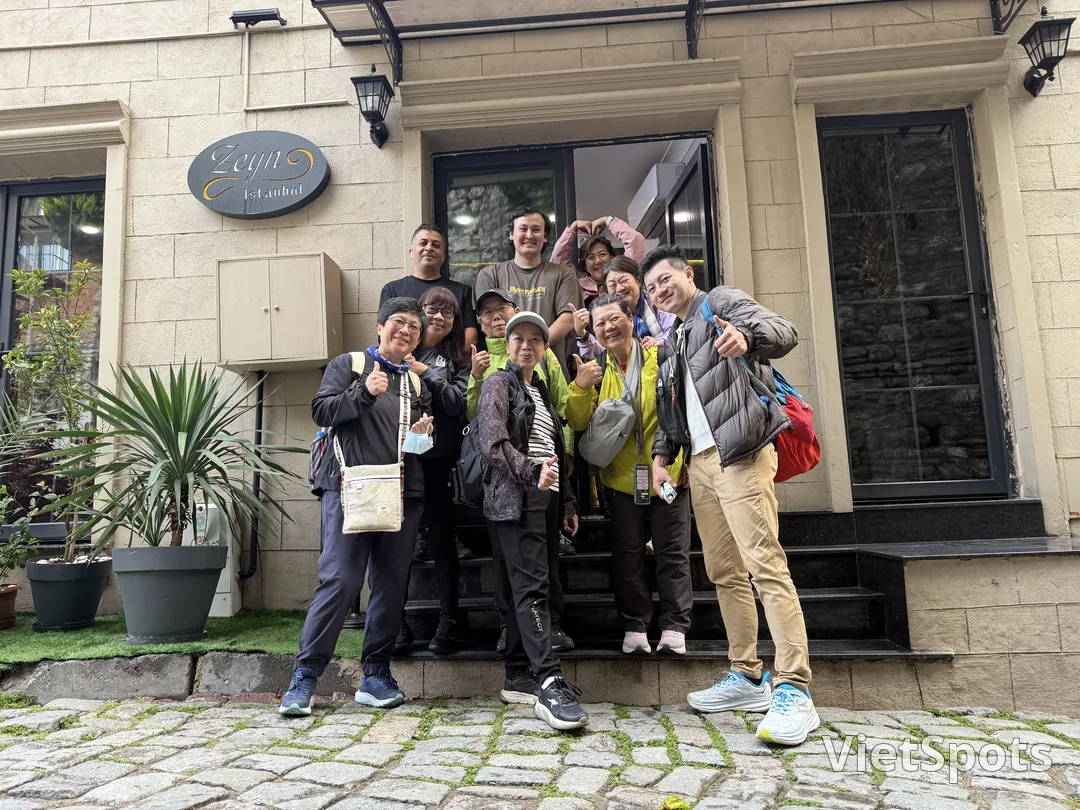
Itinerary Overview Woke up just after five, the sky glowing softly, the eaves outside the window glistening with moisture, and the weather forecast had accurately predicted today's heavy rain. Though the hotel breakfast was served relatively late (starting at 8:30), it offered abundant choices and delicious flavors, leaving us completely satisfied. Today we'll venture deep into Istanbul's historic heart, visiting the world-renowned Hagia Sophia Mosque, browsing the Grand Bazaar, and embarking on an exploration of culture and culinary delights amidst the rain. 📍 Today's itinerary: Hotel breakfast → Hagia Sophia Mosque → Grand Bazaar → Turkish pizza lunch → Little Hagia Sophia Mosque → Return to hotel for birthday celebration → Flight to Cappadocia
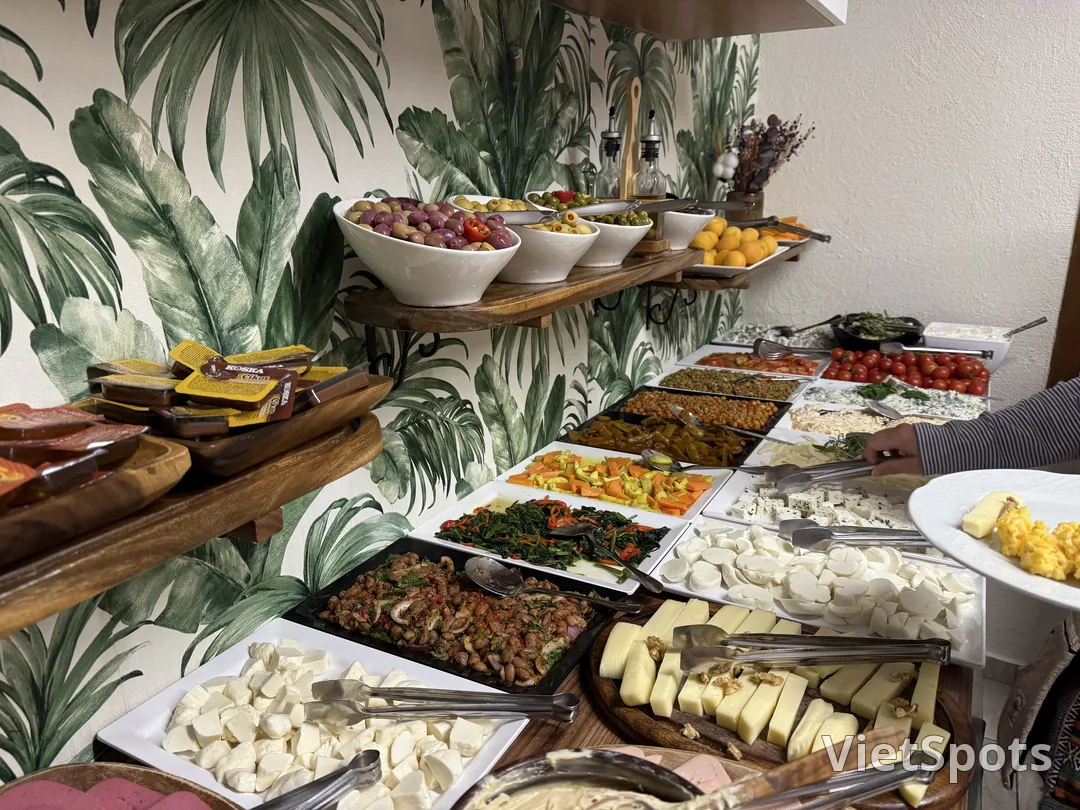
▲ A breakfast with a rich variety of dishes Queuing in the rain to enter the Hagia Sophia Mosque On the way to the Hagia Sophia Mosque, we already noticed the crowds of tourists surging in, and since today was a Saturday and we had set out a bit late, as soon as we got near the mosque we saw a long line for buying tickets and entering. I quickly went to line up to buy tickets, while my family joined the queue to wait to enter. Currently, the ticketing and visiting arrangements for the Hagia Sophia Mosque have changed: Only the second floor is open for visits (25 euros) Combined ticket (Mosque + Interactive Museum + History Museum) 48 euros On-site QR code online ticket purchase €50, can save queuing time We chose to queue on-site for tickets + enter for viewing, taking about an hour. Although the wait was quite long, when we stepped into this building that spans over a thousand years and has witnessed the rise and fall of empires, it still took our breath away in awe.
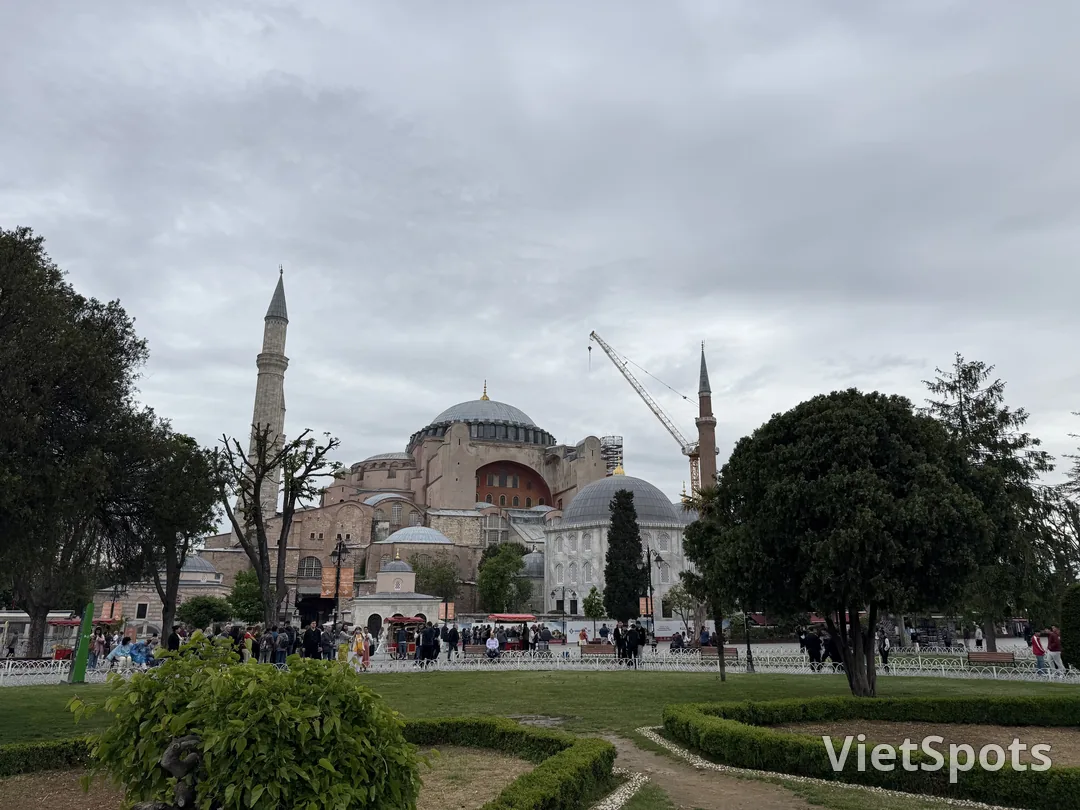
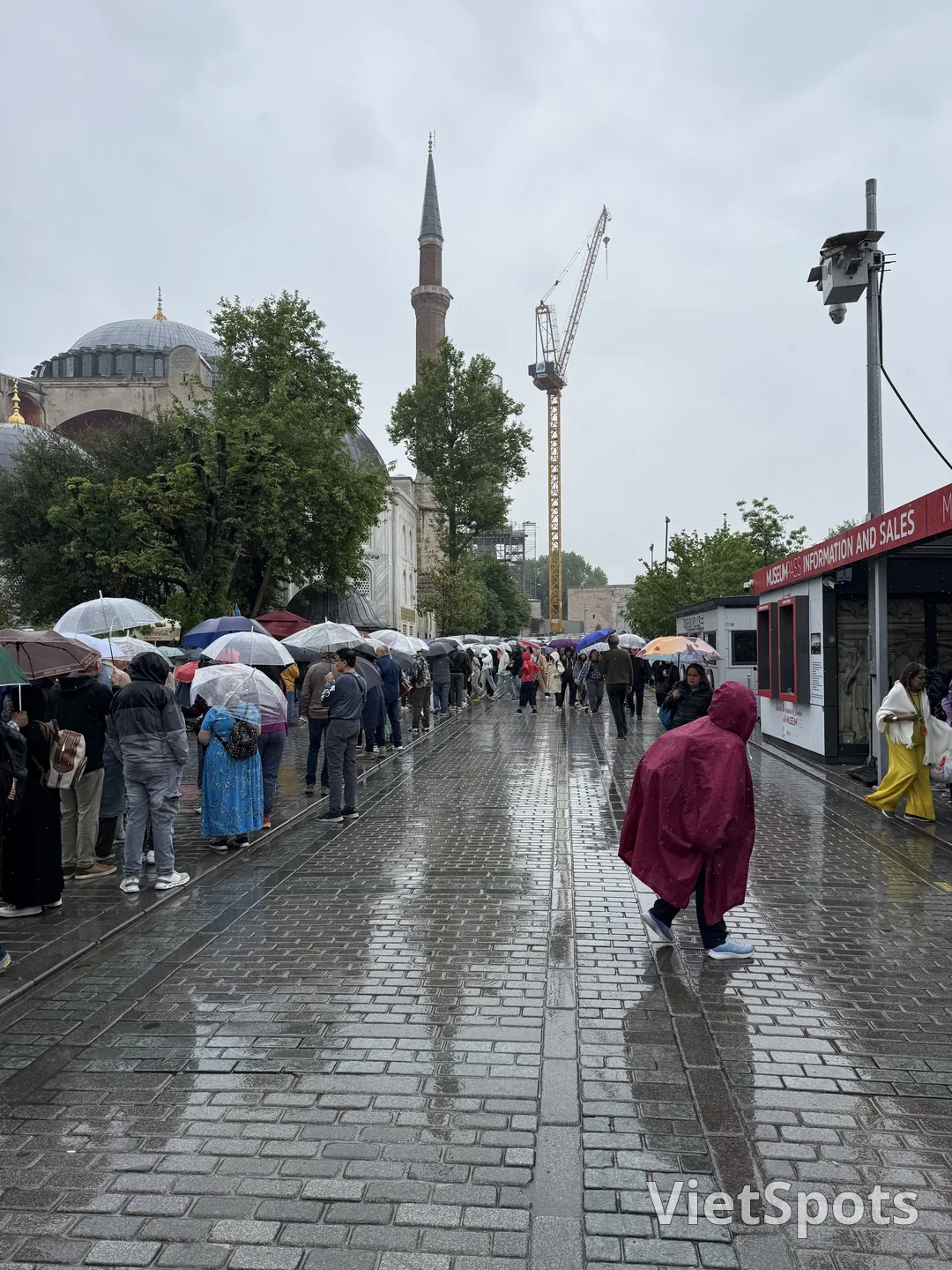
▲ The exterior of the Hagia Sophia Mosque — we queued in the rain to enter this historic building that spans a thousand years
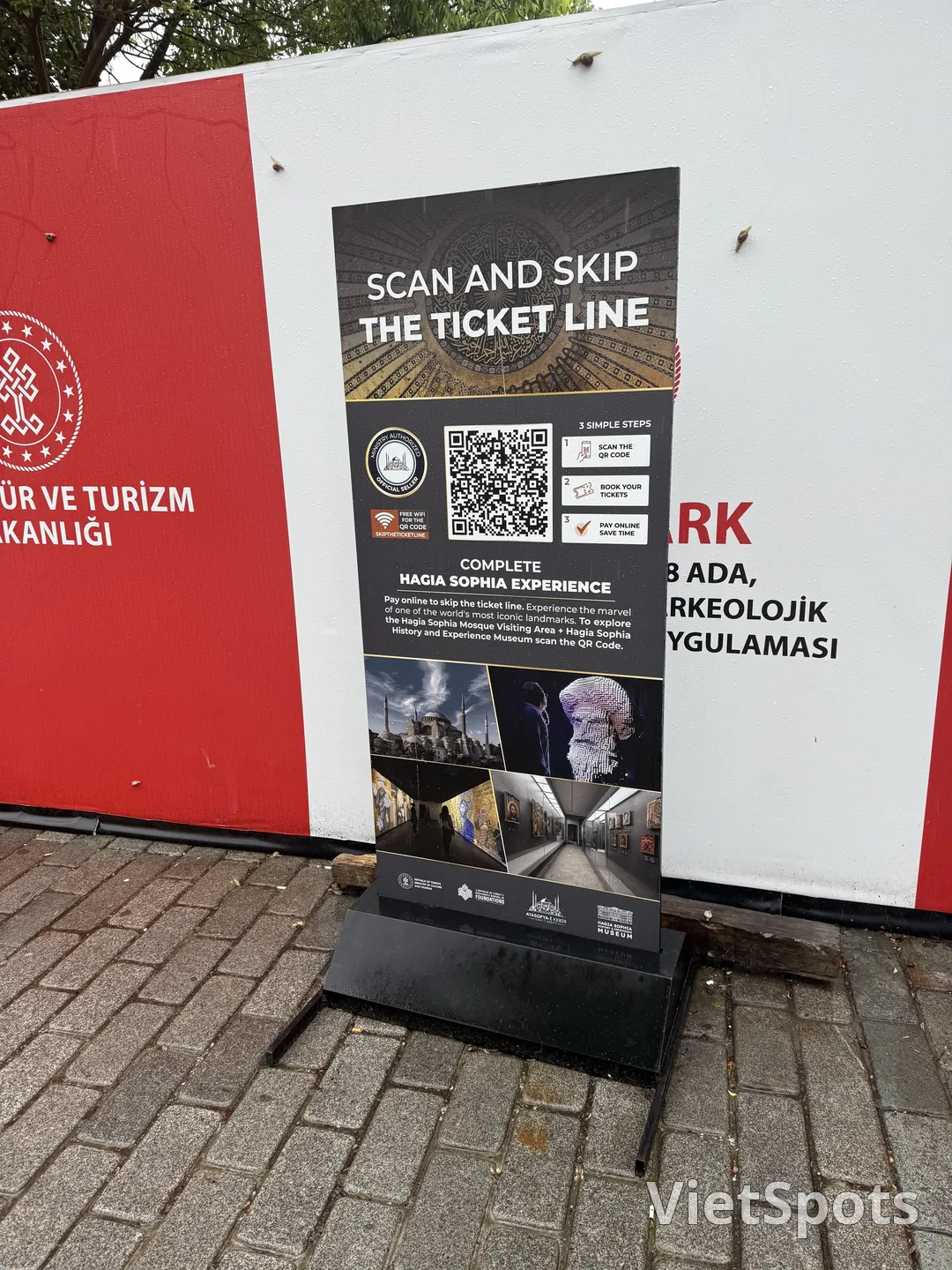
▲Scan the QR code on-site to purchase tickets and enter directly Hagia Sophia: A Symbol of Millennia of Faith and Power If there is one sight on this Istanbul trip that is bound to move you most, it is undoubtedly the Hagia Sophia. Originally built in 537 AD, this building is a classic representative of Byzantine architecture. Having gone through the historical changes of Rome, Byzantium, the Ottoman Empire, and the Republic of Turkey, it was first a Christian church, later converted into a mosque, then served as a museum, and has now once again become a place of Islamic worship. As you walk into Hagia Sophia, you can't help but be awed by its massive dome and magnificent architectural structure. The interior space is expansive, with towering colonnades. We stood on the second-floor viewing platform overlooking the entire prayer hall, taking in a spectacular view, while also getting a close-up look at the Byzantine mosaic art that has been preserved to this day. Currently, only the second floor is open to non-Muslim visitors, while the first floor is reserved as a Muslim prayer area. On the second floor, we were able to admire in detail the golden mosaics on the walls and the Islamic calligraphy plaques on the ceiling — two religious cultures meeting here, presenting a rare scene of historical coexistence. Among the most famous mosaic paintings are: The image of the Virgin Mary and Child, located in the dome behind the altar The prayer of the Virgin Mary and John the Baptist What is truly moving is that, despite having gone through numerous changes in religion and political power, these images and calligraphic works have still been preserved as much as possible, making Hagia Sophia a living testament to the blending of culture and faith. If you have even a slight interest in history and art, it is recommended to pair your visit with a guided tour or audio commentary, which will help you better understand the deep significance of this building in terms of architectural craftsmanship, religious meaning, and political symbolism.
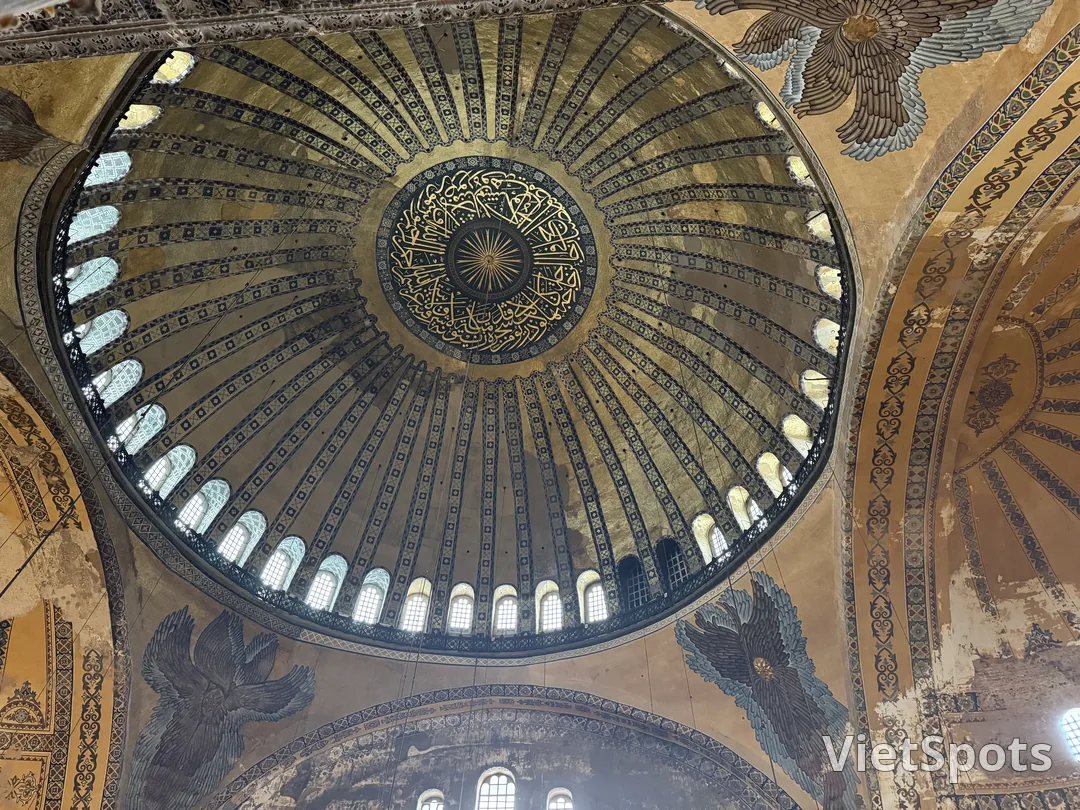
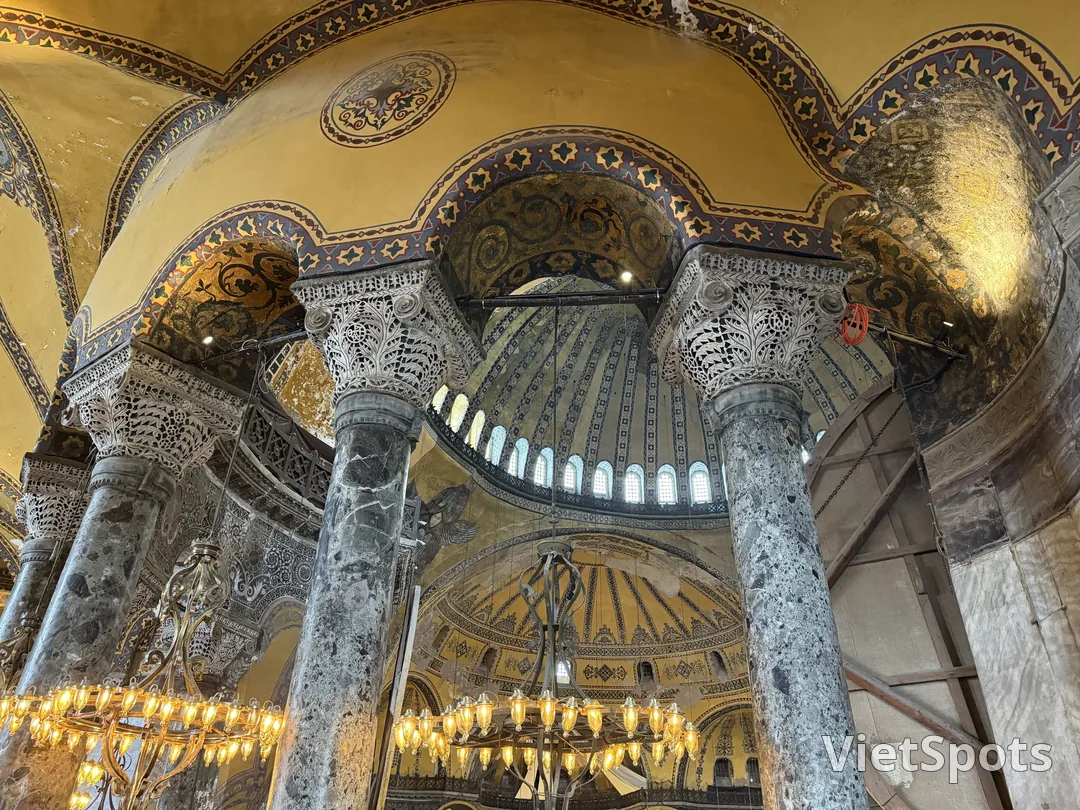
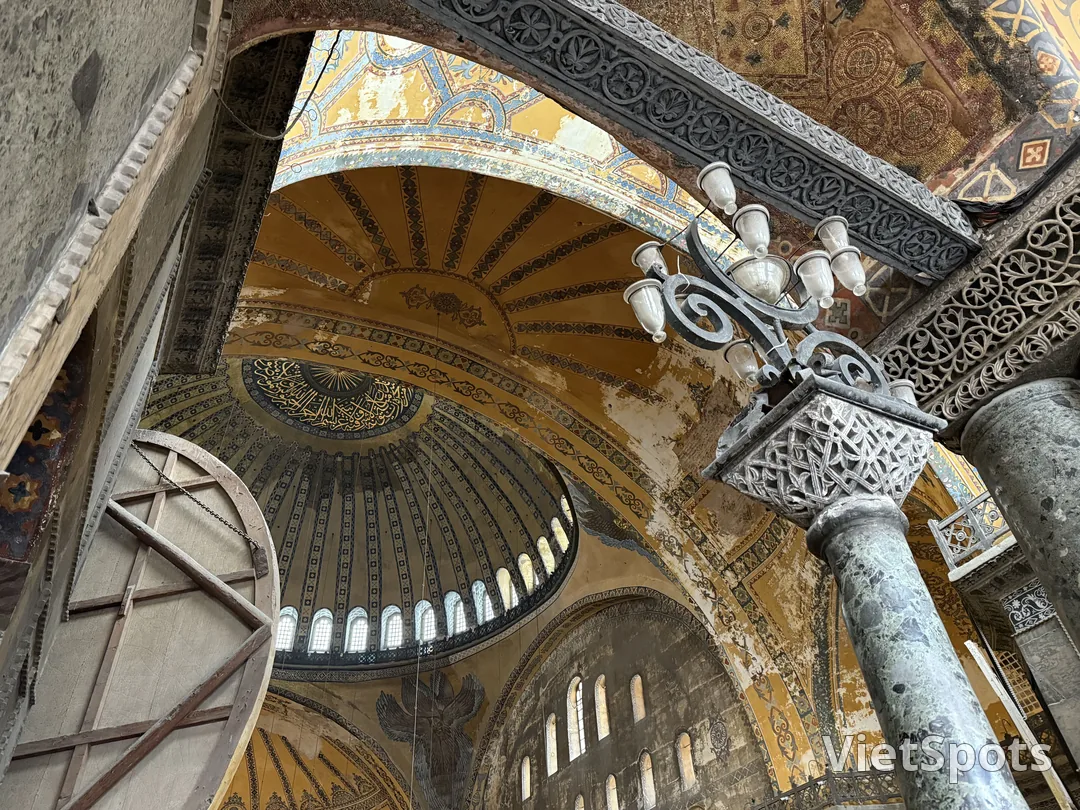
▲The dome of Hagia Sophia — its weathered, mottled surface tells the story of the empire's changing dynasties
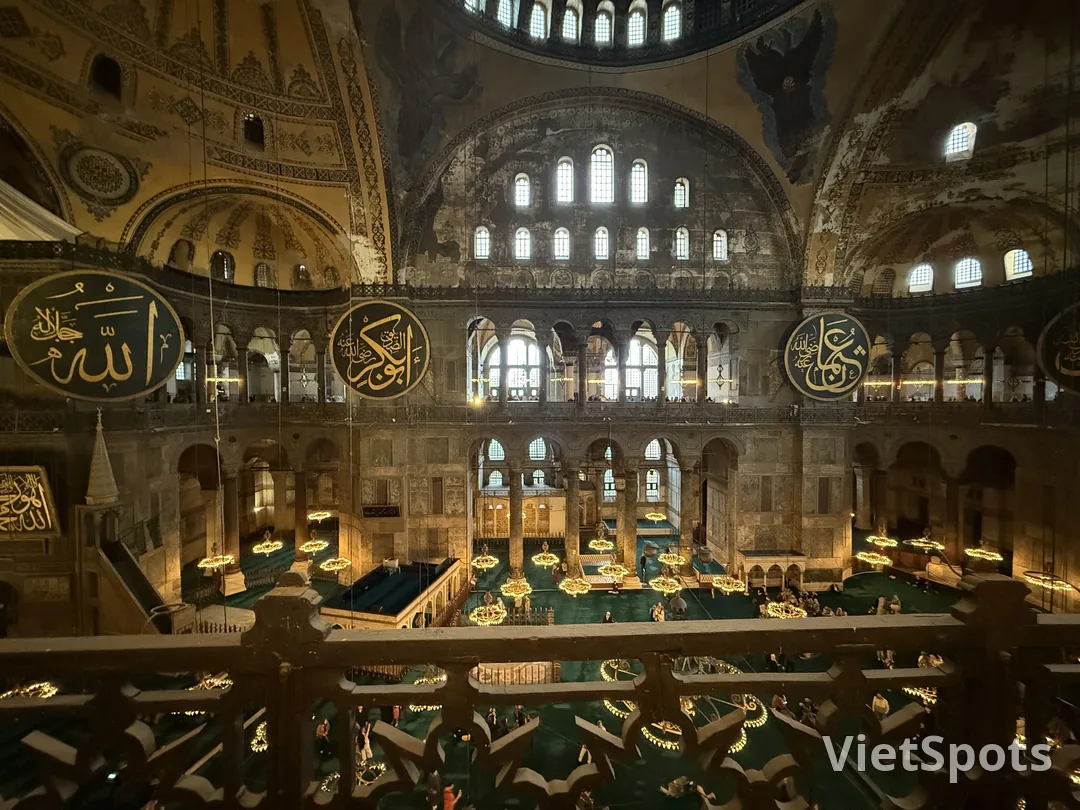
▲Islamic calligraphy plaques above the arch coexist with woven angel mosaic paintings, representing a visual convergence of two faiths
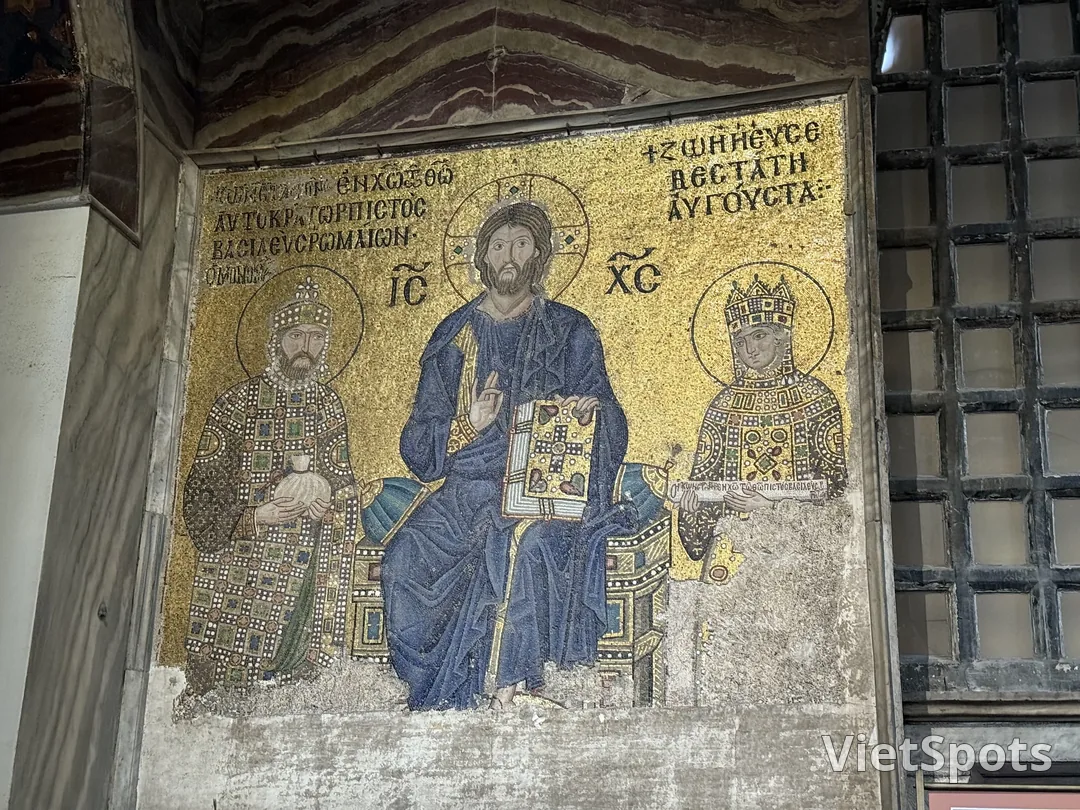
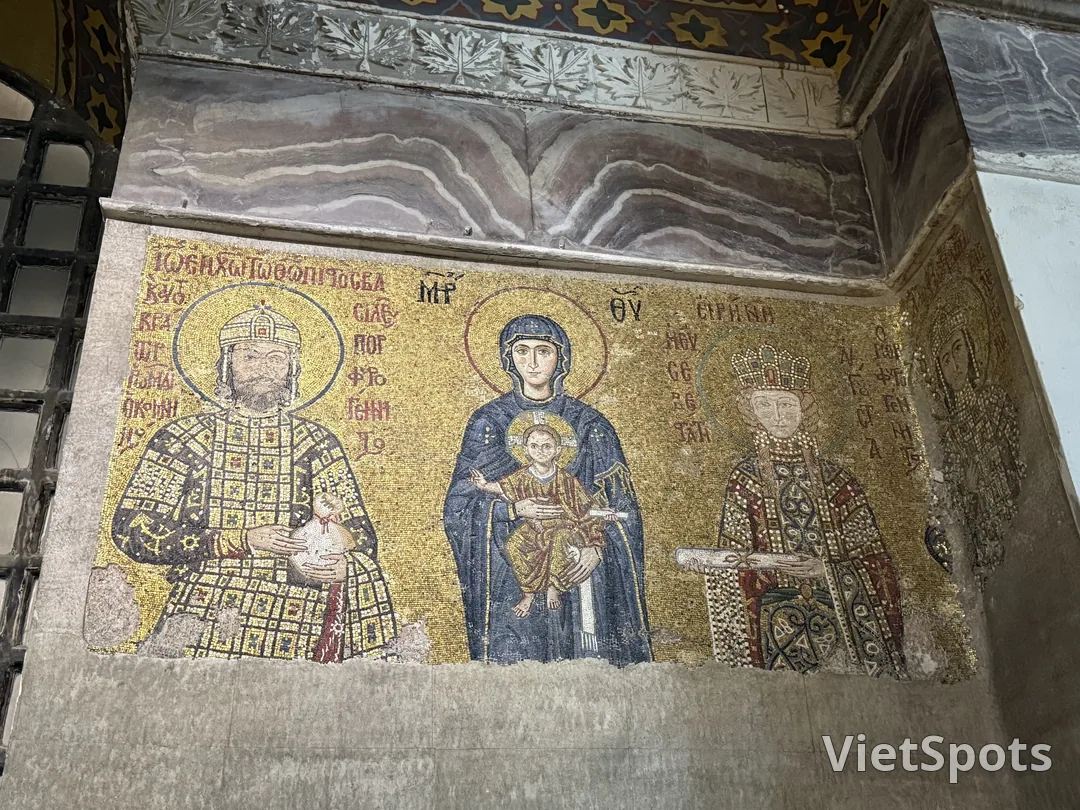
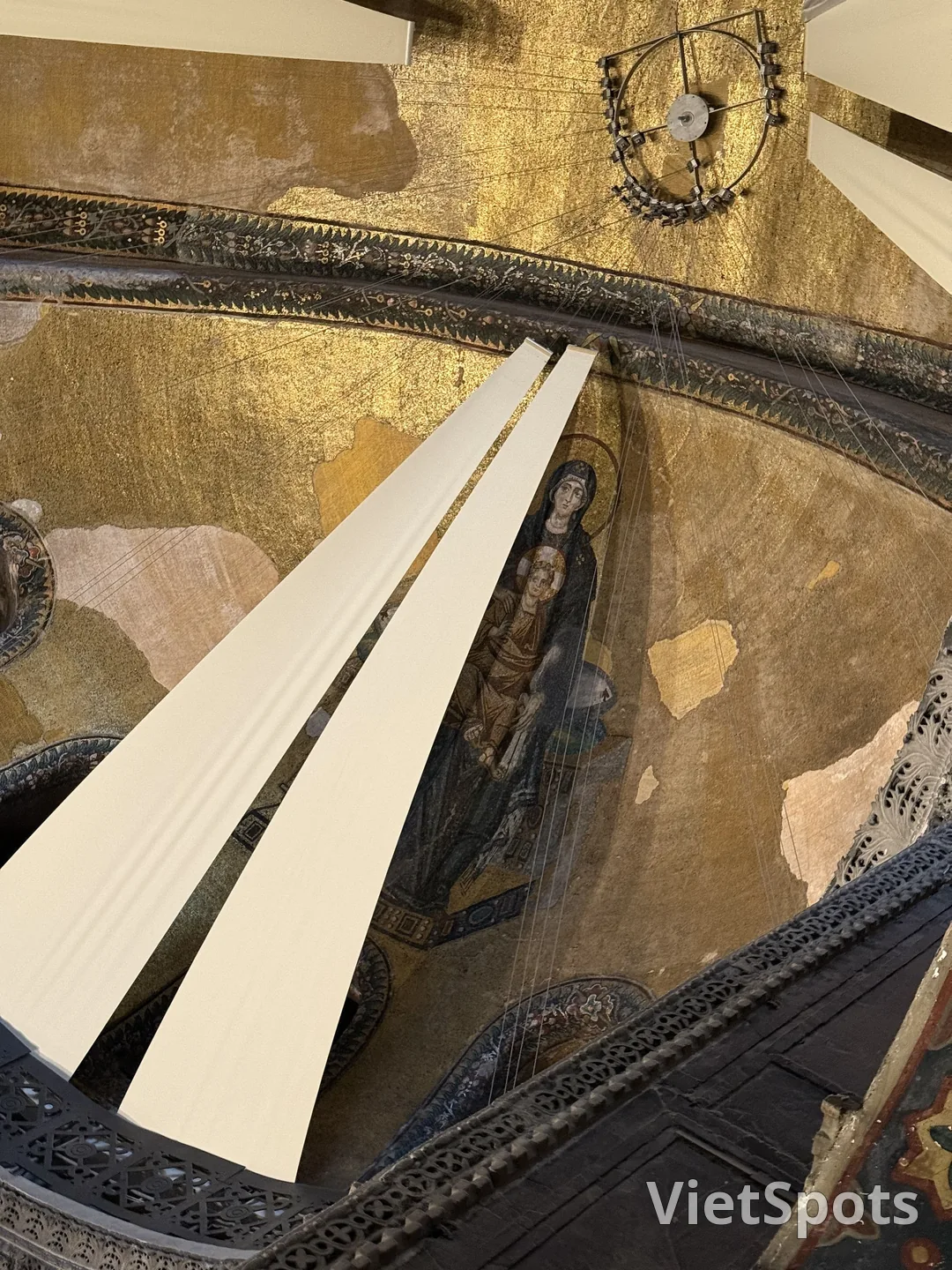
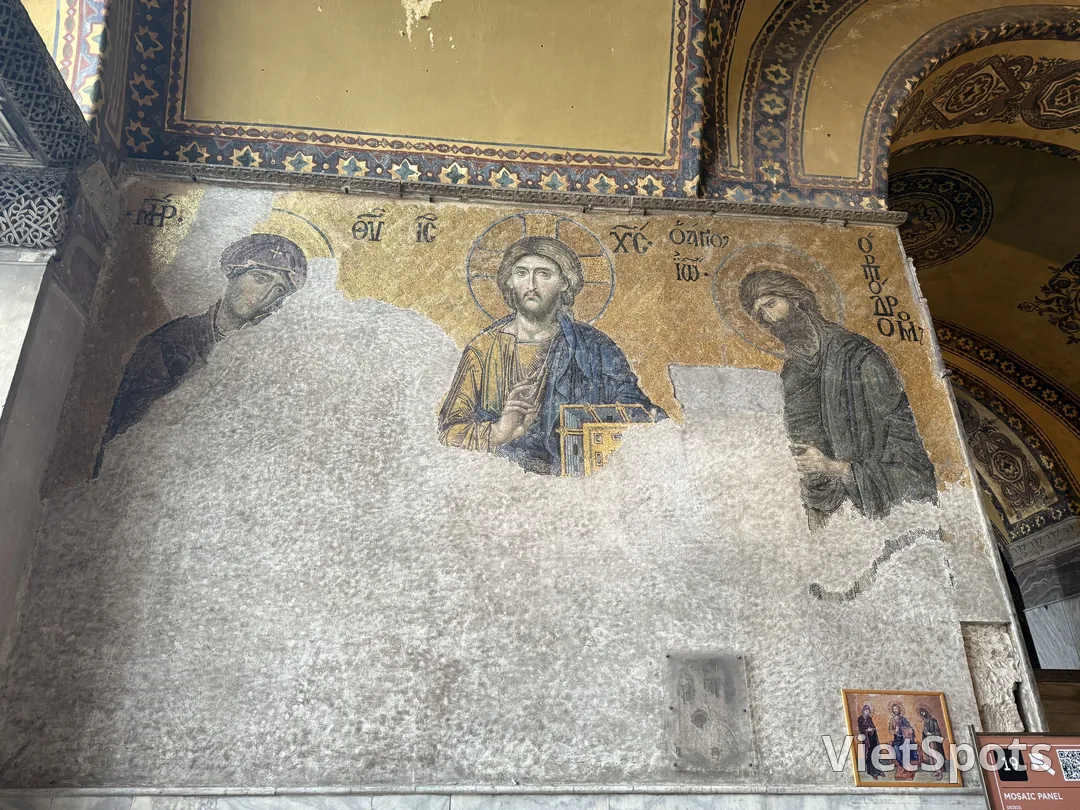
▲Several Byzantine-era mosaic panel paintings We had originally planned to celebrate our little aunt's birthday outside the mosque, but it started raining, so instead we tried to quietly sing "Happy Birthday" inside the mosque—only to be stopped by staff before we even finished three lines. This little episode actually made us remember this place even more, for its sanctity and its different cultural norms. Grand Bazaar: Lively, Touristy, and Experiential After leaving the mosque, we headed to Istanbul's famous Grand Bazaar. Here they sell all kinds of Turkish delight, spices, imitation luxury goods, and souvenirs. Although the prices are clearly adjusted for tourists, we still considered this trip part of the cultural experience. We spotted a popular café and decided to stop there for a short rest. The coffee and desserts were decent, but the prices were on the high side—I suppose that's the cost of being able to sit down and rest for a while in a touristy area.
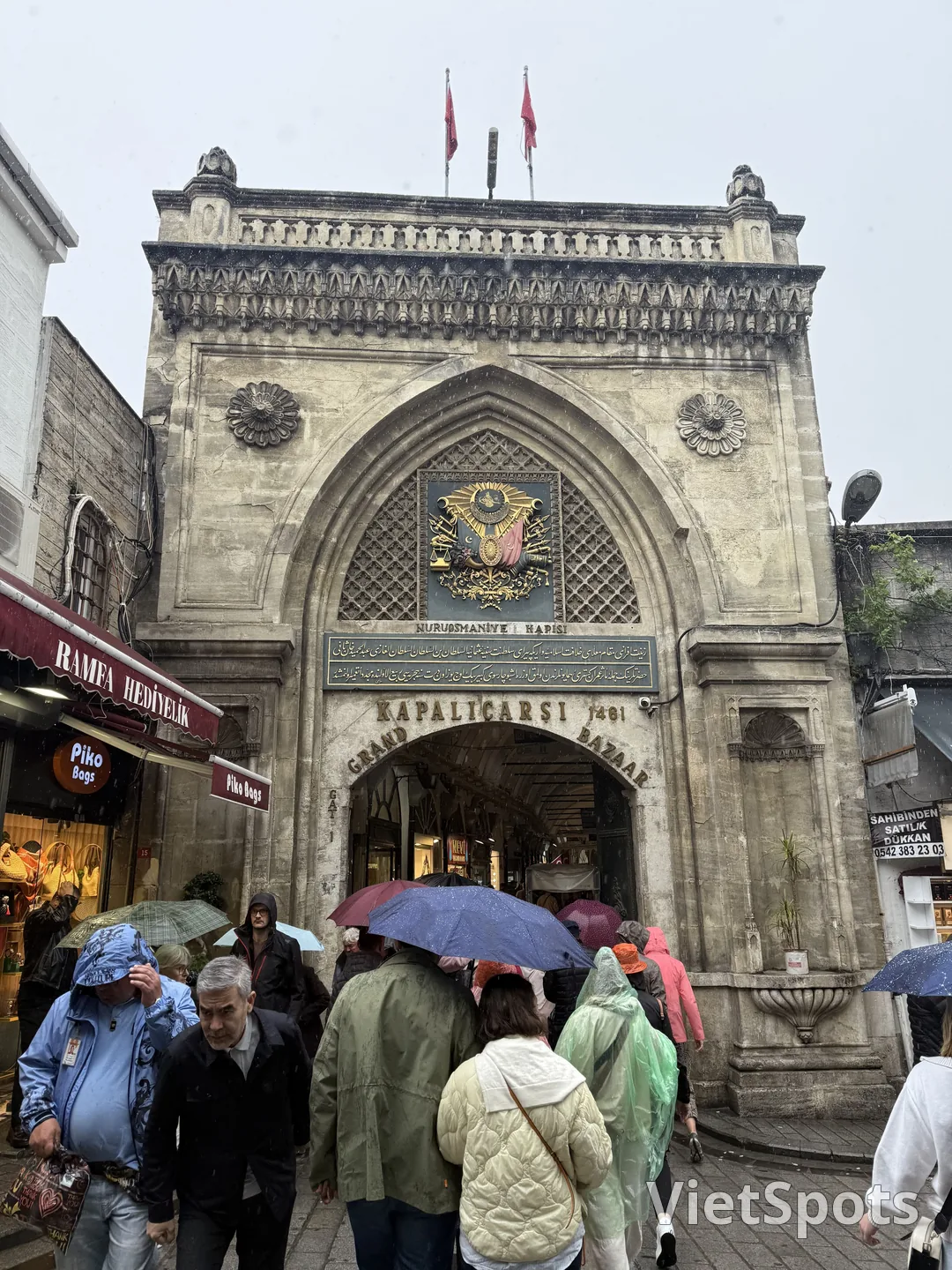
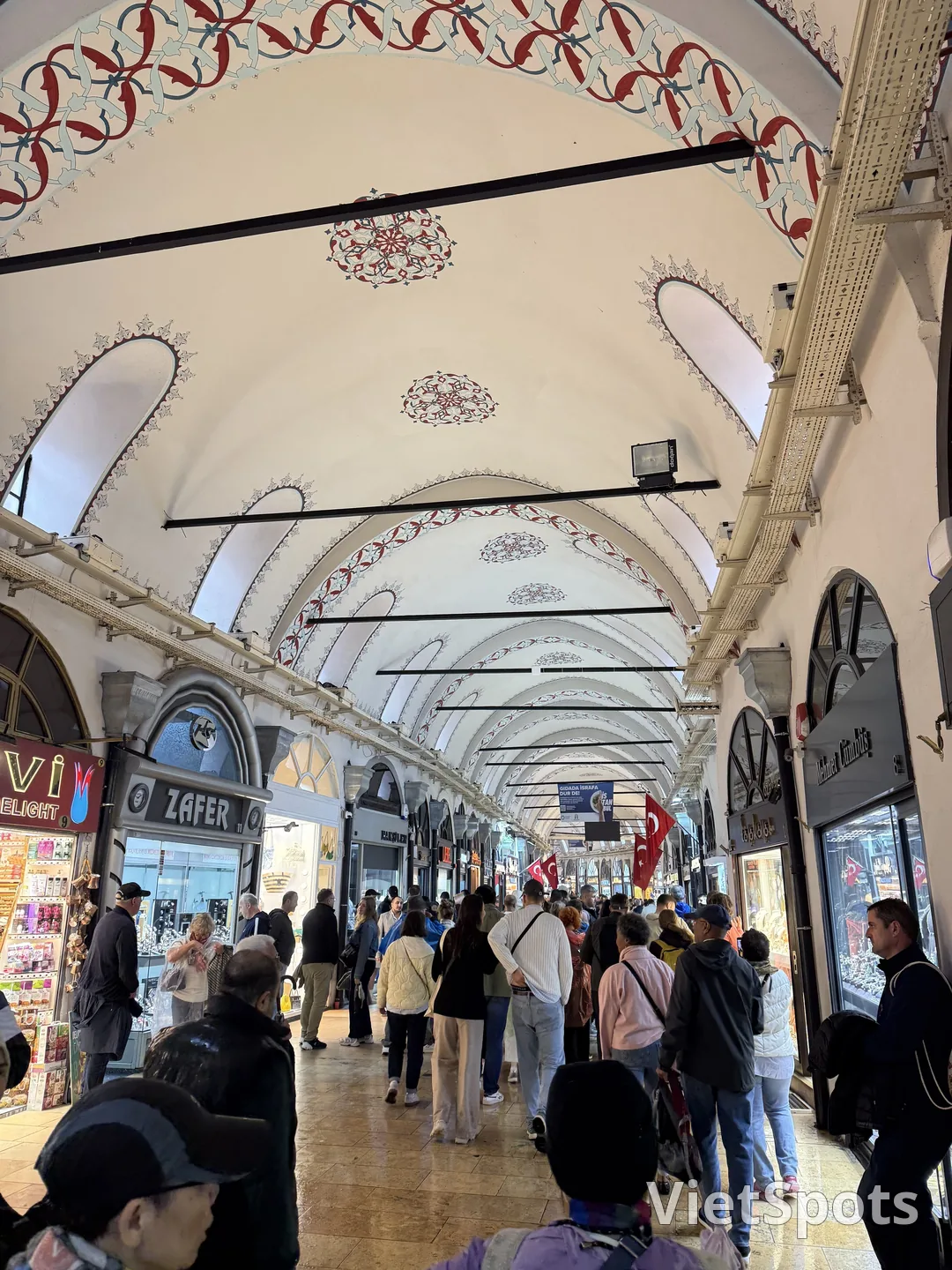
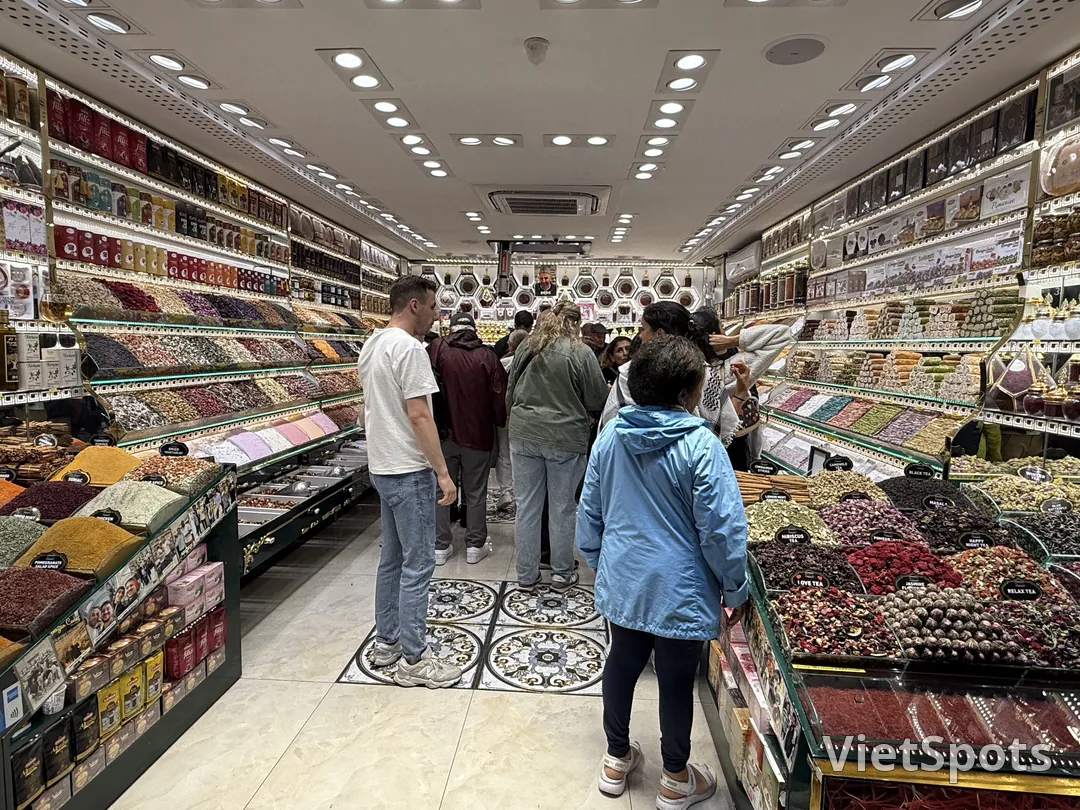
▲The colorful Grand Bazaar is Istanbul's liveliest market
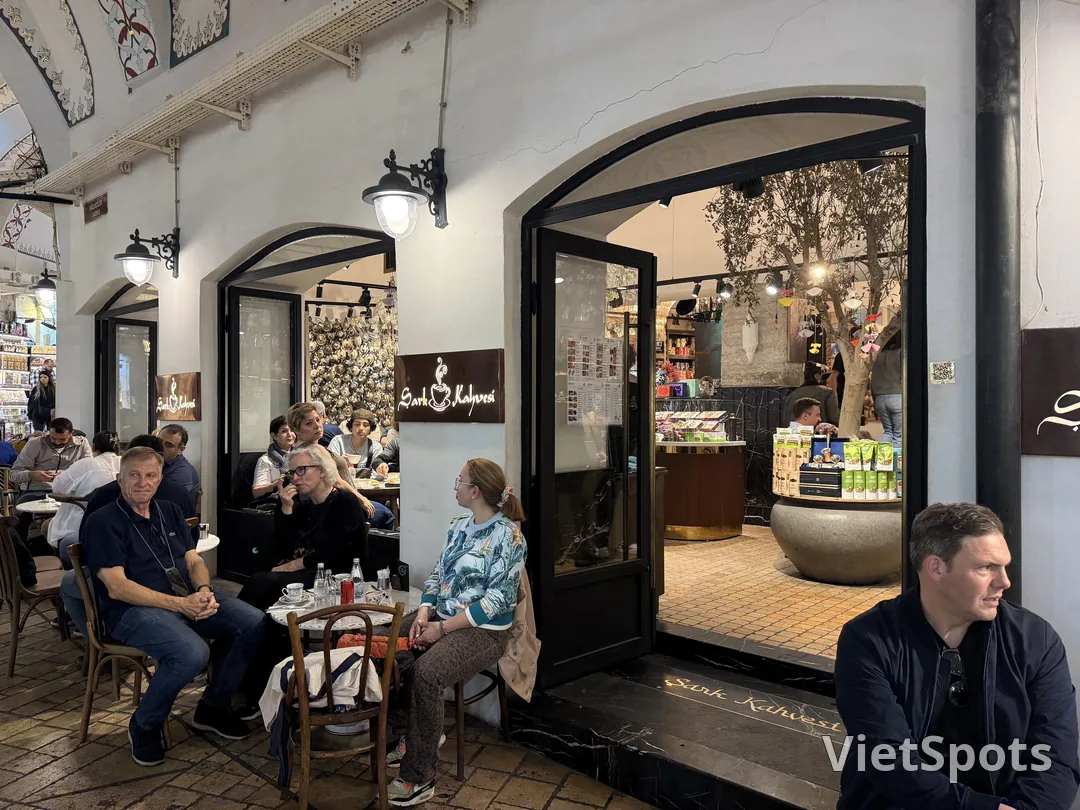
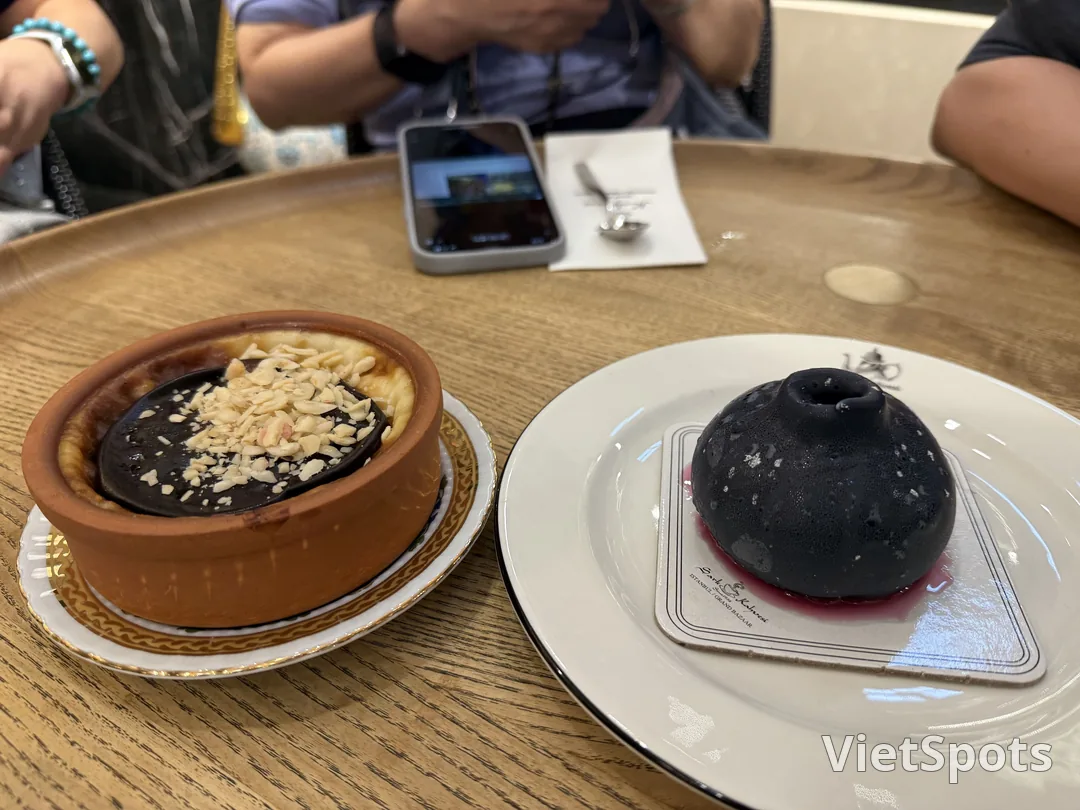
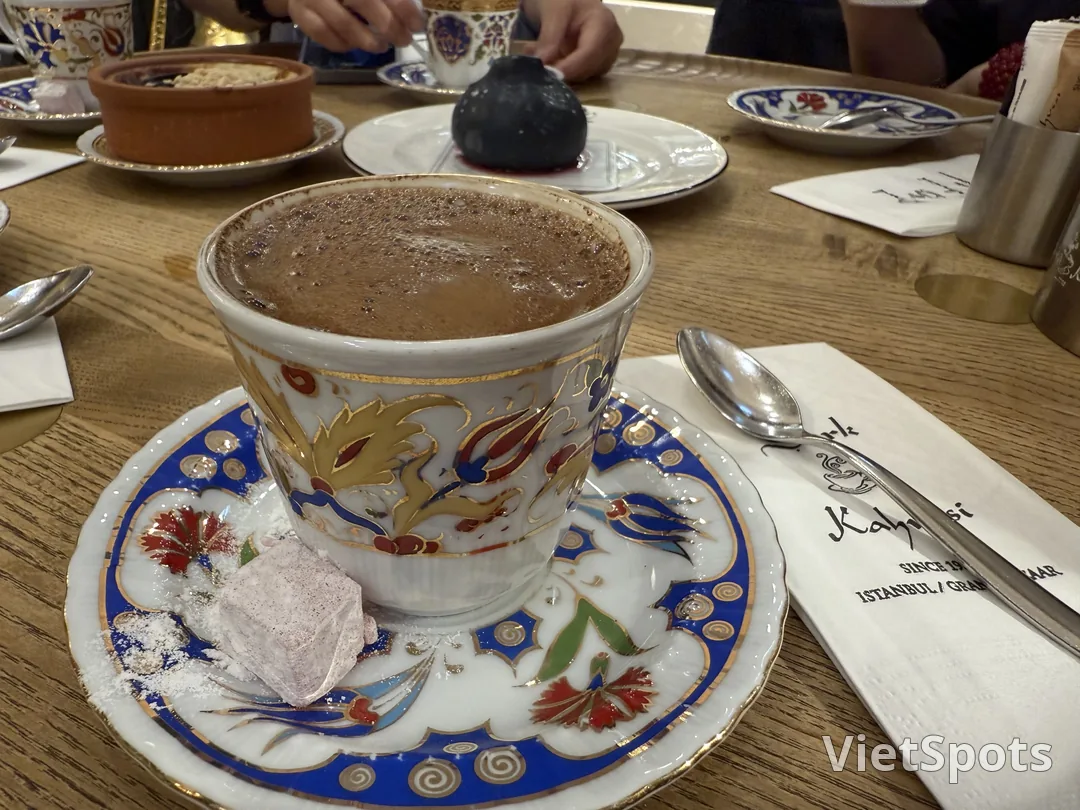
▲Cafe desserts and Turkish coffee. Have a cup of rich, aromatic Turkish coffee—the perfect ending to your bazaar experience. Lunch: Turkish Pizza Experience Returned to the area around the mosque at midday and chose a pizzeria with great reviews. Unlike the pizza I had imagined, the Turkish pizzas (Pide) here are mostly boat-shaped with generous fillings and quite a salty taste. However, over these two days of eating in Turkey, every meal has included bread or naan, and my flour intake has completely gone off the charts (laughs).
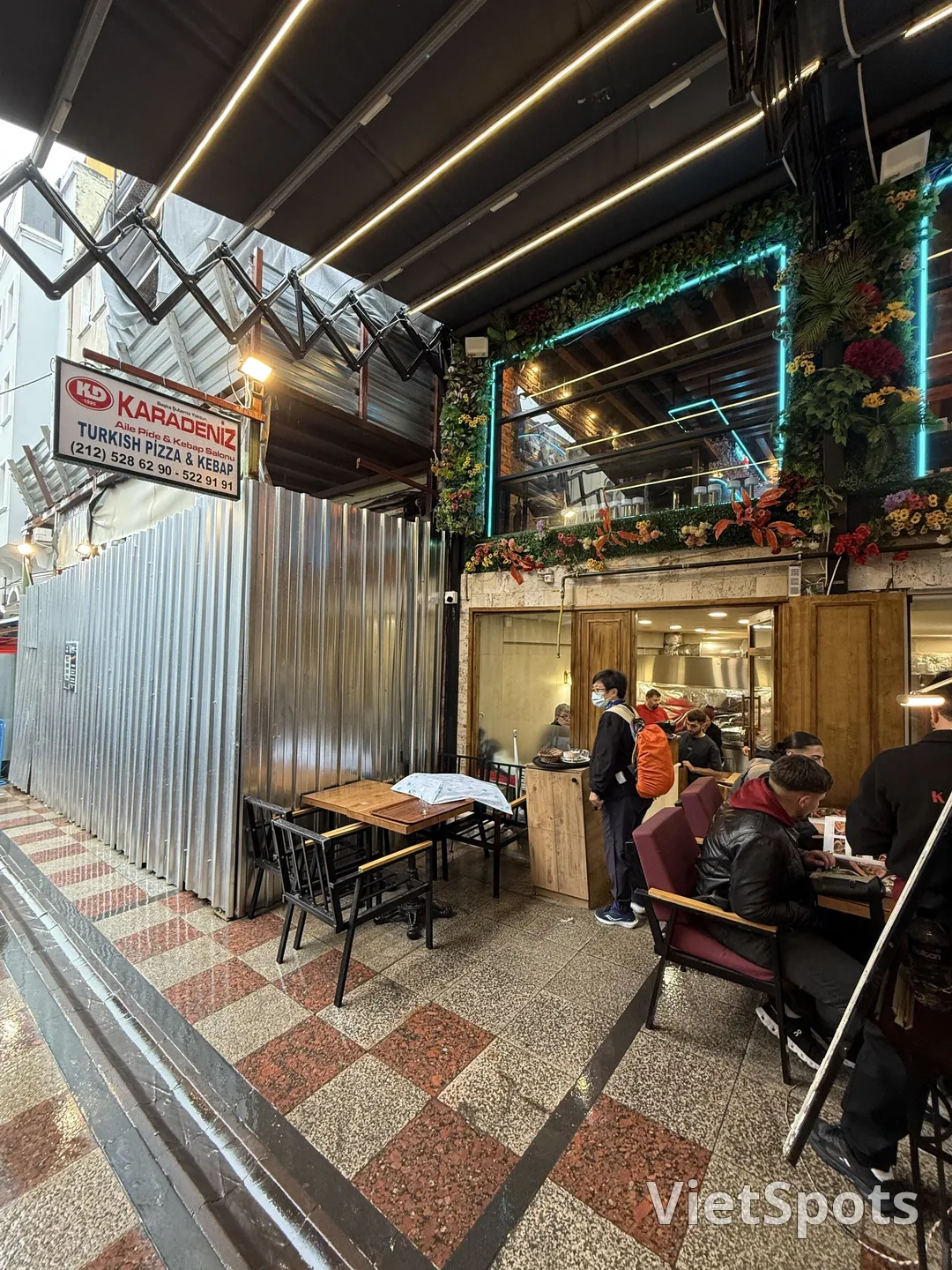
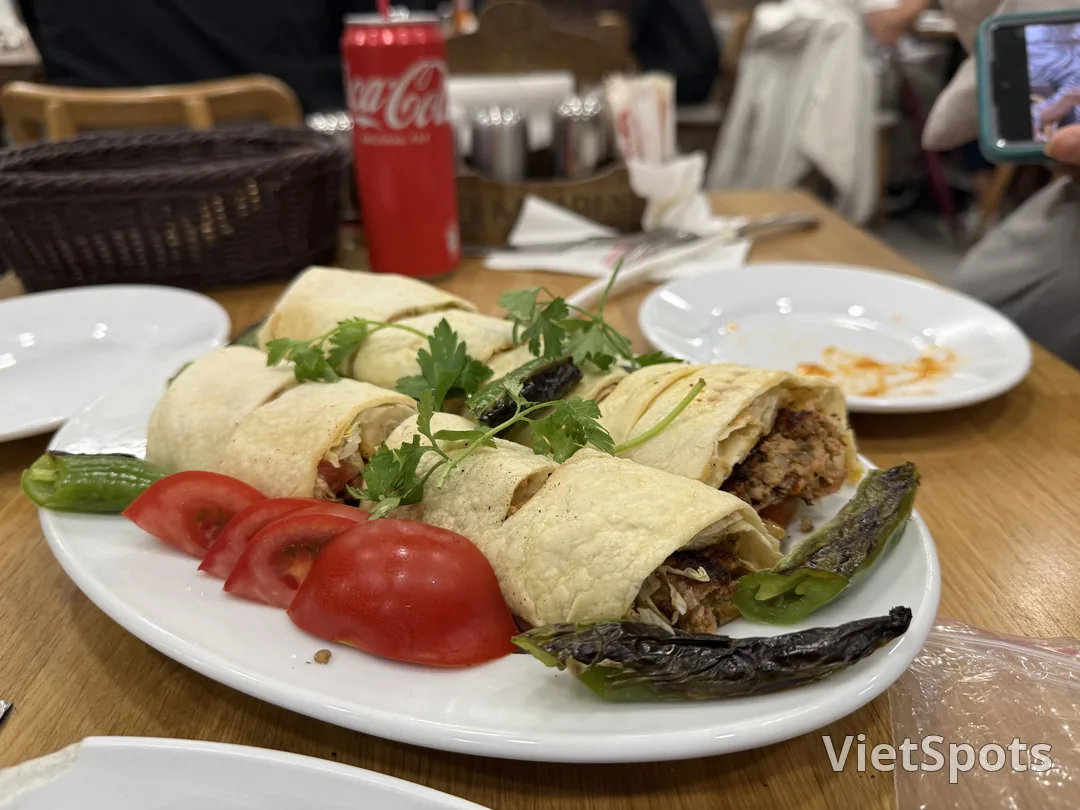
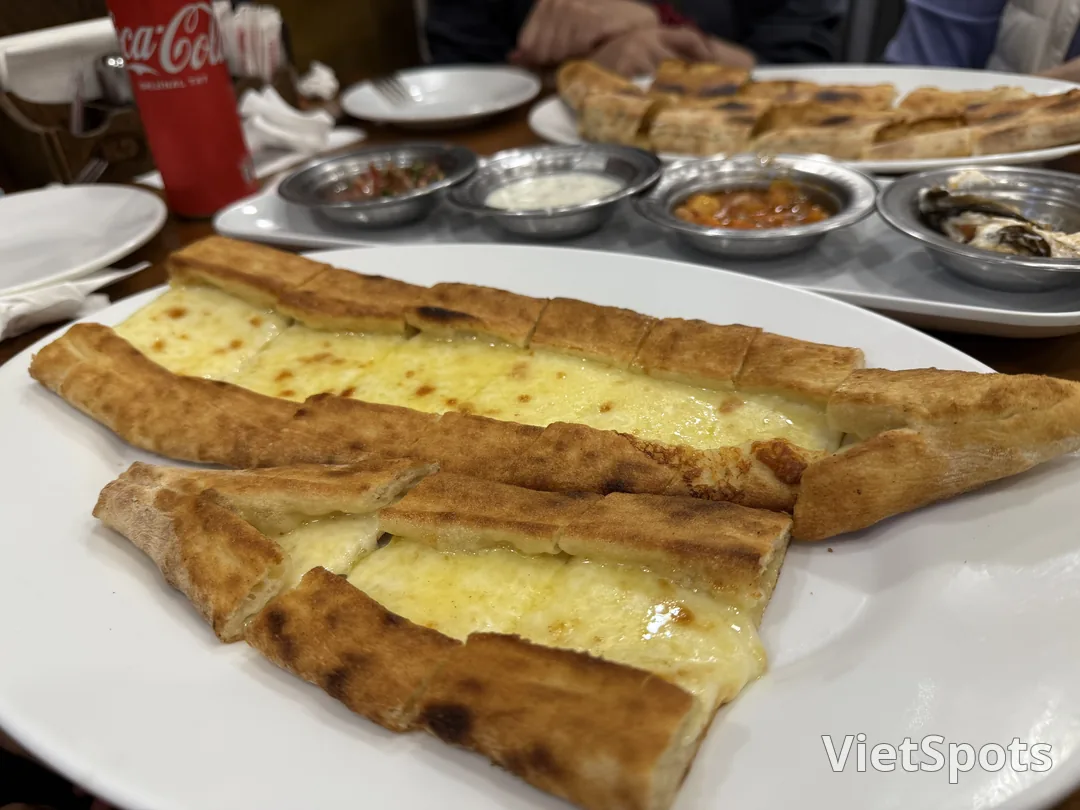
▲ Boat-shaped Turkish pizza, a local specialty snack Little Hagia Sophia Mosque: A quiet corner for prayer Before heading back to the hotel in the afternoon, we swung by the Little Hagia Sophia Mosque (Küçük Ayasofya) right next to the hotel. It's small in scale and simple in architectural style, completely different from the large mosque we visited in the morning. This mosque is more of a place where local people come for their daily prayers, with a peaceful and tranquil atmosphere that also gives you a sense of stepping into the everyday life of Istanbul.
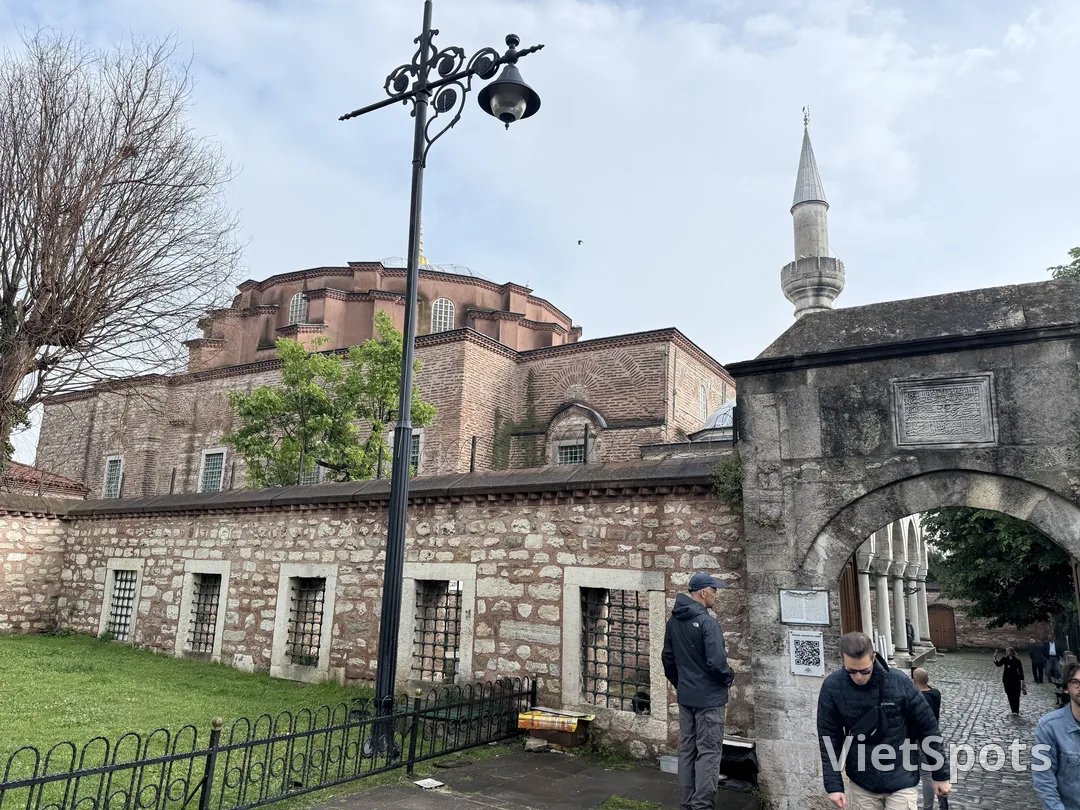
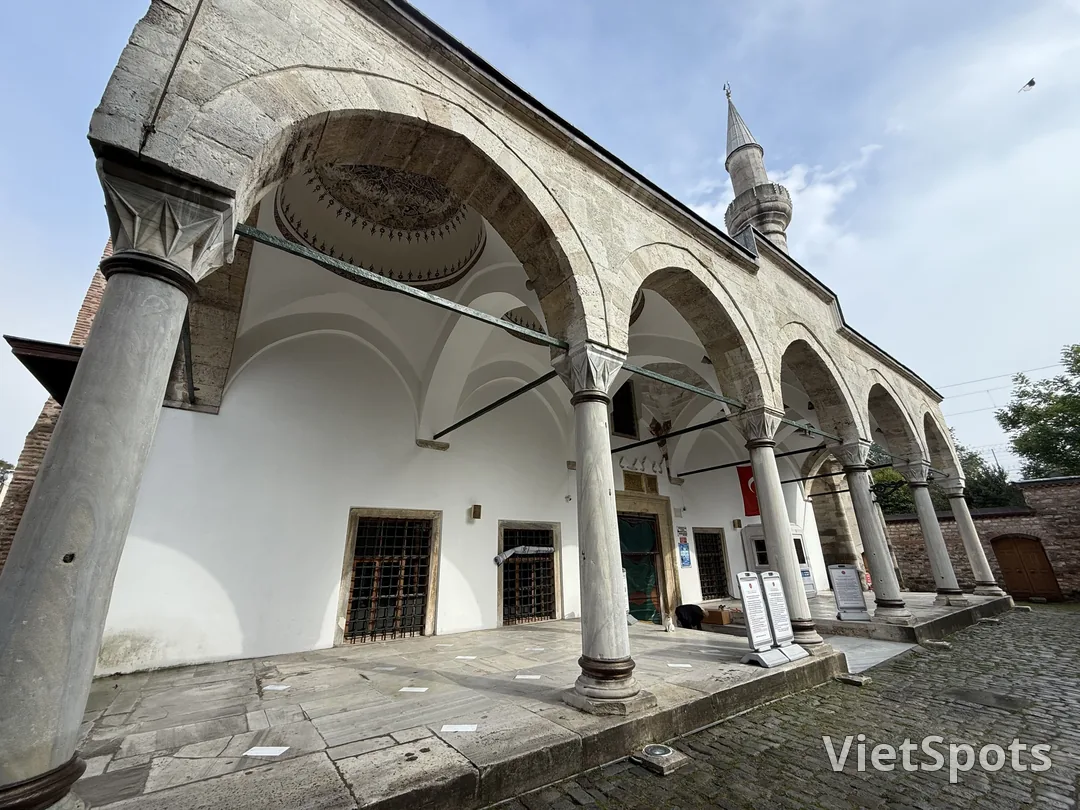
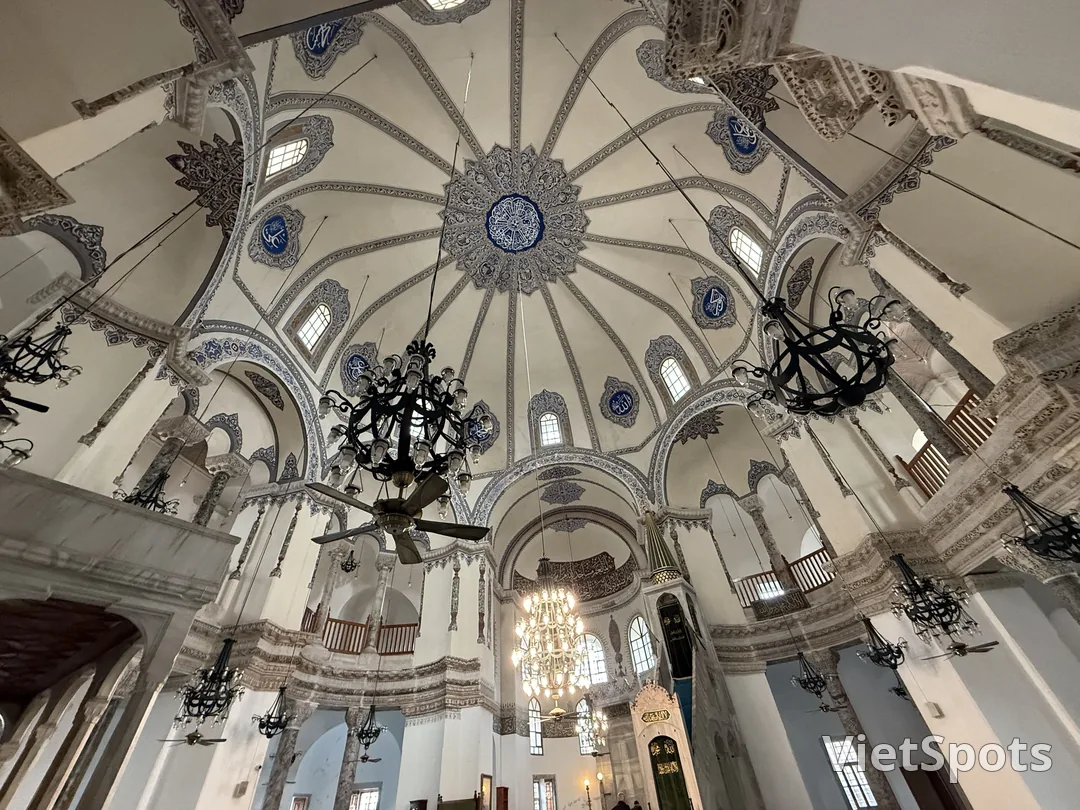
▲Exterior and interior corner of the Little Mosque — compared to the magnificent Hagia Sophia, the Little Mosque is more of an everyday scene of local faith A Little Birthday Celebration and Transfer to Cappadocia After returning to the hotel, the hotel staff kindly let us use the restaurant space while waiting for the shuttle. Taking this opportunity, we finally managed to hold a simple makeup birthday celebration for Little Aunt 🎂🎉.
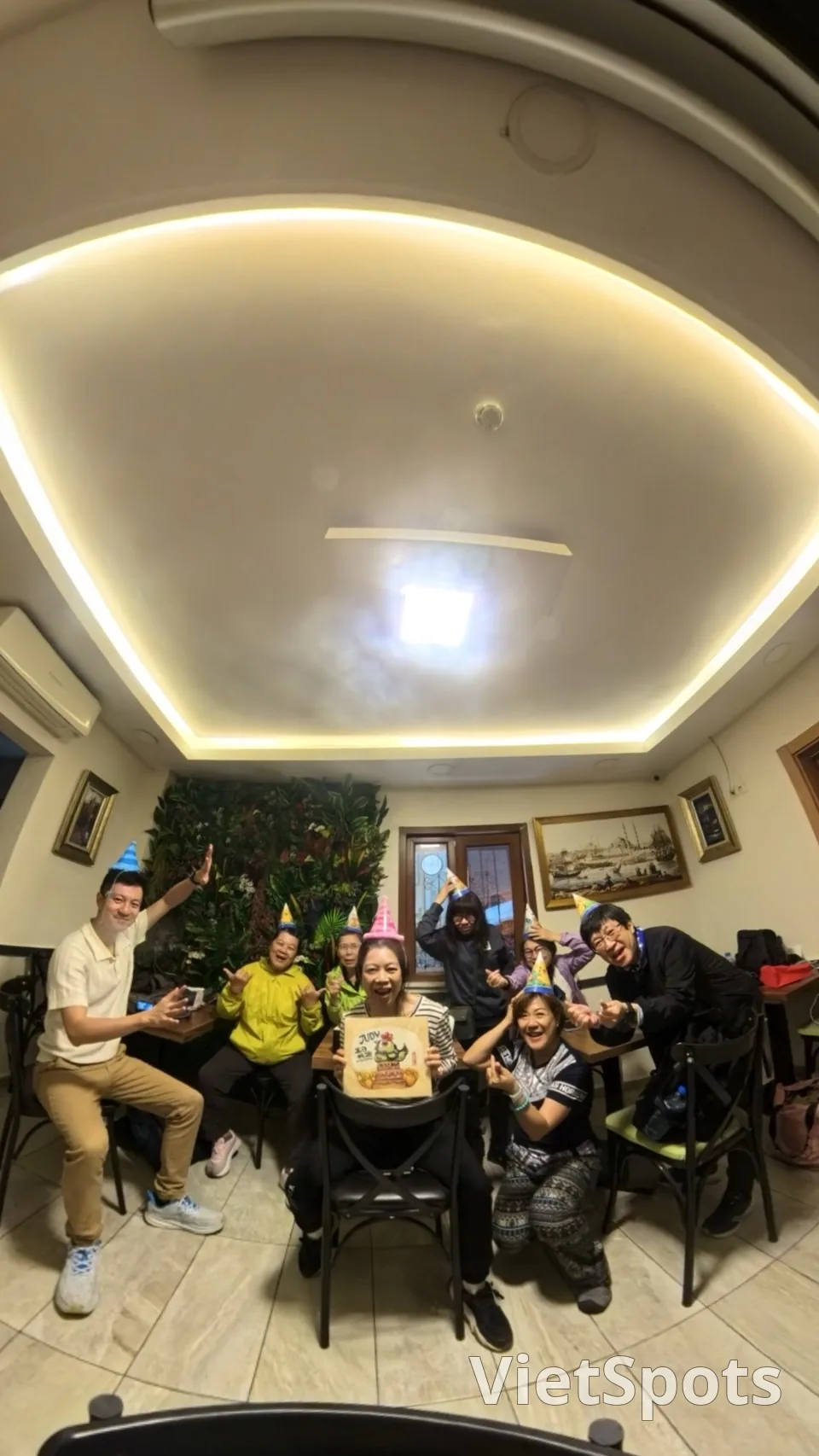
▲The cozy space provided by the hotel let us complete a simple birthday celebration ceremony
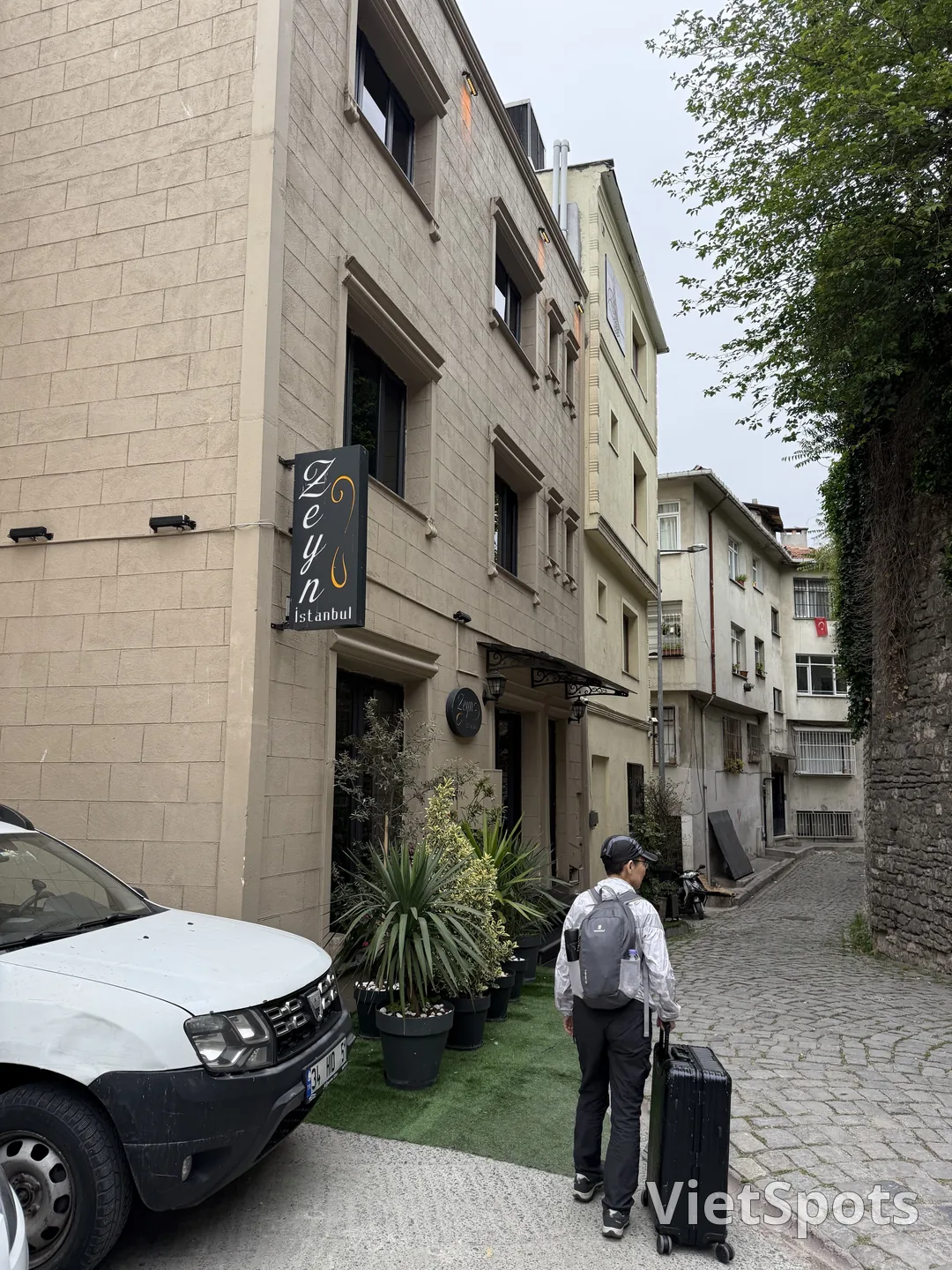
▲The staff at Zeyn Otel Istanbul are truly amazing, I highly recommend staying here! We flew Turkish Airlines in the evening to the airport near Cappadocia, and while the snack bread was pretty good, the flight attendants' attitude was really disappointing! By the time we arrived at the hotel it was already late at night, and everyone was drowsy, but seeing the cave hotel room instantly perked us all up. Still, we had to quickly wash up and get to sleep, since we had to set out at 4:30 the next morning for the hot air balloon ride — the most dreamlike chapter of our Turkey trip was about to begin!
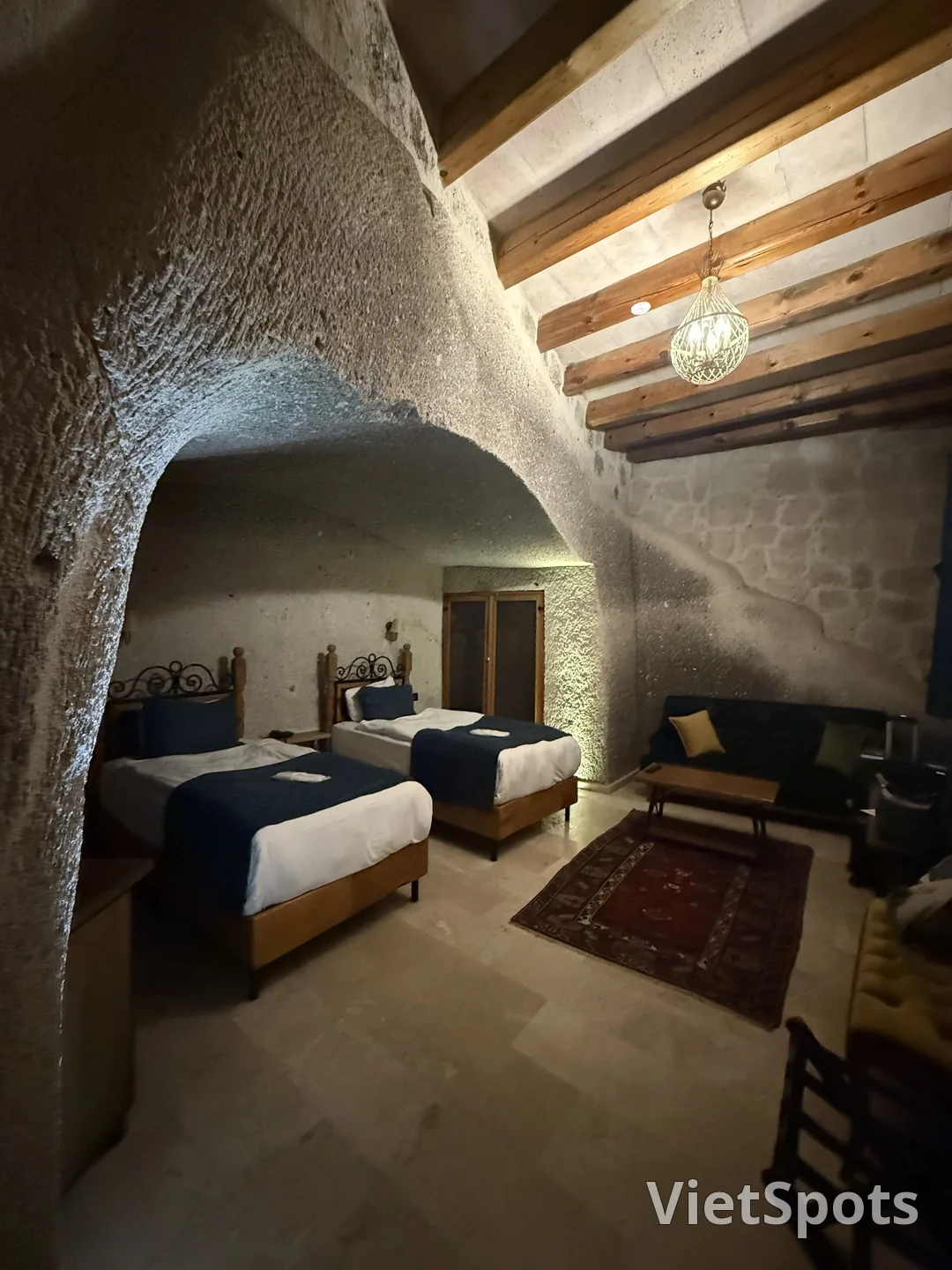
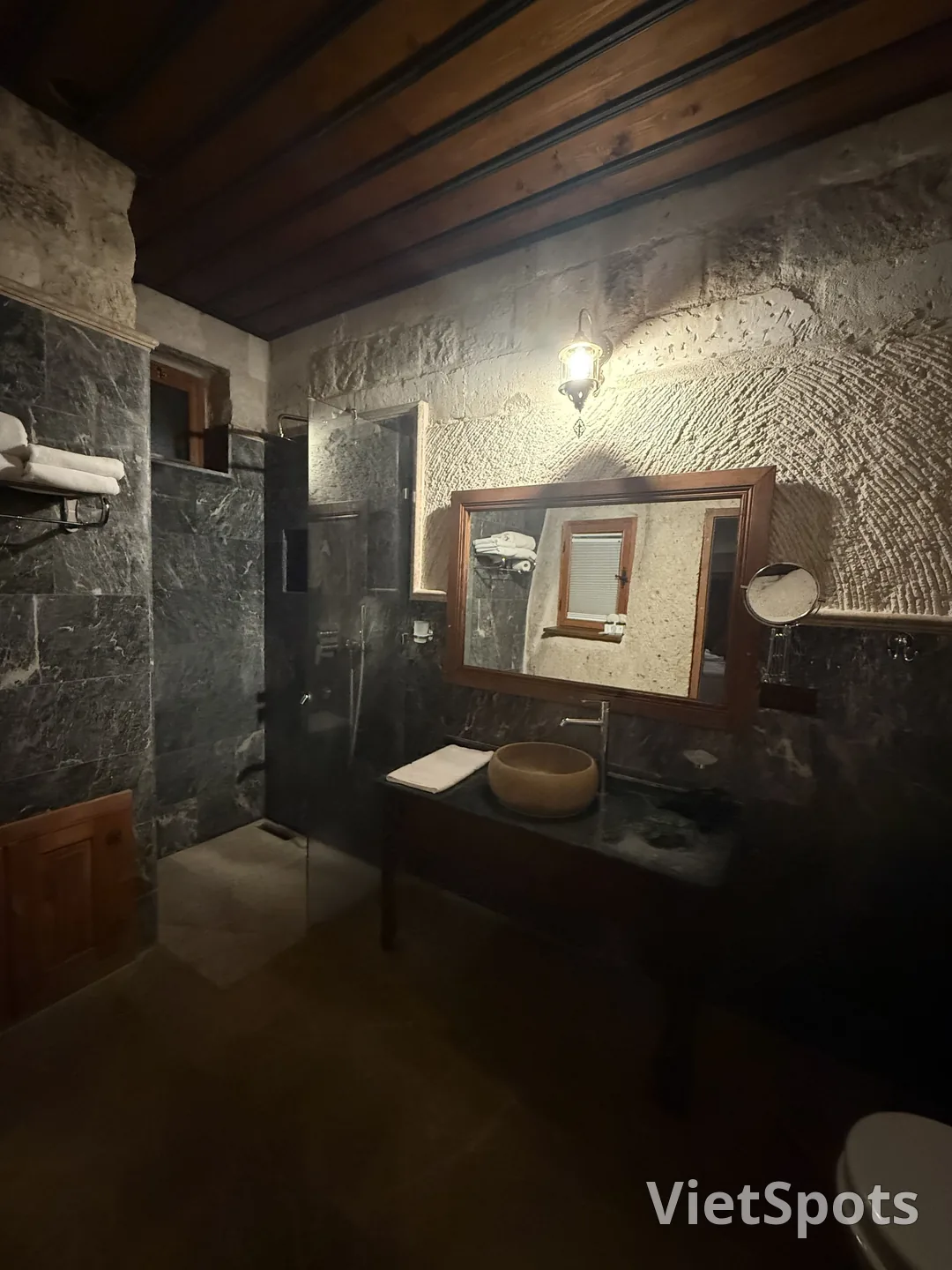
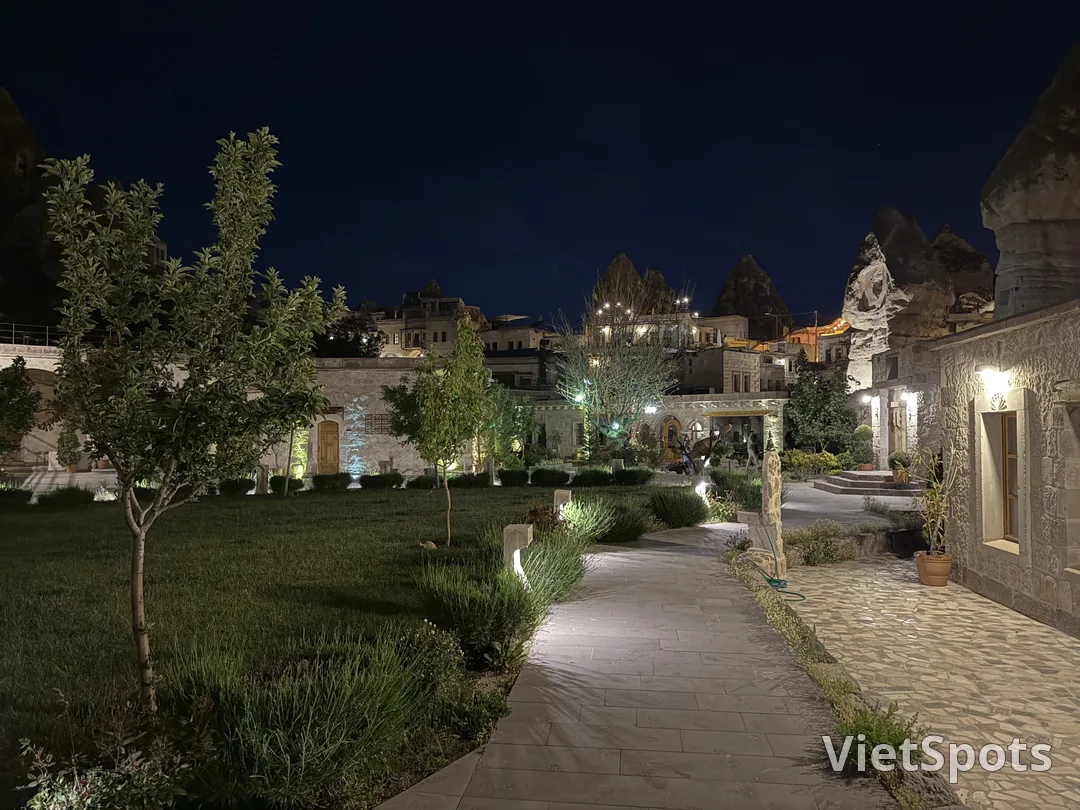
▲Lunar Cappadocia Hotel room and exterior view Trip Summary and Reflections Although the weather wasn't great today, we still managed to visit Istanbul's most important cultural sites smoothly. The Hagia Sophia Mosque was magnificent and solemn, with its architecture blending religious styles that left us in awe, while the Grand Bazaar and the small mosque added a striking contrast between liveliness and tranquility. If there's one place in Istanbul that best embodies the soul of the city, it must be the Hagia Sophia—the meeting point of faith and power, and the place amid the flow of time that best lets you quiet your heart and feel history's pulse. 📌 Full Record of a Turkey & Greece Independent Trip Turkey Chapter Day 1-2: First Impressions of Istanbul|Day 3: Hagia Sophia and the Grand Bazaar Day 4: The Wondrous Hot Air Balloons of Cappadocia|Day 5: Exploring the Green Line Underground City Day 6: Sky Mirror & Konya Whirling Dervish Dance|Day 7: Antalya Theatre & Old Town Day 8: Lake Salda & Pamukkale in Golden Light|Day 9: Marmaris Vacation Day Greece Chapter Day 1: Rhodes Street of the Knights|Day 2: Morning Swim in the Aegean & Old Town Tour Day 3: Delphi & Monastery Day Trip|Day 4: Athens Acropolis Classic Route Day 5: Flea Market & Acropolis Museum|Day 6: Attica Department Store & Archaeological Museum
Book Travel in English on VietSpots
- 🎁 Sign up and get 16 Welcome Pack coupons — e.g. Motorbike Rental 45%
- 👑 Member tier discount up to 15% on site (Silver 5% · Gold 15%)
- 🛂 Auto-fill arrival card📶 Compare lowest eSIM prices🚻 Find toilets
Comments