

[Turkey Independent Travel Day 5] Exploring the Underground City and Canyon Hiking: A One-Day Tour of the Cappadocia Green Line


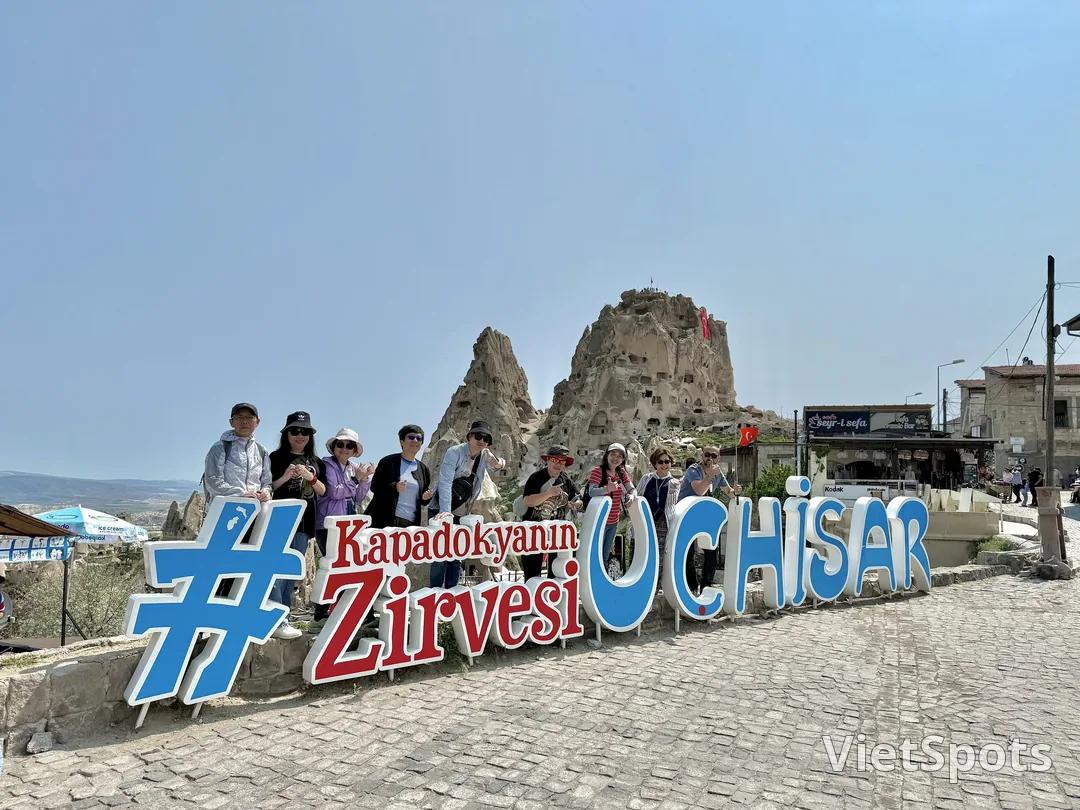
Trip Overview This morning was a rare, relaxed one — we didn't need to gather until 10 o'clock, so we finally got to sleep in and enjoy a leisurely hotel breakfast. Today we set off from downtown Cappadocia to explore the classic Green Tour route, including Uchisar Castle, Pigeon Valley, the Kaymaklı Underground City, Ihlara Valley, and Selime Monastery. Most of these sites revolve around historic fortifications, monastic life, and natural landscapes, leaving us both amazed by human ingenuity and in awe of nature's power. 📍 Today's Itinerary: Departure from Cappadocia → Uçhisar Castle → Pigeon Valley → Kaymakli Underground City → Ihlara Valley Hiking → Selime Monastery → Turkish Delights Shopping Stop → Evening City Walk Uçhisar Castle: A Defensive Fortress Carved from Rock "Uçhisar" in Turkish means "the highest castle." The word "Uç" means "highest," and "hisar" means "castle." Combined, it translates to "the highest castle." This fortress was carved into the rock in ancient times as a defensive structure to protect against foreign invaders. According to the tour guide, the entire castle is designed in layers: the first floor is for housing livestock, the second floor stores grain, the third floor serves as residents' living quarters, and the top floor is where troops were stationed for defense. This time we didn't go inside to visit—we just took photos around the exterior as a memento.
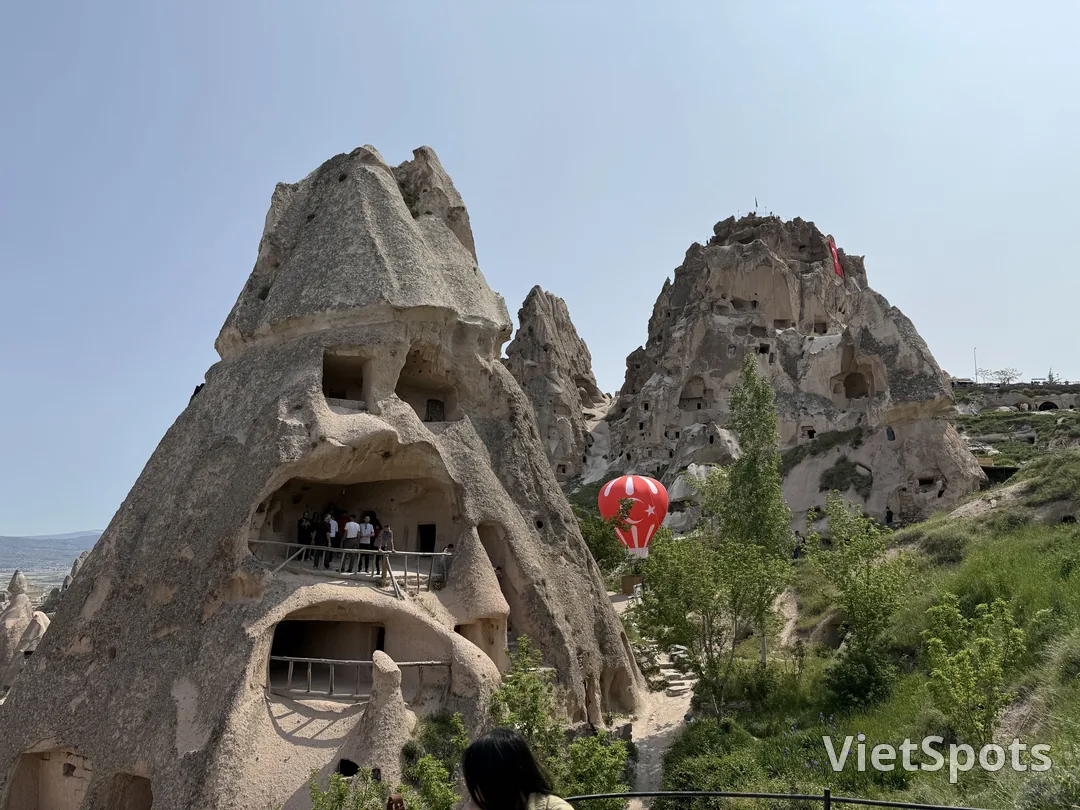
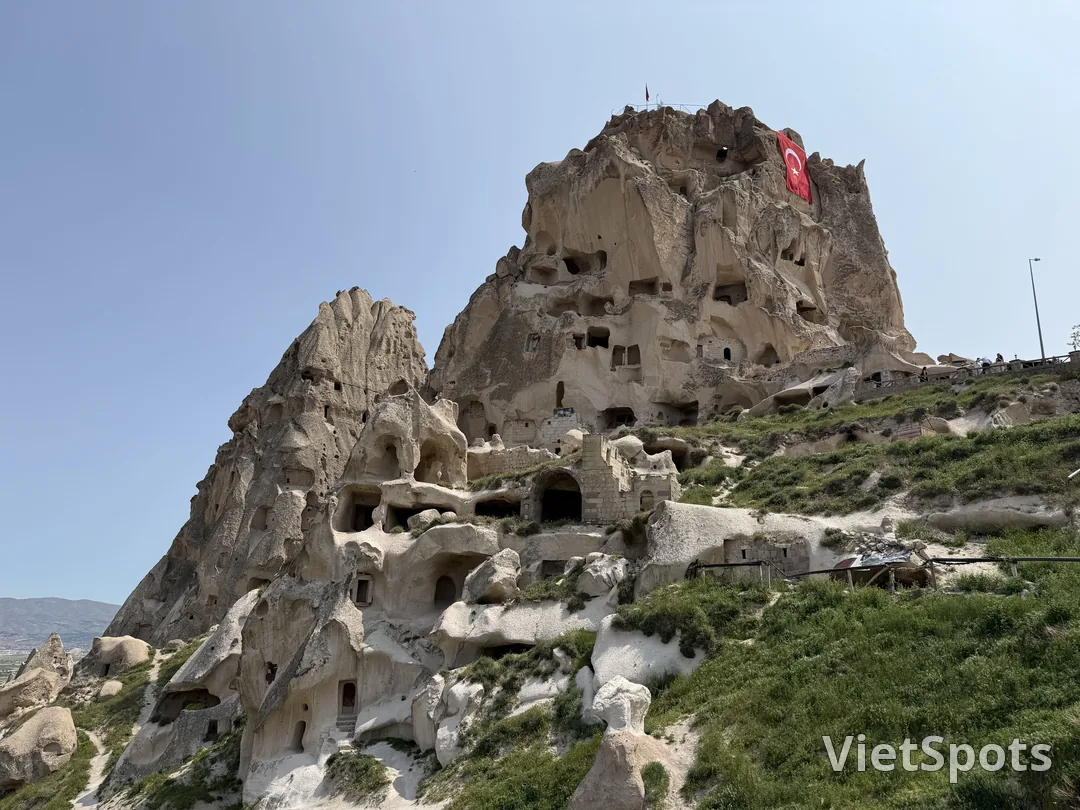
▲ Panoramic view of Uçhisar Castle — seen from the hillside, Uçhisar Castle looks as if it has fused seamlessly with the rock of the mountain
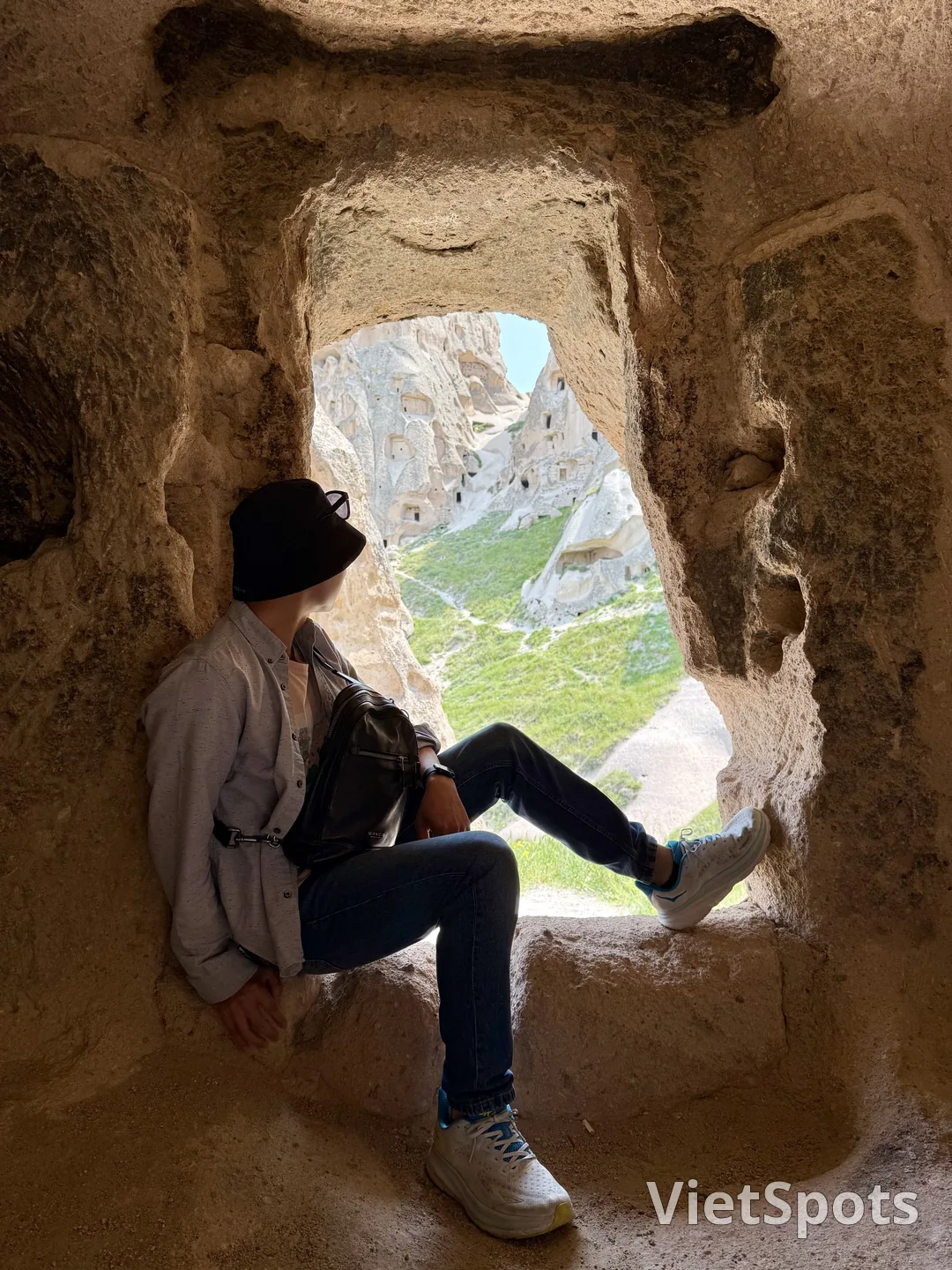
▲Take a Photo-Worthy Shot Once in a While Pigeon Valley: The Wisdom of Ancient People in Collecting Natural Resources The second stop is Pigeon Valley, a small attraction that contains much ancient wisdom. In those days, people carved caves into the rock walls to attract wild pigeons to nest, allowing them to collect pigeon eggs and droppings. The pigeon egg white could be used as a binder for pigments, while the droppings served as natural fertilizer. There are also several famous wish trees here, decorated with blue "Evil Eye" talismans and white cloth strips hanging from their branches—an ancient custom passed down from the East, symbolizing wishes and blessings.
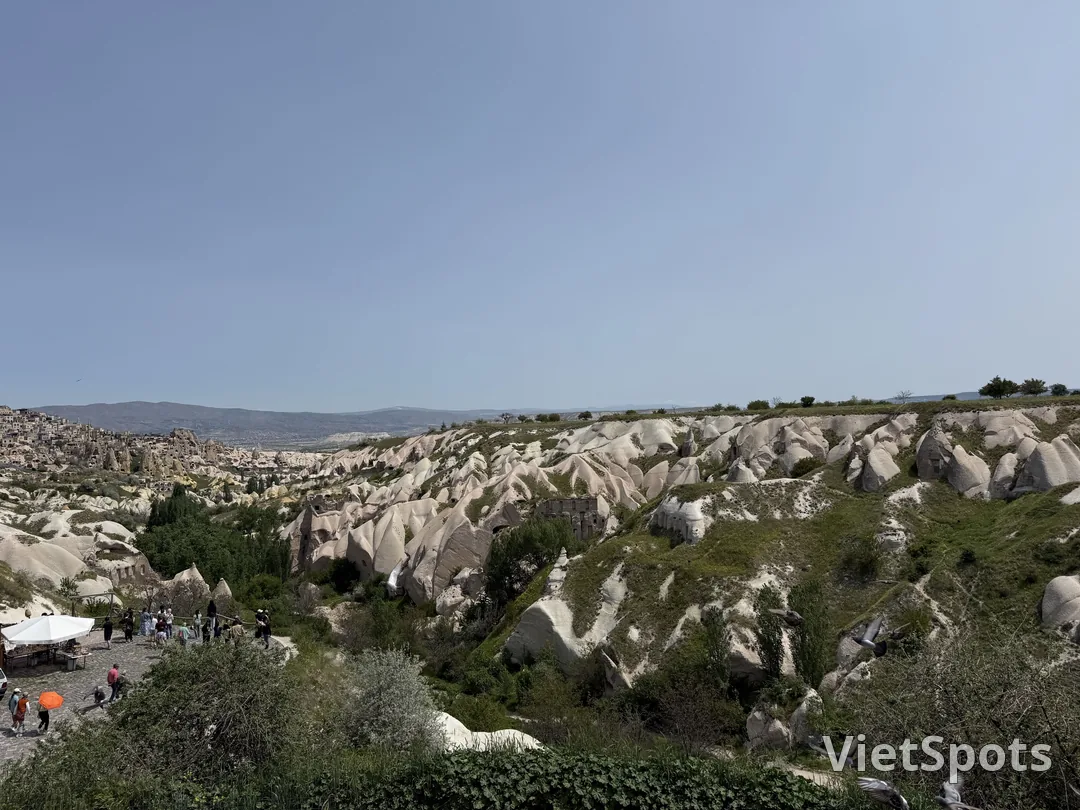
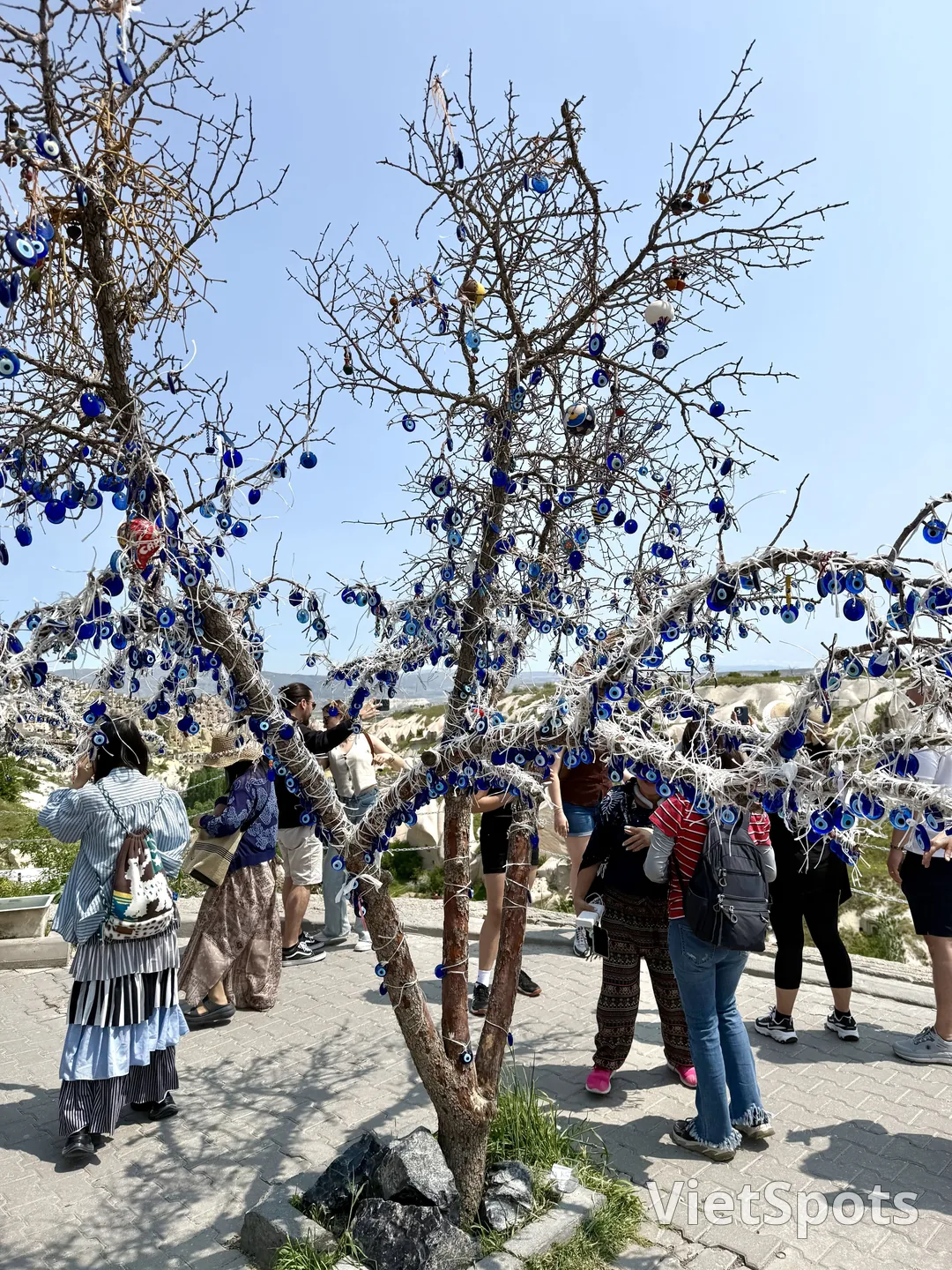
▲Pigeon Valley and the Wishing Tree Kaymaklı Underground City: A Miraculous Refuge Beneath the Earth The third stop was the underground city visit I had been looking forward to the most. We toured the Kaymaklı Underground City, and according to our guide, the area currently open to visitors accounts for only about 5% of the entire underground city. The whole underground network is as dense and intricate as an anthill, containing air shafts, a water supply system, storage rooms, a winery, and living quarters, among other things. The design is exactly the same as that of Uçhisar Castle: First Underground Level: Livestock Pen Area 2nd underground level: storage for food and water 3rd underground level: brewing and food supplies 4th level and beyond: living quarters This place was originally designed to escape enemy invasions—once attackers came, villagers could hide underground for weeks at a time. Although the passageways are narrow, the overall design is remarkably well-organized, inspiring admiration for the engineering wisdom of the ancients.
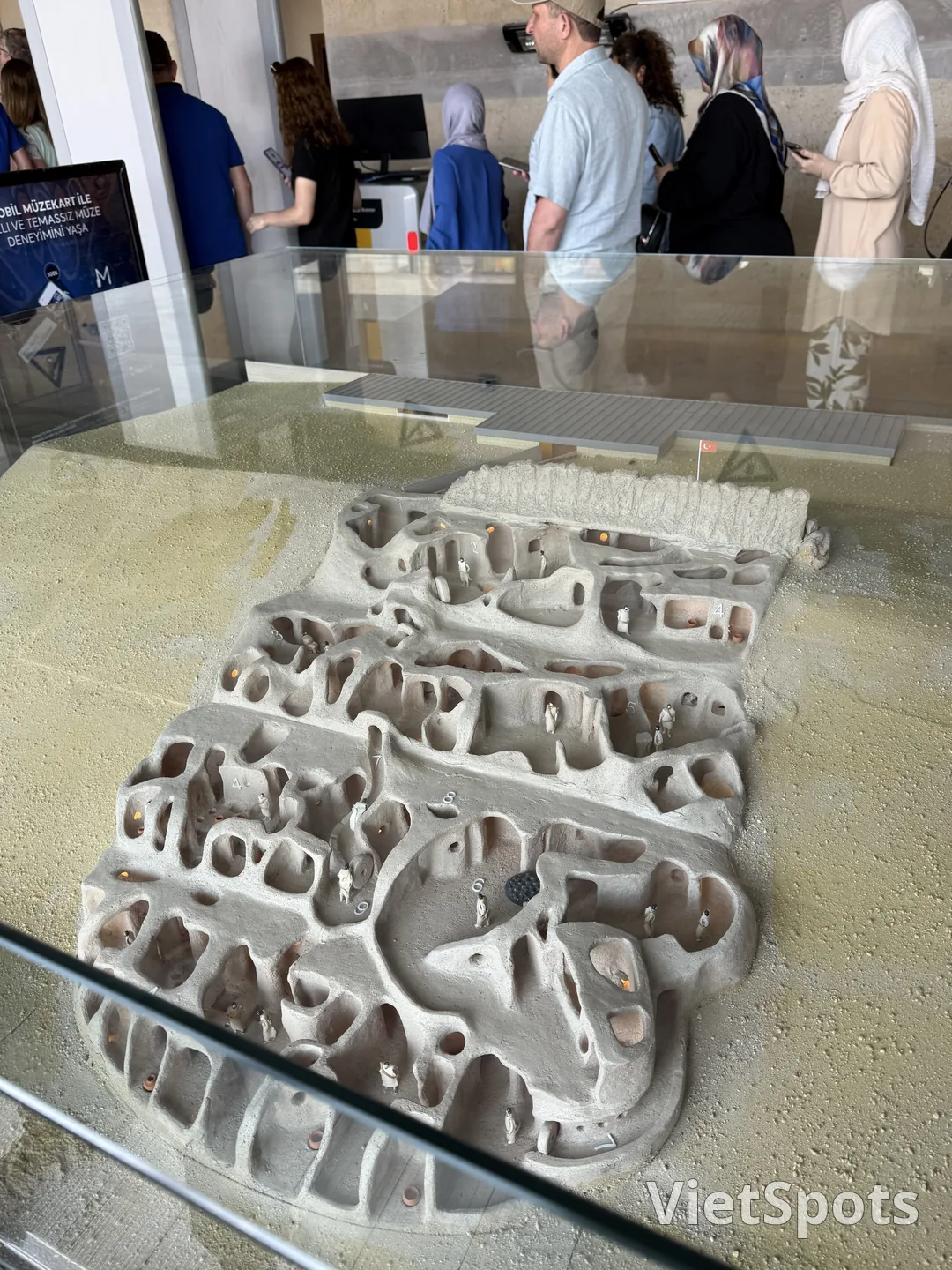
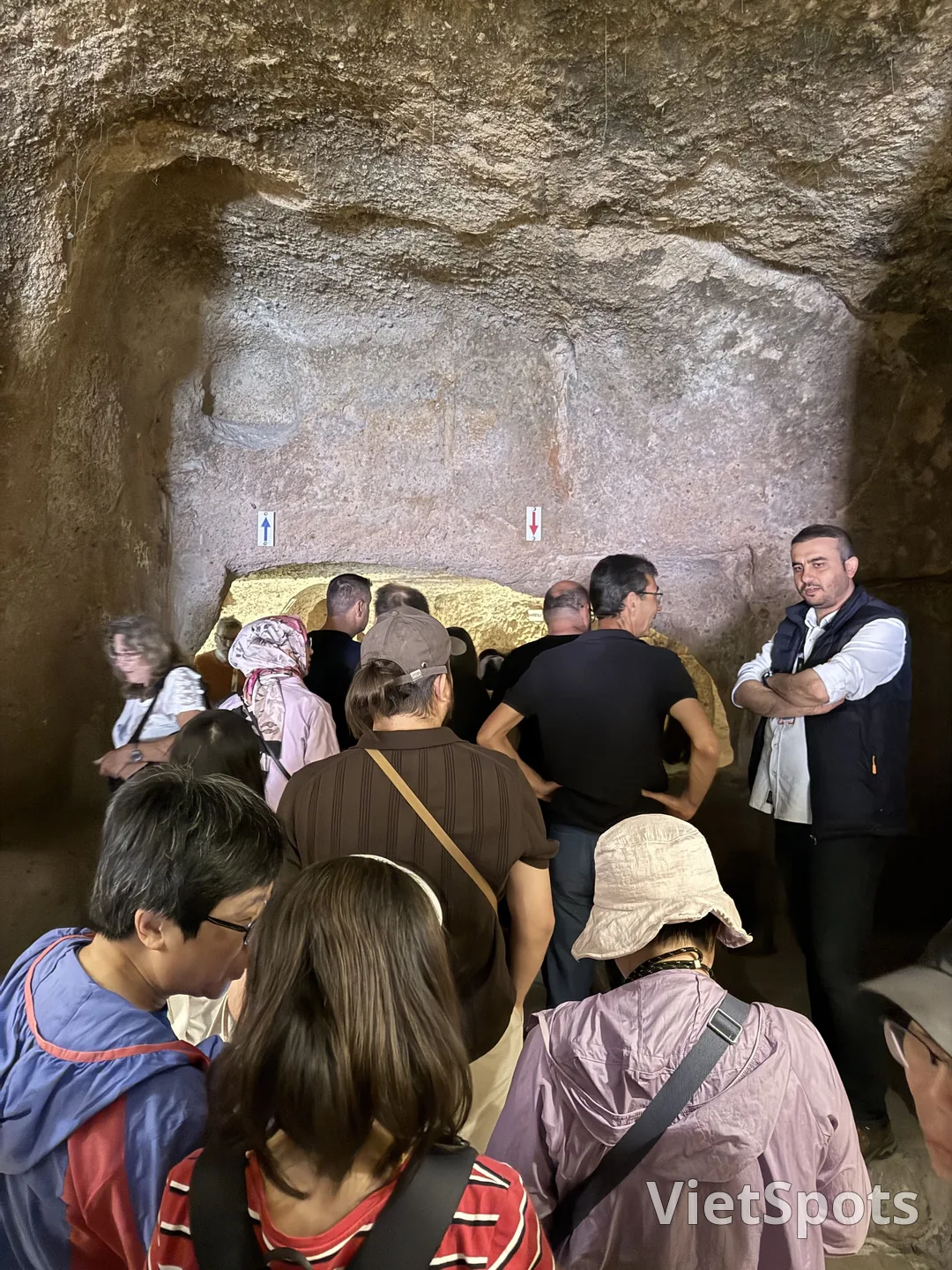
▲Dungeon Entrance and Guide Map
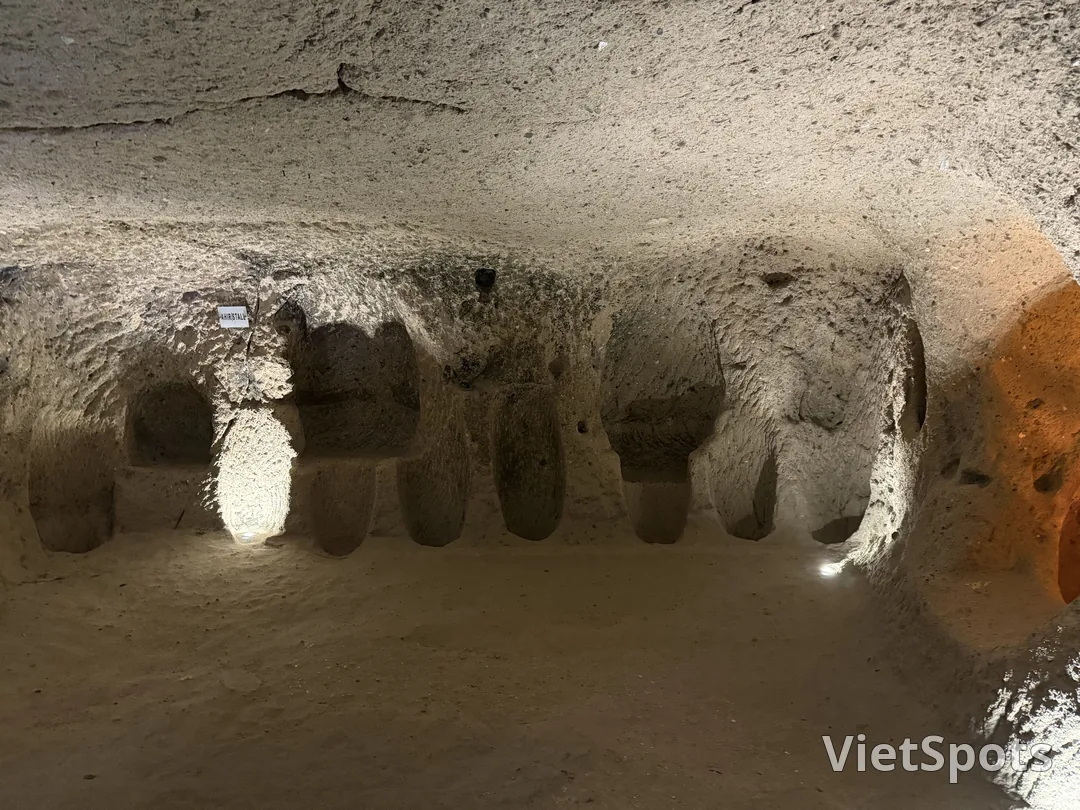
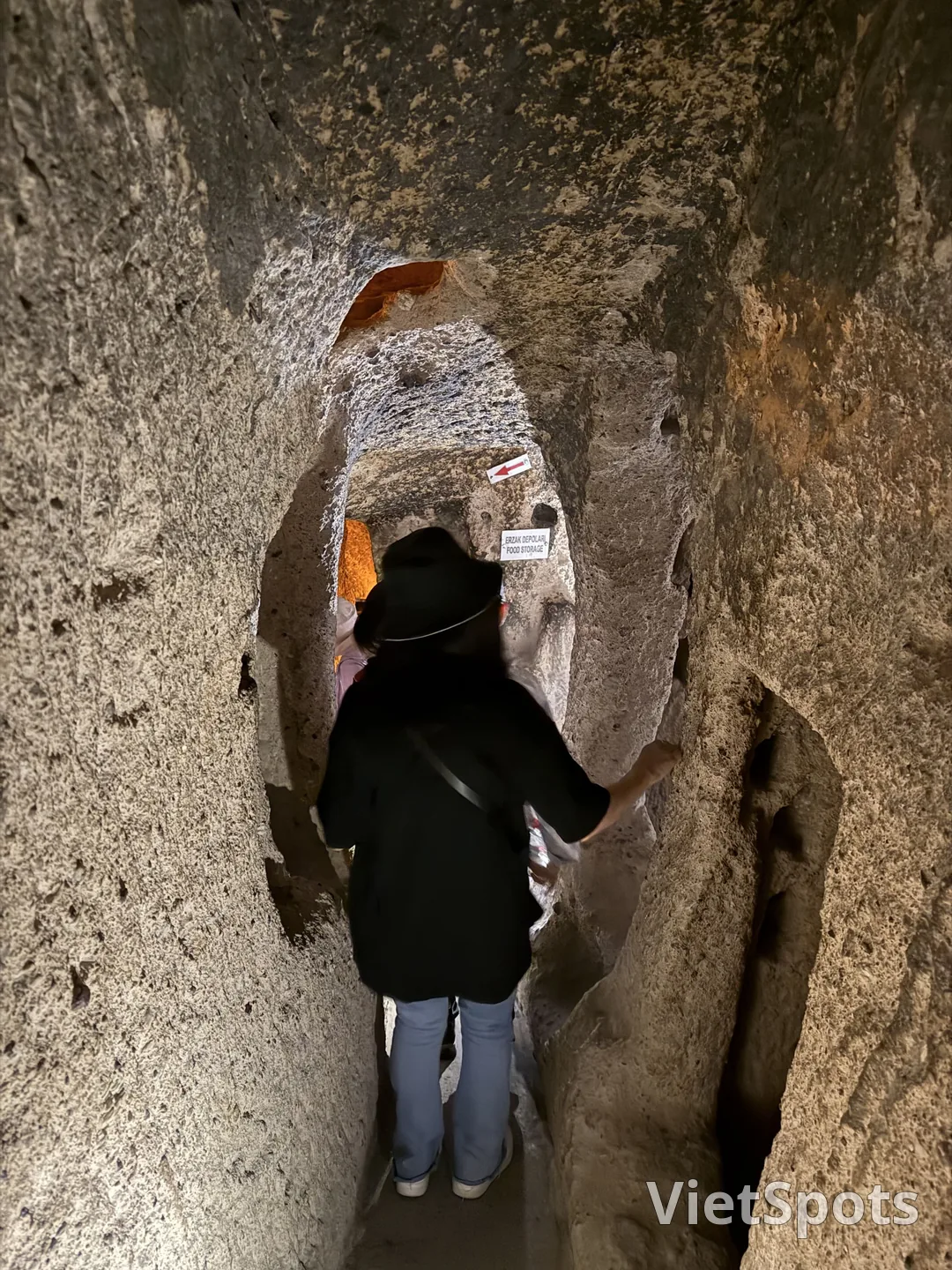
▲Underground passages and storage areas as intricate as an ant colony's tunnels
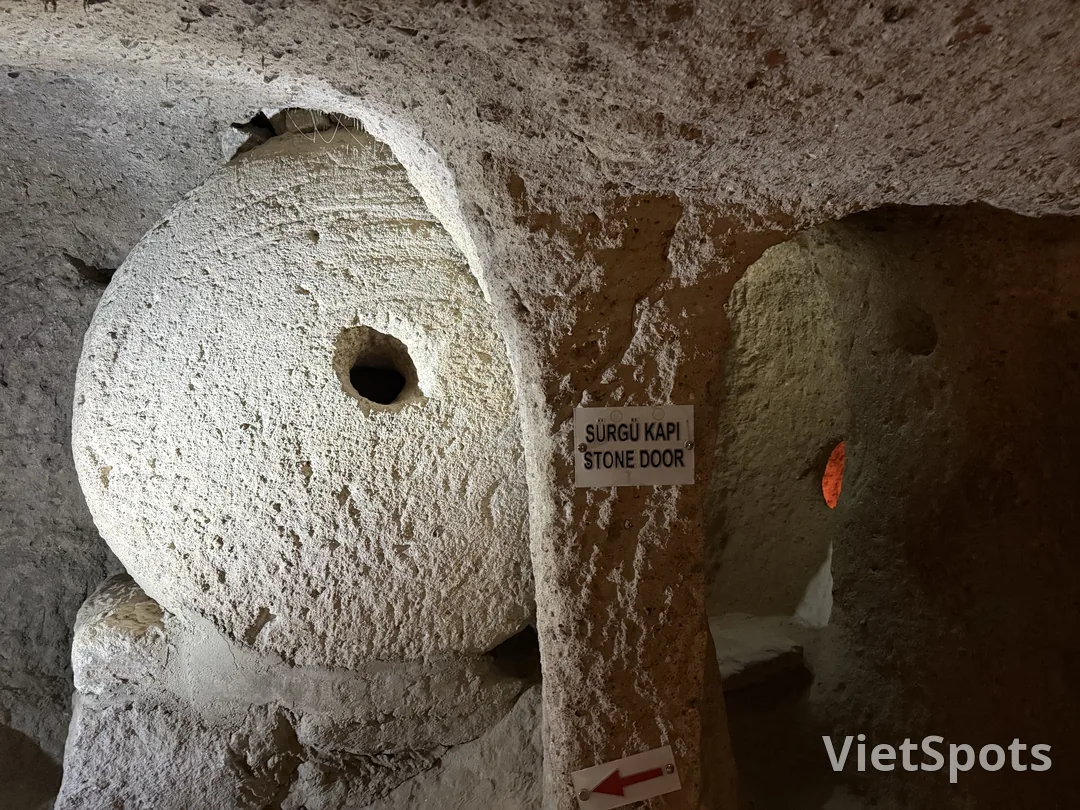
A stone door blocks the entrance before reaching the living area.
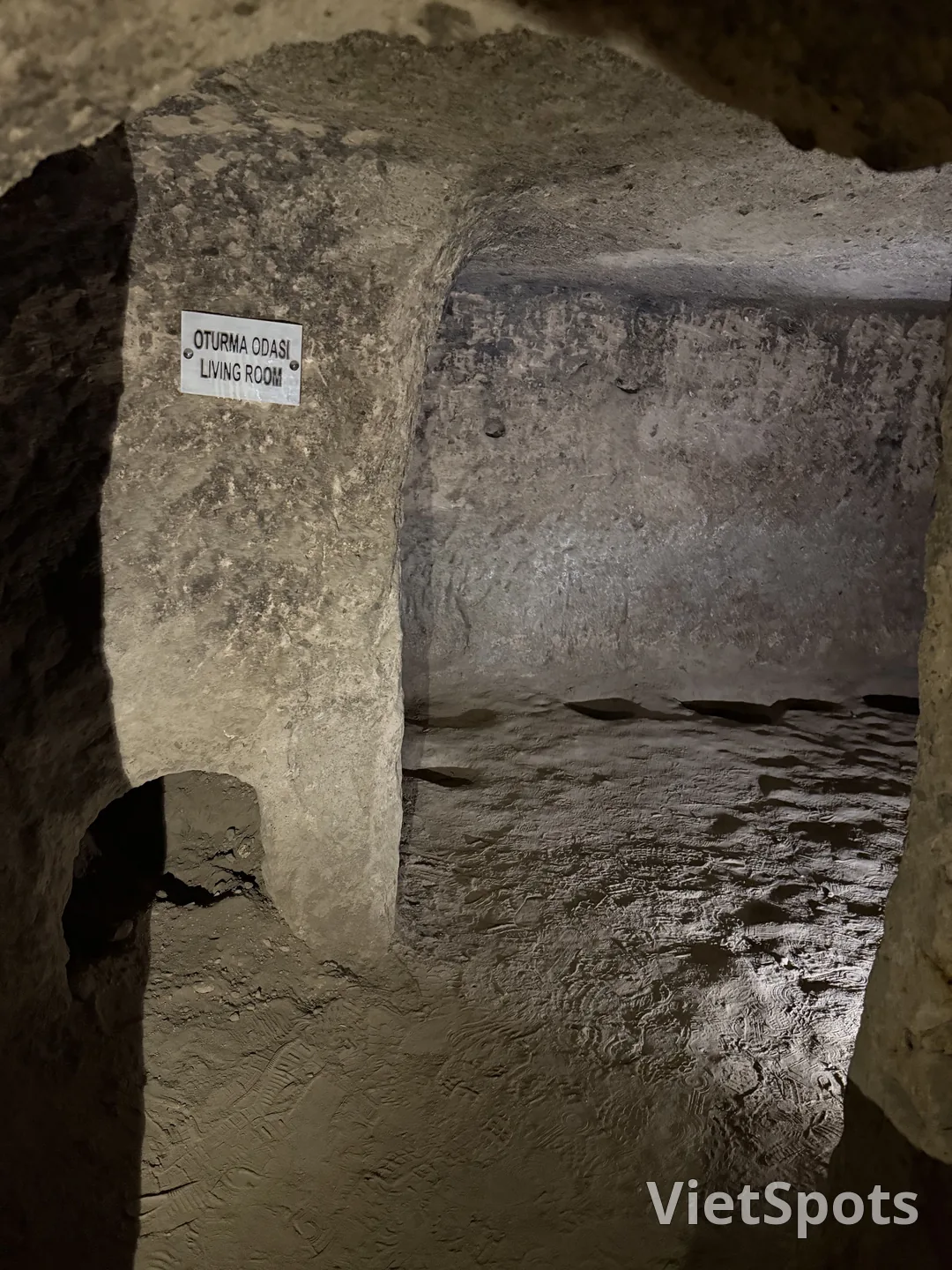
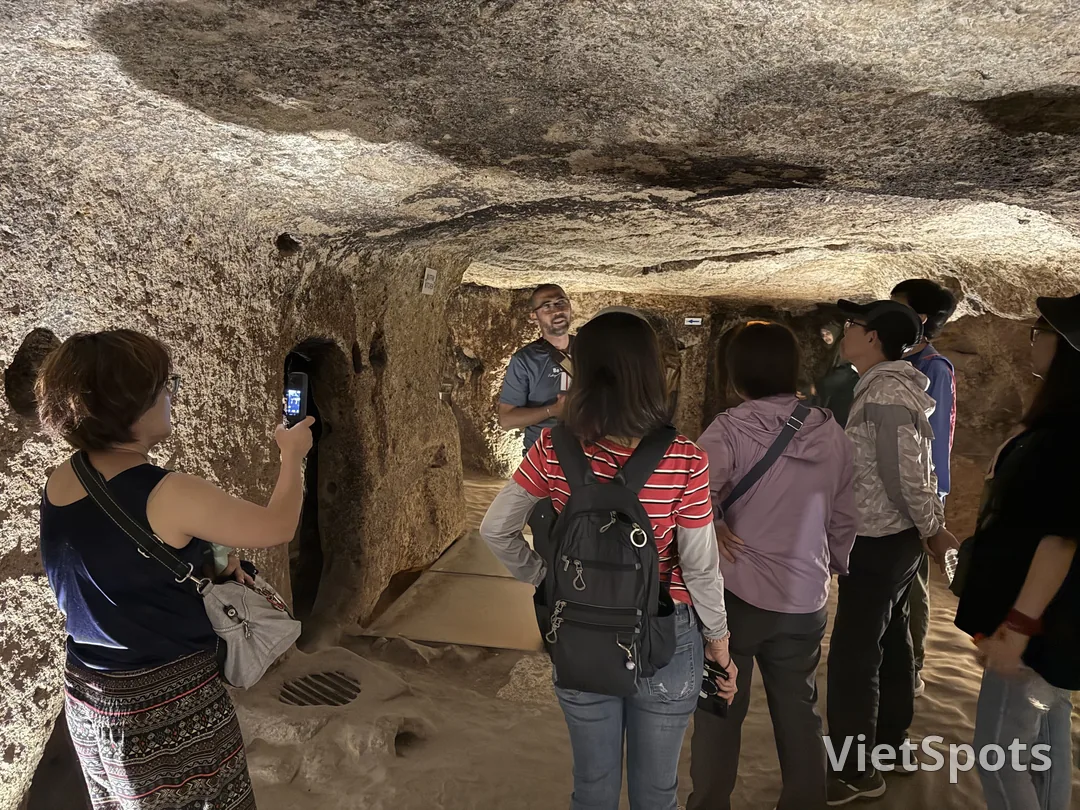
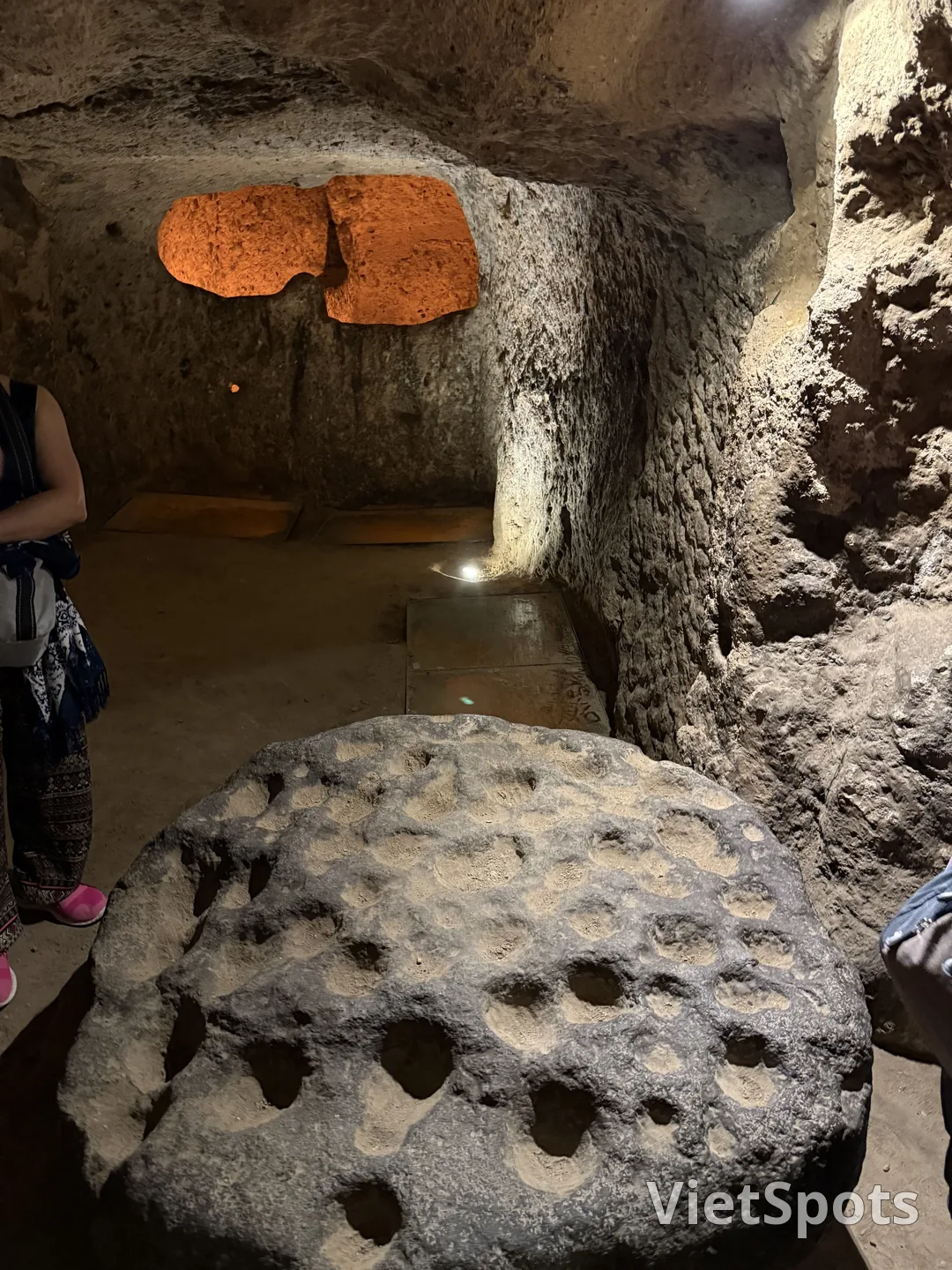
▲ Living Space Hiking the Ihlara Valley: Walking Into a River of Landscape and Faith In the afternoon we arrived at Ihlara Valley, the world's second-largest canyon, carved over countless years by meltwater from snow-capped mountains. Today's itinerary included about a three-kilometer hike, descending from the top of the canyon down to the valley floor, then continuing along the stream. The weather was clear and sunny today, making for a very pleasant walk. On the cliffs along both sides, rock-cut structures kept appearing high up — and it turned out these were actually ancient monasteries. Our guide explained that these monasteries were originally level with the stream, but after centuries of erosion the streambed gradually sank, leaving them stranded far above reach — a sight that left us deeply in awe of nature's slow, patient transformation.
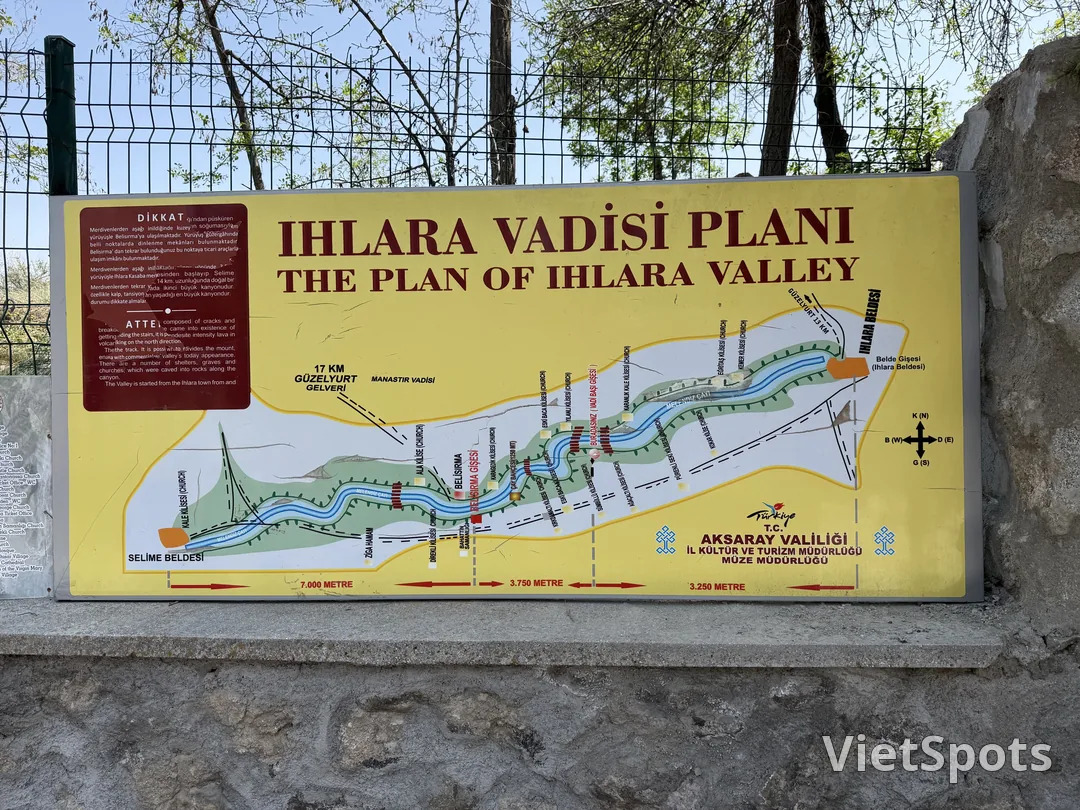
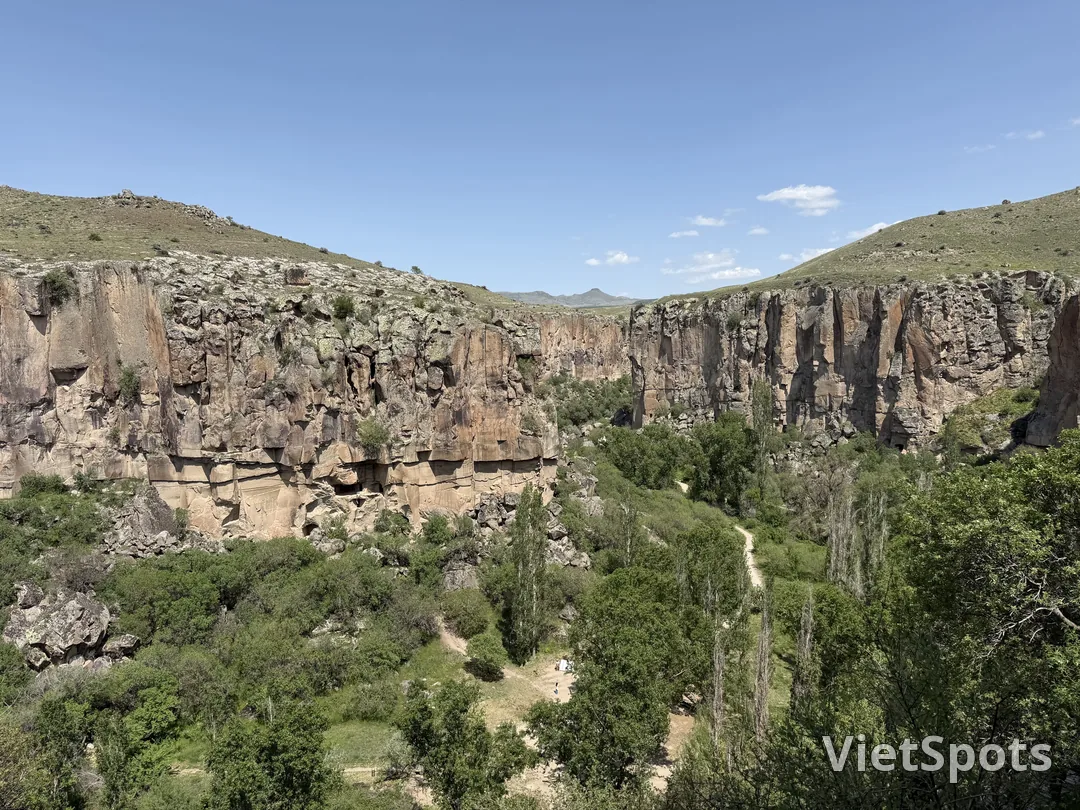
▲ Canyon Trail Entrance: Looking down into the canyon from above, the view is truly spectacular
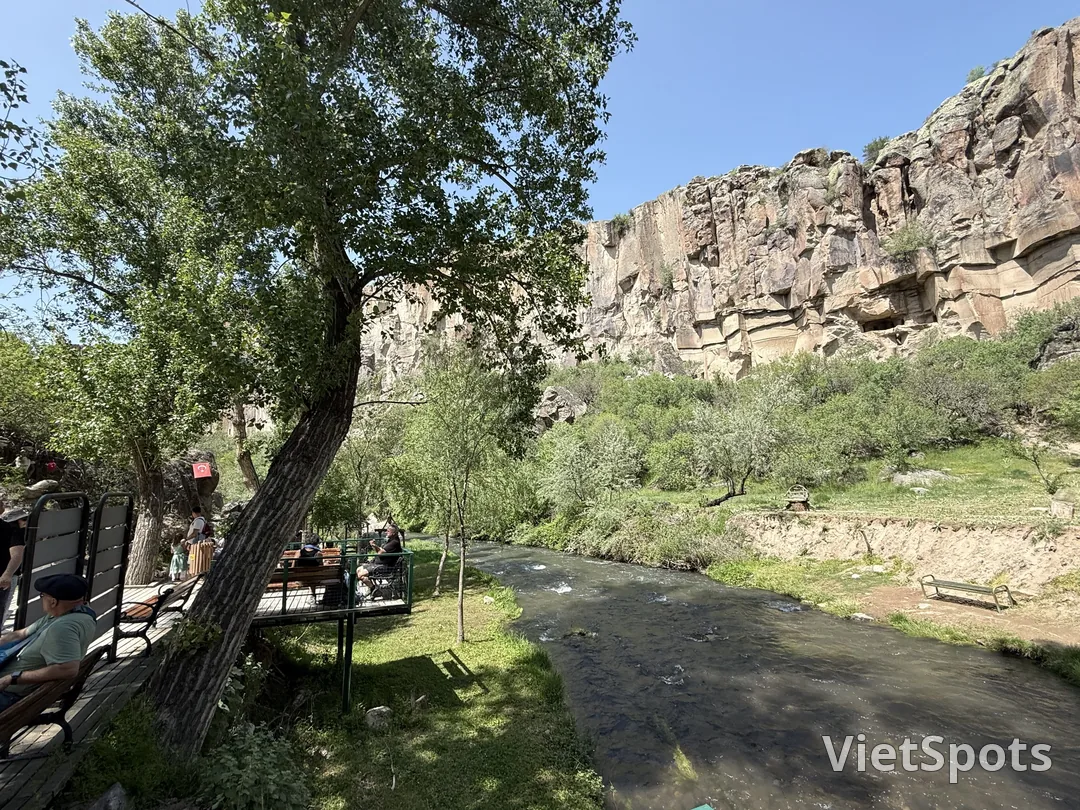
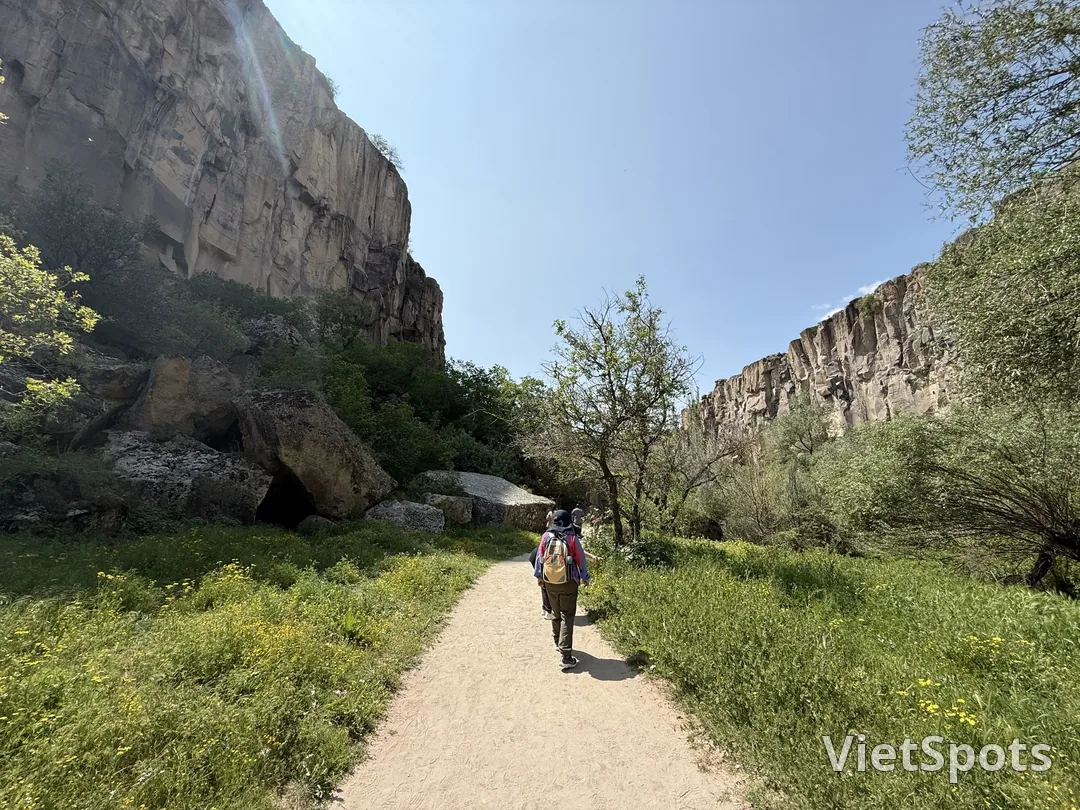
▲The trail landscape along the stream — the clear flowing water and lush green shade together create the most comfortable hiking environment
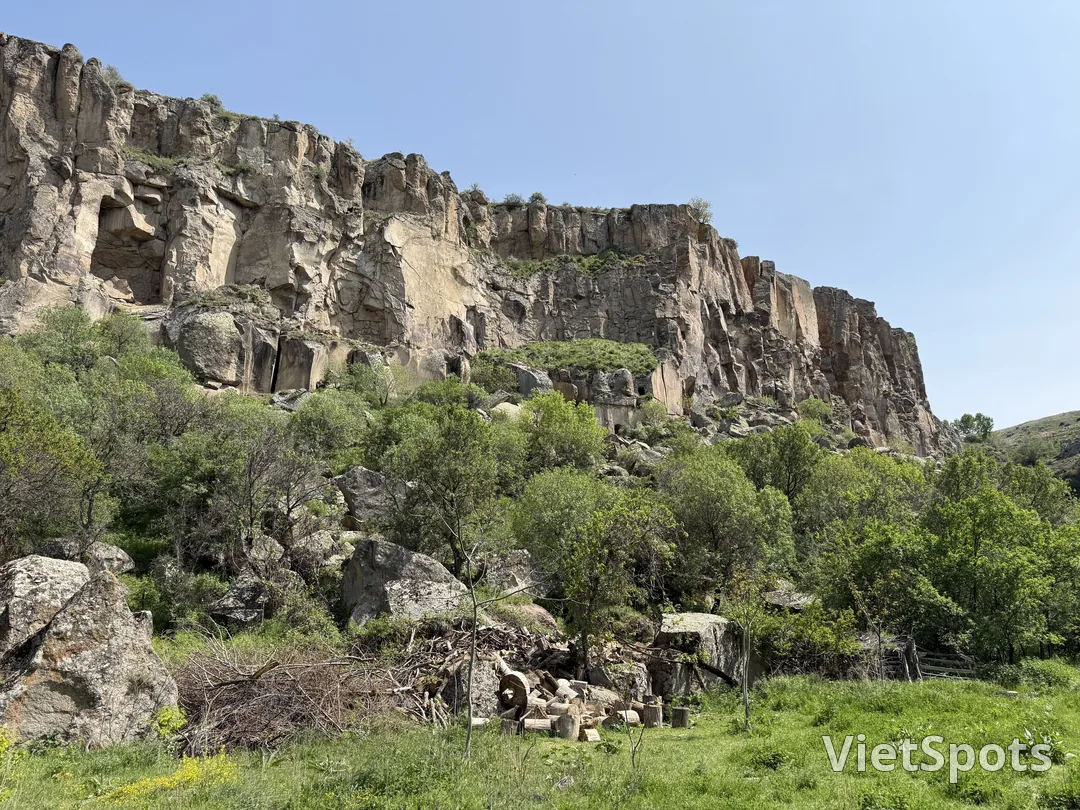
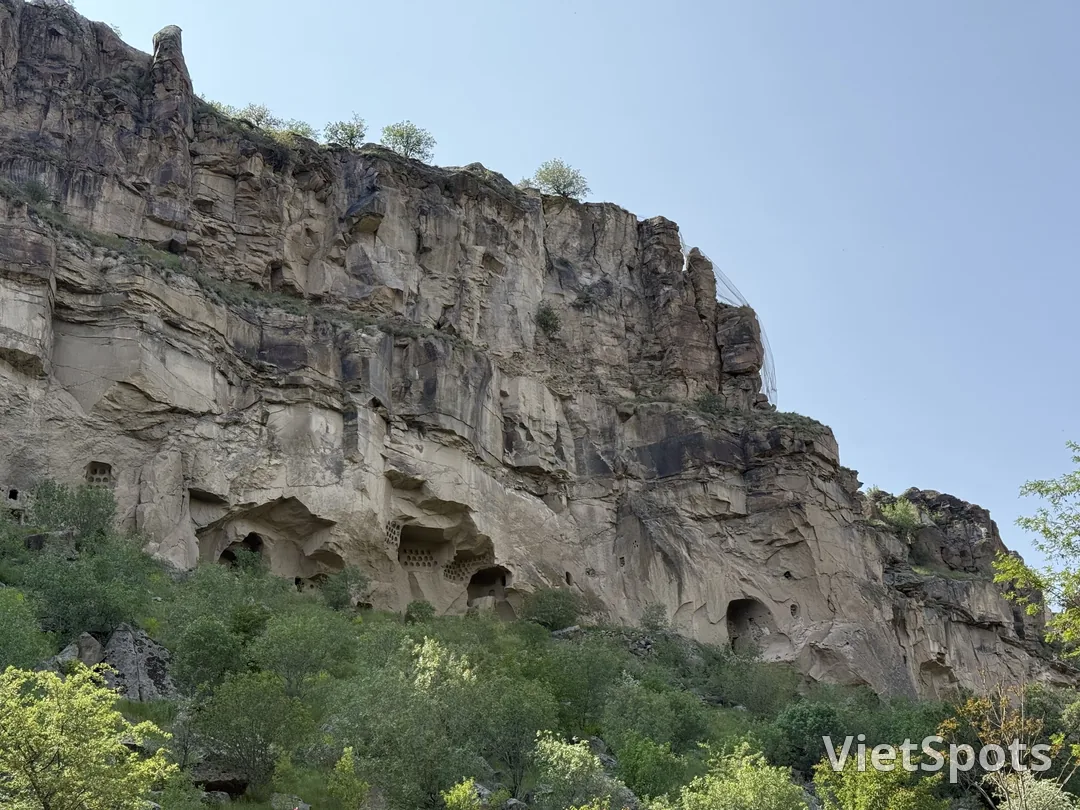
Distant view of monastery ruins on the cliff face within the gorge
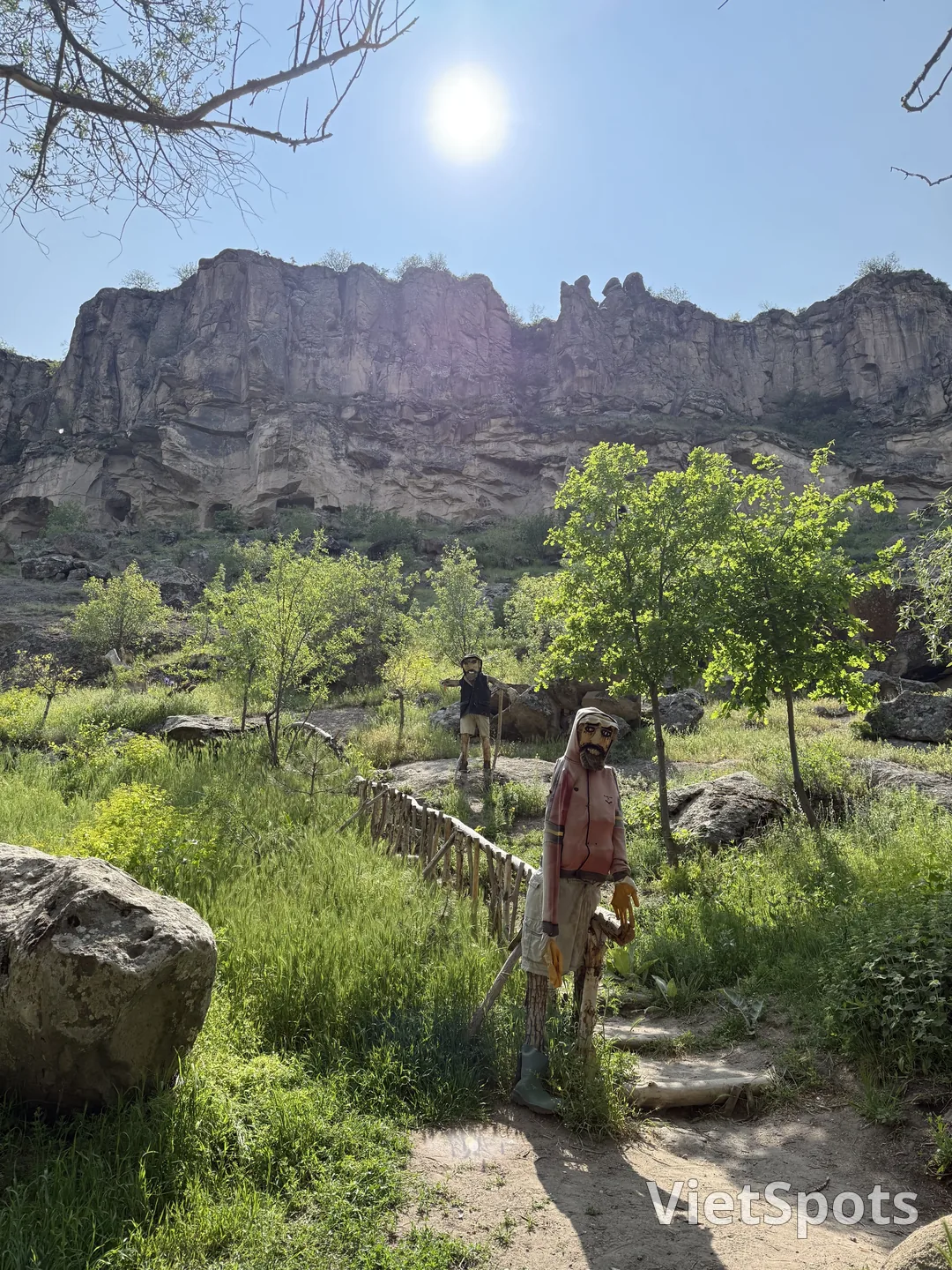
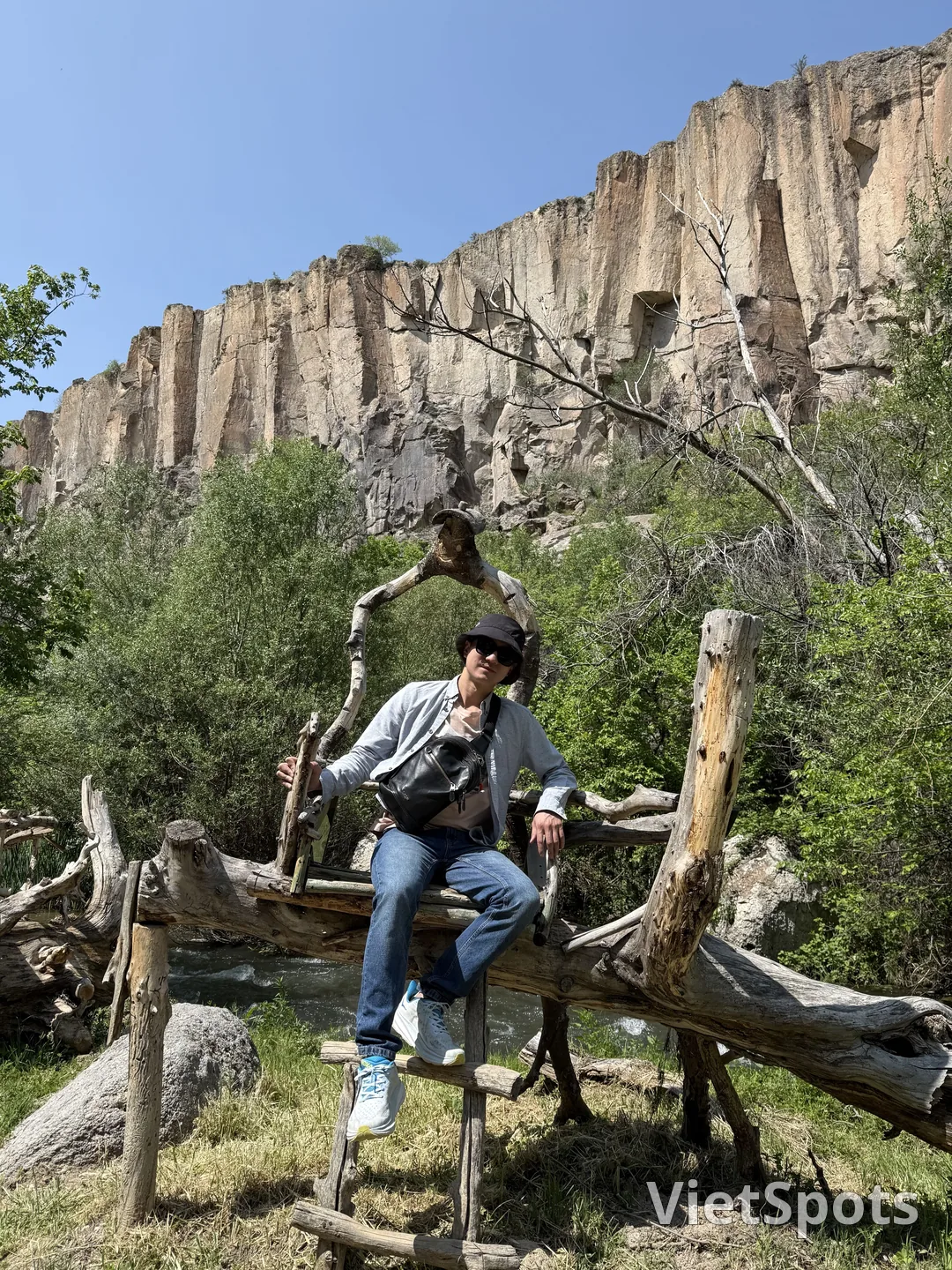
▲ Simple wooden bridges and viewpoints are set up along the way, perfect for a relaxed walk and photography. Selime Monastery: The largest monastery complex in Cappadocia The original itinerary was supposed to end at the Ihlara Valley, but our guide Ran Sheng went the extra mile and took us to visit Selime Monastery, the largest monastic ruin in all of Cappadocia. Starting from the ordinary living quarters, you proceed in sequence into the small chapel and then the cathedral space. Inside the cathedral, besides the preserved vaulted ceilings and murals, there's even a colonnade structure, completely different in style from the monastic ruins we'd seen earlier. It's said that this was once an important pilgrimage site for many Christians.
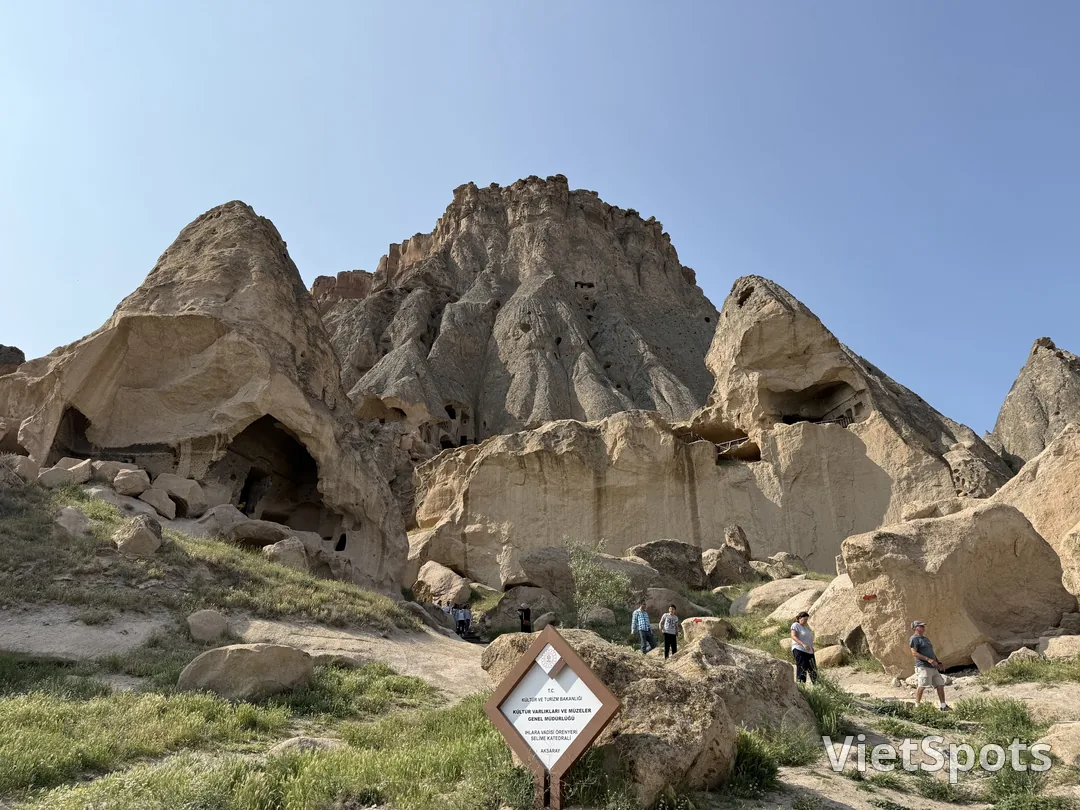
▲ Monastery Entrance and Exterior: A Monastic Ruin Fused with the Mountain Rock
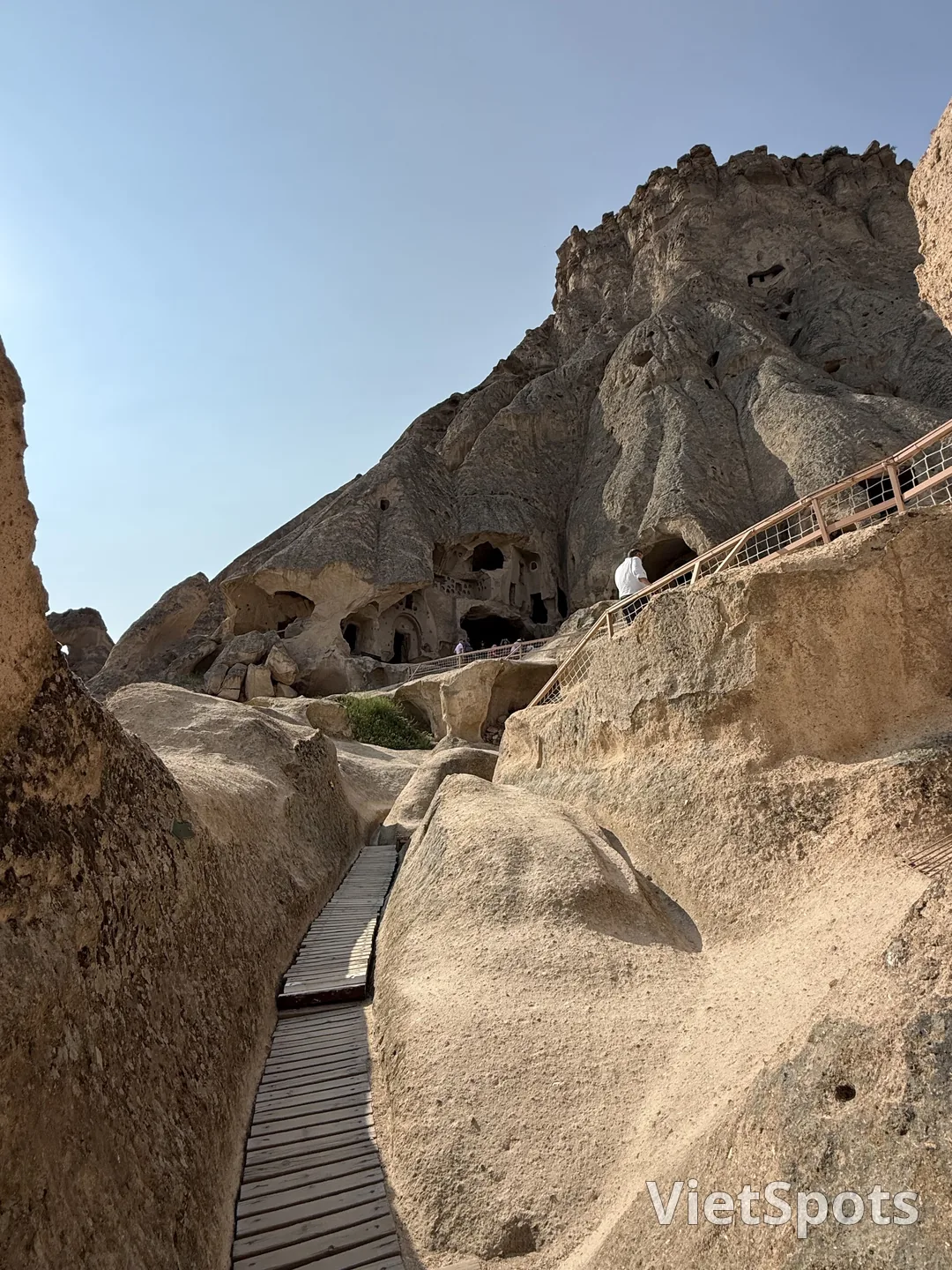
▲ Climbing to the Monastery
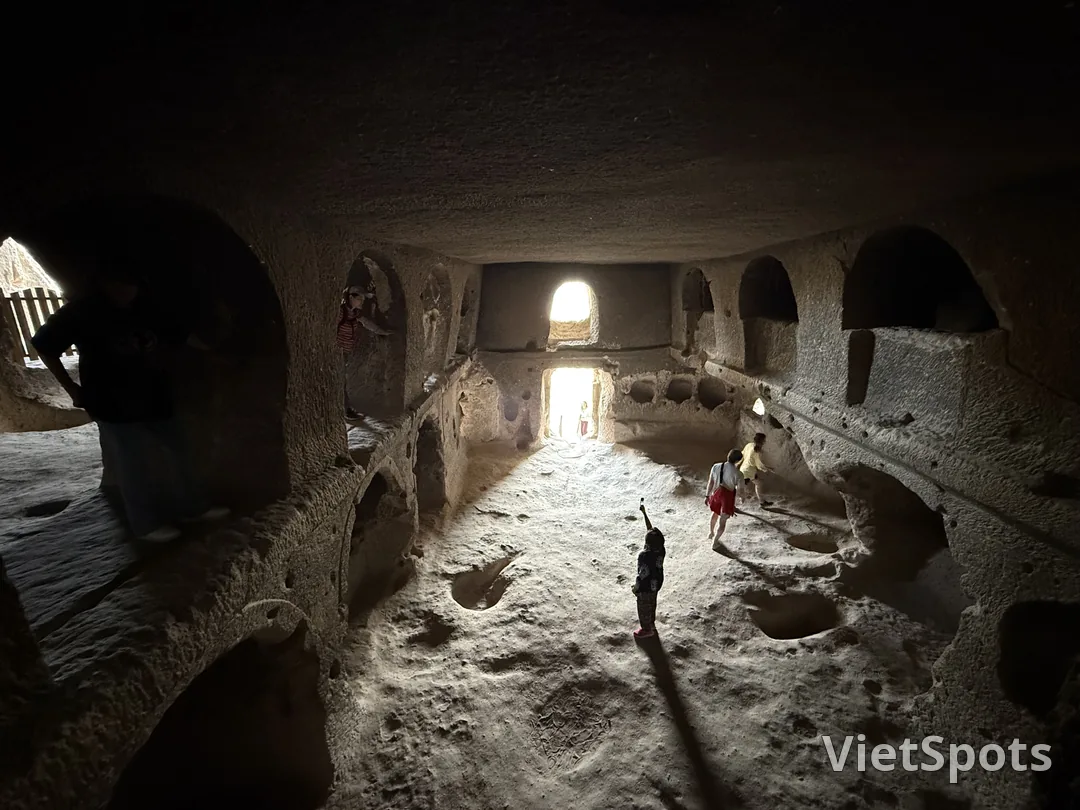
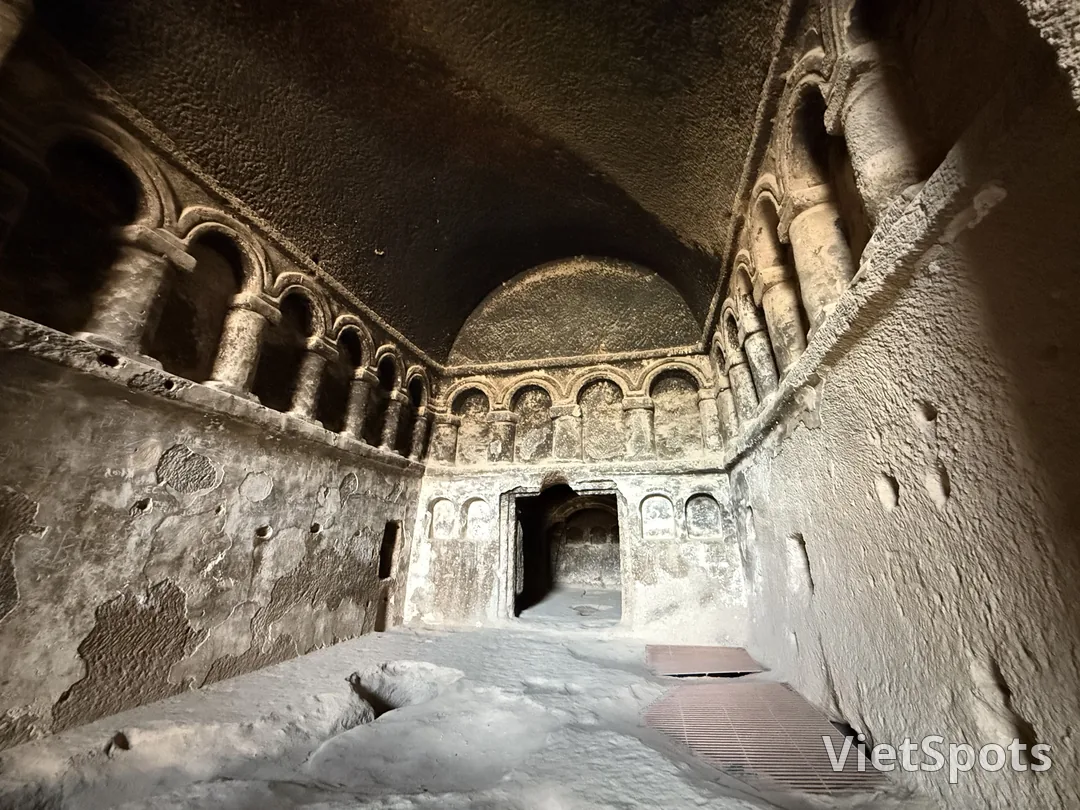
▲Prayer Room and Chapel
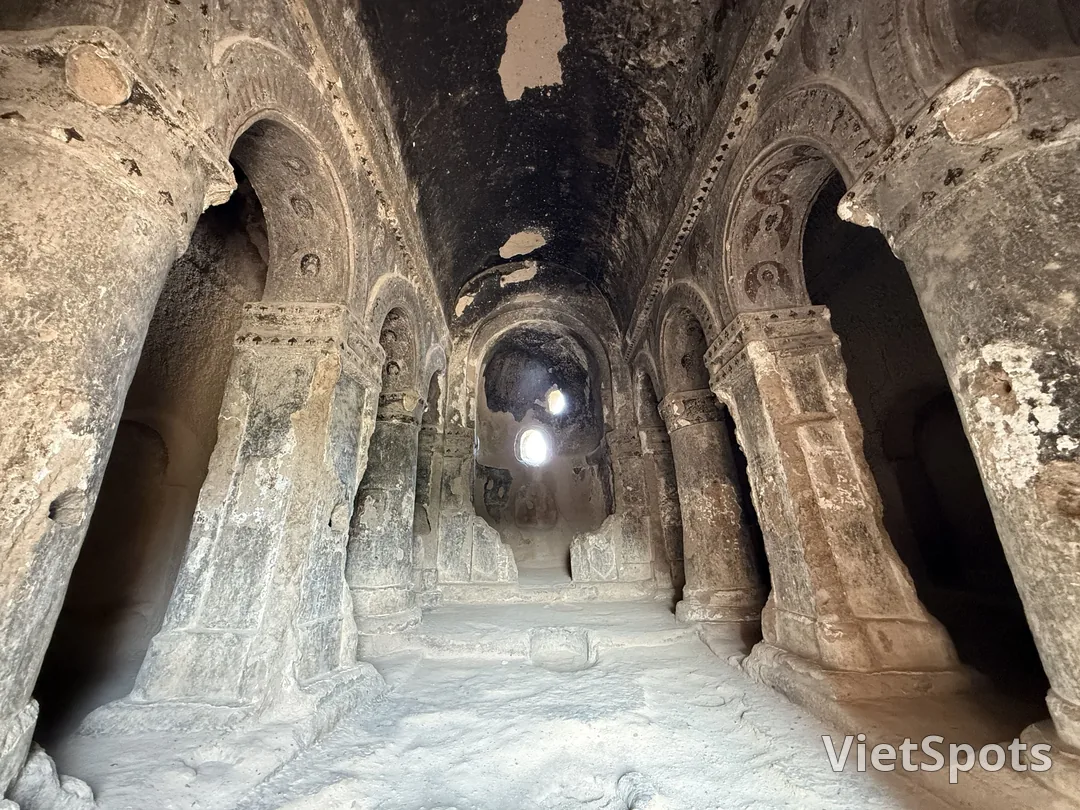
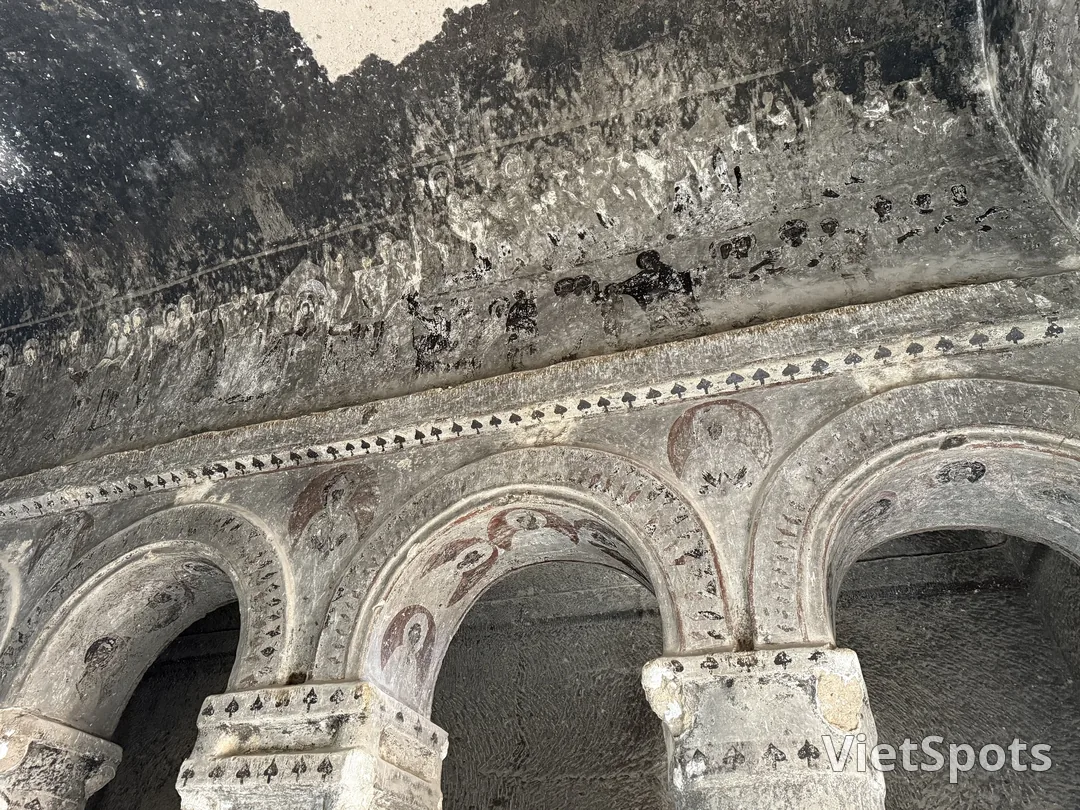
▲ Inside the cathedral, towering colonnades and murals interweave — a legacy of faith
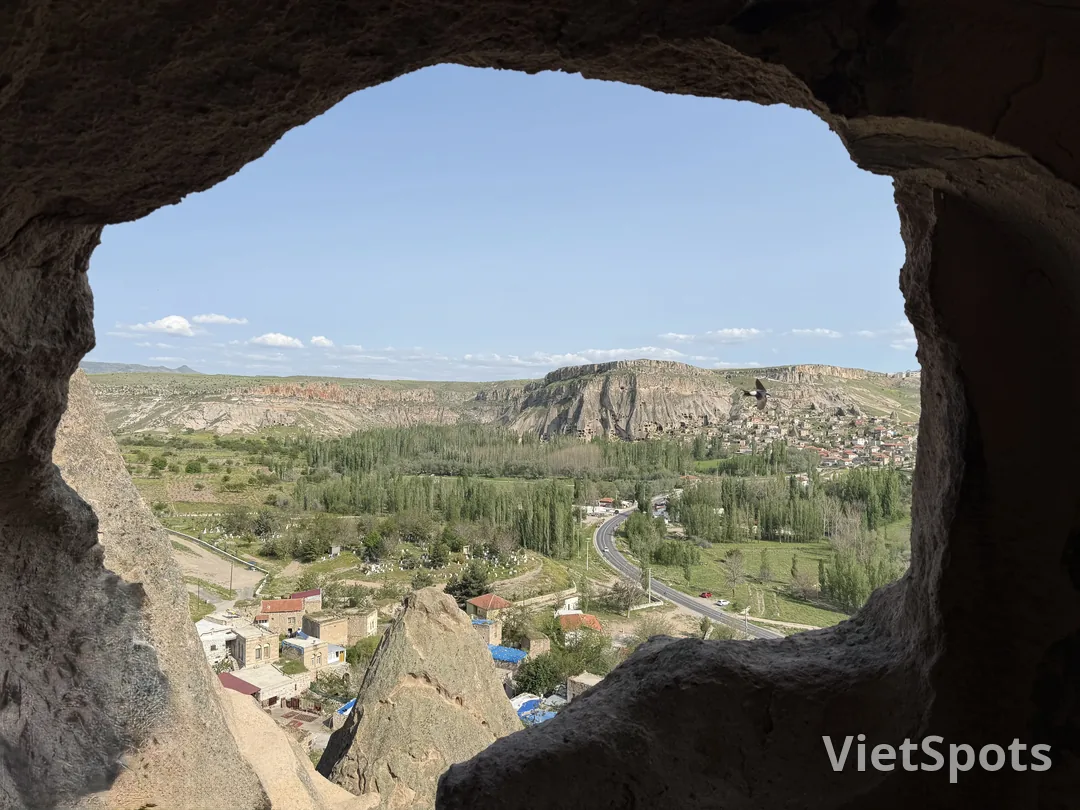
▲ The view from the monastery is also breathtakingly beautiful End of the itinerary and a stroll around town Today's last stop was a Turkish delight and fruit tea specialty shop. Since we're a custom private tour, there was no forced shopping, but after trying the samples, everyone ended up buying something. After returning to town for dinner, my mom and I still went for a walk on the streets — souvenirs in this city are relatively affordable, so I bought a small cup as a memento, ending a pleasant day. Tomorrow we'll set off for Konya, the ancient capital of Turkey, and along the way we'll pass by Lake Tuz — with luck, we might get to see the dreamlike reflection of the 'Mirror of the Sky'!
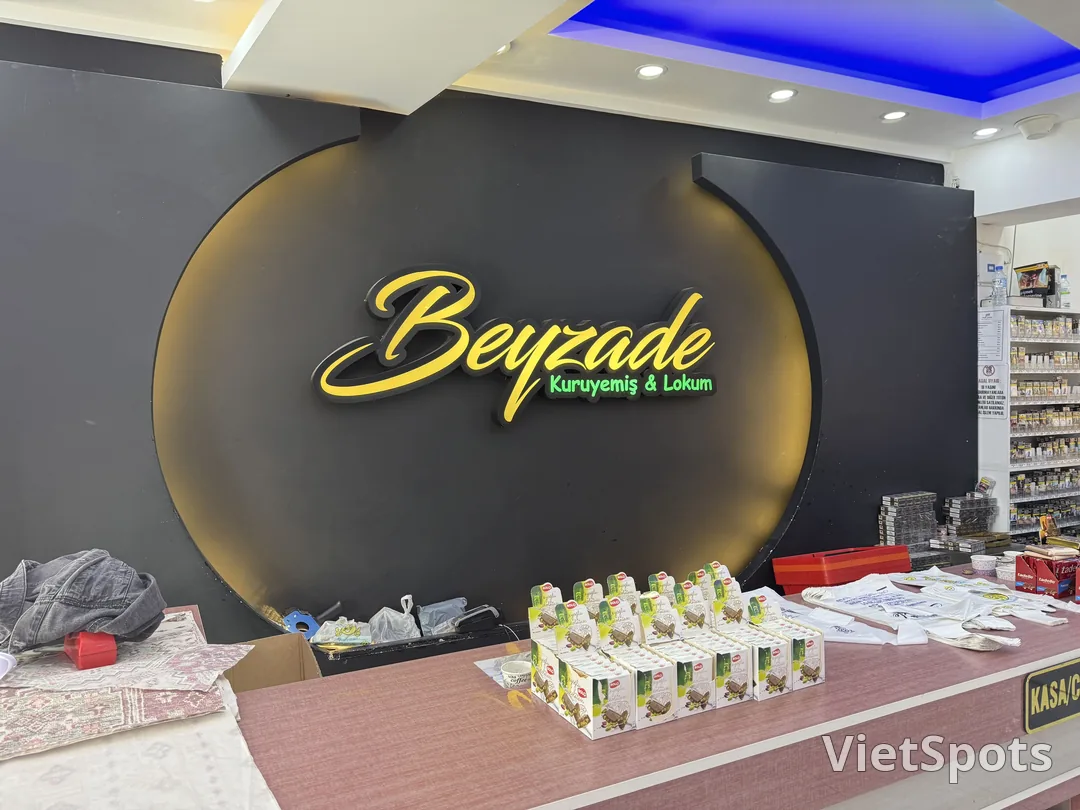
▲Turkish Delight & Fruit Tea Specialty Store 📌 Full Record of the Turkey & Greece Free Independent Travel Trip Turkey Chapter Day 1-2: First Impressions of Istanbul | Day 3: Hagia Sophia and the Grand Bazaar Day 4: Cappadocia's Amazing Hot Air Balloons | Day 5: Exploring the Derinkuyu Underground City Day 6: The Mirror Lake and Konya's Whirling Dervishes | Day 7: Antalya's Ancient Theater and Old Town Day 8: Salda Lake and the Golden Glow of Pamukkale | Day 9: A Relaxing Day in Marmaris Greece Chapter Day 1: Path of the Knights of Rhodes | Day 2: Morning Swim in the Aegean & Old Town Tour Day 3: Delphi and Monastery Day Trip | Day 4: Classic Athens Acropolis Route Day 5: Flea Market and Acropolis Museum | Day 6: Attica Department Store & Archaeological Museum
Book Travel in English on VietSpots
- 🎁 Sign up and get 16 Welcome Pack coupons — e.g. Motorbike Rental 45%
- 👑 Member tier discount up to 15% on site (Silver 5% · Gold 15%)
- 🛂 Auto-fill arrival card📶 Compare lowest eSIM prices🚻 Find toilets
Comments