

Da Nang
Going to Hoi An by electric scooter: 30 km, one removable battery, and 4 hours in the old town while waiting for it to charge



Translated from Vietnamese
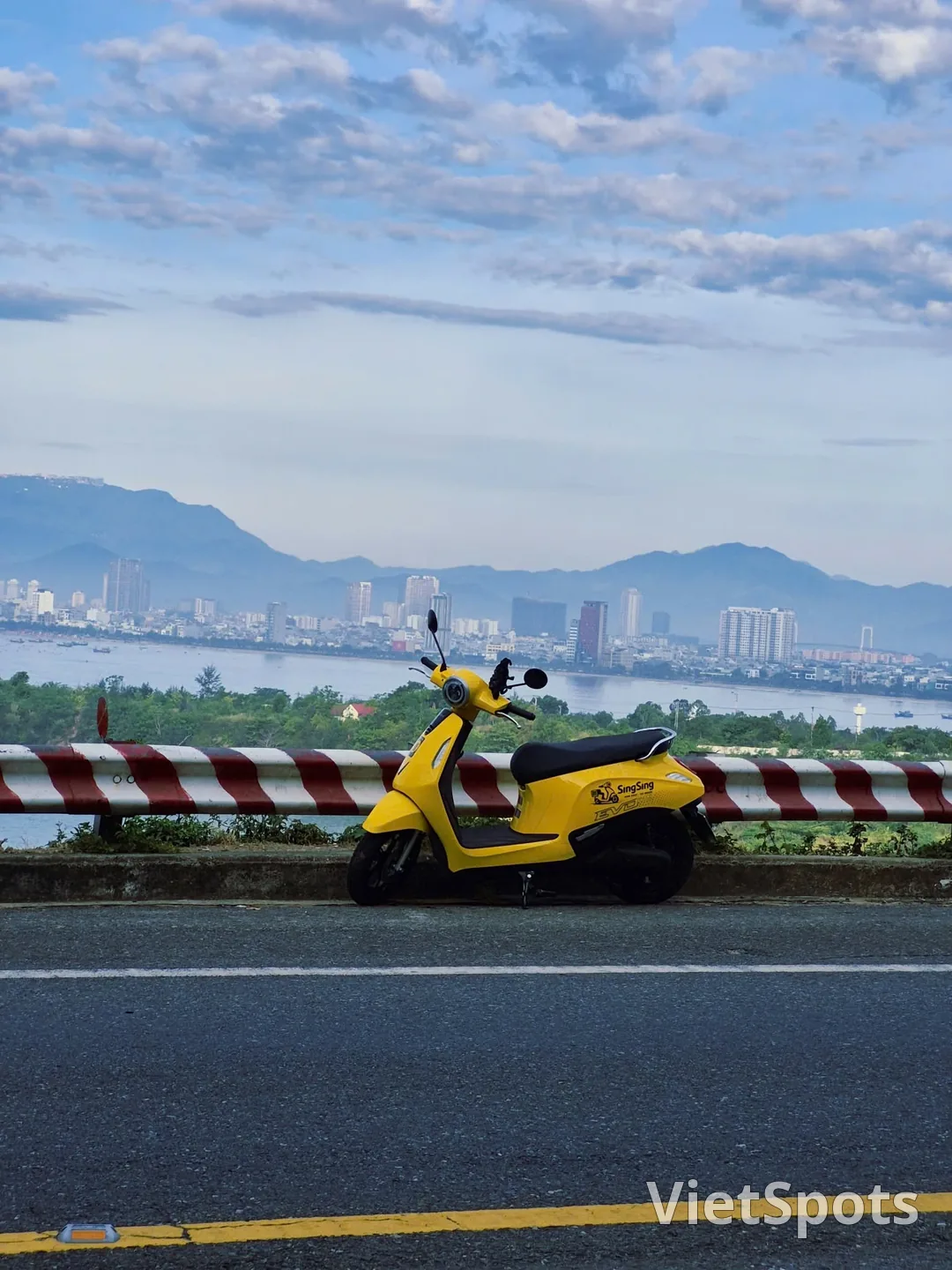

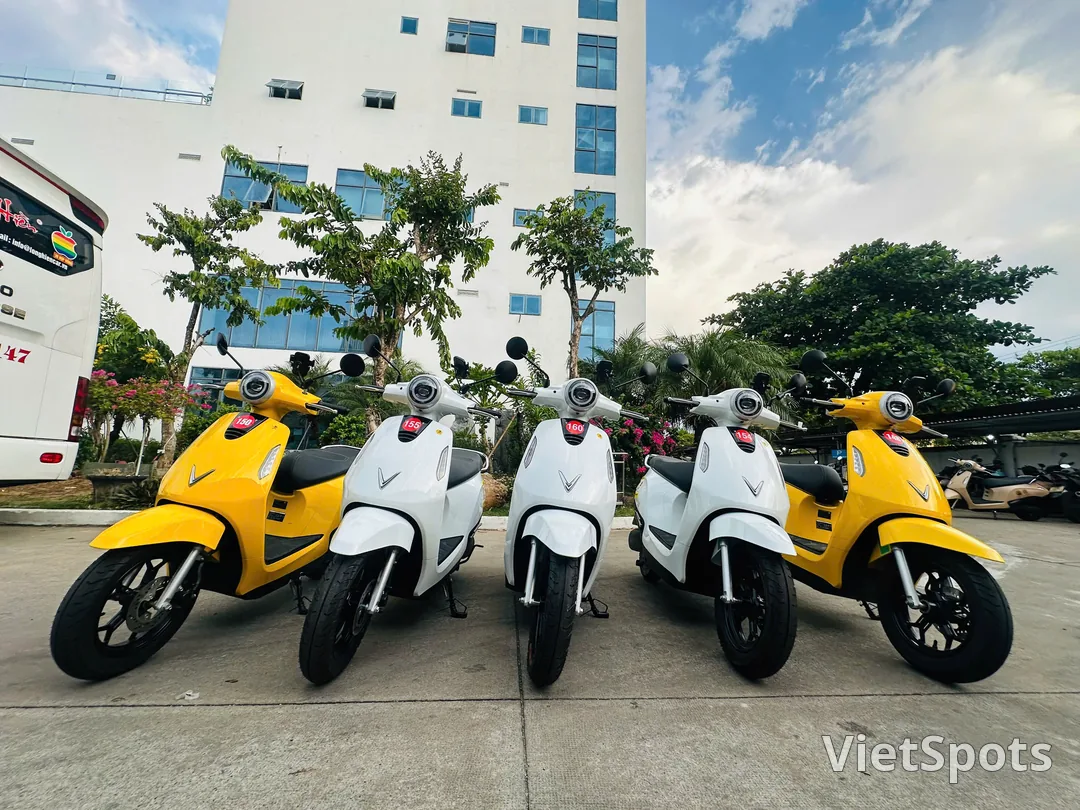

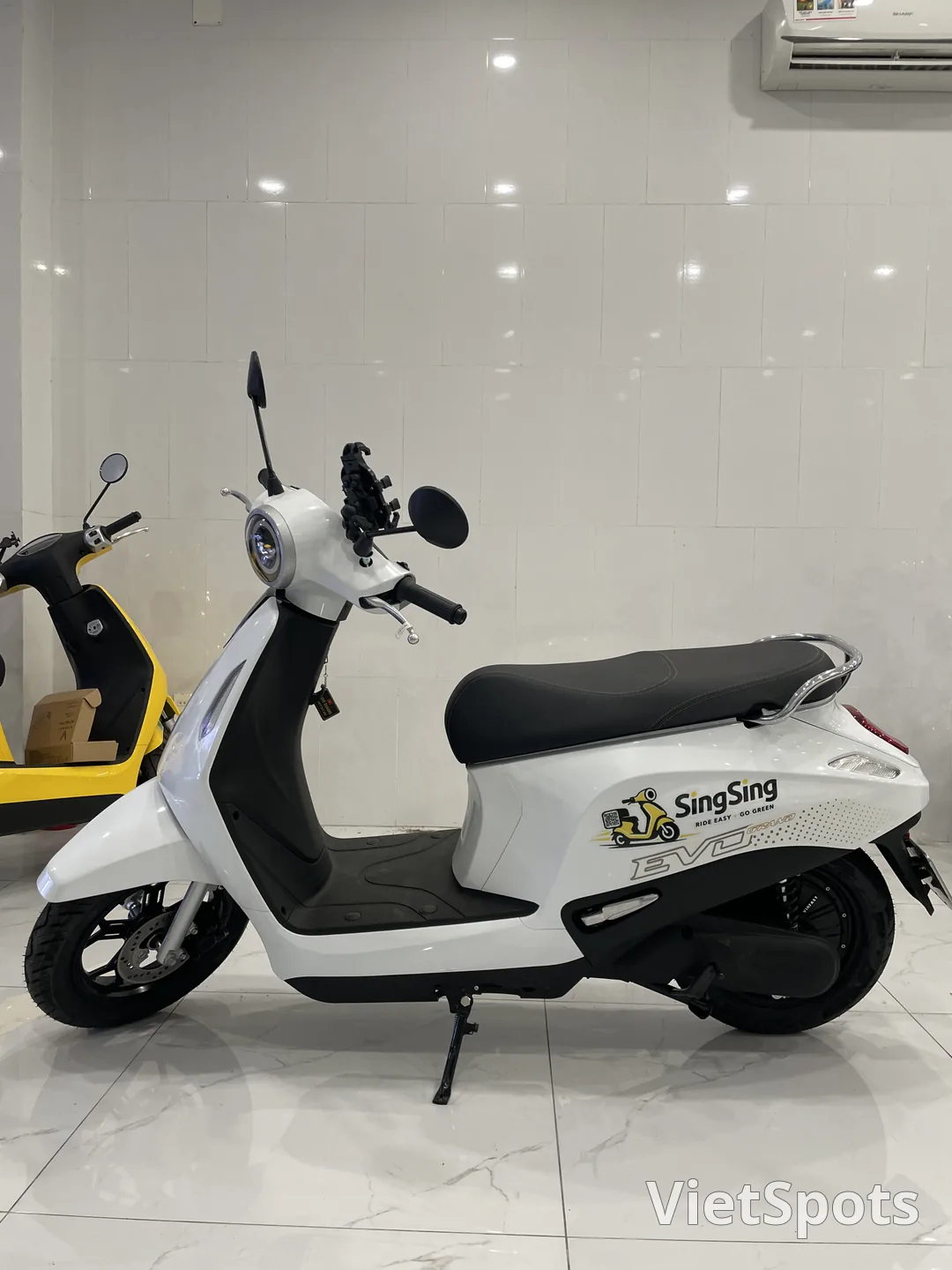
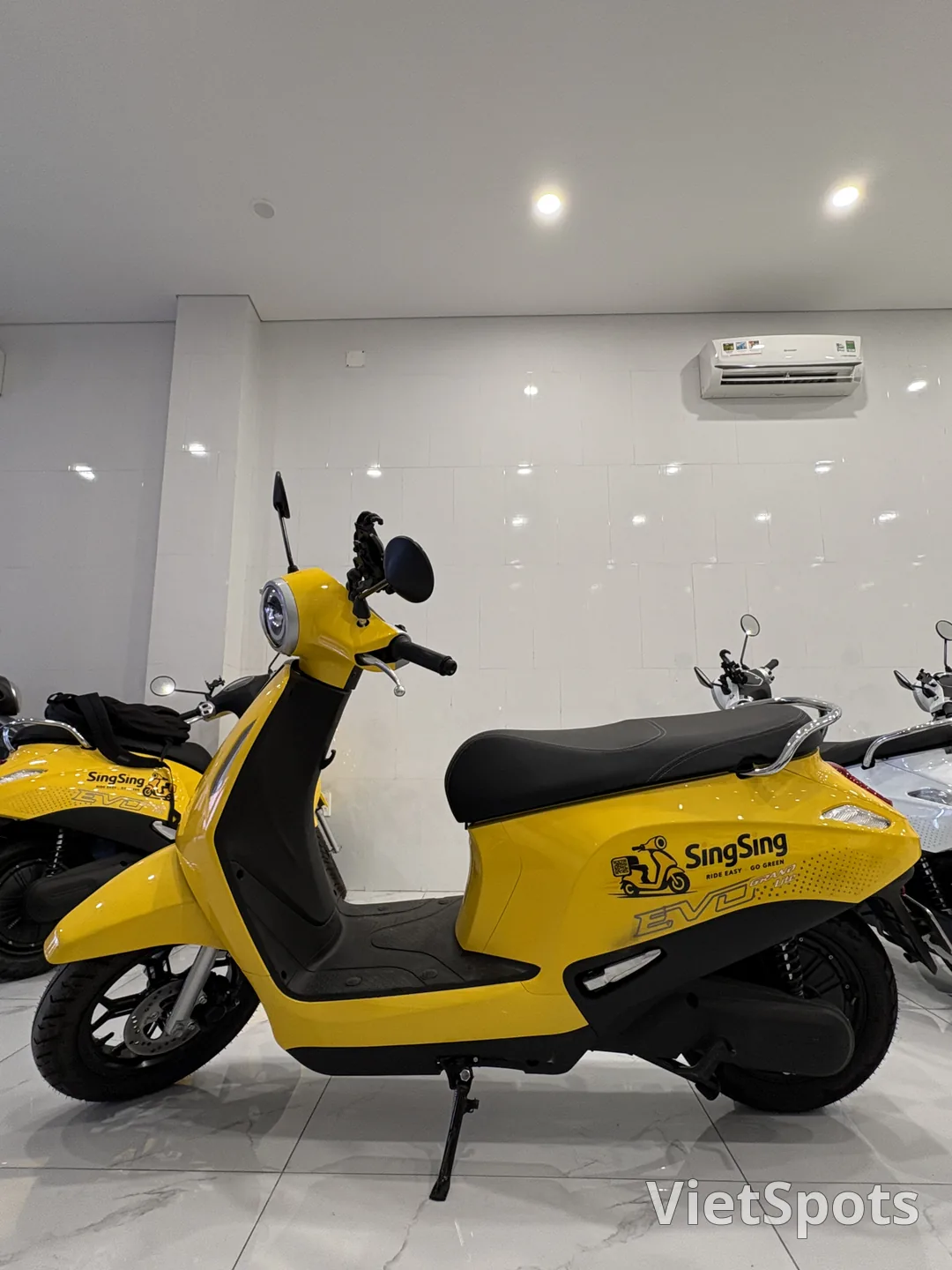
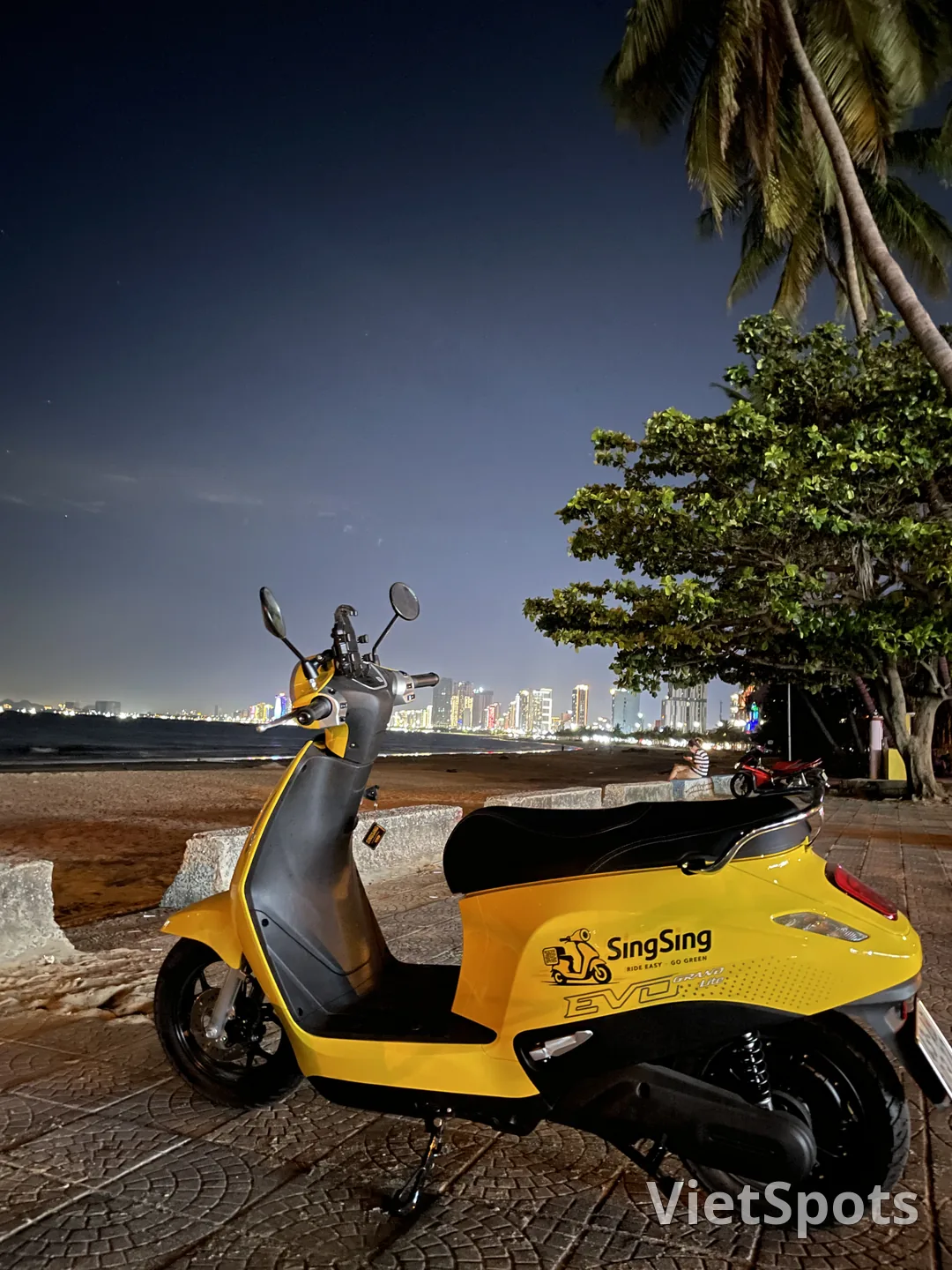
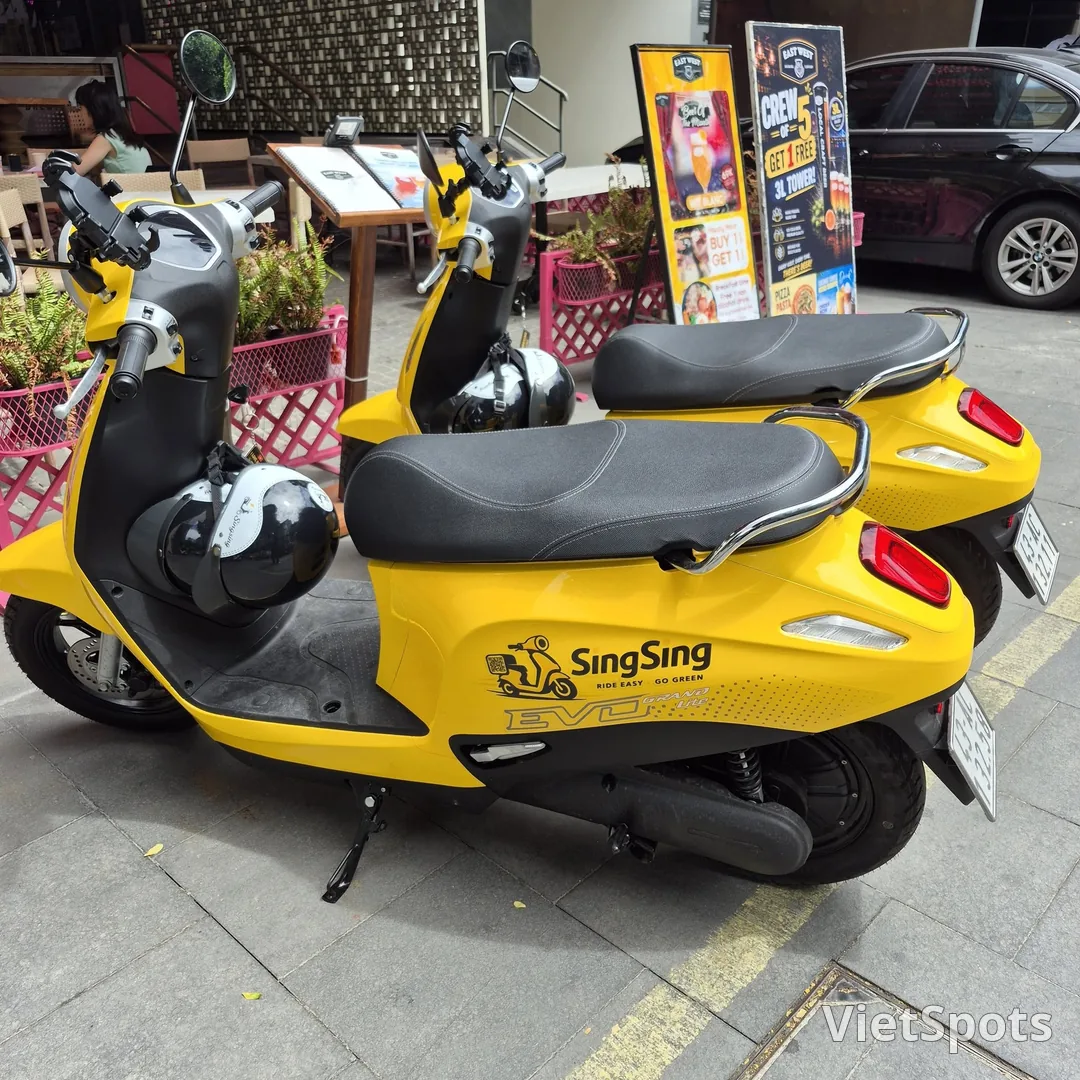




Riding an electric scooter to Hoi An isn't the same as riding a gas-powered one. With a gas scooter, you plan based on distance. With an electric car, you plan around the battery — and once you plan around the battery, charging time naturally turns into time you spend in Hoi An.
That's the beauty of traveling this way: you never sit around waiting for a charge. You plug in to charge, go out and explore, and by the time you come back, your vehicle is ready for the trip home.
The trip has five parts: rent a vehicle → ride 30 km along the coast → arrive in Hội An and plug in to charge → 4 hours in the Old Town → head back or stay the night.
1. Renting a bike: pick the right model, and remember the removable battery
Electric bike rental shops in Da Nang now almost all rent out the same two models — both are electric scooters, automatic, and seat 2 people. So your question isn't "where to rent" but "which model to get":
The more powerful model is the Vinfast Evo Grand — a top speed of 70 km/h and a manufacturer-stated range of about 134 km. The other model is the Vinfast Evo Grand Lite, with a top speed of 48 km/h.
🔋 The Lite's range depends on the battery configuration, and it varies quite a lot. The basic battery version offers about 70 km according to the manufacturer's specifications. But many rental bikes have been upgraded to a combined 2.4 kWh battery — the user manual of an electric bike rental shop in Da Nang clearly states that this configuration can travel about 90–100 km. Those two numbers lead to two very different trips, so this is a question you should ask when picking up the vehicle, not something to guess from the model name.
Put it next to a round trip between Da Nang and Hoi An, about 60 km: for the Evo Grand, 60 km is less than half of its claimed range — easy. With the Lite, if it has the combined 2.4 kWh battery (90–100 km), then 60 km is still within range; but if it has the basic battery (~70 km), that's cutting it close, and you should consider plugging in to charge in Hoi An or staying overnight. Ask the store which category your vehicle falls into.
About driver's licenses: the Evo Grand Lite (48 km/h) belongs to the group of vehicles that do not require a driver's license, while the Evo Grand (70 km/h) does. If you don't have a driving licence that's valid in Vietnam, let the shop know so you can get the Lite.
There are far fewer bikes available in the long-distance models — so it's best to book early
This is where a lot of people's plans fall apart: you read the article, pick the Evo Grand for its dependable battery, and then only find out when you get there that the place doesn't have it.
There are currently 5 rental shops on vietspots, all in Da Nang, and 135 of the 159 vehicles are electric. However, the vehicles are very unevenly split between the two models: the Evo Grand Lite has 122 units, while the Evo Grand has only 13.
- Đu Đu Bike — 101 scooters, all of them Evo Grand Lite.
- Sing Sing - Electric Scooter Rental Da Nang — 31 scooters, with both models available (10 of them are Evo Grand).
- Bao Tin Travel (3 branches: Vo Nguyen Giap · Nguyen Van Thoai · 179/2 Nguyen Van Thoai) — each branch has 1 Evo Grand.
That means 10 of the 13 Evo Grand units are in the same place. So if you need a long-range model — or you're planning a same-day round trip and don't want to depend on a charging window — book early, and don't assume one will be available when you show up. One more thing to note: the store with the most bikes only has the Lite, so having lots of bikes doesn't mean they have the model you need.
But if only Lite is left, you can still go — it's just that item 3 becomes a mandatory part of the trip, or you stay overnight.
Six things to get done before leaving the shop
1. Ask which battery configuration the vehicle uses and how many kilometers it can travel. This is the most important question of the whole trip — whether you have the standard battery or the combined 2.4 kWh battery determines whether you'll need to plan for charging in Hoi An.
2. Confirm the battery configuration on the vehicle. Usually it's one built-in battery + one removable battery included — the removable battery serves both as a spare you can carry with you and as the one you take out to charge when you arrive in Hoi An.
3. Ask the shop whether they offer battery swaps — free or paid, and what their opening hours are.
4. Open it up and check whether the batteries are fully charged. Don't accept the vehicle without checking.
5. Ask for helmets to come with the bike — and make sure you get 2 helmets if two people are riding. Helmets are something the shop provides along with the bike, not something you have to arrange yourself; remember to fasten the chin strap, and the same goes for whoever rides on the back.
6. Save the shop's phone number in your phone, ask right away "who should I call if the battery dies halfway?", and ask for a charger if you plan to stay overnight in Hoi An.
Multi-day package prices (depending on the bike): most are 3 days 390,000₫ · 7 days 840,000₫ · 30 days 2,100,000₫; some bikes are 2 days 300,000₫ · 6 days 780,000₫. If you're staying several days, check the packages on the exact bike you choose — it's cheaper than renting day by day. The store collects a deposit on-site; please ask when booking.
When you select your pick-up and return dates on the booking screen, only stores with vehicles available for that date range will be shown. You can browse without logging in; you only need to log in when booking.
---
2. The route: 30 km along the coast, and your departure time makes or breaks the whole trip
Hoi An is about 30 km south of Da Nang, 45–60 minutes when the roads are clear.
There are two routes: the coastal road and the inland road. The inland route is an interprovincial highway with lots of trucks and coaches — not a pleasant place for an electric scooter. Ride along the coast instead. The road is wide, the sea stays on your left for almost the entire stretch, and this is why people choose to drive themselves instead of riding as a passenger.
Departure time — pick one of the two, don't pick something in between:
- Early morning (around 7–8 AM). It's cool, the roads are clear, and you'll reach Hoi An while the old town isn't crowded yet. If your store offers battery swapping, remember that the swap point usually opens at 8 AM — if you go too early you won't be able to swap yet, so plan your departure around that time. Plug in to charge, have lunch, stroll around the old quarter, then head back in the early afternoon — just right for the charging window.
- Mid-afternoon (from around 3 PM). You avoid the harsh sun, arrive in Hoi An when the weather has cooled down, and can stay until the lanterns light up. But if you choose this time, you should plan to stay overnight.
Around 11 a.m. to 2 p.m. is the time to avoid: direct sun on a 30 km stretch with no shade is an experience you'll remember for all the wrong reasons.
When you stop along the way, stop with purpose. The coastal stretch has plenty of spots to pull over and take in the sea view, along with cafés right at the roadside. But if you're running Lite, every stop adds more time — and the charging window in Hoi An has to wrap up before dark. Two short stops are reasonable; with five stops, the trip will feel rushed.
One thing specific to electric vehicles: a sea headwind drains the battery. If on the way back in the afternoon the vehicle feels heavier than it did on the way out, it's not just your imagination — check the battery.
---
3. Arriving in Hoi An: plug in to charge, then go explore — this is the best part
First of all: do you need a charger?
The answer depends on the store, and it splits the trip into two paths:
- The shop offers battery swaps → you swap for a fully charged battery before you head out, right here in Da Nang, and don't have to think about charging for the rest of the day. The user guide of an electric scooter rental shop in Da Nang puts it plainly: if you're heading to Hoi An with the battery below 80%, you should stop by and swap it first for peace of mind, and swap it whenever the battery drops below 15%; swaps there are free, with support available 08:00–20:00 every day. Important note: the battery swap station is in Da Nang, not Hoi An — so this is something to take care of before you set off, not something to leave for later.
- The store doesn't offer battery swaps → then this section is for you: head to Hoi An, plug in to charge, and your charging window becomes your time in the old town.
(Free battery replacement is one store's policy, not a general standard — so it's included in the list of questions in section 1.)
The old town restricts vehicles in the central area, so you should park on the outskirts and walk in. Take a photo of where you parked — the streets around the old town look surprisingly alike.
Then plug it in to charge (if you're on the second path). The simplest way: remove the detachable battery and take it with you (or bring it up to your room if you're staying overnight) and plug it into a regular power outlet — an electric scooter doesn't need a fast-charging station, just a socket. If the battery is built into the bike, you charge it right where it's parked, so if you're staying overnight, ask the hotel/homestay when booking: "Can I charge an electric motorbike battery here, and where can I charge it?
A full charge takes about 4–5 hours, not 20 minutes. And that is exactly the gift: you get a session in Hoi An, already scheduled for you by the car.
How to choose what to do with those 4 hours
This window has two constraints — and they rule out quite a few options for you:
▎ Whatever you choose should fit within about 4 hours, be within walking distance of the charging spot, and not depend on a fixed time that you can't control.
Luckily, Hoi An Ancient Town fits that mold perfectly: it's small and walkable, so 4 hours here means 4 hours actually in the old town, not 4 hours spent getting around.
Here's a suggested route; just adjust it to the time you arrive.
Spend the first half hour on the "chores": park your bike, remove the battery, plug it in to charge, and take a photo of where you parked. Once those three things are done, from here on it's all about having fun.
Then enjoy a meal of true Hội An dishes — cao lầu, chicken rice, white rose dumplings, bánh đập – stir-fried baby clams, and chè. Each dish already has its own post in the community, so just open them, pick one, and go; about an hour is just right.
After the meal is the best time to stroll through the Old Quarter, and this should be the longest part — about an hour and a half. The old houses, the Japanese Covered Bridge, a few craft workshops and small museums are only a few hundred meters apart, and the community has already written posts about each spot. Pick just two or three spots, don't try to see them all — you still have 30 km to ride back.
For the final hour, settle into a café and give your legs a real rest; a rooftop overlooking the Old Quarter is a classic choice that's still well worth it.
And don't leave picking up the battery until the last minute: come back a little earlier, install the battery, check the vehicle, and only then hit the road.
Things you shouldn't cram into this window
Good to know ahead of time so you don't have to rush, or so you can save it for another day:
- Mỹ Sơn — beyond walking distance, and it's a half-day outing all on its own.
- An Bang / Cua Dai Beach, the pottery village, the coconut village — you need a vehicle to get there, but your car is currently charging.
- Cooking classes — usually long, with fixed schedules, and many places even offer pickup right at your door.
- Evening show — fixed showtime, and once it's over you'll have to drive 30 km through the night.
All four of the above are worth going to. It's just that they belong to a different trip, or to the next day if you stay overnight.
---
4. Head back or stay overnight
Hoi An's lanterns light up when darkness falls, and that's when the old town is at its most beautiful — the community has already shared plenty of posts about the old town at night. But if you're on an electric scooter, it comes with a real decision to make:
- Stay to see the lanterns and then head back → you'll be riding 30 km at night on poorly lit roads. Only choose this option if your battery is definitely sufficient and you already know the route well.
- Head back before dark → safer, but you miss the best part.
- Stay overnight in Hoi An → get the best of both: see the lanterns, charge overnight, and head back tomorrow morning with a full battery. With Lite, this is pretty much the default option. And honestly, it's also the nicer option: Hoi An in the evening and Hoi An in the early morning are two different cities.
A milestone worth remembering: turn back at 50% battery, not 30%. This route is symmetrical — 30 km out, 30 km back. If you reach Hoi An with less than half your battery left, don't ride around any further before heading back; plug in to charge, or attach the spare battery pack.
If the battery runs low on the way: attach the spare battery pack — that's exactly why it's there. If it's still not enough, call the shop — the number you saved in section 1. Stop somewhere with people and electricity — a café or a convenience store along the main road — not on a deserted stretch.
One sentence for anyone checking the map: Hoi An has quite a few EV charging stations, but those are chargers for cars; your electric scooter only needs a regular power outlet (list of stations: https://evmap.io.vn/tram-sac/hoi-an, accessed 29/10/2026). And don't be surprised when the address says "P. Hoi An Tay, Da Nang" — after the merger, Hoi An is now part of Da Nang city.
---
5. What to bring
(You don't need to bring a helmet — just ask the shop to include one with the bike, see section 1.)
- A raincoat, if you're traveling between September and December. Heavy rain this time of year can stretch the 45–60 minute ride to 90 minutes or more, and on a two-wheeler there's no roof to shelter you or your luggage.
- Glasses — for the sun and dust along 30 km of coastal road.
- Water, plus sunscreen if you ride in the middle of the day.
- The charger, if you're staying overnight in Hoi An. Ask the shop to let you take it with you.
- Light, compact luggage. Your luggage must fit on your lap or between your legs — rolling suitcases aren't suitable for this leg of the trip.
And one last word: don't try to make it back the same day if your battery or the time won't allow it. A night in Hoi An costs far less than 30 km of riding in the dark on a nearly dead battery — and it's way more fun.
Book Travel in Da Nang — in English on VietSpots
- 🎁 Sign up and get 17 Welcome Pack coupons — e.g. Motorbike Rental 45%
- 👑 Member tier discount up to 15% on site (Silver 5% · Gold 15%)
- 🛂 Auto-fill arrival card📶 Compare lowest eSIM prices🚻 Find toilets
#Da Nang#Da Nang Travel#Tourist Attractions#Hoi An#Travel Guide#Electric Scooter#Experience
Comments