

Getting around Da Nang: taxi, shared van, or motorbike rental — choose based on your distance



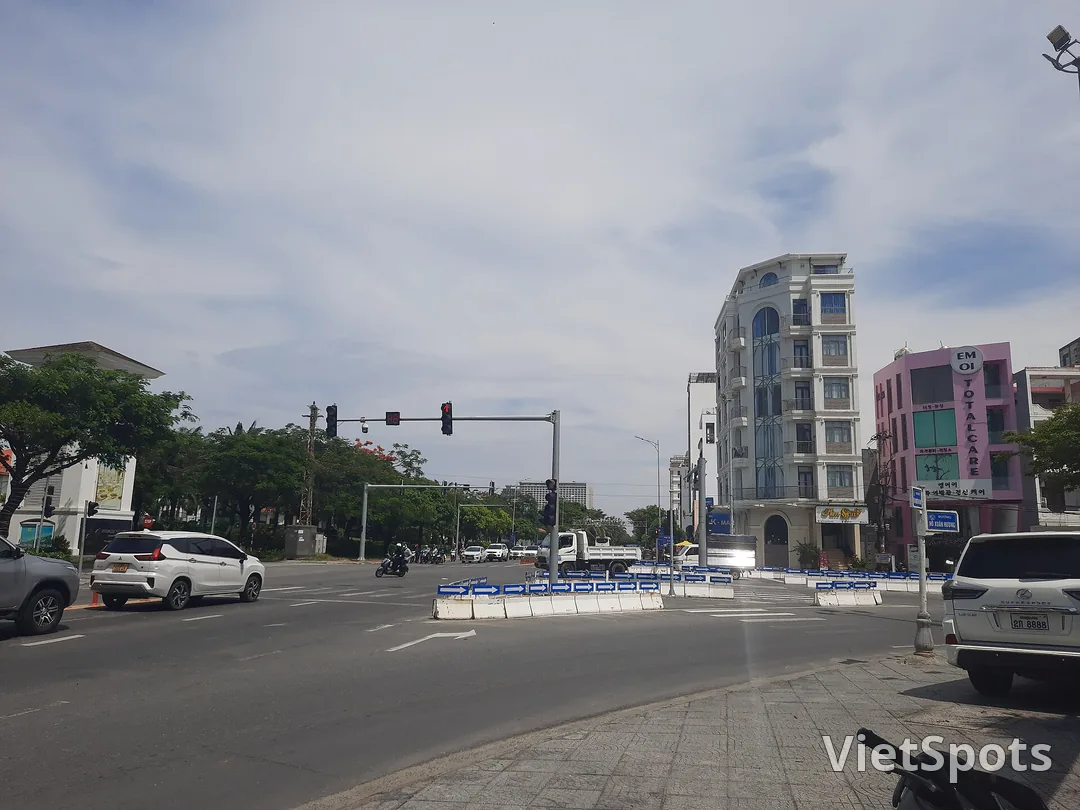
There's something that surprises many people on the very first day: traffic in Da Nang is much easier to handle than in Hanoi and Saigon. The roads are wide, rarely jammed, and there's still room to park. Anyone who has struggled with the traffic in those two cities will find it much lighter here.
Short answer: to get around within the city, use a ride-hailing app or a taxi; to go to Hoi An or Hue, take a shared van if there are only a few of you, or a private car with a driver if you want more flexibility; only rent a motorbike if you're already used to riding one.
1. Ride-hailing application
This is how most guests do it, and the main reason isn't the price but the fact that there's no haggling: the price is shown before you click to book, and you pay exactly that amount when the trip is done. There are both four-wheel cars and motorbikes available.
The only requirement is to have internet. If you don't have a SIM or eSIM yet, take care of that first, because without a network, you can't call a ride.
2. Traditional taxi
Still useful, especially when hailing right on the street or at the airport, bus/train station. Two principles worth keeping: choose a cab from a company with a clear brand, and ask them to turn on the meter instead of negotiating a verbal price. Verbal agreements are where trouble most easily arises.
3. Motorbike taxi
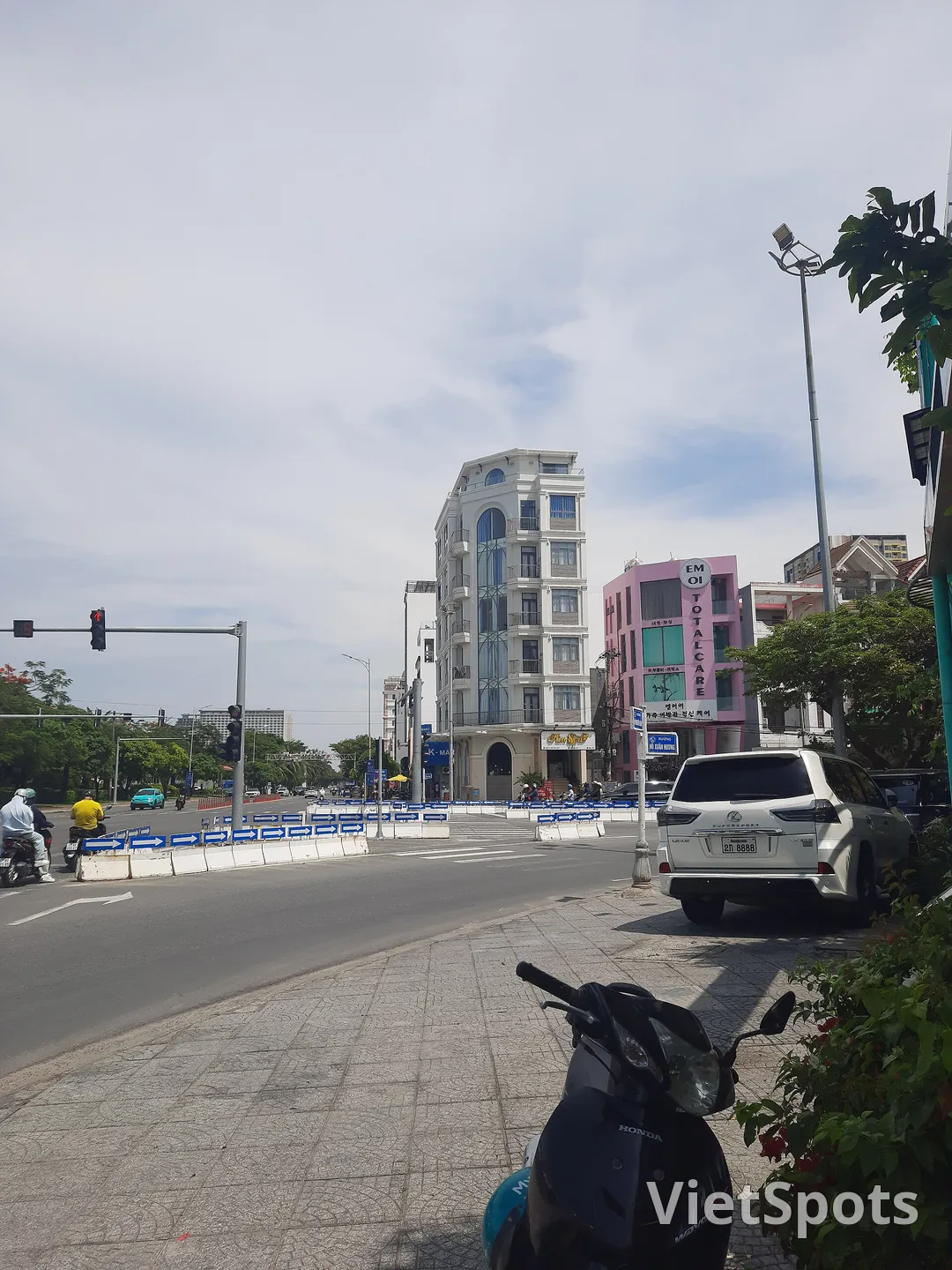
Fastest during peak hours and cheapest for short distances. Calling through the app is still better than hailing on the street, because the price is shown upfront and the route is recorded. Remember to wear a helmet — the driver always has a spare one for passengers.
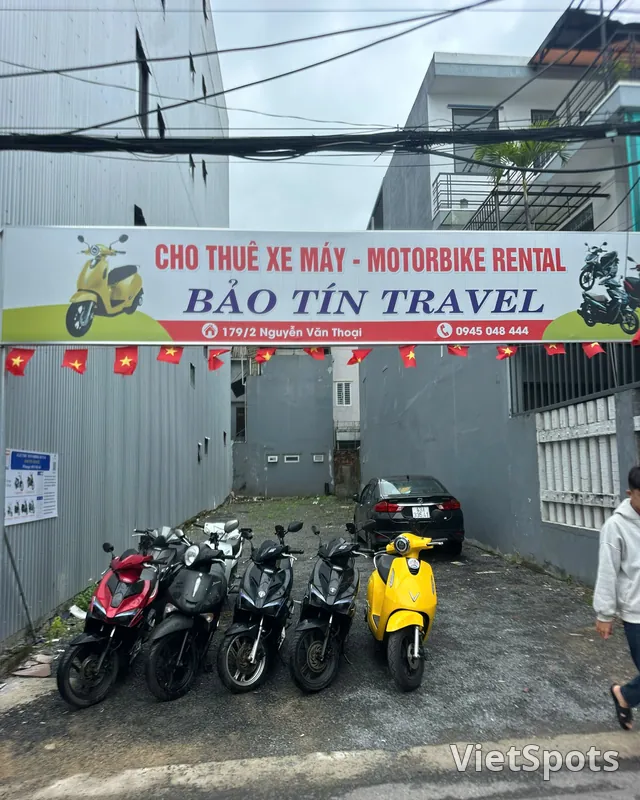
4. Motorbike rental
It's the cheapest and most free way, and the coastal road in Da Nang is really great for riding a motorbike. But there are a few things you really need to consider.
Documents: to legally ride a motorbike in Vietnam, you need a driver's license that is recognized here. The specific regulations change over time, so please check the official sources before renting instead of relying on word of mouth at cafés.
Season: it's currently the rainy season. Roads can be slippery, rain can come out of nowhere, and some mountain pass sections have falling rocks — details in the article about Da Nang's rainy season. As for the questions you should ask before signing a rental agreement, there's a separate article about renting a motorbike, and check out these rental places if you need one.
5. Go to Hoi An, Hue — a place with a completely different way of calculating (costs)
In the city, using an app is the most convenient. But when traveling between provinces, the whole calculation changes, and that's the part most people get wrong.
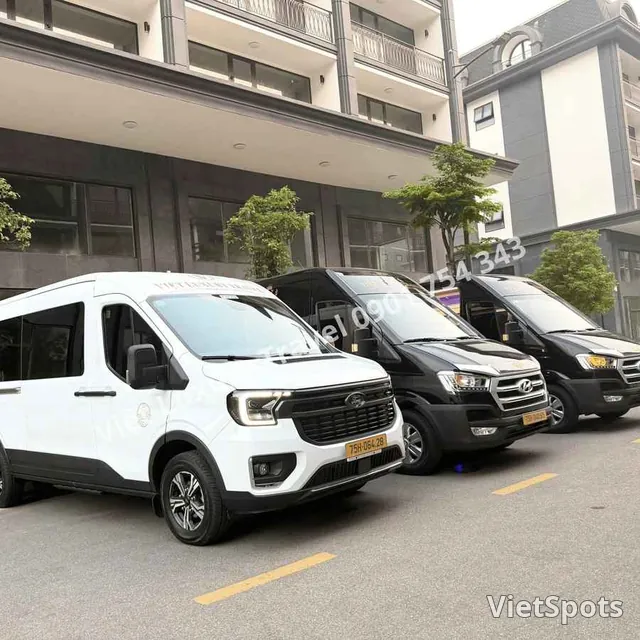
Xe ghép (carpooling/ride-sharing) means sharing seats on the same trip, running on a fixed route like Da Nang – Hoi An – Hue. It's cheap, and suitable for one or two people who aren't in a hurry.
A private car with a driver costs more, but in return you get something worth the money: being able to stop along the way. Going to Hue without stopping at Hai Van Pass or Lang Co would waste half the joy of the trip. The articulated truck runs straight, won't listen to that. See chauffeur services, and six questions you should ask before finalizing the price.
6. Some practical matters
When going to the airport, plan ahead, especially for early flights — I've written more about this in an article about 6 AM flights.
When traveling with young children, don't transport them by motorcycle, and remember that child safety seats aren't yet common so you need to ask in advance — detailed information is covered in the article about going to Da Nang with young children.
Crossing the street: walk steadily and slowly, don't stop suddenly in the middle of the road. Motorbikes here are used to avoiding pedestrians who are moving steadily; what confuses them is someone who suddenly freezes in place.
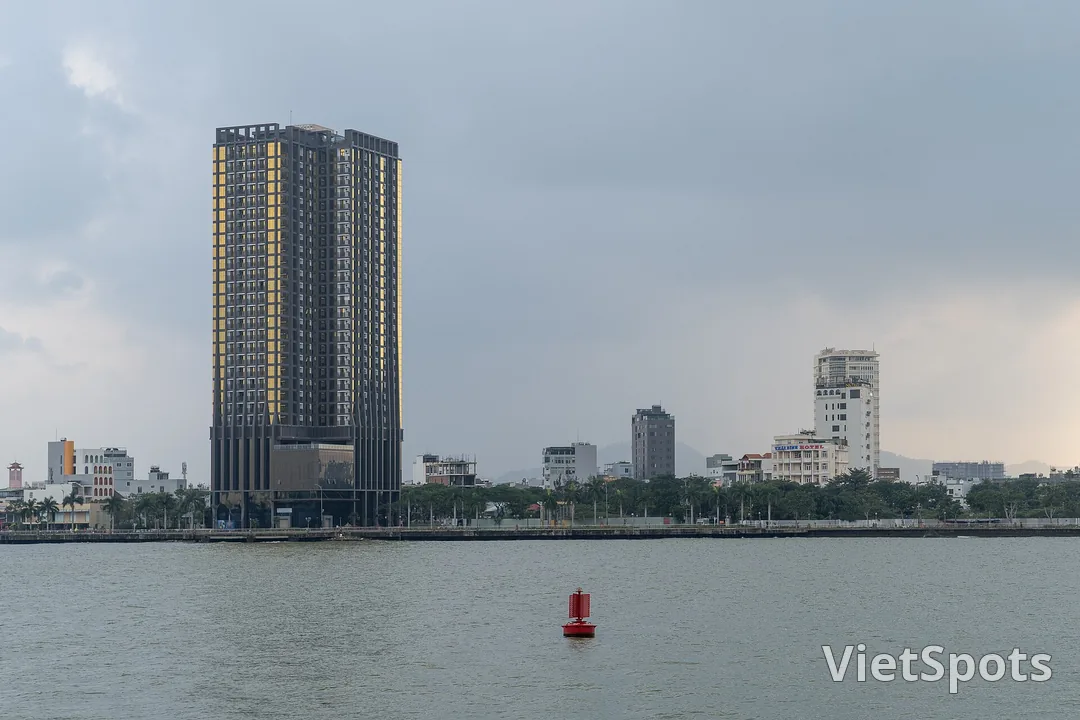
Which areas are crowded: the coastal road Vo Nguyen Giap is wide and easy to travel on. The central Hai Chau area around Han Market is more cramped, and both ends of Dragon Bridge often get congested on weekends.
In general, this is one of the few cities in Vietnam where newcomers can still manage without feeling overwhelmed. Just start by using ride-hailing apps for the first few days, get used to the roads, and only then think about driving yourself.
Photo: Le Huynh Bo (CC BY-SA 4.0), Alexkom000 (CC BY 4.0) — Wikimedia Commons
Book Travel in Da Nang — in English on vietSpots
- 🎁 Sign up and get 14 Welcome Pack coupons — e.g. Motorbike Rental 45%
- 👑 Member tier discount up to 15% on site (Silver 5% · Gold 15%)
- 🛂 Auto-fill arrival card📶 Compare lowest eSIM prices🚻 Find toilets


Comments