

When trekking through the forest in the rainy season and a stream blocks your way, how can you wade across it safely?



Hiking in the forest during the rainy season, sometimes the trail stops at the edge of a stream. The day before, you could still jump across, but today the water has risen, and it is rushing and muddy. Whether to wade across or turn back is the most important decision of the whole trip.
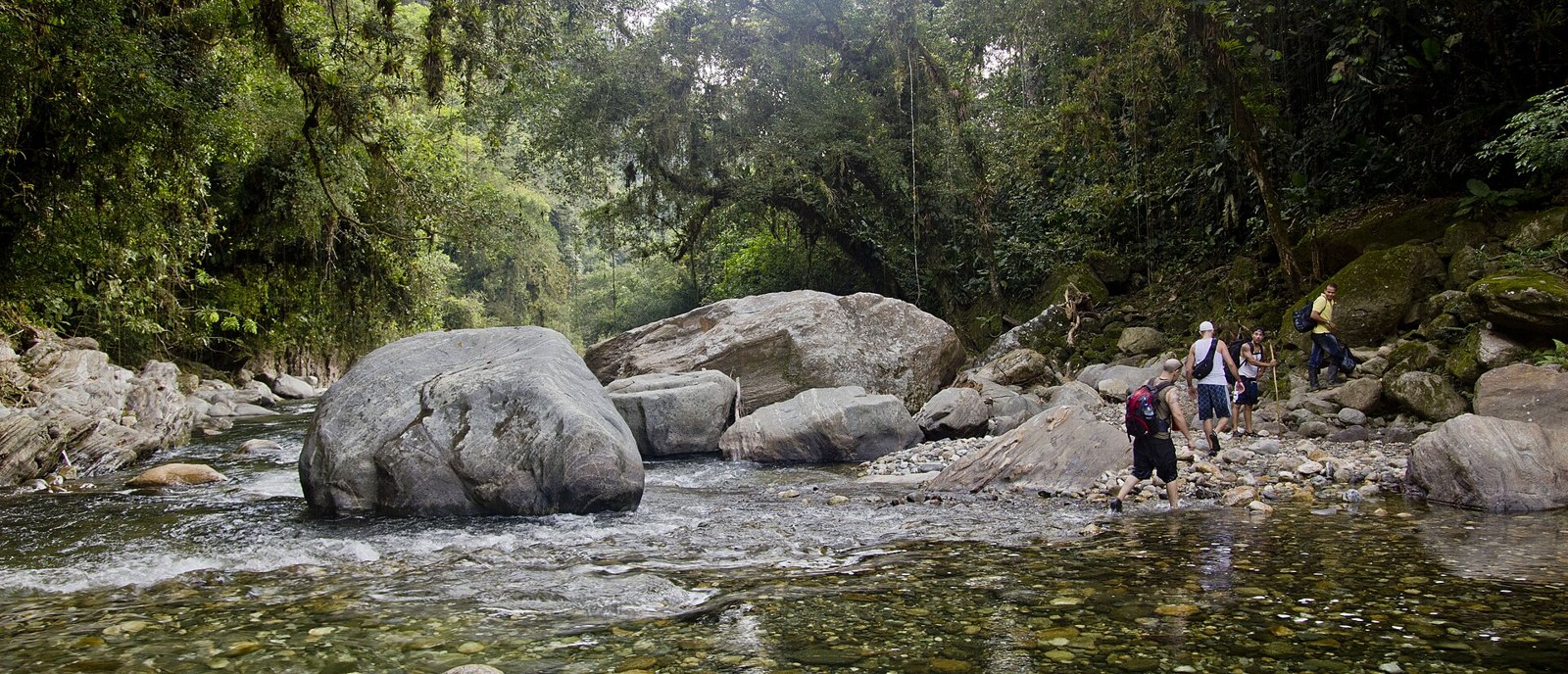
Water at knee level is already the limit
According to the guidelines of the U.S. National Park Service, you should avoid wading through water that is deeper than knee level. The stronger the current, the shallower the crossing point must be. If the water is flowing faster than walking speed, you should find another spot, or not cross at all.
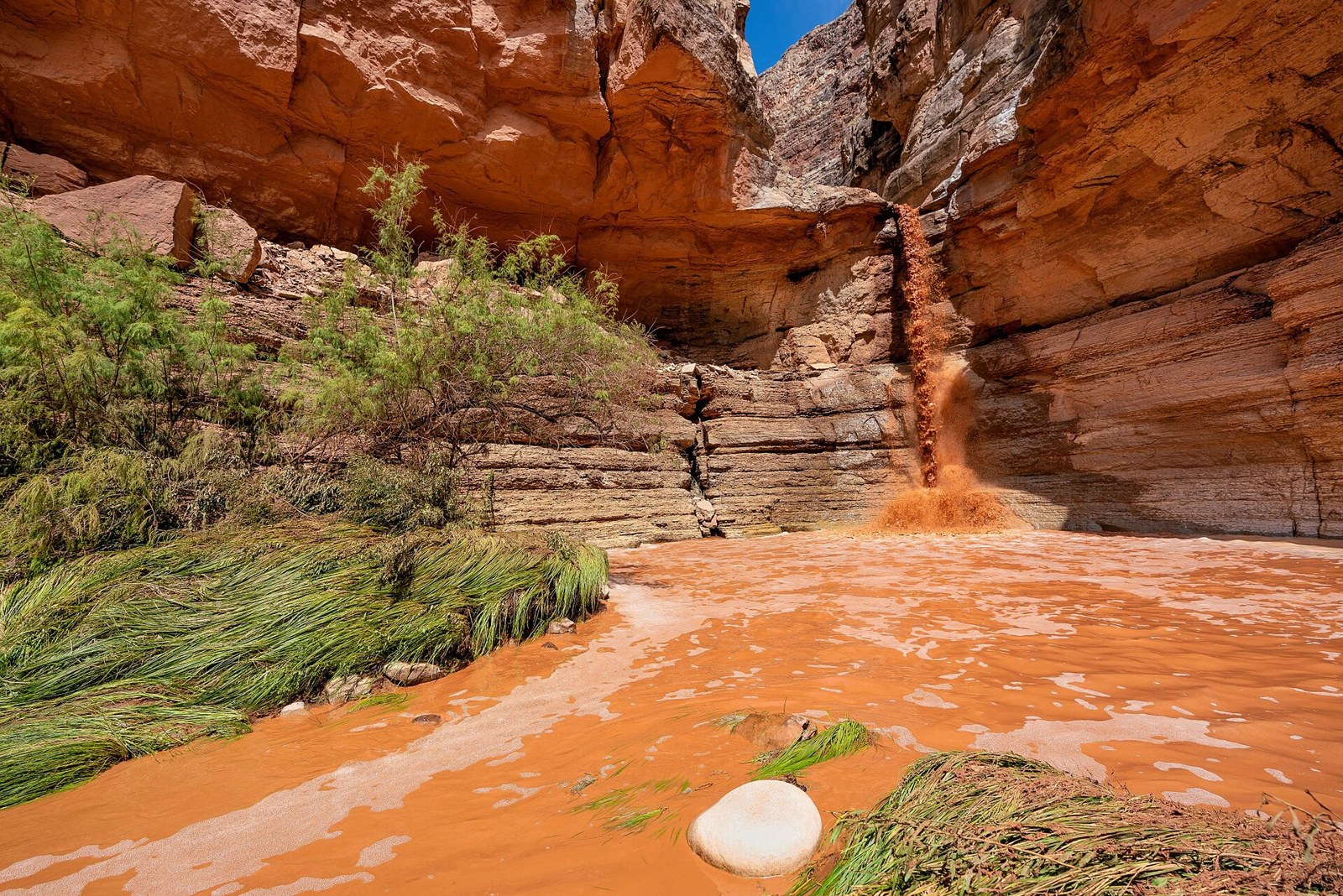
Heavy rain can make a stream surge in just a short time, even when it isn't raining much where you are standing, because water is flowing down from upstream. If you hear rocks rumbling and knocking along the streambed, the current is already too strong to wade across.
Choose a wading spot
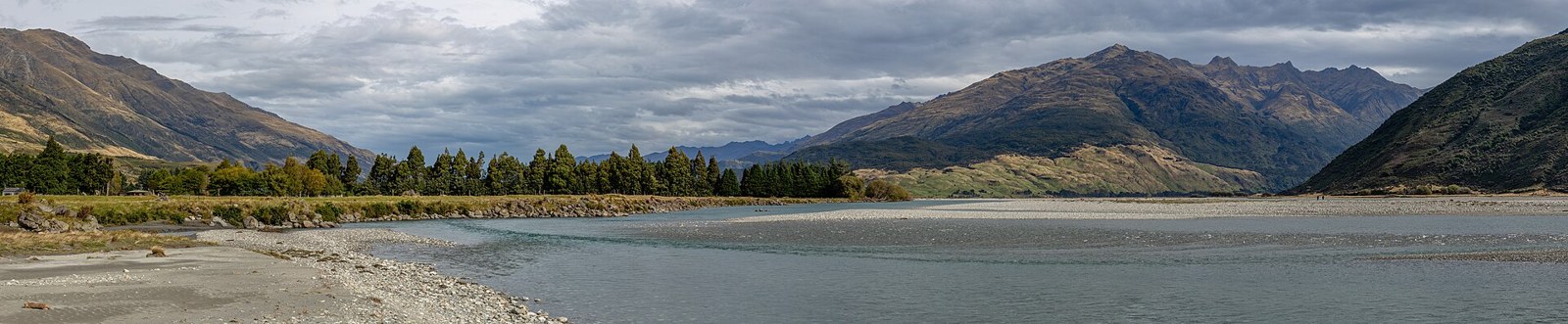
A wide stretch of stream where the water splits into several small channels is usually the shallowest spot. Bends should be avoided, because the outer bank of a bend is usually deep and has a strong current. Before getting into the water, look downstream. If there is a waterfall, rapids, or a fallen tree blocking the way right below, find another spot.
While underwater
Keep your shoes on the whole time. Bare feet slip easily on rocks and are easily cut.
When the water is deep or fast-flowing, unbuckle your backpack's hip belt and chest strap. If you fall, a waterlogged backpack can drag you under or flip you face-down in the water. With the buckles already undone, you can take the backpack off right away.
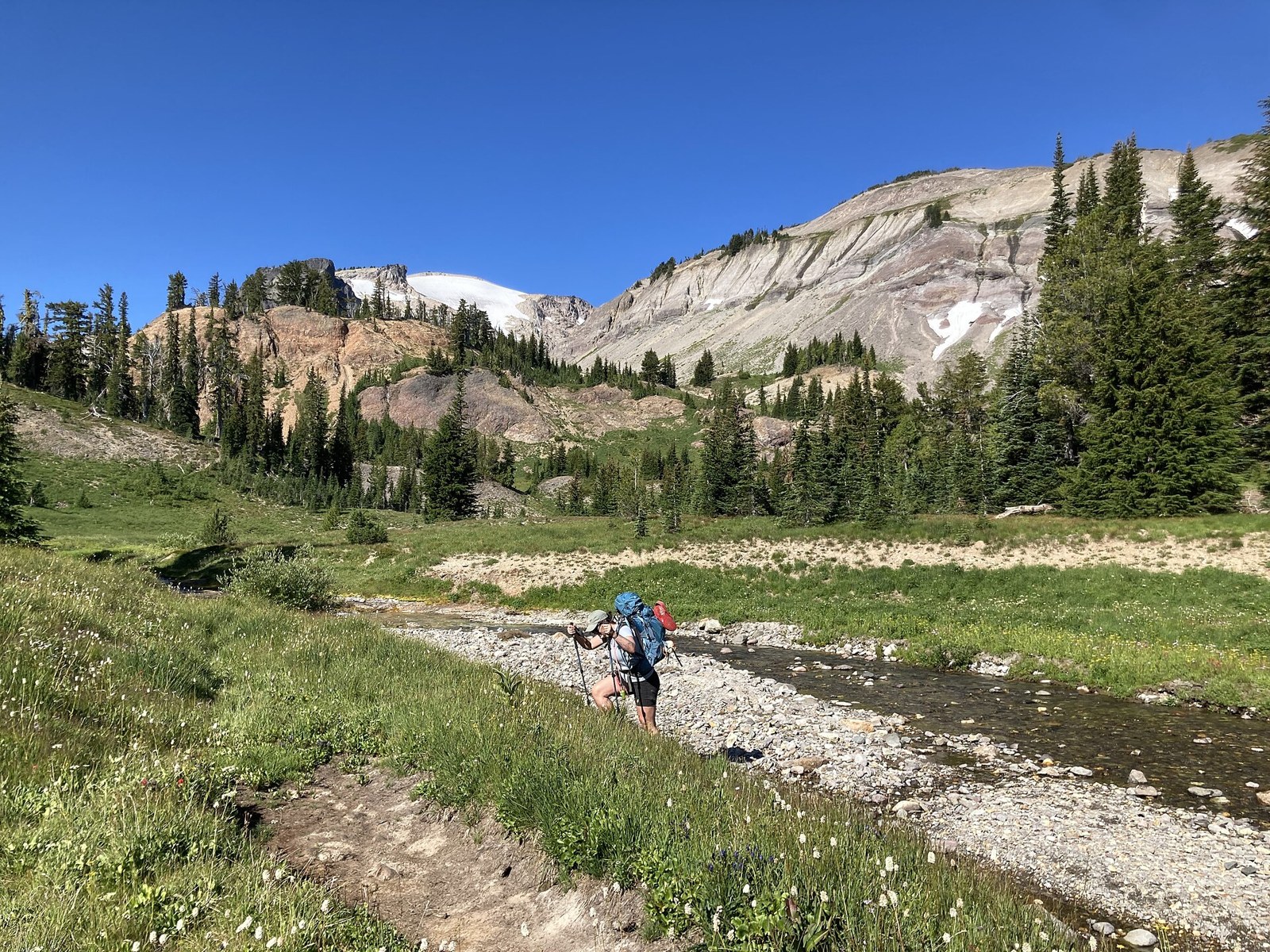
Stand facing upstream and sidestep. Lift only one foot at a time, sliding your foot along the bottom to feel for a place to set it down. A hiking pole or a sturdy branch, planted on the upstream side, will serve as a third point of support along with your two feet.
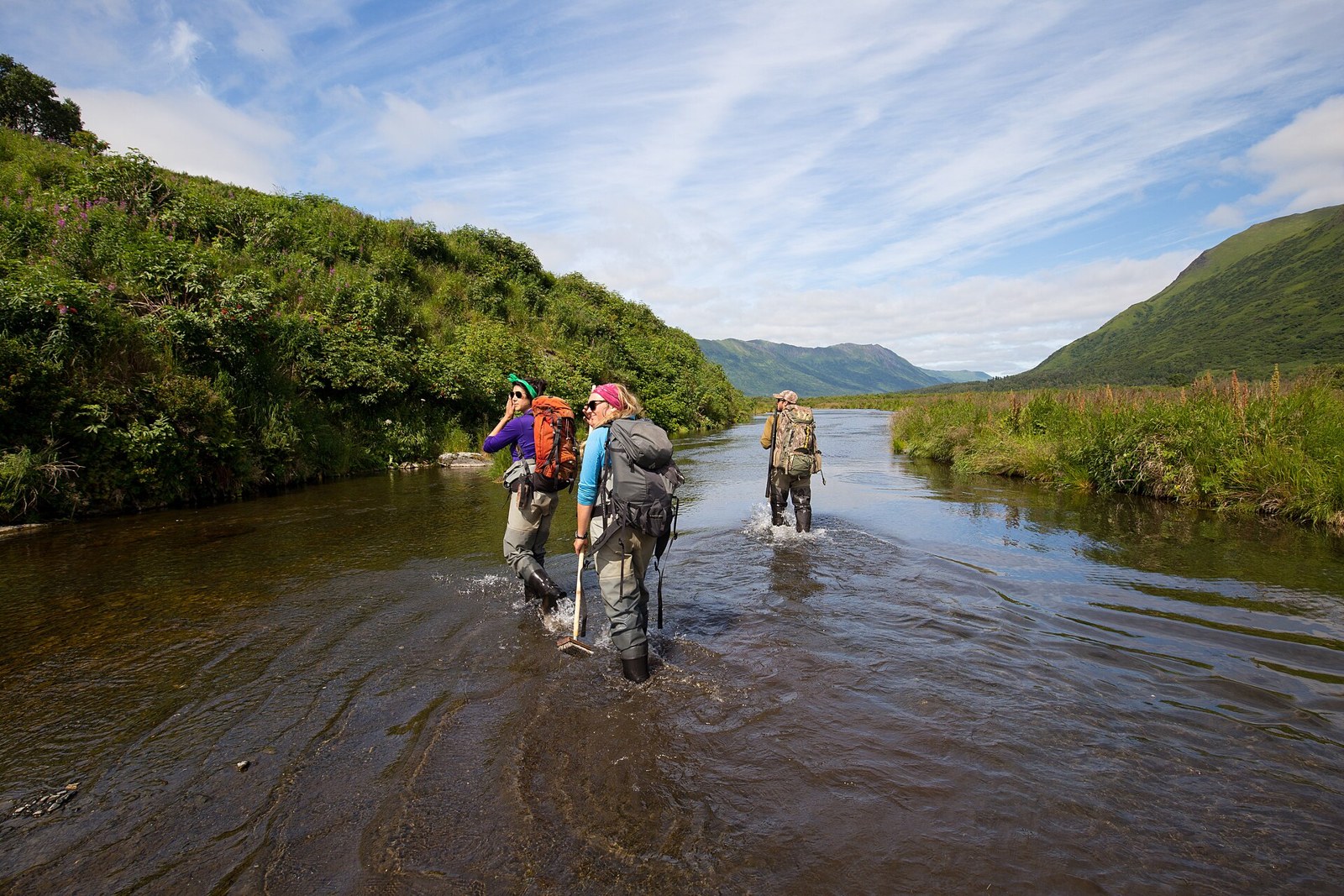
When moving as a group, you should link arms or hold on to the backpack of the person next to you, then step sideways together. The strongest and steadiest person should stand on the upstream side.
Wait, or come back
Water that rises after rain is usually only temporary. So when trekking in the forest this season, you should allow extra time so you can sit and wait for the water to recede if needed. If the group isn't sure that everyone can cross safely, don't wade through. Turning back is not a failure.
Anyone choosing trails around Da Nang can read more: Đà Nẵng có rừng để đi bộ, nhưng không phải lối mòn nào cũng nên bước vào.
Photos: William Neuheisel, Michal Klajban, Mattsjc, USFWS Alaska, Grand Canyon National Park — Wikimedia Commons.
Book Travel in Da Nang — in English on VietSpots
- 🎁 Sign up and get 20 Welcome Pack coupons — e.g. Motorbike Rental 45%
- 👑 Member tier discount up to 15% on site (Silver 5% · Gold 15%)
- 🛂 Auto-fill arrival card📶 Compare lowest eSIM prices🚻 Find toilets
Comments