

eSIM for Vietnam: it doesn't give you a phone number, and "unlimited" means something different for every carrier



eSIM is now almost the default when traveling to Vietnam: no need to line up at the airport counter, no need to pry open the SIM tray, no fear of dropping your original SIM card on the floor.
But when browsing through 100 eSIM packages being sold on the Vietnamese market on VietSpots' comparison page, there are two things that repeat in nearly every package that the price table doesn't mention at all. And both of them can ruin your trip.
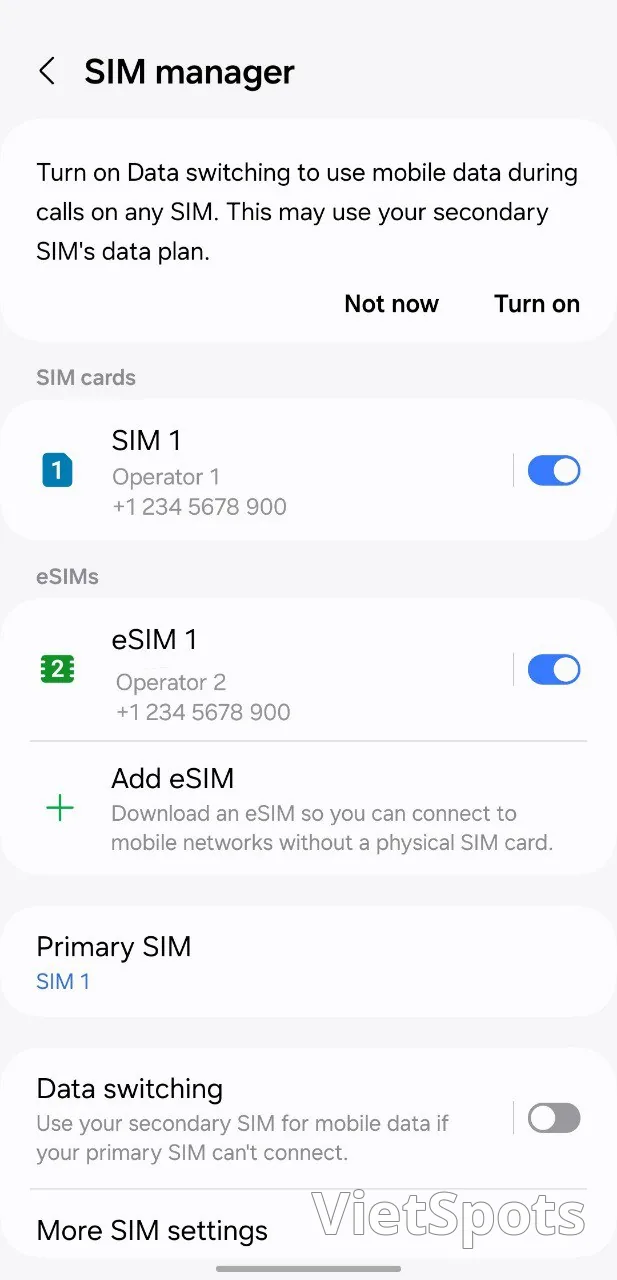
1. No carrier gives you a Vietnamese phone number
This is the most important point in the whole article. Among all 100 plans, not a single one includes calls or texts. They are all data-only plans — you're buying internet, not a phone number.
Practical consequences:
• Not receiving OTP messages from banks, e-wallets, or Vietnamese applications • Hotels, restaurants, drivers can't call you directly — they only have your home country number, which isn't working here • But Grab, Zalo, WhatsApp still work normally, because they call and message through data. The driver can still reach you through the app• Anyone who absolutely needs a Vietnamese phone number — to open an account, receive an OTP — must buy a physical SIM card registered under their own name. A travel eSIM can't replace that
Most tourists don't need a real Vietnamese phone number. But if you're in the group that does, it's better to know in advance than to find out while standing at the airport.
2. The "unlimited" offer varies by more than tenfold between carriers
Out of 100 plans, 33 are labeled as unlimited. They sound the same, but once you read the fine print, you realize they're not the same at all.
Every plan has a high speed threshold each day. Use up that threshold and you still have network — "unlimited" is what they call it — but the speed gets reduced. And where the decision lies is how much it gets reduced to:
• There's a plan that drops to 5 Mbps — you can still watch videos, use it almost normally• There's a plan that drops to 1 Mbps — maps and messaging are fine, but video is a no-go• There's a plan that drops to 384 kbps — even opening maps is sluggish
Both carry the same two words "unlimited," yet the gap between the best and the worst is more than tenfold. If you choose an unlimited plan, reading the fine print on the speed after the threshold is the most worthwhile thing you'll do in the five minutes it takes to pick a plan.
3. Bundle package or daily package
There are two completely different ways of calculating, and most of the packages on the market use the first type.
The plan gives you one lump sum of data to use for the whole period. It's flexible, but if you watch a lot of videos in the first three days, you'll use it all up, and you'll be left with nothing for the remaining four days.
The daily package resets every morning. It never runs out between trips — but no matter how much you might need on any given day, you cannot borrow from tomorrow's portion.
If you're going short distances and know what you use, choose the total package. If you're going long distances, or traveling with someone who watches videos, a daily package is safer.
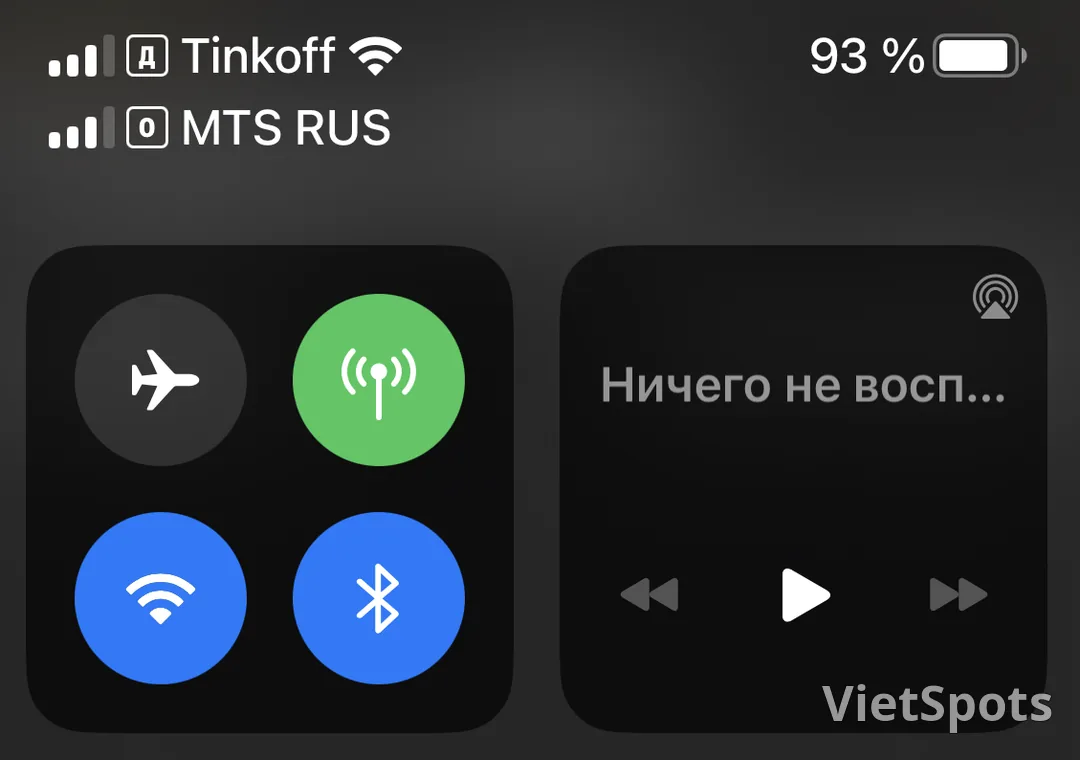
4. 4G or 5G
Only a small fraction of the plans have 5G, and honestly: for using maps, booking rides, texting, and social media, 4G in Vietnam is more than enough. Paying extra for 5G is only worth it if you're really doing heavy downloads or live streaming.
5. Hotspot — good news
All 100 packages allow hotspot sharing. That means if you're traveling with two people, buying one large-capacity package and splitting it is usually cheaper than buying two small ones. Just remember one thing: using hotspot drains the battery very fast, so bring a portable charger.
6. Most important tip: scan the code while you still have wifi
All 100 packages are activated via QR code. And this is exactly where many people trap themselves in a vicious cycle: you land at the airport, you don't have internet yet, you open the QR code to scan it — but installing the eSIM actually requires internet.
It's better to do the opposite: install it before flying, while you still have wifi at home. Once installed, the eSIM sits ready in the phone in an inactive state; when you arrive, you just need to turn it on. Many plans even let you choose the start date for the validity period, so installing early won't cost you any days.
7. Coverage — only matters if you leave the city
In the city, any package works fine. But if your itinerary includes Hai Van Pass, Son Tra Peninsula, Ba Na, or Cu Lao Cham Island, you should carefully check the coverage notes section — signal strength in those areas varies depending on the provider, and not every package clearly specifies this.
I talked about getting around between these places, and why having mobile data matters so much when booking a ride, in my post about getting around in Da Nang. And this season it rains a lot, and when it rains you have to rely on ride-hailing apps even more — details here.
8. Check the machine first
Most new-generation phones support eSIM, but if the device is network-locked, you won't be able to install an eSIM from another carrier. Check this before you pay, because finding out after you've already bought it puts you in a tough spot.
In summary
Choosing an eSIM isn't hard, it's just that people often look in the wrong place. The price and the number of GB are the things that catch your eye first, but what actually decides your trip is: whether you need a Vietnamese phone number, and if you pick an unlimited plan, how much speed you have left after the threshold.
Prices and data allowances for each plan change constantly, so I won't list them here — check the comparison table for the latest numbers.
Photo: Sinafe (CC BY-SA 4.0), Kramiks (public domain) — Wikimedia Commons
Book Travel in Da Nang — in English on VietSpots
- 🎁 Sign up and get 15 Welcome Pack coupons — e.g. Motorbike Rental 45%
- 👑 Member tier discount up to 15% on site (Silver 5% · Gold 15%)
- 🛂 Auto-fill arrival card📶 Compare lowest eSIM prices🚻 Find toilets
Comments