

Bought seafood at Han market and asked someone to cook it — how can I make sure it turns out right?



A quite common way to enjoy seafood in Da Nang is to go to the market or a seafood restaurant, select a live creature of your choice, have it weighed on the spot, and then ask them to cook it immediately the way you like. You pay for the seafood based on its weight, plus an additional cooking preparation fee.
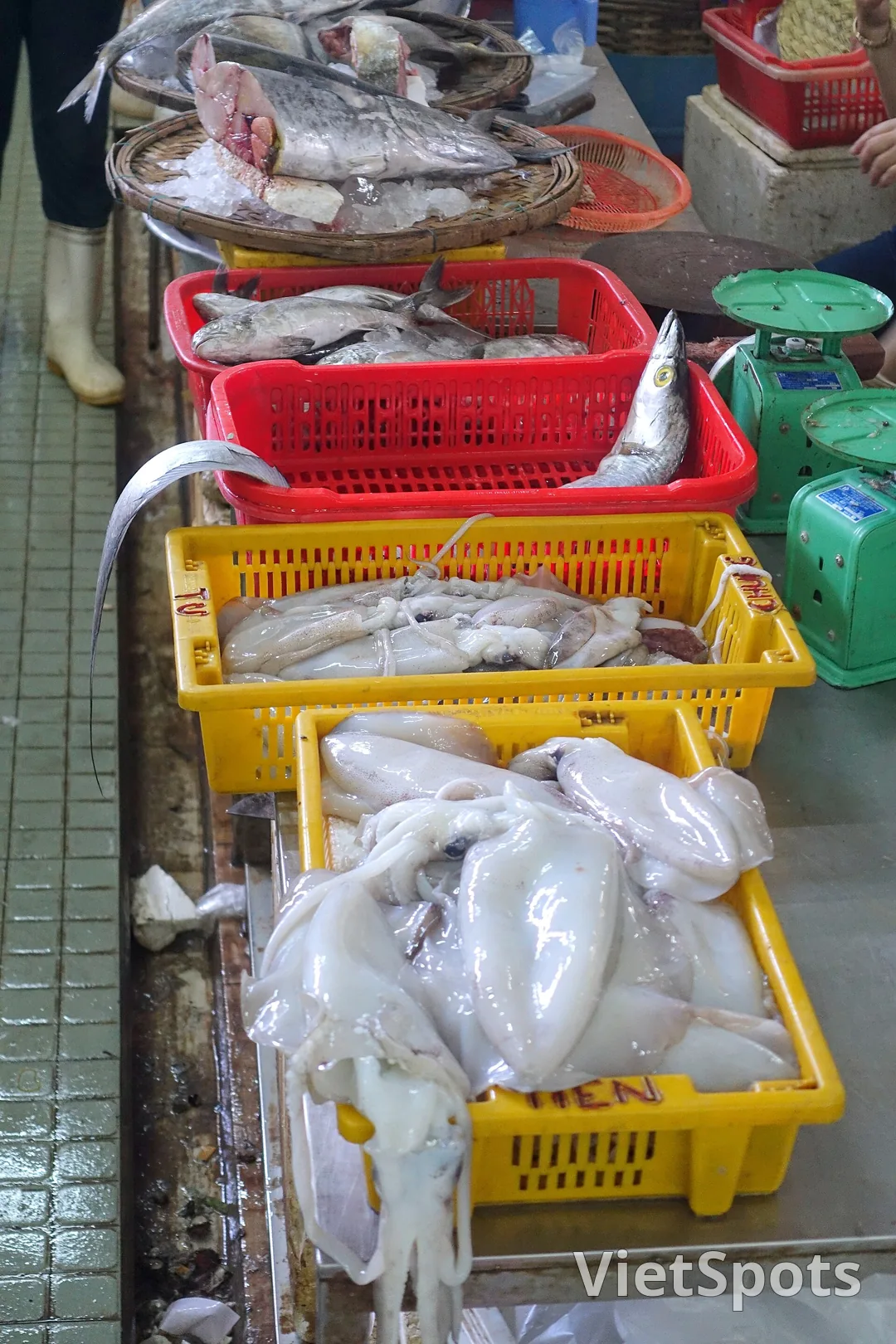
How to choose fresh ones:
• Shrimp: shell is clear and glossy, body slightly curved, head firmly attached to the body. A black or detached head means it's been sitting too long. • Squid: body is translucent white, skin intact with a brownish sheen, eyes clear. Squid that is soft and mushy means it has already thawed out. • Fish: eyes should be clear and not cloudy, gills should be bright red, and when you press the flesh, it should feel firm and elastic. • Crab: when you pick it up, it should feel heavy and solid in your hand, with the belly flap tight. If the crab feels light and hollow-sounding, it's empty inside with little meat.
About weighing and pricing. Ask the price per kilogram before the seller puts the item on the scale, and watch the number on the scale as it's being weighed. If you're buying at a seafood stall with a live tank, they usually ask you to pick which one you want and weigh it right in front of you. This is completely normal, and no one will be bothered by it.
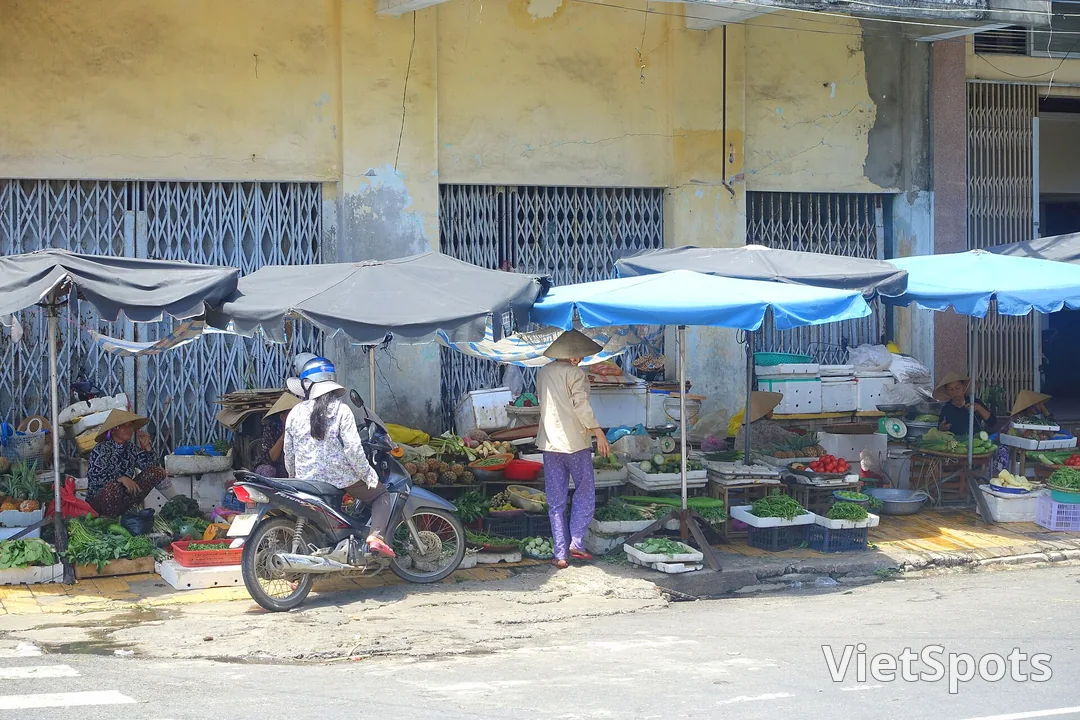
If you have it cooked for you: the service fee is usually charged per dish or by weight, so ask clearly beforehand. Common cooking styles include steaming with beer (which keeps the sweetest flavor), plain grilling, tamarind frying, and garlic stir-frying. For truly fresh seafood, steaming is the method that least ruins the taste.
Finally: Han market is convenient and centrally located, but if you want prices closer to the original wholesale prices, the neighborhood markets far from the center or the seafood areas along the coast are usually cheaper. The trade-off is that you have to travel further and few people speak English.
Book Food in Da Nang — in English on VietSpots
- 🎁 Sign up and get 15 Welcome Pack coupons — e.g. Motorbike Rental 45%
- 👑 Member tier discount up to 15% on site (Silver 5% · Gold 15%)
- 🛂 Auto-fill arrival card📶 Compare lowest eSIM prices🚻 Find toilets

Comments