

The diving season in Phu Quoc has begun, and the things worth seeing underwater are actually very small



In November, Phu Quoc enters the dry season. The rain gradually eases, the sea around the island calms down, especially along the west coast, and the diving boats heading out to the southern islands begin running regularly. This season usually lasts until around April of the following year. It is also when the seawater is at its clearest of the year.
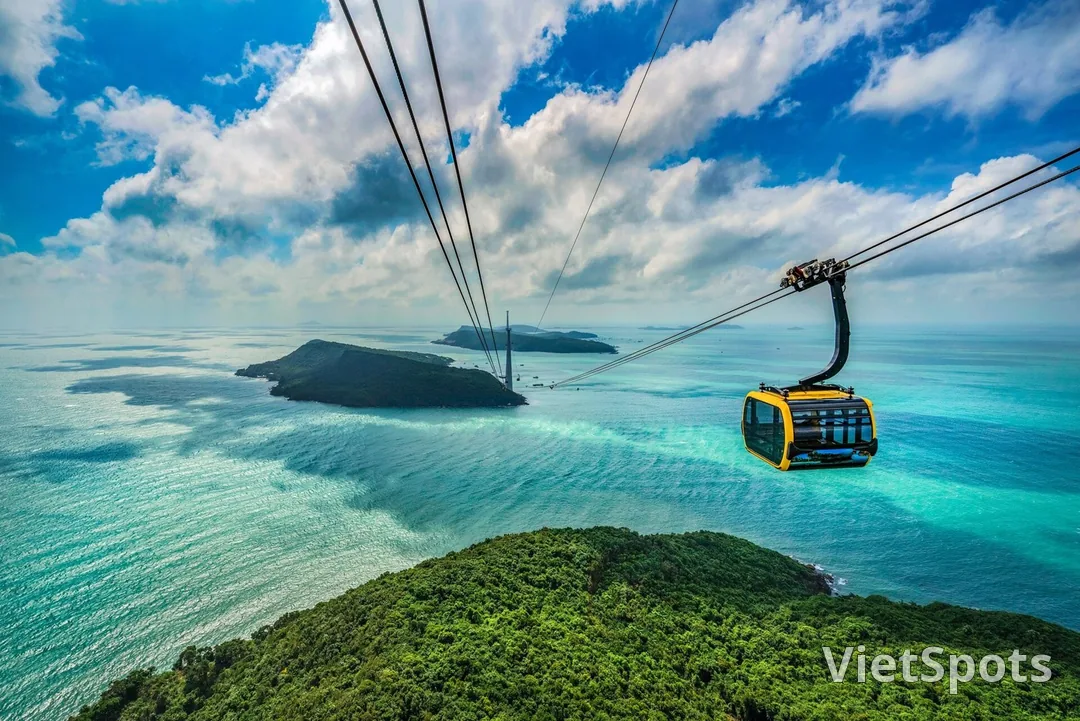
Go out to the southern islands and dive in the shallow waters
Most of the dive sites are located around the small islands of the An Thới archipelago, off the southern tip of Phú Quốc, such as Hòn Móng Tay and Hòn Mây Rút. Boats depart from the south of the island, where An Thới town is located.
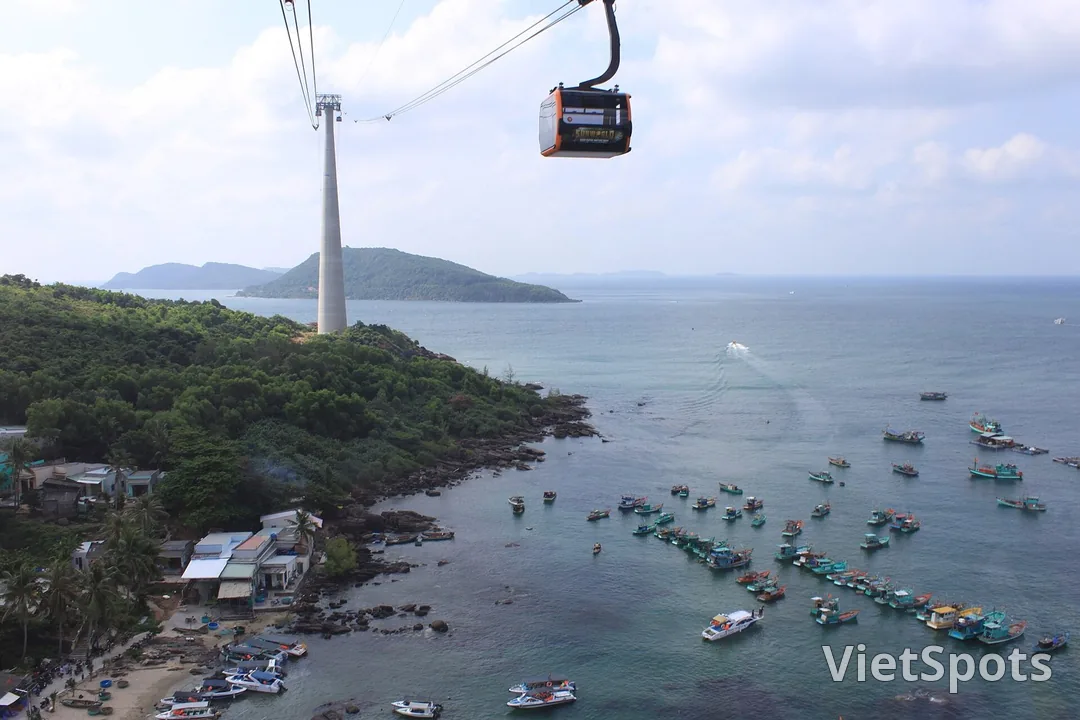
The reef here is shallow. Most scuba dives only go down to about 6 to 12 meters. People without a certification can still put on a mask and snorkel, float on the surface, and look down at the reef. This activity is called snorkeling. The shallower the reef, the more people floating on the surface can see.
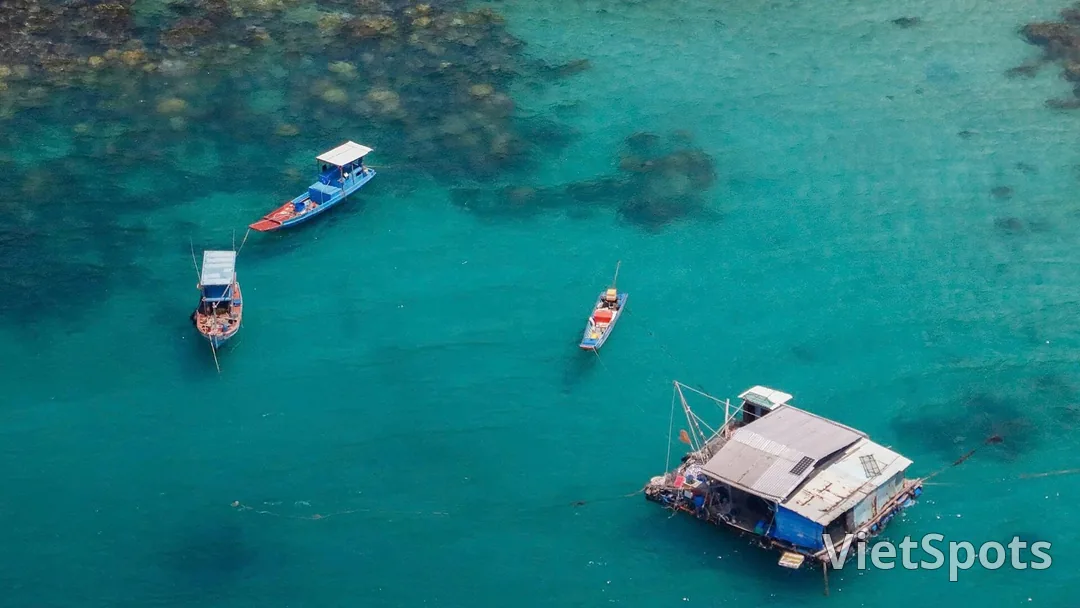
Don't expect it to look like the advertising photos
Even in the middle of the good season, underwater visibility here is usually only a few meters, and it only gets better on really calm days. Large fish are rarely seen, because this area of sea has been heavily fished for many years.
In 2007, the Phú Quốc Marine Protected Area was established, including the coral reef areas around the An Thới archipelago. Anyone who comes out here hoping to find big schools of fish like in documentaries will usually be disappointed.
The things worth revisiting are very minor
The beauty of the An Thới reef lies in its tiny creatures. These are sea slugs, which divers call nudibranchs, a group of shell-less molluscs with vivid colours that crawl slowly over rocks and coral. In the rock crevices there are also cuttlefish, octopuses, and moray eels. Occasionally, some people even spot seahorses.
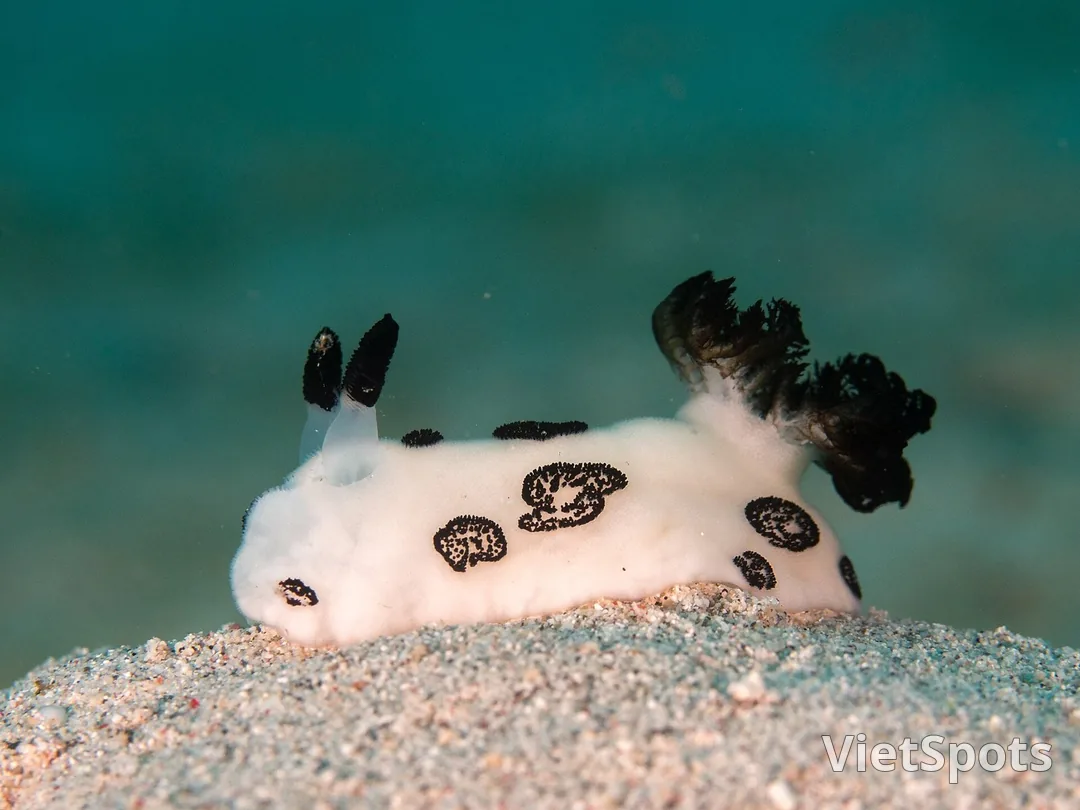
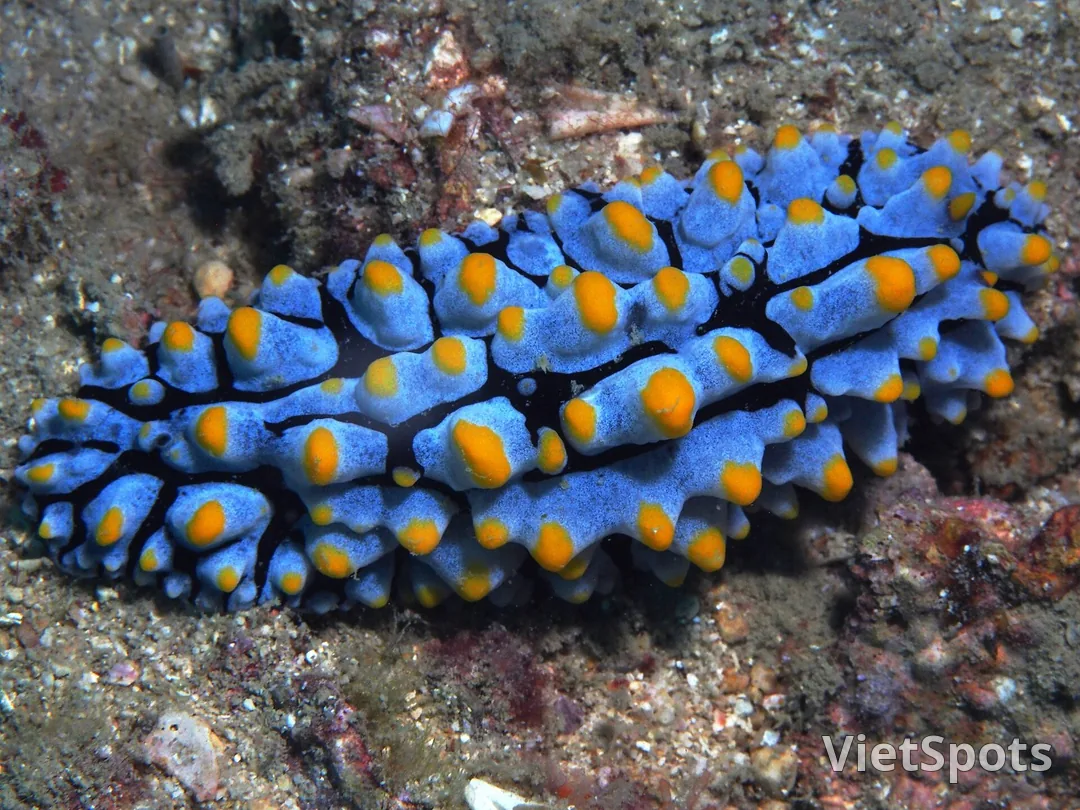
If you want to see them, you have to swim slowly, look closely at the rock surface, and follow a guide who knows where they are. Those in a hurry will only see a grey rock bed.
A few things to remember
Don't touch the coral with your hands, and don't stand on it. Coral grows very slowly, and a single kick of a fin can break something that took many years to grow.
The weather at sea changes quickly, so dive centers usually only confirm dive sites close to the day, depending on wind direction and waves. It's best to leave a spare day in your itinerary.
After scuba diving, you should wait at least 12 to 18 hours before boarding a plane. If you have an early flight home, schedule your dive at the start of your trip, not on the last day.
Also in November, in Mũi Né the wind returns for the kitesurfing season. One place needs really strong wind, the other needs a truly calm sea, and both arrive at the end of the year.
Photos: Vivu Vietnam, Klientos, Nguyenanh1286, Rickard Zerpe — Wikimedia Commons.
Book Travel in Phu Quoc — in English on VietSpots
- 🎁 Sign up and get 18 Welcome Pack coupons — e.g. Motorbike Rental 45%
- 👑 Member tier discount up to 15% on site (Silver 5% · Gold 15%)
- 🛂 Auto-fill arrival card📶 Compare lowest eSIM prices🚻 Find toilets
Comments