

Vietnamese restaurant law: the better the taste, the worse the appearance



This is not an exaggeration. It's almost a law of physics in this country, and there's a very clear economic reason behind it.

Why do delicious restaurants have to be bad?
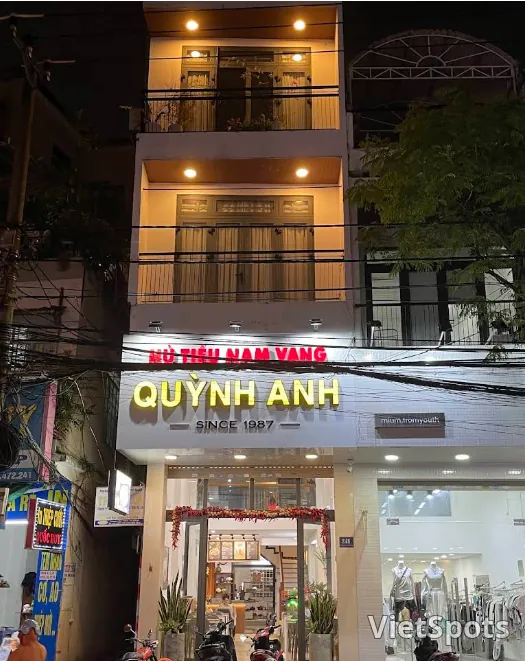
This shop survives thanks to its regular customers, and regular customers don't care about the decor. What they care about is the bowl of bún. Without the expense of an upscale storefront, prices are lower, so we attract more customers, so ingredients turn over faster, so everything stays fresher. • A restaurant that sells only one dish for twenty years doesn't need a menu. Without needing a menu, there's no need to print one. • The restaurant owner is usually the cook. A cook is busy cooking, not busy choosing paint colors.
Why a nice-looking restaurant often isn't as tasty: it's not that they cook worse, it's that a significant part of your money is going toward air conditioning, interior decor, staff, and the storefront location. For the same 60 thousand, a street-side stall may put 50 thousand into ingredients, while a fancy restaurant might only manage to put in 25 thousand.
There are real exceptions: a beautiful restaurant that's still delicious is usually one that was already good and then got renovated, or one run by a chef who's genuinely passionate. Here's how to tell the difference: check whether the restaurant has a limited menu. Eight dishes on the menu means it's trustworthy, eighty dishes means it's not.
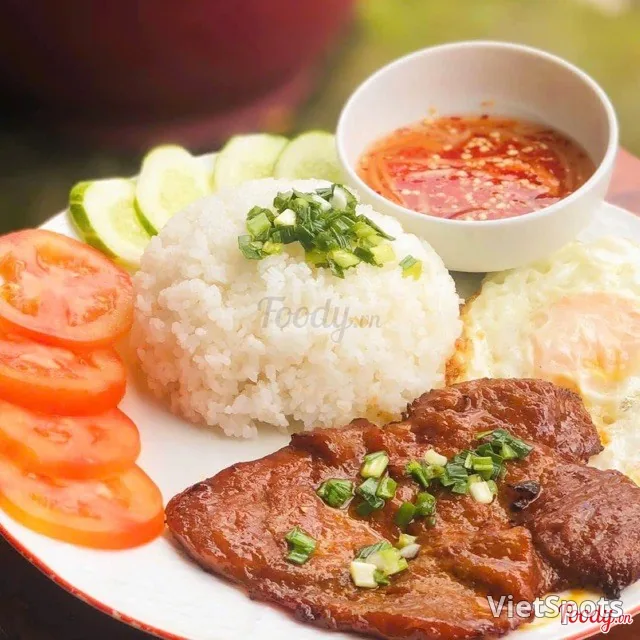
A word of caution in the other direction: shabby doesn't automatically mean delicious. Some places are both run-down and bad. The most reliable sign is still the number of locals sitting there eating right at mealtime — if a place is packed by 11am, you don't need to worry about what it looks like.
Book Food in Da Nang — in English on VietSpots
- 🎁 Sign up and get 15 Welcome Pack coupons — e.g. Motorbike Rental 45%
- 👑 Member tier discount up to 15% on site (Silver 5% · Gold 15%)
- 🛂 Auto-fill arrival card📶 Compare lowest eSIM prices🚻 Find toilets

Comments