

Hue Ao Dai from 100 years ago, and the eternal question: dressed like that, isn't it hot?


The two photos below were taken in Hue in the 1920s. The first question that almost every modern viewer asks is the same: how could people bear wearing such heavy, covering clothes when it's 38 degrees out?
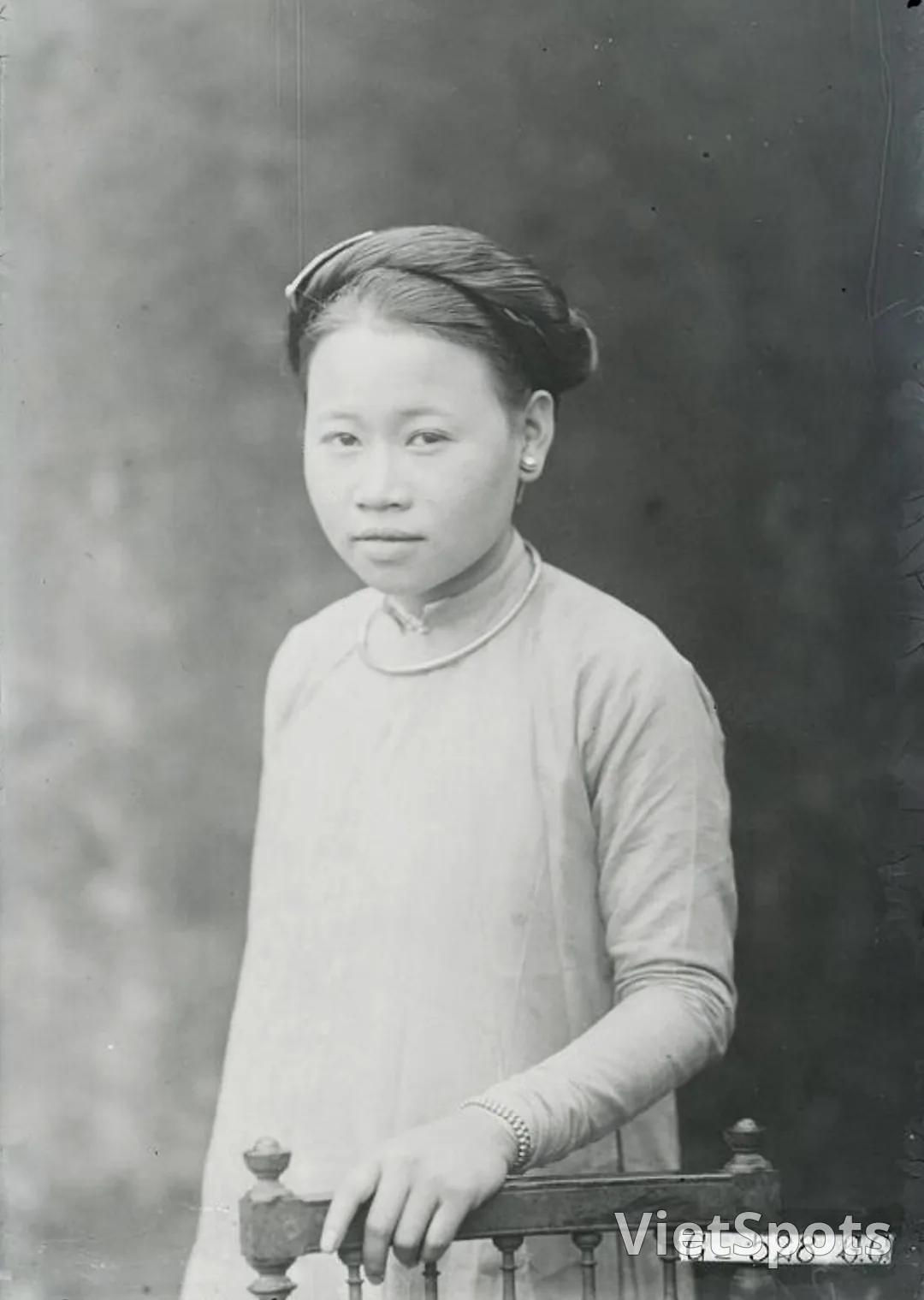
The answer is somewhat counterintuitive: thin fabric, a loose silhouette, and covering yourself completely are actually cooler than exposing your skin to the sun. Traditional áo dài is sewn from silk or thin fabric, not fitted snugly, with two open sides that allow air to flow upward from beneath. It works on a principle very similar to desert cloaks.
But the thing that's really hot right now is the hairstyle.
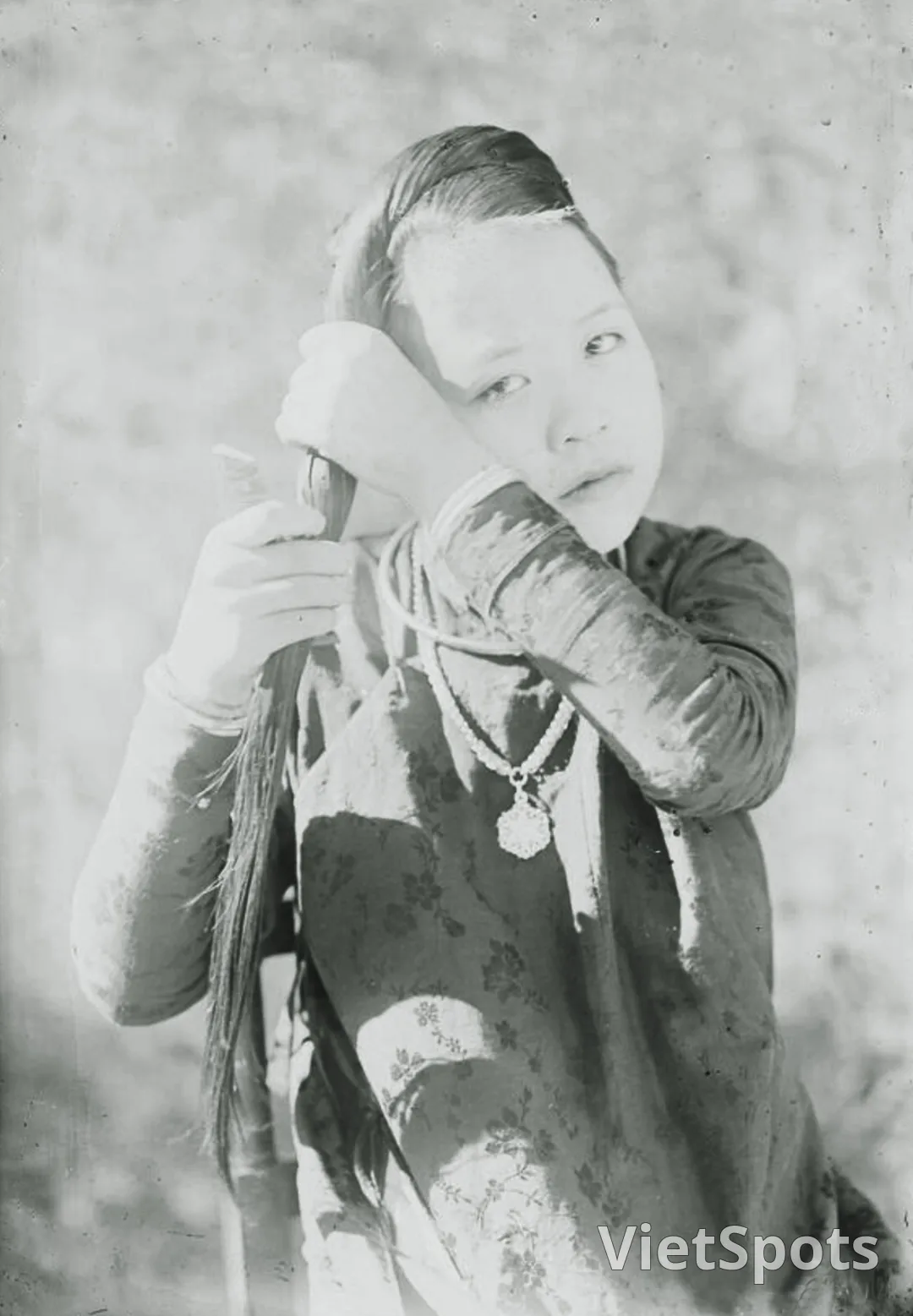
The traditional Huế hair wrap — where you wind your hair around your head and secure it — takes quite a bit of time each morning and traps heat at the nape of your neck. This is perhaps why the conical hat exists: not for beauty, but to save your nape from overheating.
A few things about áo dài today in Huế:
Hue is a rare place where the áo dài is still genuinely worn to work and school, not just for special occasions. Female students in white áo dài are an everyday sight. • Purple has become so closely associated with Huế that it's practically the city's brand color, even though no one can cite any official document that established this. • There are áo dài rental services available for photo shoots, typically costing around 100-200 thousand per session. Taking photos at Dai Noi or by the Huong River is the most popular. If renting clothes, you should choose early morning or late afternoon — not because of the light, but because you'll understand right away what this opening paragraph is saying.
Book Activity in Da Nang — in English on VietSpots
- 🎁 Sign up and get 15 Welcome Pack coupons — e.g. Motorbike Rental 45%
- 👑 Member tier discount up to 15% on site (Silver 5% · Gold 15%)
- 🛂 Auto-fill arrival card📶 Compare lowest eSIM prices🚻 Find toilets




Comments