

A Journey of Eating the Everyday — A National Dish Called Bakso (Bali Island Diary ⑤)


Restaurants are nice, but hunting down local eats — what you'd call B-grade gourmet — is also an important part of the job when you travel, isn't it~. My husband, who dearly loves meatballs, reacted in a big way to the "Bakso" I found. We absolutely have to eat this!! Bakso is Indonesia's national dish: beef kneaded into a paste until it's astonishingly springy, shaped into balls and floated in a clear soup. The name comes from the Hokkien words for "meat (bak)" and "ball (so)." Chinese immigrants brought it over, and in this Muslim country it took root using beef rather than pork. Religion changes the recipe, and history seasons the flavor. The dinner table, it turns out, has a surprisingly geopolitical side, doesn't it. When I told our driver "I want to eat Bakso," the air froze for just an instant. Satay or nasi goreng, sure, he'd understand. But why go out of your way for Bakso? — that was the look on his face. Like, a tourist, out of the few meals they get, deliberately choosing "the everyday"? But that's exactly the kind of thing I love. Well, this is my third time in Bali, in Ubud, after all. The place he took us to was a stall-style eatery run by a young couple.
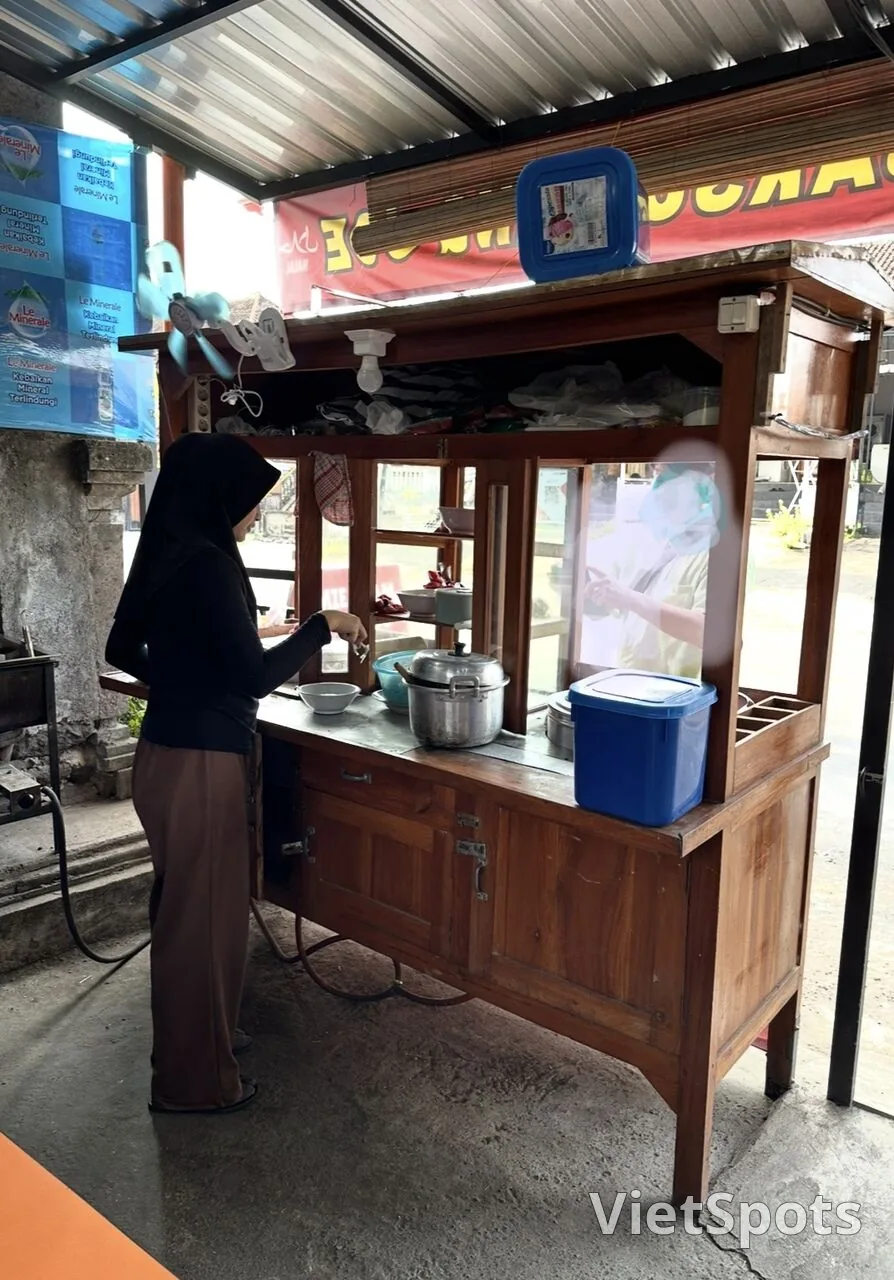
The noodles come in two choices, wheat or glass noodles, and I pick the pale green glass noodles
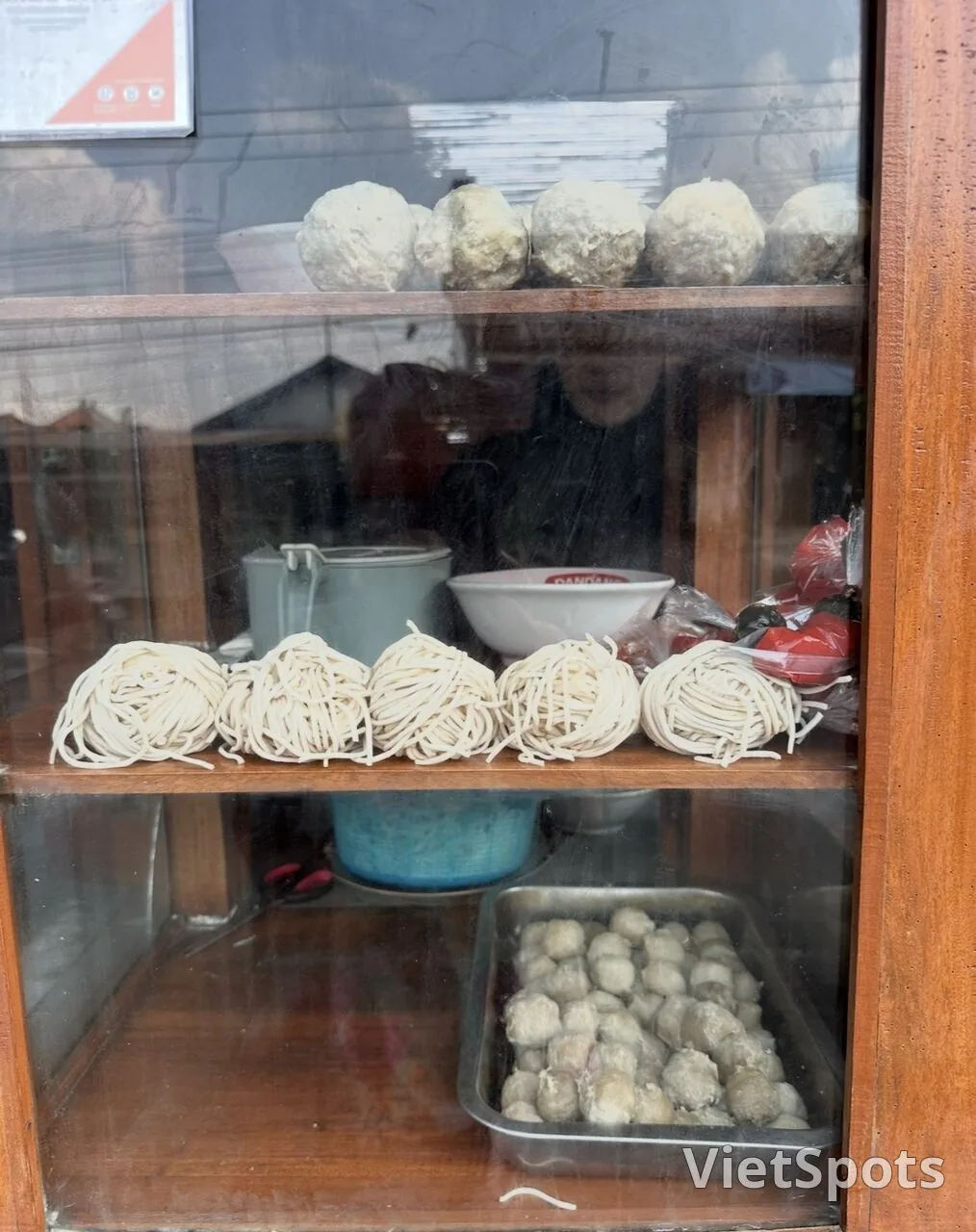
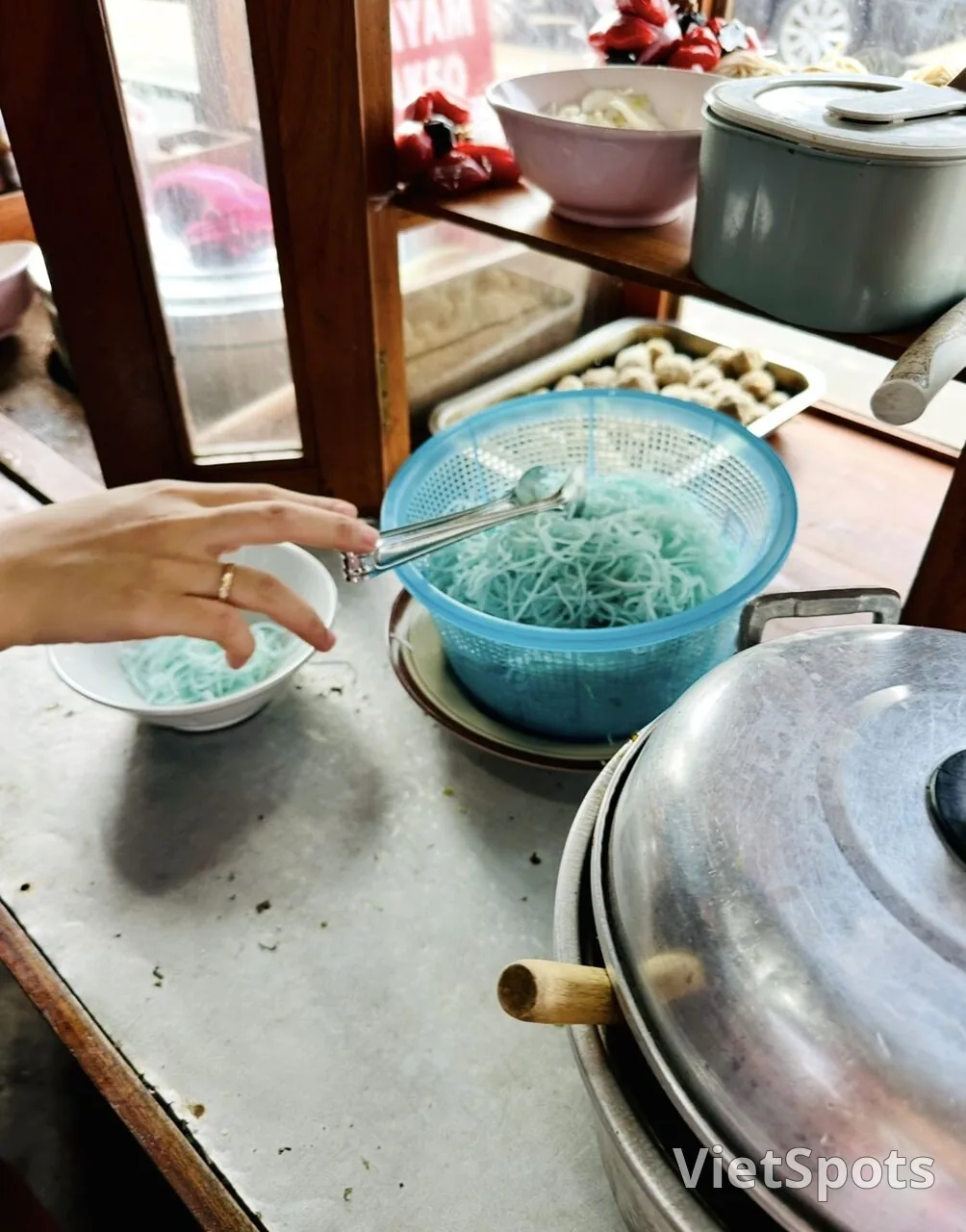
This is probably the kind that's dyed with pandan leaves. They have it in Vietnam too, they do~ I feel a connection! Before long, the bowl was set down with a thud. You can't see the noodles. The toppings are making a statement!
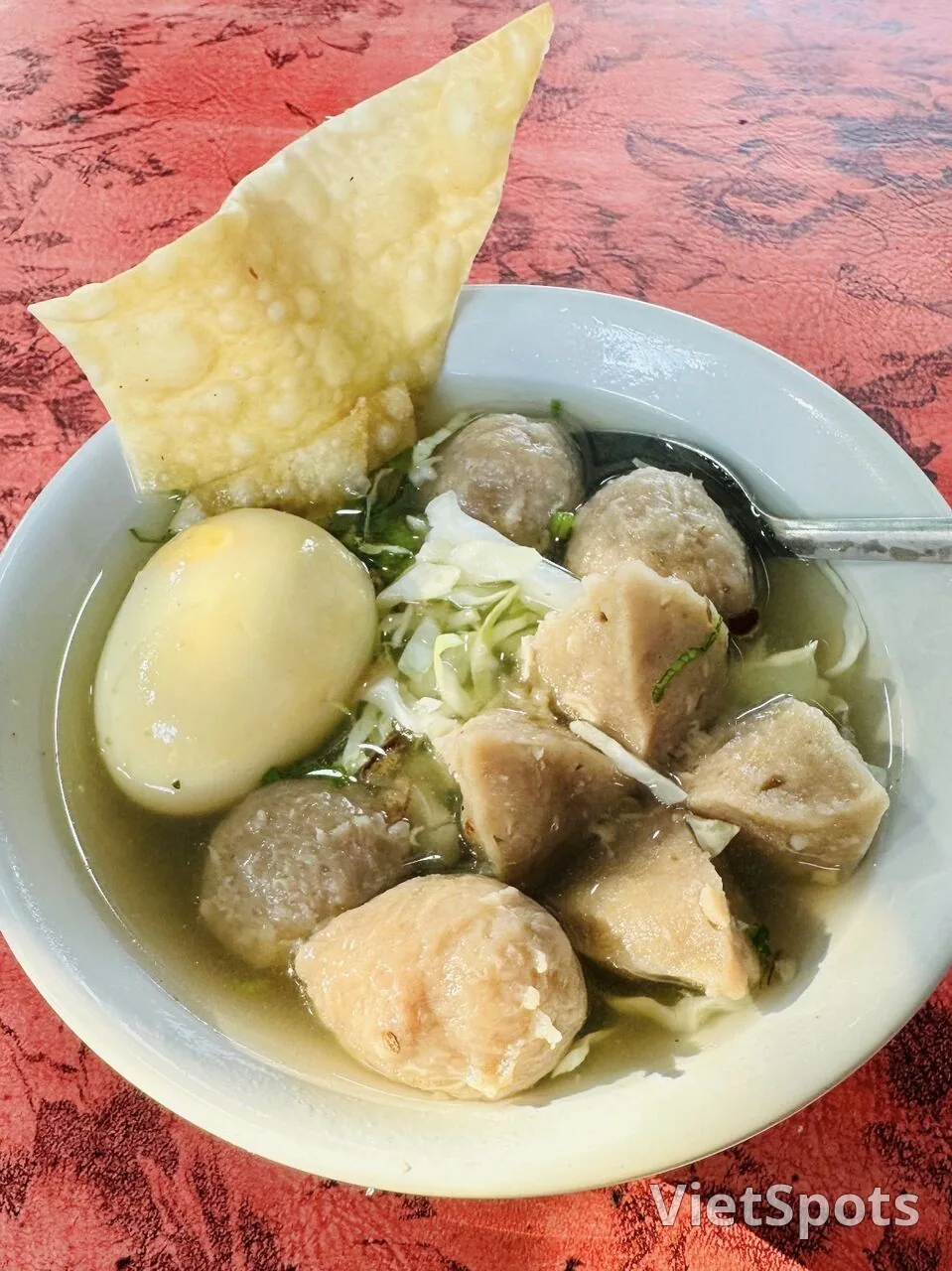
The "fluffy meatballs" I had imagined were nowhere to be found. What was there instead was a tightly compressed lump of meat. More than a dumpling, it springs back with a firm snap when you bite into it. Just like the beef balls they also have in Vietnam—exactly the same. If you're imagining Japanese tsumire, you'll be gently betrayed. The fried wonton skins crackle with a crisp sound, and the moment you add the sambal on the table, the flavor's outline suddenly sharpens. The taste is gentle, but its core is strong. The price is about 10,000 rupiah. (As of February 2026, roughly 95 yen.)
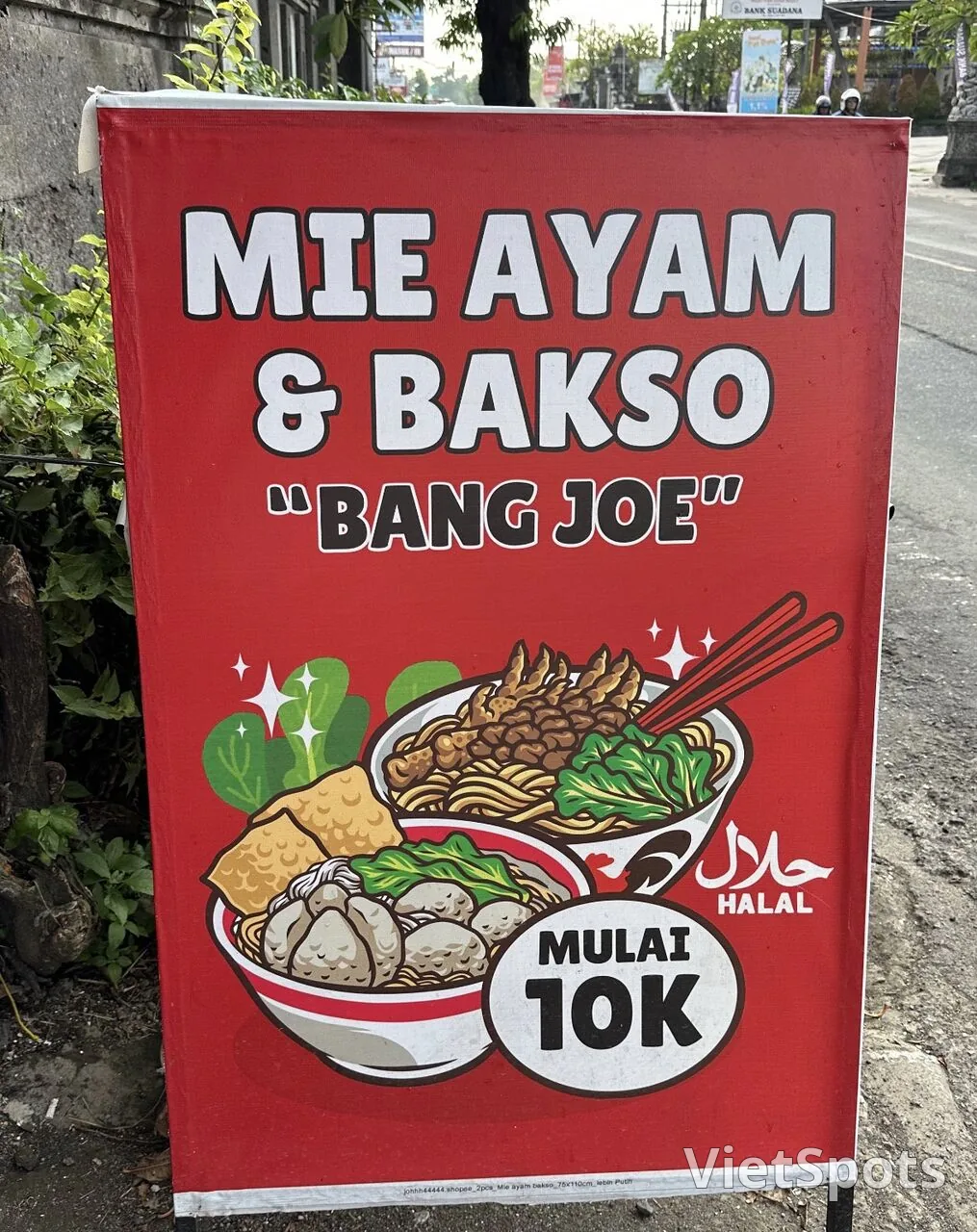
As evening falls, young couples come in, eat quietly, and head home. No one takes photos or anything like that. Here, this isn't anything special. Everywhere in Asia, there's steaming noodles piled with toppings. Lavish dishes make for travel souvenirs, but everyday cooking is what tells you the true warmth of a place, isn't it? Relocation Life Ranking
Travel Vietnam with vietSpots, in English
- 🎁 Sign up and get 14 Welcome Pack coupons — e.g. Motorbike Rental 45%
- 👑 Member tier discount up to 15% on site (Silver 5% · Gold 15%)
- 🛂 Auto-fill arrival card📶 Compare lowest eSIM prices🚻 Find toilets
Comments