

[Tibet's Southern Route Highlights] Yamdrok Lake, Karo La Glacier, Pelkhor Monastery — A Stunning One-Day Journey Linking Lakes × Glaciers × Ancient Temples


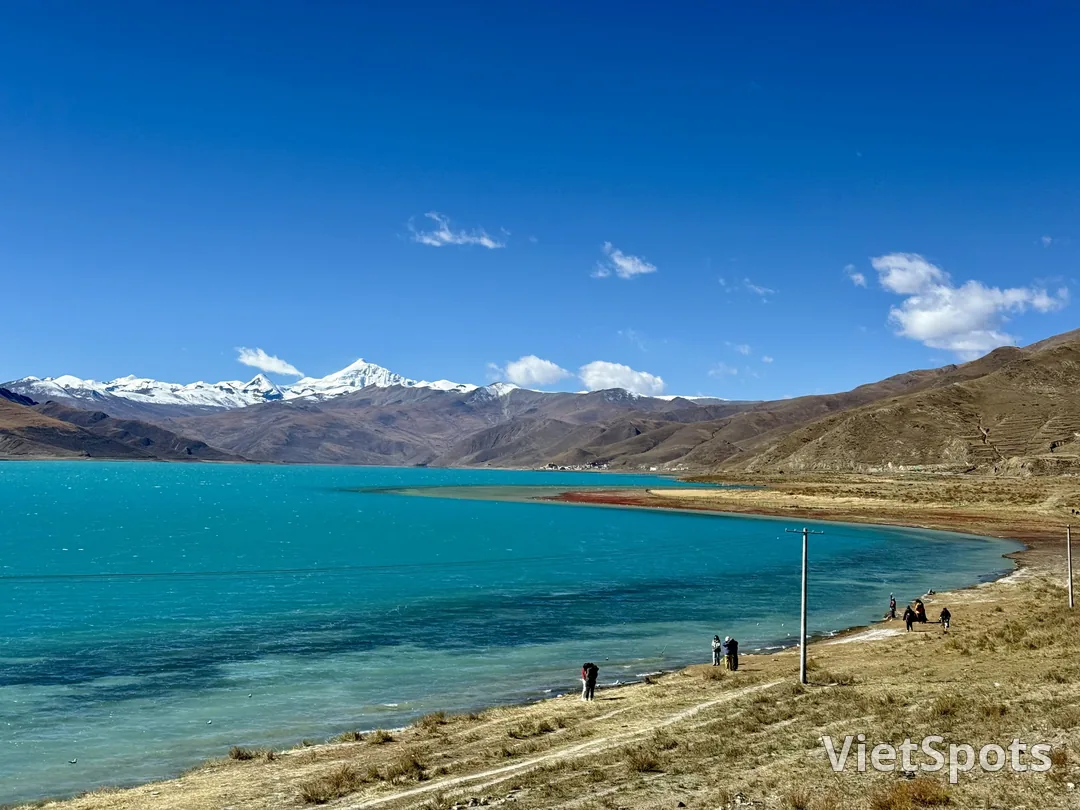
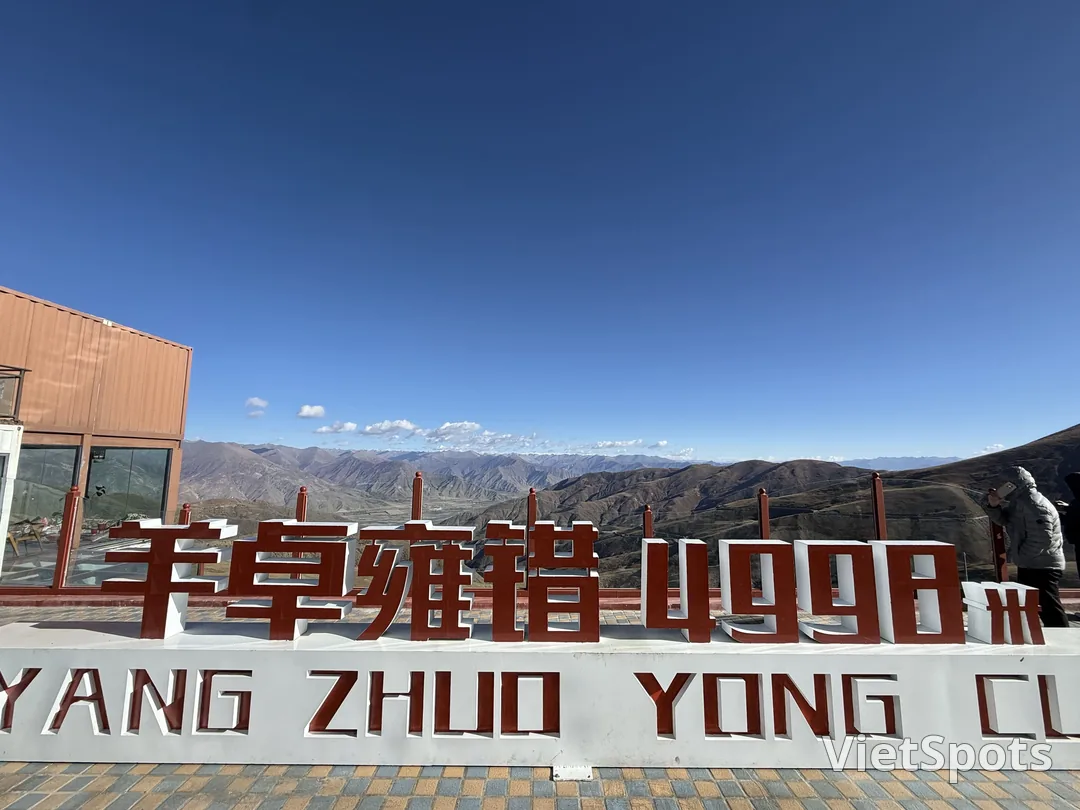
At 8 AM this morning, we officially departed from Lhasa to begin the most spectacular one-day journey of the southern route. Traveling from Yamdrok Lake (the Sacred Lake) → Karola Glacier → Pelkor Chode Monastery, the scenery unfolds richly from lakes to glaciers to ancient temples, making this one of the major highlights of this Tibet trip. 🗓 Today's Itinerary Departure from Lhasa → Yamdrok Lake (viewing platform + lakeshore) → Lunch in Nangartse County → Karola Glacier (up to the 5200m viewing platform) → Pelkor Chode Monastery → Shigatse Time | Attraction/Activity | Altitude 08:00 Depart from Lhasa 3650m 10:00 Yamdrok Lake (Viewpoint + Lakeside) 4441m 12:00 Lunch in Nangkartsé County 14:30 Karo Glacier (Challenge 5200m Viewpoint) 5036m (Viewpoint) 18:00 Pelkhor Chöde Monastery (Ancient Temple with Three Buddhist Traditions Coexisting) 20:00 Arrive in Shigatse for Accommodation 3836m Yamdrok Lake (Yak Lake) — The Fairy Lake in the Hearts of Tibetan People | One of Tibet's Three Sacred Lakes It takes about two hours from Lhasa to reach Yamdrok Lake. As you travel upward along the way, the Tibetan landscape becomes increasingly expansive, filling your heart with delight even before you arrive.
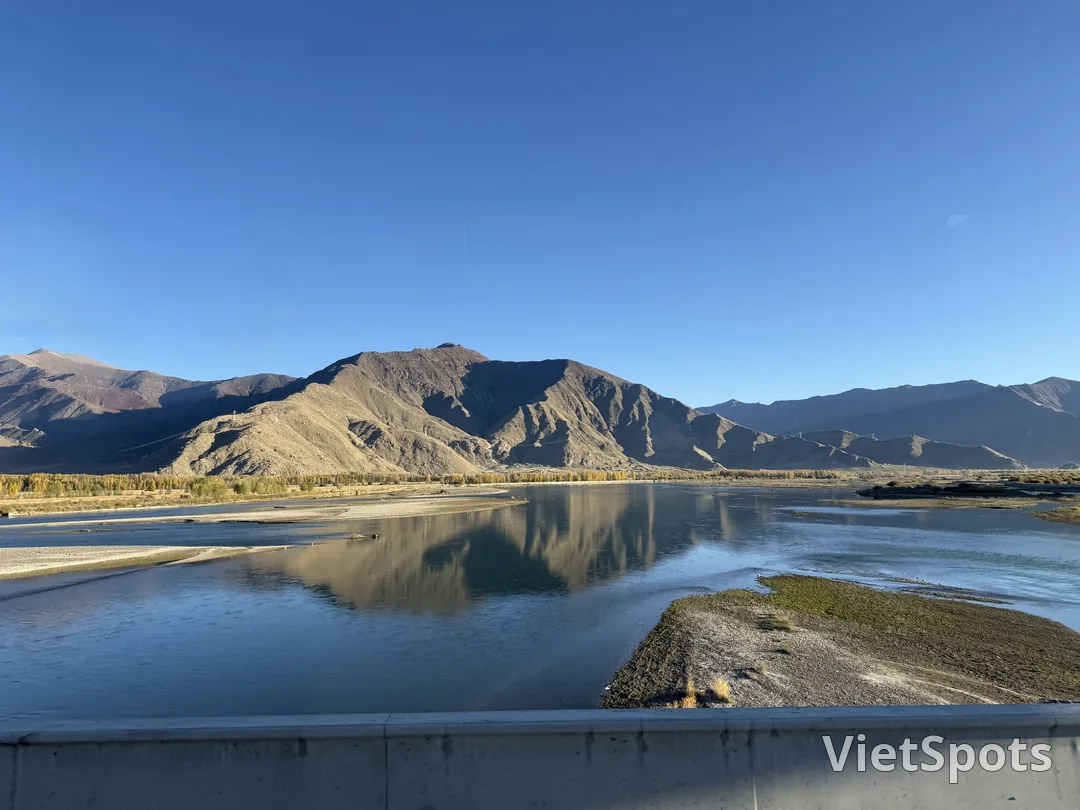
Yamdrok Lake is one of the three great sacred lakes of Tibet. According to Tibetan legend, it was formed when a fairy accidentally spilled her jewelry box, which fell to the mortal world and transformed into today's brilliant blue lake. ▸ Best View from the Observation Deck The first stop is the observation deck, where you can look directly out over the entire lake. When the weather is good, the water displays multiple layers of blue, making it a perfect spot for photos.
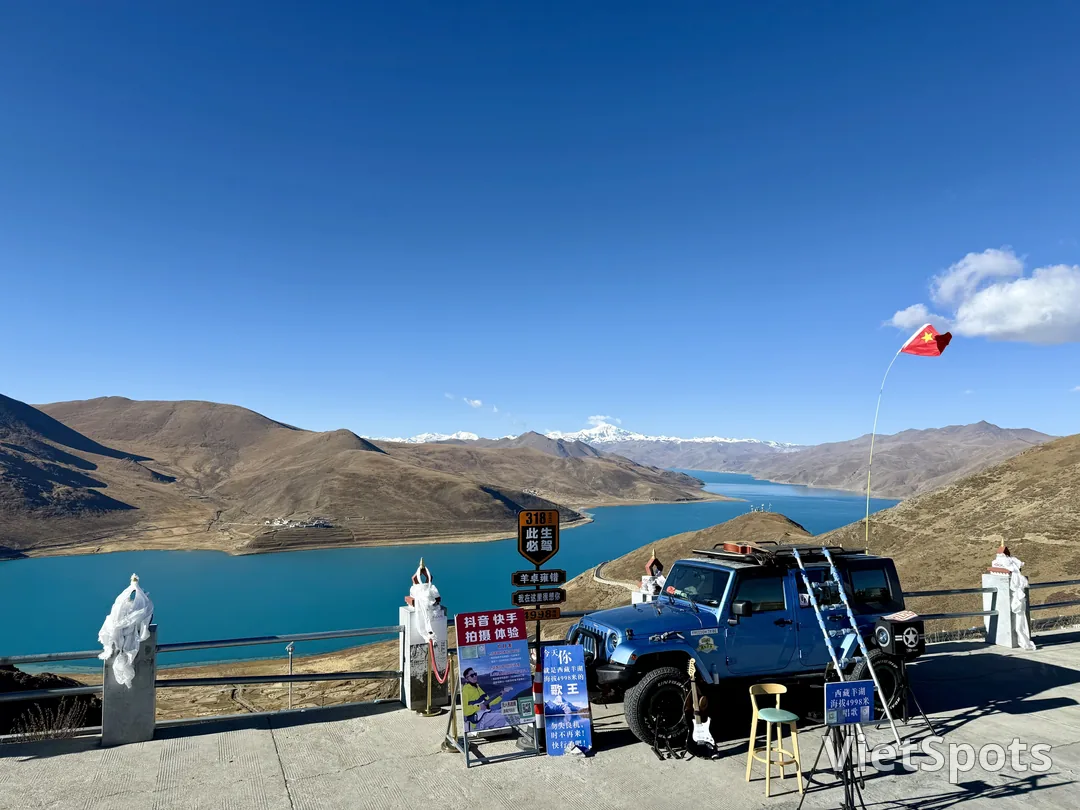
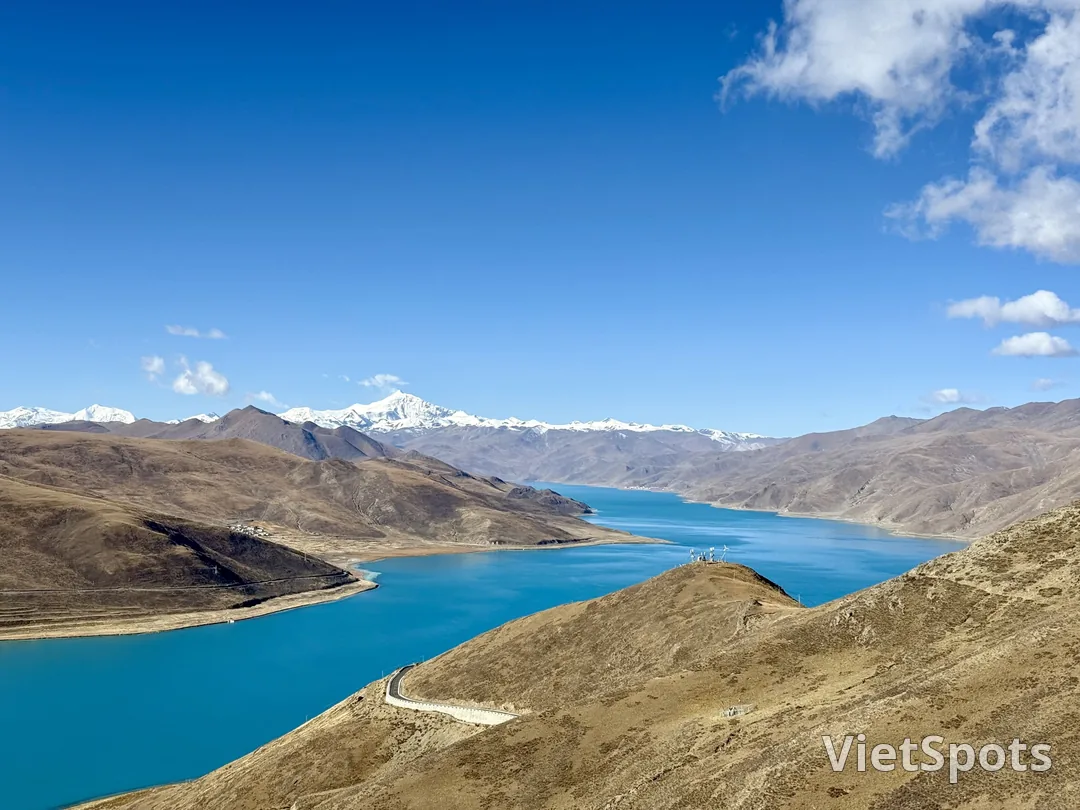
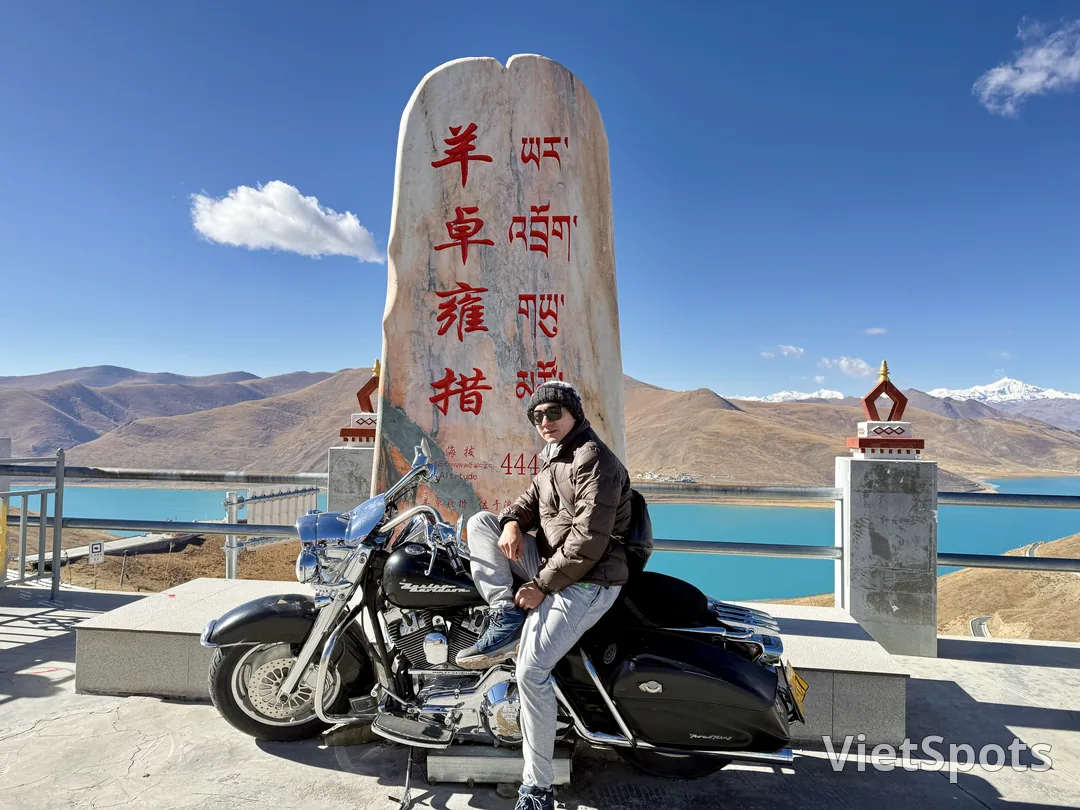
On the other side of the lake stand layers of mountain peaks, creating a spectacular contrast of lake and mountain scenery.
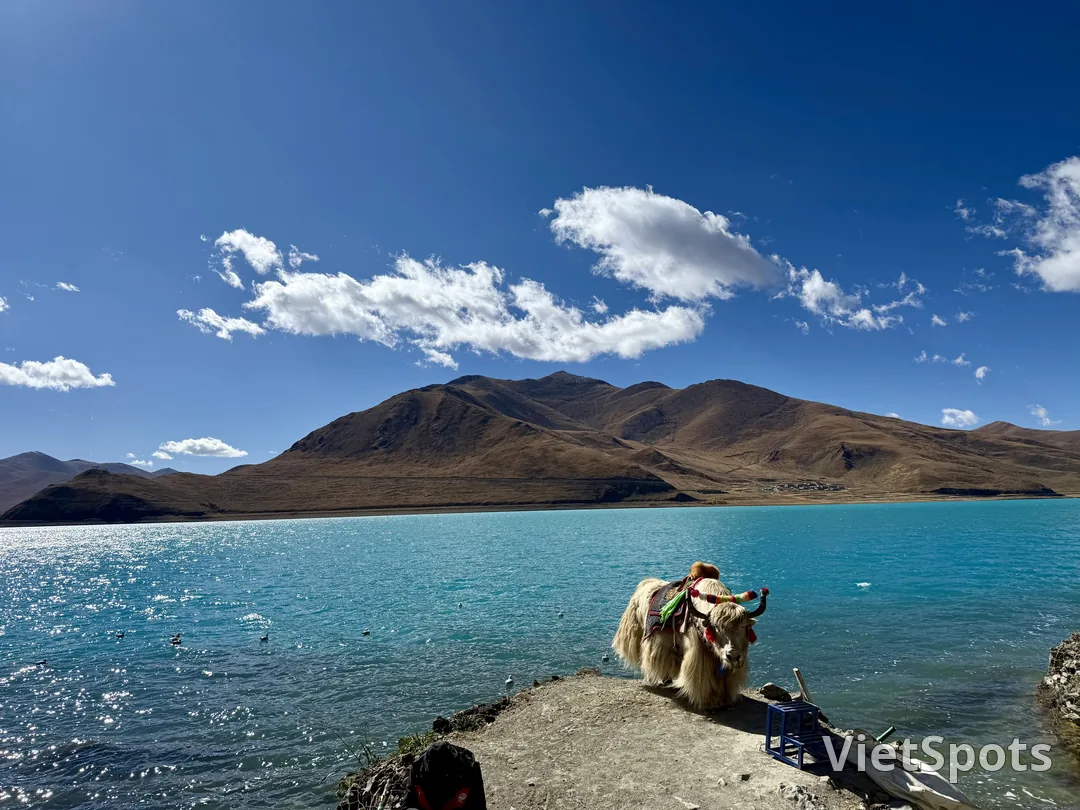
▸ Get up close to the lakeshore Continue driving for another 20 minutes or so and you'll reach a lakeside viewpoint, where you can walk right up to the water's edge to take photos. Yaks and Tibetan mastiffs are often seen here, with owners letting tourists pay to take photos with them (we didn't happen to see any Tibetan mastiffs that day). The lakeside scenery is the perfect combination of "yaks + snow mountains + lake.
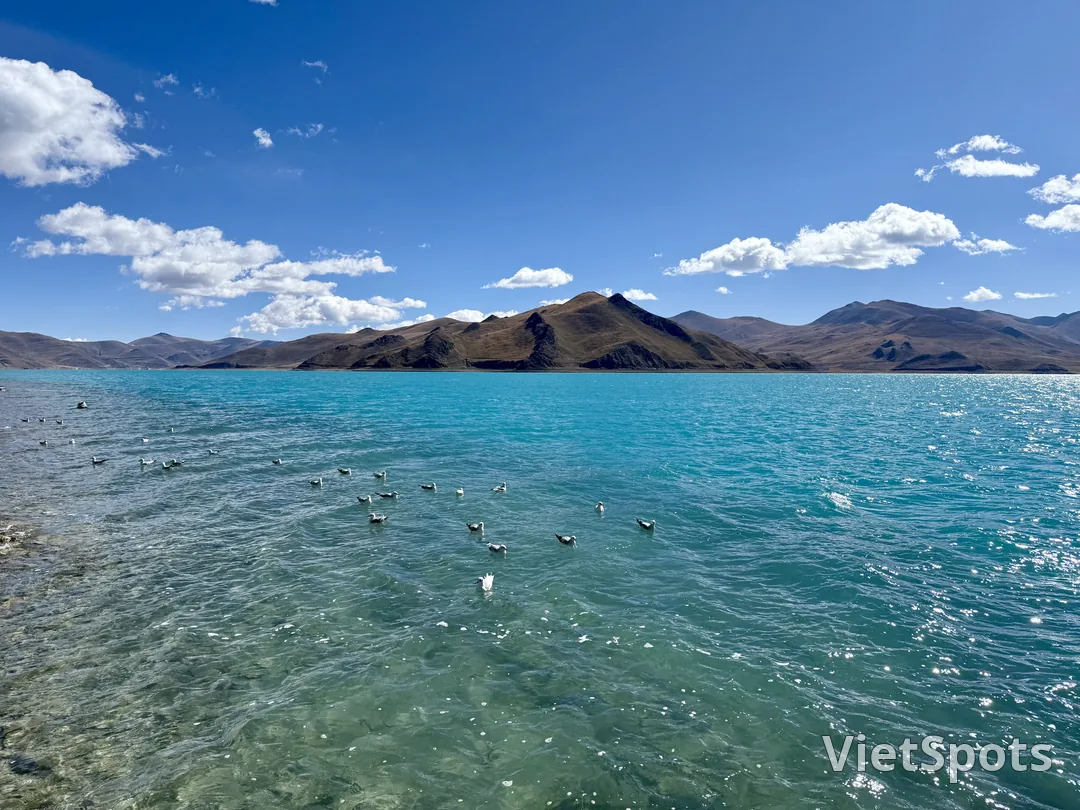
Many seabirds are often seen over the lake as well — the scene looks especially beautiful when the seabirds are flying over the surface of the lake.
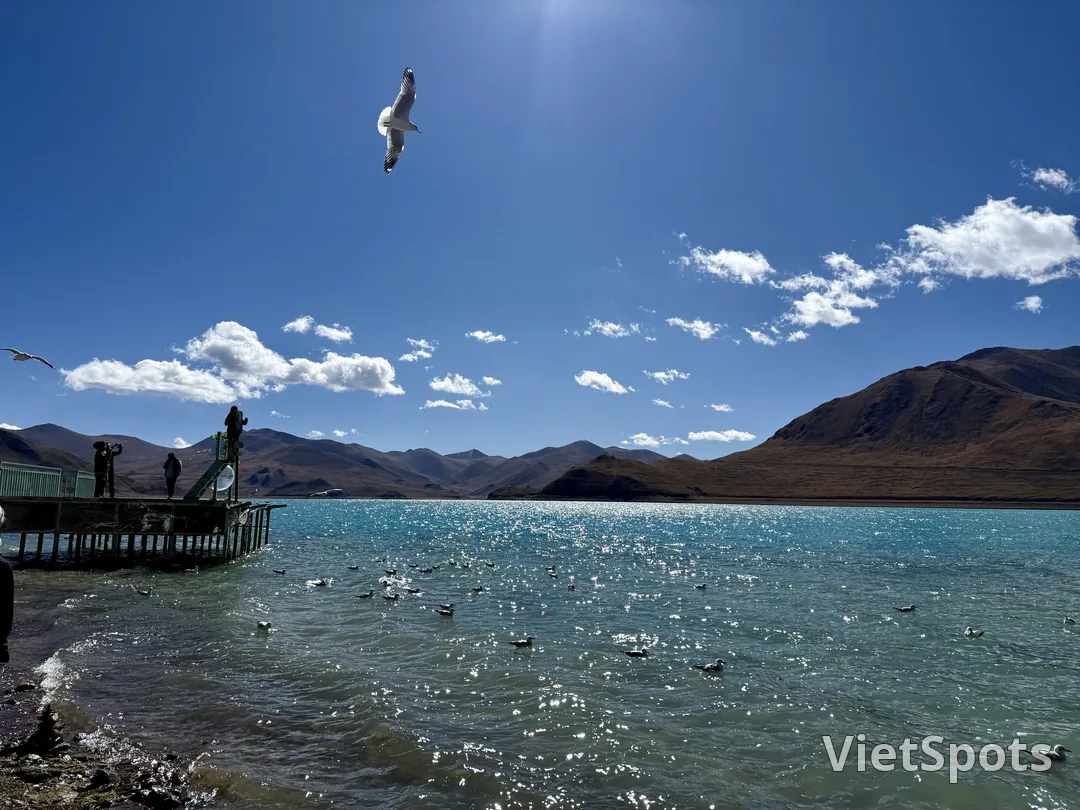
We also followed our friend's advice and went to the lakeside to scoop up fine sand. But I have to say, whether taking photos or filming videos, it was so difficult to capture the beauty before my eyes.
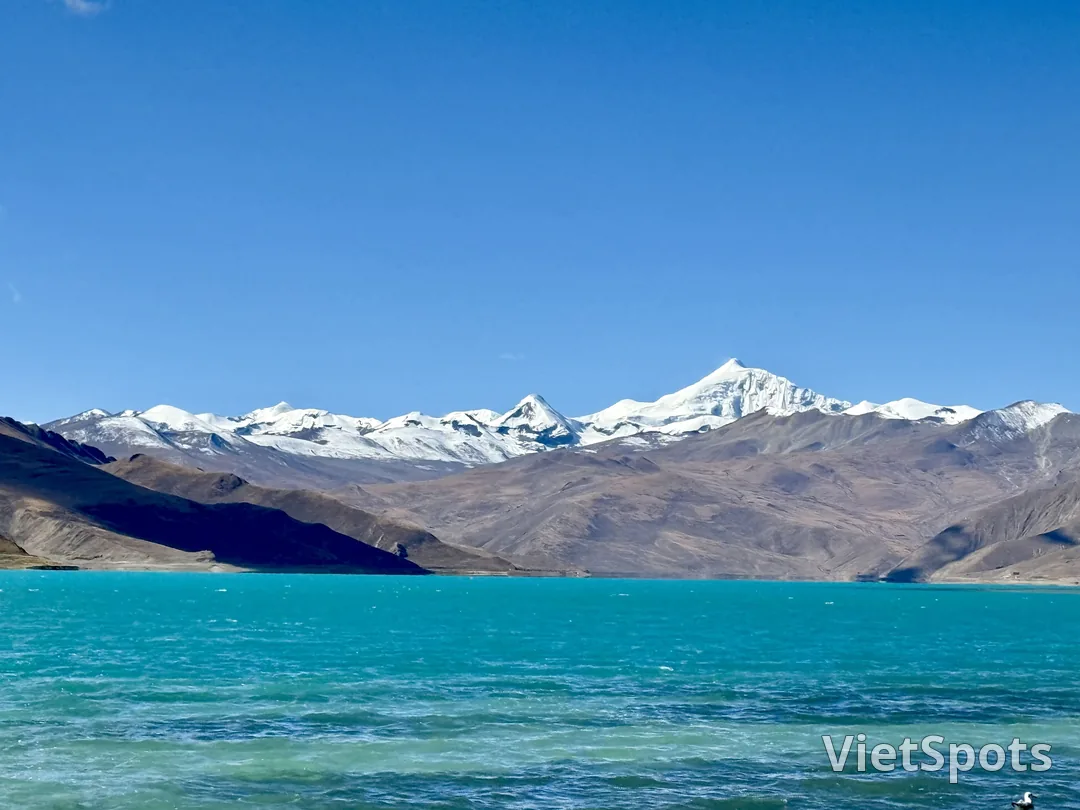
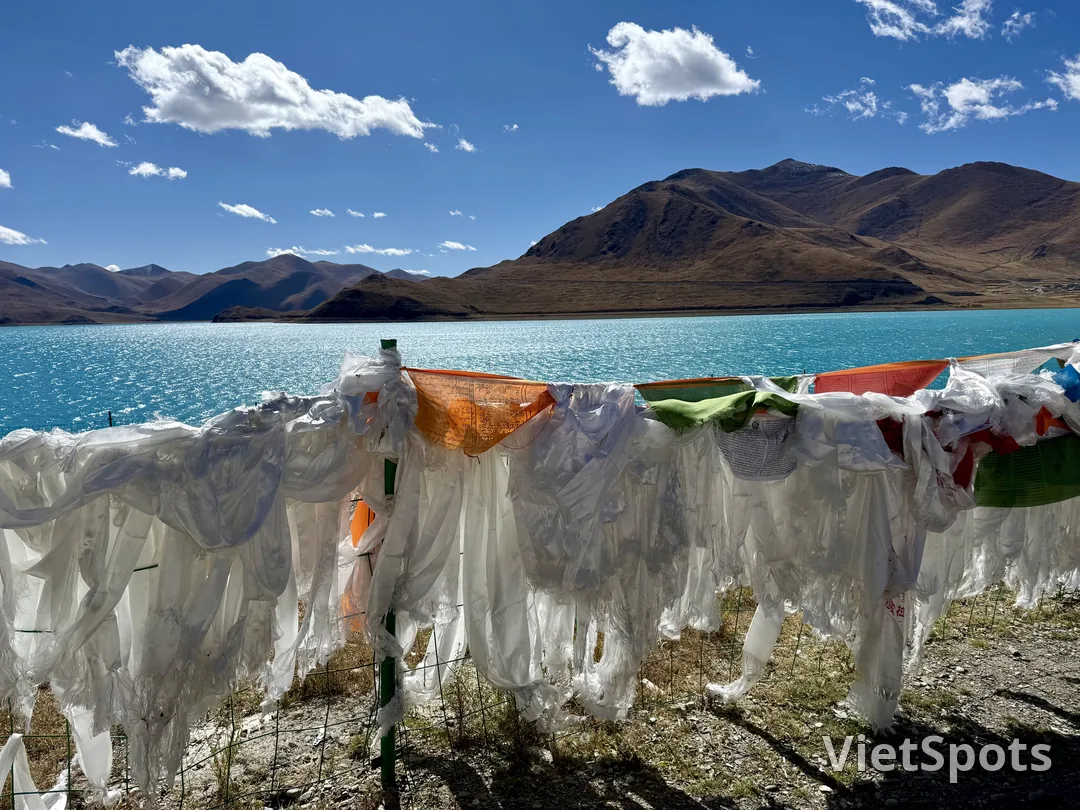
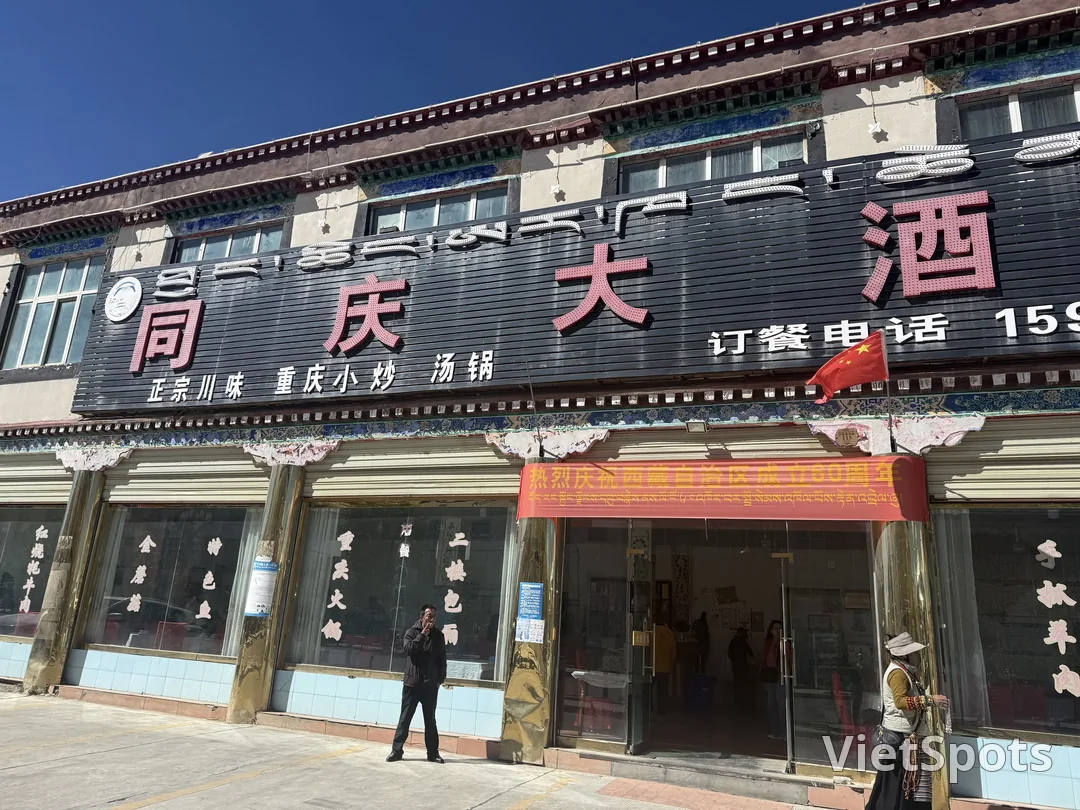
The tour guide specially set aside 45 minutes for us to take photos freely, which was quite generous. Langkazi Lunch — Simple but Excellent Vegetarian Cuisine. We arrived at Langkazi County for lunch at noon. The tour guide had beforehand reminded us that some meals during these days would be vegetarian, and we were all fine with it. This meal featured a wide variety of vegetable dishes with great flavors, and at 50 yuan per person, it represents excellent value for money.
Karola Glacier — A Witness to Glacial Retreat After leaving Yamdrok Lake, we headed to the Karola Glacier, which sits at an altitude of over 5,000 meters. Our guide, Brother Yong, said that when he led tours here ten years ago, the glacier was much larger than it is now — it has clearly shrunk. Standing there in person, it was hard not to feel a bit heavy-hearted. ▸ The viewing platform where most tourists stop Most tourists take photos near the entrance and stay for about an hour.
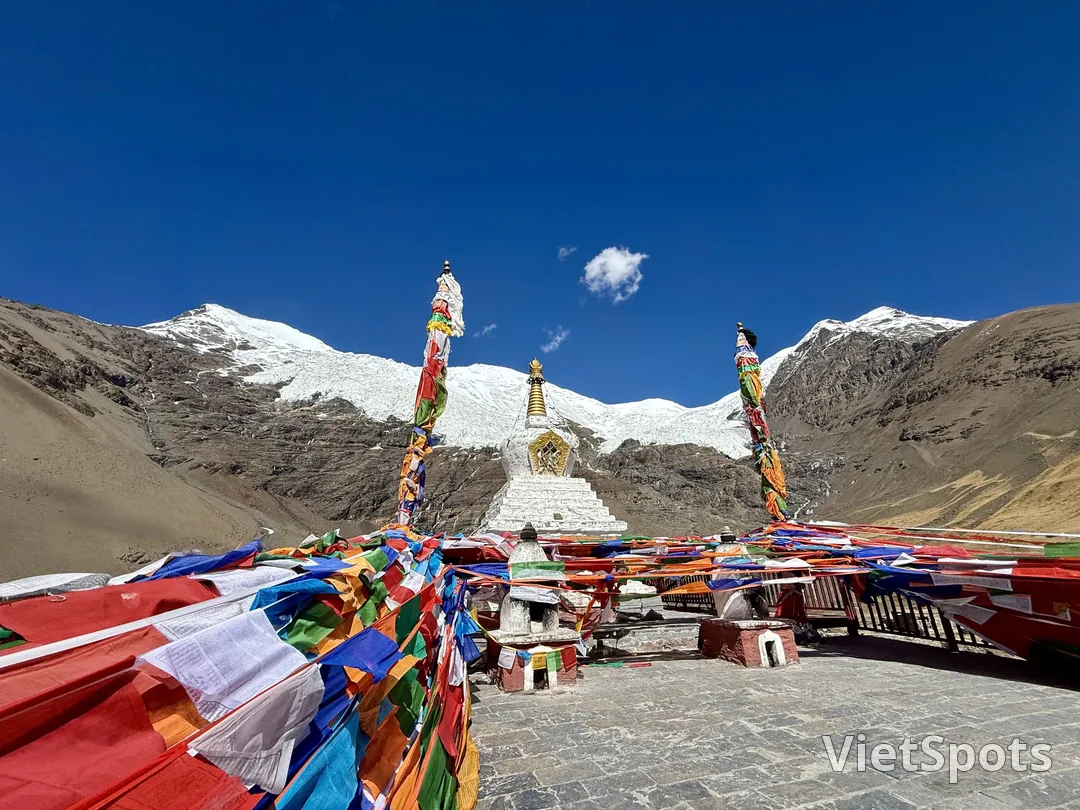
▸ Our Challenge: Climbing to the 5200m Viewpoint Since we'd already come this far, we decided to bring oxygen tanks and climb up to the high point nearby. Although it was only a 200-meter difference in elevation, at 5000m the physical sensation was completely different. I breathed from the oxygen tank the whole way, watching the parking lot grow smaller and smaller and the mountain scenery become more and more spectacular, and after 30 minutes I finally made it to the 5200m summit.
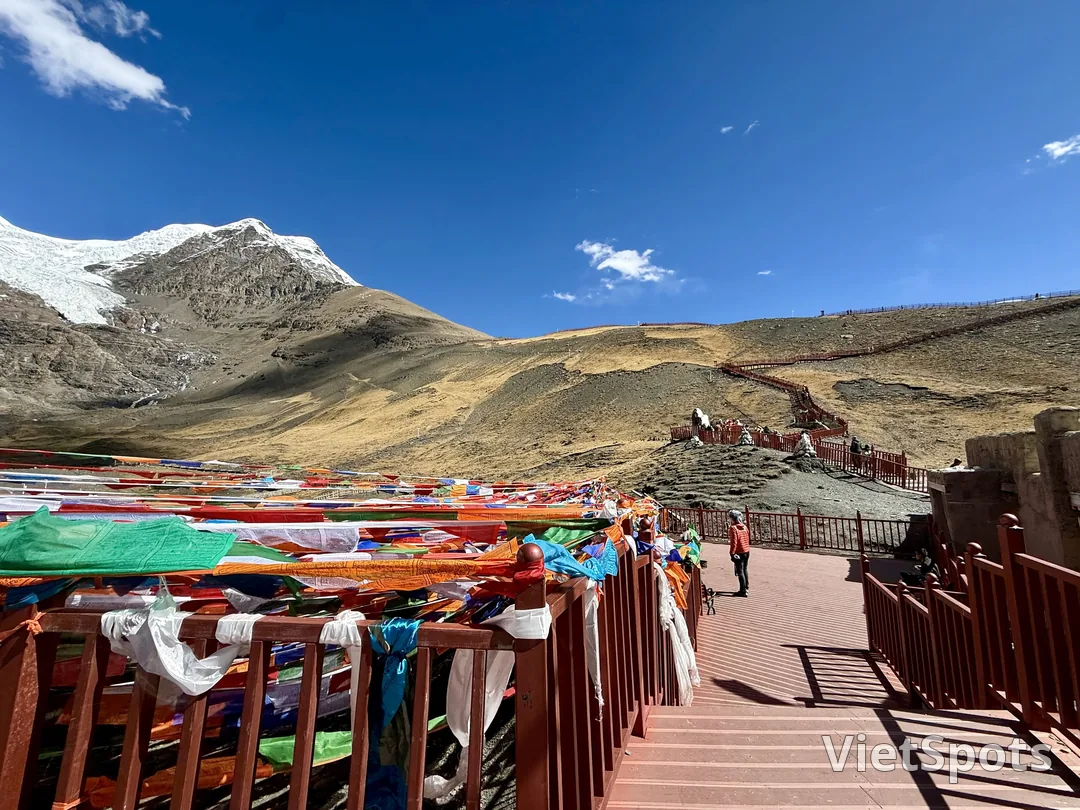
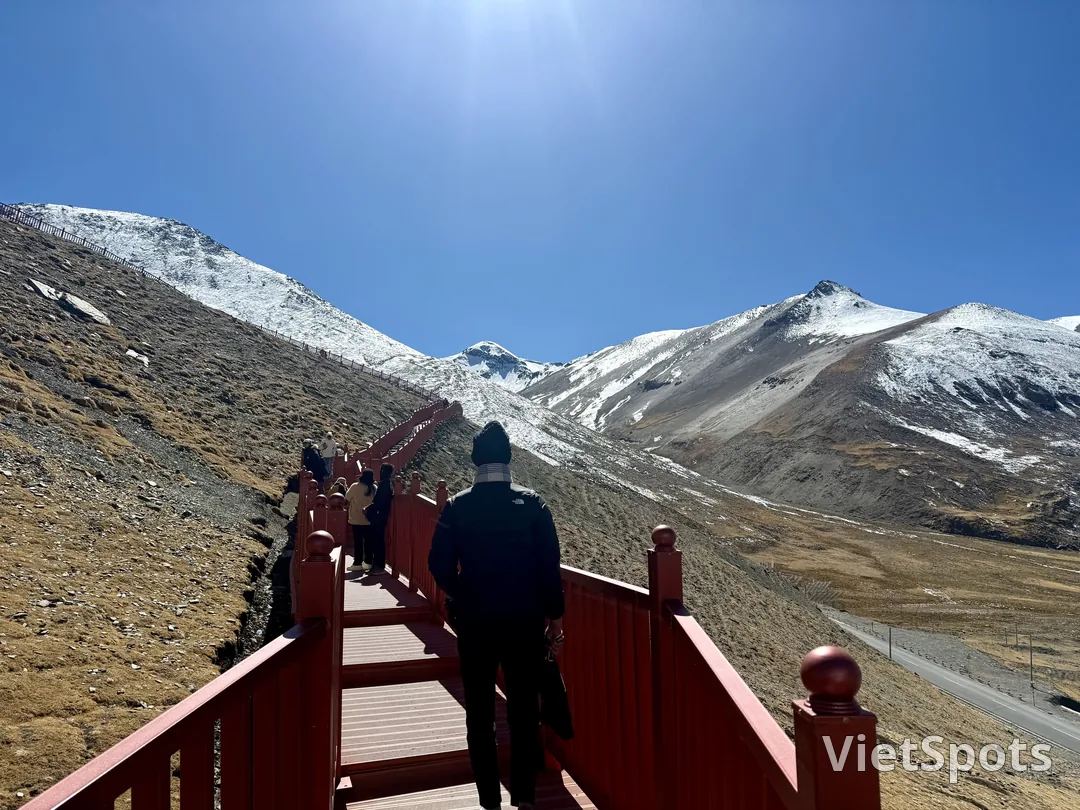
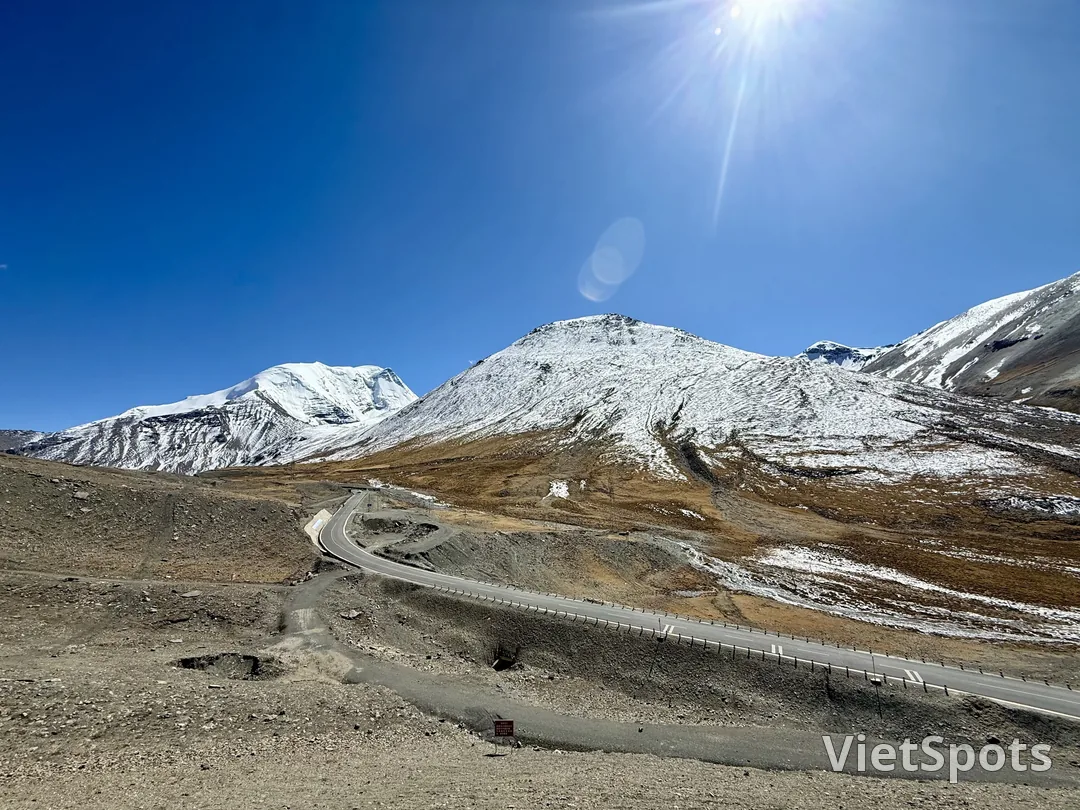
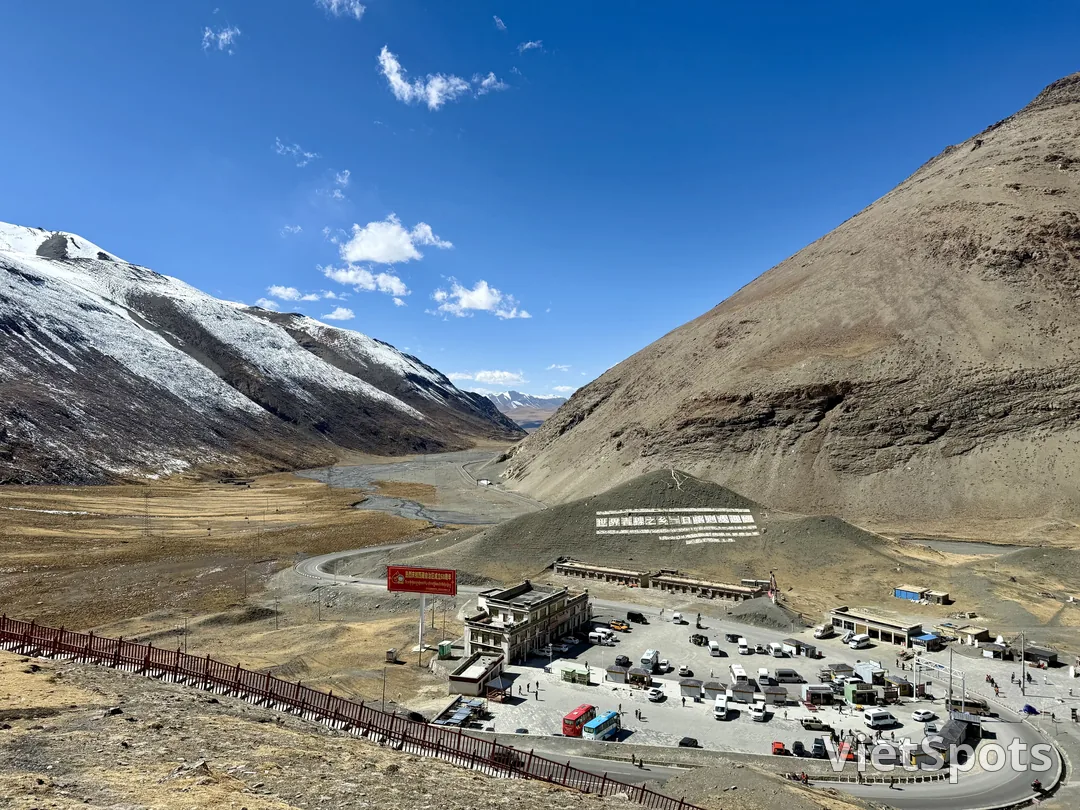
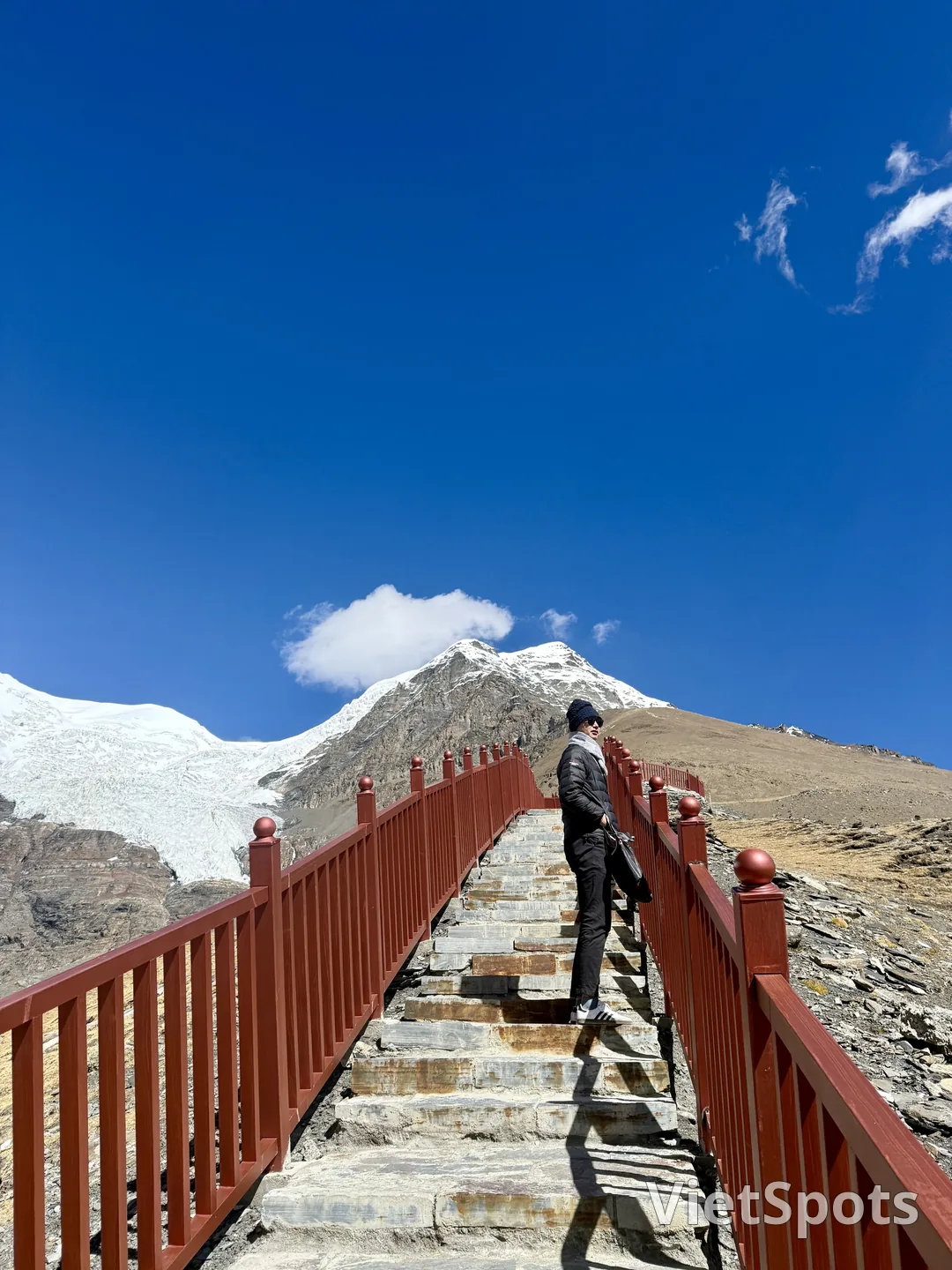
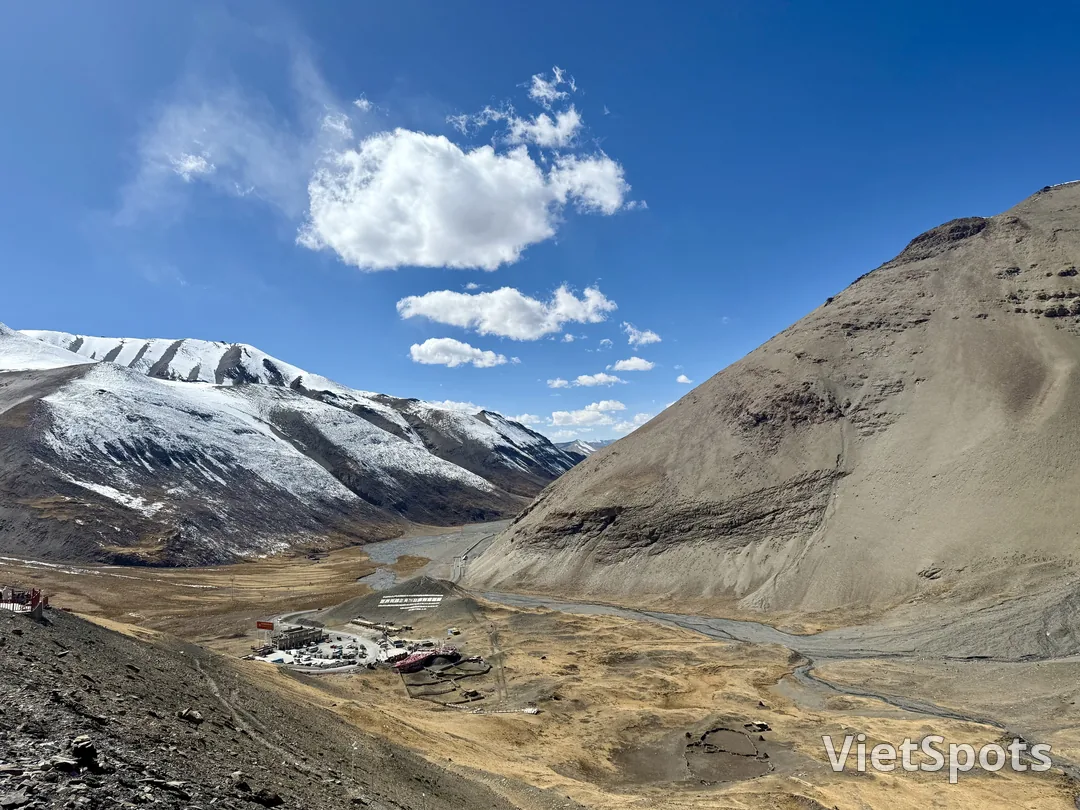
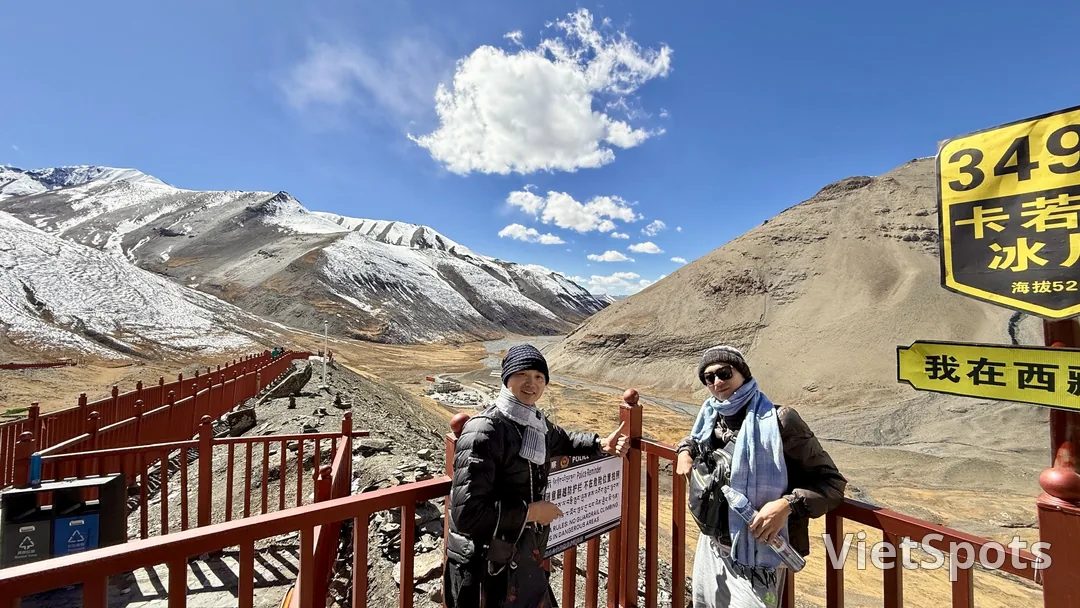
What surprised me most was: My mom actually climbed up here too! Even though she didn't reach the very top, she was already really amazing.
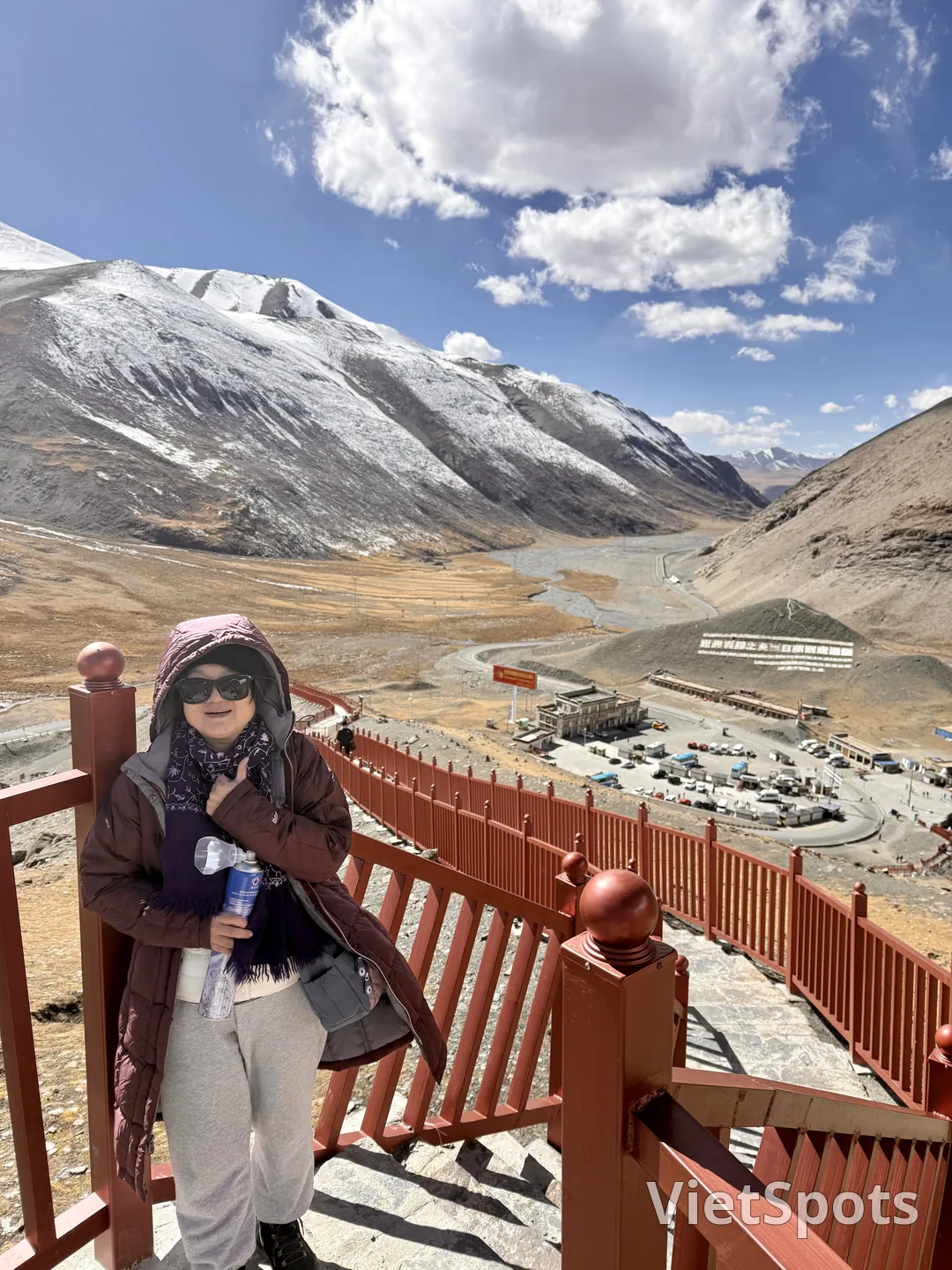
⚠️ Suggestion: If you also want to climb up to the viewing platform, start climbing as soon as you get off the bus, otherwise you'll end up rushing like we did at the end. Baiju Temple (optional visit) — an ancient temple where three major sects coexist The journey through Tibet is never boring, with magnificent scenery outside the window at every moment.
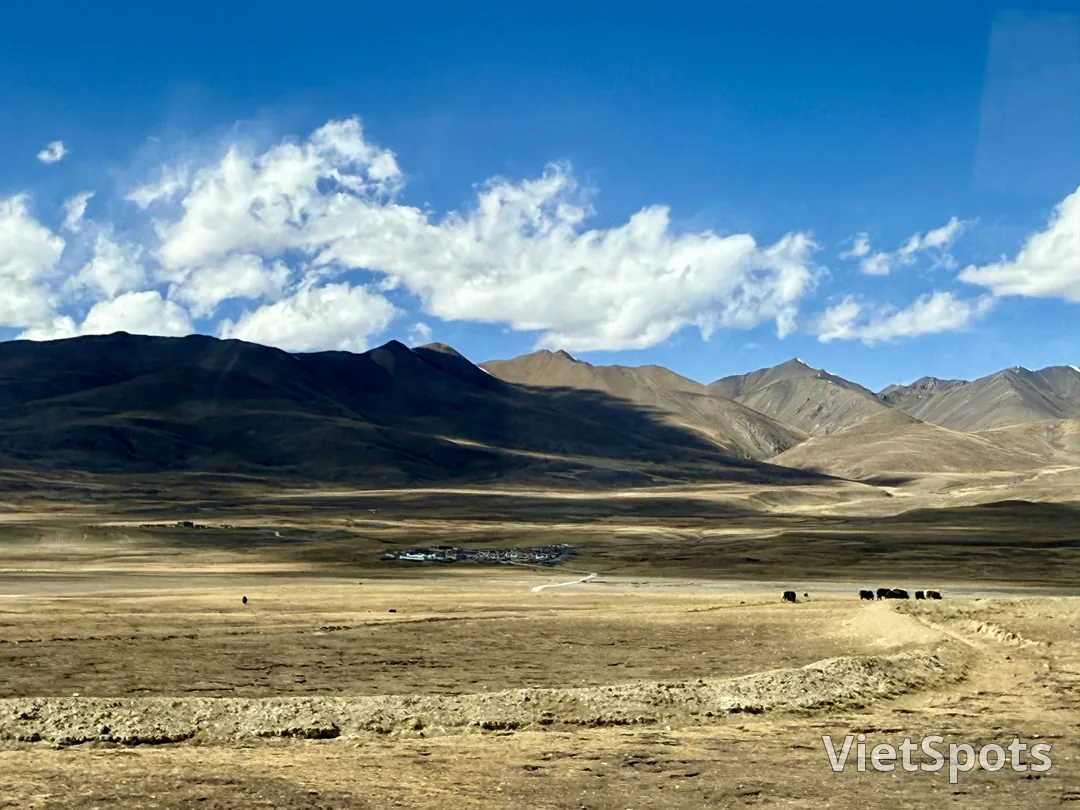
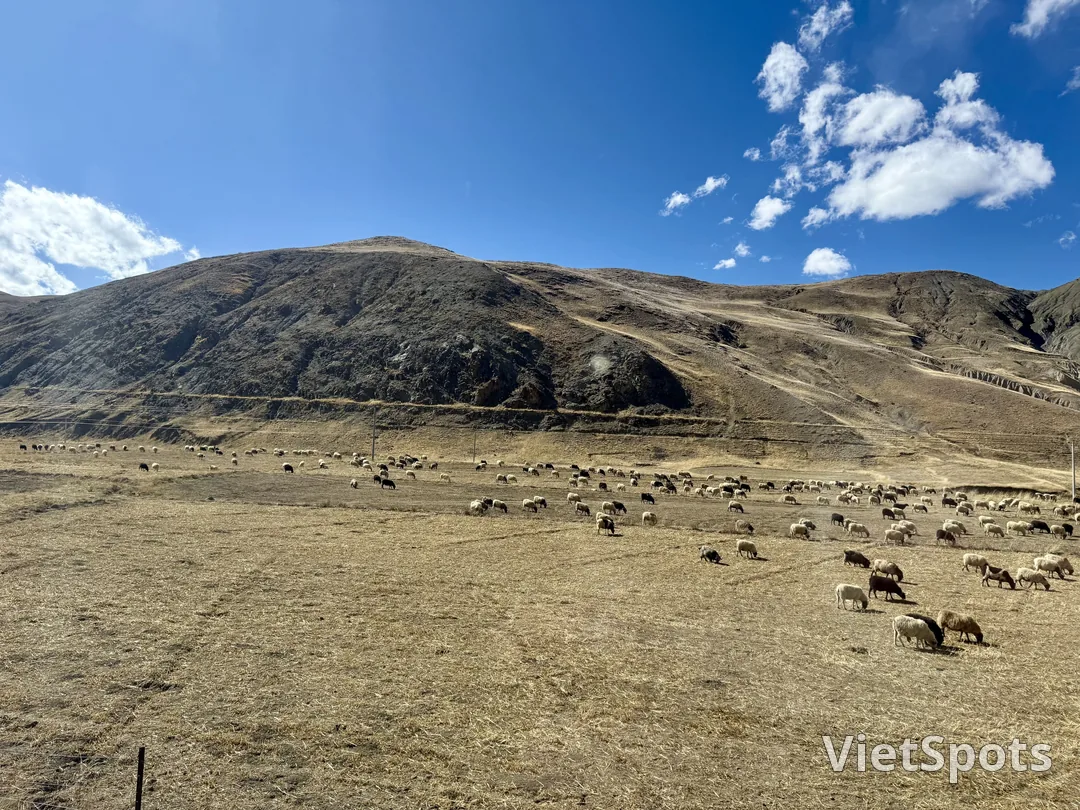
After a 3.5-hour drive, we arrived at our final destination, Baiju Temple (Pelkor Chöde Monastery). The entrance ticket is 60, and the guide said it's optional to visit, but since we'd already come all this way, how could we possibly miss it?
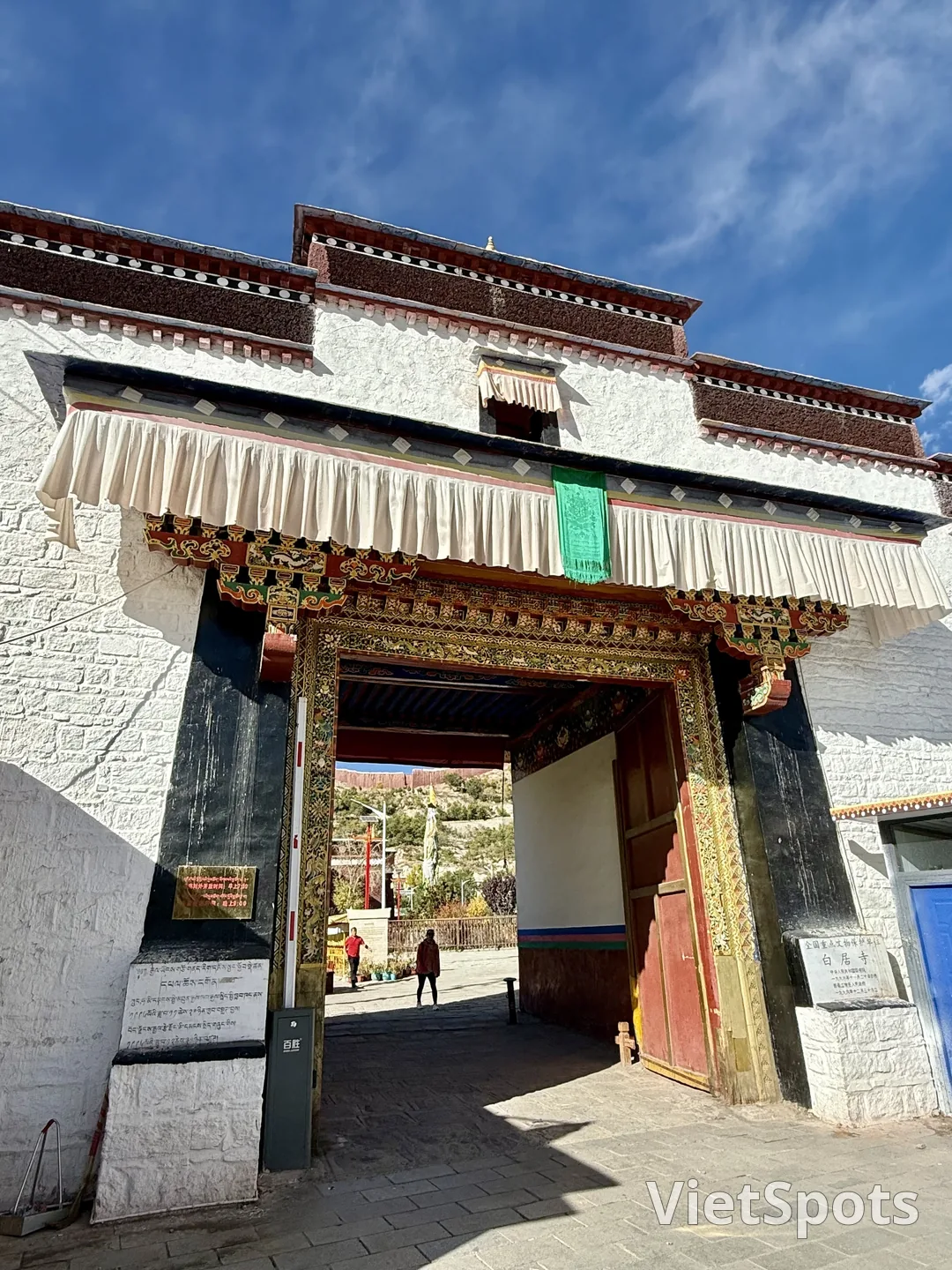
What makes Baiju (Bai Ju) Monastery special is that it is a monastery where the Sakya, Shalu, and Gelug schools coexist together. Its main buildings include: The Tsochin Grand Hall (Grand Hero Hall / Main Assembly Hall) The Auspicious Multi-Gated Stupa (Stupa of a Hundred Thousand Buddhas) The Sun-Drying Buddha Platform As well as the rarely-seen fortress-like monastery walls, which were originally built to defend against British forces.
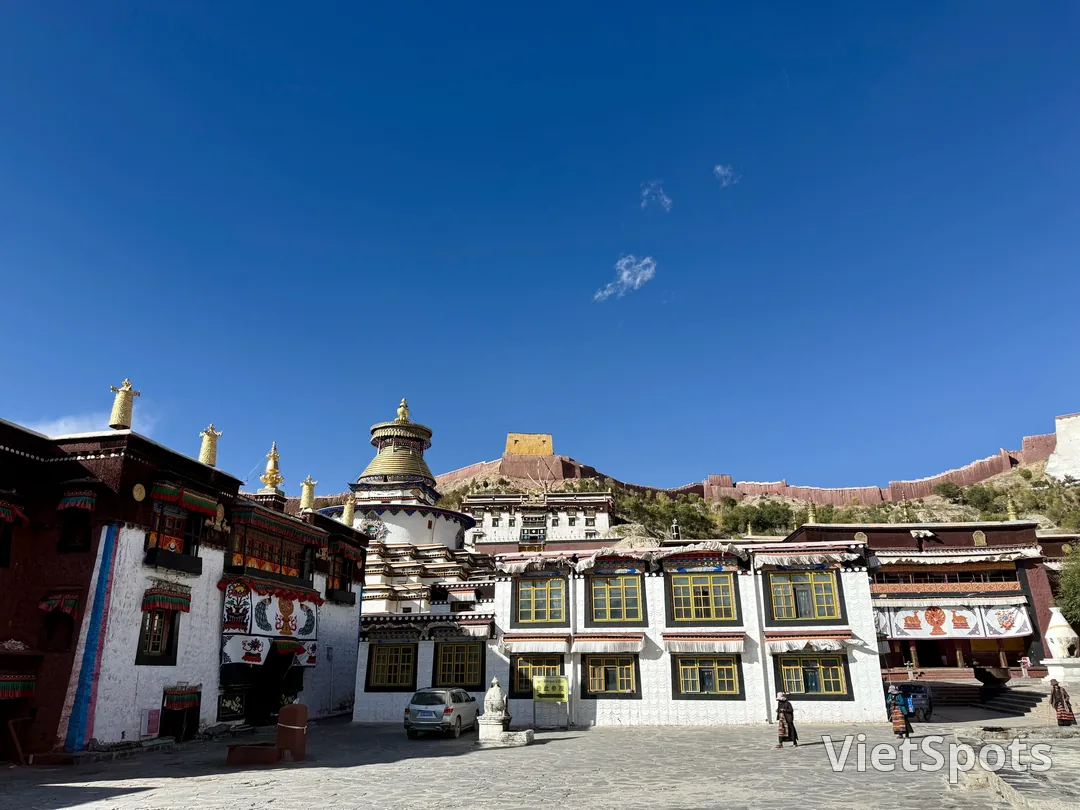
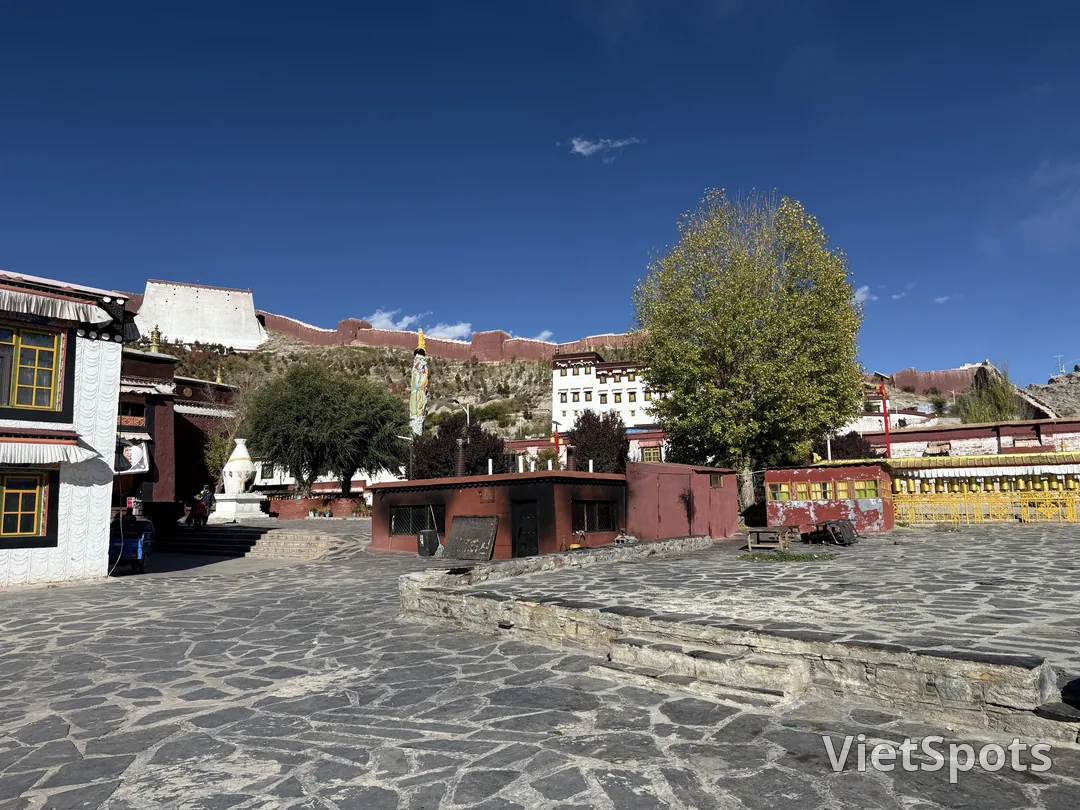
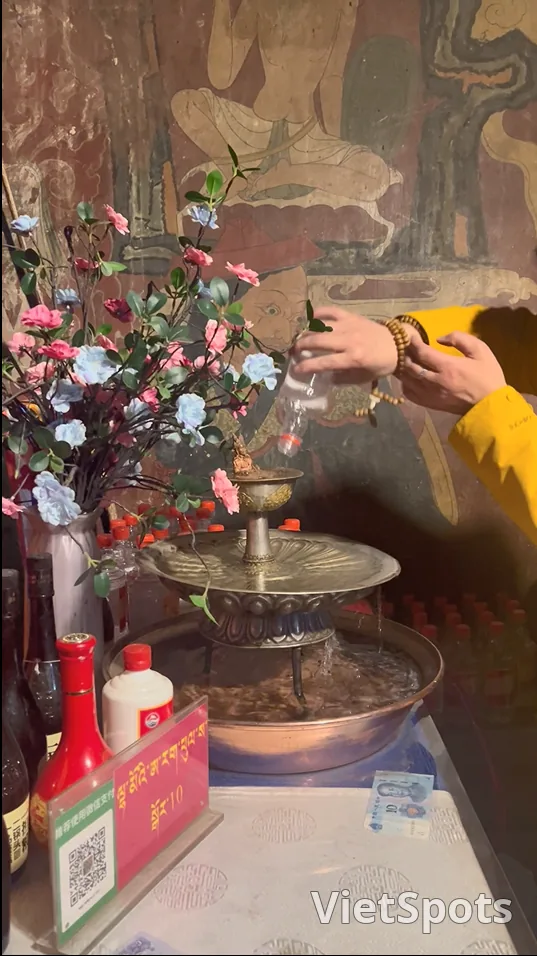
▸ Dharma Protector Temple First, we visit the Dharma Protector Temple. As soon as we step inside, we're greeted by a strong smell of alcohol — in Tibetan Buddhism, alcohol is offered to the dharma protectors.
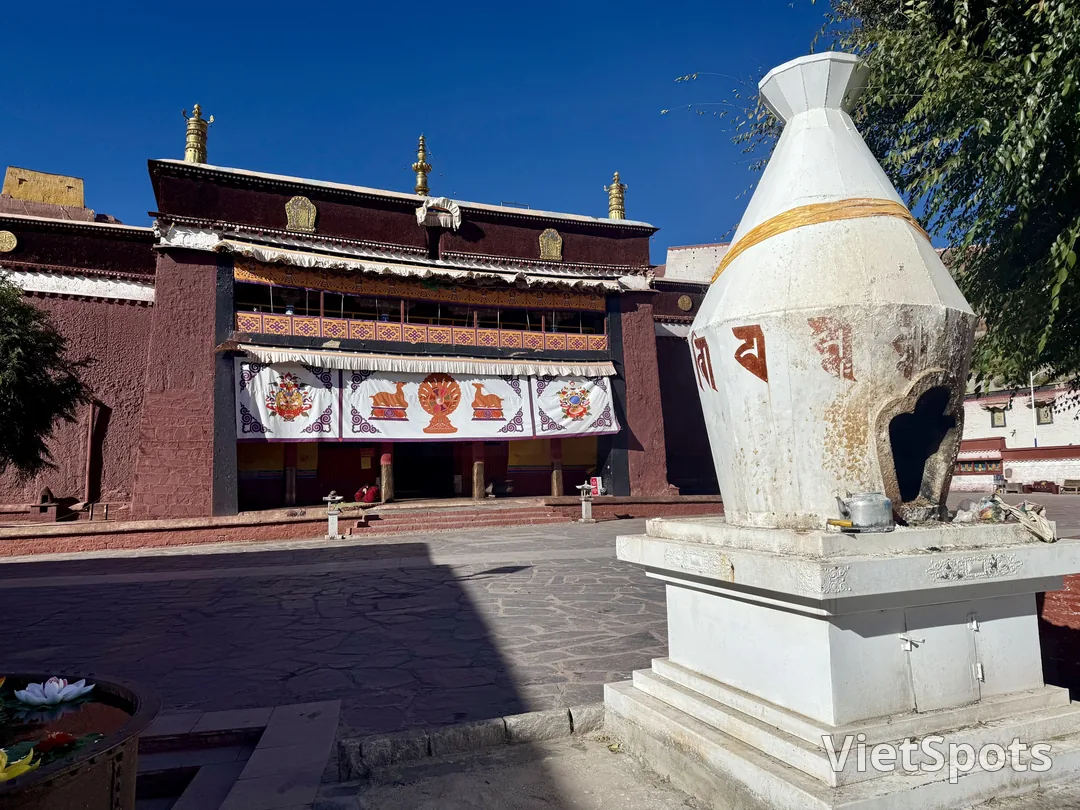
▸ Tsokchen Hall (the Great Hall / Main Assembly Hall) The wall murals have been blackened by smoke, because after the British army occupied the site back then, it was used as a kitchen. Although there are traces of damage, you can still make out remnants of the murals from days gone by. Inside the hall you can see: An 8-foot-tall statue of Shakyamuni Buddha The side halls enshrine Vairocana Buddha and Jampa (Maitreya) Buddha Many silk thangkas hang from the ceiling Photography is forbidden inside the temple, which actually makes it easier to focus on listening to the guide's explanations.
Auspicious Multi-Gate Pagoda (Tower of 100,000 Buddhas) - Blessing Prayer After leaving the Main Hall, we arrived at the pagoda. Once we reached the second level, we walked around it in a circle, offering prayers for peace and safety.
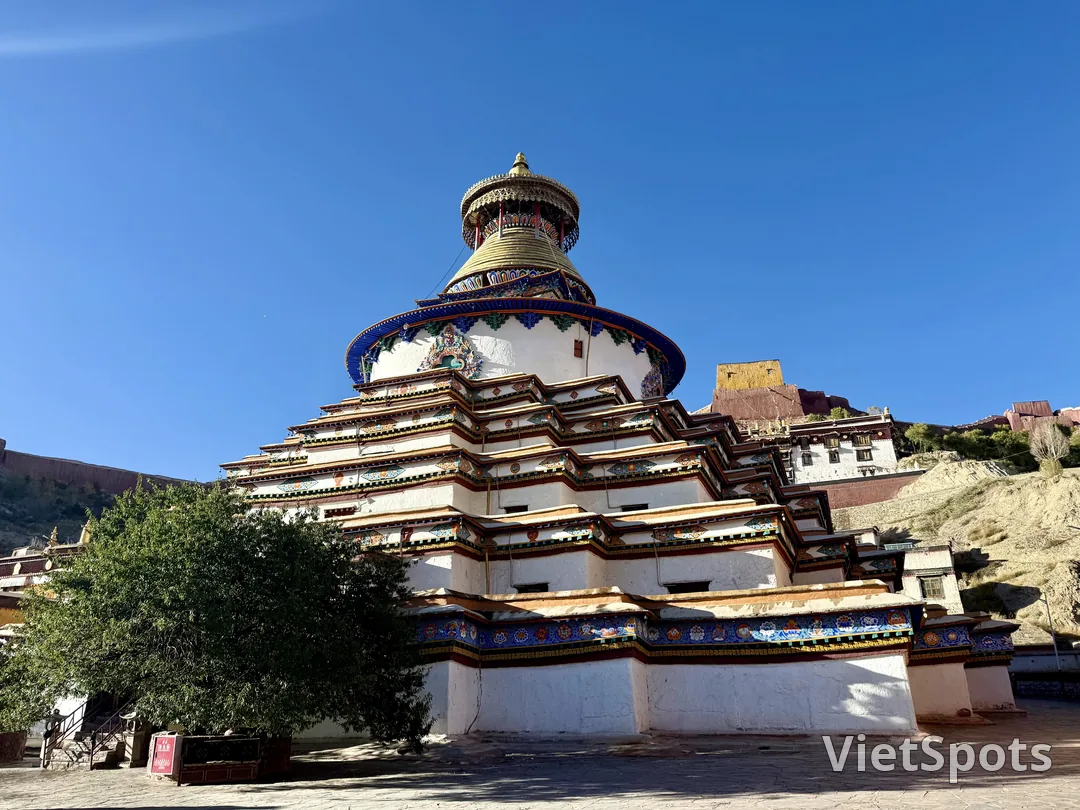
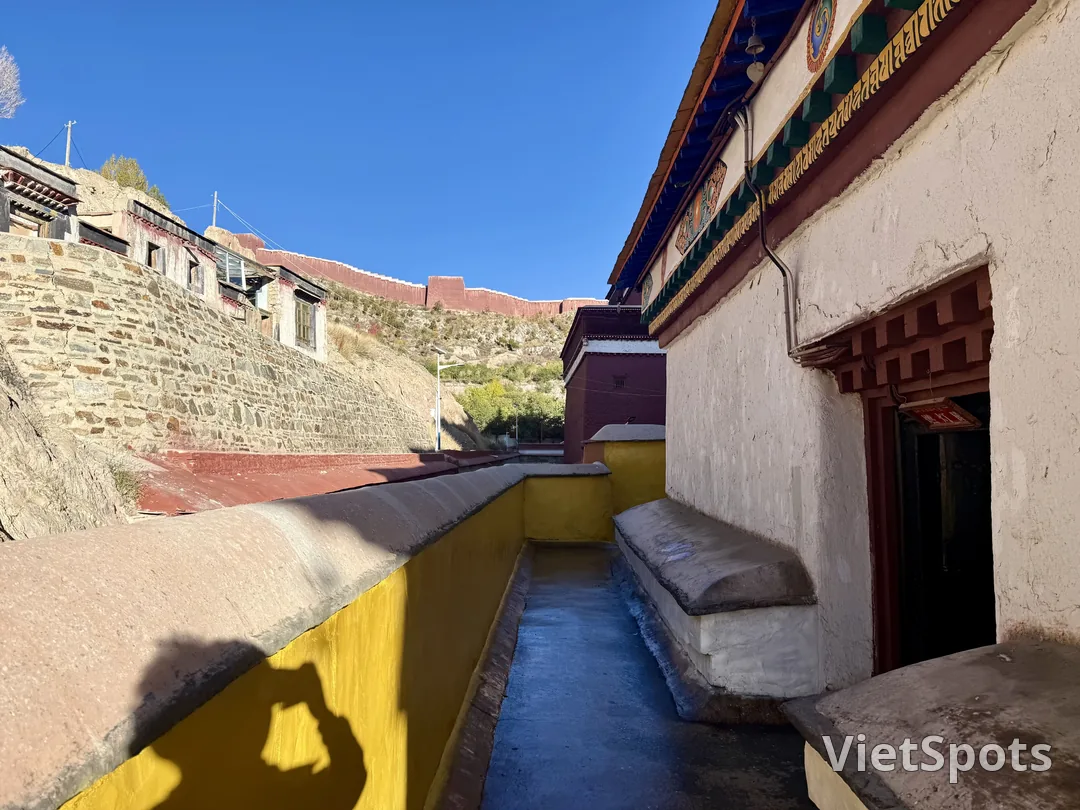
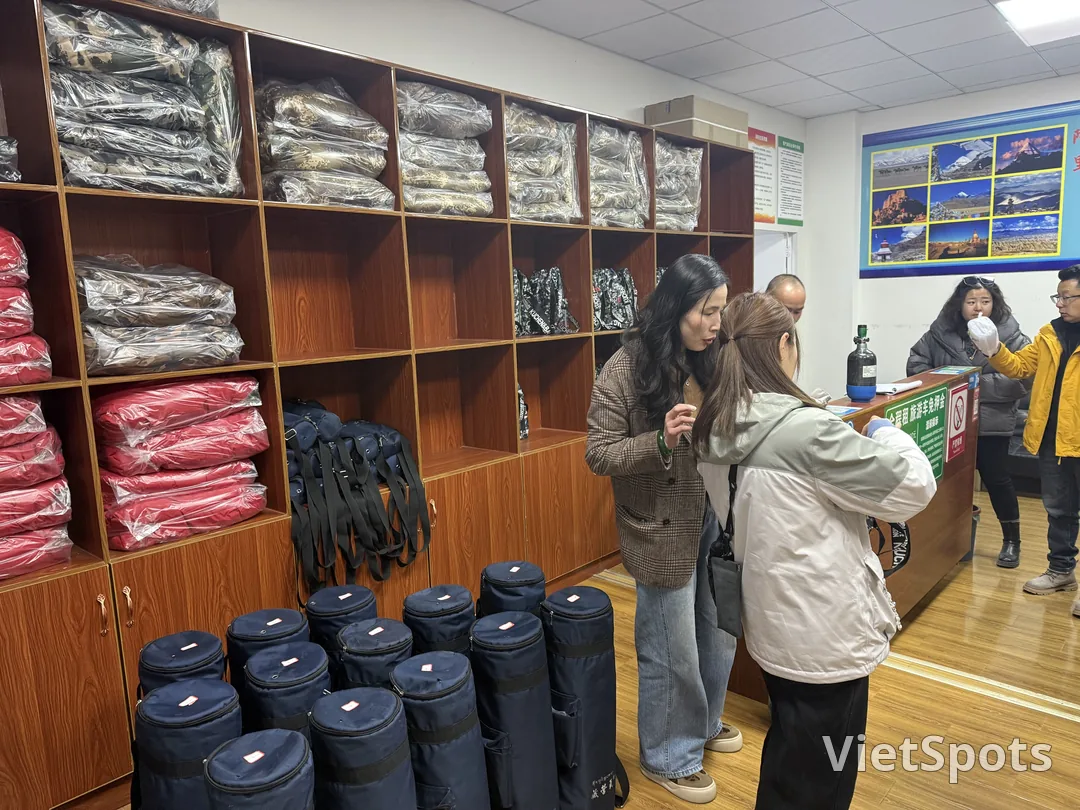
We originally planned for 40 minutes, but the guide's explanation was so wonderful that we ended up wandering around for more than an hour before leaving. On the bus, Brother Yong specially played a movie about the British army's invasion of Tibet, which gave the whole visit a deeper sense of history. Arriving in Shigatse: tomorrow we take on Everest Base Camp! We arrived in Shigatse at 8pm. Since tomorrow we're heading to Mount Everest Base Camp (5200m), the guide suggested we prepare two types of oxygen bottles: • Large bottle (700 RMB): provides 14 hours of oxygen • Small bottle (400 RMB): provides 4 hours of oxygen He said from experience that one large and one small bottle works best — the large bottle is used in the car and at accommodations, while the small bottle is used for outdoor activities. Everyone obediently bought accordingly, since spending a bit of money is a small thing, but it would be a shame if altitude sickness ended up affecting the trip. (Later I'll share in the travel guide post whether "one large, one small" is actually practical or not.)

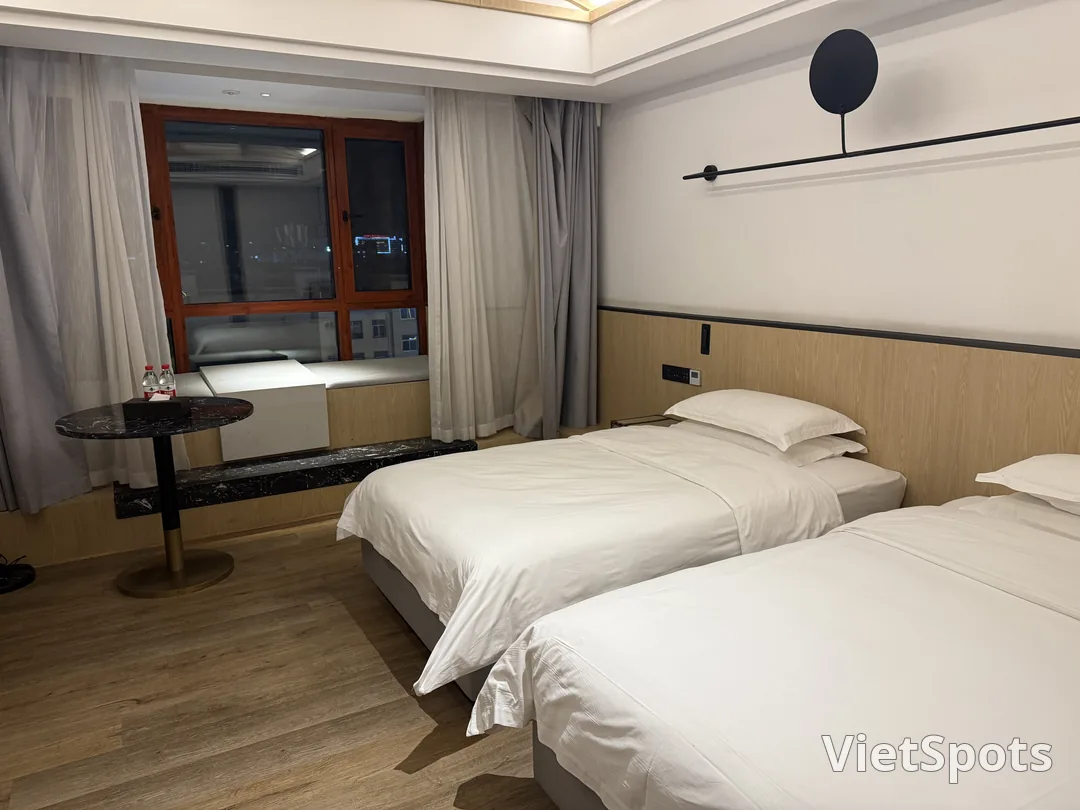
Accommodation Tonight & Preparing for Tomorrow's Everest Trip The hotel we're staying at tonight is very high-tech — as soon as you enter the room, the curtains and lights turn on automatically, and even the toilet has automatic sensors. We had dinner at the dumpling restaurant next door, and while we were at it, we bought instant noodles to eat tomorrow at Everest Base Camp.
Today's summary: Sacred Lake × Glacier × Ancient Monastery — the most classic route of southern Tibet. Today's itinerary involved long travel times, but the scenery was wonderfully layered. The tranquility of Yamdrok Lake, the awe-inspiring power of Karola Glacier, the historical depth of Pelkor Chode Monastery — Three completely different landscapes, woven together in a single day into the most complete impression of Tibet. Tomorrow is the part of this trip I've been looking forward to the most — Everest Base Camp — The day I truly begin the challenge of high altitude.
Book Travel in English on VietSpots
- 🎁 Sign up and get 16 Welcome Pack coupons — e.g. Motorbike Rental 45%
- 👑 Member tier discount up to 15% on site (Silver 5% · Gold 15%)
- 🛂 Auto-fill arrival card📶 Compare lowest eSIM prices🚻 Find toilets
Comments