

Explained by a Vietnam expat! If you're going to live there, which is better — Hanoi, Da Nang, or Ho Chi Minh City?


Xin chào! Wait, let me redo this properly.Among those considering moving to Vietnam, some may be thinking, "I've decided to live in Vietnam, but I'm still torn on which city to move to." By the way, we live in Ho Chi Minh City in the south, and the reason we chose it was super simple: "because we wanted somewhere hot all year round.Actually, although Vietnam is located in Southeast Asia, Hanoi has a temperate climate, and during Japan's autumn and winter seasons, Hanoi is similarly cold. Also, when we relocated, Da Nang was not yet very well known among Japanese people, and there were also few Japanese residents there, so locally there were hardly any places to source Japanese ingredients or any Japanese restaurants. For that reason, we were able to decide on Ho Chi Minh City relatively without hesitation. This time, just as the title says, I'd like to answer the question: as of December 2025, if you had to live in Hanoi, Da Nang, or Ho Chi Minh City, which one would you choose?! (^^♪ Vietnam relocation candidate ①: Unless you truly love the sea, give up on Da Nang.
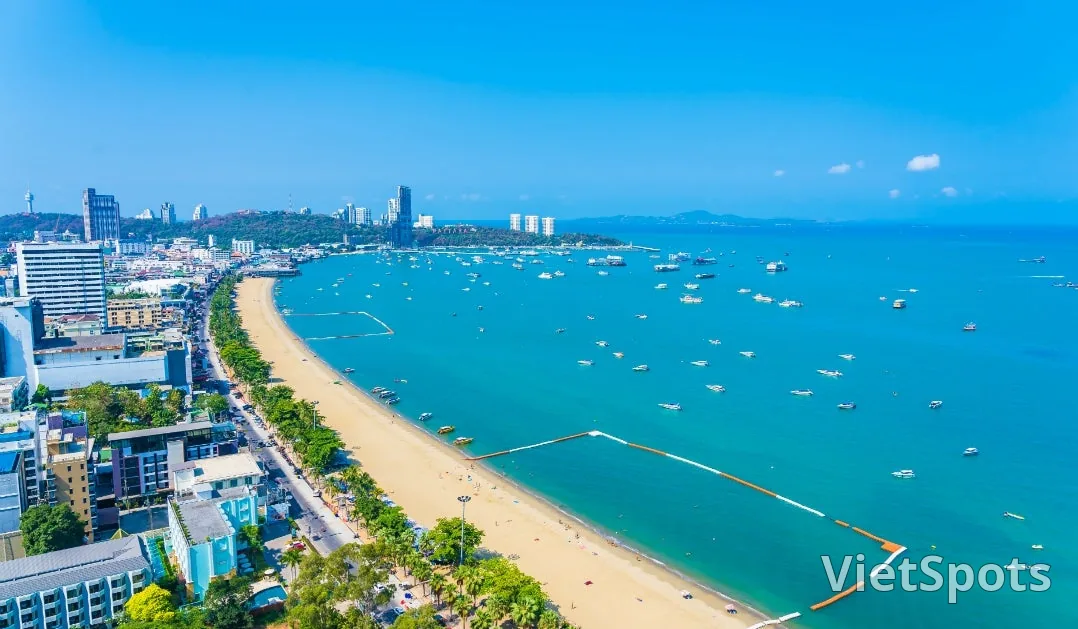
Da Nang, a resort city in central Vietnam. Anyone who has been there might think, "What a wonderful place to relocate to!" — with Da Nang's peaceful streets, My Khe Beach nestled right next to the city center, and the UNESCO World Heritage site of Hoi An just a 40-minute drive away. Also, although there are still only a few stores, more and more Japanese grocery shops and Japanese restaurants have been opening recently, so you won't have to worry even when you're craving Japanese food. That said, compared to Hanoi and Ho Chi Minh City, Da Nang really does feel overwhelmingly like there's "nothing here." Honestly, from a Japanese person's perspective, even living in Hanoi or Ho Chi Minh City you can feel like "there's absolutely nowhere to go or have fun on the weekends," so this is even more true for Da Nang. If you go swimming in the sea or sightseeing in Hoi An's old town almost every week, you're bound to get tired of it, right? It would be fine if you're living there with a purpose, like a company-assigned expat, but if it's a simple second-life relocation, it seems better to keep Da Nang as just a place for travel. Vietnam relocation candidate ②: Hanoi tends to be love-it-or-hate-it, but a lot of Japanese people seem to like it.
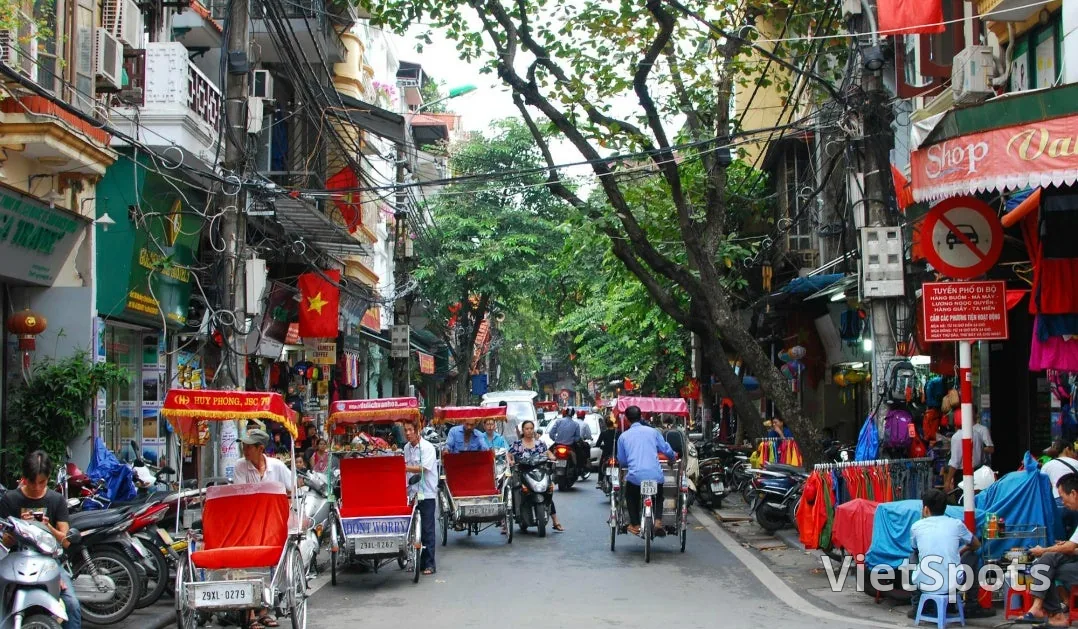
My wife Ngoc, who is Vietnamese, is originally from Ho Chi Minh City in the south. Because of that, she doesn't have very warm feelings toward Hanoi. It's sometimes compared to the relationship between Tokyo and Osaka, but since the two sides were on opposing sides during the Vietnam War, the divide runs a little deeper than that. That said, from a Japanese person's point of view, Hanoi's climate feels quite comfortable to live in. Autumn and winter are cold, but in other words, there are distinct seasons, which gives the year a nice sense of rhythm.Many Japanese people live in the Hai Ba Trung area, south of Hoan Kiem Lake and the Old Quarter which serves as the tourist hub, as well as in the Linh Lang area near Lotte Mart to the west, so there is a good selection of Japanese grocery stores and Japanese restaurants there. Even Yuki, my Japanese husband, admitted that "Japanese restaurants in Hanoi are more delicious than those in Ho Chi Minh City. That said, some people who want to relocate to Vietnam may be picturing a "tropical, Southeast Asian lifestyle." For those people, Hanoi isn't really something I can recommend. Vietnam relocation option ③: Ho Chi Minh City lets you live the Asian lifestyle you imagined
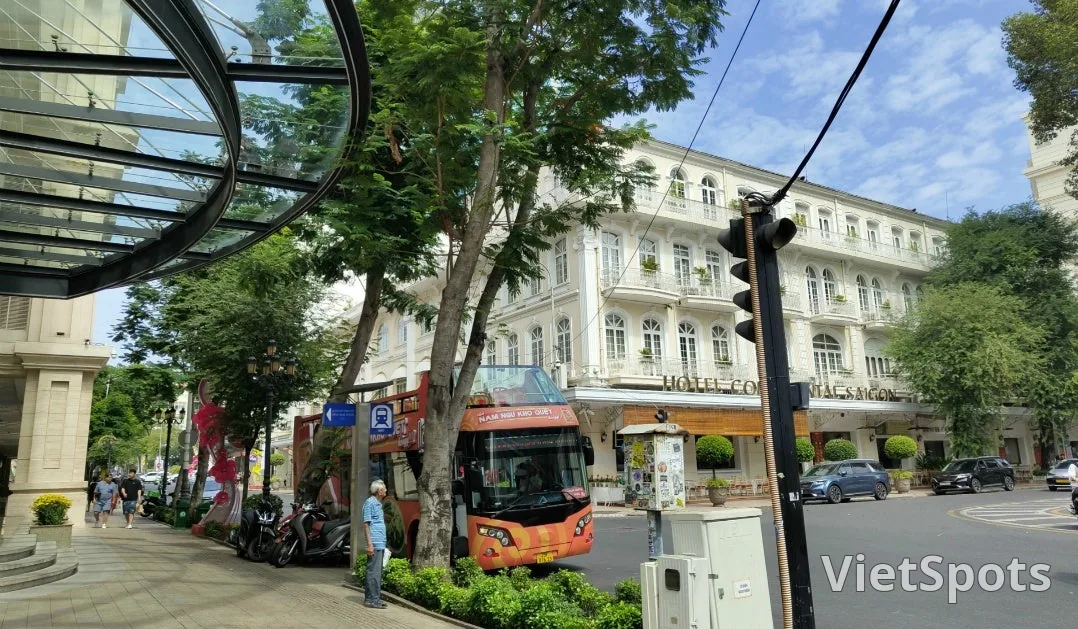
They say people from Ho Chi Minh City are similar in temperament to people from Osaka in Japan, and yeah, that's pretty much the vibe. They don't really get shy around strangers. They don't sweat the small stuff, they're loud, there are markets everywhere, people are often fighting on the street, there are lots of stylish cafes, it's a motorbike paradise, and so on—yeah, it's pretty much what you'd imagine (lol) Considering the local conditions, here are some points where it's better than Hanoi (sorry to all the Japanese residents living in Hanoi!) ・The air is cleaner than in Hanoi (Hanoi's air quality has gotten pretty bad lately) ・There's not much typhoon damage ・It's hot all year round (a big plus if you're not a fan of the cold) ・Japanese commercial facilities often open here before they do in Hanoi The capital of Vietnam is Hanoi, but the largest economic zone is Ho Chi Minh City. For this reason, major companies expanding into Vietnam first open their stores in Ho Chi Minh City. For example, AEON Mall, Nitori, Matsumoto Kiyoshi, ABC-Mart, FamilyMart, MINISTOP, 7-Eleven, Tsuruha Drug, and Ippudo — all of these opened their first store in Ho Chi Minh City, and then expanded to Hanoi several years later. Summary and next preview... The first step toward relocating to Vietnam. Start by trying a short stay in a city that interests you. Seeing is believing. First, search for local information online, then pick out a city that catches your interest and try living there for about three weeks to a month. This lets you see the way of life in that town and the people you interact with from an angle completely different from just traveling. By the way, we were initially thinking of living on the island of Bali in Indonesia, but my Japanese husband Yuki cried out that "the food doesn't suit me" ((+_+)) But food really is important, isn't it! Next time preview... Introducing the hospital and insurance situation for people who moved to Vietnam! Next time: "When people who moved to Vietnam get sick or injured, what kind of hospital do they go to?" and "Are there Japanese doctors?We'll answer questions like "Surely overseas travel insurance can't be used, right? So what happens with insurance then?" Please come back and take a look again! Hẹn gặp lại! *This means "See you again!" in Vietnamese (^^)/
Travel Vietnam with VietSpots, in English
- 🎁 Sign up and get 16 Welcome Pack coupons — e.g. Motorbike Rental 45%
- 👑 Member tier discount up to 15% on site (Silver 5% · Gold 15%)
- 🛂 Auto-fill arrival card📶 Compare lowest eSIM prices🚻 Find toilets
Comments