

A make-ahead staple made with Vietnamese ingredients — One Dish (Simmered Okra in Broth)


My beloved okra. At the shop I always visit at the market, they're lined up neatly bundled in bunches of about 15 to 18 pods.
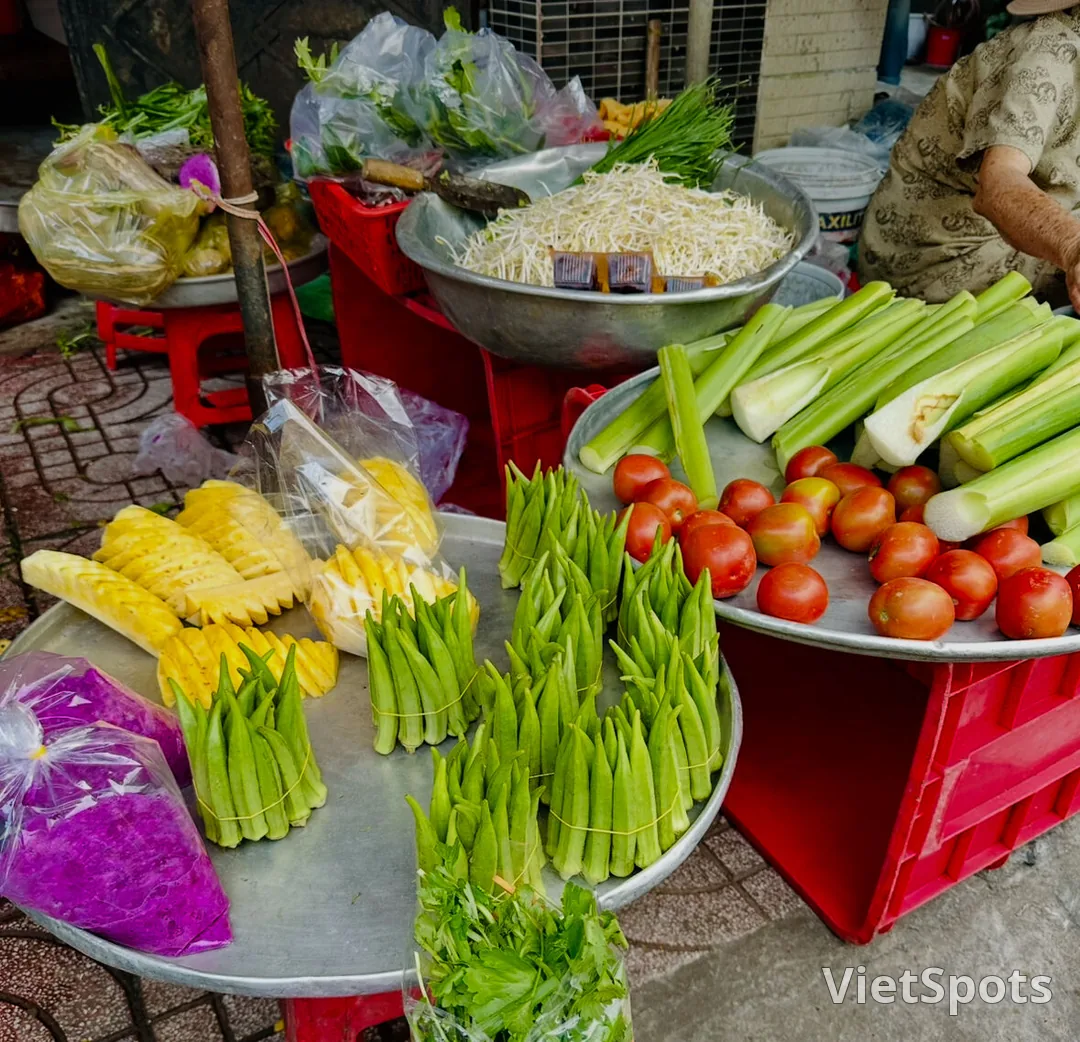
【🇻🇳 Ho Chi Minh City Cost-of-Living Info: The Price of Okra — As of January 2026】 1 bunch (15–18 pods) = 12,000 VND = about 72 yen Because okra in Vietnam soaks up so much sunshine, its outer skin becomes tough. It has a wild, intensely green flavor that feels quite strong, so when I add it to natto, I cut it into thin slices to soften the texture. Unlike the supple okra in Japan, once it's in your mouth it makes a real racket, all crunchy and assertive. You won't get that sense of oneness with the beans unless you chew it well, lol. But it's got proper stickiness and it's delicious. Our household's go-to, my absolute favorite way to eat it, is "Simmered okra soaked in shiro-dashi.
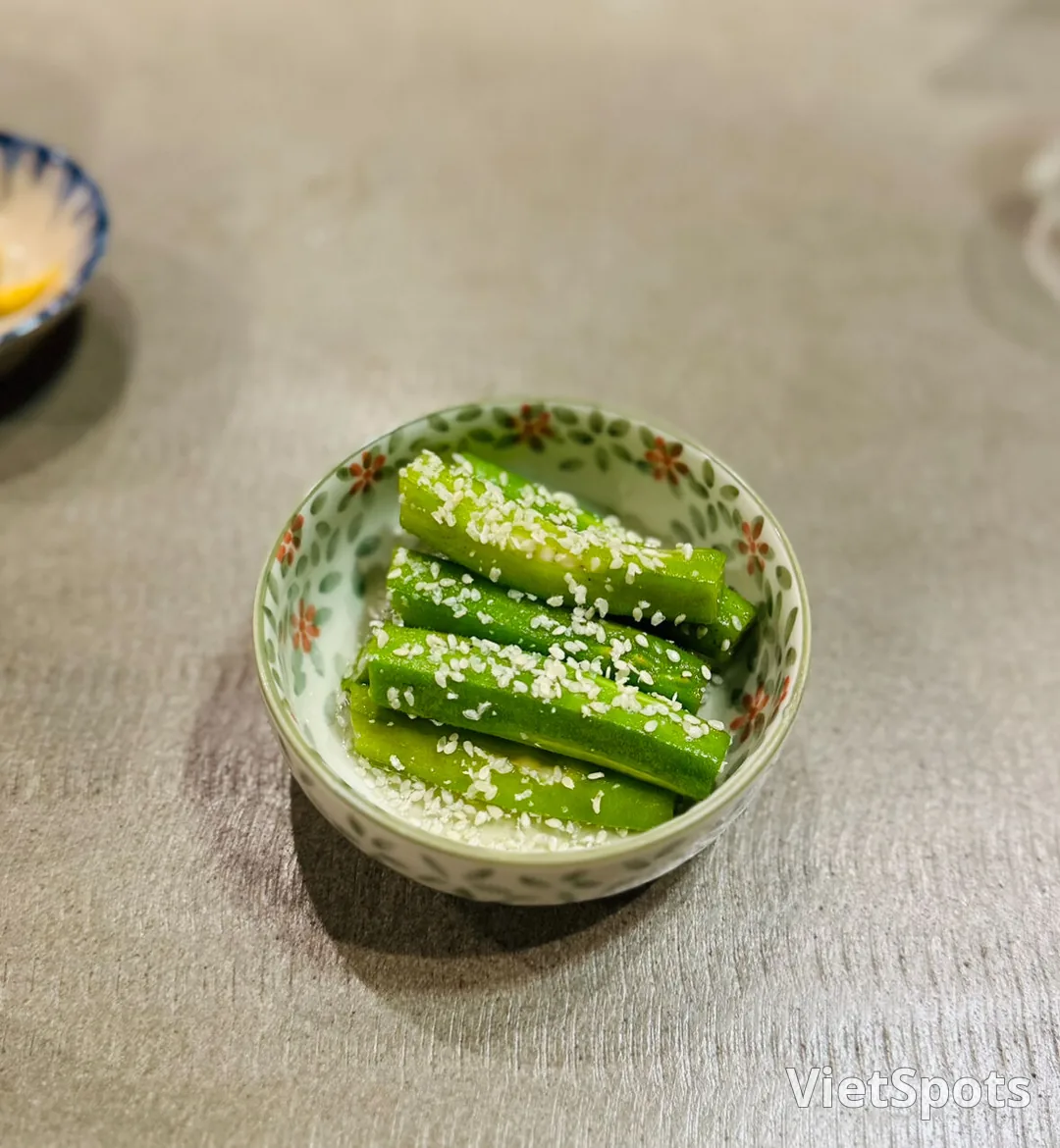
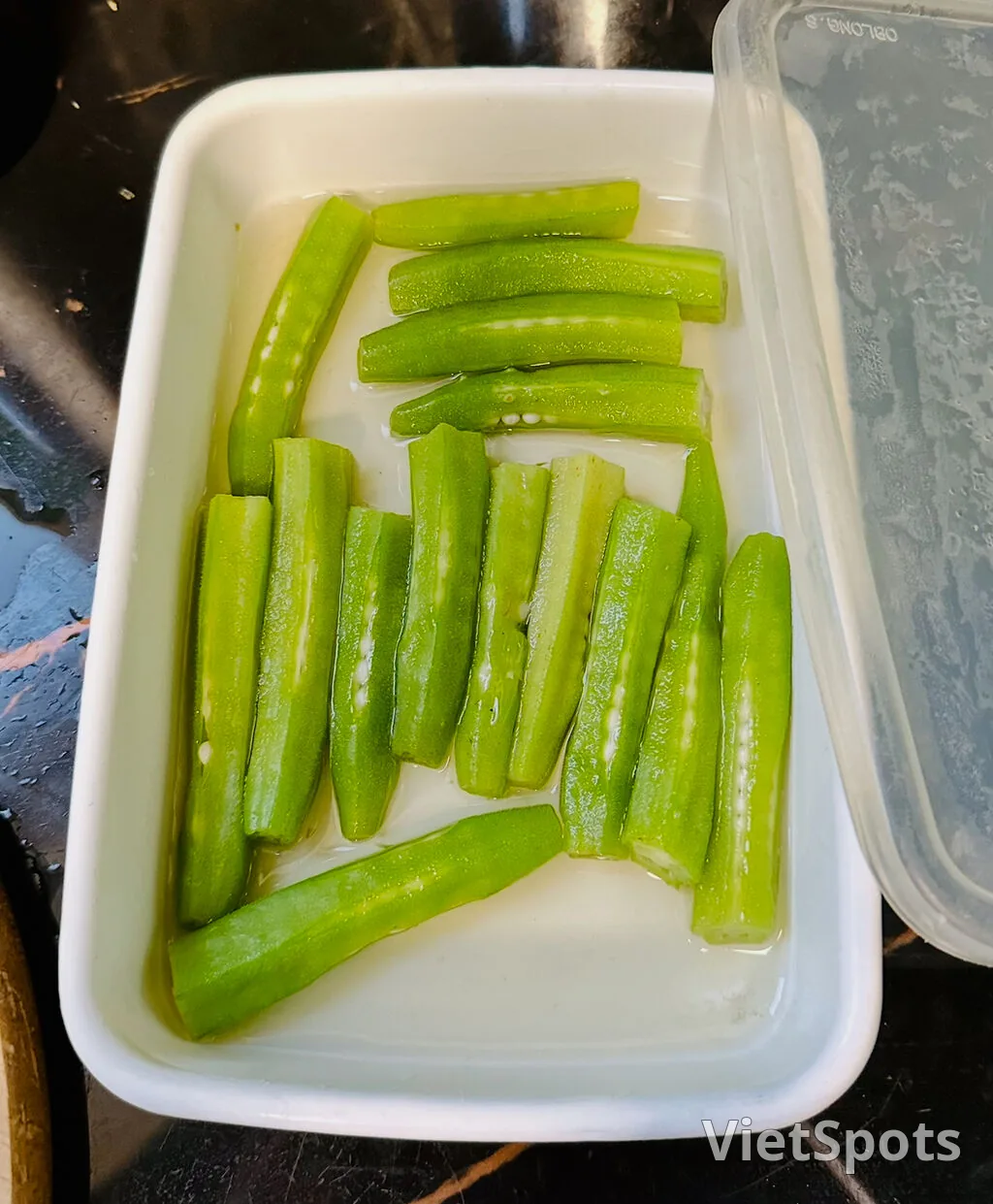
1) After washing the okra, don't cut off the stem or anything—just leave it as is and boil it for 1 minute in plenty of water with just a tiny bit of salt. 2) Take the okra out of the hot water and cool it on top of an ice pack. 3) Once the temperature has dropped and it's cool enough to touch, cut off the stem and the bitter tip. Then, slide a peeler along the angled ridges to remove the fibers. It's a bit of work, but the mouthfeel is completely different with this step versus without it. Vietnamese vegetables have strong fibers, so the texture lingers and it can get stuck in your teeth. Removing them makes it much easier to eat. If it's too much trouble, just cut it into pieces about 1 centimeter long. For me, placing a long okra on the dish is the ultimate joy, so I remove the fibers. I read online that okra is called "lady's finger," and indeed, the way the tip tapers off so slenderly is beautiful. I've gone off on a tangent. Once you've removed the fibers... 4) After that, all you have to do is soak it in shiro-dashi (bonito flakes and salt). Even just 30 minutes of soaking makes it delicious. It'll keep for 1 to 2 days in the fridge, but since it soaks up the flavor quickly, it's probably best to make just as much as you'll eat. 5) When you place it on the dish, drizzle a little of the wonderfully silky liquid over it too. I love scattering ground white sesame on top to make it look beautiful. As a variation, you can turn it into a chilled pasta, or cut it up and mix it into tofu for a shiraae. Just as a nibble with white wine... it disappears in no time.
A handy staple vegetable to keep on hand. Relocation Life Ranking
Travel Vietnam with vietSpots, in English
- 🎁 Sign up and get 14 Welcome Pack coupons — e.g. Motorbike Rental 45%
- 👑 Member tier discount up to 15% on site (Silver 5% · Gold 15%)
- 🛂 Auto-fill arrival card📶 Compare lowest eSIM prices🚻 Find toilets
Comments