

New Year's holidays and Lunar New Year (Tet) in Vietnam: How they differ from Japan and how people spend them


Xin chào! We are Yuki, a Japanese husband living in Ho Chi Minh City, Vietnam, and Ngoc, his Vietnamese wife. On this blog, we share information about moving to and living in Vietnam, as well as travel information from all over the country. If you find an article that catches your interest, please start by following us! ♪ This time, we'd like to introduce Vietnamese New Year (Tet). I imagine you're currently celebrating the year-end and New Year holidays in Japan, but actually, ringing in the New Year according to the new (solar) calendar is a custom unique to Japan. In countries like China, South Korea, Vietnam, Malaysia, and Singapore, the New Year is counted according to the lunar calendar, so in 2026 it will fall in mid-February. What is the year-end and New Year season like in Japan? What about in Vietnam?
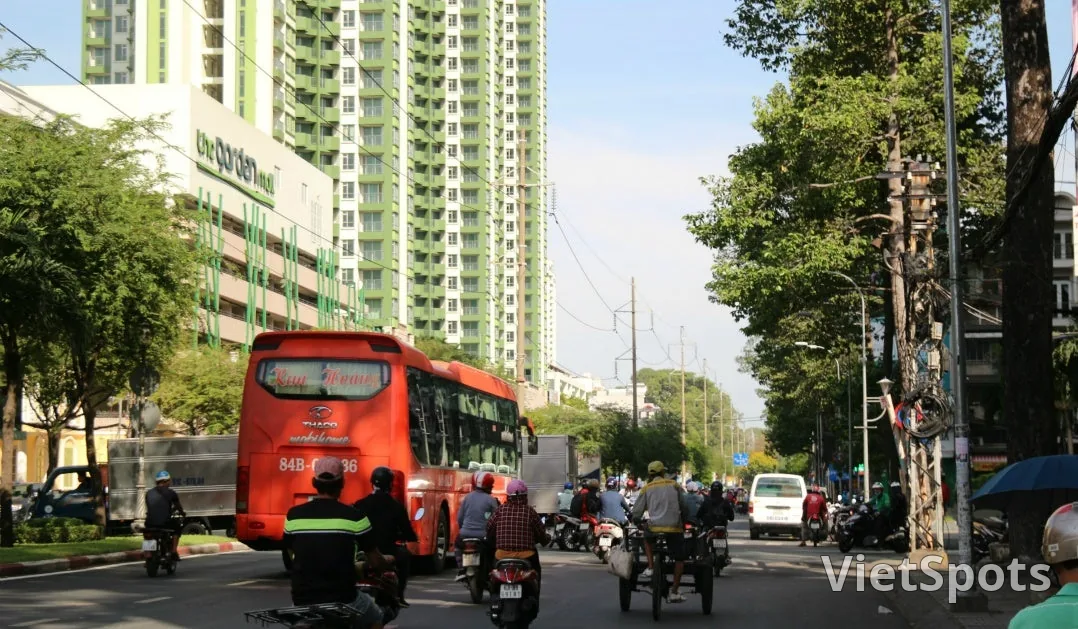
With Japan's year-end and New Year holidays, in Vietnam people are looking ahead to the real Lunar New Year, so it feels a bit like the eve of that festivities. That said, some shops still haven't taken down their Christmas decorations yet. Officially, the only public holiday is January 1st, but since January 1st falls on a Thursday in 2026, the government has announced that Friday will also be a public holiday, making it a four-day consecutive holiday from Thursday through Sunday. By the way, as of today, December 30th, when I'm writing this article...There's zero New Year's feeling here (lol). Since it's a special occasion, I'm thinking of at least buying some mochi and oshiruko (sweet red bean soup) at a Japanese convenience store, but instant oshiruko costs over 1000 yen... (sob) Are there any events held in Vietnam for the New Year's holiday period?
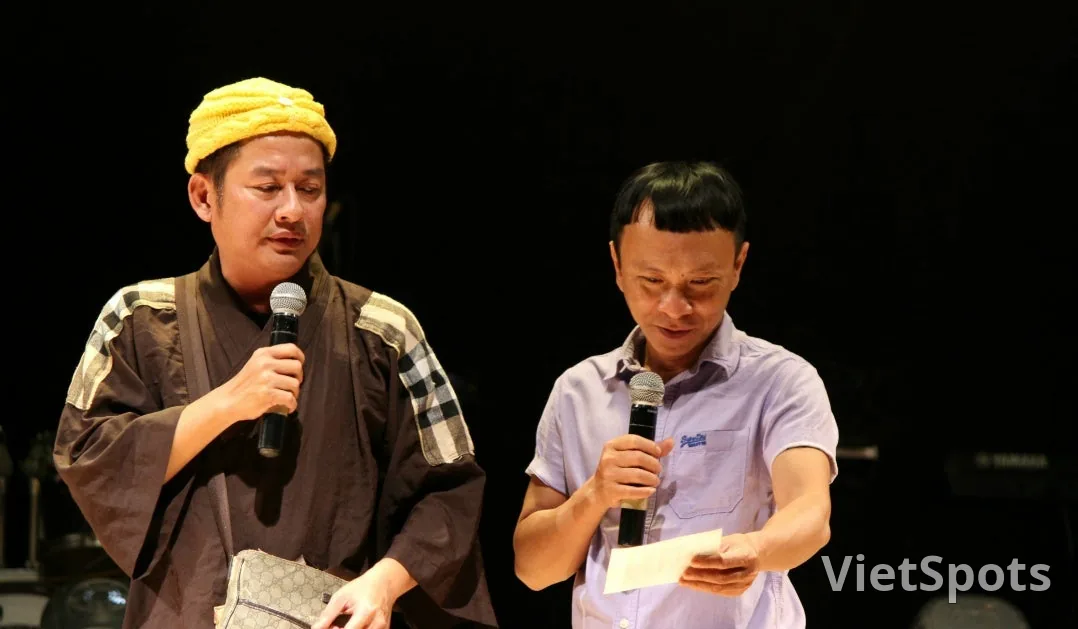
A traditional year-end and New Year event in Vietnam is the fireworks display launched at midnight on December 31st. They are set off in major cities such as Hanoi, Da Nang, and Ho Chi Minh City, so if you're traveling there, you should be able to enjoy the view from your hotel room or a rooftop sky bar. There are also live performances by comedians and singers, and the city centers get extremely crowded with young people.On the other hand, people don't eat a Vietnamese-style New Year's dish reminiscent of osechi, nor do they go to temples for the first shrine visit of the year — those customs are still reserved for Lunar New Year. So, does the government decide public holidays? As mentioned above, temporary holidays like this one are decided and announced suddenly, at the government's own discretion.It's still just a public holiday, so it's the government agencies that are off, and private companies aren't obligated to follow suit — but there's an unspoken cultural understanding to align with the public holiday schedule anyway. By the way, this year's Lunar New Year (Tet, the first day of the new year) falls on February 17th, with the public holiday running from February 14th to 20th. Because the lunar calendar shifts every year, the New Year period also changes annually, and each time the government announces, "This year's Tet holiday will run from [date] to [date].Japan, which celebrates the New Year according to the Gregorian calendar, has a fixed date, so there's a big difference in that respect. How the Vietnamese Lunar New Year (Tet) Is Spent
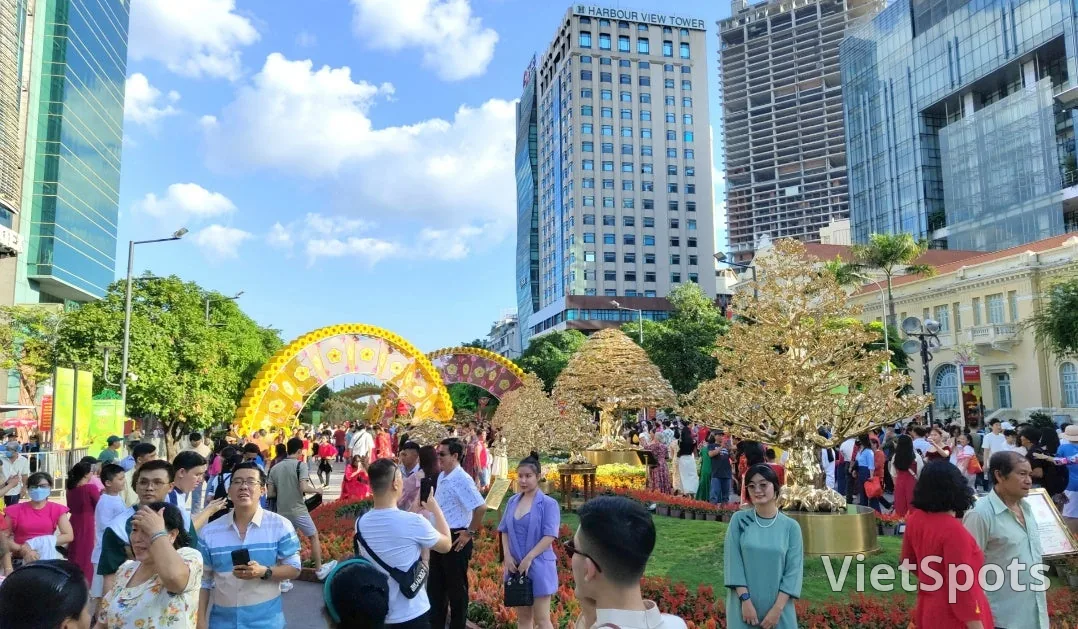
On the other hand, unlike Japan, where the New Year is spent solemnly, Vietnam's Lunar New Year could be described in a word as "flamboyant." Every year, the towns are covered in flashy decorations, and wrapped in yellow and red flowers that are said to bring good fortune. There is also the concept of the first temple visit of the year, so even people who don't normally visit temples make a point of going during the Lunar New Year. That part is quite similar to us Japanese, isn't it? Also, in urban areas, a "Flower Road" event is held.The streets are decorated with various monuments and ornaments, and the festive mood continues from morning until night. By the way, women also wear the Ao Dai during this time. Vietnamese Ao Dai Come in Colorful Designs When people think of the Ao Dai, many may picture a white top paired with black trousers, but the white Ao Dai is actually a school uniform. The Ao Dai worn for weddings, funerals, and other ceremonial occasions comes in colorful designs such as green, purple, red, and yellow.Basically it's made to order, so a single piece costs around 10,000 to 20,000 yen, but there are quite a few enthusiasts who have one tailored almost every year. A must-see for travelers! Store information during Vietnam's Lunar New Year period.
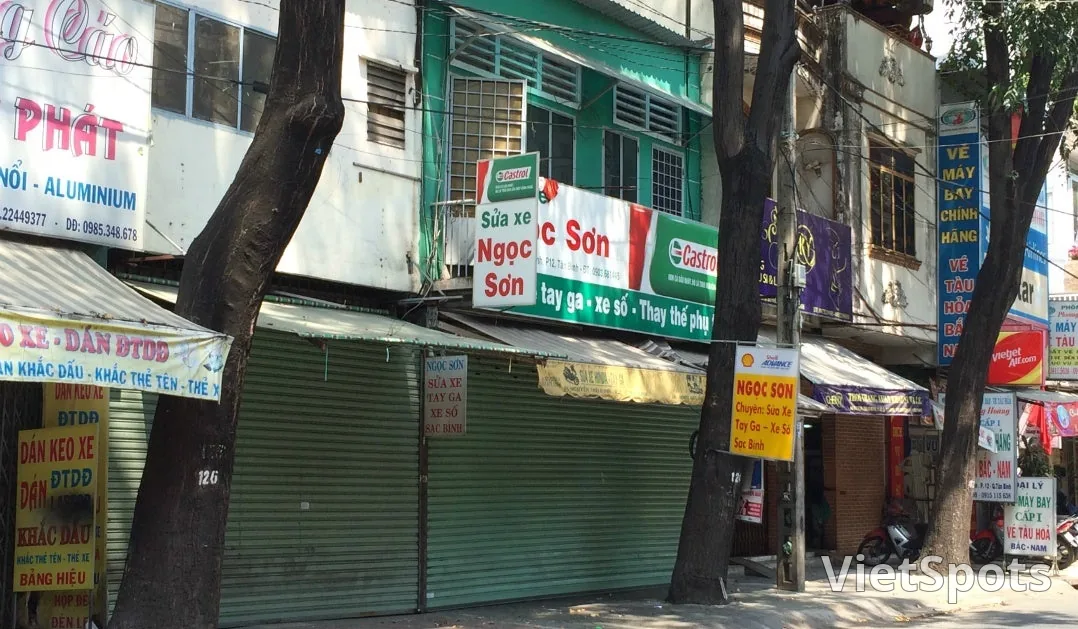
Those planning a trip to Vietnam during the Vietnamese Lunar New Year (Tet) period may need to adjust their sightseeing schedule. Also, you need to be careful about the prices at each shop. Under Vietnamese law, if a company has employees work on a public holiday, it must pay them 400% (four times) their normal wage. For this reason, most shops apply a special surcharge during the Lunar New Year period. It might be safer to join a local tour. During city sightseeing, there have been a series of troubles such as "I went to a spa, but it was closed," and "I booked a restaurant online, but when I actually went, it was closed." For this reason, instead of touring the town, it might be better to switch to joining a local tour that visits scenic spots in the suburbs. In summary... Vietnamese New Year. It's something you should experience at least once. The Japanese New Year period doesn't feel very special in Vietnam.If you'd like to experience a slightly different kind of trip to Vietnam, we highly recommend visiting during Tet (Lunar New Year). Well everyone, have a wonderful new year!!
Book Travel in English on VietSpots
- 🎁 Sign up and get 16 Welcome Pack coupons — e.g. Motorbike Rental 45%
- 👑 Member tier discount up to 15% on site (Silver 5% · Gold 15%)
- 🛂 Auto-fill arrival card📶 Compare lowest eSIM prices🚻 Find toilets
Comments