

“Why is Da Nang called Da Nang?”, “Why is Ba Na Hills called Ba Na Hills?”
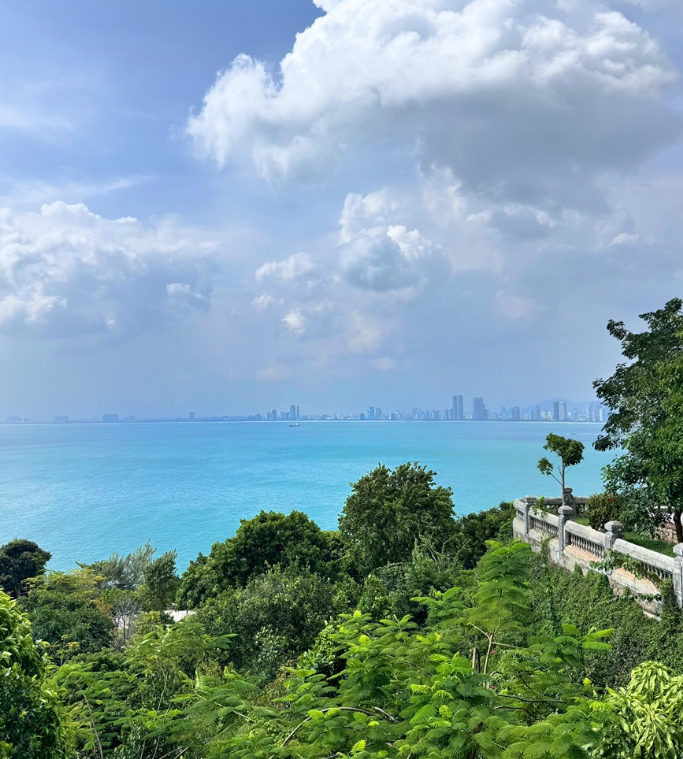

Da Nang has many attractions and areas.
Suddenly, I wondered why Da Nang is called Da Nang and why the Han River is called the Han River. Out of curiosity, I looked into it.
So shall we take a look at the origin (etymology) of that name~ :)
----------------------------------------------------------------------------------------------------------------------------------------------------
1. Da Nang (Đà Nẵng)
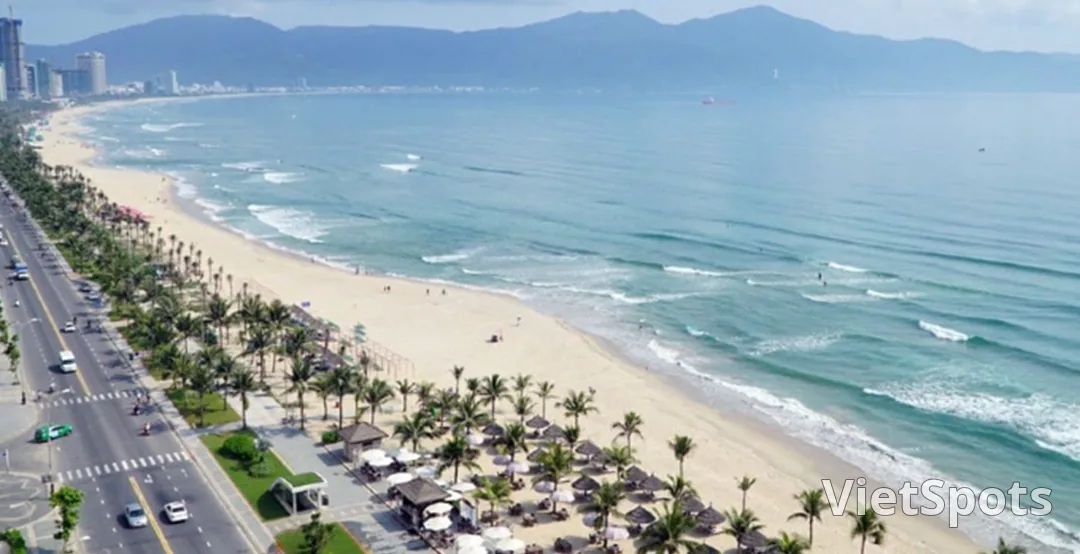
The origin of the name Da Nang comes from the Cham word 'DaNak' from the era of the ancient Champa Kingdom, which meant 'the mouth of the big river'.
In fact, Da Nang was a port city situated at a large estuary where the Han River flows out into the sea.
During the period of French colonial rule, it was also called by the French place name 'Tourane.
----------------------------------------------------------------------------------------------------------------------------------------------------
2. Han River (Hàn River)
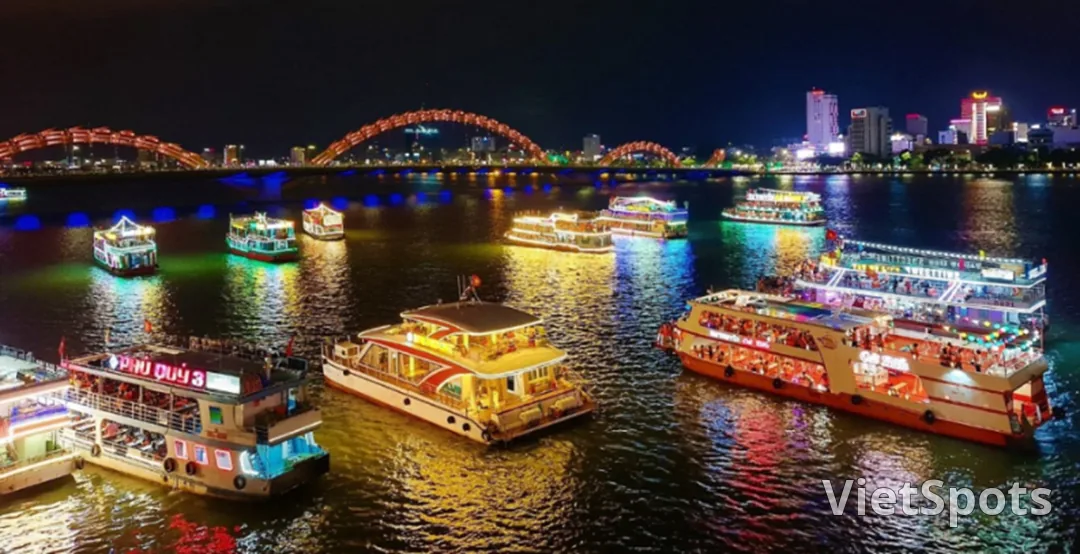
Da Nang's Han River is called Sông Hàn in Vietnamese.
Here, it's easy to think that Hàn has the same meaning as the '漢' in our country's Han River (Hangang), but,
Da Nang's 'Hàn' comes from 'Cửa Hàn (Cua Han)', the old place name for the mouth of the river.
One of Da Nang's old names was Cửa Hàn = the entrance of the Han River/Han-gu (mouth of the Han), and
In records from the Lê Dynasty period around 1490, the name 'Cửa Hàn' is confirmed.
----------------------------------------------------------------------------------------------------------------------------------------------------
3. Ba Na Hills
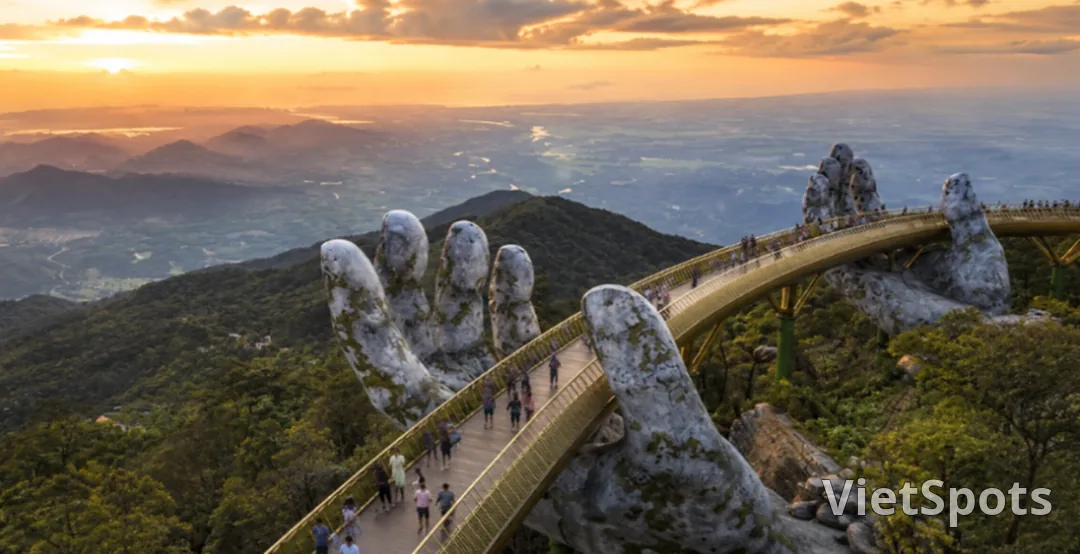
There are two origin stories for Banahill.
The first theory is that it originated from the Cham goddess 'Po Nagar
There is a theory that Ba Na (Bà Nà/Pà Nà) is a name related to Po Nagar, an important goddess of the Cham people.
It is explained that this region was once the site of religious activities of the Cham people.
The second is the theory that it came from the French word 'Banane'.
Seeing that bananas grew abundantly in the Banana region, the French
There is a story that the name Banane (바나나) came from this.
----------------------------------------------------------------------------------------------------------------------------------------------------
4. Five Elements Mountain (Ngũ Hành Sơn)
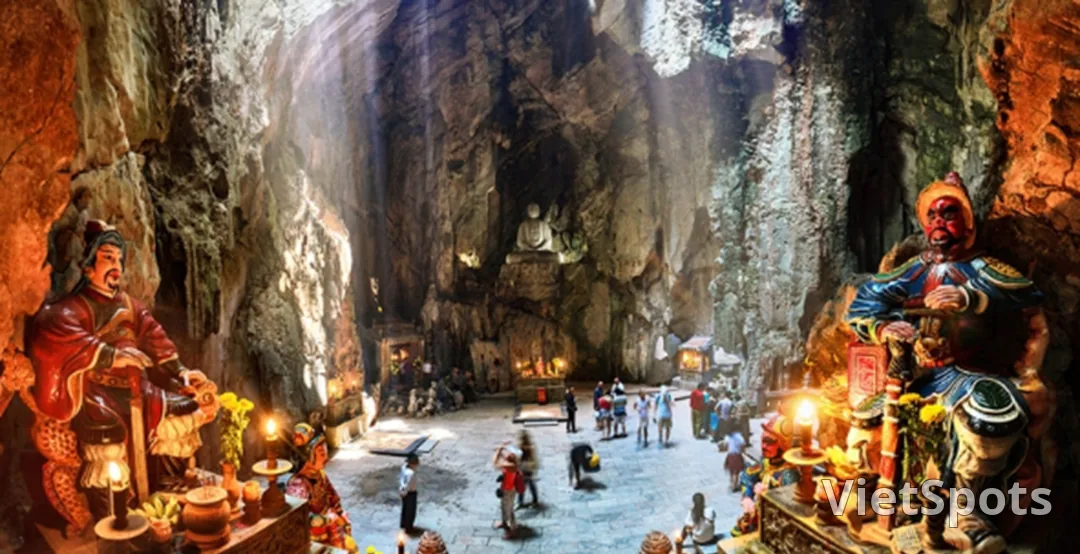
For Ohaengsan, the names of the five mountains come from the Eastern Five Elements (elements).
Ohaengsan actually refers to the names of five mountains, and
1️⃣ ‘Geumsan,’ meaning metal (金)
2️⃣ ‘Susan,’ meaning water (水)
3️⃣ ‘Moksan,’ meaning ‘tree (木)’
4️⃣ 'Hwasan (Volcano)', meaning fire (火)
5️⃣ There is 'Tosan,' which means Earth (土).
In particular, 'Susan' is one of the places that many tourists visit.
----------------------------------------------------------------------------------------------------------------------------------------------------
5. Sơn Trà Peninsula
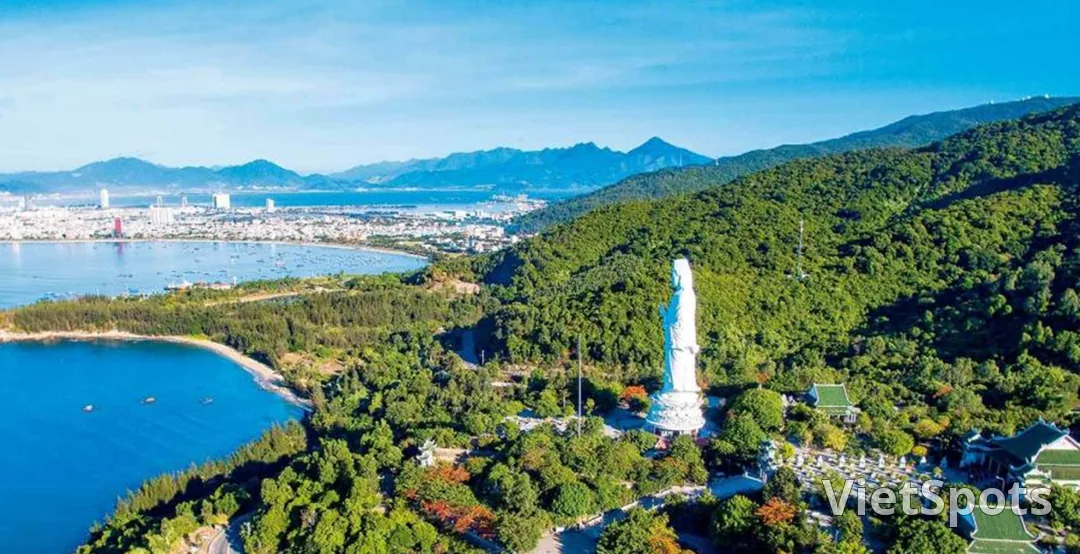
Sơn Trà Peninsula = Seonjja Peninsula
I heard this place has also had its name changed several times.
According to Da Nang's official tourism data, in the past
Huyền Trân Ngọc Island Cù Lao Hàn Ngũ Hải Đài
and it was called by various other names, and as the name Sơn Trà came into use during the French era, it became the current name
I hear it has settled in well.
Broken down by Hanja, Sơn = mountain, Trà = tea
In other words, taken literally, it feels like 'the mountain of tea.
But rather than simply explaining the meaning of Chinese characters
What matters more is that “this is a peninsula that has historically had many names.”
----------------------------------------------------------------------------------------------------------------------------------------------------
6. Hai Van Pass (Hải Vân Pass)
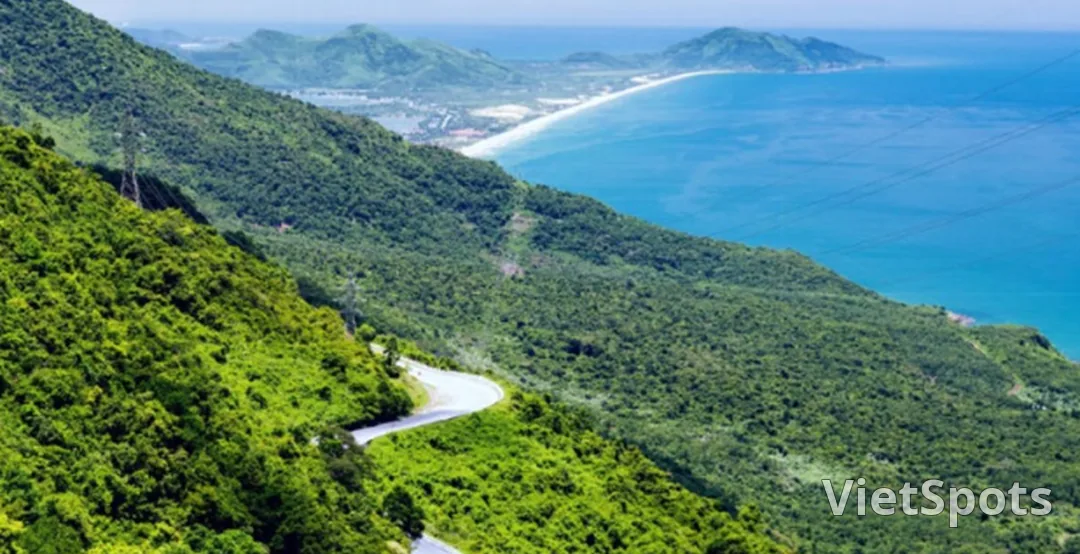
This accurately connects the name with the scenery.
Hải = sea, Vân = cloud
That is, Hải Vân = sea and cloud
So, 'Hải Vân Quan' can be understood as something like the 'Gateway of the Sea and Clouds.
The name comes from the sight, on a high mountain trail above sea level, of fog and clouds rising up from the sea and covering the mountain.
In fact, the name itself is explained to mean 'Ocean Cloud Pass.
----------------------------------------------------------------------------------------------------------------------------------------------------
7. Tien Sa (Tiên Sa)
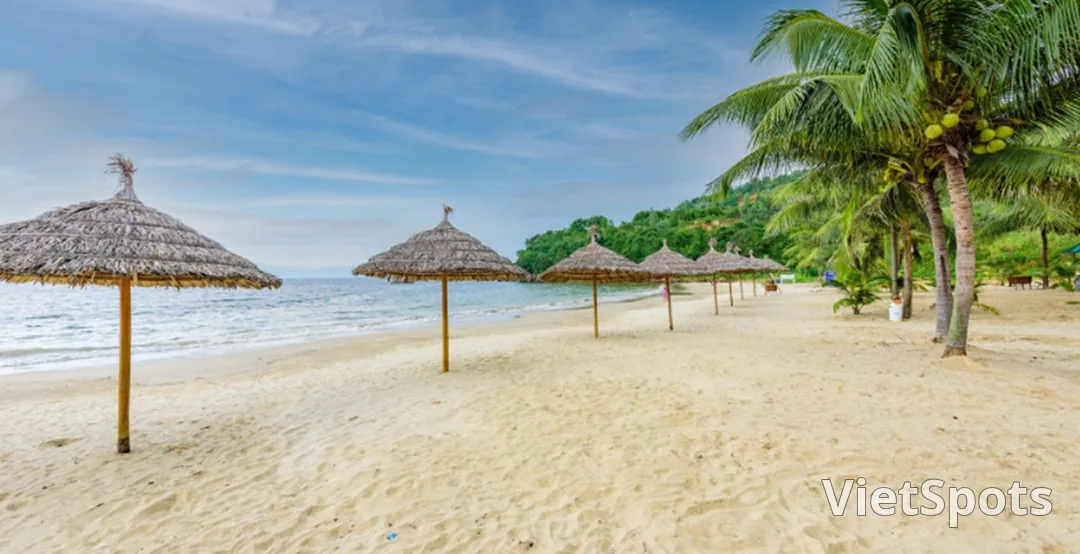
Tiên Sa on the Sơn Trà Peninsula in Da Nang.
Tiên = fairy/goddess, Sa = sand
Literally translated, it means "the sandy beach where a fairy came down.
According to local legend, celestial fairies would descend onto the beautiful golden sandy beach and dance and play there under the moonlight.
The story is said to be the origin of the name.
Doesn't it feel like the 'Fairy Valley' in our country's Geumgangsan, where the fairies bathed?
So the name Tiên Sa Port (Tiên Sa Harbor) also comes from here.
----------------------------------------------------------------------------------------------------------------------------------------------------
8. My Son
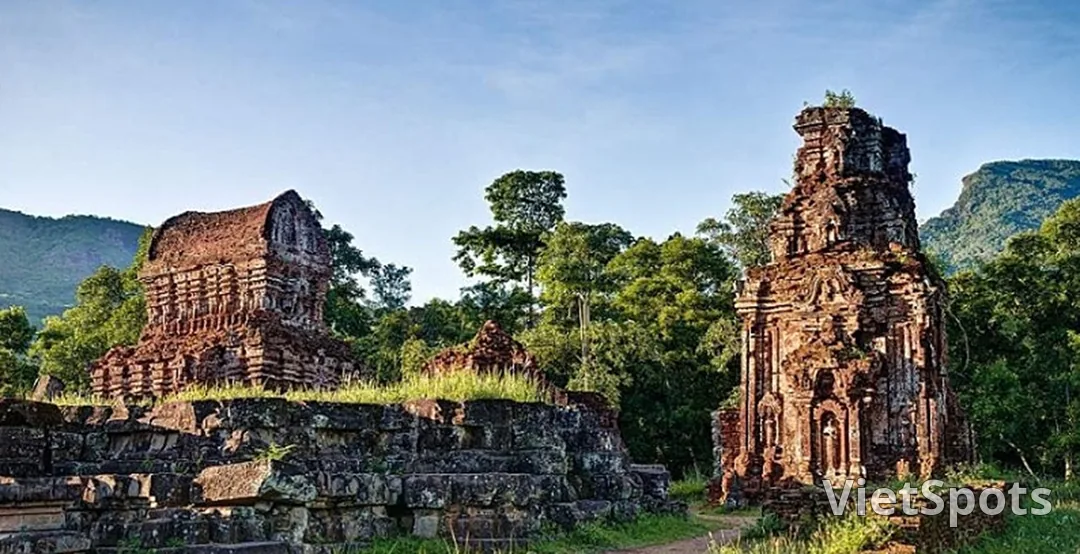
The name of My Son Sanctuary, a popular day-trip destination from Da Nang, is also interesting.
In Vietnamese, Mỹ = beautiful, Sơn = mountain
In other words, 'Miseon' means 'beautiful mountain.
UNESCO materials also describe My Son as “Beautiful Mountain” in Vietnamese.
And this place wasn't just a tourist spot — it was the religious center of the Champa Kingdom.
----------------------------------------------------------------------------------------------------------------------------------------------------
9. Hoi An (Hội An)
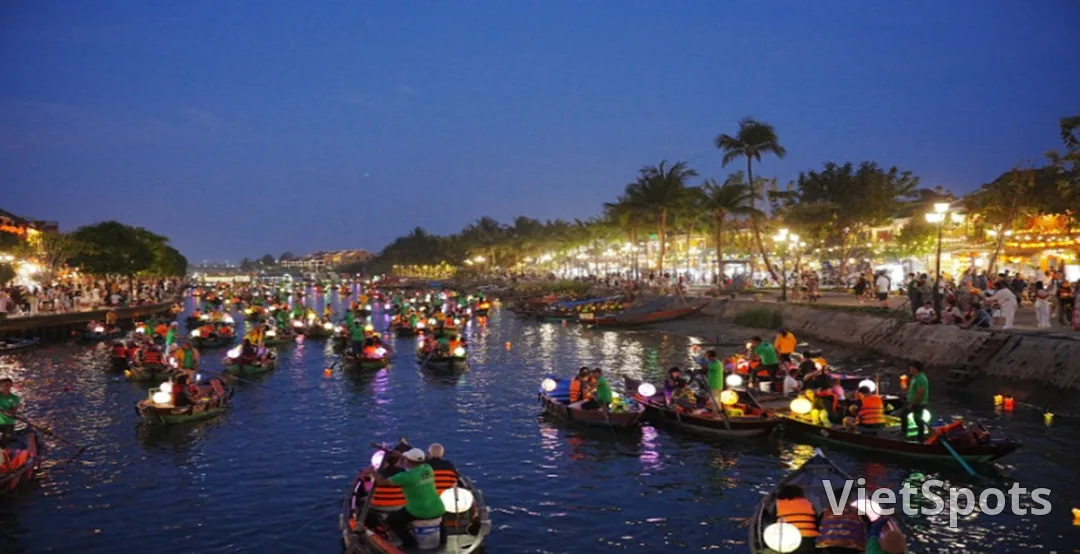
Hội = to gather, An = peace/safety
So it is commonly interpreted to mean something like "a place where people gather peacefully.
But there's another famous old name for Hoi An.
Faifo(파이포/파이포) Westerners called Hoi An "Faifo".
As for its origin, there are several theories, such as the place names Hải Phố, Hoài Phố, Hội An Phố, and names of Champa origin.
The Hoi An Cultural Heritage Management Authority also says that there are various opinions on the etymology of "Faifo," and that it is still a matter of debate.
So it is said, "Hoi An was called 'Faifo' by Westerners in the past, but the exact origin of that name still has several theories.
I think you can just take it as being around that level.
----------------------------------------------------------------------------------------------------------------------------------------------------
10. My Khe Beach (Mỹ Khê Beach)
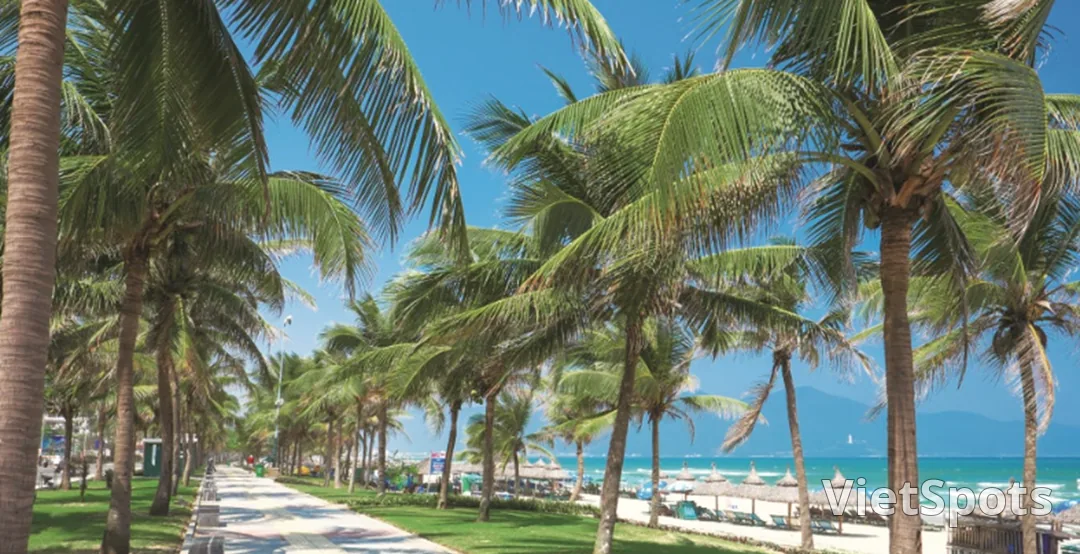
Mỹ Khê = Mikhe
If you break it down by Chinese characters, roughly
Mỹ means beauty, and Khê means stream/brook.
In other words, taken literally, it means something like "beautiful stream
However, today the globally famous tourist name My Khe Beach is because of a specific historical event
Rather than concluding that it's a coincidence, it's more accurate to see it as a name that has been used as a regional place name.
----------------------------------------------------------------------------------------------------------------------------------------------------
11. Non Nước
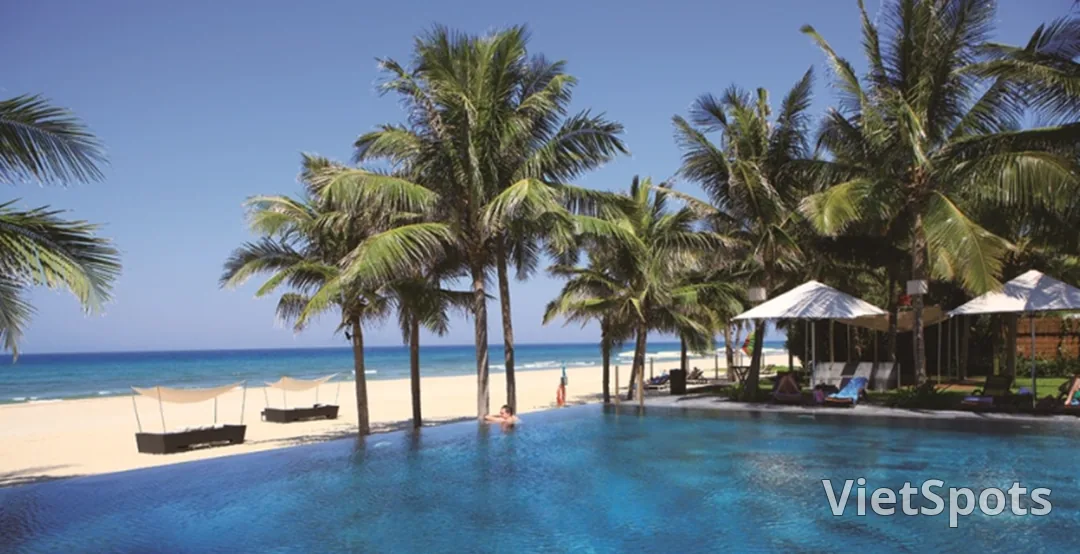
The famous Non Nước Beach next to the Marble Mountains (Ngu Hanh Son).
If you look at the name as it is, Non = mountain, Nước = water
In other words, it's a very Vietnamese expression, "mountain and water.
It's easy to understand it as a name that represents the terrain where mountains and sea meet.
So, bundling Ngu Hanh Son (Marble Mountains) and Non Nuoc together,
You can think of it as 'the place where the mountain (Non) and water (Nước) meet'.
----------------------------------------------------------------------------------------------------------------------------------------------------
12. Con Market (Chợ Cồn)
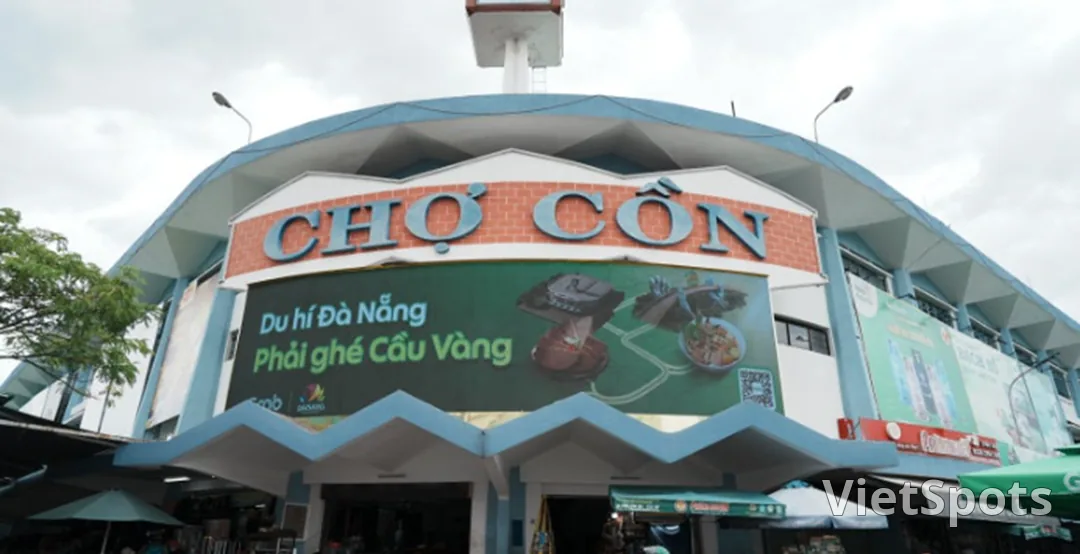
Con Market, which is popular among Da Nang locals.
The origin here is very clear.
Cồn = sandbank/sand dune
Because this place was originally a market formed on a sand dune, the locals came to call it 'Chợ Cồn (Con Market)
It started, and that name became the official designation.
Con Market, one of the largest markets in Da Nang. But 'Cồn' isn't actually the market's name — it originally means 'sand dune'.
----------------------------------------------------------------------------------------------------------------------------------------------------
13. Dragon Bridge (Cầu Rồng)
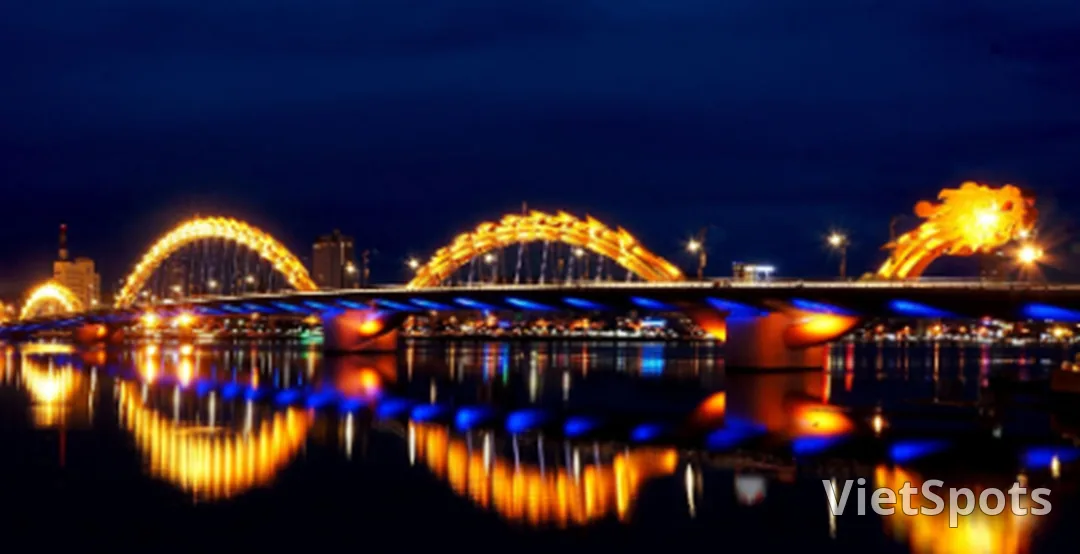
Bridge = 다리, Dragon = 용
That is, the dragon's leg
We actually designed the bridge itself in the shape of a dragon.
Even the official materials of Da Nang City describe it as a bridge built in the shape of a dragon.
But there's an even more interesting story here.
The dragon is a symbol connected to kingship, prosperity, and good fortune in Vietnamese culture, and
The Dragon Bridge expresses the form of a dragon crossing the Han River and heading towards the sea.
So it's not just a simple landmark,
It can be seen as a modern landmark symbolizing Da Nang's development and the city's image as one turned toward the sea.
----------------------------------------------------------------------------------------------------------------------------------------------------
14. Love Pier (Cầu Tình Yêu)
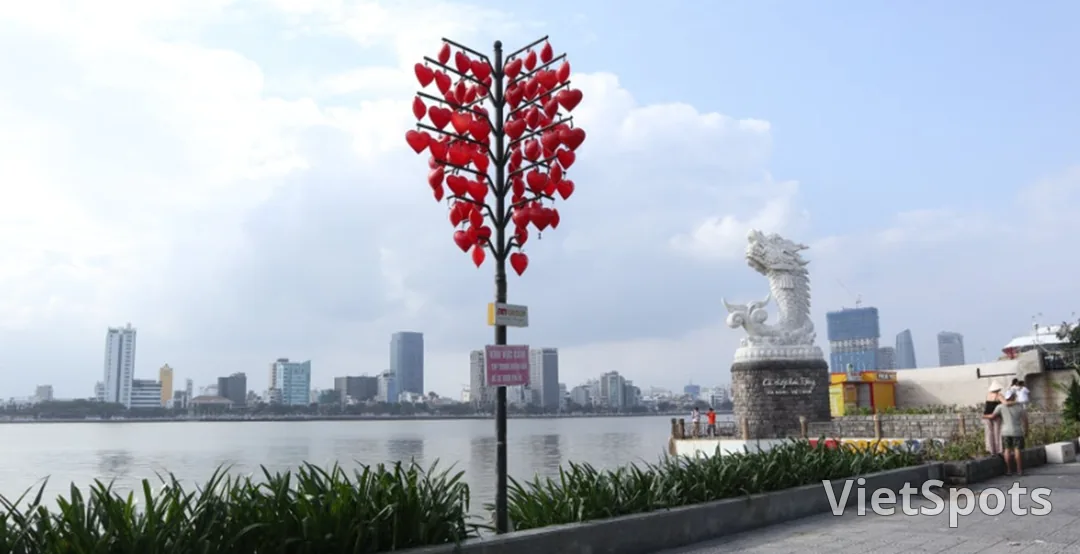
Cầu Tình Yêu, which is next to Yongdari.
Cầu = Bridge, Tình Yêu = Love
In other words, it's simply a bridge of love.
As it is a modern tourist attraction created together with night-view tourism around Yongdari Bridge, rather than the origin of an old place name,
It's close to a modern tourism brand name.
----------------------------------------------------------------------------------------------------------------------------------------------------
15. Han Market (Chợ Hàn)
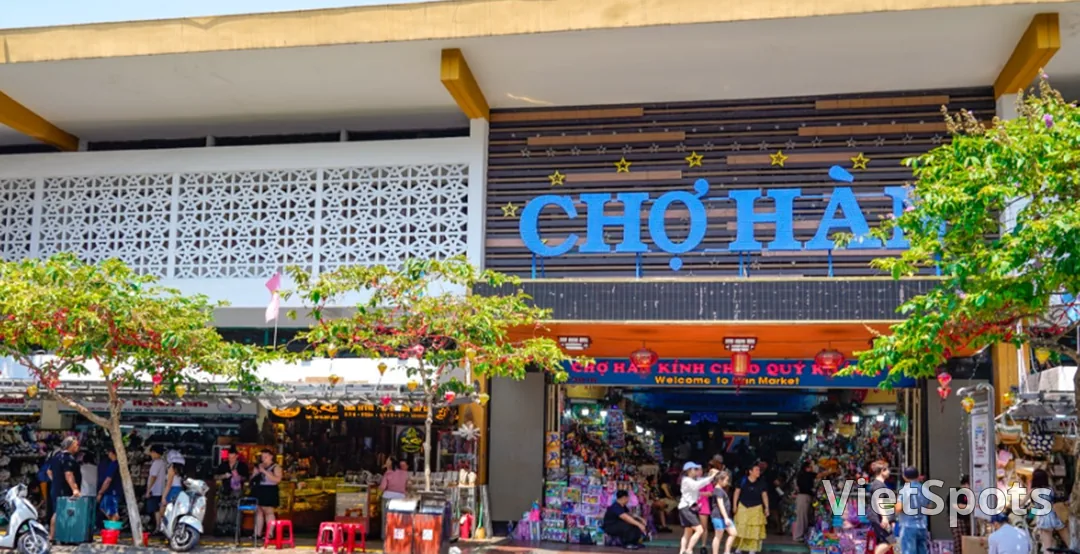
Chợ = market
So Chợ Hàn = Han Market.
Here, Hàn connects with the Cửa Hàn explained earlier.
In other words, the city of Da Nang itself has long been connected to the name Cửa Hàn (the mouth of the Han River), and
You can understand it as the place name still remaining in the market's name.
As explained above, the Han River in Da Nang also inherited its name from Cửa Hàn.
----------------------------------------------------------------------------------------------------------------------------------------------------
Book Activity in English on vietSpots
- 🎁 Sign up and get 14 Welcome Pack coupons — e.g. Motorbike Rental 45%
- 👑 Member tier discount up to 15% on site (Silver 5% · Gold 15%)
- 🛂 Auto-fill arrival card📶 Compare lowest eSIM prices🚻 Find toilets
Comments