

I'm going to reveal the mechanism that lets overseas expats live a luxurious life and travel!



Xin chào! We're Yuki, a Japanese husband living in Ho Chi Minh City, Vietnam, and Ngoc, his Vietnamese wife. On this blog, we bring you information about moving to and living in Vietnam, as well as travel information from all over the country. If you come across an article that catches your interest, please go ahead and follow us first ♪ This time, we'd like to talk about the questions we sometimes get asked: "You must have so much money to live like that," and "What kind of job do you need to do to have a lifestyle like that?I'd like to answer honestly about this topic. It's true that among many people living abroad, there are quite a few who aren't even well-known influencers, yet people still ask them, "How can you afford such a luxurious lifestyle?" Why an "ordinary" me, a Vietnam expat, can afford to spend money on travel
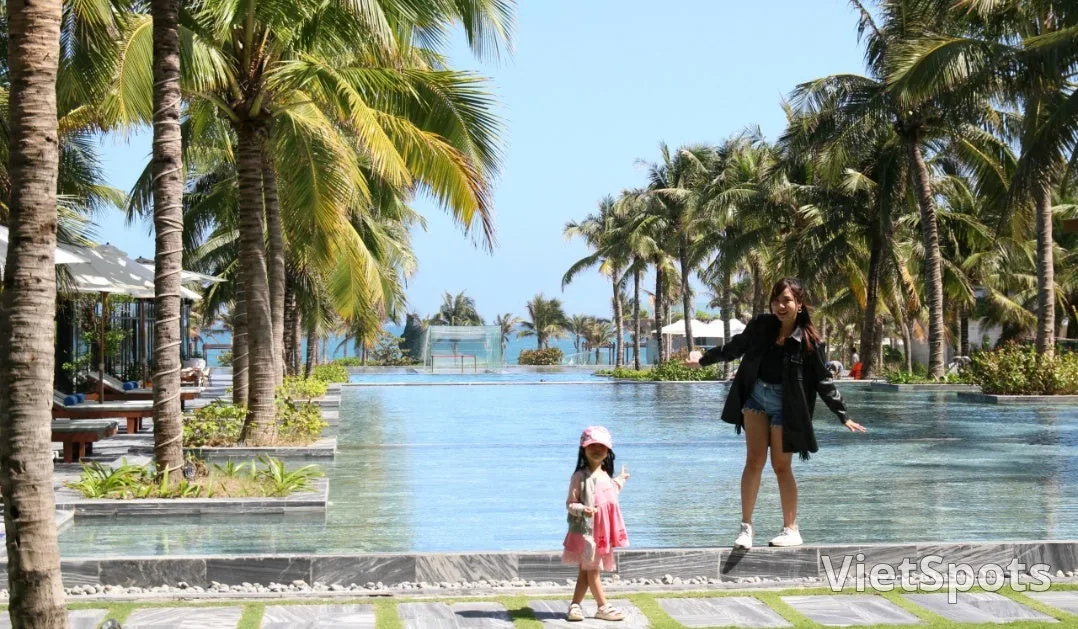
You often come across bloggers and Instagrammers who travel frequently and stay at what look like luxury resort hotels, even though they don't have that many expat followers or a huge follower count. By the way, I travel about once every two or three months, and I believe the main reasons I'm able to do this are as follows. Overseas cities don't have as much entertainment as Japan does I think not only expats living in Vietnam like me, but probably many overseas expats in general can relate to this. Overseas, there aren't as many places as in Japan where you can spend money and take a day trip on the weekend. Especially in the rural suburbs of Southeast Asia, it's the countryside where not only tourism infrastructure but even basic town infrastructure hasn't been developed... Ho Chi Minh City, where I live, is a very popular tourist destination, but things like spas, restaurants, local tours, and souvenir shopping are actually things you have almost no connection to once you're living there as a local. Because of that, my living expenses are hardly anything at all, and about the only weekend treat I have is going out to eat something delicious at a restaurant. So normally I just save up money, and then spend it on a trip once every few months. Luxury hotels can be cheap — and sometimes bloggers even get to stay for free And there's another point we shouldn't forget. In Asia, many luxury hotels—even 5-star ones—can be booked for around 10,000 yen per night. What's more, this price is not per person but per room, so even if a couple or a whole family stays together, the price remains the same. Also, for luxury hotels that cost tens of thousands of yen per night, if you introduce yourself as a blogger or Instagrammer, they sometimes let you stay for free or give you a room upgrade, and Japanese travel agencies sometimes ask you to write a stay experience report. By the way, the hotels I introduce on my blog are basically 5-star or resort hotels, but the room rates are around 6,000 to 15,000 yen (^^ For Japanese expats living abroad, being a nomad (working remotely) is simply the norm. Many Japanese people who have moved abroad work in IT-related jobs that allow them to work as nomads (via telework). I think it's also normal for bloggers and influencers to basically work steadily on-site, day by day. This isn't limited to the self-employed — it's the same even for those working for a company.Basically, Japanese people are treated specially when they work at local companies, and even when working at Japanese companies, remote work has become normal. Unlike in Japan, there are basically no restrictions like being told "you must work from home." Why are local expatriates able to live such a luxurious life?
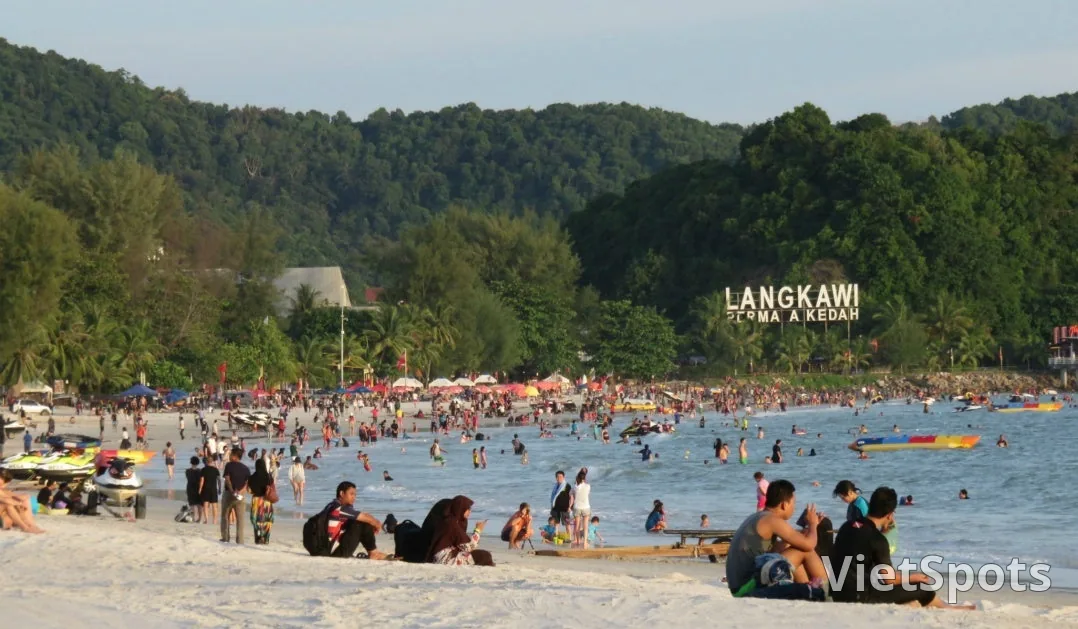
On the other hand, what about expats living abroad? If you look at the blogs of expat wives, on weekdays they're having afternoon tea at five-star hotels, and on weekends they're indulging in foie gras and steak at French restaurants, aren't they? They live in luxury tower apartments with rent around 200,000 yen, and their kids go to international school... it's incredibly enviable... Basically, for expatriates, the trick behind their luxurious lifestyle is that 'there's a system in place where money piles up whether they like it or not, and it can be written off as expenses.' The mechanism by which money accumulates This applies to expatriates dispatched by mid-sized or larger companies, but first of all, their monthly salary is deposited into two places: Japan and their overseas location. Just having a double salary like that is pretty incredible, isn't it? Also, expat employees working for manufacturers go on business trips somewhere almost every month, and each time they do, they receive a business trip allowance. An expat I know earns more than 100,000 yen per month just from business trip allowances alone. On top of that, food, clothing, and housing are almost entirely covered by the company and can be claimed as expenses. And this is a big one. It's common for the company to cover not only the commute between home and the office, but also transportation for personal, non-work-related outings.As you may know, Vietnam is a motorbike paradise, so some companies prohibit employees from using motorbikes to prevent injuries, and in such cases they cover the full cost of transportation. Besides that, of course the rent for a high-end apartment is also covered as an expense. As for children's school fees, benefits like "full coverage for Japanese schools, half coverage for international schools" are also commonly seen. Also, lunches and dinners at high-end restaurants can basically be written off as business expenses under entertainment costs. If a local subsidiary is genuinely turning a solid profit, it's only natural to aim for expense deductions to reduce taxable income. Among companies with high profit margins, it's actually quite common to hear something like "I don't care what it is, just bring me a red receipt (a receipt)," and end up eating unnecessarily expensive meals. Summary: Expats aren't so much rich as they simply have fewer places to spend money To wrap up, I think the real answer isn't that many expats are wealthy, but rather that "since there's nowhere to spend money in everyday life, they end up spending it on conspicuous things like fancy restaurants, travel, and luxury hotels. I know a few young people who call themselves influencers, but they're all people who, in their normal life, either work a regular office job, have a husband who's an expatriate employee, or work at a marketing company and just do influencer stuff as part of their job. YouTubers with hundreds of thousands of subscribers are in a different league, I think, but unless someone's reached that level, it might be safer to assume there's some kind of hidden circumstances behind it ♪
Travel Vietnam with VietSpots, in English
- 🎁 Sign up and get 16 Welcome Pack coupons — e.g. Motorbike Rental 45%
- 👑 Member tier discount up to 15% on site (Silver 5% · Gold 15%)
- 🛂 Auto-fill arrival card📶 Compare lowest eSIM prices🚻 Find toilets
Comments