

The charm of the new Sombe-yaki


I love tableware, so I often stroll around shops. And then... I came across an intriguing Sonbe-yaki piece (a new one) and thought "oh, this is nice," so I checked it out.
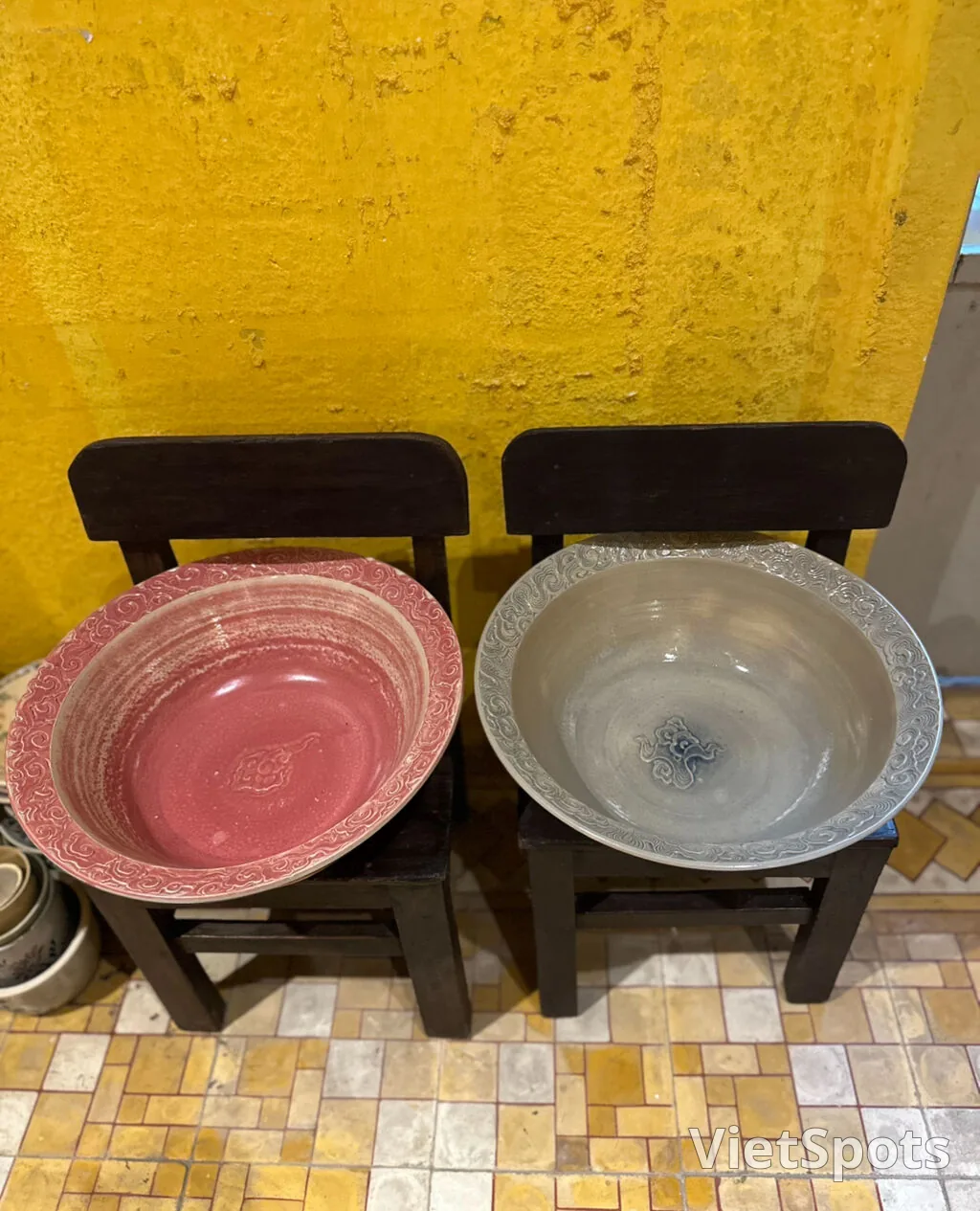
This is a bowl-shaped Onta ware (Nyu-Sonbe style) piece. You could use it for washing your hands, or as a bowl for washing ingredients... It seems like it would work well both as a practical tool and as a decorative item. Above all, the coloring and texture are just wonderful. Ideally, I'd love to use it as the sink basin in my home bathroom, but that would be quite a project. So I suggested it to my husband, who does store and office design, as a reference material. I told him this super cute Sonbe pottery would really appeal to women!! He apparently got the sense that it would be perfect for a property he's currently working on, and ended up buying it.
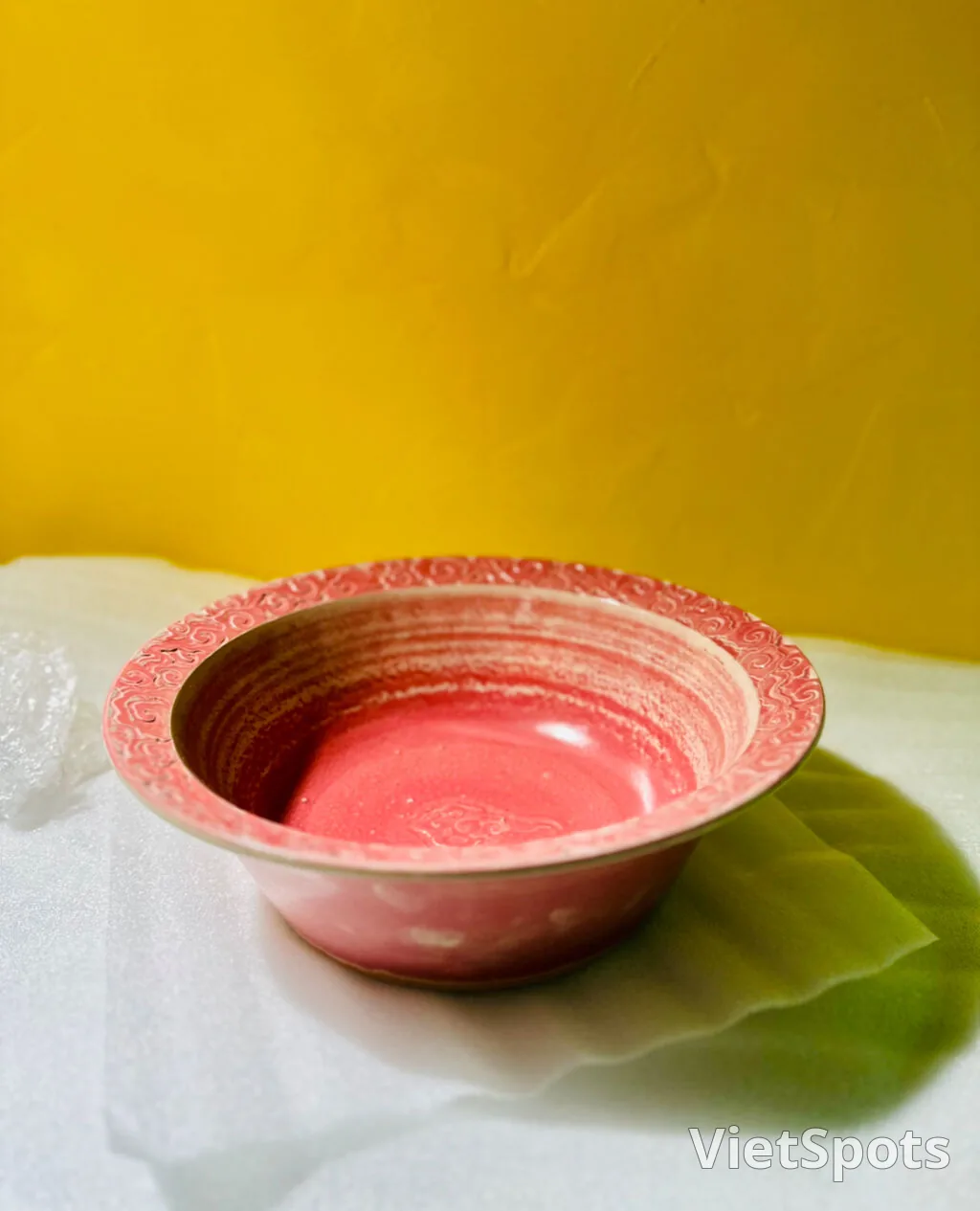
I was excited wondering how it would be used ~
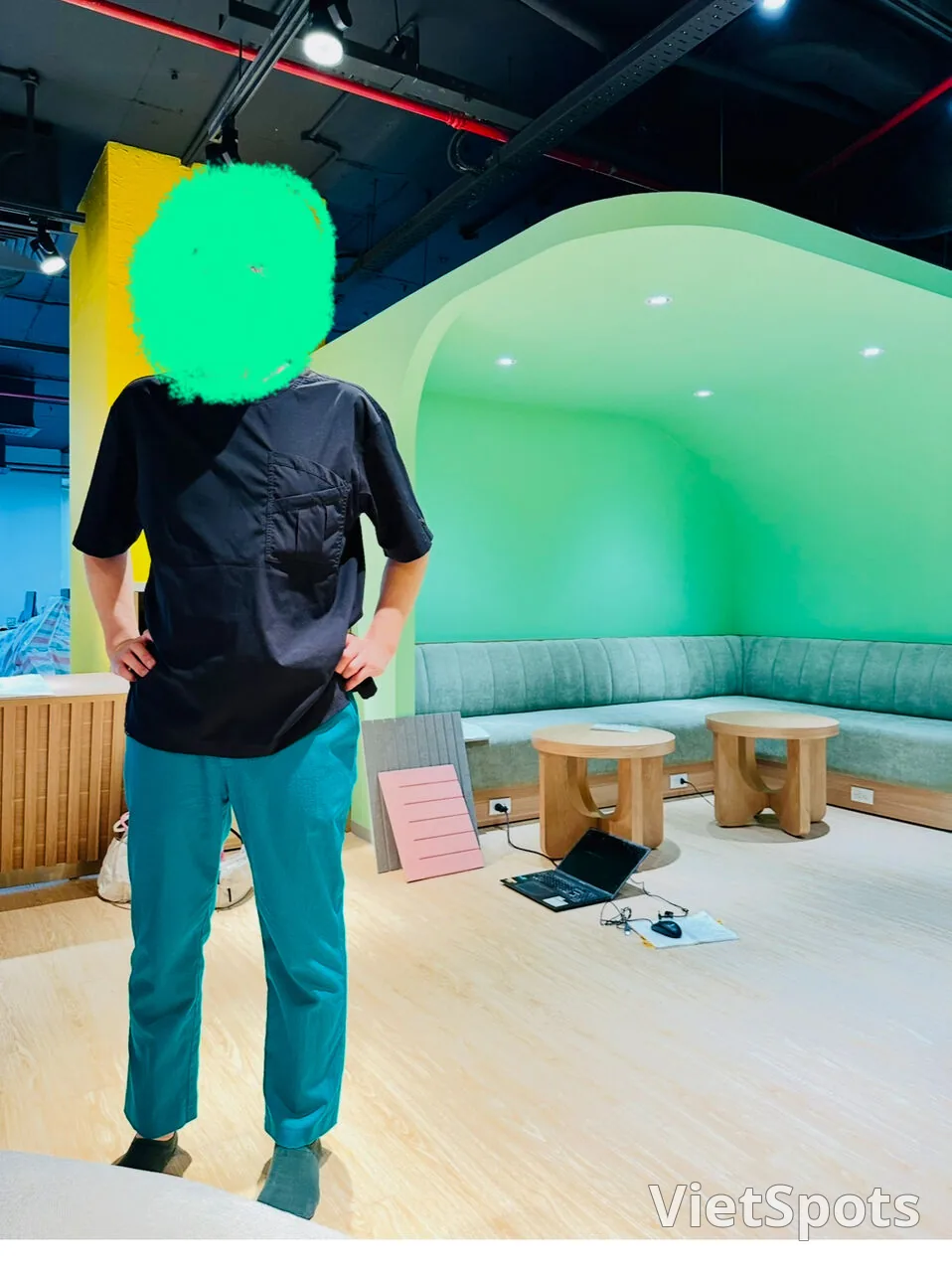
Got a message from my husband saying, "I'll use this for filming, okay~
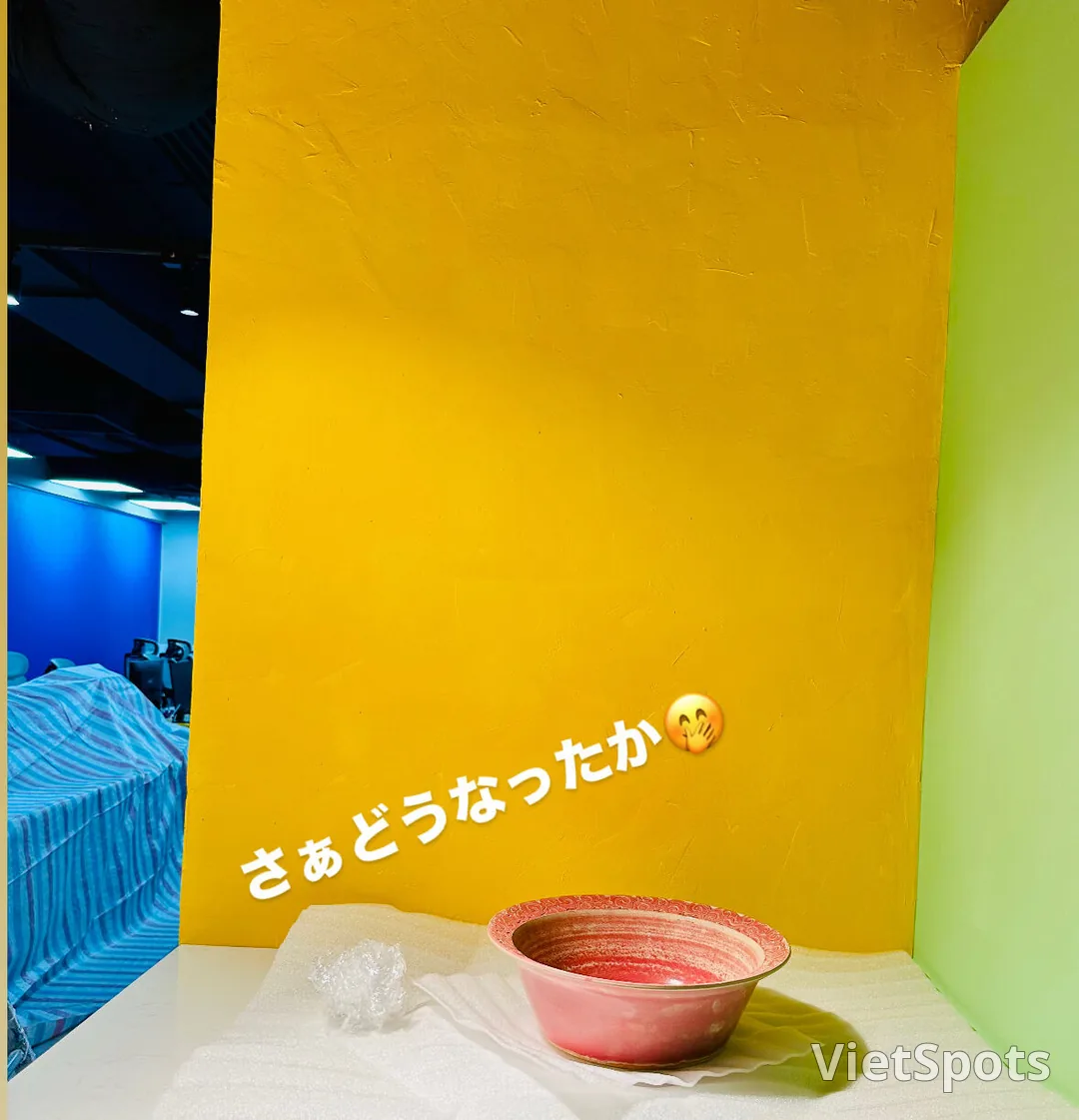
I was so excited. And here is the photo that was sent to me.
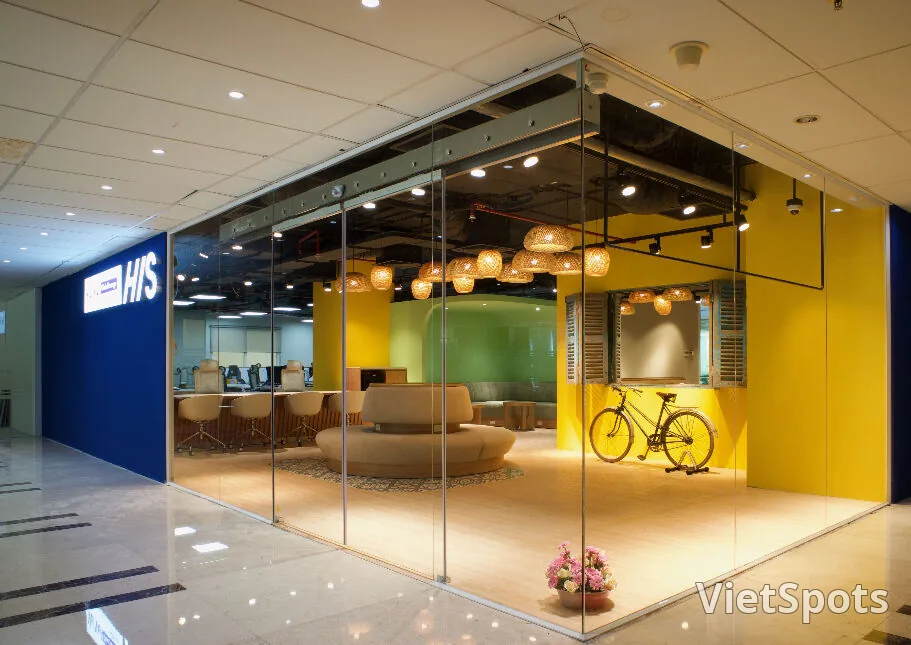
It is displayed at the reception and office of a travel agency called HIS in Ho Chi Minh City. It's being used as a flower vase.
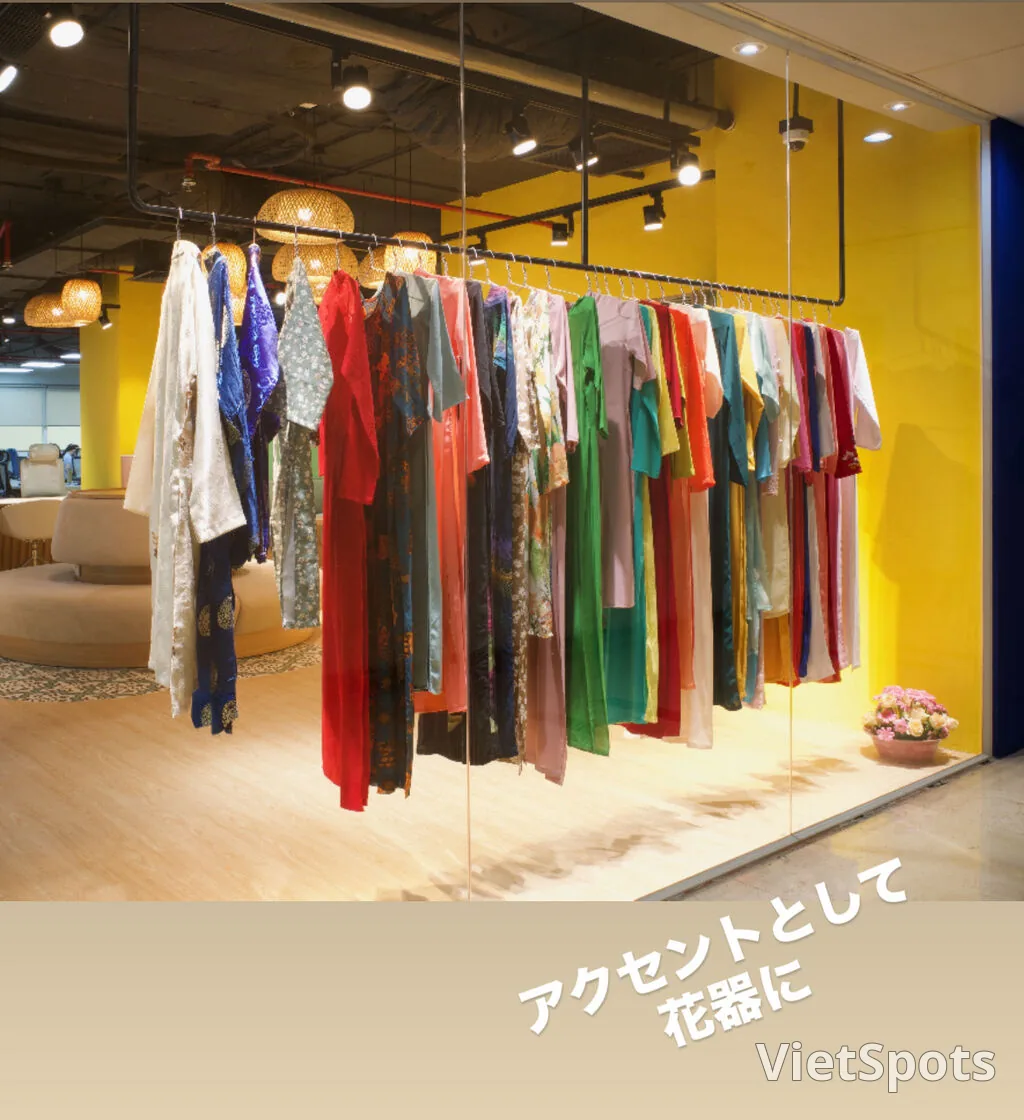
At the feet of the Ao Dai you can try on.
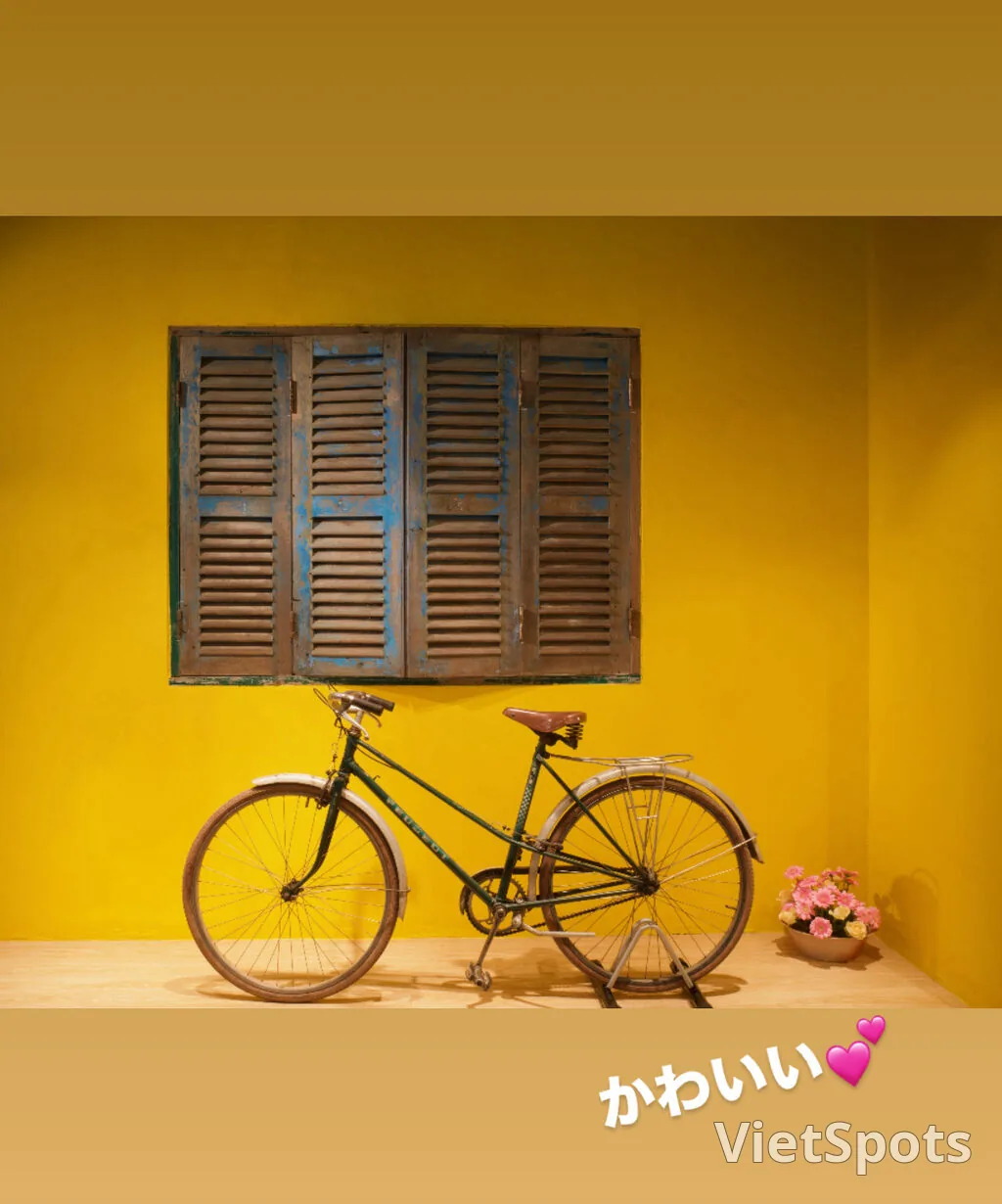
Behind the antique bicycle (Peugeot) lol
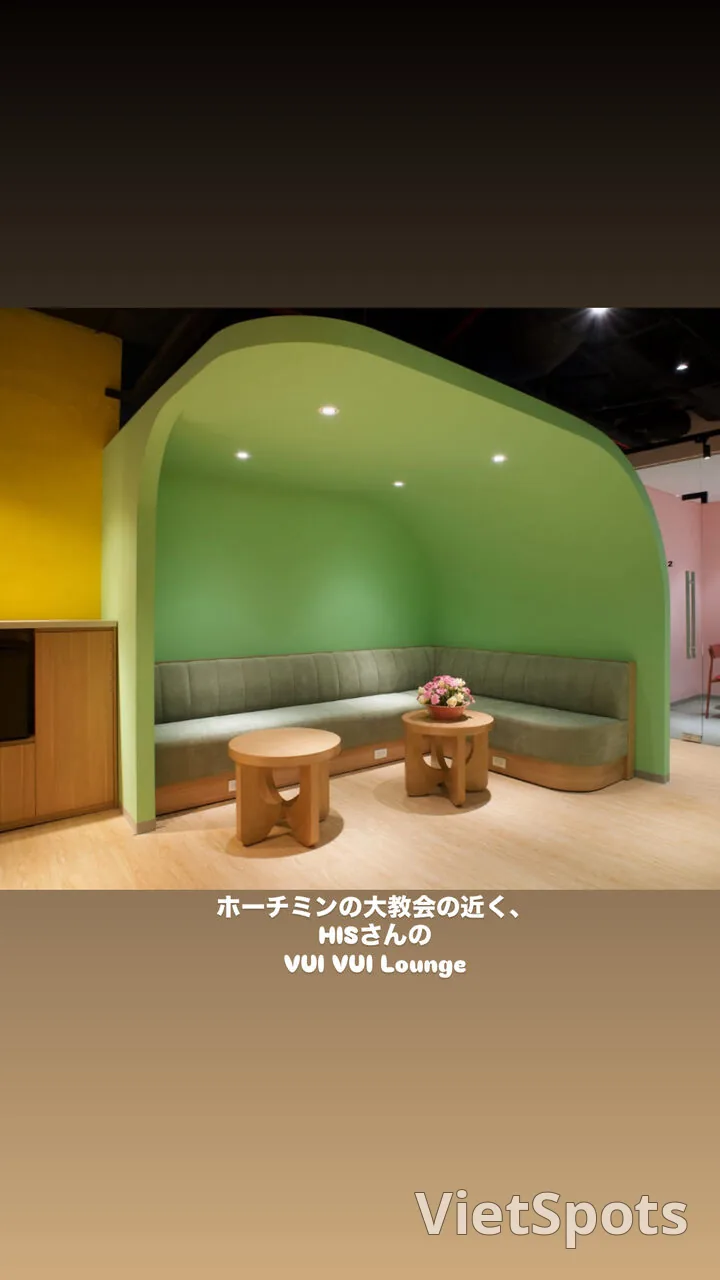
If you happen to stop by HIS, please do take a look. And you know, back in the day I used to think antique Sompe ware was really the best, but looking at recent trends, I've been feeling that's not necessarily so anymore~ After all, these are everyday, down-to-earth pieces, so they're meant to be used. They're nice as decorative pieces too, but personally I'm the type who uses them hard, day in and day out. Something too expensive is a bit... you know~~~. To begin with, Song Be pottery (Sơn mài Bình Dương) is a traditional pottery that represents Binh Duong Province (formerly known as Song Be Province) in southern Vietnam. From the late 19th century to the early 20th century, it developed while incorporating techniques from Chinese and French potters, and was widely produced, ranging from everyday items to decorative pieces. It's especially known for its rustic patterns painted in indigo blue or red on a white background, characterized by a design that feels somehow humorous and warm. It used to center on everyday vessels closely tied to daily life—jars, plates, vases, and earthen pots (kame)—made using local red clay and fired in a wood-burning kiln. Production seems to have declined due to industrialization from the 1970s onward, but today it continues in a changed form, with production that still preserves the traditional techniques. In recent years, it has been drawing attention thanks to the retro boom and the growing popularity of Vietnamese goods. It's now appearing in restaurants, stylish cafes, and general stores in Ho Chi Minh City. Japanese travelers can even be spotted at flea markets and antique shops searching for old Song Be pottery... Since it pairs easily with Japanese food, it's also true that many pick it up as a kind of "Southeast Asian Japanese-style pottery." Song Be, which was popular as antique tableware, Many people have fallen for its charm, hunting it down by any means possible, and pieces in good condition can sell for over 10,000 yen apiece. A new generation of Sông Bé pottery that carries on the warmth of naive, hand-painted patterns — floral motifs, roosters, blue flowers, and more. Some people prefer vintage pieces, but it's hard to deny that they're often in poor condition or feel a bit dated. New Sông Bé ware is increasingly being used in everyday life, and more and more people are picking it up and choosing to buy the new pieces. Speaking of Ho Chi Minh City, brands like "Nang Ceramic" and "Tuhu Ceramics" are worth attention, along with "emMeo Saigon." As for price, small plates (about 15cm) are available locally starting from around 150,000 VND ≈ 900 yen (in Japan they'd start from around 3,000 yen), so they're quite affordable and easy to get!
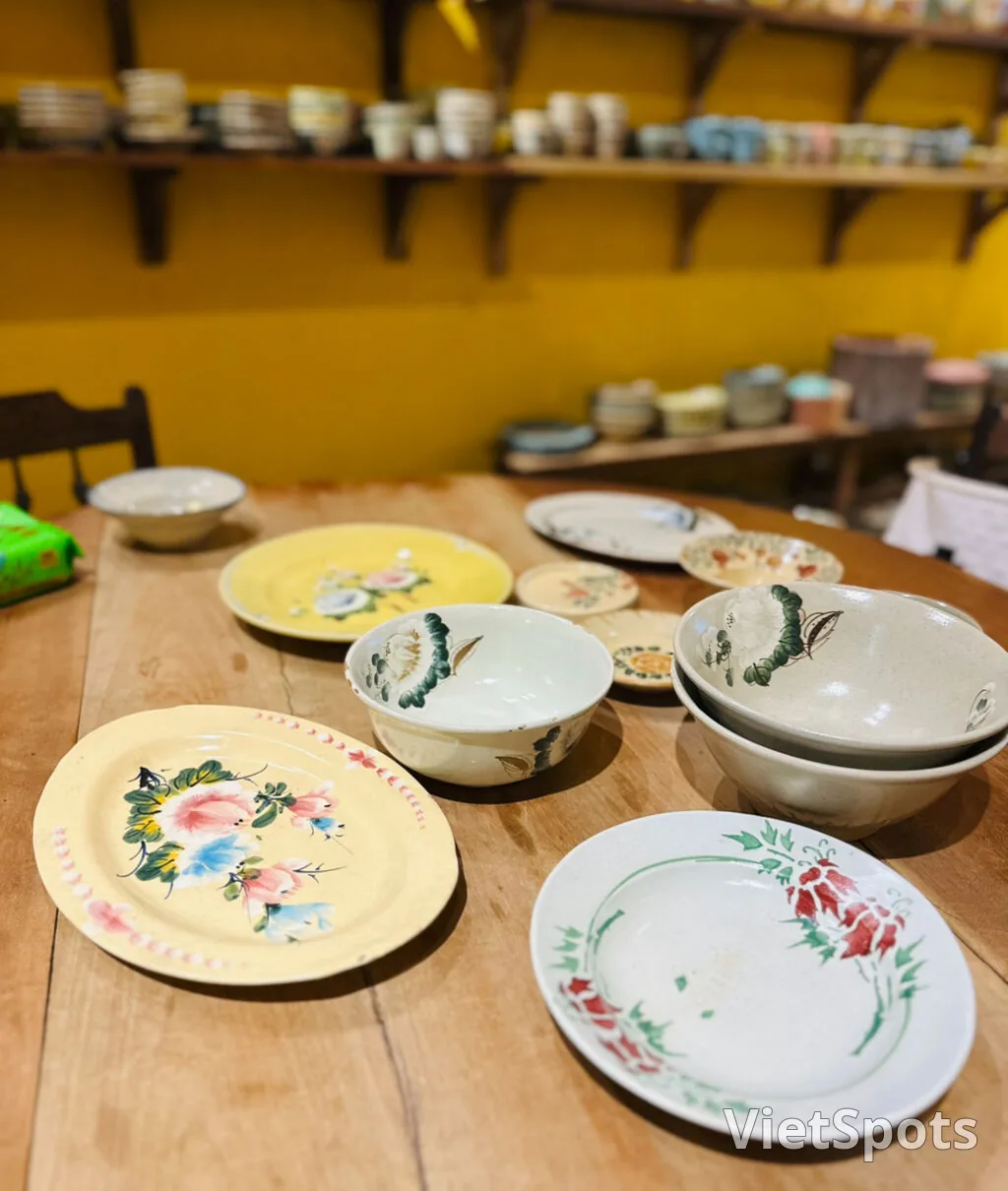
The front two pieces are antique Sompe ware, while the rest are new Sompe ware. I keep using them all mixed together without distinction. I can't help but imagine that from now on, new Sompe ware, which combines usability, an accessible price, and good design, will become more and more common. Migration Life Ranking
Order Shopping in Ho Chi Minh City — in English on vietSpots
- 🎁 Sign up and get 14 Welcome Pack coupons — e.g. Motorbike Rental 45%
- 👑 Member tier discount up to 15% on site (Silver 5% · Gold 15%)
- 🛂 Auto-fill arrival card📶 Compare lowest eSIM prices🚻 Find toilets
Comments