

Complete Tibet Guide | A Dream Journey Back to Tibet: Comprehensive Group Tour Review

From Mount Everest Base Camp to the Three Sacred Lakes: The Most Complete Tibet Classic Itinerary Guide Tibet is a destination that many people want to visit at least once in their lifetime. This time I chose the "Dreams of Tibet" tour itinerary, which covers Lhasa (Potala Palace, Jokhang Temple) | Shigatse (Tashilhunpo Monastery) | Everest Base Camp | Yamdrok Lake | Namtso—arguably Tibet's most classic route. This article is not a travel memoir, but rather the most practical guide for travelers preparing to join the tour group. Contents include: Altitude sickness and itinerary intensity Daily highlights and scenic features Accommodation and dining quality (based on actual conditions of this tour) Pros and cons of the group experience Travel costs in Tibet: concepts and actual figures Is the "Dreams of Tibet" itinerary worth recommending?
Introduction: Why is this trip to Tibet worth taking sooner rather than later? Tibet has changed enormously over the past decade: transportation has improved, infrastructure has been upgraded, hotels now commonly offer supplemental oxygen, and the tourist sites are much better organized — travel comfort is far higher than most people imagine. And I believe this particular trip happens to fall right at "the best possible time": • The second Sichuan-Tibet Railway line has not yet opened, so visitor numbers remain at a manageable level • Most hotels provide oxygen concentrators and oxygen supply services, lowering the risk of altitude sickness • The scenic spots are still unspoiled and have not yet been overly commercialized • Traffic flow is smoother than expected Conclusion: For anyone who has always dreamed of Tibet, the sooner you go, the better.
Best travel seasons in Tibet April–June, September–October: The best months The weather is stable Yamdrok Lake and Namtso Lake show their most beautiful colors Visibility is high, which is ideal for photography Avoid the summer vacation crowds Temperatures aren't too cold (except near Everest) July–August: Peak travel season The scenery is at its richest, but tourist numbers surge and accommodation and transportation costs run higher. November–March: Cold but cheap Road conditions and weather are less stable, but if you want to see snowy scenery, this is an excellent time.
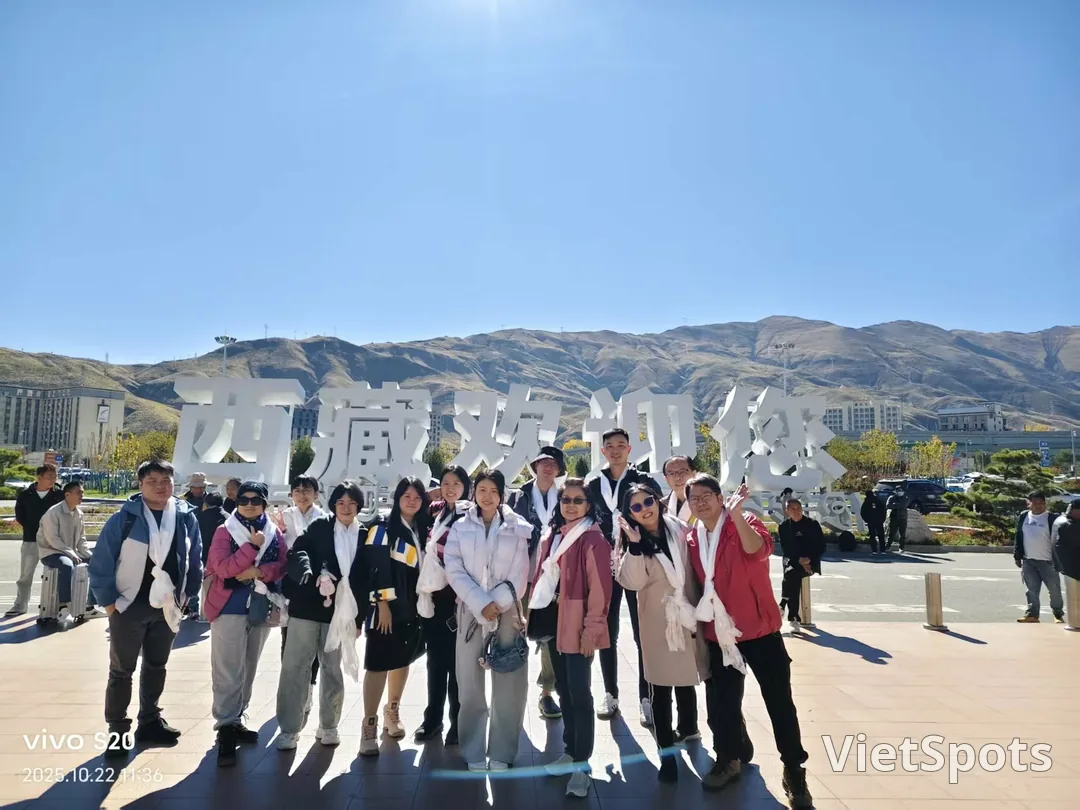
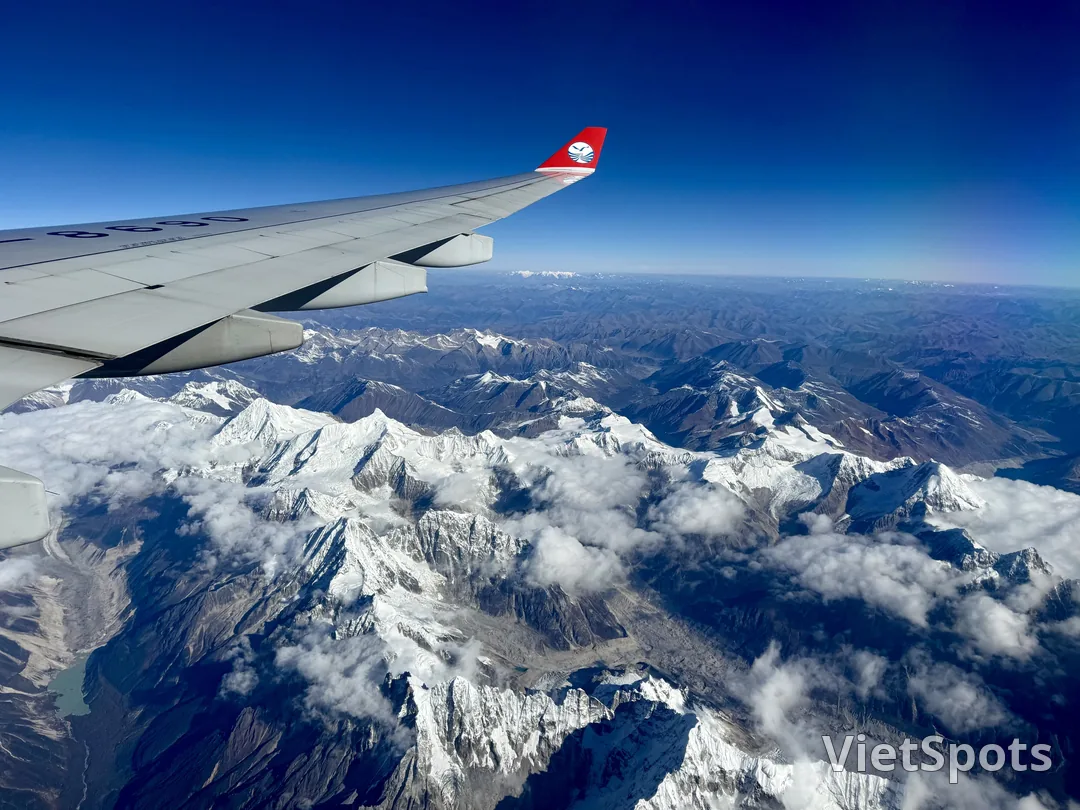
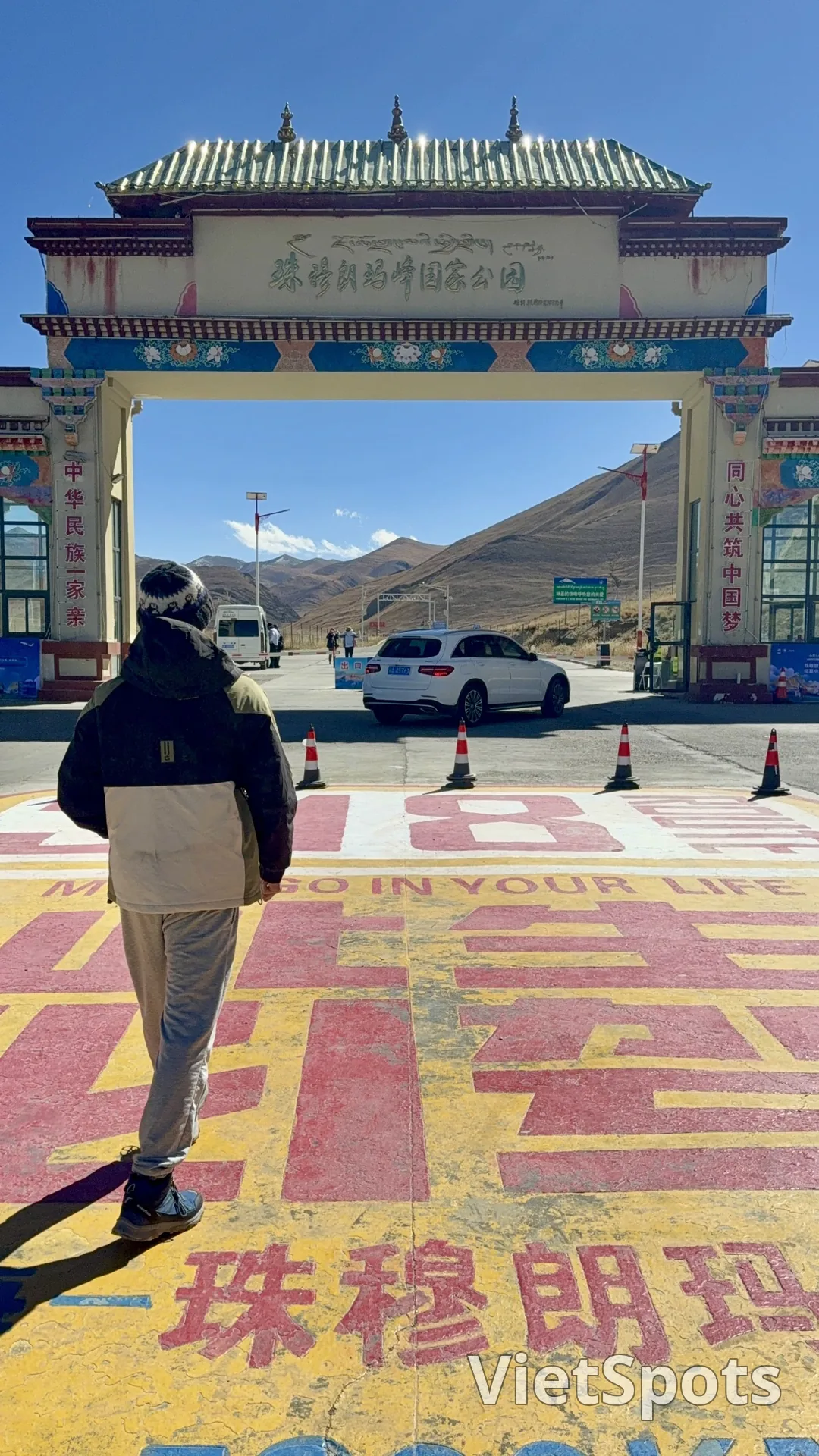
Pre-trip preparation: documents, clothing, and altitude sickness medication The Dream Back to Tibet itinerary reaches a maximum altitude of 5,200 meters (Jiacuola Pass) and involves long stays at 3,500–4,500 meters. Basic principles for altitude sickness are as follows: On the first day, do not shower, do not eat overly salty or oily food, and do not overexert yourself. Drink plenty of water and avoid alcohol. Turn on the hotel's oxygen supply before bed (or use an oxygen concentrator). If chest tightness or headache continues to worsen → inhale oxygen immediately. Altitude reference for this trip Lhasa: 3,650m Yamdrok Lake: 4441m Karola Glacier: 5036m Shigatse: 3836m Everest Base Camp area: above 5000m Namtso Lake: 4718m (the shuttle bus goes up to 5000m) I didn't experience obvious altitude sickness this time (just a bit of shortness of breath at Karola Glacier), and most of the group members were also doing well. The large and small oxygen canisters (bought in Shigatse) really did work. Almost all the group members used them up. Everyone's physical condition is different. At high altitude, spend money when necessary—the most important thing is to complete your journey safely and smoothly! The accompanying physician advised against taking Diamox, but I personally continue to use it; the effectiveness varies depending on individual circumstances. There's only one principle: at high altitude, report any symptoms immediately. Required Documents and Tibet Entry Process (Must-Read for Taiwanese Travelers) Passport, Taiwan Compatriot Card Tibet Travel Permit (original copy required) Key Points for Taiwanese Entering Tibet: The Tibet Travel Permit must be applied for 1 month in advance (typically 2 weeks, but apply earlier during long holidays). Taiwan citizens must join a tour group to enter Tibet. An official copy of the Tibet entry permit must be provided, so travel agencies will require passengers to take the designated flight. If you want to change the time or book multiple transportation segments (such as taking a train to enter Tibet), you will need to pay an application fee for a second Tibet entry permit. Essential Clothing and Equipment Tibet has extreme temperature differences between day and night, with some areas like the Everest region dropping below zero degrees. Recommended items: - Windproof down jacket - Fleece warm layer - Wool hat, scarf, and gloves - Sunglasses (glacier glare is extremely strong) - Strong sun protection (face and hands) - Functional long-sleeved, long-pants clothing Tibet Journey Itinerary | Daily Highlights Day 1|Arrival in Lhasa|Altitude Acclimatization Day Click here for the travel journal The main focus is acclimatizing to the altitude — no strenuous activities. The hotel we're staying at this time is located near Drepung Monastery and provides oxygen supply equipment.
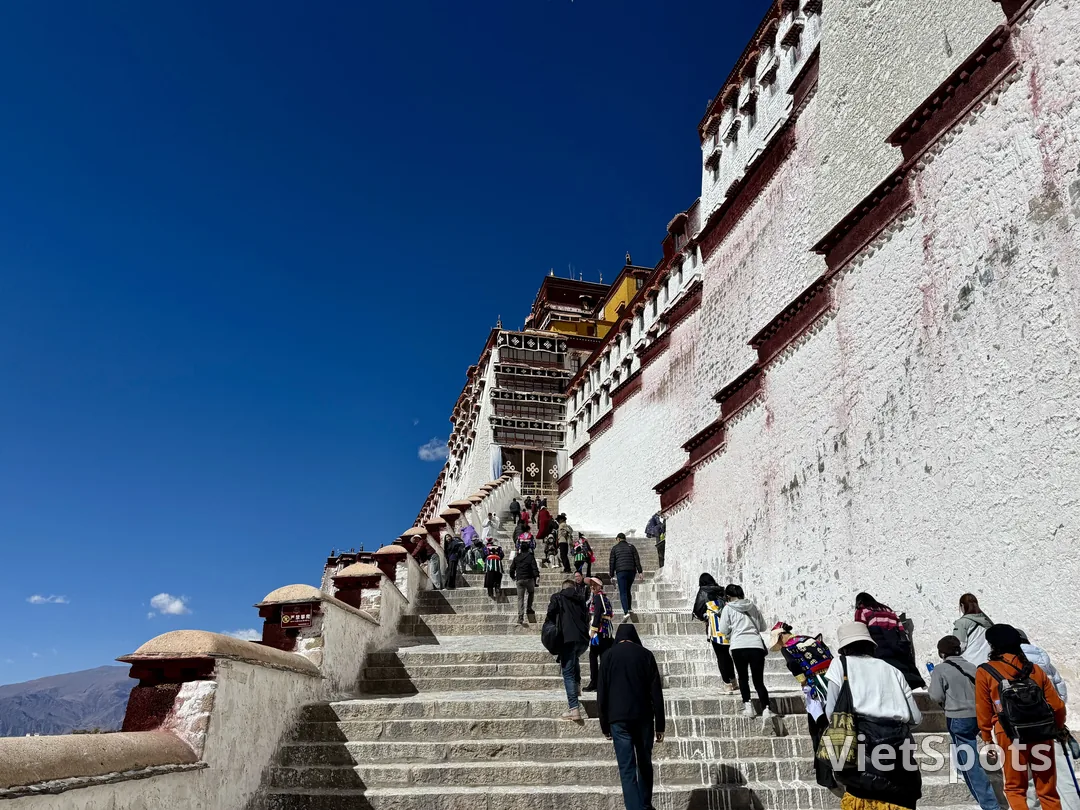
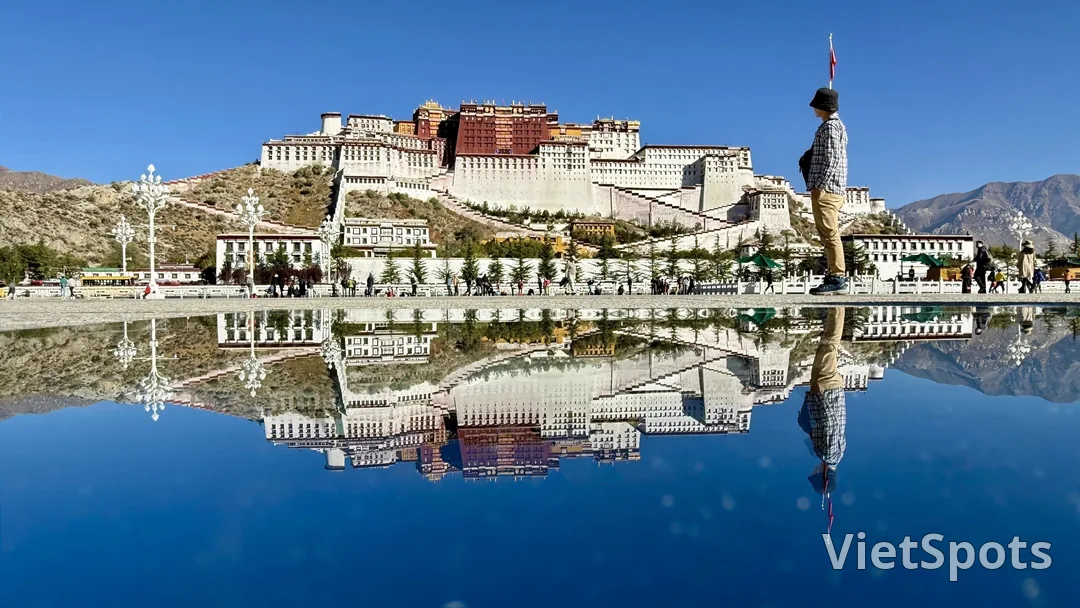
Day 2 | Potala Palace × Jokhang Temple: Lhasa's Most Essential Day Travel Notes – Click Here Today's Itinerary: Potala Palace Exterior Photography (Medicine King Mountain, Plaza) → Potala Palace (Enter from Front Mountain, Exit from Back Mountain) → Jokhang Temple → Barkhor Street – Free Time → Potala Palace Reflection Night Photography (You Can Decide)
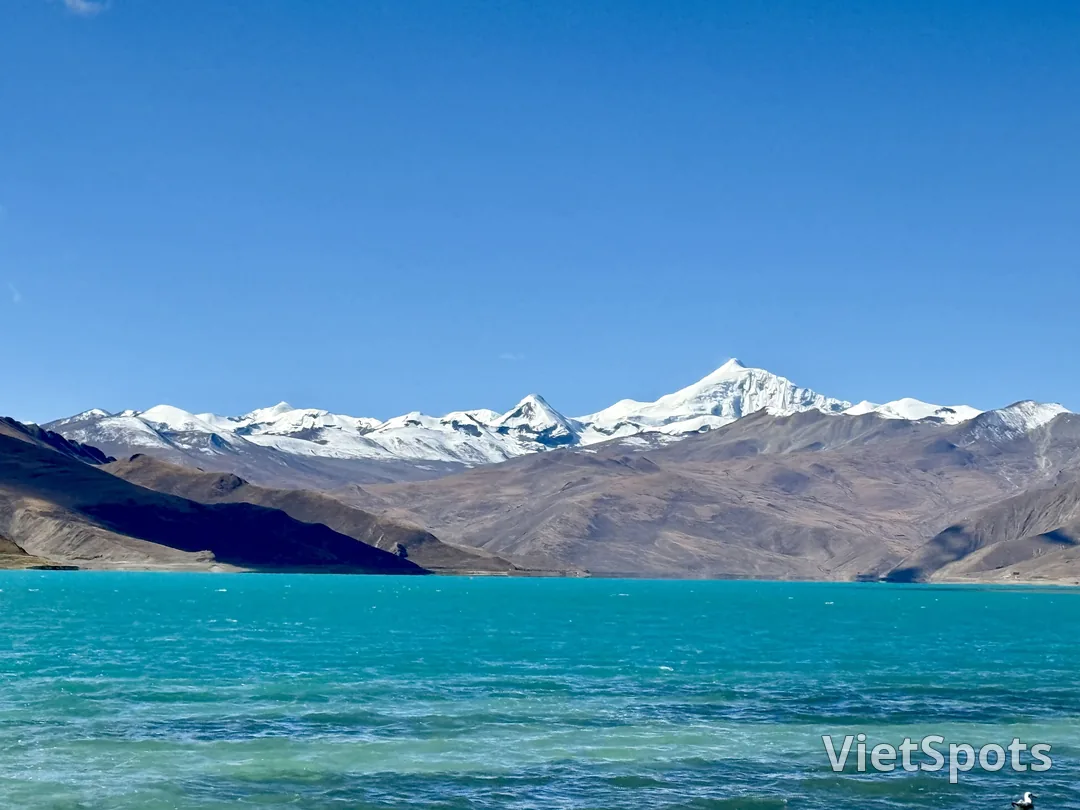
Day 3 | Yamdrok Lake → Karo La Glacier → Pelkor Chode Monastery → Shigatse (Southern Route Highlights) Travel Notes - Click Here Highlights: Yamdrok Lake: One of Tibet's most beautiful lakes, featuring stunning vivid blue waters Karo La Glacier: Breathtaking glacier scenery at 5,200m elevation Pelkor Chode Monastery: A symbol of three major Buddhist traditions coexisting in harmony Proceed to Shigatse to prepare for your Everest Base Camp adventure
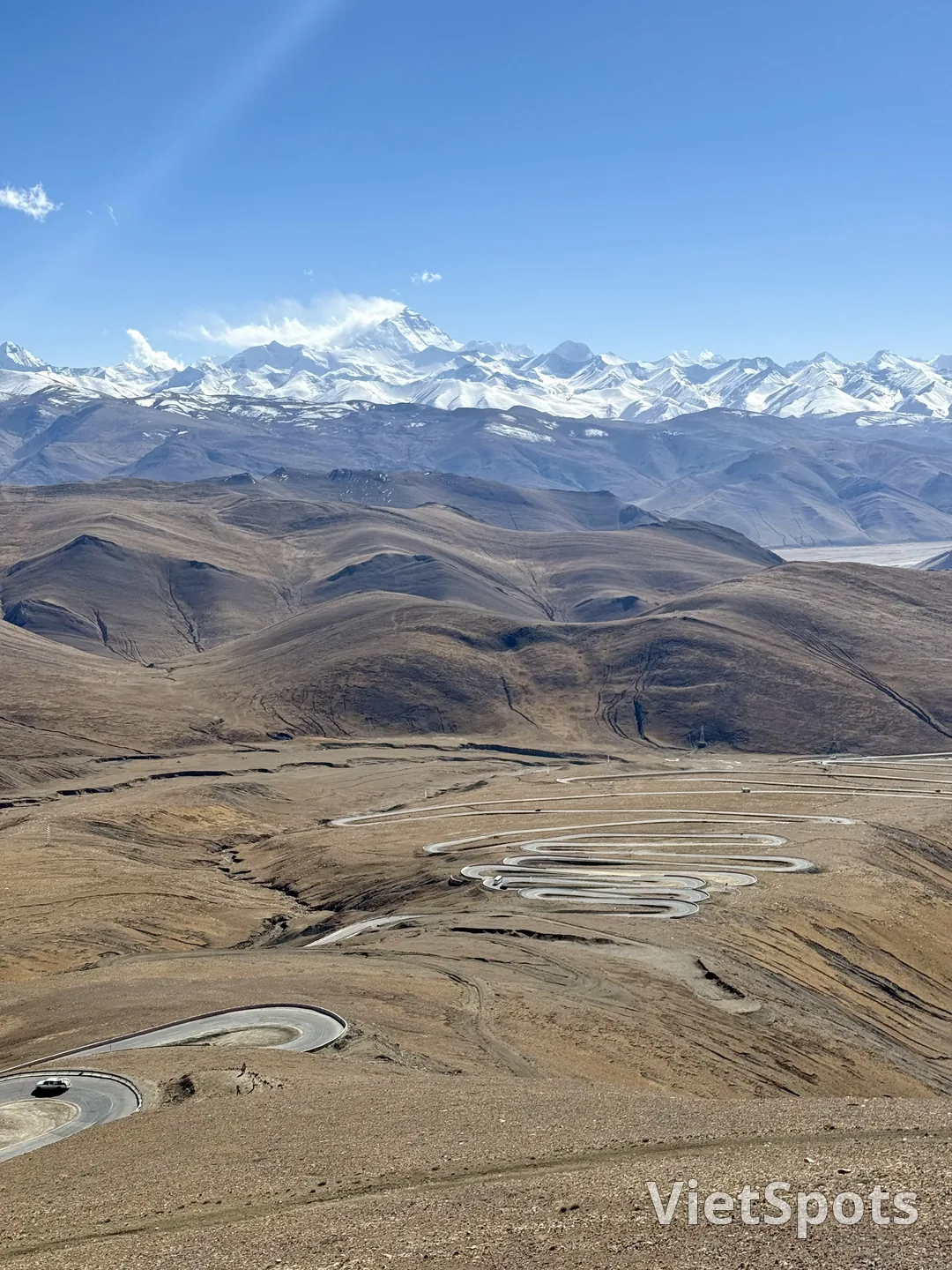
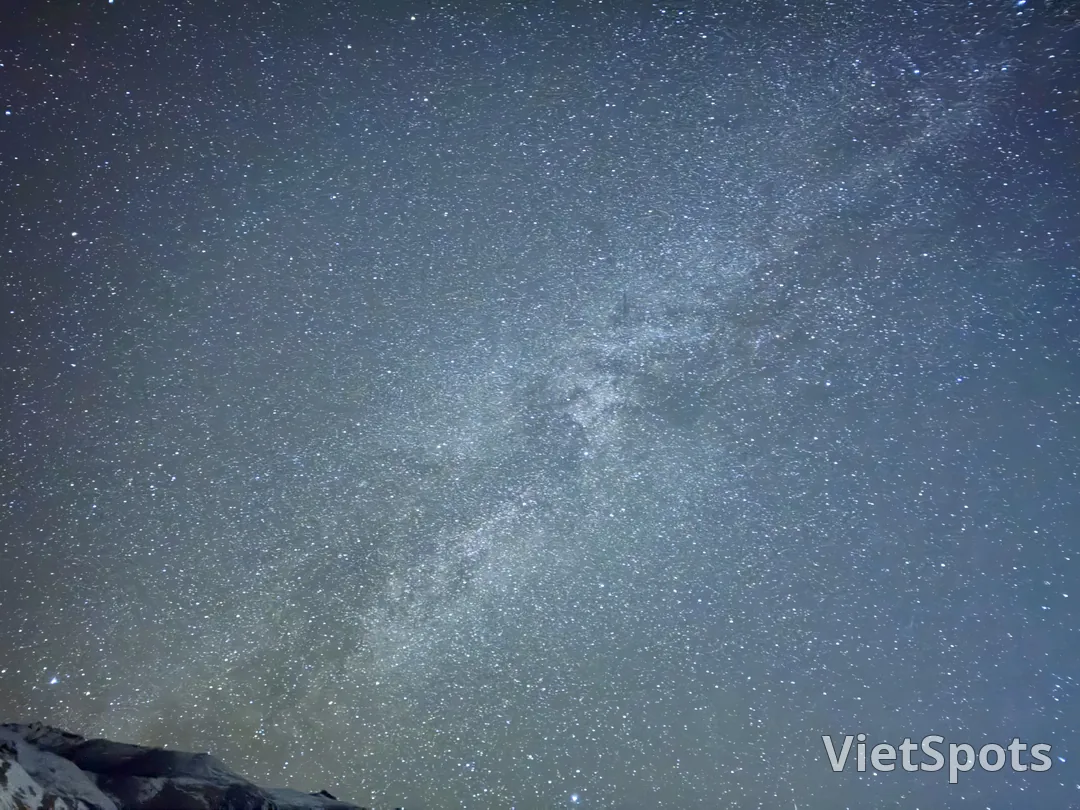
Day 4 | Jiacuola Pass × Jiawula Pass × Everest Sunset and the Milky Way Click here for the travel journal The hardest and most breathtaking day of the whole trip. Highlights: Jiacuola Pass — officially entering the Everest region Jiawula Pass — five giant 8,000-meter peaks lined up in a row Everest sunset (on clear days you can see the golden summit) On lucky nights with clear skies, you can even see the Milky Way Accommodation: Before October, stay at Everest Base Camp From November onward, stay at the transit station instead
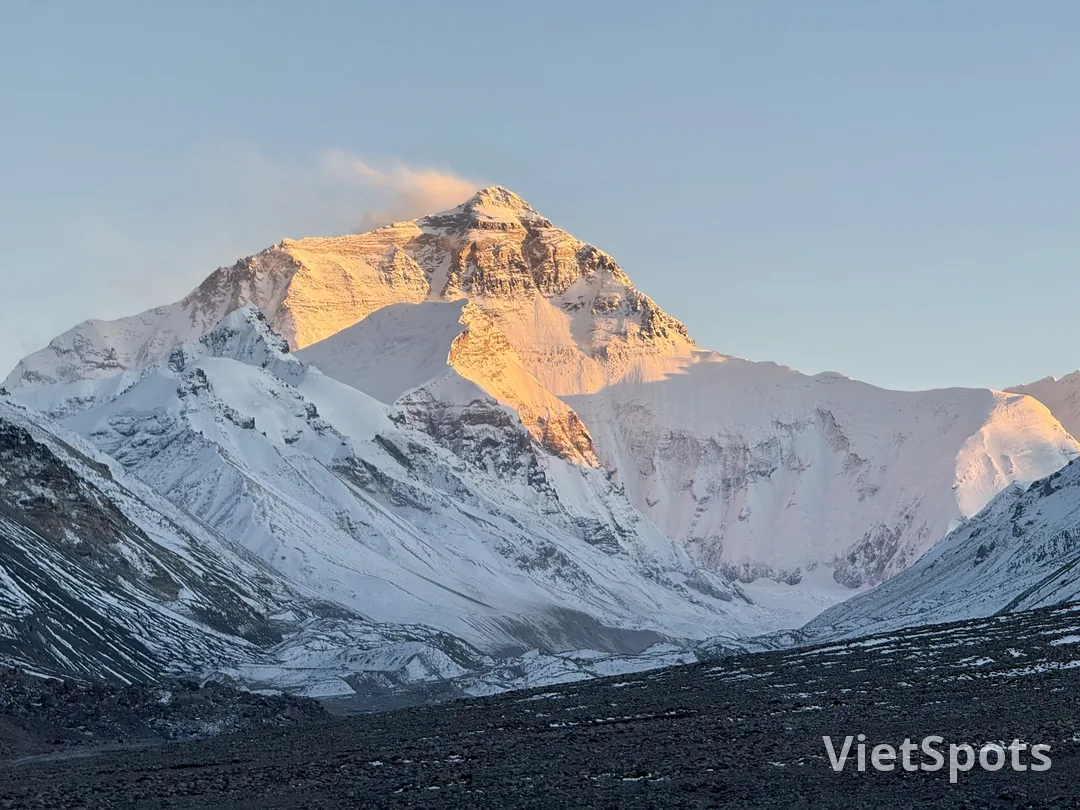
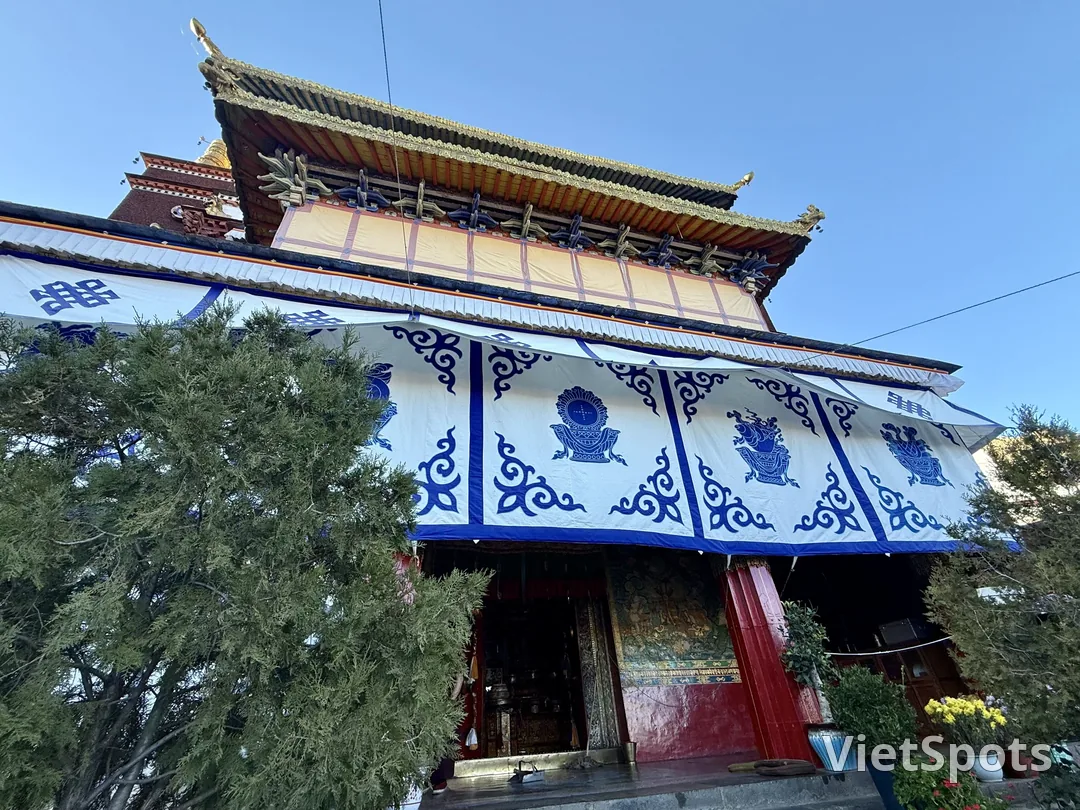
Day 5|Everest Sunrise × Tashilhunpo Monastery × Leisurely Shigatse Trip Click here for the travel log Watch the sunrise over Mount Everest in the early morning On the way back, visit Tashilhunpo Monastery, the most important monastery in Back Tibet
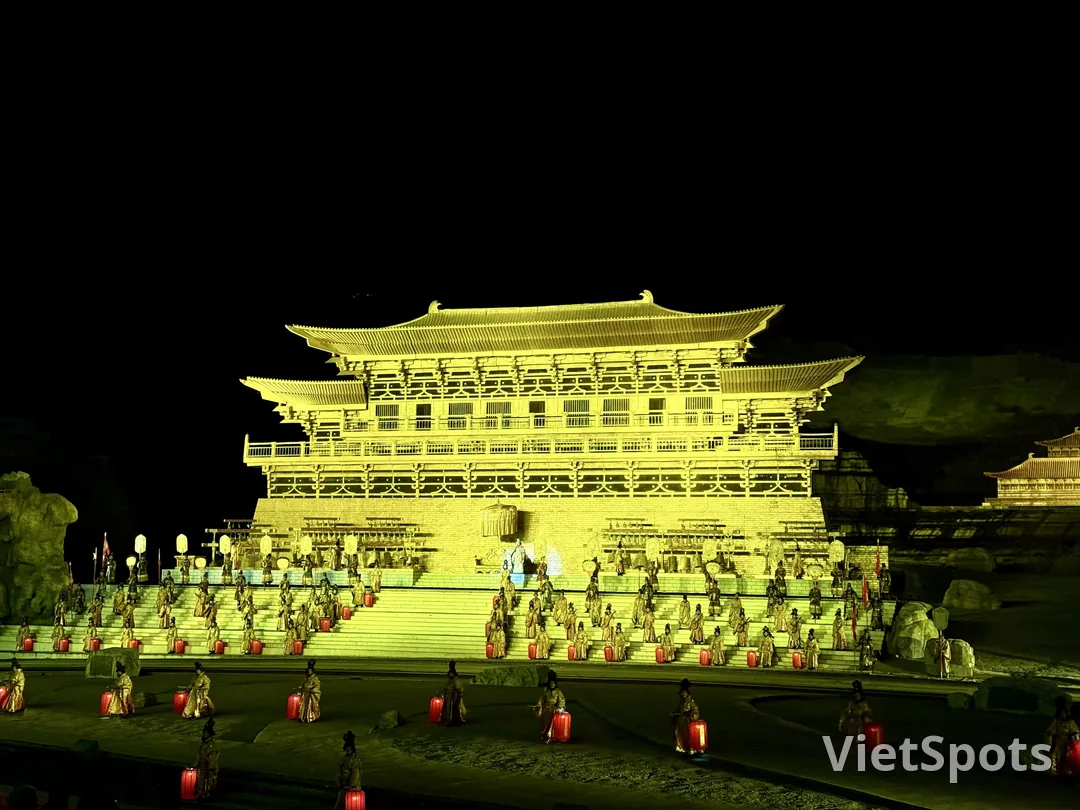
Day 6 | Tibetan Medicine Culture Experience × Princess Wencheng Theater (Self-funded) Travel Notes—Click Here Skyburial culture exhibition, medical thangka paintings, free consultation (includes sales pitch, no pressure) In the evening, you can add the Princess Wencheng Theater experience—the scale is spectacular and well worth seeing!
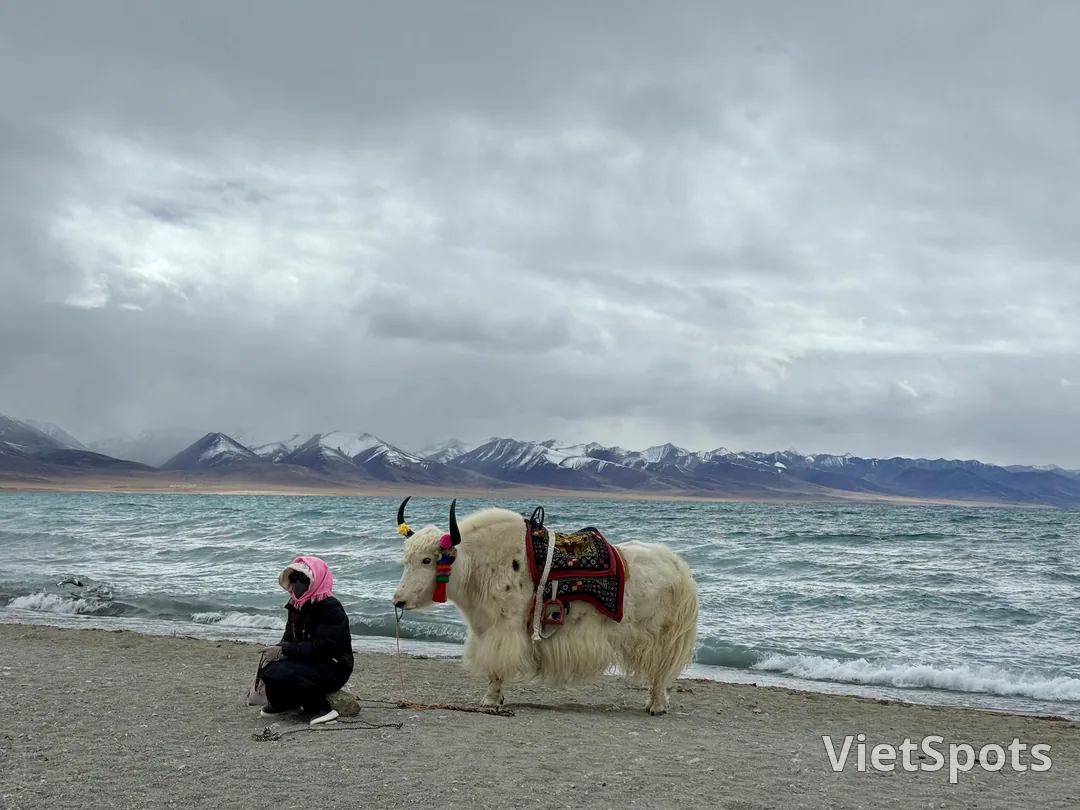
Day 7 | Namtso: The Greatest of the Three Sacred Lakes (500 km round trip) Click here for the travelogue Highlights: The lake surface is as vast and wide as the sea The water is milky blue, pale blue in color, incredibly pure The lakeshore has seagulls, yaks, and sandy terrain On the way back, we passed through a glacier/ice-field area On this trip we even had the surprise of encountering snowfall Compared to Yamdrok Lake: Yamdrok Lake: intense, vivid blue Namtso: clear, pale blue The two are completely different, each with its own charm.
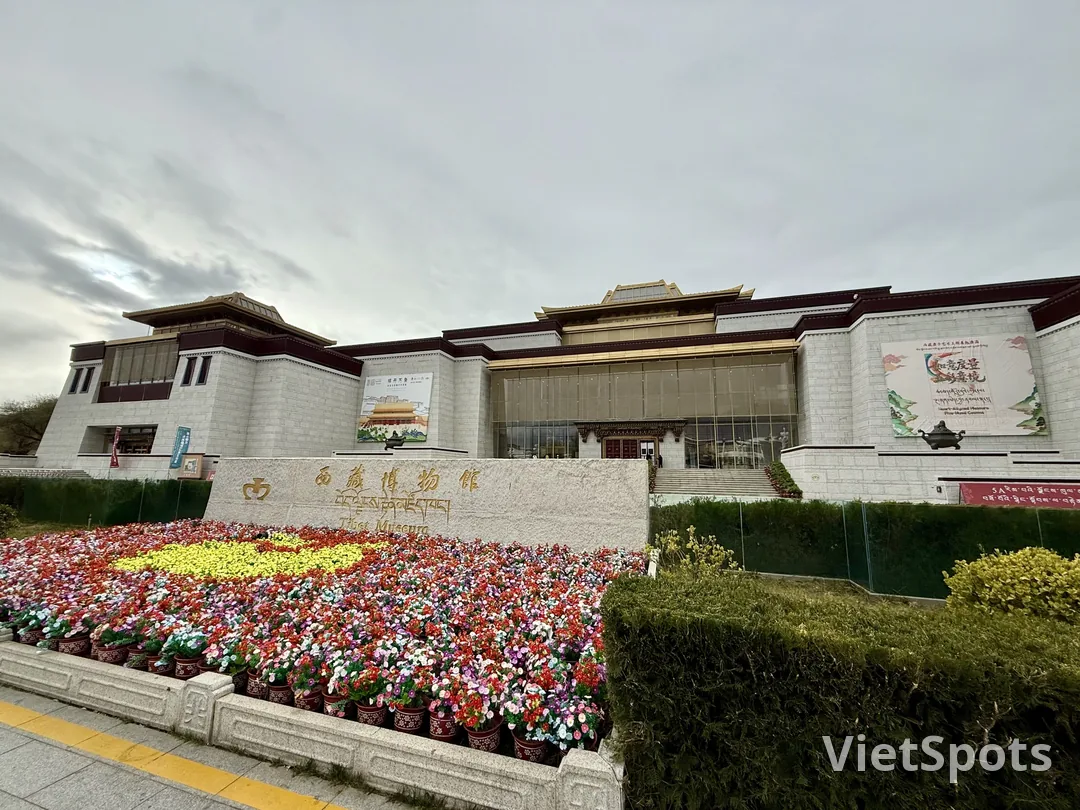
Day 8|Tibet Museum: Tying the Whole Trip Together Click here for the travel notes We spent the half day before heading back visiting the Tibet Museum. Admission is free and the architecture is strikingly modern, making it the perfect spot to "sum up" the entire trip. Main exhibition halls: Long Song of the Snowy Realm (Tibetan History) The People Closest to the Sun (Culture and Daily Life) Liberation of a Million Serfs (Political History) Highly recommended as the final stop of your journey.
Dining experience (based on the actual arrangements of this tour) From day 3 to day 7, there are 5 set-menu group lunches in total (50 RMB each). The day before ascending Mount Everest, the tour guide will remind everyone to prepare instant noodles. In Lhasa and Shigatse, you can try Tibetan-style cuisine (noodles, rice bowls, sweet tea) — cheap and delicious! The yak hotpot restaurant "Zang Yu" is well worth trying. Accommodation experience (based on this particular group tour) Lhasa | Debon Hotel: spacious rooms, with oxygen supply available. Shigatse | Sheli Villa Hotel: new facilities, fully automatic systems, and an oxygen-making machine. Everest Base Camp | Upgraded tents: clean, heated, with a lounge where you can get hot water Oxygen: available for purchase in both Lhasa and Shigatse Overall it was much more modern and comfortable than expected. Dreaming Back to Tibet | Pros and Cons (compiled from actually joining the tour) Pros Complete itinerary covering a wide range of attractions Includes accommodation at Chengdu airport (with pickup/drop-off) Upgraded to a 29-seat bus for groups of 10 or more Has an accompanying doctor, altitude sickness management is well handled All Tibet entry permit procedures are included, no need to worry about documents Steady itinerary pacing, safety control is well done Very suitable for people visiting Tibet for the first time. Drawbacks There is a technical shopping stop (Tibetan medicine experience, but not mandatory). Less freedom (a normal condition for group tours). The "hidden fees" complained about online are actually all explained in advance. Is Dream Back to Tibet recommended? If you want to complete the essence of Tibet in one trip, including: Yamdrok Lake Namtso Lake Everest Base Camp Shigatse Cultural and religious sites Dream Back to Tibet is well worth it. The itinerary is complete, the pace is just right, and the price is reasonable. It's also the easiest way to see all the major sights of Tibet at once. Tibet Travel Expenses Breakdown (Based on actual costs for this trip) Total Tickets: 925 RMB (Price varies by age; Potala Palace was free this time) Other Expenses Group meal lunch: 250 RMB (5 meals) Tips: 480 RMB (8 days) Princess Wencheng Theater: 300 RMB + transportation 40 RMB Large oxygen bottle: 700 RMB, small bottle: 400 RMB (must buy) Final total expenses (TWD) Flight (departing from Taiwan): 26,726 Flight (departing from Vietnam): 18,708 Tour fee + entrance tickets + meals + oxygen + tips: 32,659 The whole trip cost about NT$45,000–60,000 in total. For a trip that lets you see both Everest Base Camp and the two great sacred lakes, the value for money is really excellent. One final piece of advice If you've ever thought about traveling to Tibet, now is truly the best time to go. Tibet is developing rapidly, but its scenery remains as pristine as ever. This is exactly the right time to visit Tibet — a stage when the scenery remains at its most pristine, while travel conditions keep getting better and better.
Book Activity in English on VietSpots
- 🎁 Sign up and get 16 Welcome Pack coupons — e.g. Motorbike Rental 45%
- 👑 Member tier discount up to 15% on site (Silver 5% · Gold 15%)
- 🛂 Auto-fill arrival card📶 Compare lowest eSIM prices🚻 Find toilets
Comments