

Would you recommend senior migration to Vietnam? Can you live on the national pension?



Xin chào! We're Yuki, a Japanese husband, and Ngoc, his Vietnamese wife, living in Ho Chi Minh City, Vietnam. On this blog, we share information about moving to and living in Vietnam, as well as travel information from all over the country. If you find an article that catches your interest, please follow us first ♪ Until now, we've been updating our "Da Nang Travel Diary 2025" series. If you'd like to read it, just tap below (^^♪ Danang Travelogue | 2025 | A Vietnamese-Japanese family's tour around Vietnam - Eating, healing, and shopping as taught by a family who relocated there. This is the article list page for yuki&goc's blog theme, "Danang Travelogue | 2025." ameblo.jp This time, for those planning to move to Vietnam, we ask: "Can you even live on just the national pension?For those considering this kind of "second life," I'd like to share what it's actually like. What I'm about to explain here is probably similar, with some differences in environment, in other Southeast Asian countries like Malaysia or Thailand as well. Conclusion: If you're a married couple living on Japan's national pension, moving to Vietnam is feasible.
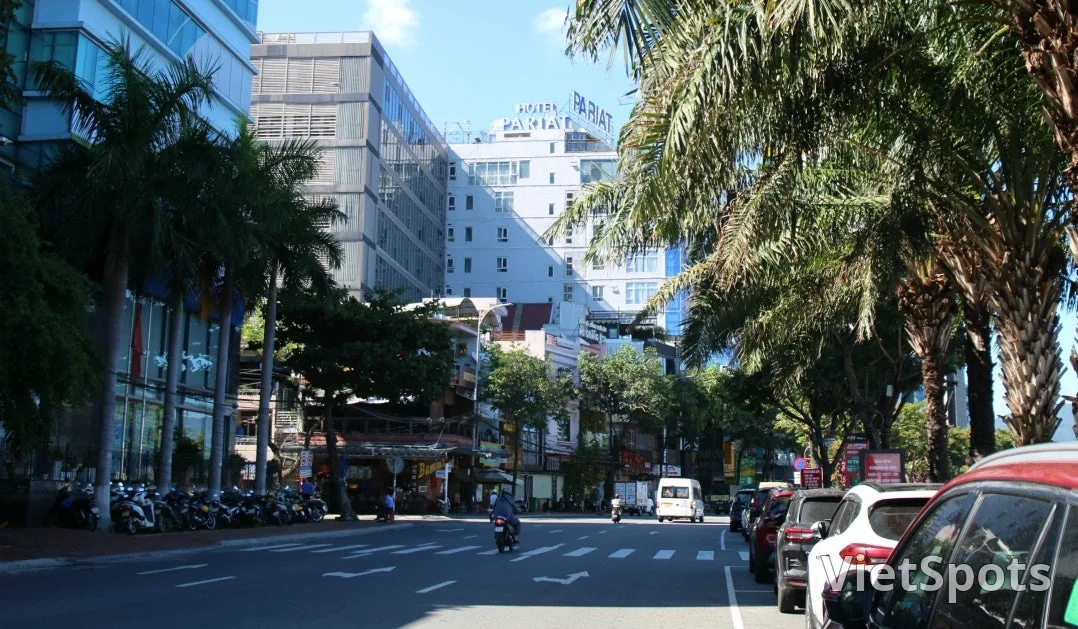
If a Japanese National Pension enrollee has paid the full amount for 40 years, as of 2025 they can receive about 69,000 yen. For a married couple, that comes to nearly 140,000 yen a month. That might not allow for much luxury in Japan, but what about in Vietnam? What kind of life can you lead on 140,000 yen? How to spend a fulfilling senior life First, let's consider your monthly expenses using the following as a rough guide. Rent: 40,000-60,000 yen Food: 30,000-50,000 yen Utilities: 10,000-20,000 yen The above are the minimum expenses you'll incur. Rent drops significantly if you move just a little away from the city center, and there are options where you can live in an apartment with a pool for around 40,000 yen. Especially in Hanoi and Ho Chi Minh City, the convenience of the suburbs is expected to improve going forward with the opening of urban railways.Given this situation, I don't think it's necessarily important to stick to the city center. Is food cost surprisingly high? With just a bit of resolve, it can be brought down! When it comes to a diet centered around Japanese food, this is the kind of amount you can expect for food costs. On the other hand, "it's fine to eat at cafeterias or cook for yourself on weekdays...If you can impose a few rules for yourself, like 'stocking up on seasonings when you temporarily return to Japan' or 'only going to Japanese restaurants on weekends,' you can bring your food expenses down a bit more. That said, as you get older, it's hard not to become a bit stubborn about these kinds of things. Why you don't need to worry much about entertainment and leisure expenses Even in Vietnam's major cities like Hanoi and Ho Chi Minh City, there aren't really any entertainment facilities where you can spend money to have fun. On weekends, the main ways to spend money are shopping at shopping malls or having tea at a stylish café. "Moving to Vietnam! A serious look at whether buying a condo locally is realistic or not" Xin chào!We are Yuki, a Japanese husband, and Ngoc, his Vietnamese wife. On this blog, we update our posts divided into two parts: information about moving to and living in Vietnam, and travel information. Still…ameblo.jp
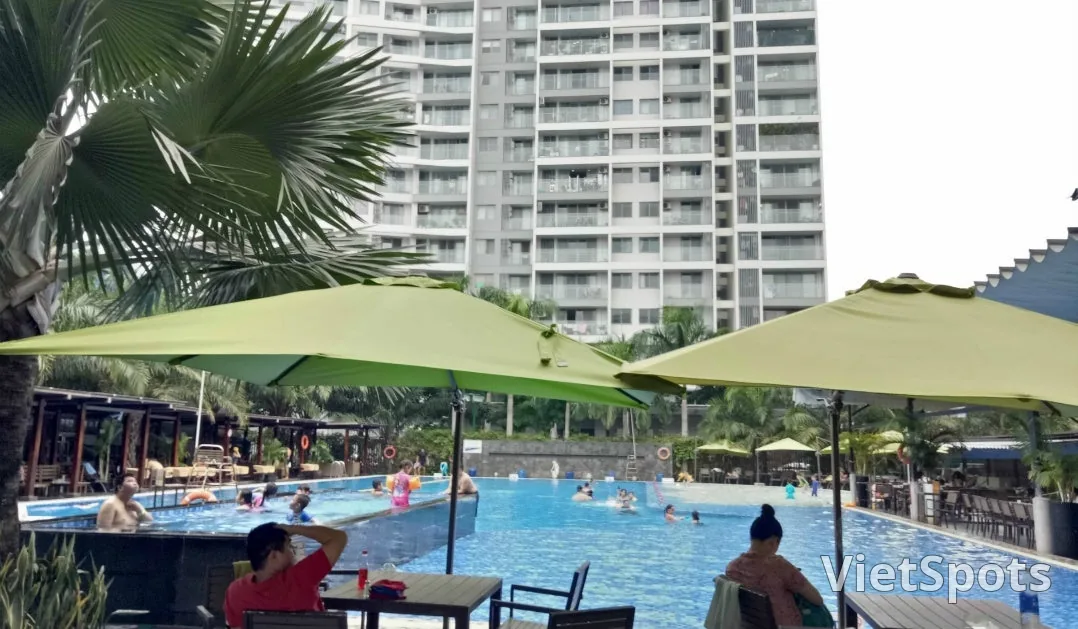
If you want to keep costs even lower, try using "Room For Rent"!
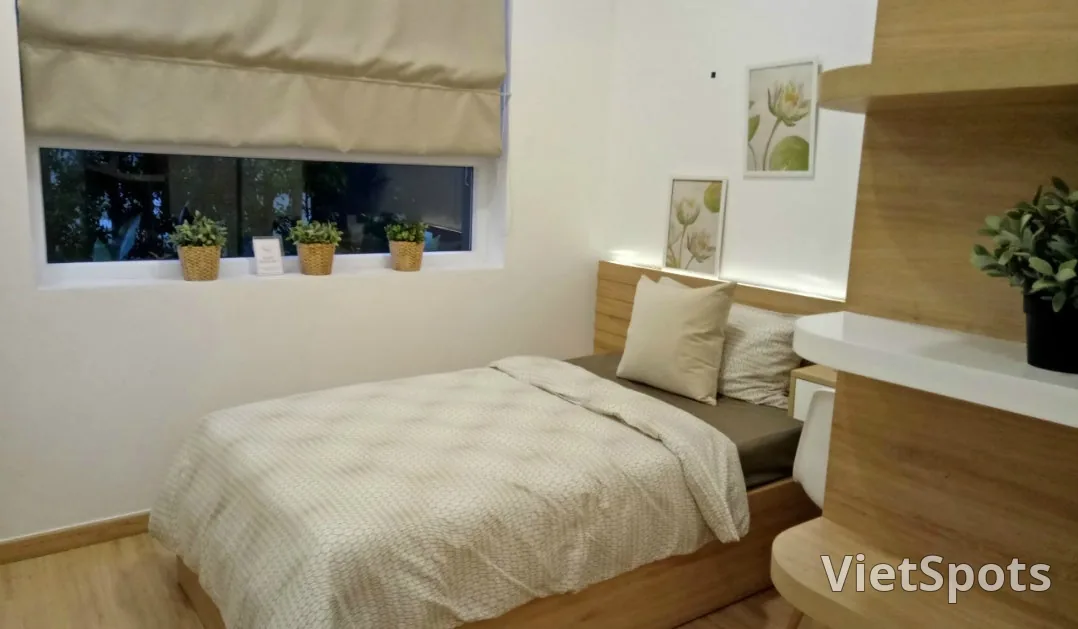
Room For Rent is a "guesthouse where you live together with the landlord." Typical Vietnamese houses are tall, narrow buildings, usually three to four stories high. Each floor has one or two rooms, and the style is to rent just one of those rooms. Most users are international students, but recently more seniors who are used to life in Asia have also been using it. Rent is around 20,000–30,000 yen, and depending on the property, utility costs may even be included. That said, whether you can enjoy a fulfilling life really depends on the landlord. In the areas where Room for Rent currently operates, many Japanese people live, so it's become the standard approach to talk with them and have them introduce you to a property with a kind, considerate landlord. If one of you has Employees' Pension Insurance, you're all set! A guide to moving and living in Vietnam
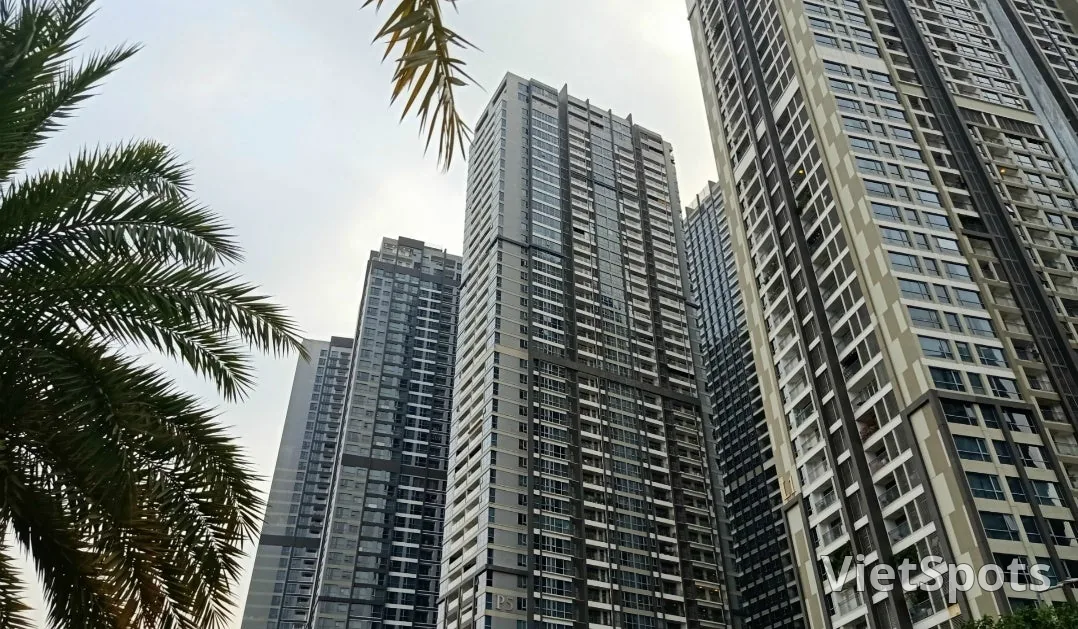
On the other hand, many people considering relocating to Vietnam probably fall into the pattern of "husband on Employees' Pension Insurance, wife on National Pension." In this case, the monthly amount received is expected to be around 230,000 yen. With this amount, you could live in a luxury apartment costing 80,000 to 100,000 yen a month, and by saving on rent, you could also easily enjoy a domestic trip within Vietnam once a month.Whether it's a weekday or a weekend, you'll be able to go to a Japanese restaurant whenever you feel like it. Summary and a preview of next time... Vietnam is still so cheap! Moving to Vietnam can really become a reality! As you can see from the above, relying on two people's national pension might make things a little tight. Vietnam's economy is also growing every year, so 20 years from now, prices will likely have risen even further.On the other hand, if even one of you—husband or wife—is enrolled in Employee Pension Insurance (kosei nenkin), moving to Vietnam suddenly becomes easy mode. If you're thinking about relocating to Vietnam, start by researching local rental listings first! Next time... Hanoi, Da Nang, or Ho Chi Minh City — which one should you live in?!? We've lived in Ho Chi Minh City for a long time, but actually, we've also lived in both Hanoi and Da Nang before.So next time, I'll introduce in detail which of Vietnam's three major cities—Hanoi, Da Nang, or Ho Chi Minh City—is easiest for Japanese people to live in! Please come back and check it out again. Hẹn gặp lại! ※This means "See you again!" in Vietnamese (^^)/
Travel Vietnam with VietSpots, in English
- 🎁 Sign up and get 16 Welcome Pack coupons — e.g. Motorbike Rental 45%
- 👑 Member tier discount up to 15% on site (Silver 5% · Gold 15%)
- 🛂 Auto-fill arrival card📶 Compare lowest eSIM prices🚻 Find toilets
Comments