

[Namtso One-Day Tour] Walking the Sacred Lake's Shore, Encountering Unexpected Heavy Snow, Ending with the Warmest Moment Over Yak Hotpot


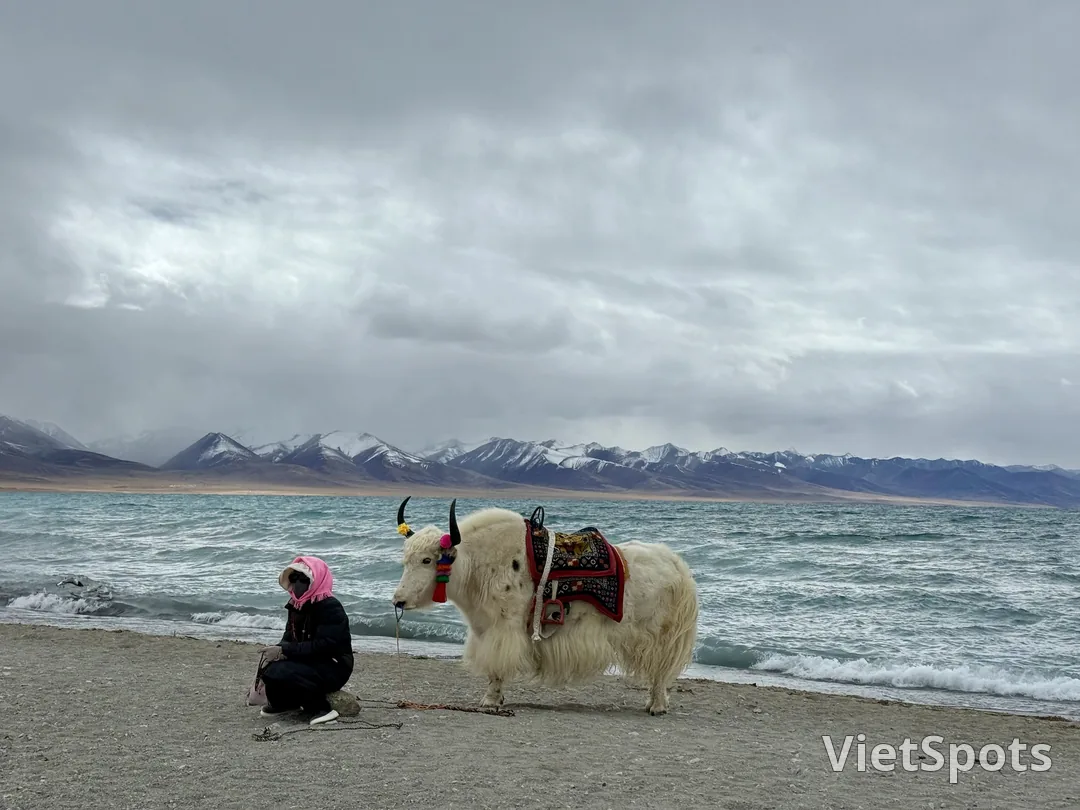
Our Tibet journey is winding down, and today's focus is on just one thing — Nam Tso, one of Tibet's three sacred lakes. The tour guide reminded us with a smile early in the morning: "Today we'll drive 500 kilometers round trip, taking about 10 hours, but it's worth it." As it turned out, the longer the journey, the more you understand why this sacred lake captures hearts so powerfully. 🗓 Today's Itinerary Departure from Lhasa (08:00) → Mid-way rest stop (textile vendor stalls) → Lunch in Damzhung County → Nam Tso Sacred Lake (shuttle car transfer) → Rest stop at Nagqu La Pass for snowy scenery → Return to Lhasa to enjoy yak hot pot → Accommodation The journey begins: 500 kilometers of road, all for a glimpse of the sacred lake We set off promptly at 8 a.m., the weather bright and crisp. About two hours later, we arrived at a rest stop, surrounded by vendors selling textiles and small souvenirs, adding a touch of everyday life amid the plateau valleys.
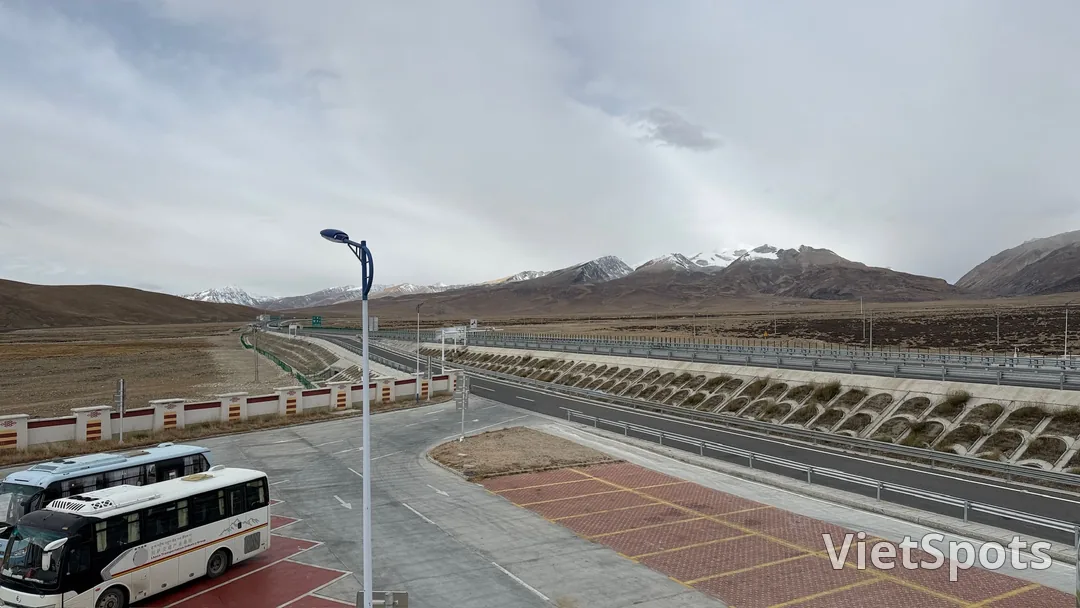
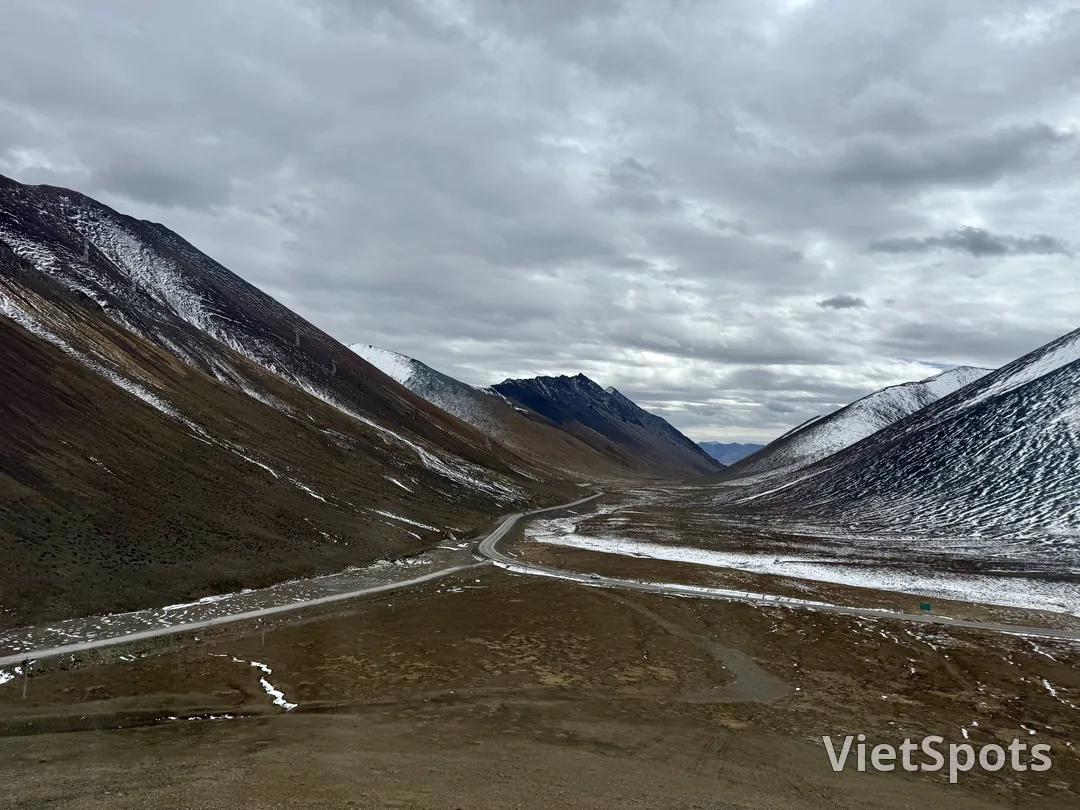
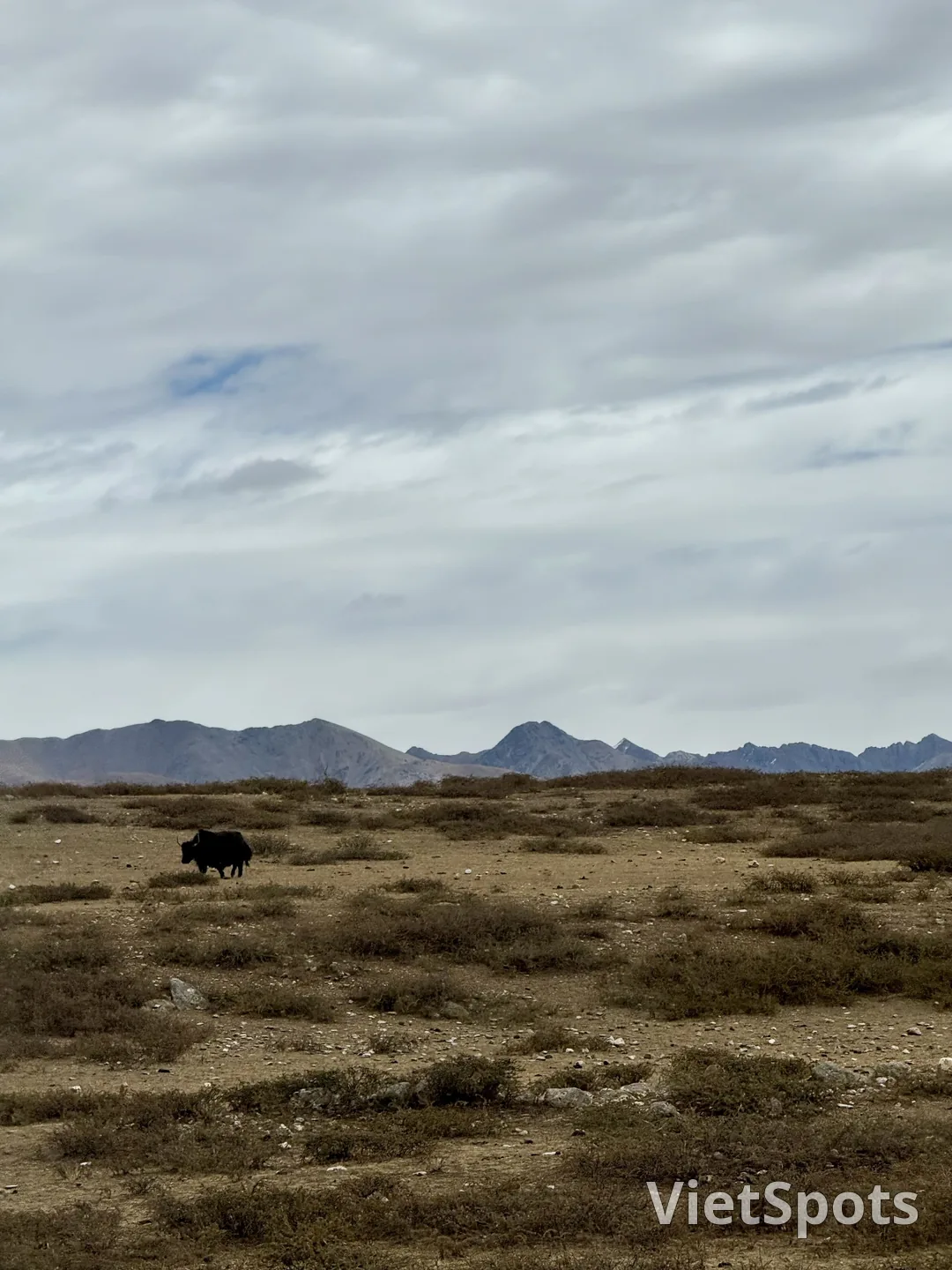
Shortly after departure, the tour guide asked everyone whether they wanted to have lunch earlier or later. Because it was too cold in the bus, the entire group unanimously agreed to eat "early"—— So we arrived at the restaurant in Dangxiong County around 11 o'clock. This restaurant's dishes were more ordinary compared to the set meals from the previous few days, but the piping hot food felt especially comforting in the cold wind. Heading towards Sacred Lake: The view outside the window resembles the far north. After lunch, we continued heading north. The scenery outside the window began to turn pale, like the polar landscape of Iceland—— Vast ice fields, dry cold air, desolate grandeur with no obstruction whatsoever.
After approximately 40 minutes, you will arrive at the Namtso parking area, then transfer to the scenic area's shuttle bus to head to the lakeside, in order to reduce human pollution.
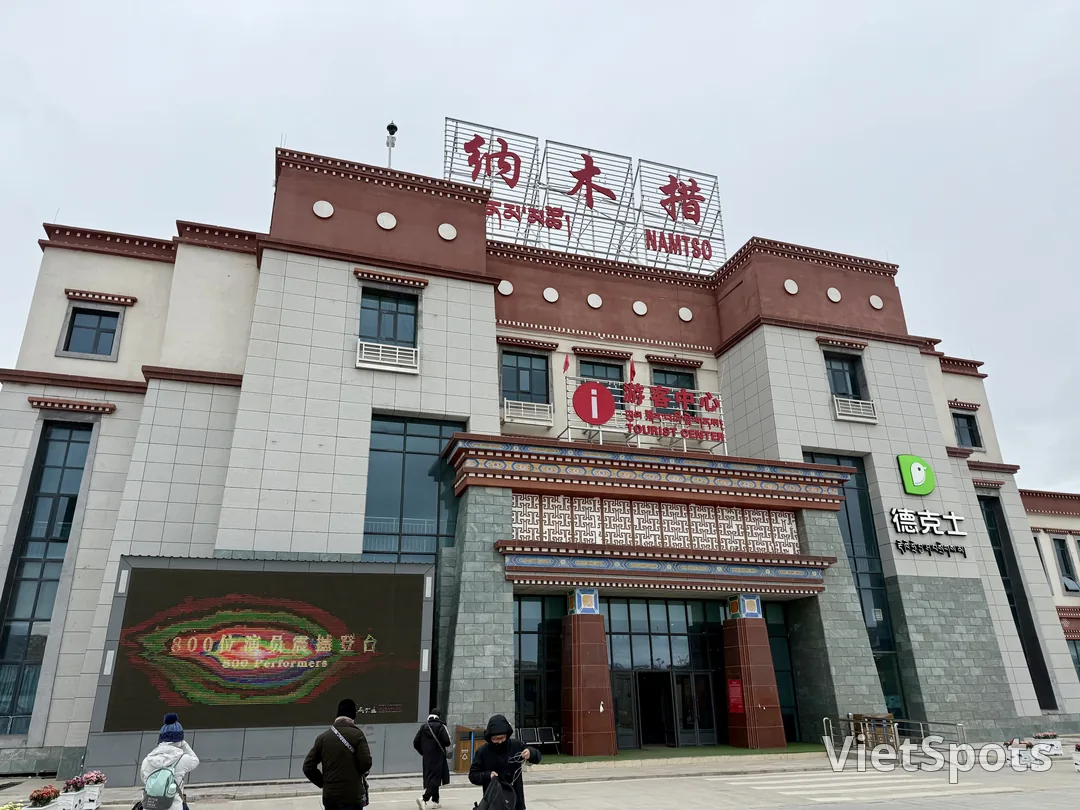
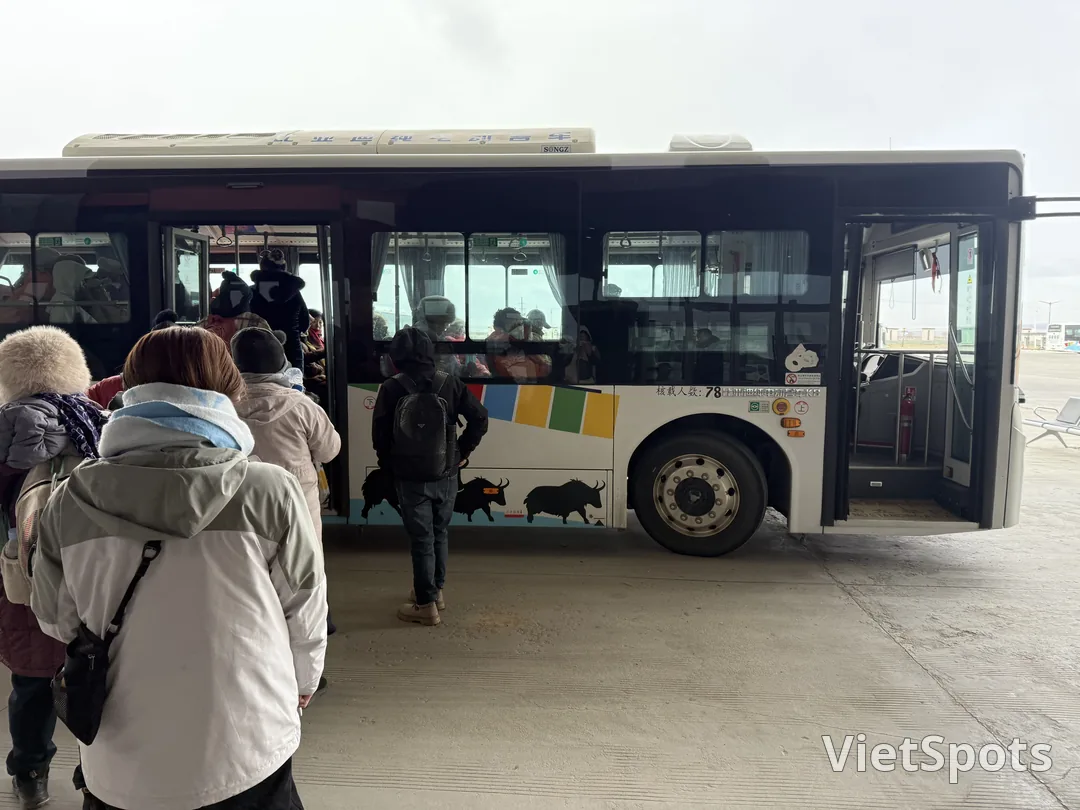
Another 30 minutes passed, and we finally arrived at the legendary sacred lake. Namtso: A "heavenly lake" as vast as the sea At first sight, it took our breath away. So vast it has no visible boundary, so blue it's like diluted milk—an icy blue. The weather was poor, and the sunlight wasn't strong, but the low-saturation lake water instead revealed a kind of pure "pale blue solitude." The drop-off point was about a 10-minute walk from the lake shore. Along the way, you could see many horses offering paid horseback riding for photos. We didn't stop and went straight toward the lake shore.
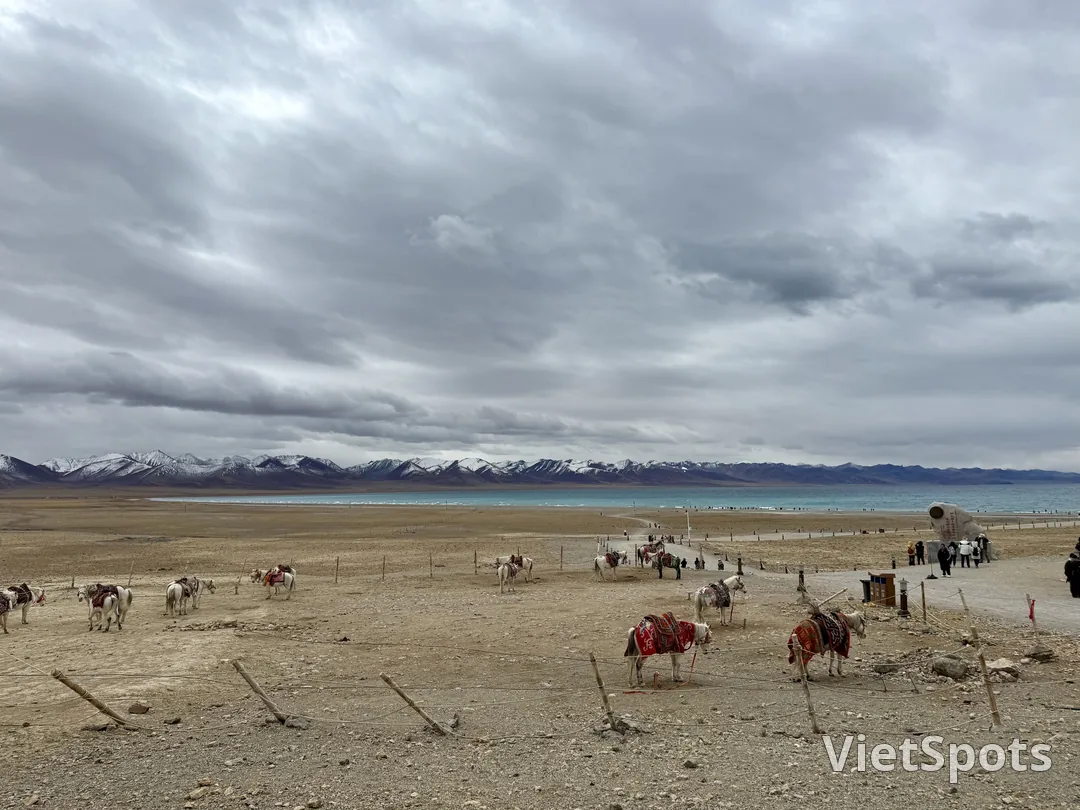
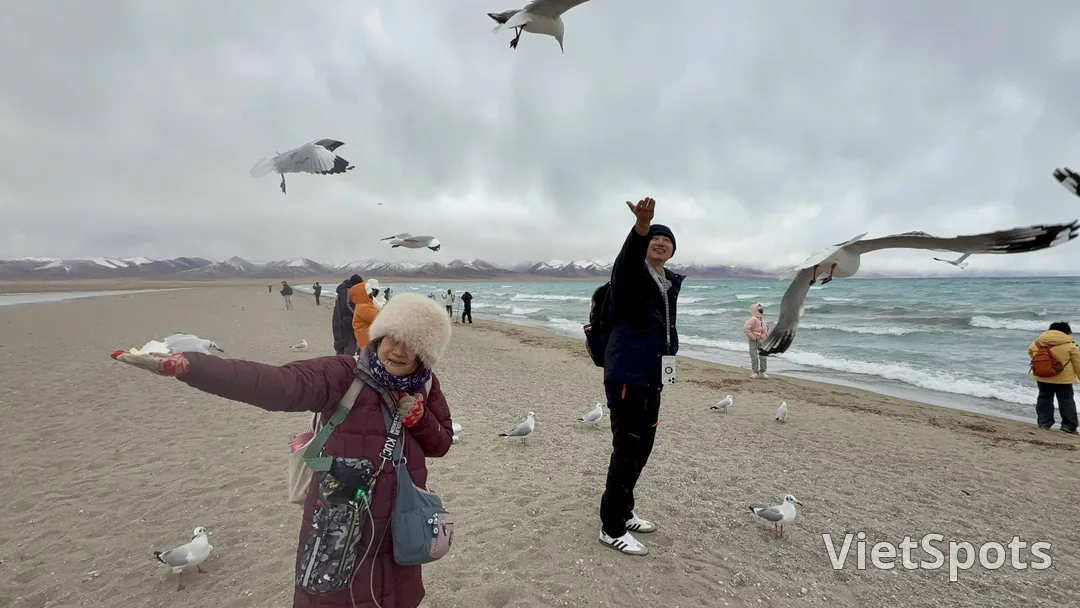
Little Surprises by the Lake: The shore is actually fine sandy beach, completely making one think they've come to the seaside Like Yamdrok Tso, here too gather many yellow-billed gulls Yaks quietly sit by the lake offering photo opportunities
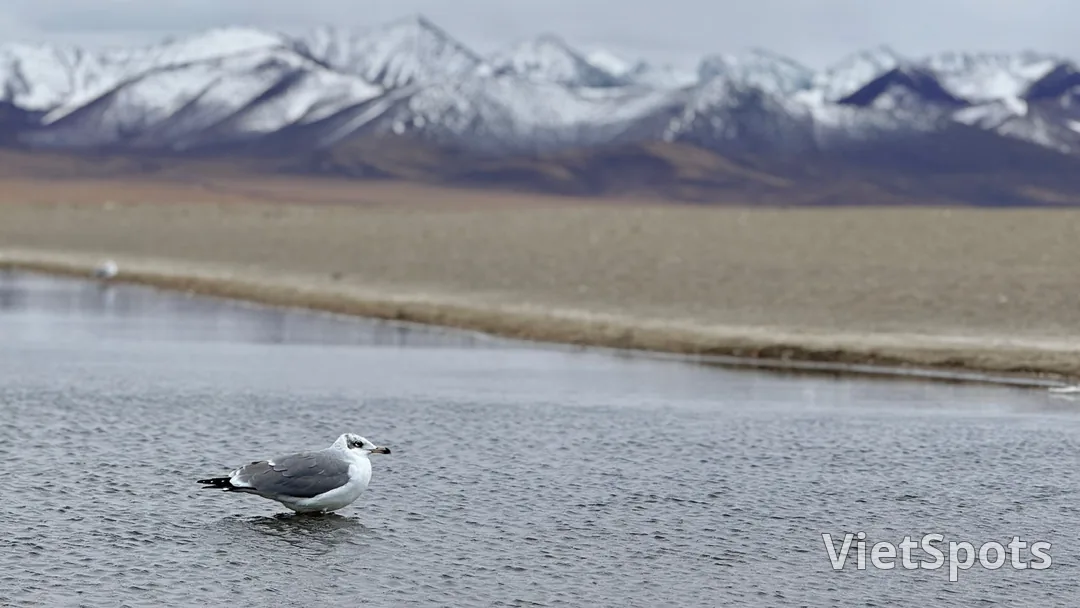
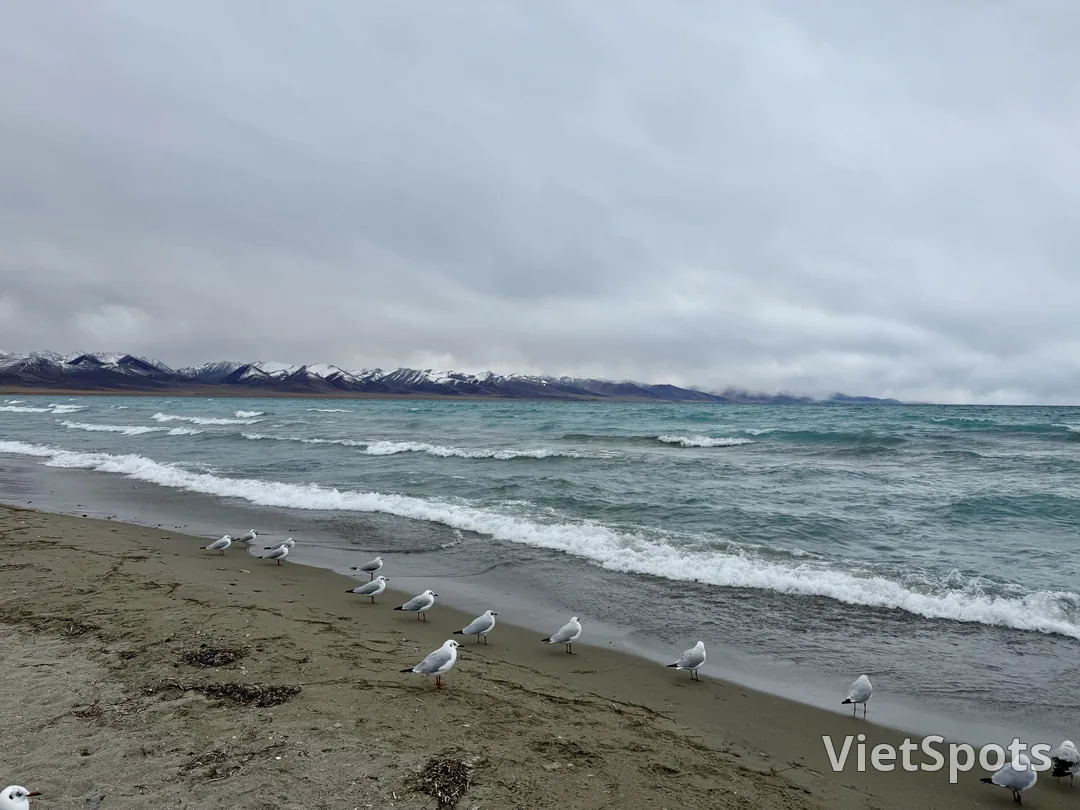
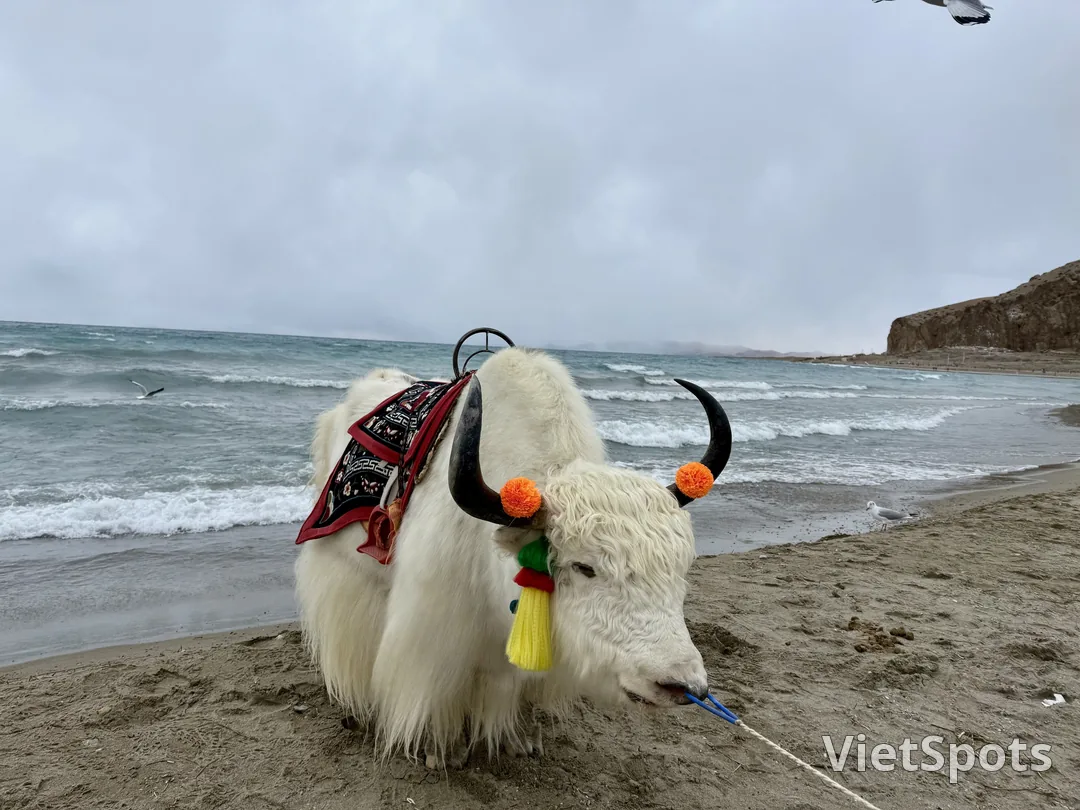
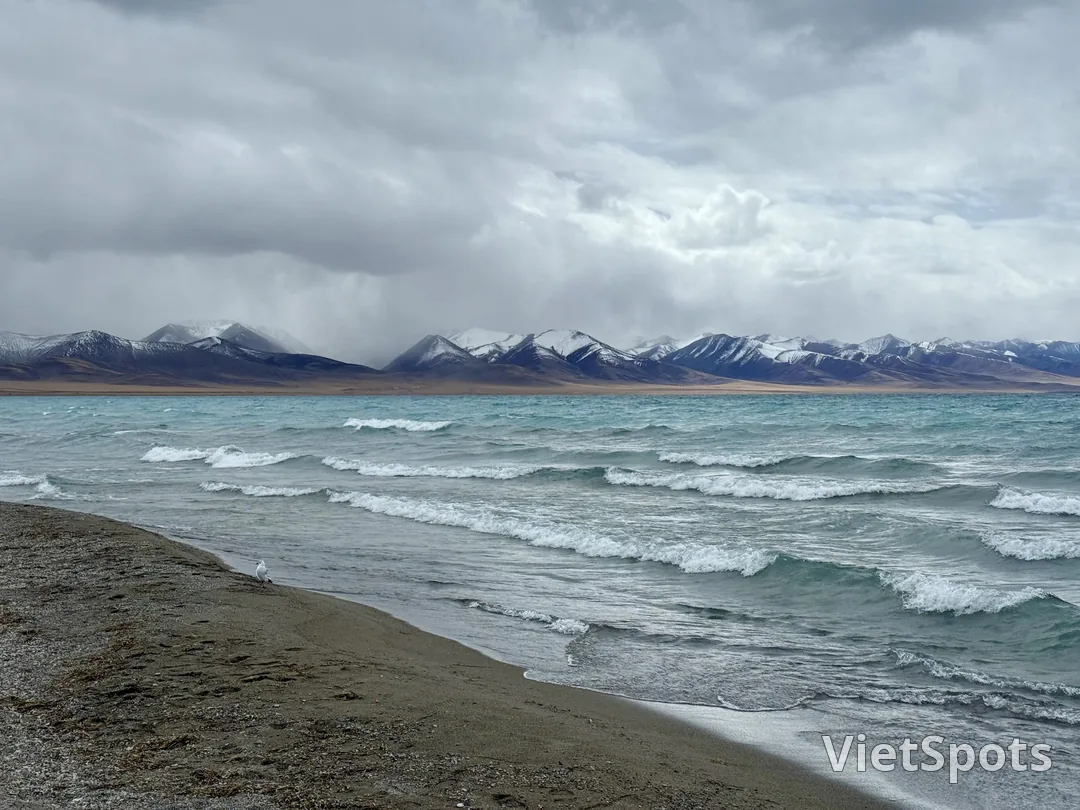
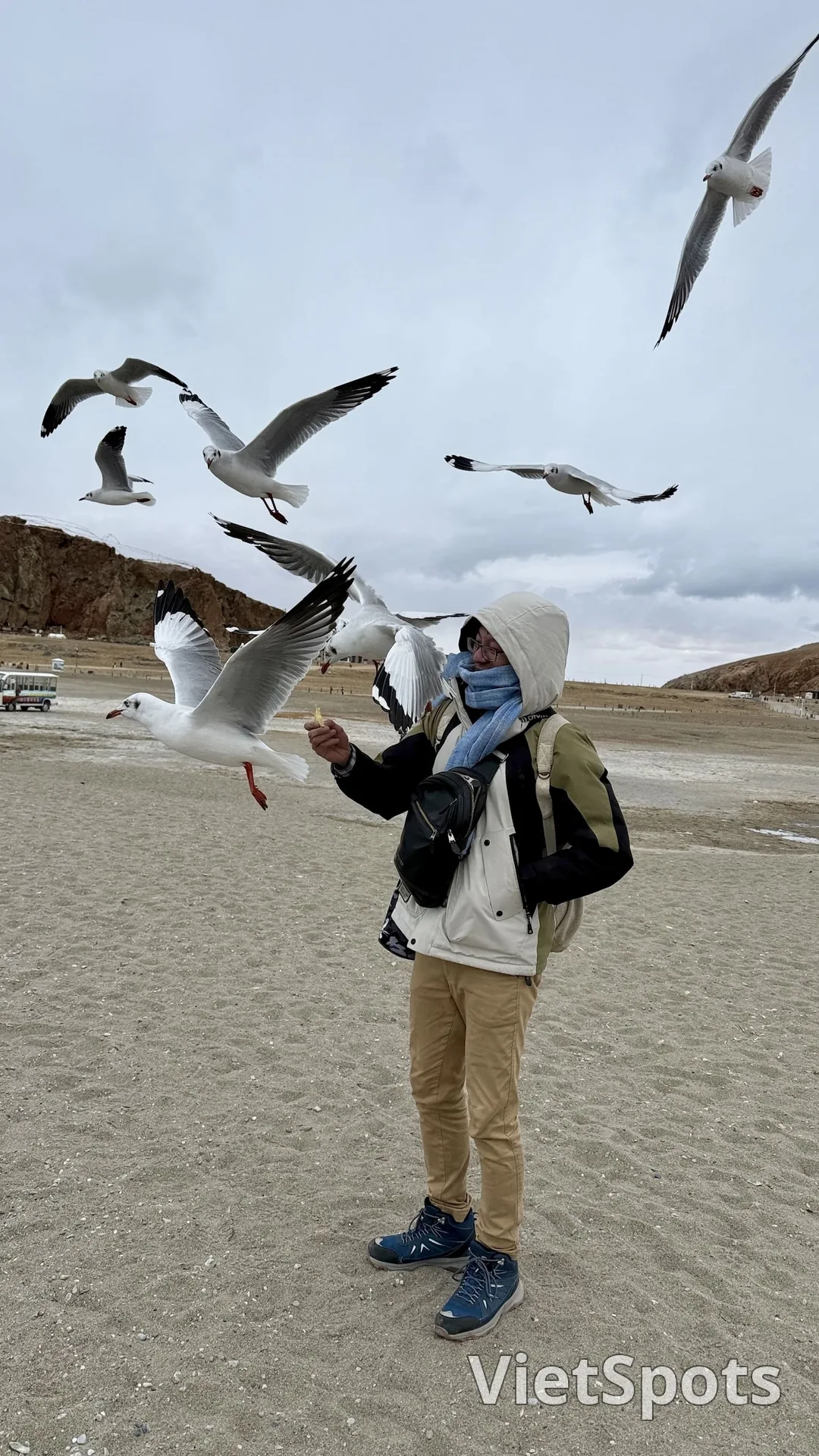
We took out the toast we had prepared to feed the birds, and the seagulls circled and swooped through the air — becoming one of the most vivid images of this journey.
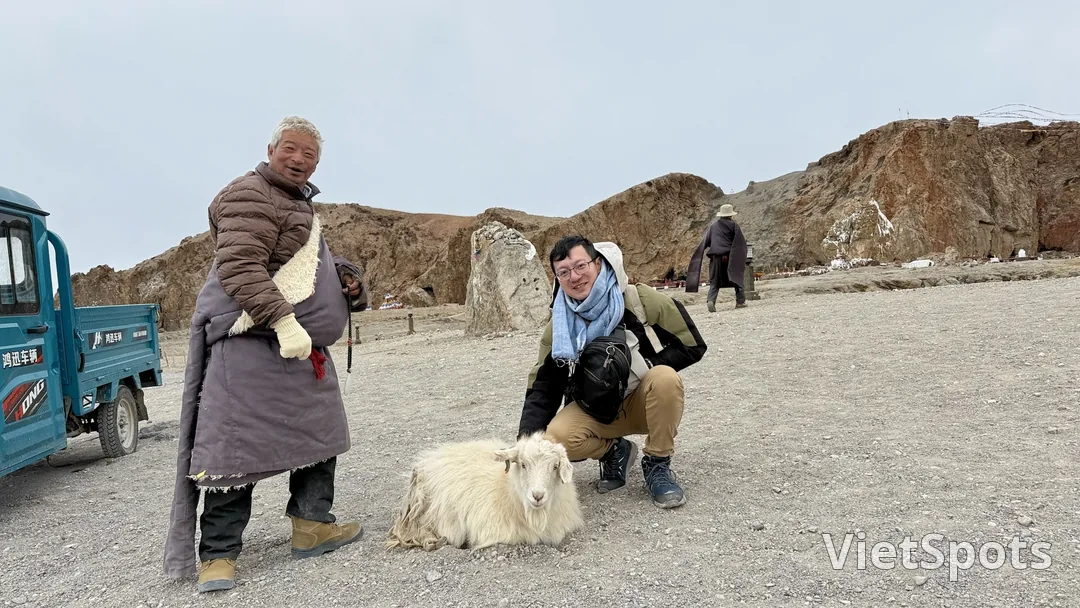
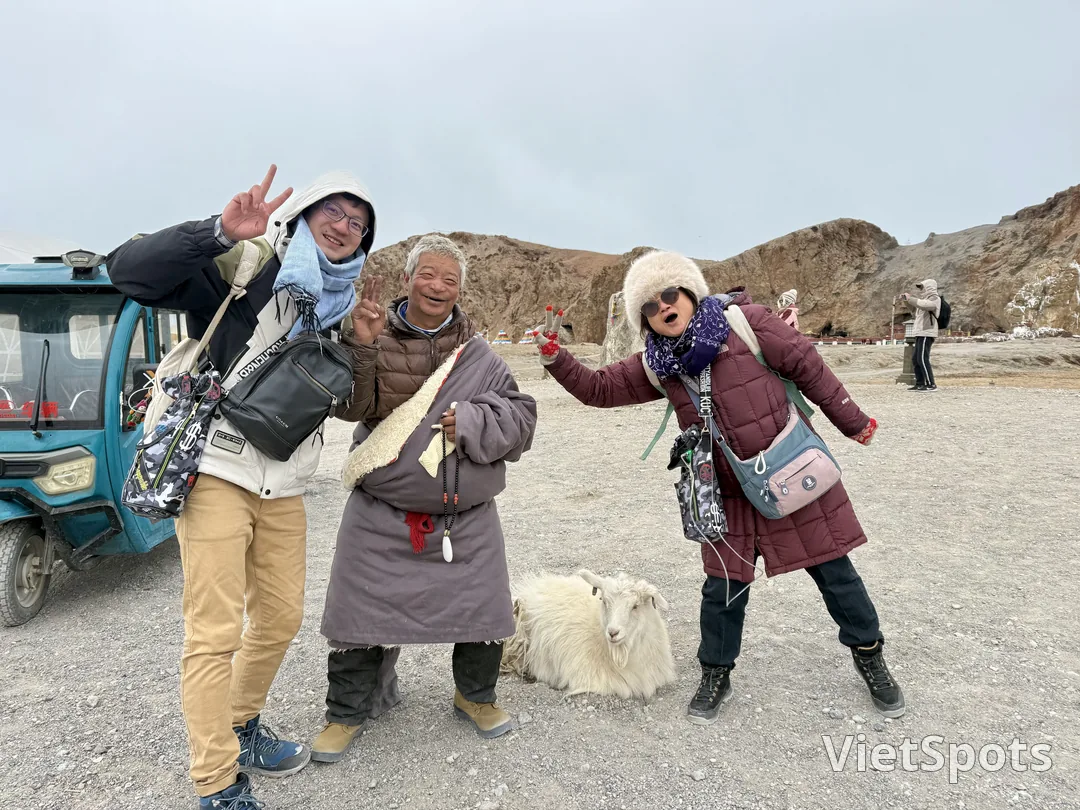
A small interaction with a Tibetan local: simple and sincere While walking along the lakeshore, I saw a little lamb lying on the ground, An old man who seemed to be its owner was there, so I asked if I could pet it, and he smiled and agreed. He joked, "I could even sell you one, it's only 200 bucks!" Then he laughed and said, "But I guess you probably can't take it back to your hometown, huh?" We took out some chocolate and cookies to share with him, He was so happy he kept singing, "We are all good friends~" Simplicity and sincerity are the most unforgettable part of traveling.
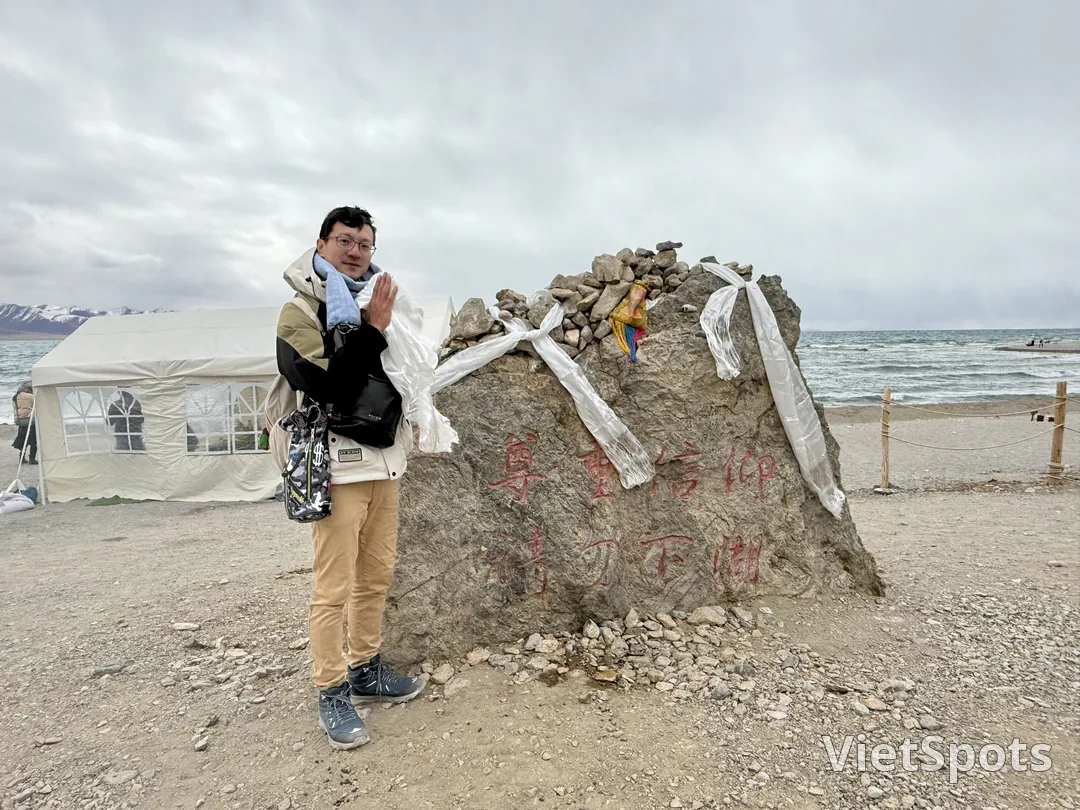
A Moment of Respect for Faith: Offering the Last Khata We walked to the stone tablet that read "Respect the faith, please do not enter the lake," upon which several pure white khatas had been laid. I gently placed the last khata of this journey upon it. In that moment, my heart felt very peaceful— grateful that this journey was complete and safe, and that I had seen all the scenery I had wished to see.
We slowly walked back, unconsciously glancing back at the Sacred Lake over and over again. I don't know if Tibet's future will preserve this purity, but I hope it will!
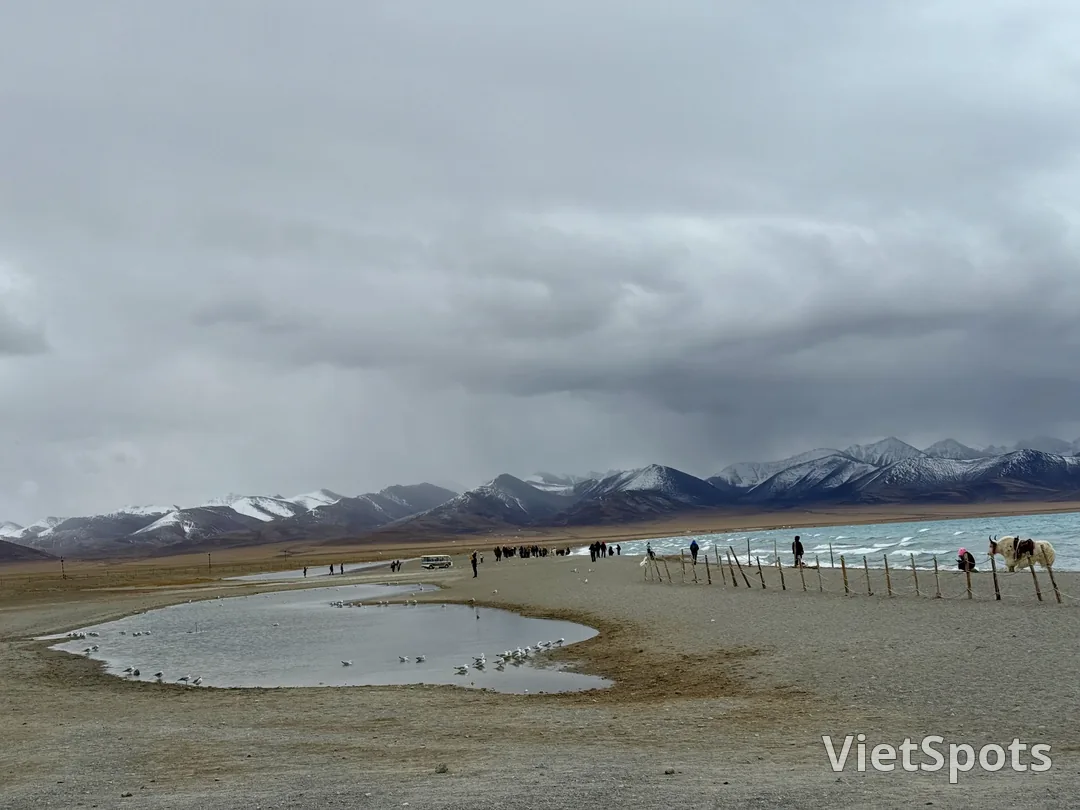
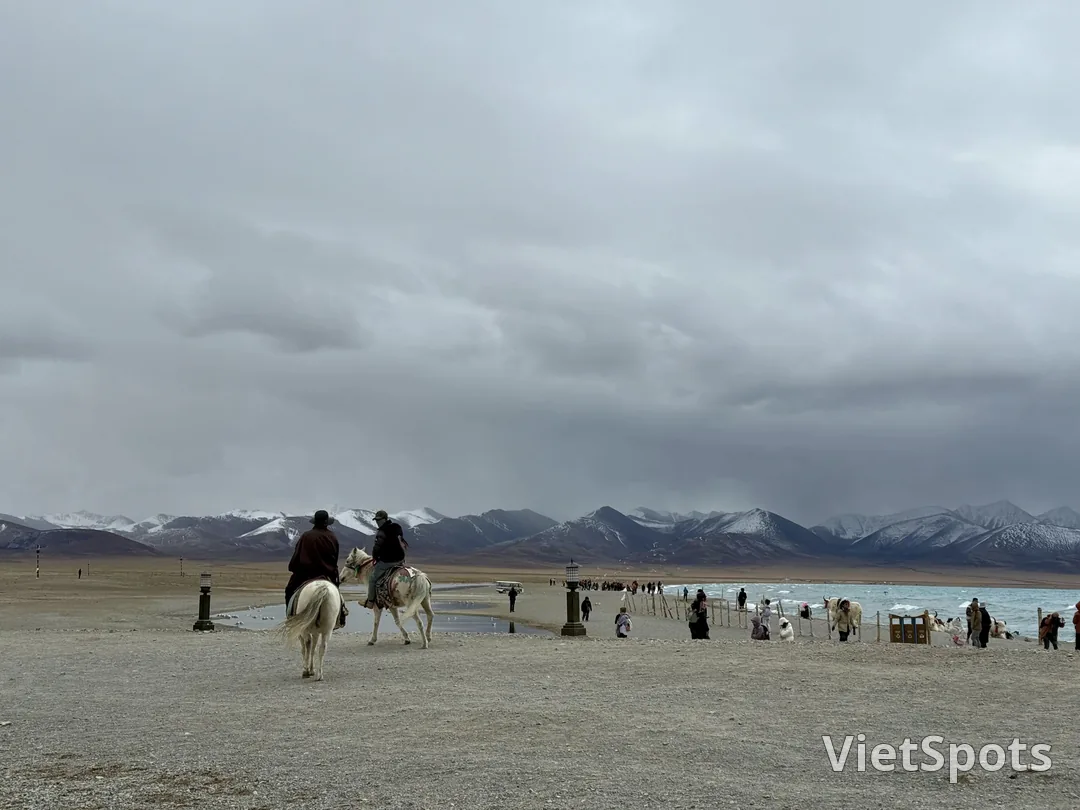
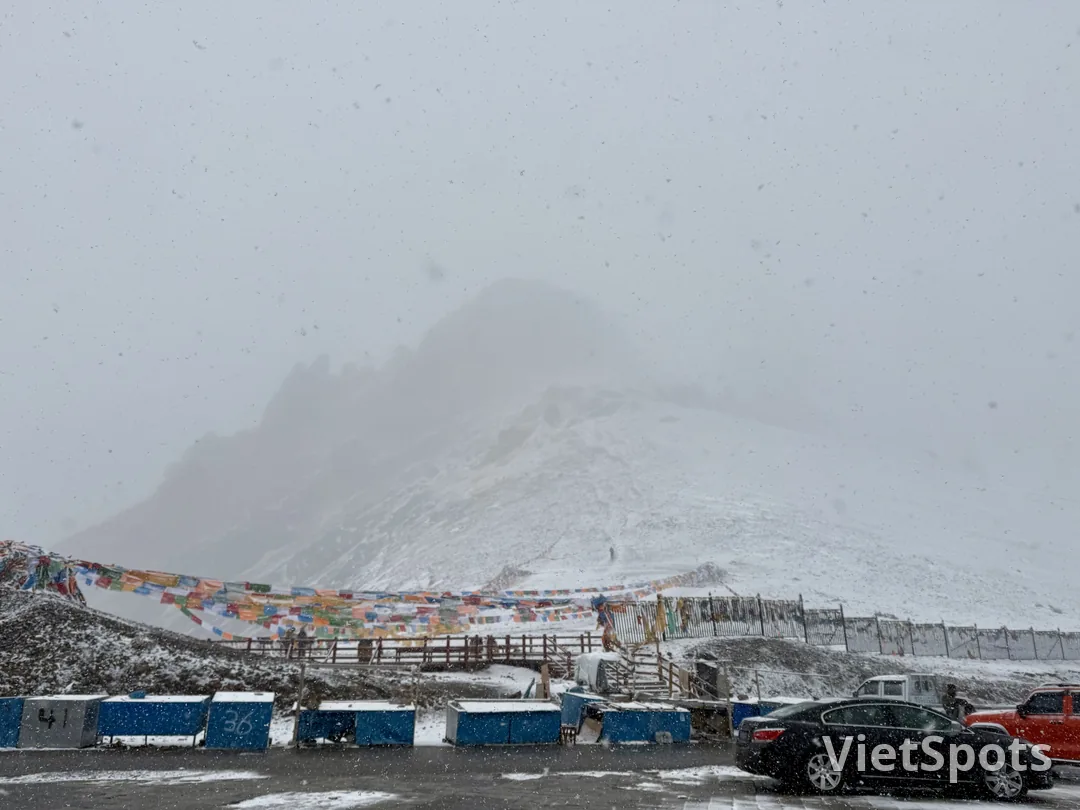
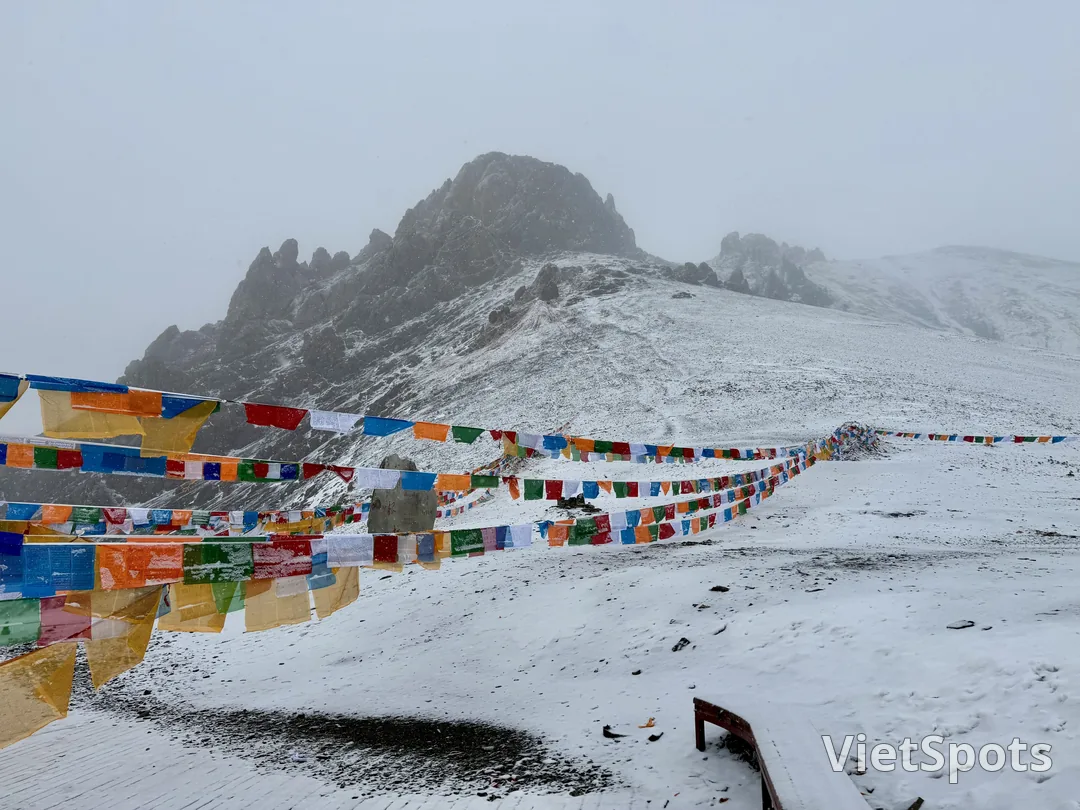
Shuttle Bus Around the Lake: The Sacred Lake from Different Angles The shuttle bus first travels a while along the lakeside before arriving at the transfer area. A Hong Kong girl in our group shared that she rode a horse to Station 7, where there were more photo-op spots, and then took the sightseeing tram back. After going around the lake, the driver will urge passengers without seats to get off, because a seat is required for this stretch leading to the exit. Sudden Weather Change: On the Way Back, "Freezing Rain Turns into Snow" When we got back to the big bus, we were stunned to discover—it had actually started snowing! The weather forecast clearly said "freezing rain," yet we never expected the snow to get heavier and heavier on the way back. The tour guide specially stopped the car at Nagenla Pass, letting everyone capture this sudden plateau snow scene. For us, this was a "surprise right before parting.
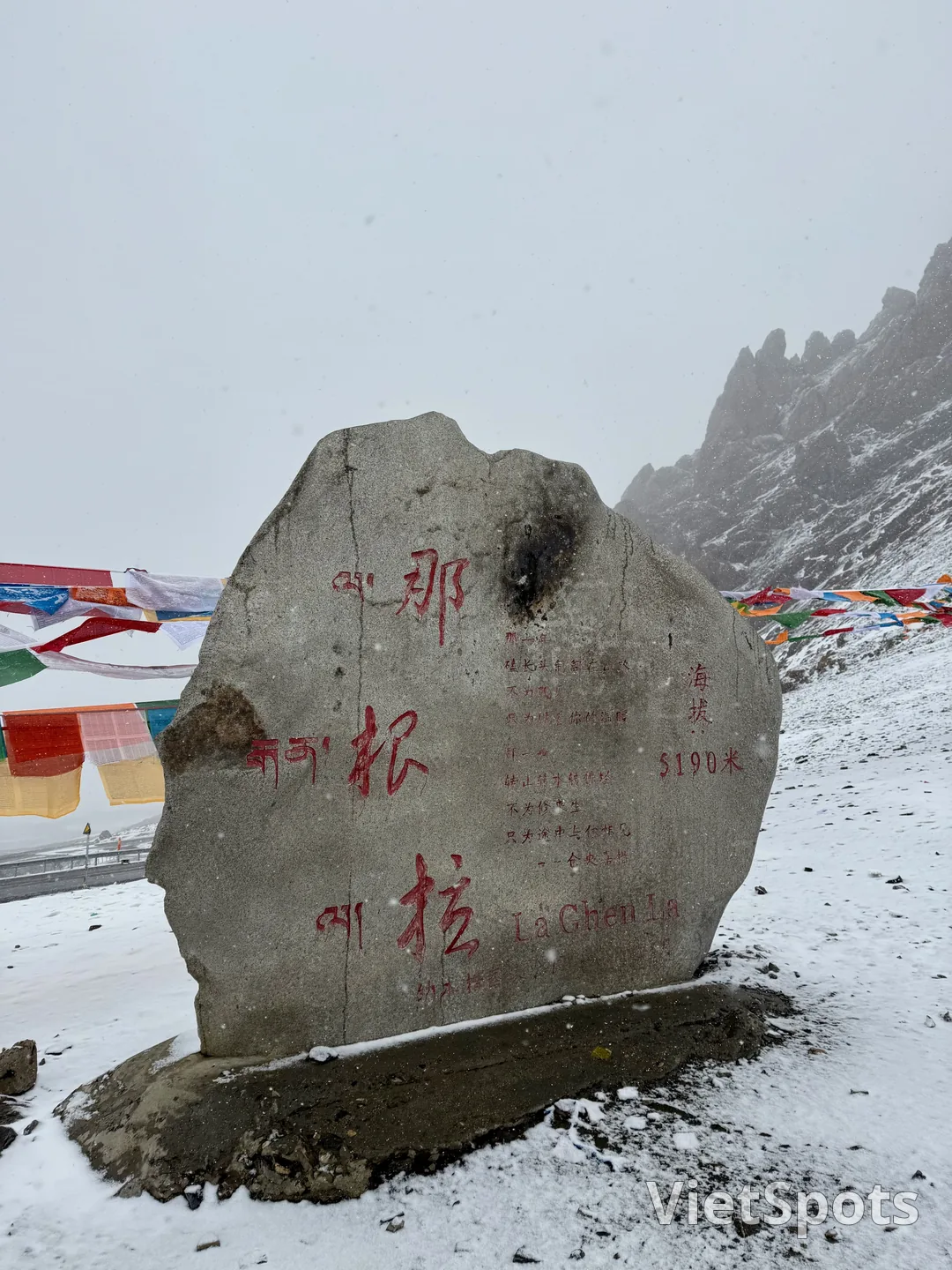
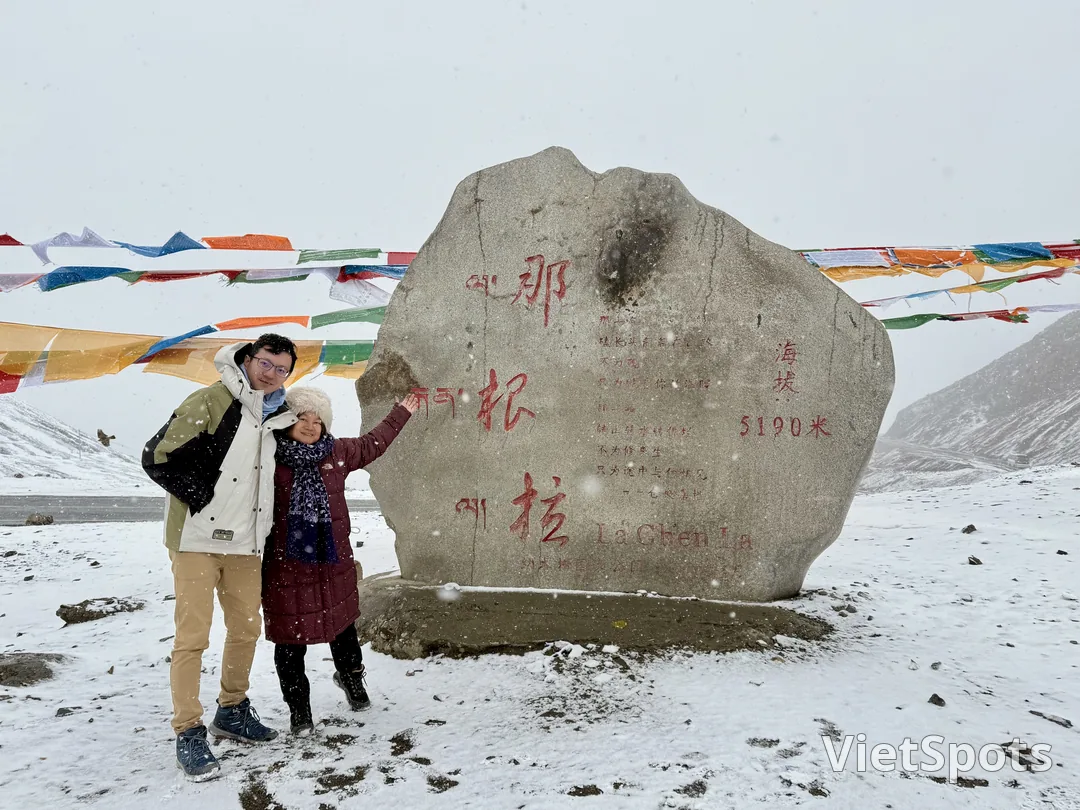
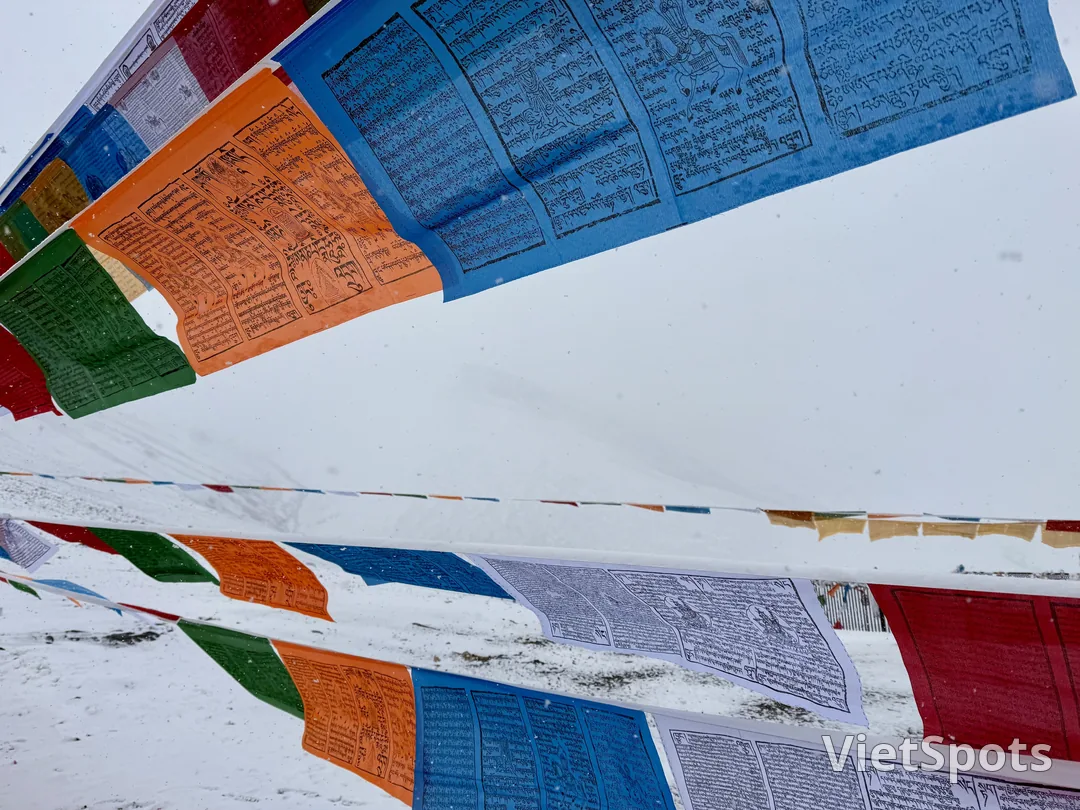
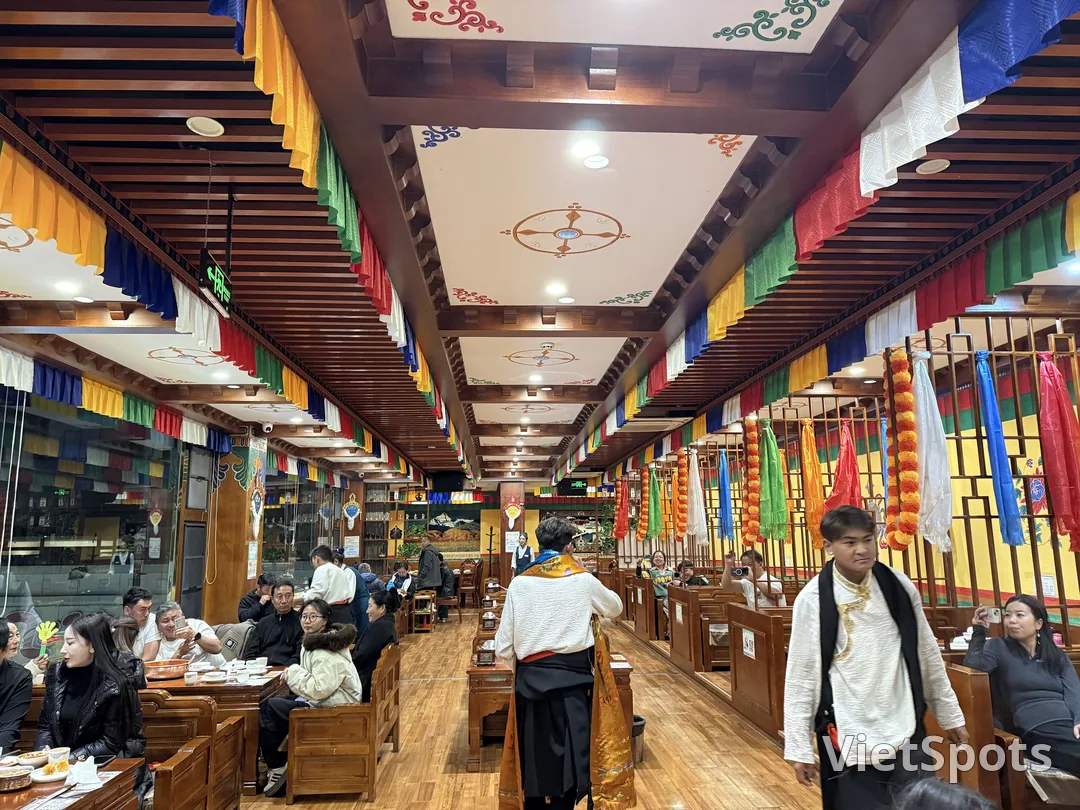
Back to Lhasa: Yak Hotpot Warms the Heart and the Stomach We got back to the hotel around 7pm. Everyone unanimously decided to go to Tsang Yu Yak Hotpot, recommended by our guide. It's right near where we had dinner on the first day, and you can also see the Potala Palace here, with the same Tibetan dance performance too. But this time there was no worry about altitude sickness at all, so we could relax and enjoy it even more. We ordered a set meal for 2–3 people plus vegetables, about 230 RMB in total, which came to less than 60 RMB per person — such a great deal.
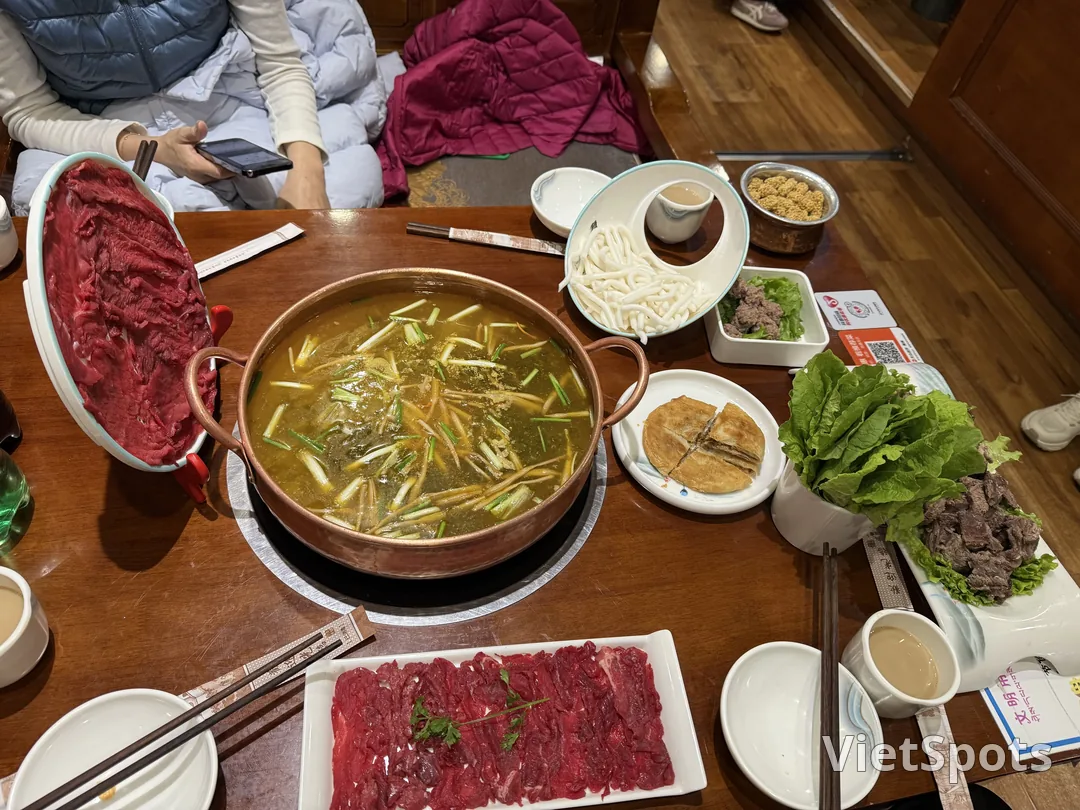
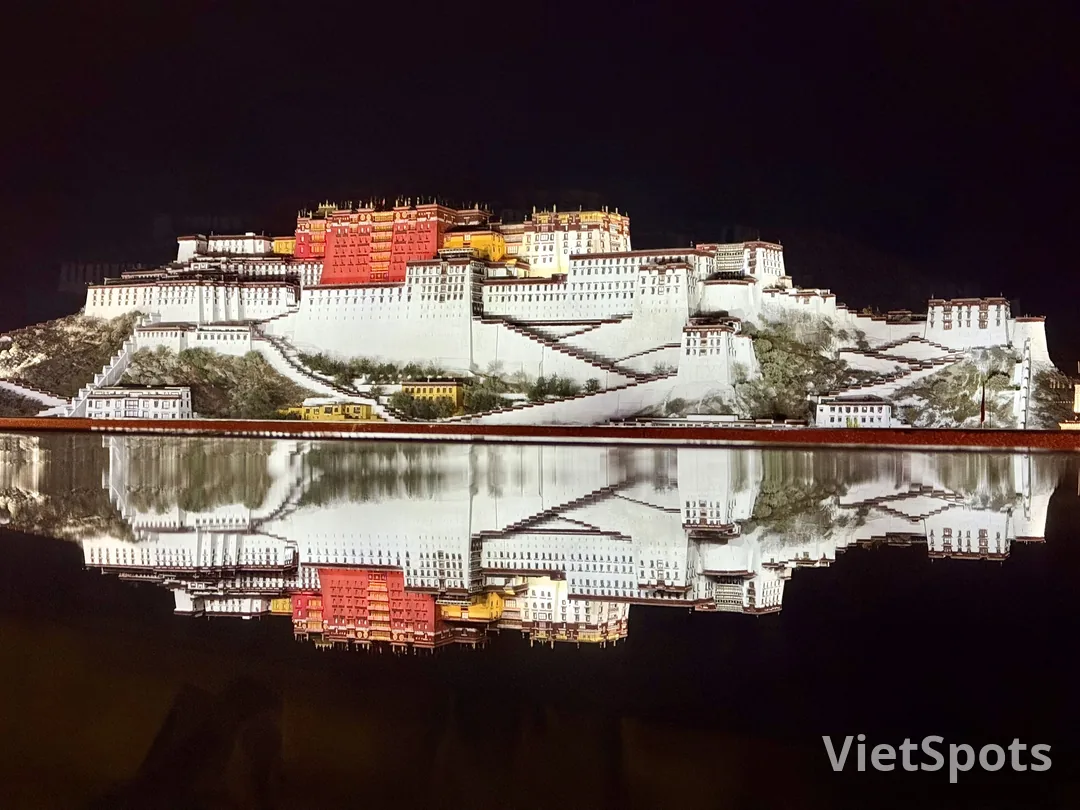
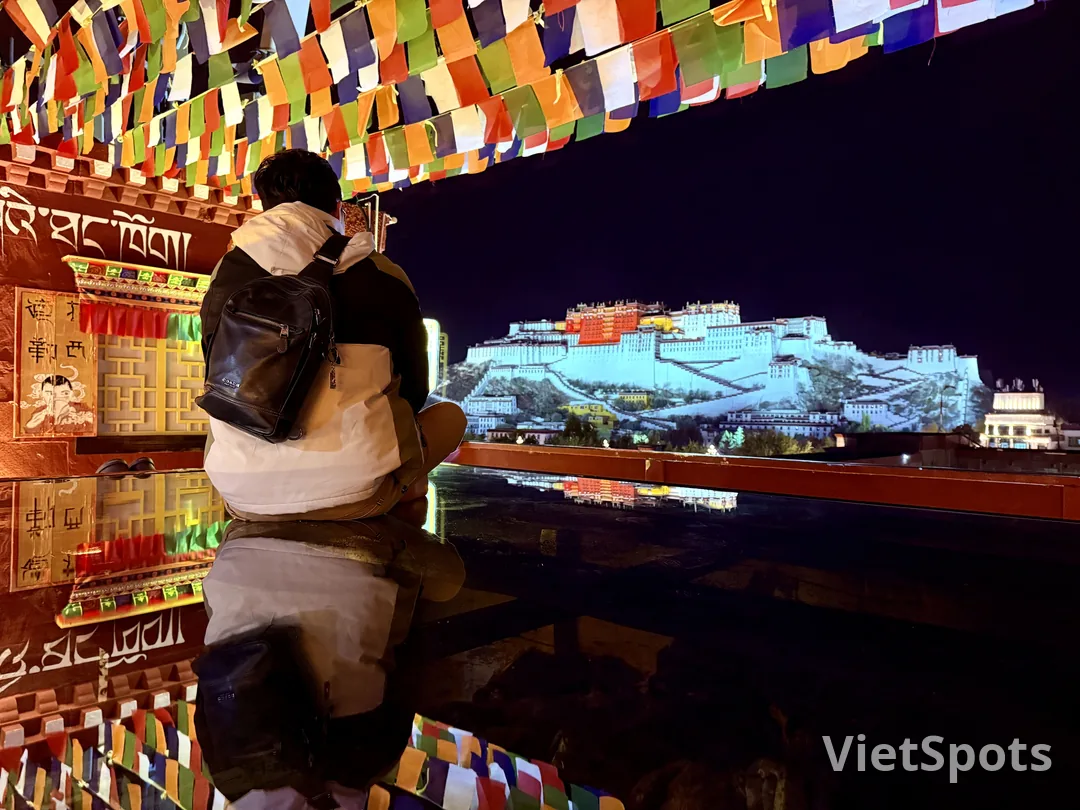
There's a large mirror on the second floor of the shop, where you can capture the beautiful reflection of the Potala Palace's night view. It's not as shocking as "seeing the reflection for the first time" in the square, but it's convenient for taking photos and the atmosphere is comfortable, so it's another kind of experience.
Night walk: shopping for local specialties After returning to the hotel, we went to a nearby supermarket to buy some Tibetan specialties to bring home. Tomorrow is free time, and it will end with the most culturally rich finale — the Tibet Museum. Summary: from the vivid blue of Yamdrok Lake, to the tranquil blue of Namtso, to a farewell in the snow Yamdrok Yumtso brings a vivid, lively blue; While Namtso seeps slowly into the heart with its vast, serene blue—— The two sacred lakes are like completely different chapters, together completing the colors of this Tibet journey. On the first day, we ate hot pot beside the Potala Palace with uneasiness, Worried about altitude sickness, worried about not adapting; On the last night, it was still hot pot, But the mood was completely different—— That sense of relaxation and warmth seemed to be telling the traveler: "You have truly entered Tibet, and also truly said farewell to Tibet." And when that unexpected snow fell on the Nagqu mountain pass, It was as if the sky itself were closing the final page of the journey, Placing blessings upon your shoulders, and gently pushing the journey toward its end.
Book Travel in English on VietSpots
- 🎁 Sign up and get 16 Welcome Pack coupons — e.g. Motorbike Rental 45%
- 👑 Member tier discount up to 15% on site (Silver 5% · Gold 15%)
- 🛂 Auto-fill arrival card📶 Compare lowest eSIM prices🚻 Find toilets
Comments