

Reasons I'm Drawn to the Design of Ubud, Bali ― Within the Time of Growing Moss: A Nation's Color ② (Bali Diary ⑥)


The moment I opened the hotel door — ah, this scent. The door of memory opens along with it. Rather than sweetness, it's the smell of damp wood carrying a faint sourness. Mahogany, or teak? Not the fragrance of dry, new timber. The smell of wood that has breathed in the air and taken in the rain.
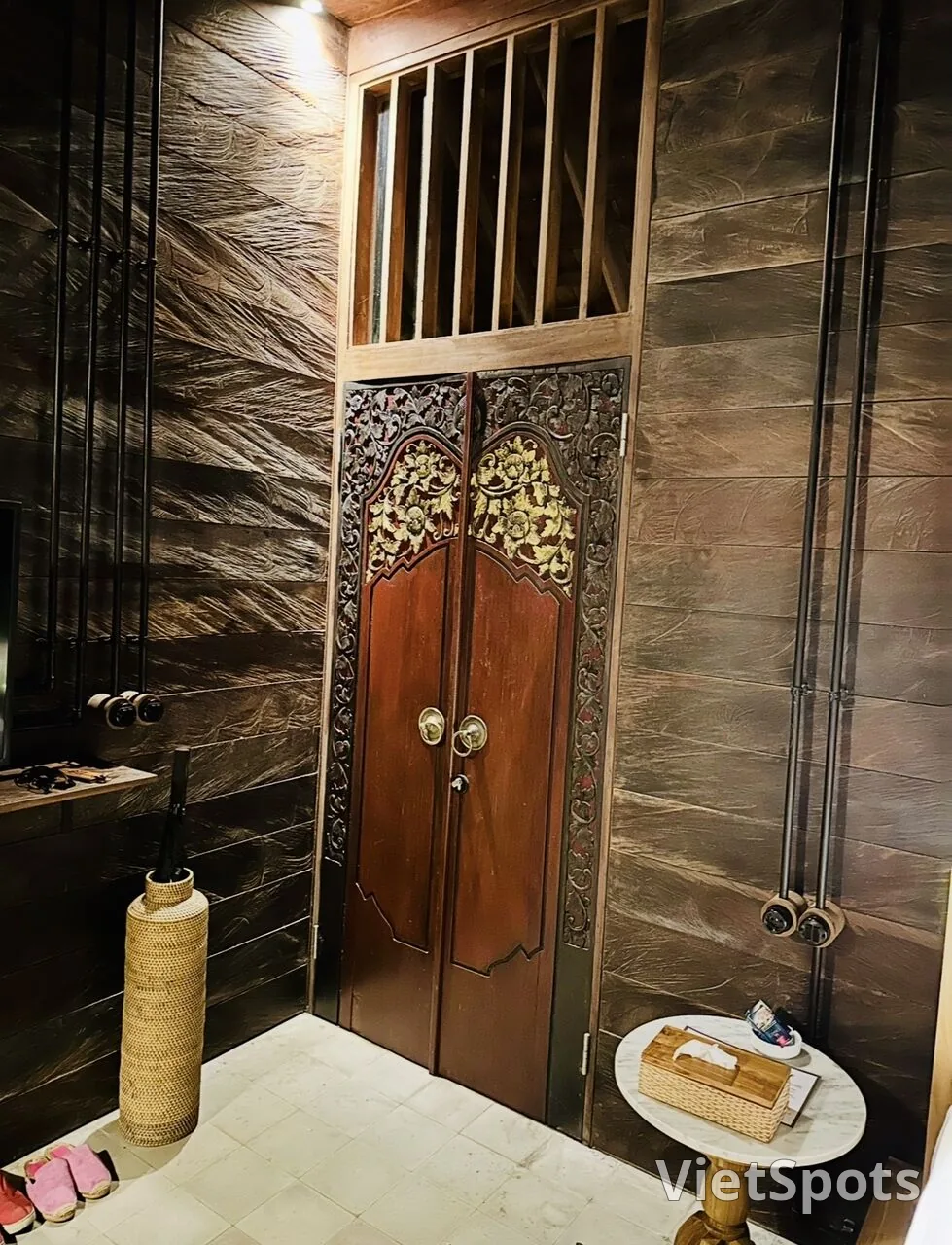
I open my suitcase, and take the clothes I'd tossed inside to hang them up and spread them out. Thinking through the various combinations for the four days is fun, too (I'm the type who can't plan this out in advance). After a few days, the clothes start to take on the smell of the room. Travel, I think, isn't about seeing the scenery—it's about wearing the air of the land. In a previous blog post, I wrote that Indonesia's color is "black." ↑Why Is Bali's Color Black—A Country's Color ① (Bali Diary ④) To add a little to that, that black isn't a painted-on black. When I looked into it, the stone of Ubud is originally a volcanic ashen-black. Layer on top of that the hot, humid climate, and moss grows, and moisture settles into the grooves of the carvings. That's why it turns black. In other words, it's a layering of time, an accumulation of light and shadow. A color created in communion with nature. How precious it is~.
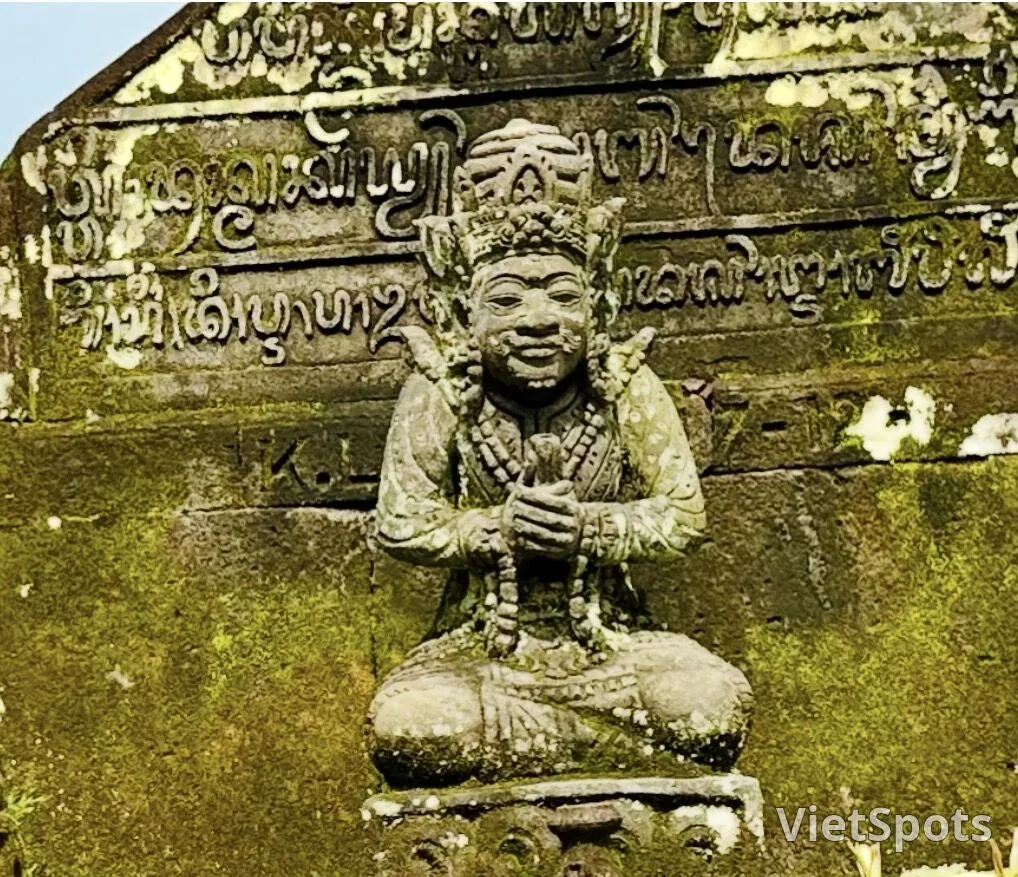
Ubud came to be called the town of art because it is a land where dance, painting, and sculpture were nurtured together with prayer under the patronage of the royal family. In the 20th century, the German painter Walter Spies moved here, and through his interactions with local artists, their forms of expression seem to have deepened.
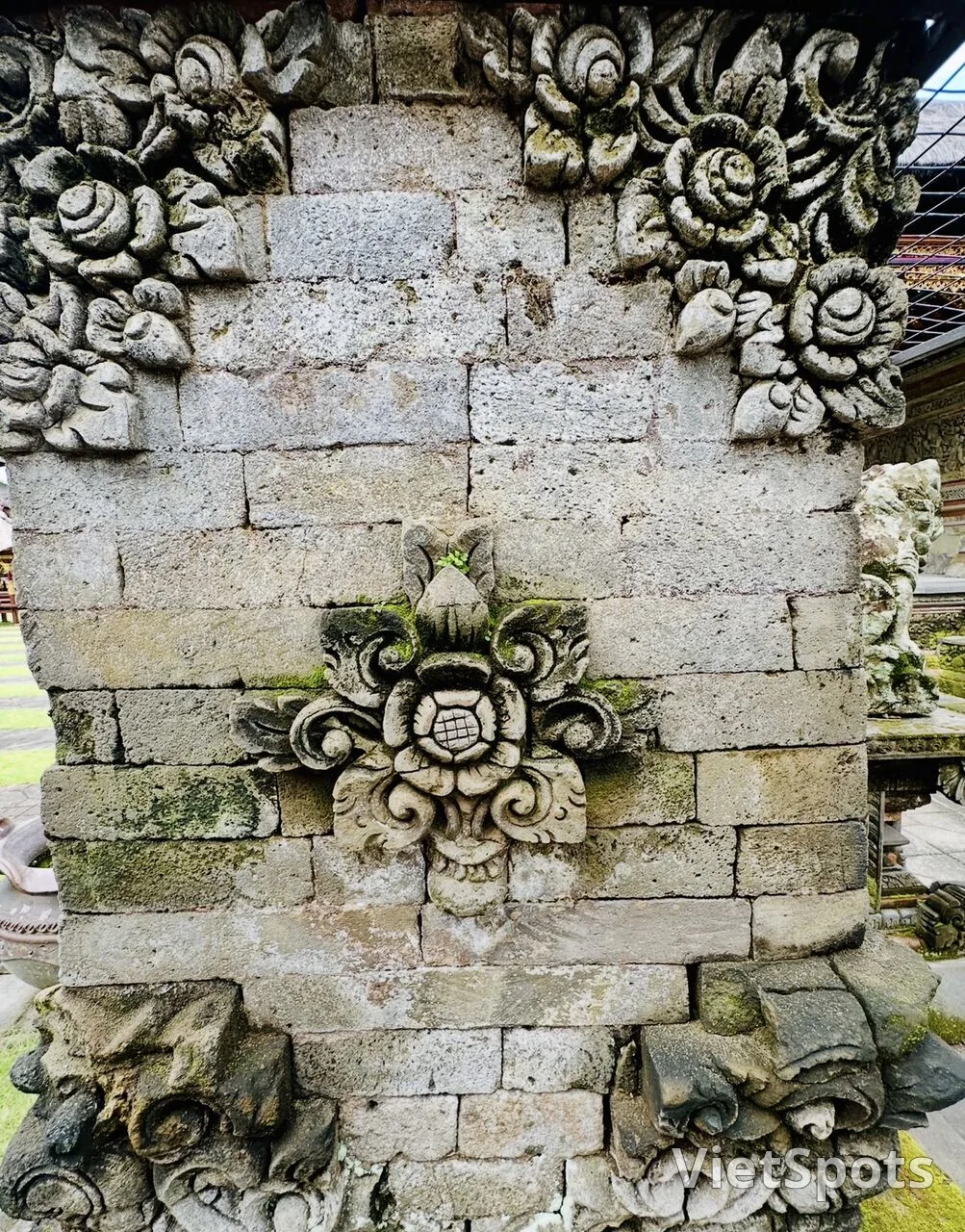
Art that grew as part of life, not for display
Shadows sinking deep within the stone carvings of a temple. The wooden carved shelves of a restaurant. The charm of the floral patterns engraved on the gas stove of a street food stall.
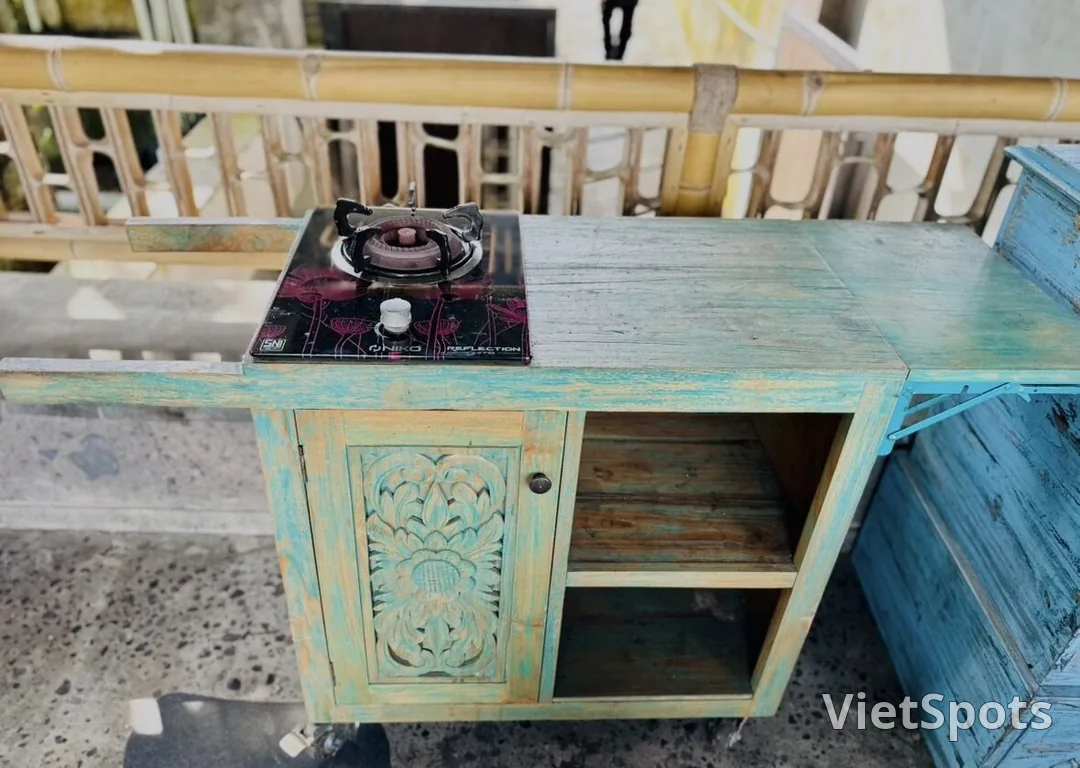
Nothing insists. Colors and design that blend into everyday life
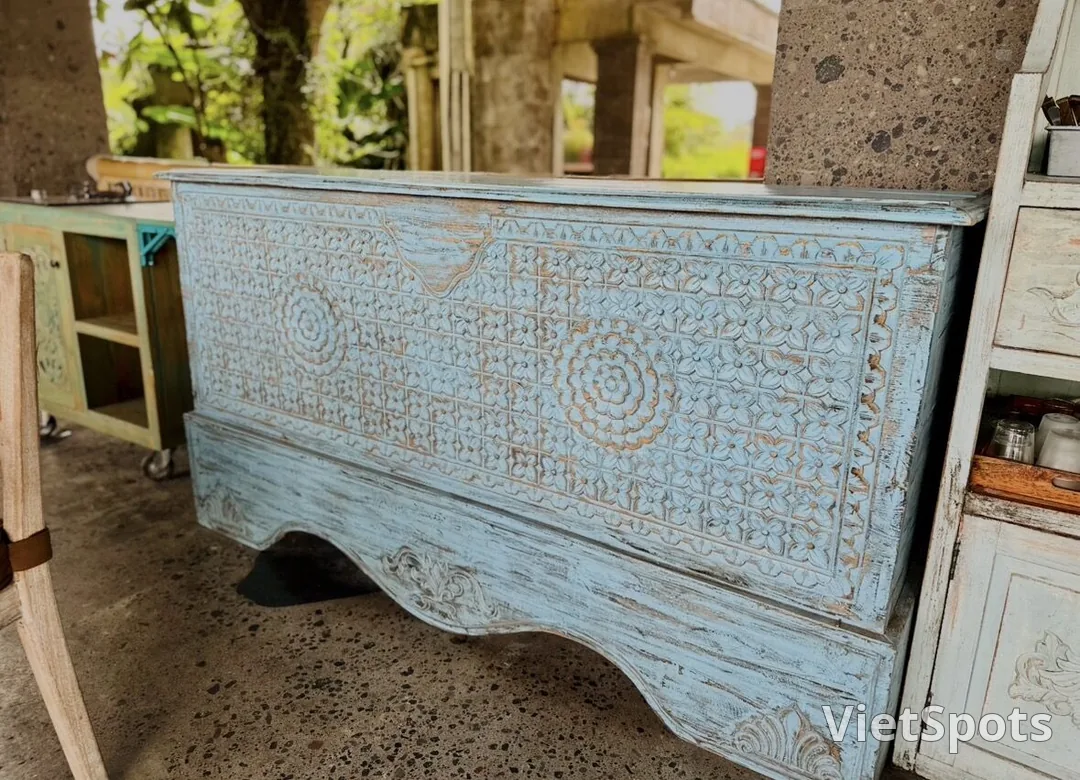
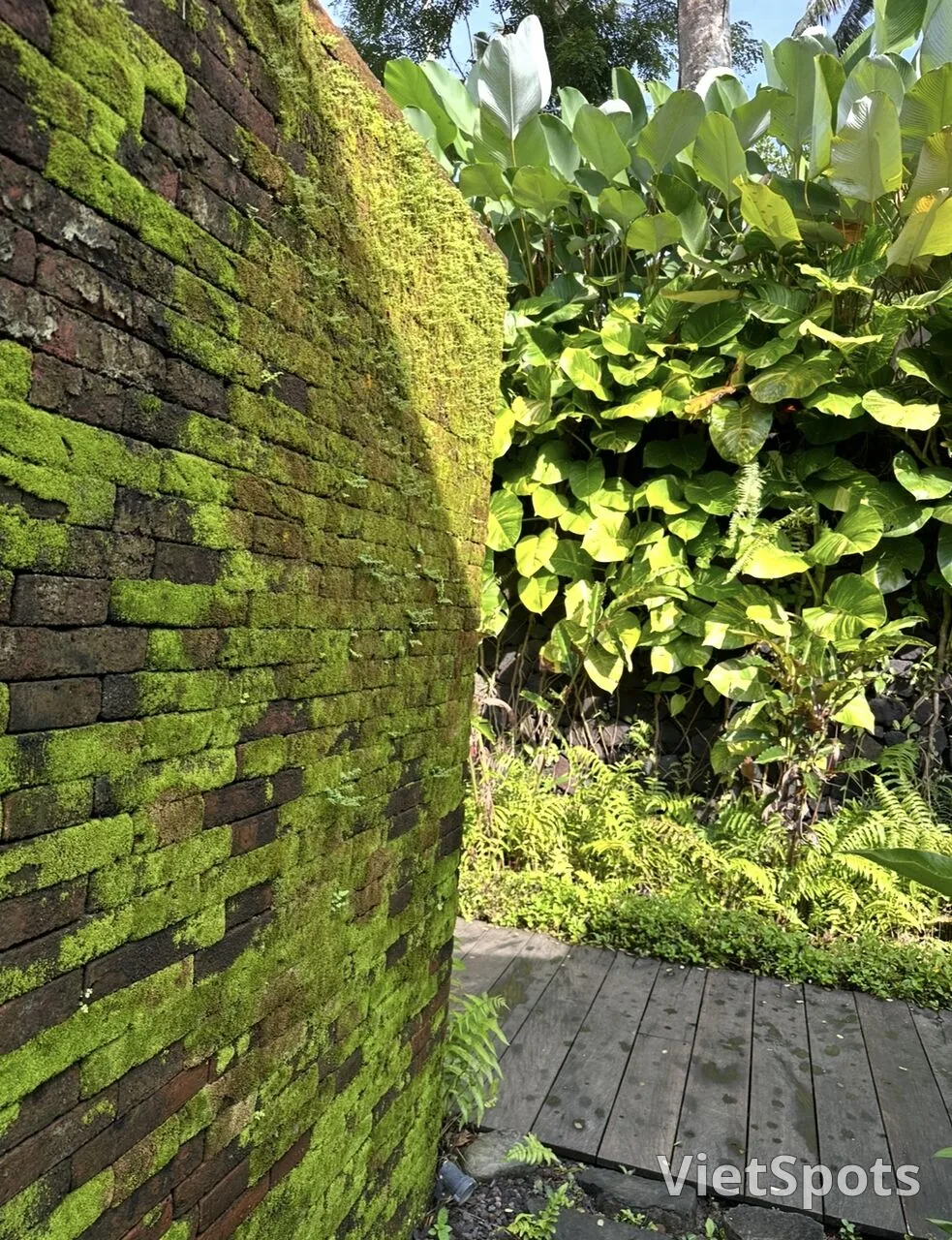
A grayish green. A bluish black. Dark burnt brown. Not pastel, but muted. Colors that don't reflect light, but drink it in. The sculptures of Ubud grow deeper as they grow damp. The shadows deepen and intensify, yet the outlines are softened by moss. Perhaps it's the blurring of the boundary between the natural and the man-made that brings about this sense of calm. The sculptures do not resist nature. They accept time and humidity, gradually turning black. Maybe there's no such thing as the concept of completion. An art that keeps accumulating for eternity.
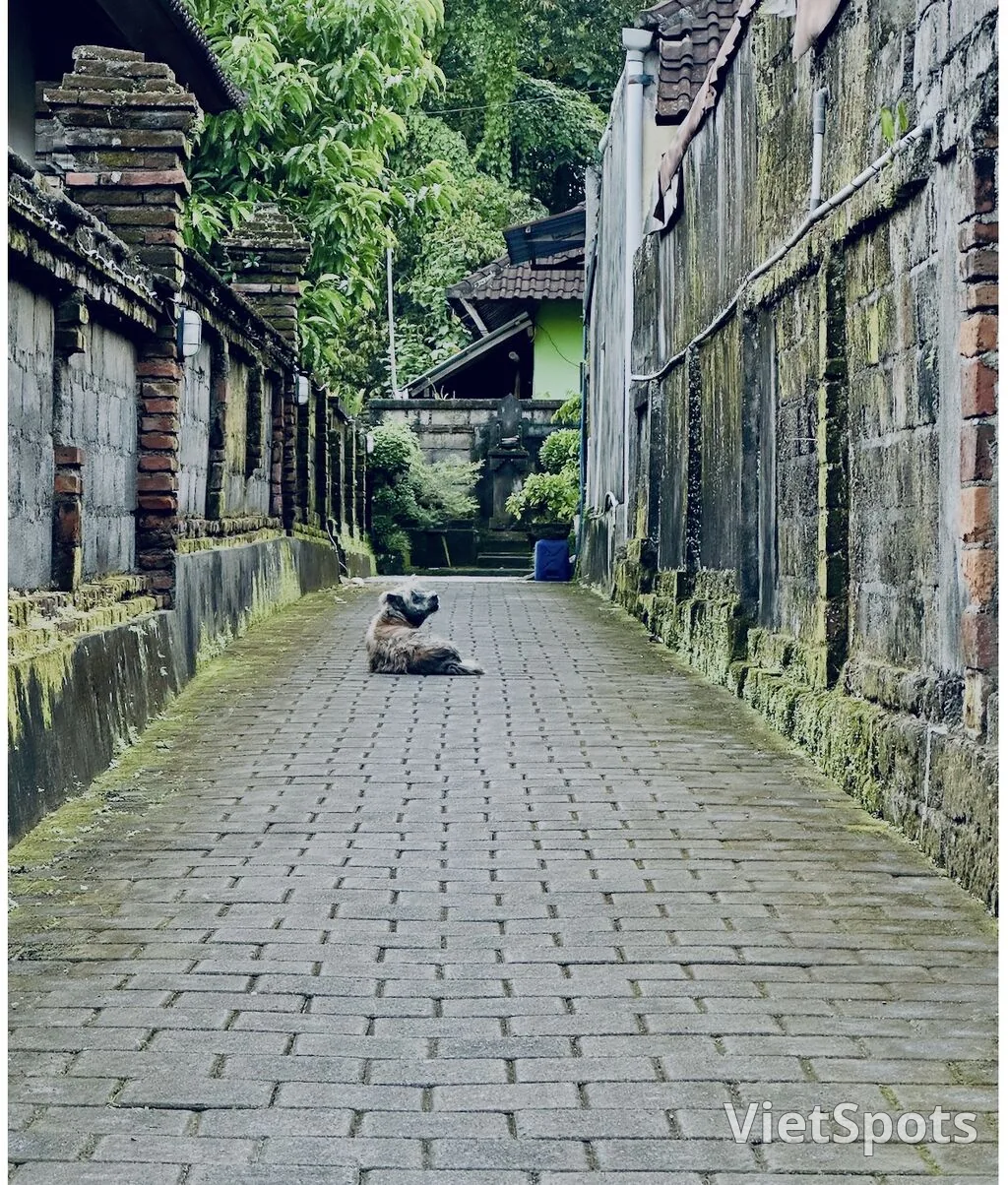
Even though I've come here so many times, I still find myself wanting to come back—maybe it's because I'm drawn to these tones of color. A damp stillness that lies deep within the black. The texture settles into a gentle calm. And maybe it's the reassurance of a beauty that doesn't aim for completion. That sense of "it's fine as it is, midway." If you think of turning black or growing mossy not as change but as process, there's no reason to rush, and you can simply be your natural self. This is truly a land that always makes you want to take a deep breath. Migrant Life Ranking
Travel Vietnam with vietSpots, in English
- 🎁 Sign up and get 14 Welcome Pack coupons — e.g. Motorbike Rental 45%
- 👑 Member tier discount up to 15% on site (Silver 5% · Gold 15%)
- 🛂 Auto-fill arrival card📶 Compare lowest eSIM prices🚻 Find toilets
Comments