

Emigrating to Vietnam! Seriously considering whether buying a condo locally is realistic or not



Xin chào! We are Yuki, a Japanese husband, and Ngoc, his Vietnamese wife. On this blog, we update posts split into two parts: information about moving to and living in Vietnam, and travel information. We've only just started this Ameba blog, so we're still exploring which topic people are more interested in ((+_+)) We moved to Ho Chi Minh City, Vietnam back in the 2010s, so among Japanese people living here, we're considered veterans. However, one question that people who have just moved to Vietnam often ask is, "I'm torn between buying a condominium or continuing to rent." This article is especially worth reading for those who plan to base their life around Vietnam rather than Japan. What's called a 'mansion' (apartment) in Vietnam is a 'condominium or apartment.
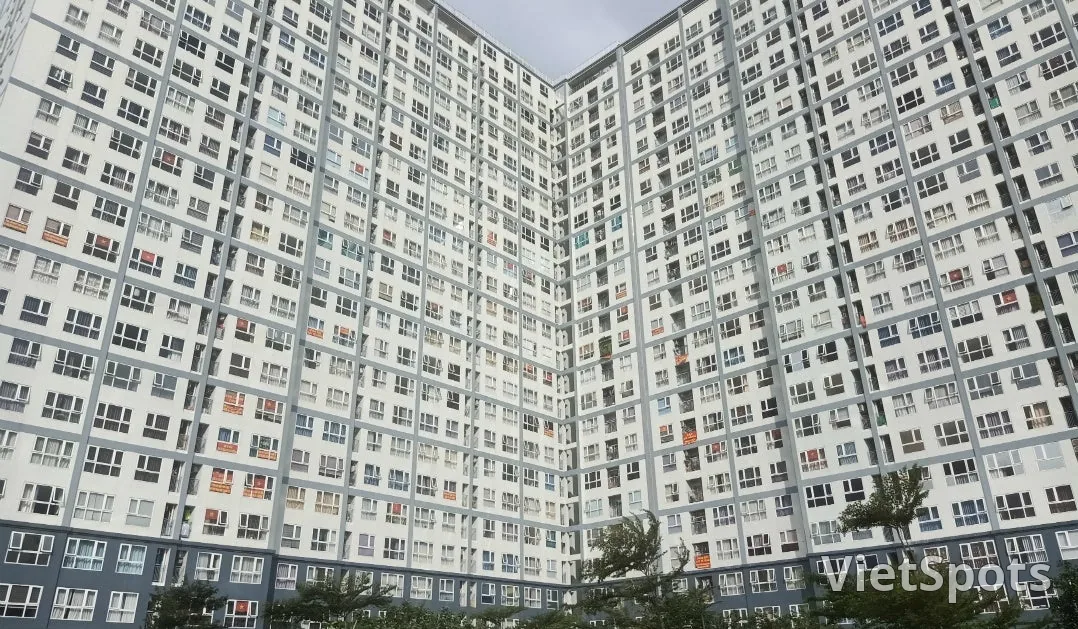
The English word for "mansion" refers to a large residence or grand estate. Please note that what Japanese people picture as a "mansion" (i.e., a condominium-style apartment building) is called an "apartment" or "condominium" overseas. With that in mind, the first thing I'd like to introduce is where Japanese people who have relocated to Vietnam choose to live when their goal is long-term residence. The first option that comes to mind is this kind of apartment (mansion). A distinctive feature is that apartment complexes have tenants such as a pool, convenience stores, mini-supermarkets, beauty salons, and cafes within their premises. The apartment I live in also has a pool, a convenience store, a mini-supermarket, a beauty salon, a cafe, a cafeteria, a daily goods store, a billiard hall, an English school, a juice shop, and more. Vietnamese detached houses are long and narrow
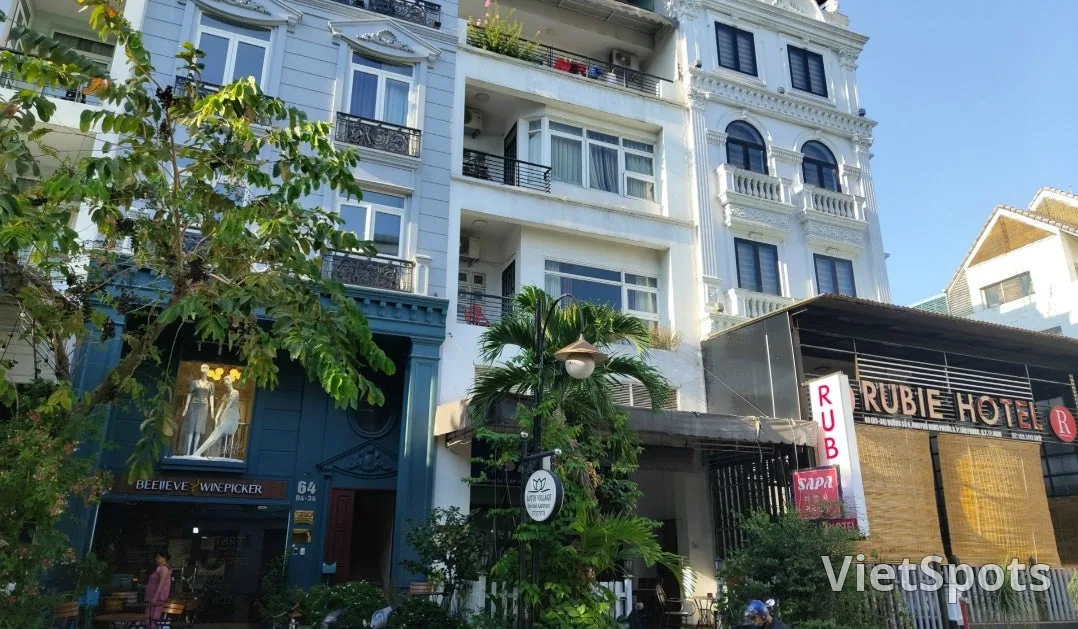
On the other hand, ordinary detached houses in Vietnam are, as you can see, long and narrow, and many of them are 3 to 4 stories tall. As you can see, their width is very narrow, and their defining feature is a deep, elongated layout. Since it's common for each floor to have a toilet & shower room along with 1 to 2 rooms, many people also rent out rooms to tenants. About how much is the going rate for rental properties in Vietnam?
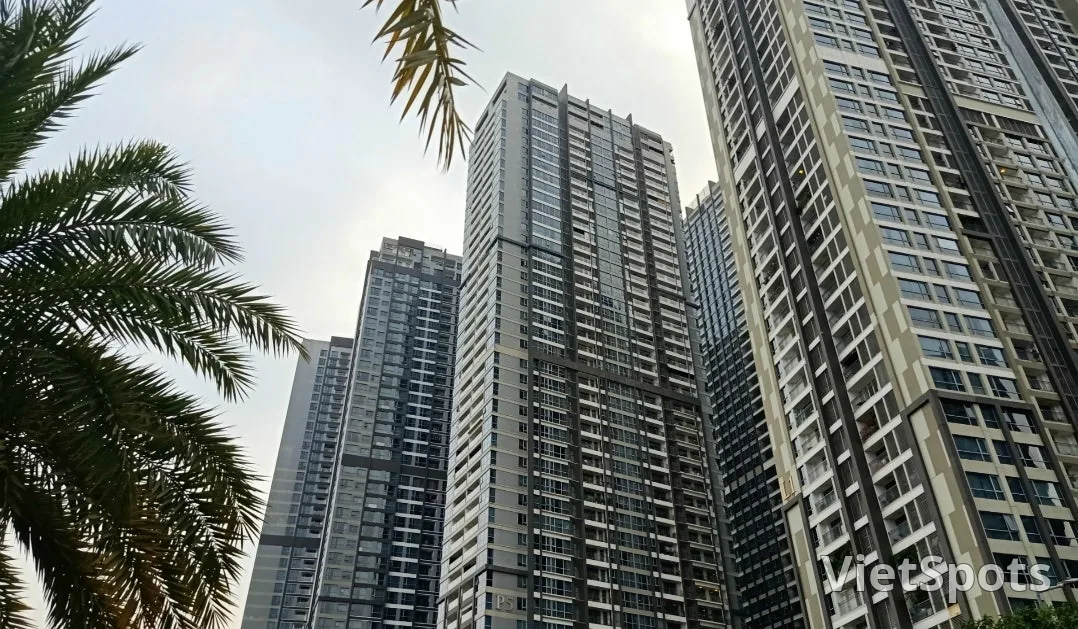
First, among Vietnamese expatriates, let's talk about the case of renting an apartment or a room in a detached house. Apartments are cheap, starting around 50,000 yen. High-end condominiums where corporate expatriates live typically go for around 120,000 to 200,000 yen. For those who don't need that level of luxury, considering location, safety, and noise conditions, we recommend looking for a rental property in the 80,000 to 120,000 yen range. On the other hand, if you're renting a room in a house, the going rate is around 20,000 to 40,000 yen. However, since there can be trouble depending on the landlord's personality or the house rules, this option isn't really recommended unless you're young or already very used to the unreasonable things that can happen in Southeast Asia. Is it a good idea to buy an apartment or a house in Vietnam? And how much does it cost?
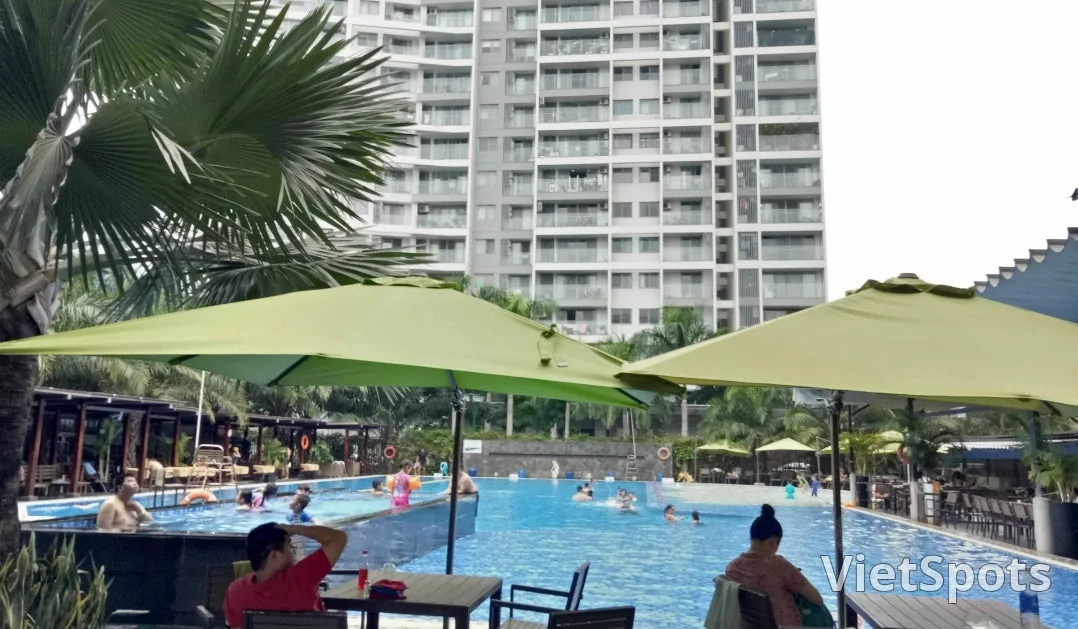
When a Japanese person relocating to Vietnam buys a home, they tend to go for areas that are "in the city center, well-located, and safe." Because of that, both apartments and houses tend to be expensive there. For example, the apartment I live in is a 24-story building, and as I mentioned earlier, it has a pool and lots of shop tenants, and it's just a 5-minute walk from the station. It's about a 20-minute motorbike ride to central Ho Chi Minh City. On a scale where 10 is the most luxurious, my apartment would rank somewhere between a 6 and a 7. If you were to buy a place like this, it would cost around 16 to 18 million yen, and if renting, the going rate is about 50,000 yen for a 2-room unit and 60,000 to 70,000 yen for a 3-room unit. On the other hand, the luxury apartments in the city center where expatriates and successful business owners live cost between 25 and 40 million yen.You don't really see the 40 million yen class that often, but 25 to 30 million yen properties are pretty common. So, how much do you think this run-down old house is worth?
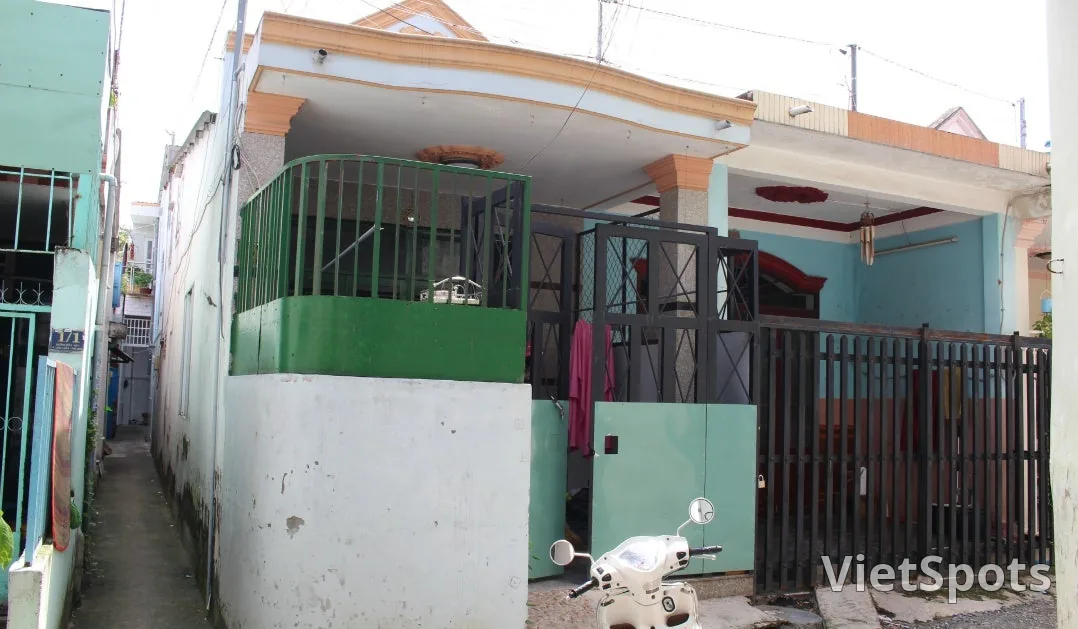
Now here's a question for you. This is a residential area about 15 minutes by motorbike from the center of Ho Chi Minh City. Deep down an even narrower alley, you'll find this run-down house. How much do you think it costs? Unlike the tall, narrow house I introduced earlier, this one is a single-story house with only a ground floor, and upstairs there's just a cramped loft that's completely filled once you put a bed in it.When it rains, water reaches right up to the front entrance, and since there's no yard, we keep the motorbike in the living room to prevent theft. Even though it's such a modest, working-class house, the asking price if you were to buy it would be about 30 million yen. By the way, there are similar houses lined up nearby, and some of them are listed for as much as 50 million yen. Basically, land prices in the downtown areas of Hanoi and Ho Chi Minh City have skyrocketed, and the market is in a bubble state. A recommendation for those moving to Vietnam: first, try living there for a few years by renting. Among those relocating to Vietnam, if you're thinking, "I might as well just buy an apartment," please hold off for a moment and try living as a renter for about three years first.If you find it comfortable to live there and think you'll be able to keep living in Vietnam in the future, then I think it's fine to buy (land and apartment prices in Vietnam are rising year by year, so you could also make a profit if you sell). By the way, I did buy an apartment myself, but there was trouble over the land ownership rights of the company that owns the apartment building, and honestly, I regret it a little.In Vietnam too, apartment buildings have things like resident associations and neighborhood-association-type groups, and honestly, helping out with that or attending the meetings is kind of a hassle...
Travel Vietnam with VietSpots, in English
- 🎁 Sign up and get 16 Welcome Pack coupons — e.g. Motorbike Rental 45%
- 👑 Member tier discount up to 15% on site (Silver 5% · Gold 15%)
- 🛂 Auto-fill arrival card📶 Compare lowest eSIM prices🚻 Find toilets
Comments