

Vietnam Immigration Life | Should You Learn Vietnamese? The Necessity in Life and Work



Xin chào! We're Yuki, a Japanese husband, and Ngoc, his Vietnamese wife, living in Ho Chi Minh City, Vietnam. On this blog, we share information about moving to and living in Vietnam, as well as travel information from all over the country. If you find an article that catches your interest, please follow us first! ♪ Up until now, we've been sharing our Nha Trang travel diary, but since that's wrapped up, this time we'd like to introduce some information about life as an expat. If you're hoping to move abroad, whether to Vietnam or anywhere else, you've probably wondered, "Should I really learn the local language?" or "Can I even get a job if I can't speak the local language?" So this time, I—the Japanese husband—am here to share the real situation on the ground in Vietnam. For Vietnamese immigrants, everyday greetings and shopping-level Vietnamese is plenty for ordinary daily life.
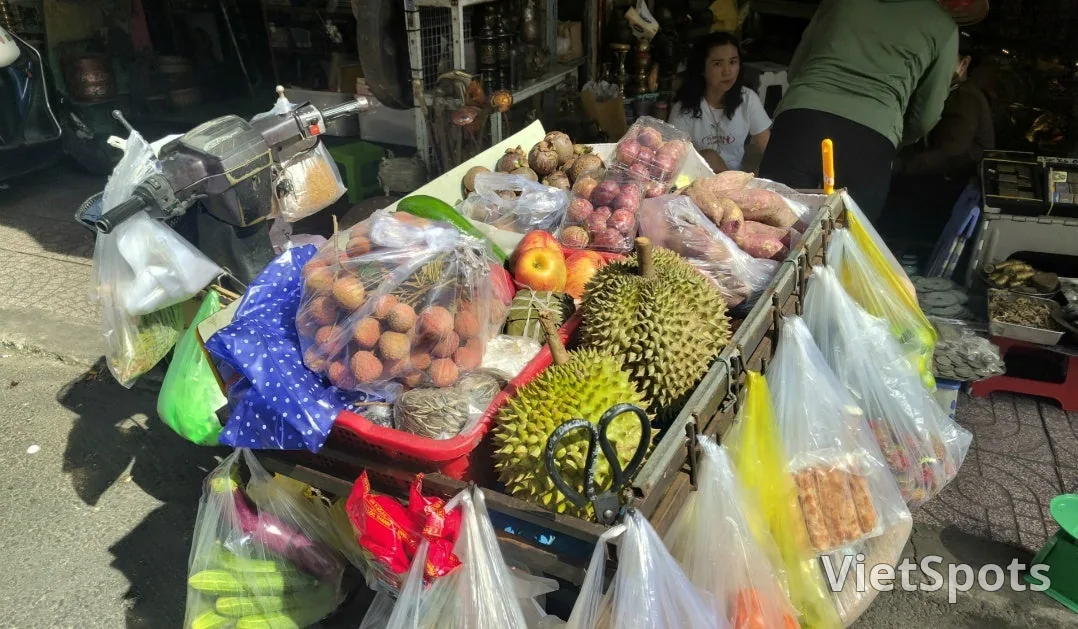
First of all, my Vietnamese ability is roughly at the level of EIKEN Grade 3 to 4. In other words, it's a level that doesn't cause any trouble in everyday life. I've already been living in Vietnam for over ten years, so some people might scoff and say, "Huh? You've lived in Vietnam for over ten years and that's all you can speak? However, among people who have lived in Vietnam for 5, 10, or even 15 years, I've met barely a handful who can speak Vietnamese better than I can. That just shows how little Vietnamese Japanese residents in Vietnam actually study the language. In other words, for ordinary everyday life, all you really need Vietnamese for is greetings and shopping. A common misconception among people living in Japan: you can't master Vietnamese unless you really feel motivated to do it.

Also, one question we're often asked is, "If I want to master Vietnamese, should I attend a school in the country?" Regarding this, I can say that "you should only take the first 2-month course." Vietnamese can be studied at a school (cram school) or in a short-term course at a university, and each course is generally about 2 months long. In these 2 months, you'll study the alphabet, basic pronunciation, and greeting phrases. And that is enough. Because no matter how much more you study, you'll barely pick up the language unless you use it every day while actually living in Vietnam. What gave me the chance to become able to speak Vietnamese to some extent was when I started a takoyaki stall locally.Of course, we could hardly communicate at all, so after that I studied desperately on my own (I just read a Vietnamese vocabulary book and a grammar book). What I want to say, in other words, is this: "Even if you live in a foreign country for 10 or 20 years, you won't become able to speak the local language unless you truly need to." ((+_+)) Do you need Vietnamese for work?
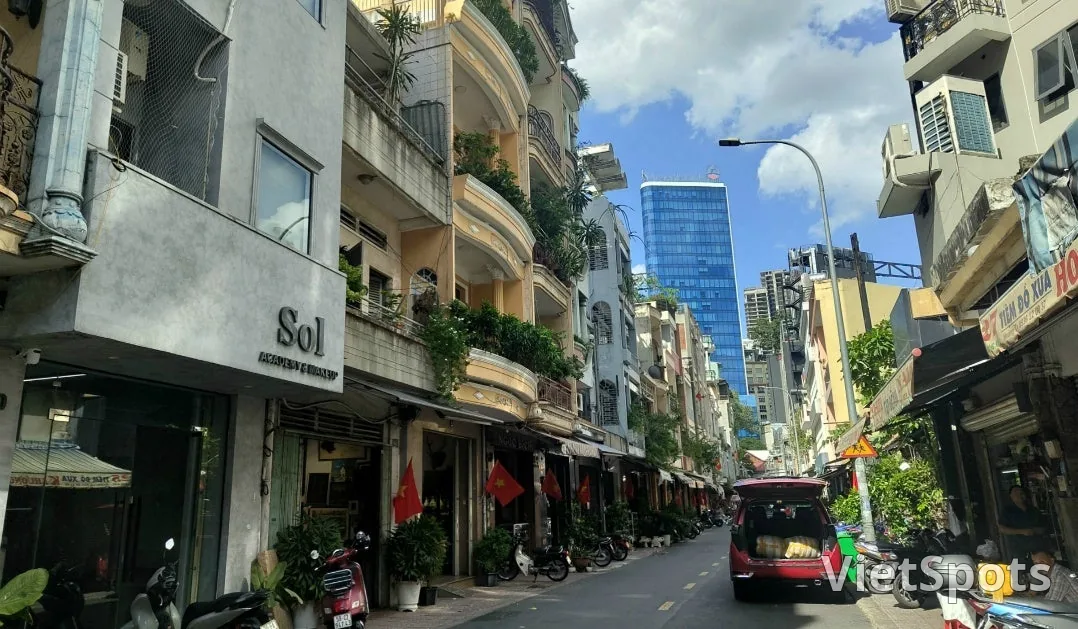
On the other hand, there aren't many cases where Vietnamese is actually needed for work. Looking at job listings, English seems to be required more often than Vietnamese. When working at a local Japanese company, there is basically a Vietnamese staff member who can speak Japanese acting as a kind of secretary in the workplace, and things get done through that person. Being able to speak Vietnamese would certainly be welcomed even more, but it is not essential. So does that mean I can't get a job locally if I can't speak English? That said, if you can speak English, it's convenient because you can get a job at a high-paying company, or send your resume to industries where English is required. Summary: Vietnamese is not essential for moving to Vietnam. Feel free to come without worry (lol) To sum up what I wanted to say this time: ① Vietnamese is not essential for moving to Vietnam. ② If it becomes necessary, you can just study it at that time.If you'd like to study, I think it would be better to prioritize English (since you can start studying it even while you're still in Japan, right?).
Travel Vietnam with VietSpots, in English
- 🎁 Sign up and get 16 Welcome Pack coupons — e.g. Motorbike Rental 45%
- 👑 Member tier discount up to 15% on site (Silver 5% · Gold 15%)
- 🛂 Auto-fill arrival card📶 Compare lowest eSIM prices🚻 Find toilets
Comments