

If you get pulled away from shore by a current while swimming in the sea, don't try to swim straight back to the beach



From late October, the northeast monsoon pushes waves onto the Đà Nẵng coast layer after layer. Surfers rejoice. Swimmers, however, should know about one more thing hidden among those waves: the offshore current, known in English as a rip current.
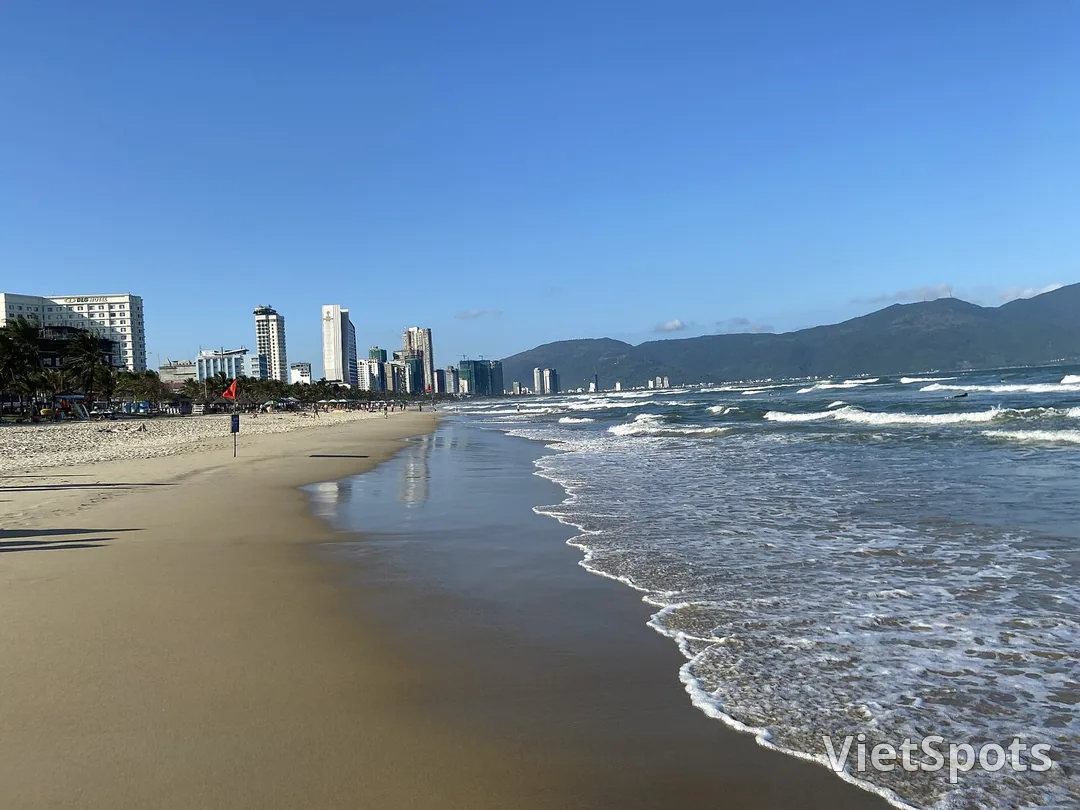
A river flows backward to the sea.
Breaking waves push water toward the shore. That water has to flow back out, and it finds a spot where the waves break less strongly to flow back out to sea, forming a narrow, fast-moving current. The U.S. weather agency calls them “rivers of the sea.” Any beach with breaking waves can have rip currents.
At times, this current flows as fast as the fastest Olympic swimmers. Even strong swimmers who try to swim against it quickly become exhausted.
There is one thing worth knowing to feel less afraid: a rip current pulls you away from the shore, not down under the water. It also gradually weakens and dissipates beyond the area where the waves break.
Looking from above before getting into the water
Rip currents are easiest to spot when you stand somewhere high and look down, such as a seawall or the steps leading down to the beach. It's a good idea to stand and watch for a while and look for the following three signs.
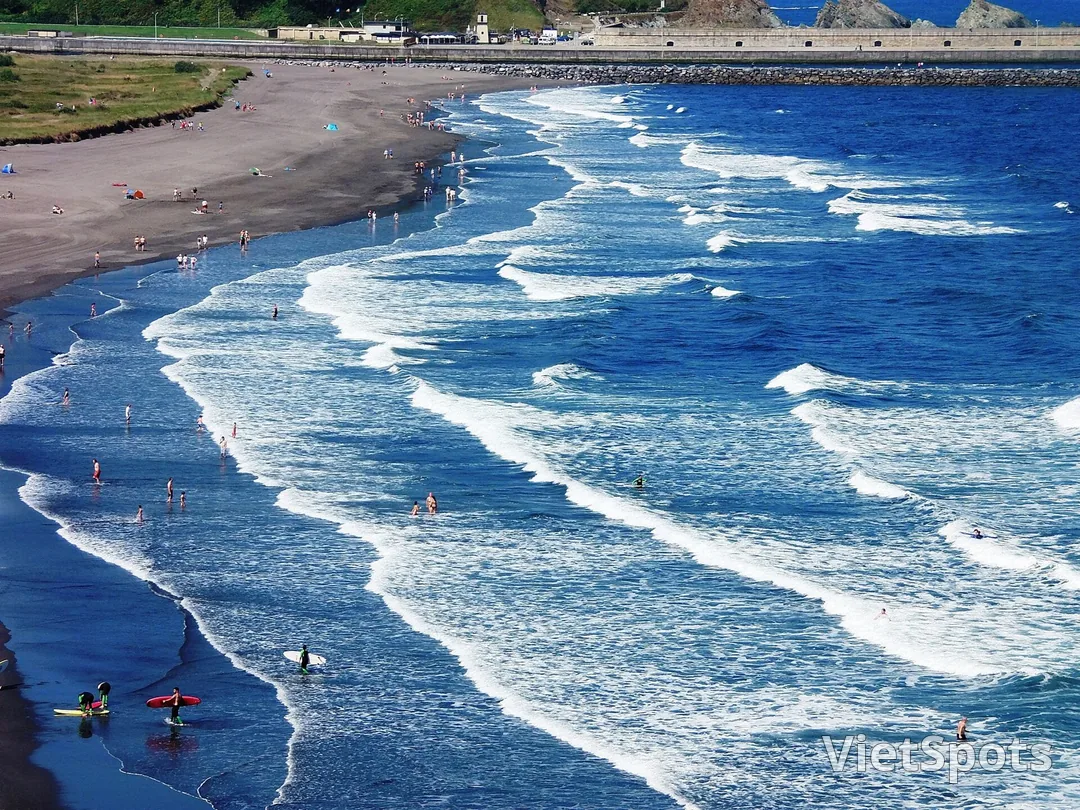
First, a narrow gap between two bands of breaking waves, where the waves don't form whitecaps and the water surface looks flatter. Second, the water in that gap is darker or murkier than the surrounding water. Third, foam, sand or debris drifts steadily out to sea instead of washing up on the shore.
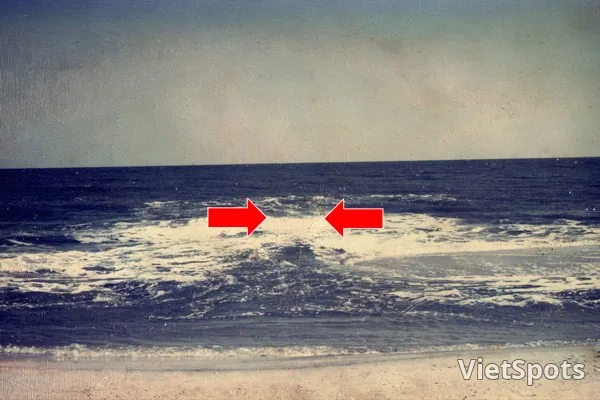
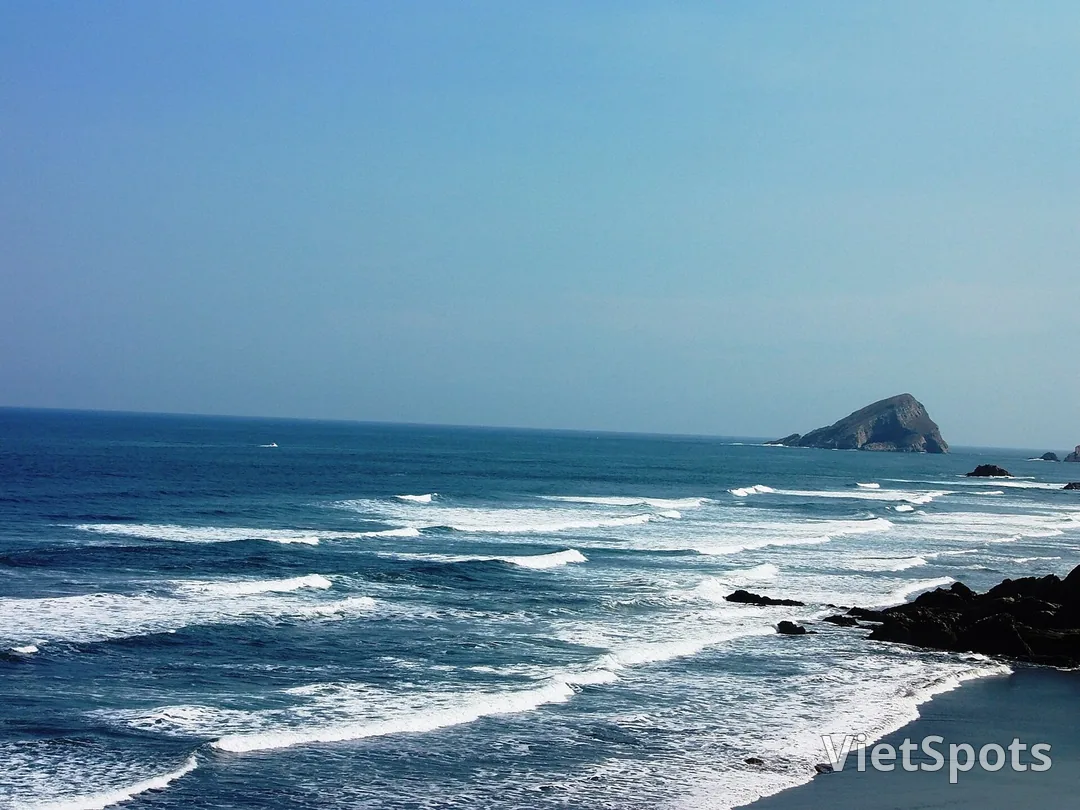
This means the spot that looks calmest may actually be the most dangerous. Rip currents also often form right next to rocky outcrops, breakwaters and piers.
If you get caught in a current: don't swim straight back to shore
The natural reflex is to turn around and swim toward the shore. That is also the quickest way to wear yourself out. Do it differently: stay calm, then swim parallel to the shore until you are out of the current, and only then swim diagonally back in.
If you swim sideways and are still being pulled, stop trying. Float on your back or tread water in place, and let the current weaken on its own. Raise your arm, wave, and shout loudly so people on the shore can see you.
If you see someone being swept away, don’t jump in
Many people have died trying to enter the water to rescue someone caught in a rip current. What you should do is call a lifeguard immediately and, if possible, throw the person a life buoy or anything that floats.
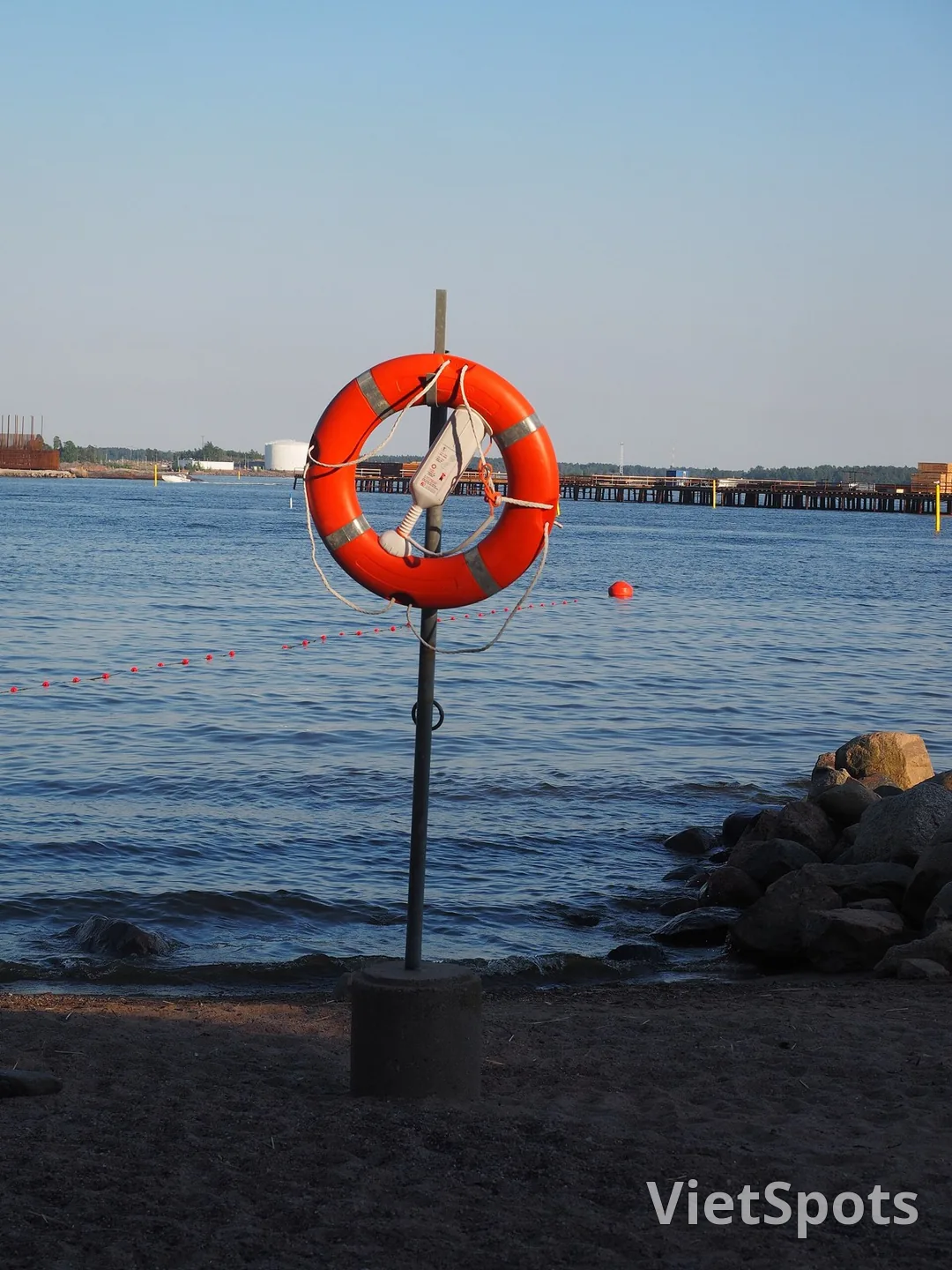
Even so, the safest approach is still to swim only in areas with lifeguards on duty, and to ask them which spots should be avoided that day.
The wave season is also the most beautiful season of Da Nang's sea; you just need to know which way the water is flowing. Anyone curious why surfers look forward to these days can read more in Da Nang's Sea Picks Up Waves, Surfing Season Begins.
Photo: Kuroczynski, Geologist15, U.S. Army Corps of Engineers, JIP — Wikimedia Commons.
Book Travel in Da Nang — in English on VietSpots
- 🎁 Sign up and get 18 Welcome Pack coupons — e.g. Motorbike Rental 45%
- 👑 Member tier discount up to 15% on site (Silver 5% · Gold 15%)
- 🛂 Auto-fill arrival card📶 Compare lowest eSIM prices🚻 Find toilets
Comments