

[In-Depth Attraction Introduction] Topkapi Palace | An Epitome of Ottoman Empire's Power and Luxury


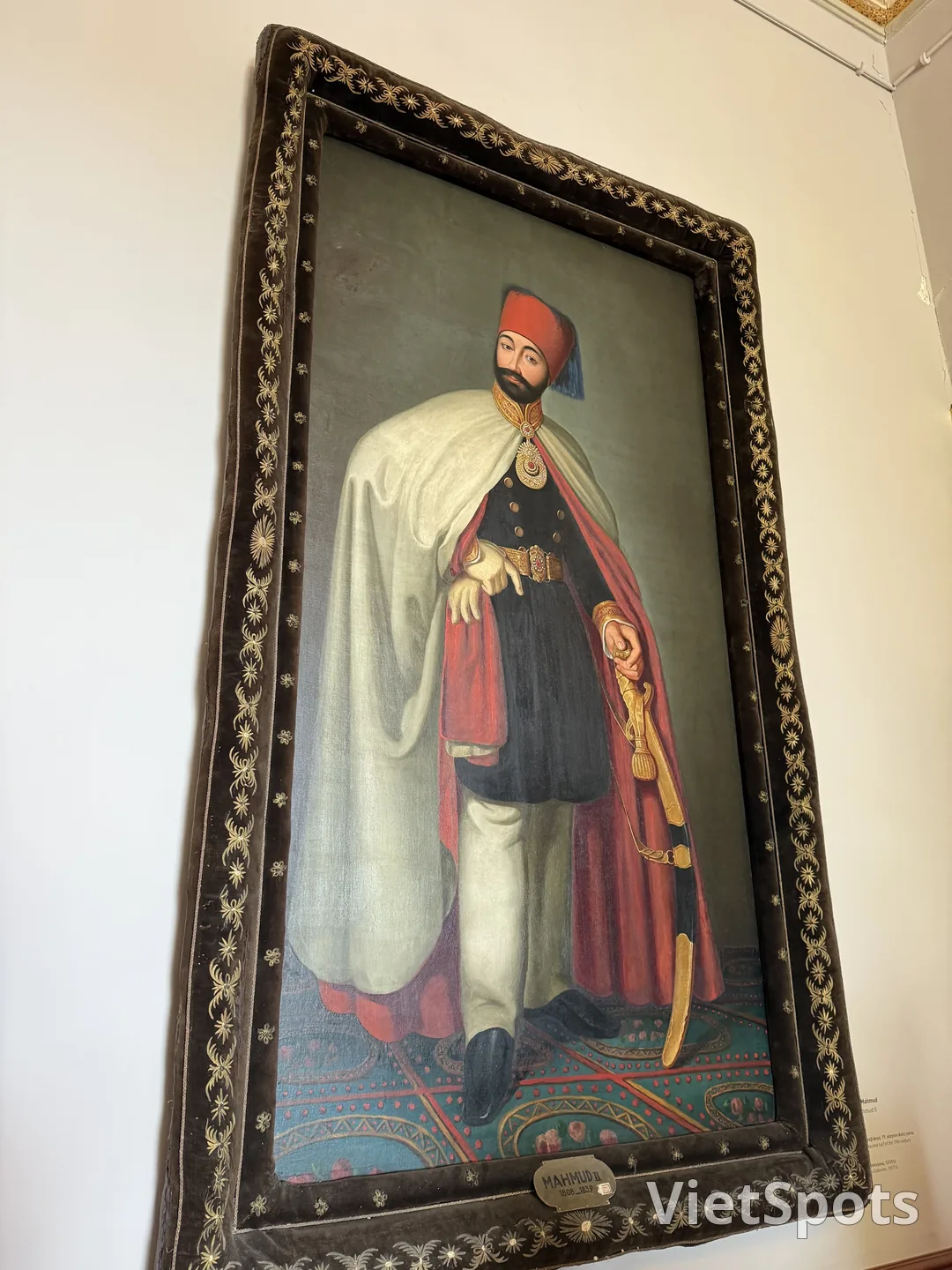
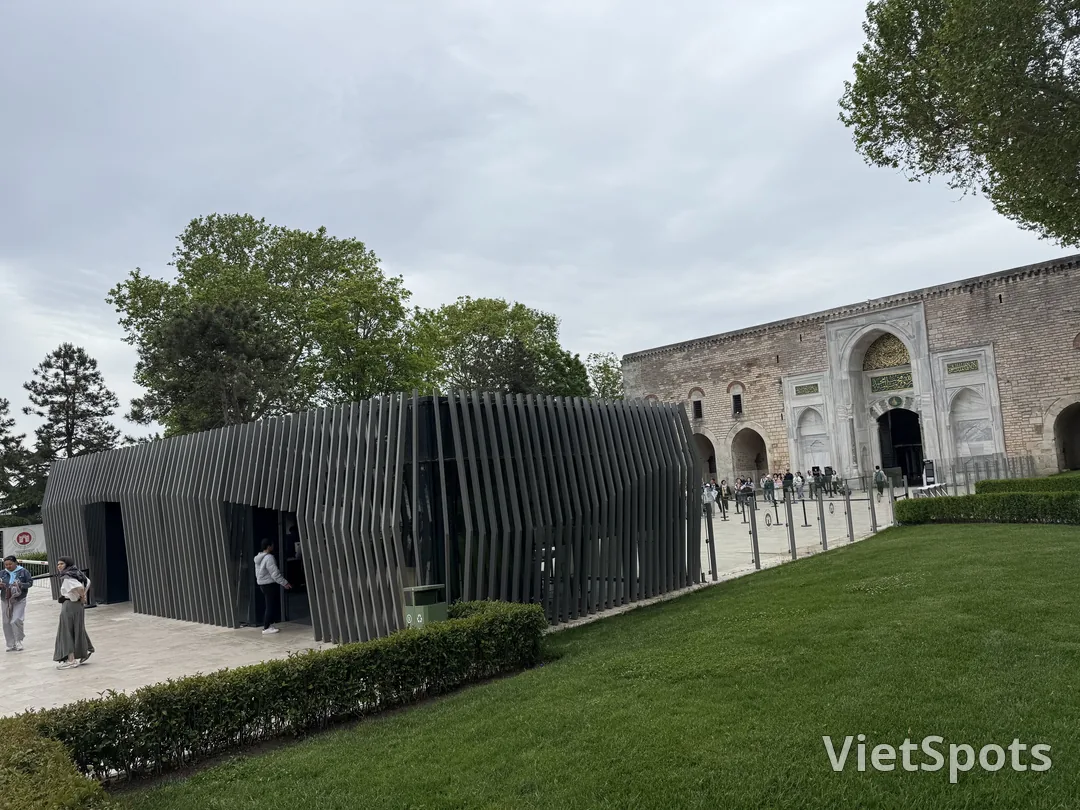
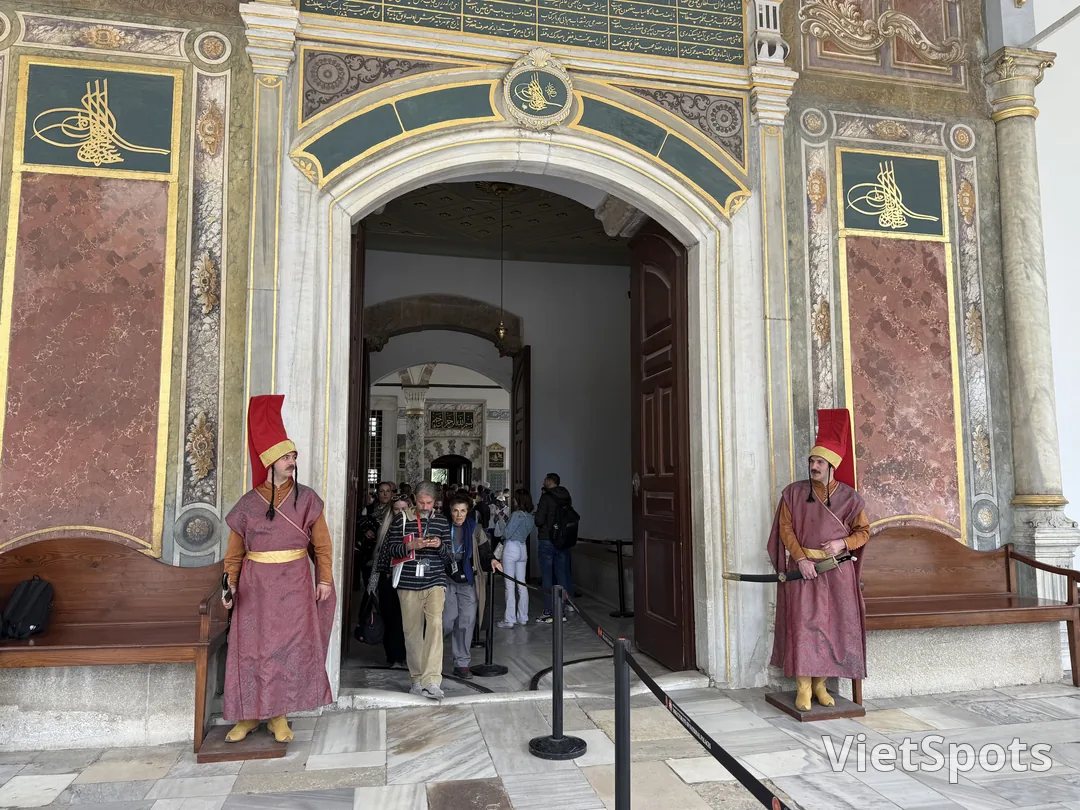
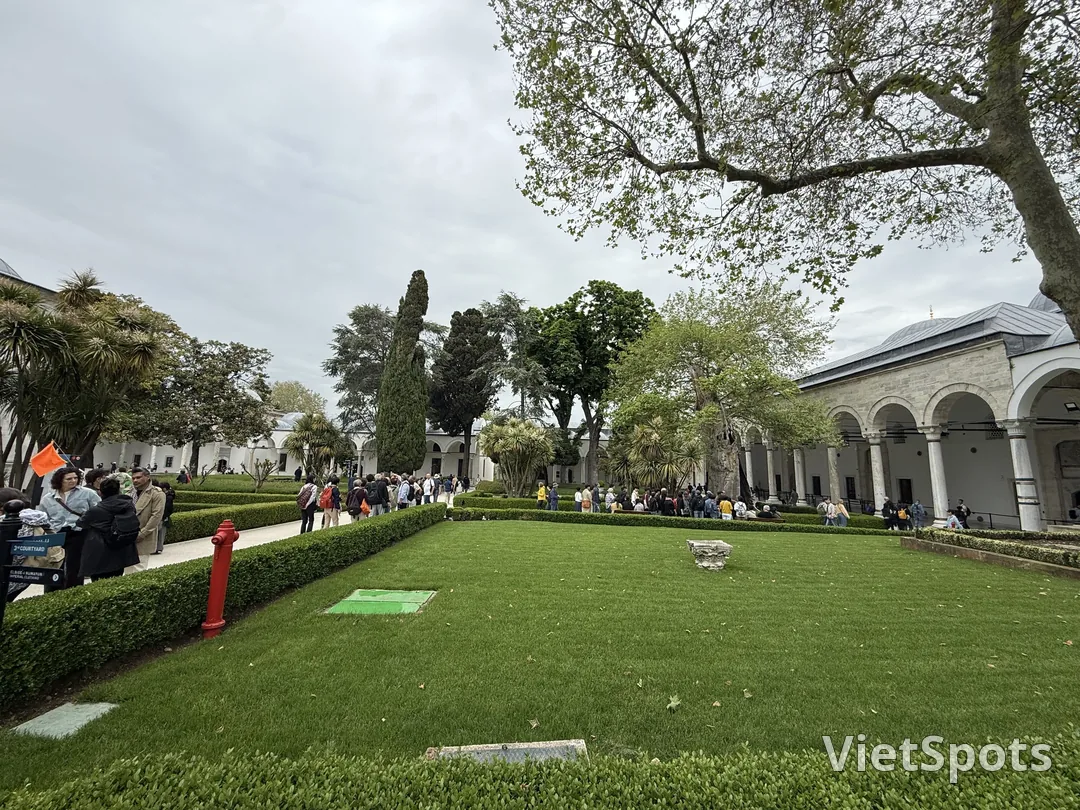
1. Historical Background: A Symbol of Power and the Heart of an Empire Topkapı Palace is located at the highest point of Istanbul's historic district, overlooking the meeting point of the Golden Horn and the Bosphorus Strait, a truly privileged location. It was originally named "Yeni Saray" (New Palace), to distinguish it from the old palace (Eski Saray), and it was not until the 19th century that it came to be called "Topkapı," meaning "Cannon Gate," because cannons had once been set up outside the palace gate for defense. It was ordered built by Mehmed the Conqueror (Mehmed II) in 1459, took six years to complete, and subsequently became the center of political, administrative, and court life for the Ottoman Empire for four centuries. This was not only the Sultan's residence, but also brought together: The empire's highest administrative institution The Palace School (Enderun School) The Imperial Treasury and Armory The Harem The Ottoman Empire's state secrets, war decisions, and diplomatic ceremonies were all born here. In 1985, Topkapi Palace was inscribed as a UNESCO World Cultural Heritage Site, renowned worldwide for its magnificent architectural complex, priceless historical artifacts, and unique Ottoman aesthetics. II. Architectural Layout and Visiting Route Topkapi Palace covers an area of about 700,000 square meters, consisting of four courtyards and numerous dedicated buildings, arranged in successive layers that gradually lead from public areas into the most private spaces of the royal family. 1️⃣ First Courtyard: Welcoming and Ceremonial Space Imperial Gate The magnificent arches symbolize the majesty and sanctity of the empire, with golden Arabic calligraphy inscribed with verses praising Allah. The vast gardens and lawns, once guard posts and reception areas, are now the first stop for visitors entering the imperial palace.
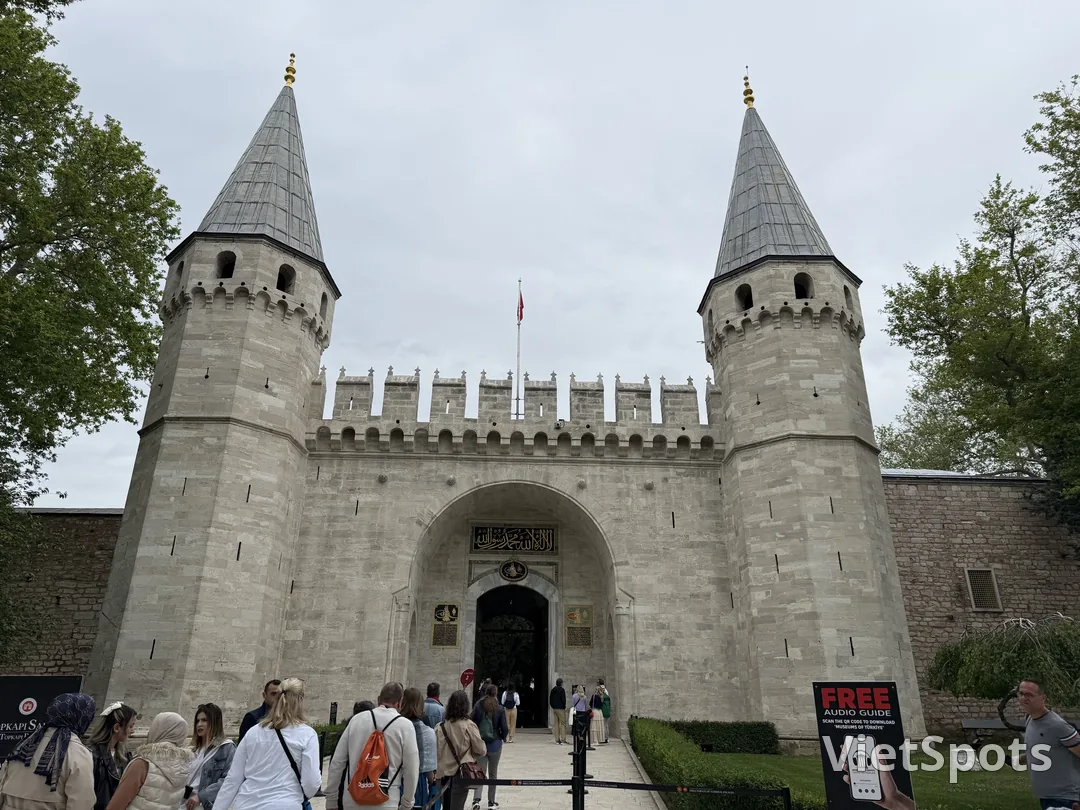
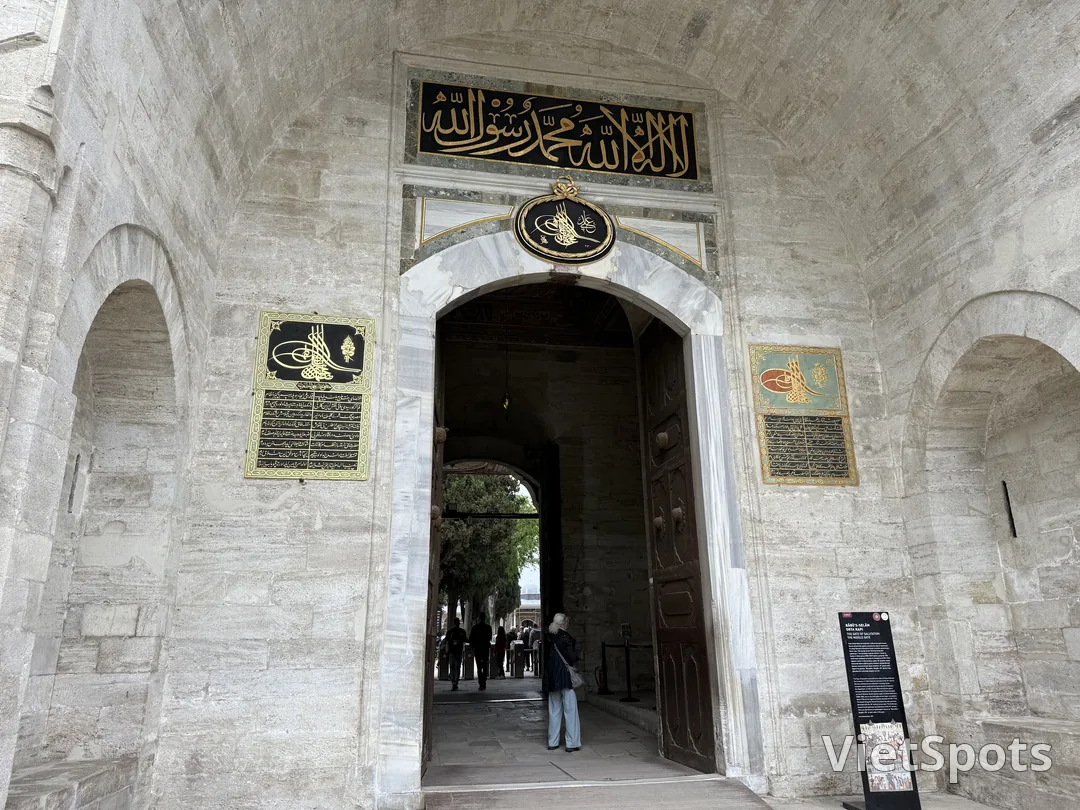
2️⃣ Second Courtyard: The Administrative and Military Core Gate of Salutation Two tower-like structures rise like a medieval castle — passing through this gate leads you into the palace's center of internal administration and military affairs.
Palace Kitchen With over 20 domes, it once prepared meals for thousands of members of the royal court, and now displays a collection of Ottoman porcelain and Chinese Ming and Qing porcelain.
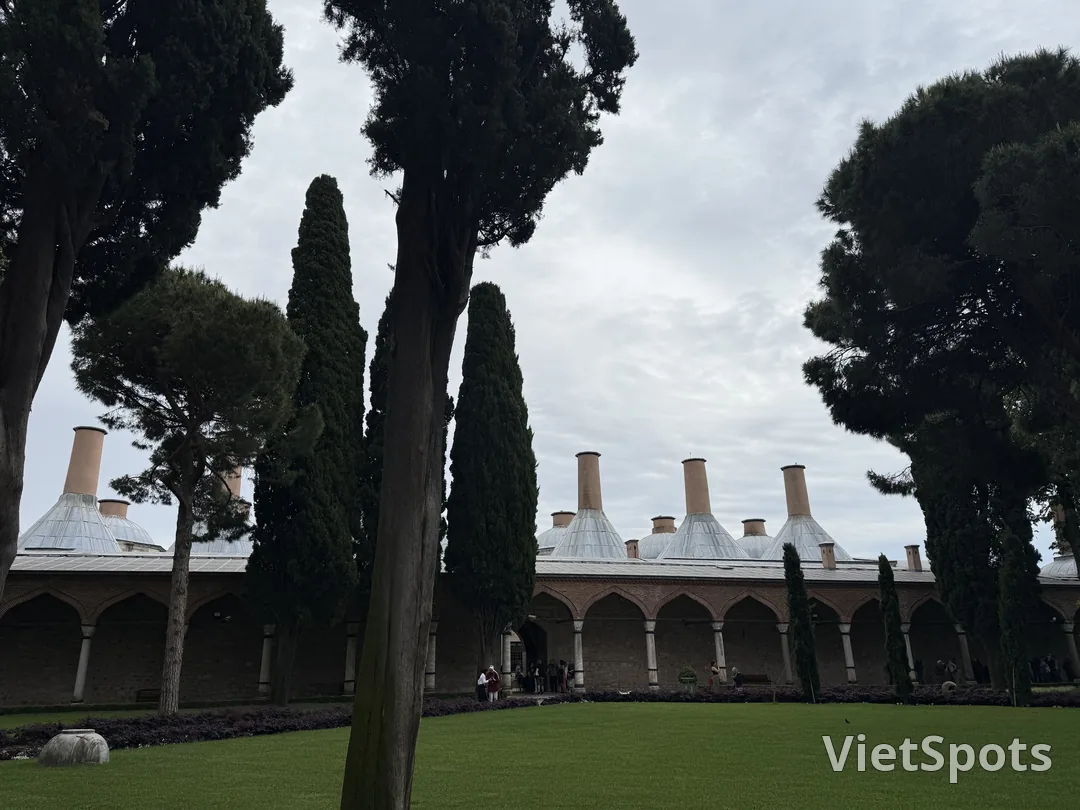
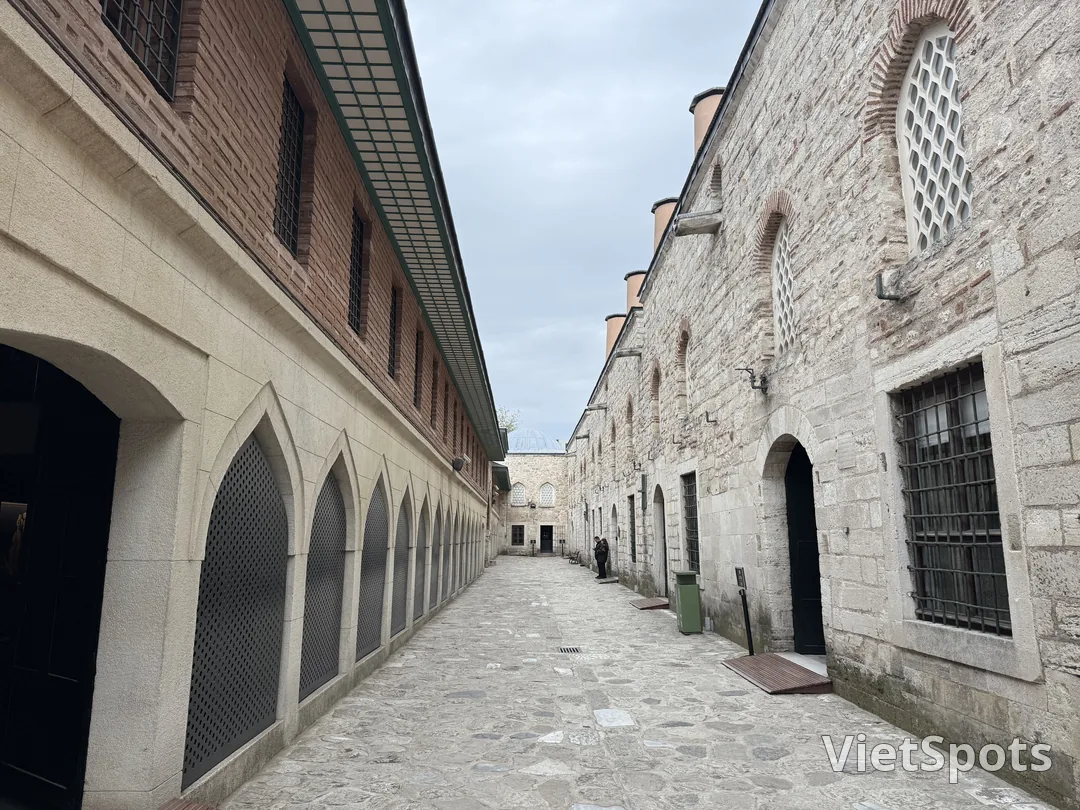
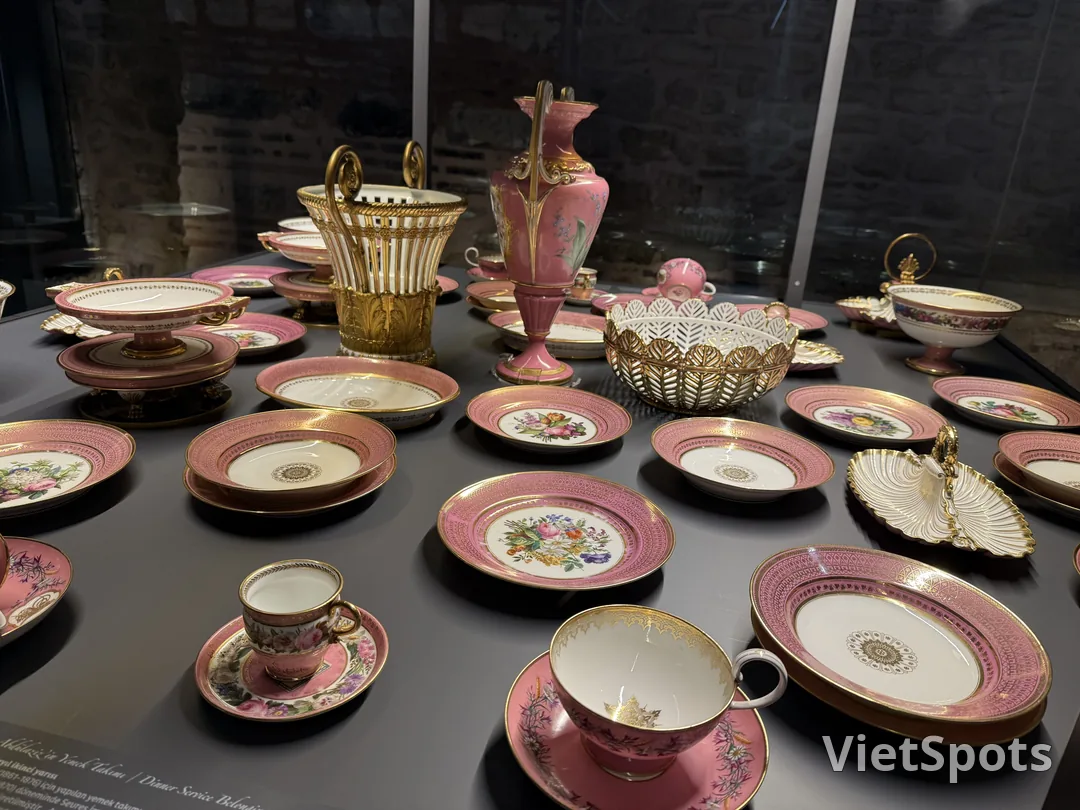
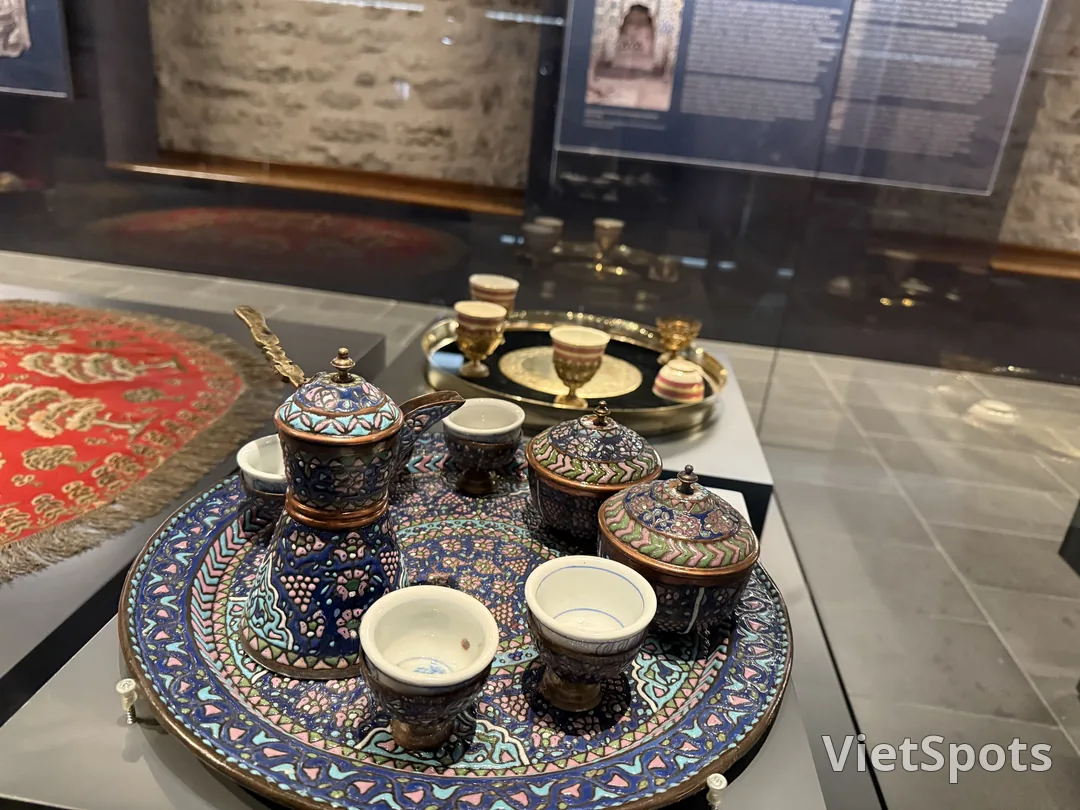
Armory On display are exquisite gold-inlaid sabers, ornately carved spears, and elegant matchlock guns, each one showcasing the splendor and lethality of the empire's military. Imperial Council Hall Here, the Sultan's ministers deliberate on affairs of state.
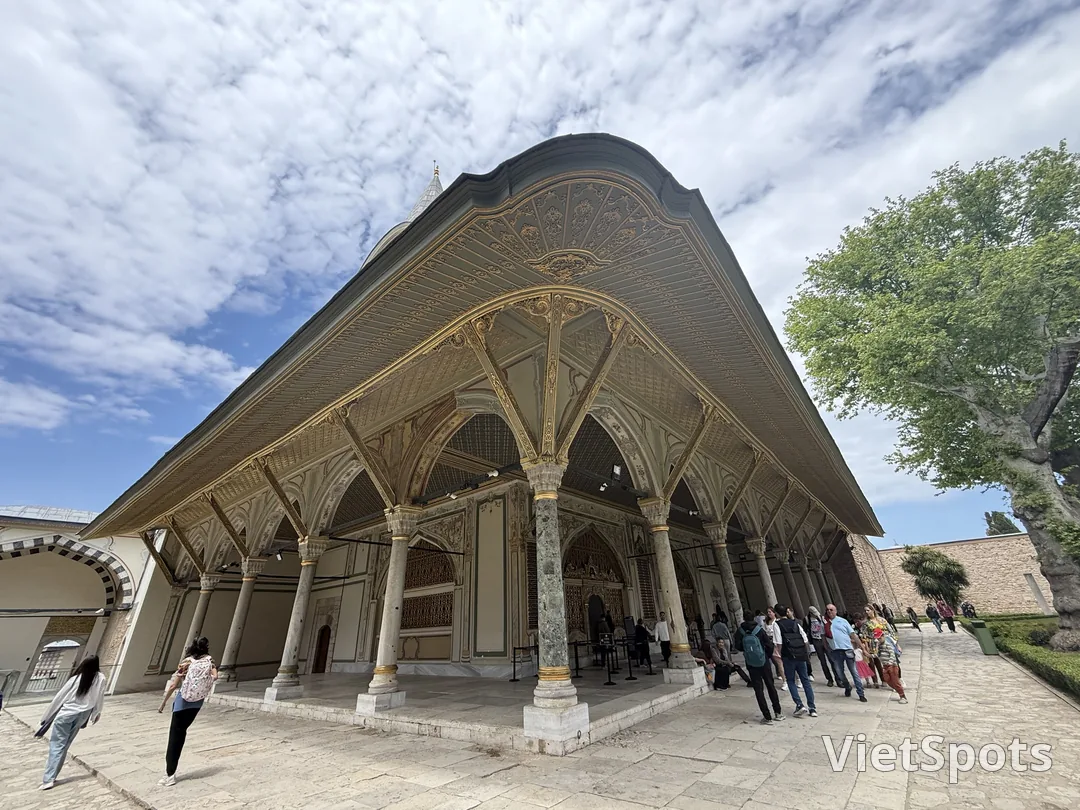
3️⃣ Third Courtyard: Royal Life and Treasury Passing through the Gate of Auspiciousness, you will see the royal garden and private quarters Access is strictly restricted — only royal family members and specially authorized personnel may enter.
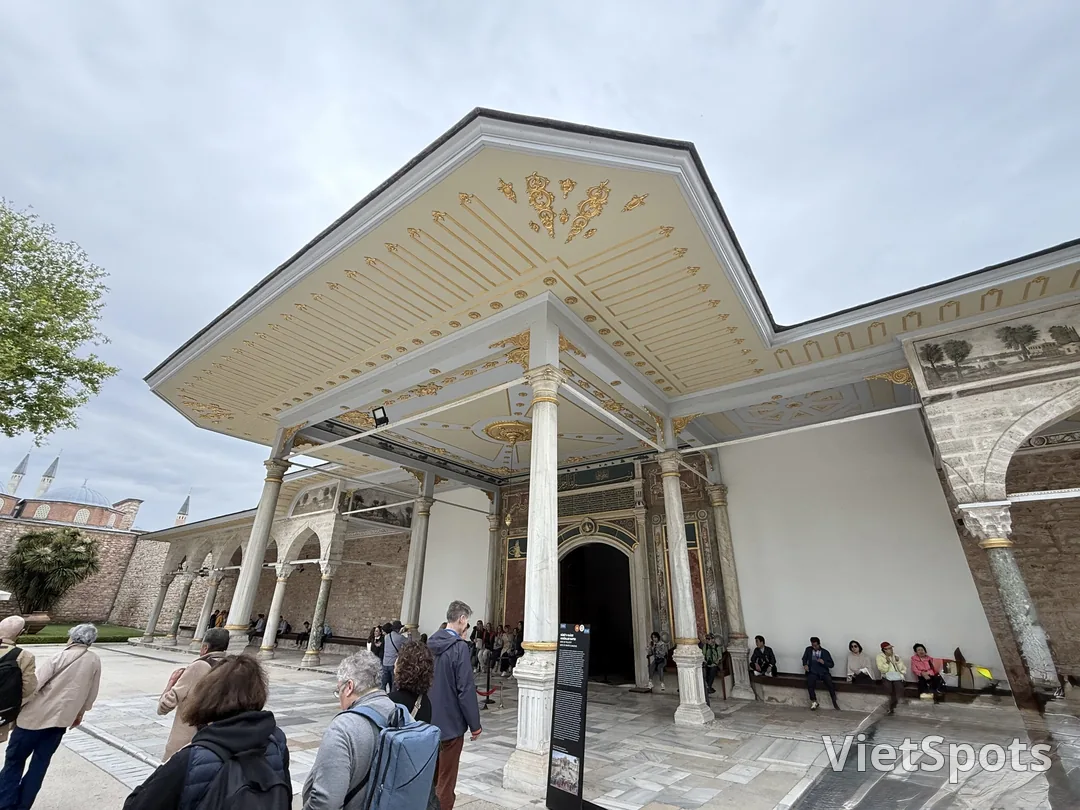
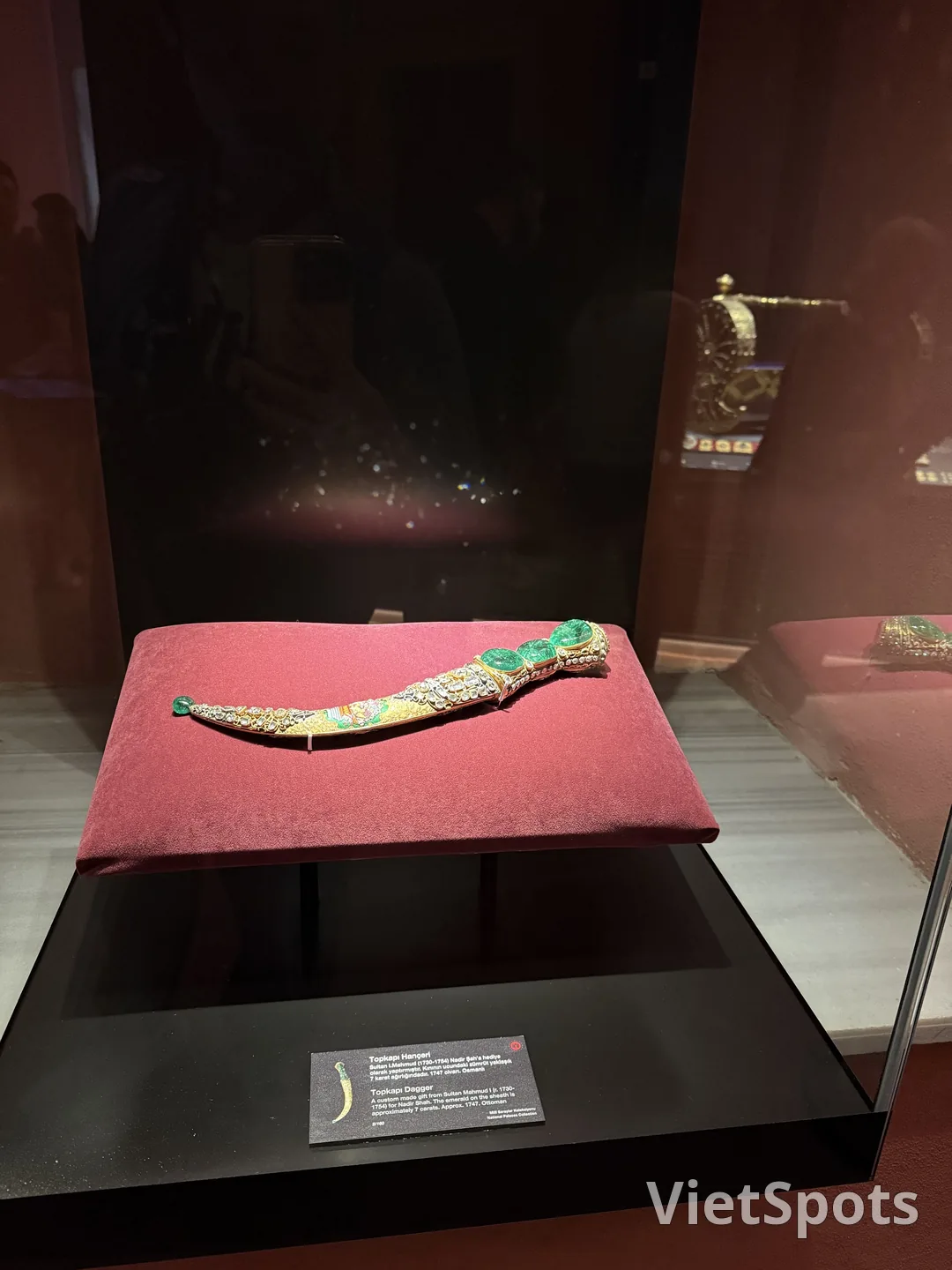
Imperial Treasury (Imperial Treasury) Here are housed world-famous treasures: Topkapi Dagger (Topkapi Dagger) With a handle inlaid with emeralds and a sheath of finely carved gold, it was originally meant as a gift for the Persian king, but due to war it never reached its destination, and instead became a supreme treasure of the palace.
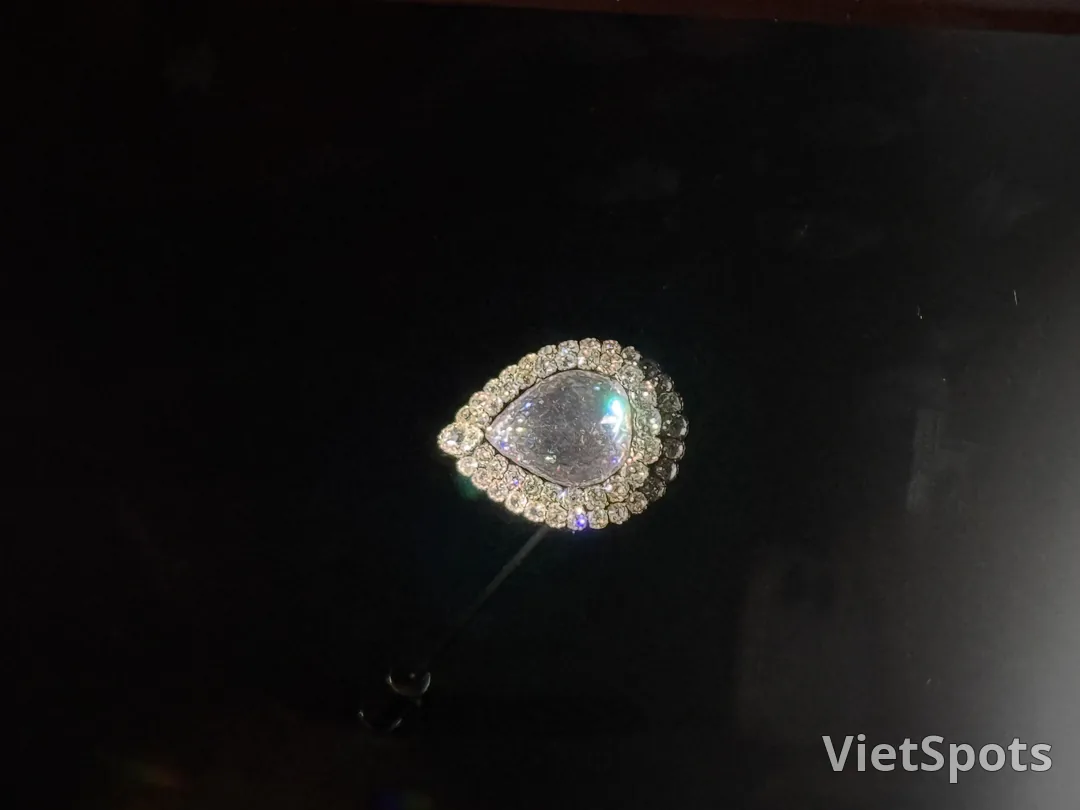
Spoonmaker's Diamond A pear-shaped diamond weighing 86 carats, said to have been traded by a scavenger for three spoons, before eventually falling into the hands of a sultan. Its luster radiates a blue-white fire, making it the most dazzling presence in the palace.
Sacred Relics Room (Sacred Relics) Home to the most sacred relics of the Islamic world, including the Prophet Muhammad's cloak, sacred sword, sacred banner, sacred tooth, and sacred footprint, as well as treasures passed down through generations of caliphs. The atmosphere inside is solemn, and visitors can hear live recitations during their visit.
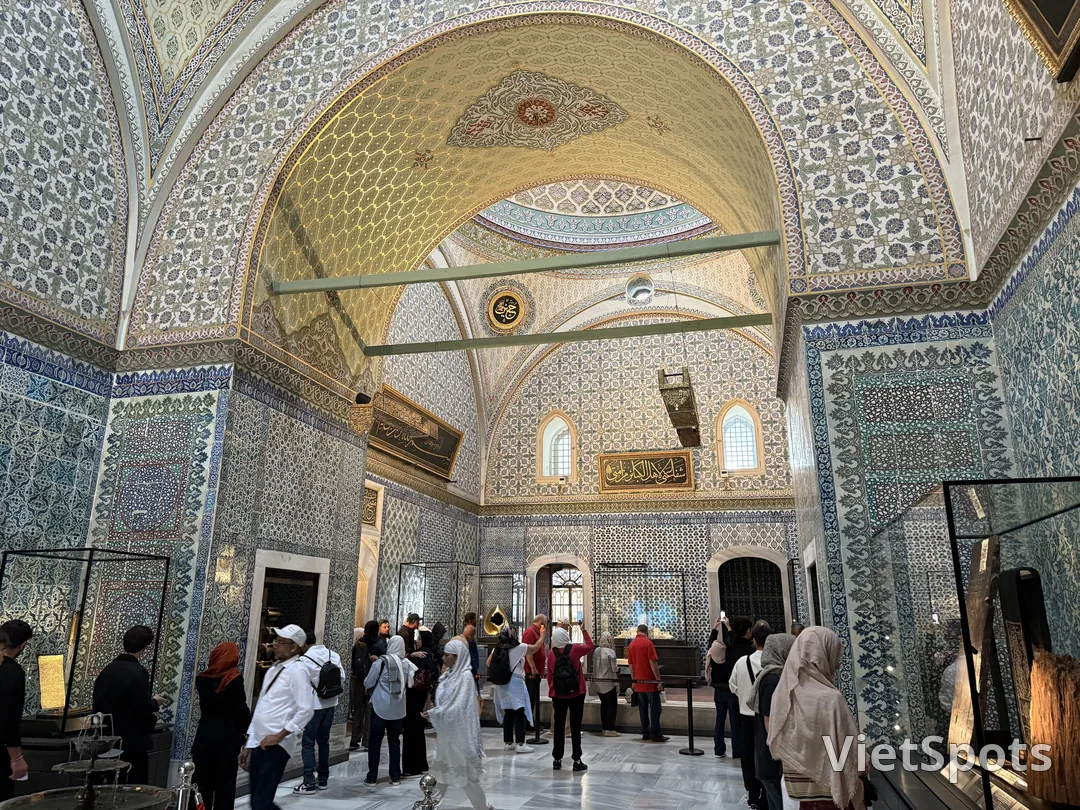
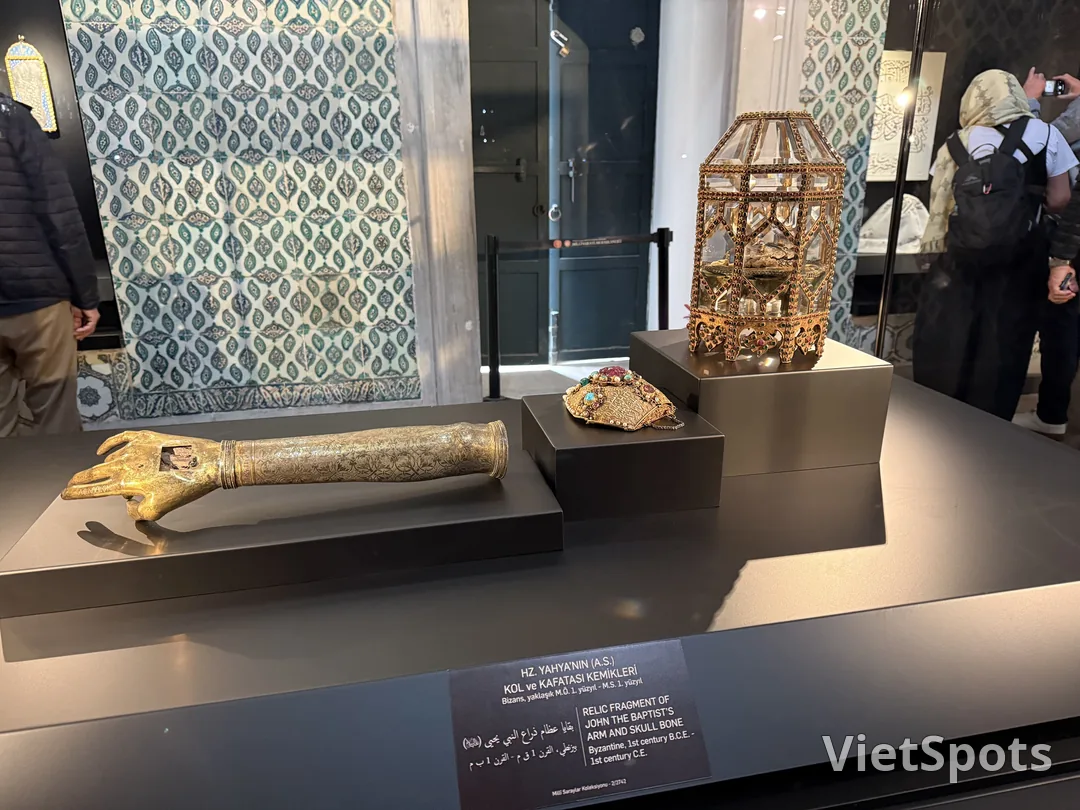
Palace Library Houses a vast collection of exquisite handwritten copies of the Quran and Ottoman documents, their page borders adorned with gold leaf and blue geometric patterns.
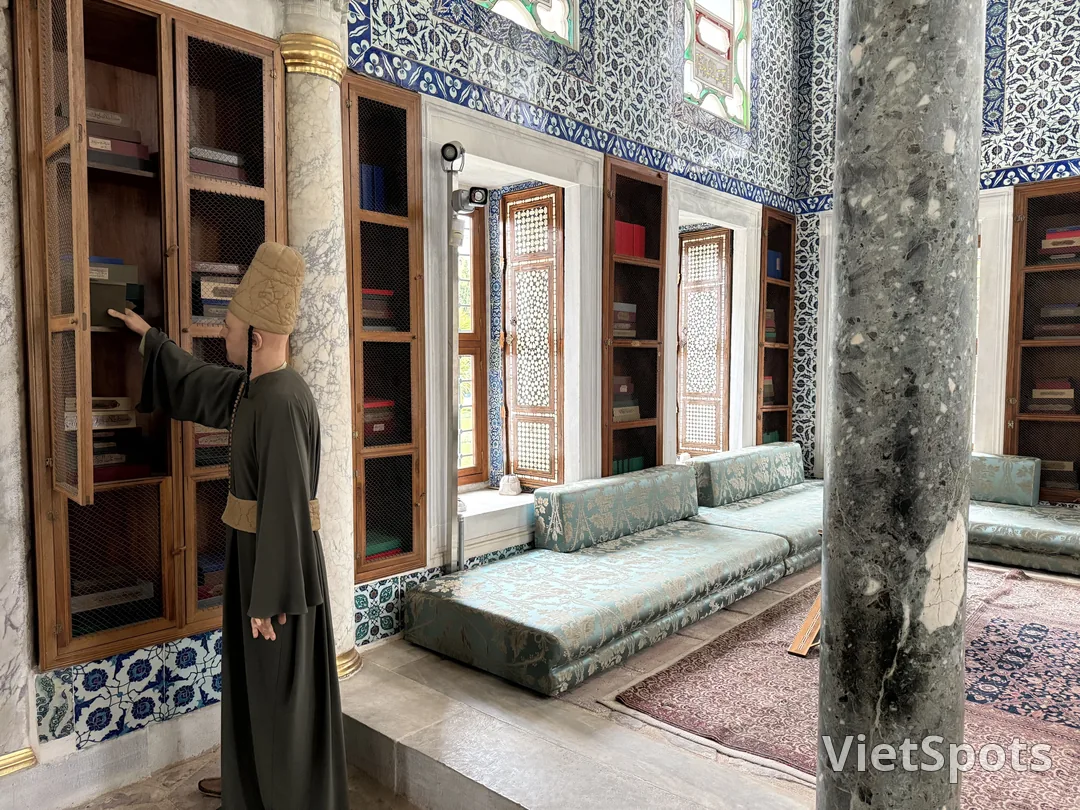
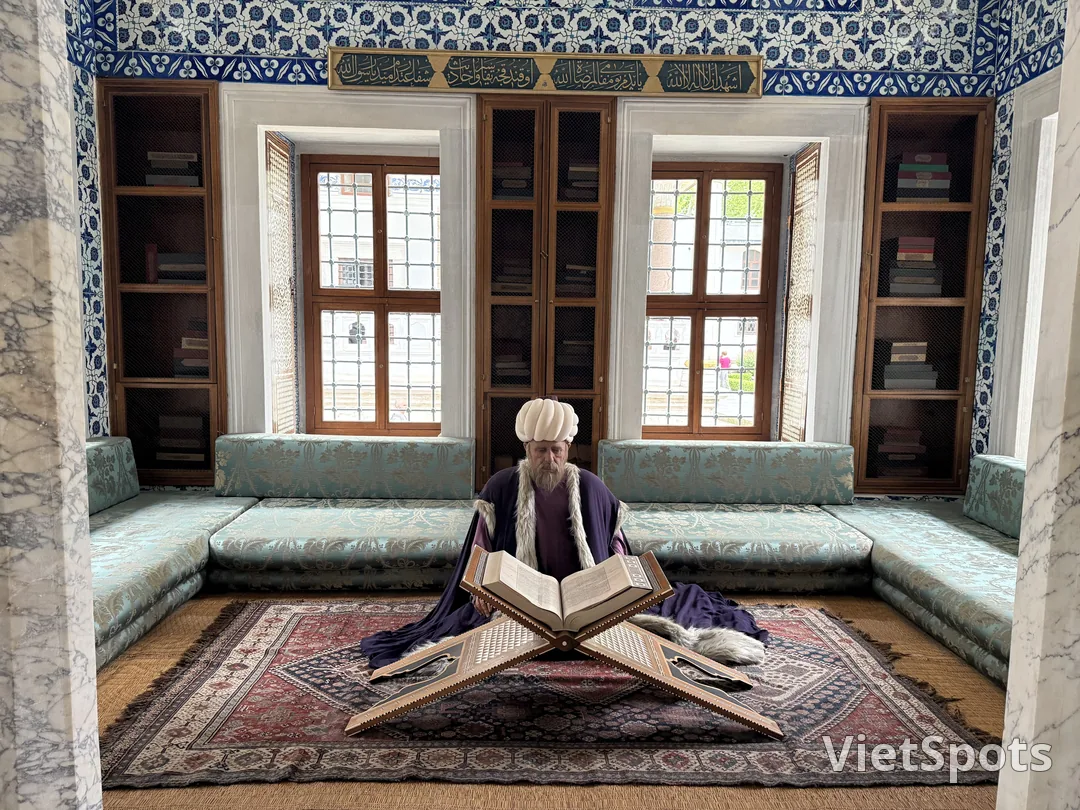
4️⃣ Fourth Courtyard: Royal Garden and Viewing Pavilion Kiosk of Baghdad Built to commemorate the victory of the Battle of Baghdad, its golden dome and inlaid interior tilework showcase the utmost craftsmanship.
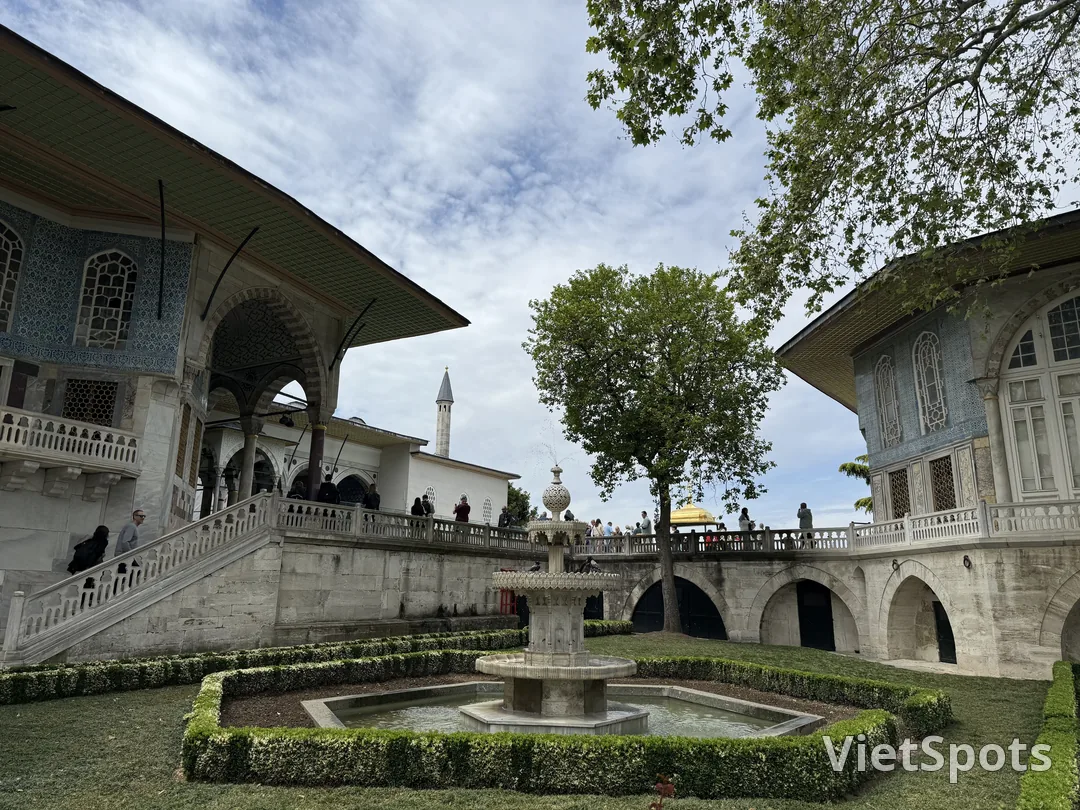
Sea View Terrace Overlooking the Bosphorus Strait and the Sea of Marmara, this was once the place where sultans watched fireworks and naval maneuvers.
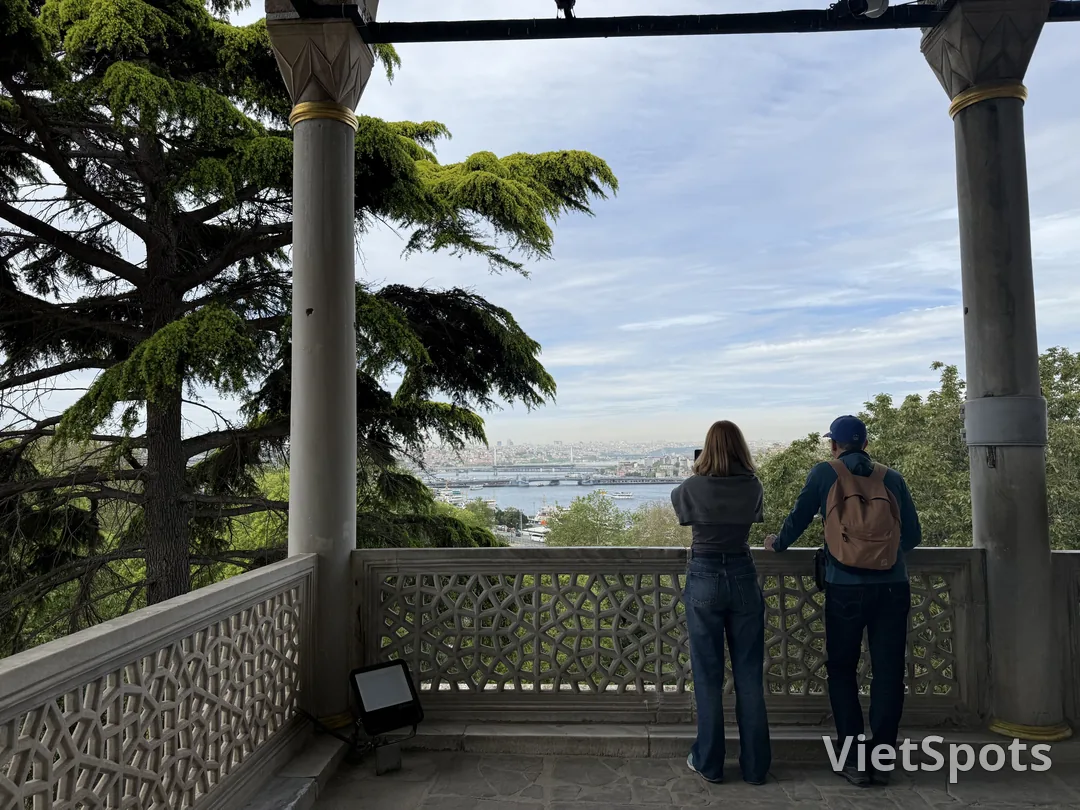
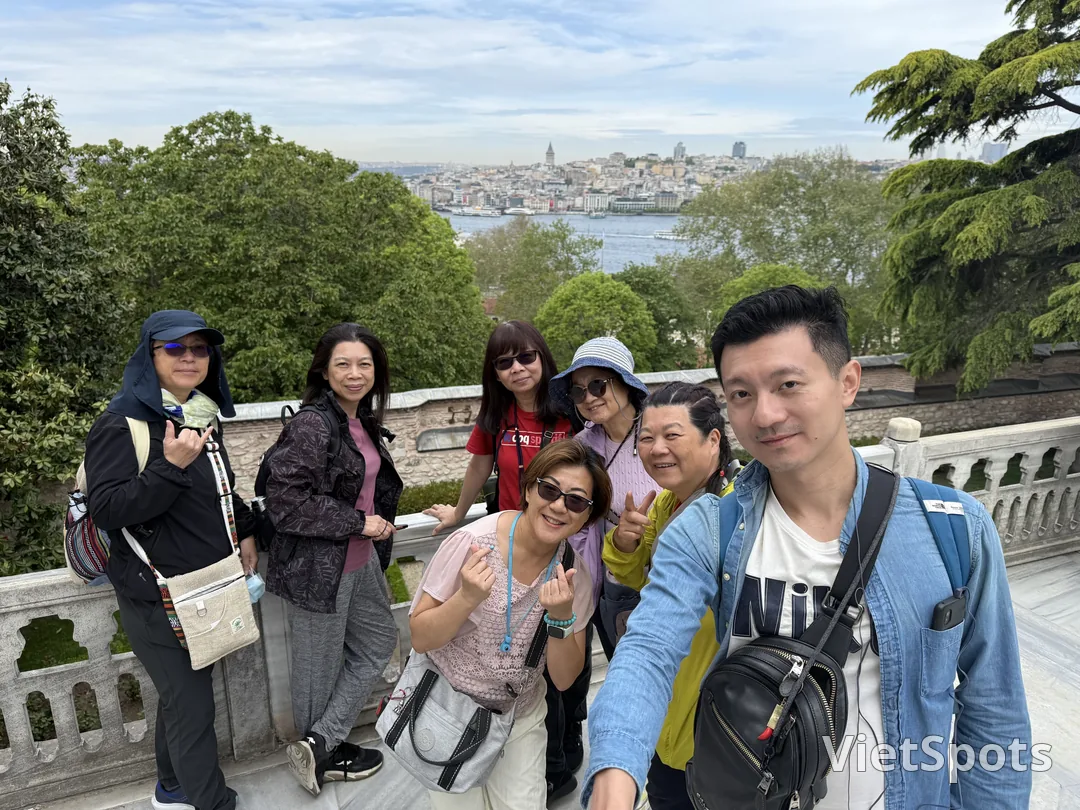
5️⃣ Harem — The Empire's Hidden World An additional ticket is required. Inside are hundreds of rooms where the sultan, princesses, concubines, and eunuchs lived.
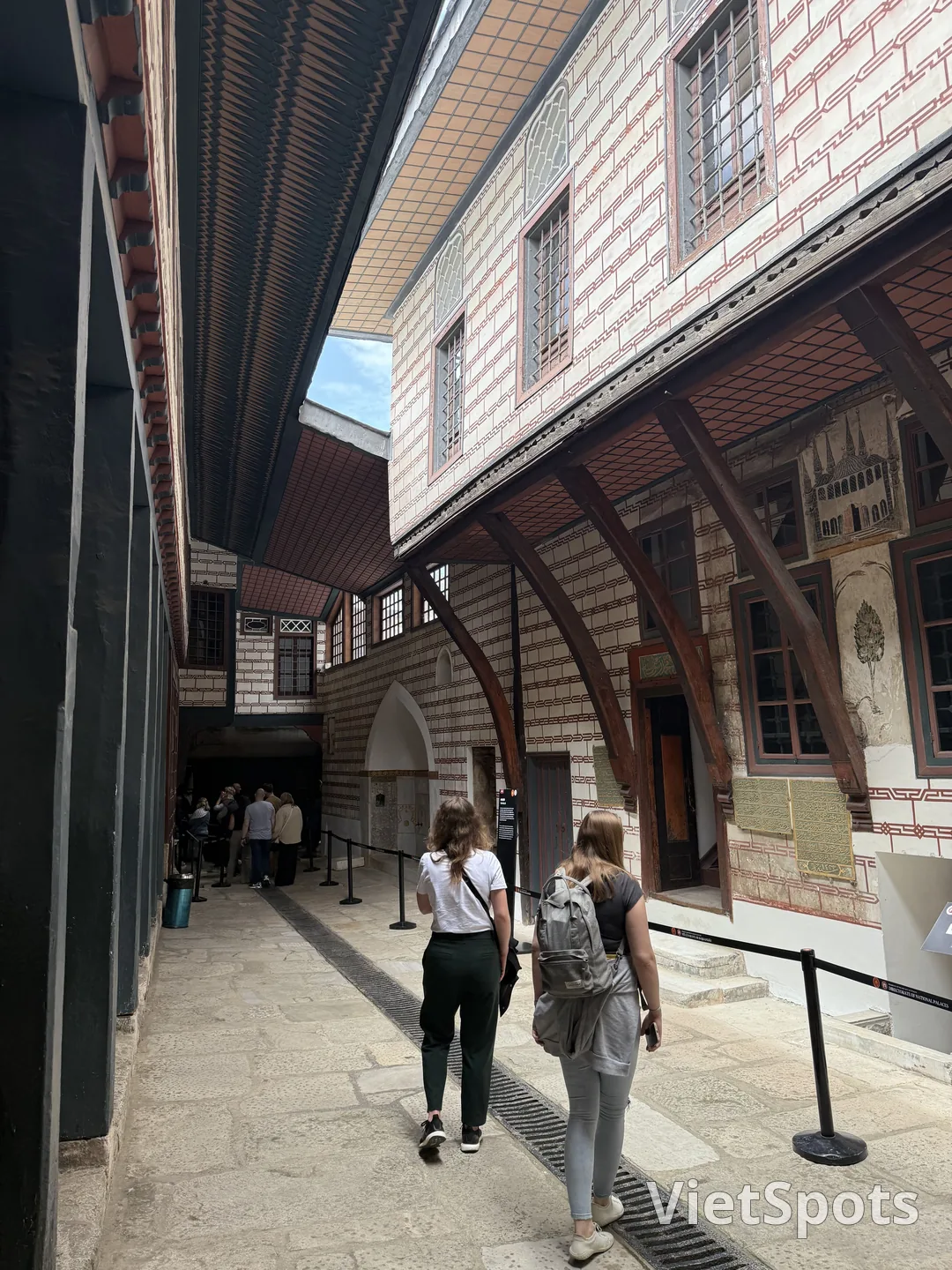
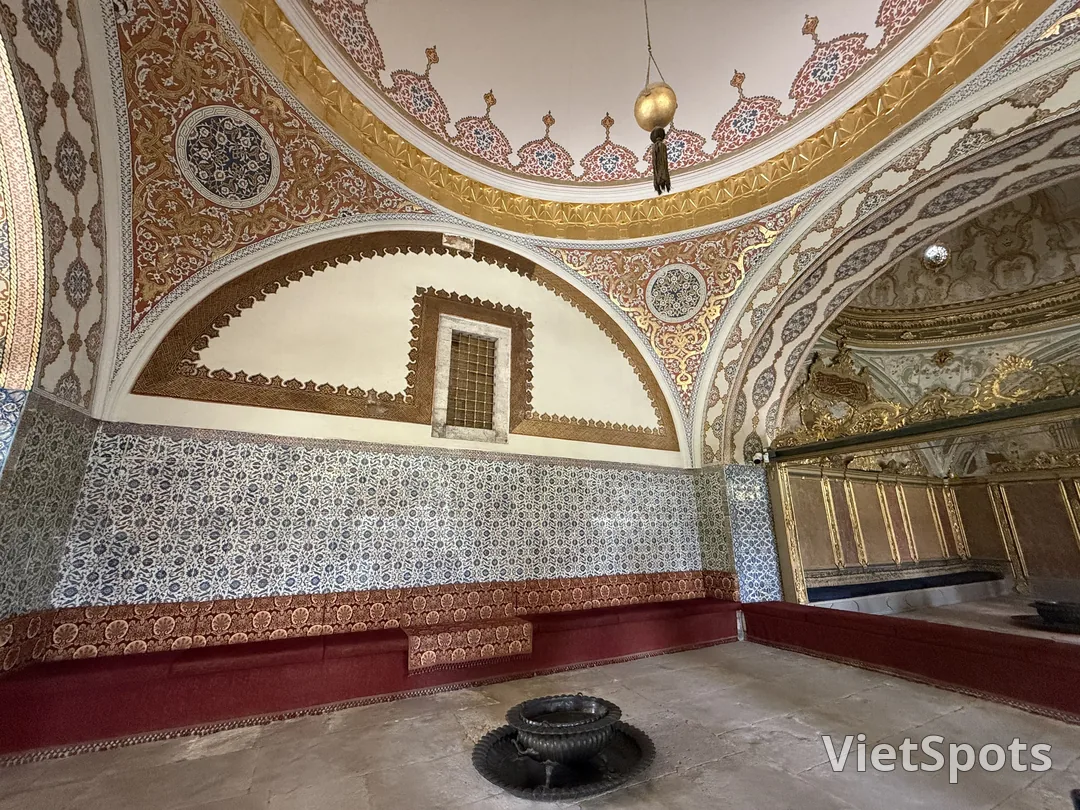
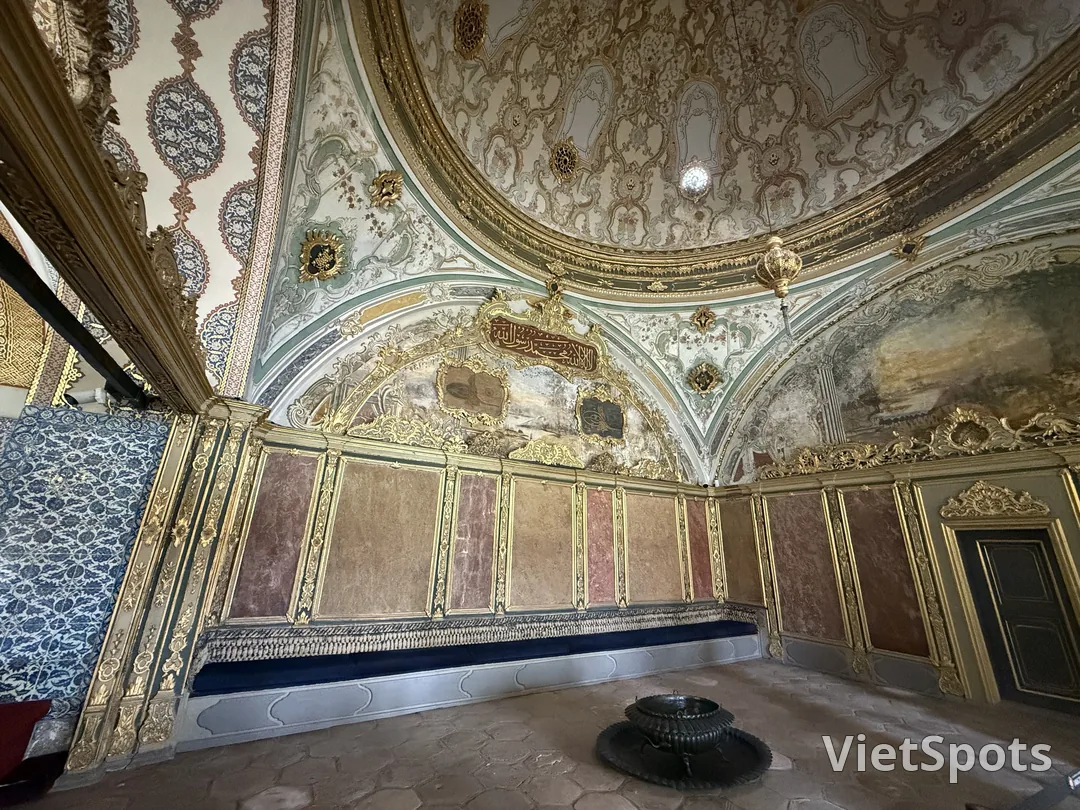
Sultan's Chamber: The vaulted ceiling and walls are entirely covered in Iznik blue-and-white tiles, their patterns intricate and elaborate.
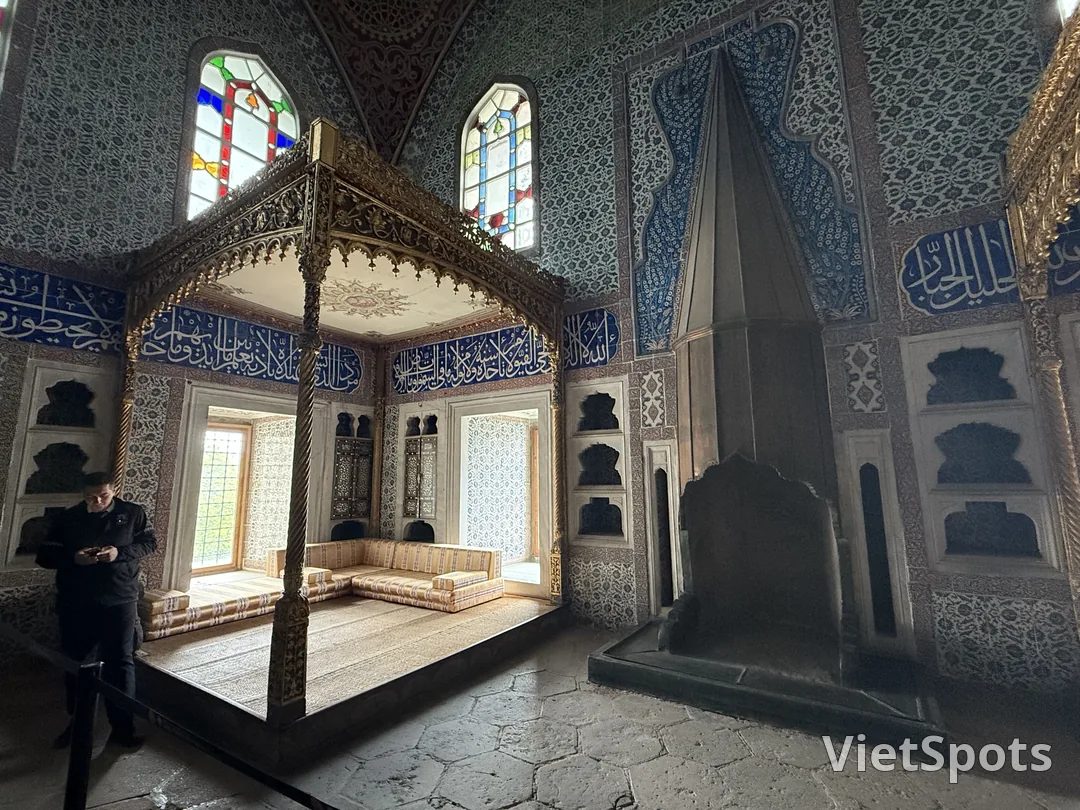
Empress Dowager's Suite: Located at the power core of the rear palace, its decor is more luxurious, symbolizing her status within the palace.
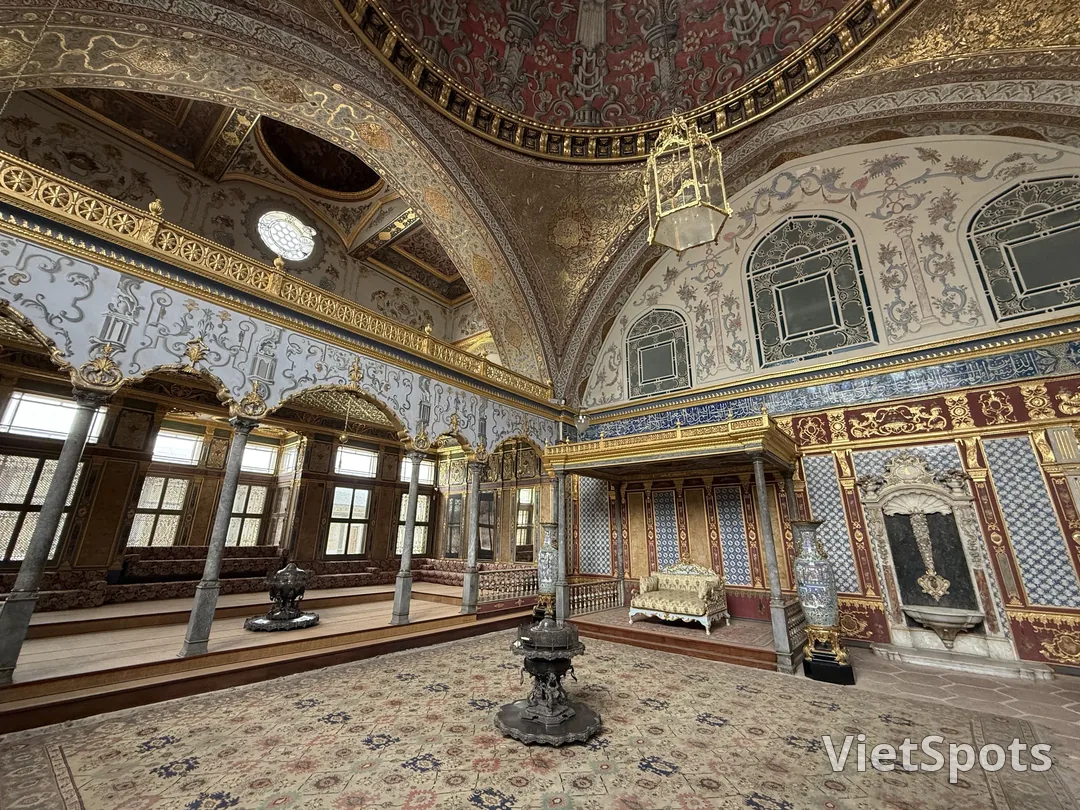
III. Must-Photograph Spots & Photography Tips Imperial Gate, Gate of Salutation, Gate of Felicity The Topkapi Dagger and the Spoonmaker's Diamond display cases in the Treasury Hall The glazed tile walls of the Harem The sea view from the observation terrace at the Fourth Courtyard IV. Visit Information & Tips Admission: Main Palace Area + Harem, 2400 lira (booking online can save time) Opening hours: 9:00–17:00 (closed on Tuesdays) Getting there: If you're staying in the old city, you can walk there; alternatively, take the T1 tram to Gülhane station, about a 10-minute walk Suggested visit duration: at least 3–4 hours, up to half a day if you examine the exhibits closely Guide recommendation: the official audio guide app (includes Chinese) or join a local Chinese-language tour group V. Visit Impressions Stepping into Topkapi Palace is like opening a three-dimensional epic of the Ottoman Empire. Behind every door lies a different story — from the sharp edge of military might to the devotion of religion, from the dazzling splendor of the treasury to the deep seclusion of the harem. Standing especially on the sea-view terrace of the Fourth Courtyard, watching the sunlight scatter across the Bosphorus Strait, it almost feels as though you can hear the drums and horns of the empire from four hundred years ago. Further Reading [In-Depth Attraction Guide] Hagia Sophia | A Thousand-Year Palace Where Byzantine and Islamic Art Intertwine 📌 Turkey & Greece Independent Travel Full Record Turkey Chapter Day 1-2: First Impressions of Istanbul|Day 3: Hagia Sophia and the Grand Bazaar Day 4: The Wonder of Cappadocia's Hot Air Balloons|Day 5: Exploring the Green Line Underground City Day 6: The Mirror of the Sky and Konya's Whirling Dervishes|Day 7: Antalya's Ancient Theater and Old Town Day 8: Salda Lake and Pamukkale | Day 9: Marmaris Holiday Greece Chapter Day 1: Rhodes Knight's Path | Day 2: Morning Swimming in the Aegean Sea and Old City Tour Day 3: Delphi and Monastery Day Trip | Day 4: Athens Acropolis Classic Route Day 5: Flea Market and Acropolis Museum | Day 6: Attica Department Store and Archaeological Museum
Book Travel in English on VietSpots
- 🎁 Sign up and get 16 Welcome Pack coupons — e.g. Motorbike Rental 45%
- 👑 Member tier discount up to 15% on site (Silver 5% · Gold 15%)
- 🛂 Auto-fill arrival card📶 Compare lowest eSIM prices🚻 Find toilets
Comments