

Da Nang
Before there were bridges, the people of Da Nang crossed the river by ferry boat



Translated from Vietnamese
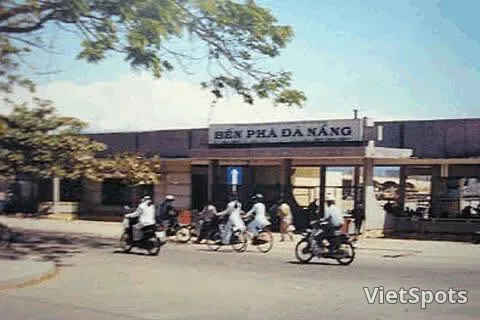
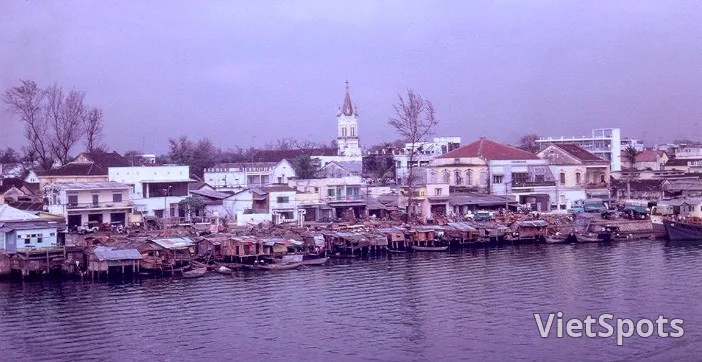
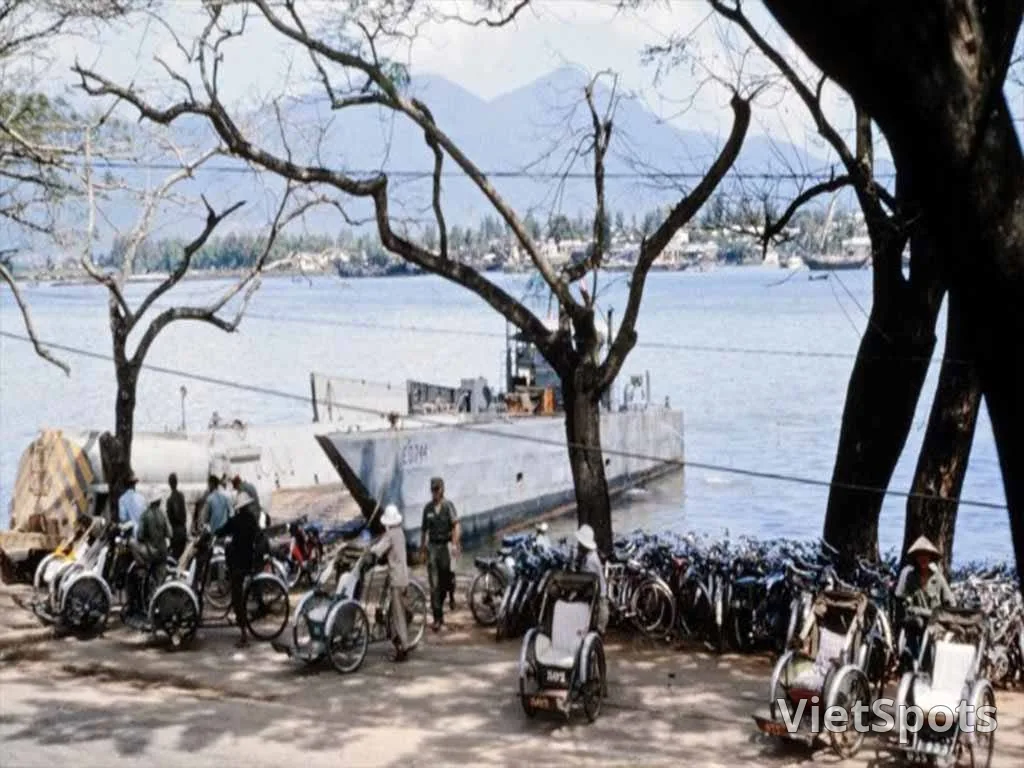
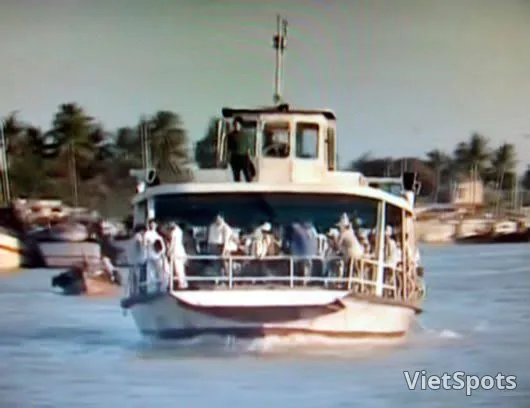
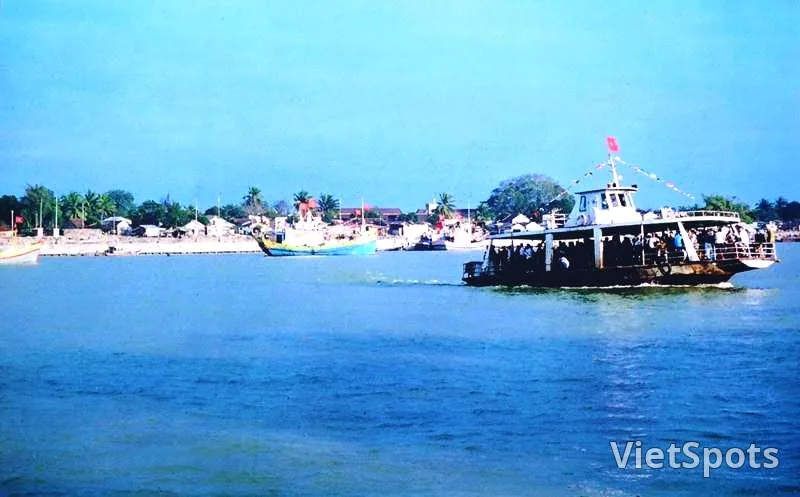
If you're staying at a hotel on the east bank of the Han River and plan to cross to the other side for coffee this afternoon, you'll go over a bridge without giving it a second thought. Before 2000, to travel that same distance, people had to go down to the wharf and wait for the ferry.
Hà Thân Wharf
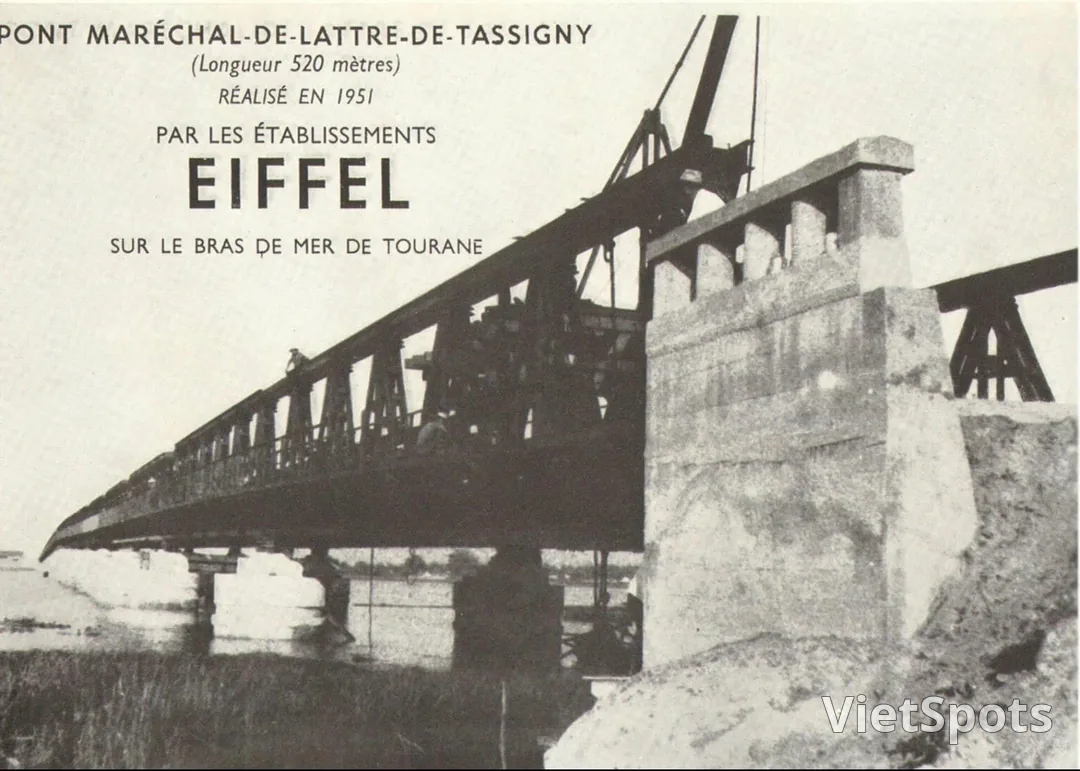
The ferry landing on the east bank of the Hàn River was called Hà Thân, and it belonged to the old village of An Hải. People living at the foot of Sơn Trà Mountain who wanted to cross to the other side for work would "hop onto the Hà Thân ferry". Back then, the whole river had only one bridge crossing, located far upstream: the bridges built first by the French and later by the Americans were both there. If you don't take the ferry, you have to go the long way around via the Nguyễn Văn Trỗi Bridge, about 10 km. Because it was "cut off by the ferry crossing," the east bank long remained a rustic countryside, even though only a stretch of water separated it from the city center.
The bridge of those who contributed money
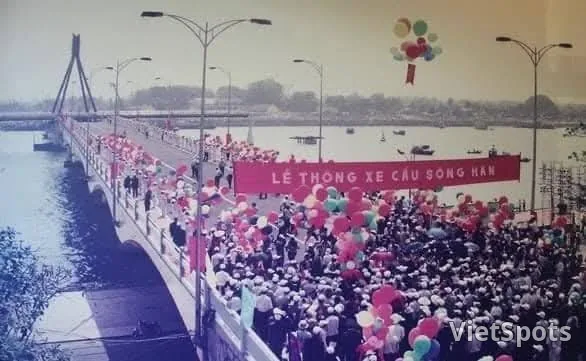
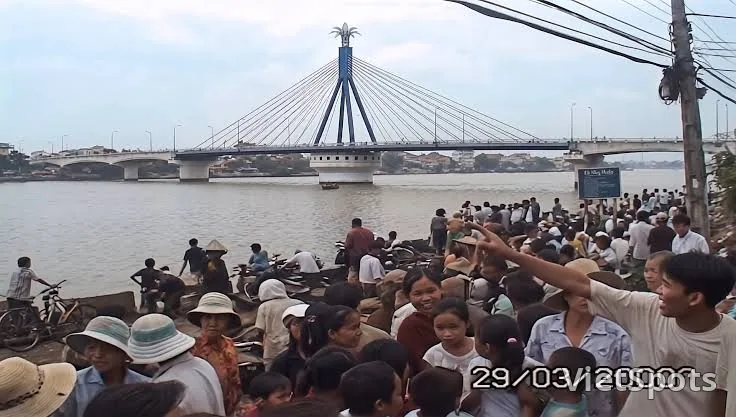
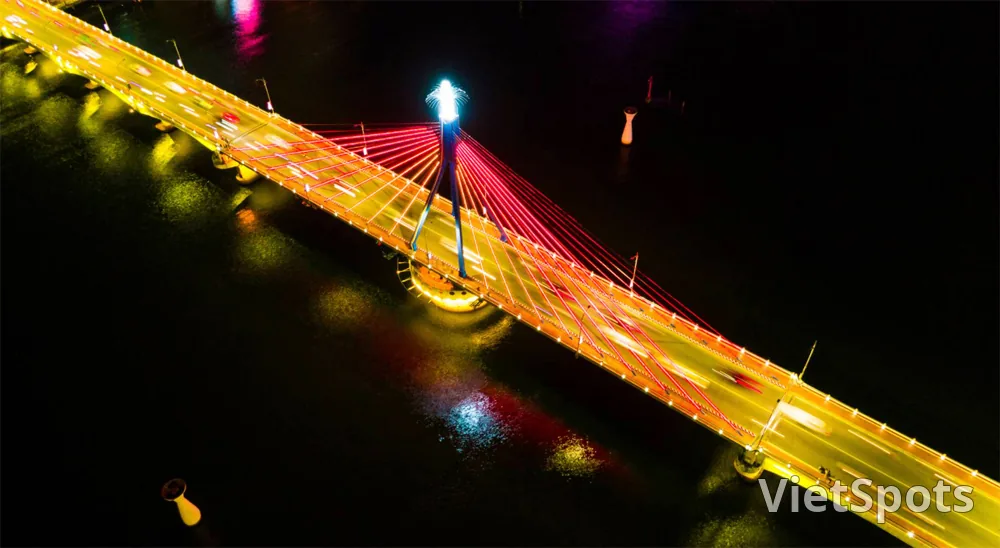
The Han River Bridge was inaugurated on 29-3-2000, right on the 25th anniversary of Da Nang's liberation, and cut the distance across the river down to just 3 km. The city followed the approach of "the State and the people working together": civil servants contributed a day's salary, children gave up their breakfast money, and street vendors carrying baskets and trays brought money to the Front's headquarters. At the western end of the bridge, right on đường Bạch Đằng, there is still a plaque bearing the names of those who contributed.
It was also the first swing bridge built entirely by Vietnamese engineers and workers. From that day on, the ferry crossings over the Han River became a thing of the past.
Not just one landing
At the Xu ferry landing on the Cẩm Lệ River to the south, at least 11 households made their living as ferry operators, carrying people from the villages across the river into town; they left the landing after the Hòa Xuân Bridge opened to traffic on 30-4-2010. On the northern stretch of the Cu Đê River, people used to cross by ferry boat in the dry season, but in the flood season no one dared to take them across, so students often had to miss school — it was only when Trường Định Bridge opened in 2010 that this finally came to an end.
Today, go over the bridge
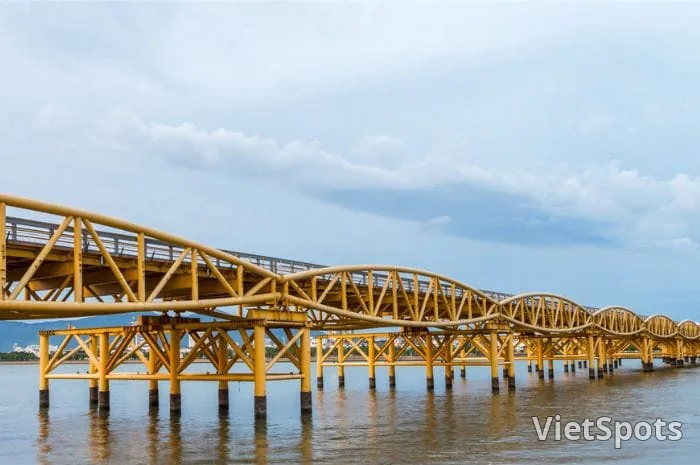
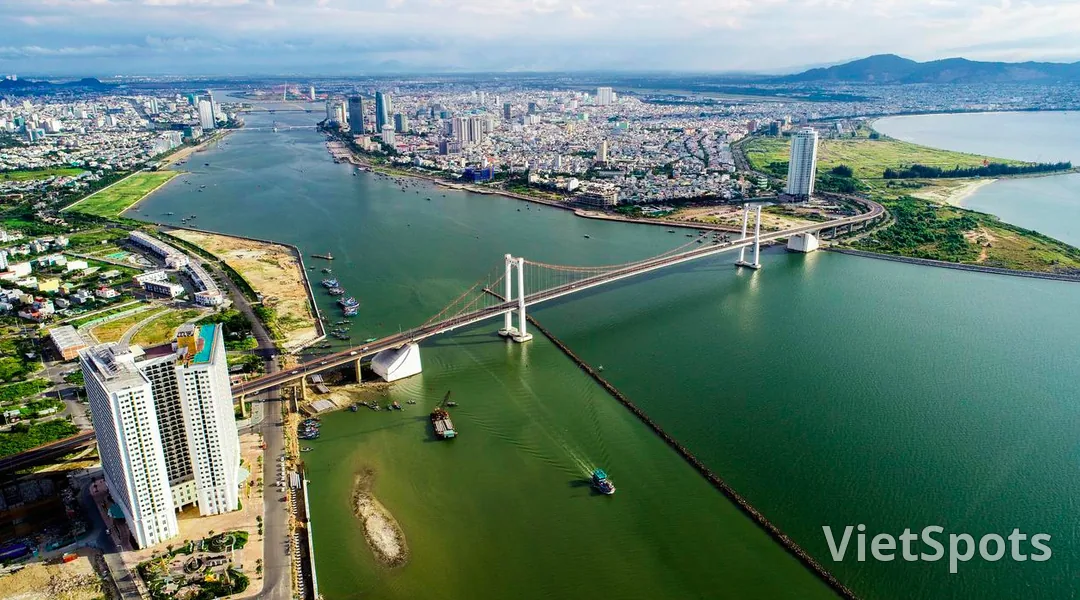
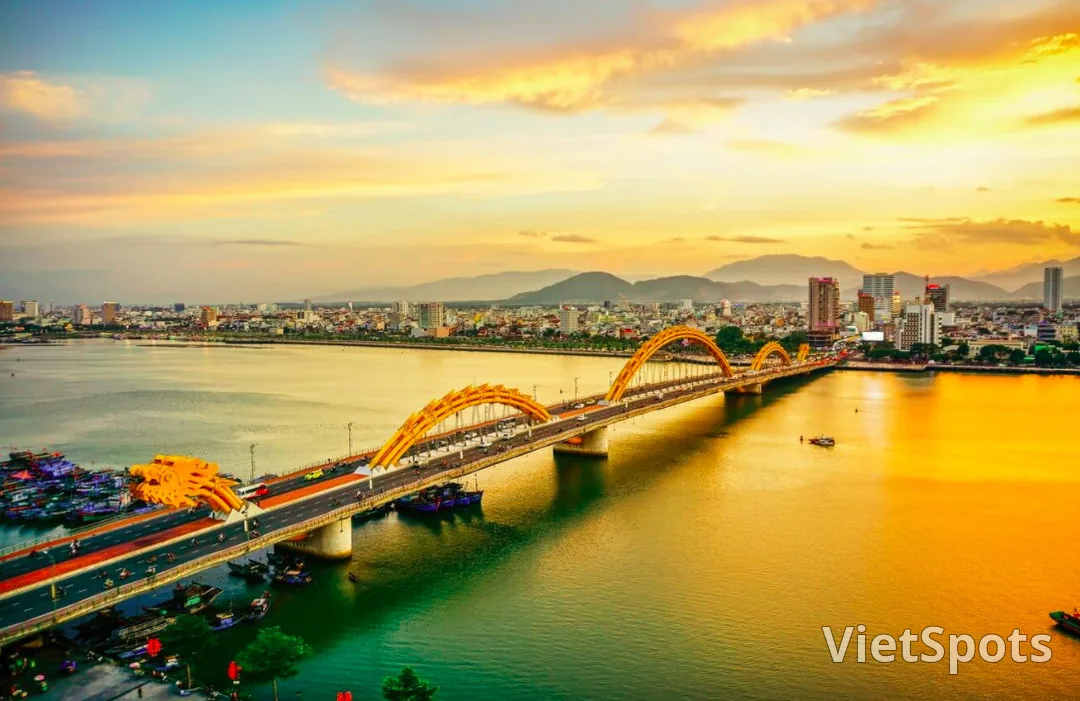
Today the Hàn River has six bridges: Thuận Phước near the river mouth (2009), the Sông Hàn Bridge in the middle stretch (2000), the Dragon Bridge and the Trần Thị Lý Bridge, which both opened on March 29 thirteen years later, Tiên Sơn to the south (2004) — the only bridge that container trucks may cross — and the oldest, Nguyễn Văn Trỗi, dating from the 1960s, which is now closed to vehicles and reserved for pedestrians.
That means there is still exactly one way to cross the Han River just like back before there were any bridges: slowly, on your own two feet, looking down at the water.
Book Travel in Da Nang — in English on VietSpots
- 🎁 Sign up and get 19 Welcome Pack coupons — e.g. Motorbike Rental 45%
- 👑 Member tier discount up to 15% on site (Silver 5% · Gold 15%)
- 🛂 Auto-fill arrival card📶 Compare lowest eSIM prices🚻 Find toilets
#Da Nang#Da Nang Travel#Attractions#Tours & Activities#Ferry#Ha Than Wharf#Han River Bridge#Nguyen Van Troi Bridge#Thuan Phuoc Bridge#Dragon Bridge
Comments