

Why has Hoi An remained intact, while other port towns have not?



From the 16th to 18th centuries, Hoi An was one of the busiest trading ports in Southeast Asia. Japanese, Chinese, Portuguese, and Dutch merchant ships all visited. Western people called this place Faifo.
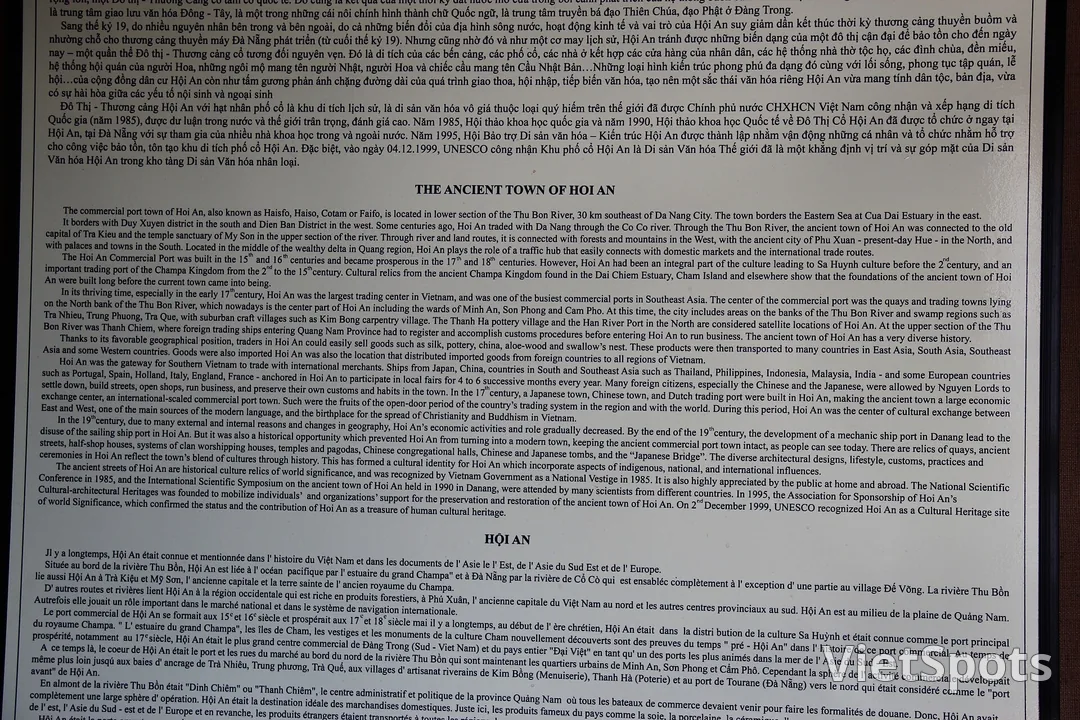
Japanese and Chinese merchants didn't just visit and leave—they stayed, established their own quarters, married Vietnamese women, built homes, and created community gathering places. The Japanese Bridge is the most evident trace of the Japanese community: a roofed bridge spanning a small creek, existing since around the early seventeenth century.
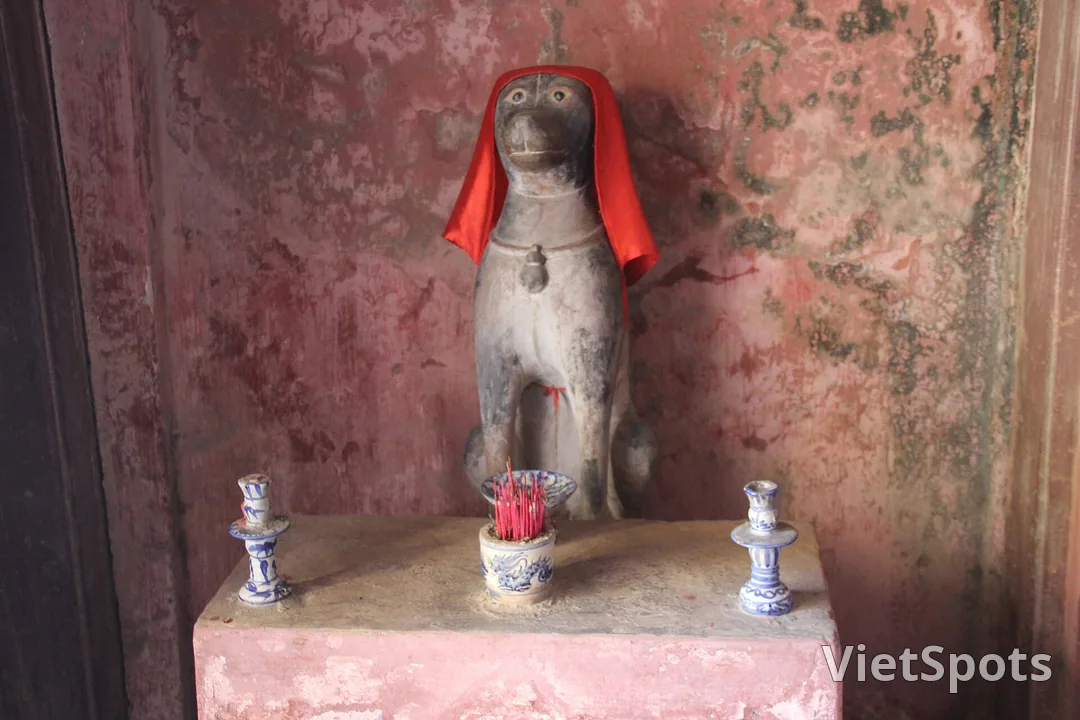
Then the port went into decline. The Thu Bon River gradually became silted up, and large ships could no longer enter. By the 19th century, the role of the seaport had completely shifted to Da Nang — a place with a deeper bay and better protection from the wind. Hoi An lost its former status and returned to being a small town by the river.
And that very thing was what saved it.
Other trading ports in the region kept developing, so they were constantly torn down and rebuilt — old houses gave way to new ones, and narrow streets widened into big roads. Hội An has no money and no reason to do otherwise. People simply continue living in their old houses, fixing the leaky spots, replacing the rotting wooden columns, reapplying whitewash, generation after generation.
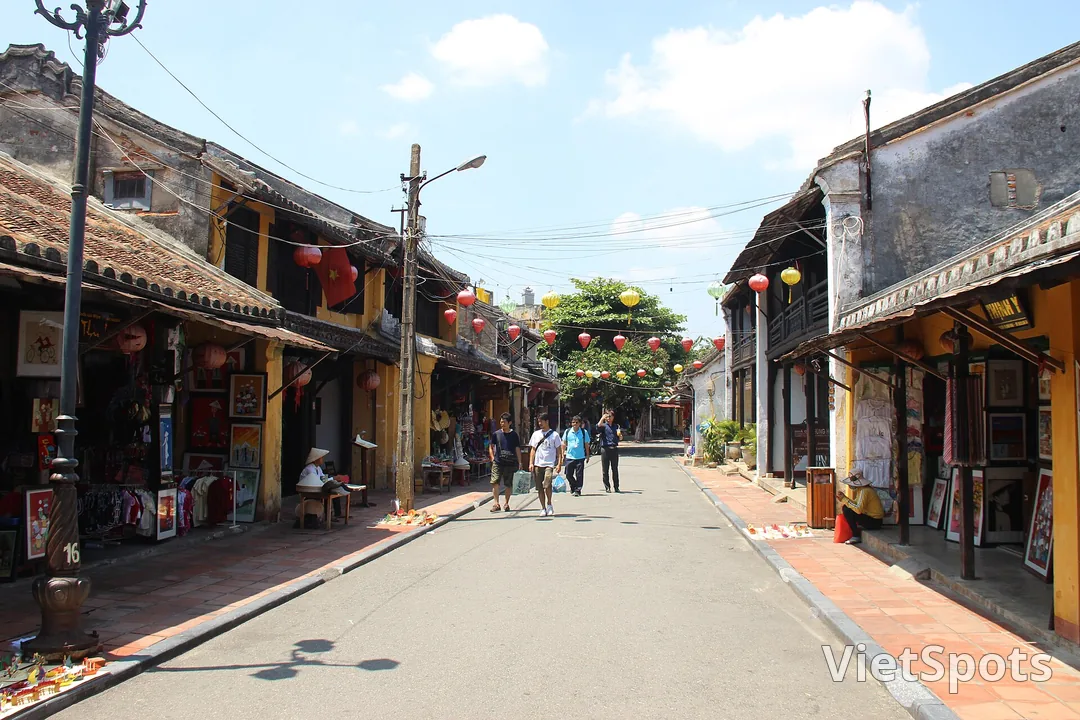
So when researchers came looking in the late 20th century, what they found was not a preserved neighborhood, but a neighborhood that had never stopped being used. Many houses were still lived in by the very same family that had built them, passed down through seven or eight generations.
That's the biggest difference that sets Hoi An apart from many other heritage sites: it's not a museum. Behind the wooden doors of these houses that welcome visitors, you'll find the real living space of real families.
UNESCO recognized Hoi An as a World Cultural Heritage in 1999.
If you visit: the old town prohibits motorcycles during many hours, so just walk. It's most crowded in the evening, especially during the full moon when the streets turn off their electric lights and use only lanterns. To see Hoi An more peacefully, go early in the morning when people are still sweeping their yards and opening their shops.
And one small thing: this is where people live. Before you point a camera into someone's home, ask a question. Almost every time you'll get a nod — but asking is still better.
Book Activity in Da Nang — in English on VietSpots
- 🎁 Sign up and get 15 Welcome Pack coupons — e.g. Motorbike Rental 45%
- 👑 Member tier discount up to 15% on site (Silver 5% · Gold 15%)
- 🛂 Auto-fill arrival card📶 Compare lowest eSIM prices🚻 Find toilets




Comments