

Exchanging money in Da Nang: where to exchange it correctly, and two banknotes that are very easy to mix up



Most people exchanging money only pay attention to the exchange rate. But in Vietnam, the place where customers lose the most money isn't actually the exchange rate — it's whether the exchange spot is legal, and two banknotes that are very easy to mix up.
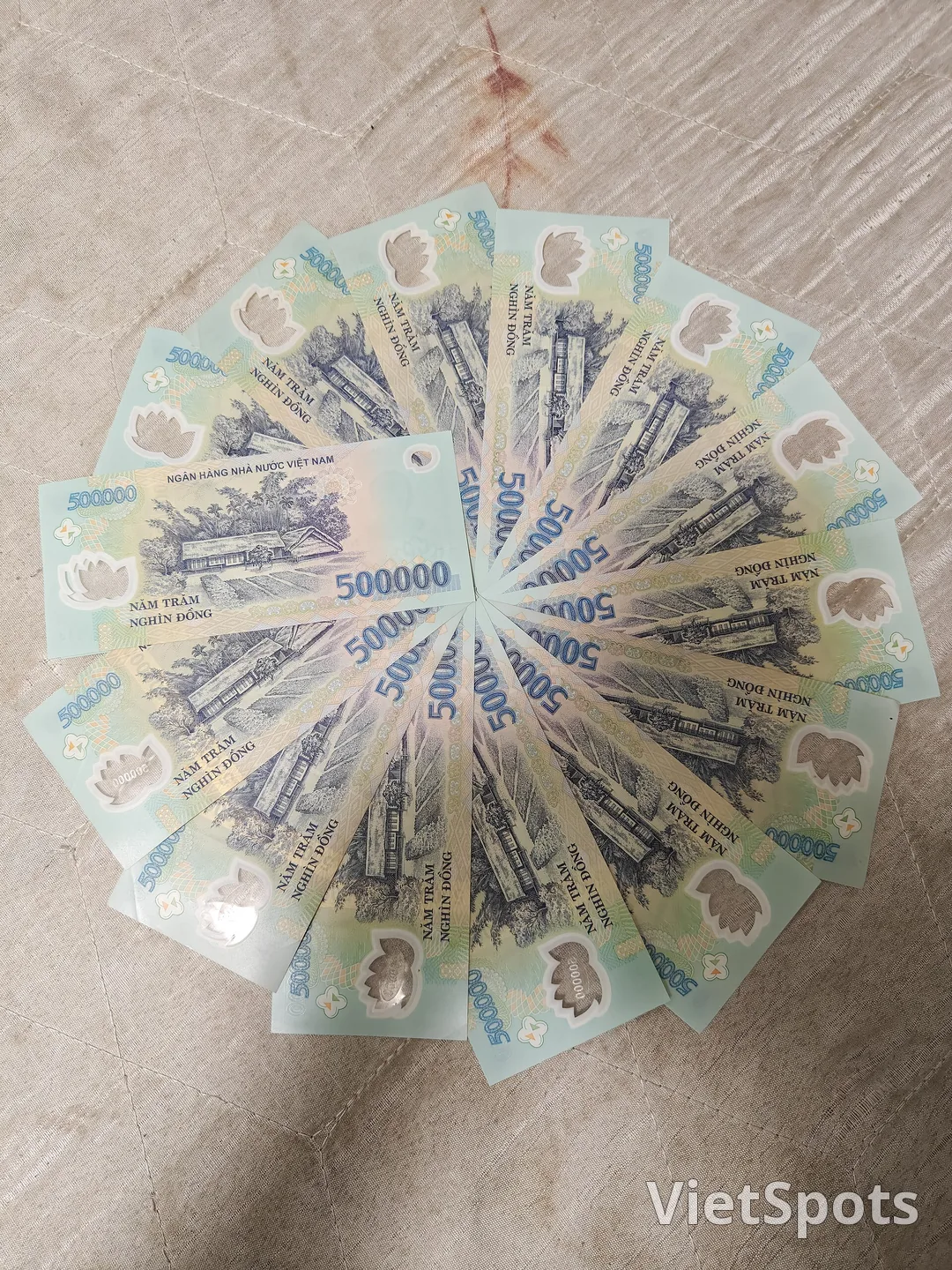
To be brief: banks are the most reliable way and you need to bring your passport; don't exchange all your money at the airport; and when you receive money, count it right at the counter before putting it away.
1. Bank — most reliable
This is the safest way and comes with full documentation. In return, you'll need a passport and it can only be done during office hours. Anyone exchanging a large amount of money should choose this route — the small difference of a few coins isn't worth the risk.
2. Airport — the most convenient, and often the worst
The counters at the airport are always open and always staffed, but the exchange rates there are almost always worse than in the city. A sensible way is to exchange just enough for the taxi and your first meal, and save the rest to exchange in the city.
3. Withdraw card at ATM
International cards can be withdrawn from at most ATMs. But remember there are usually fees on both ends — a fee from the Vietnamese bank and a fee from the card-issuing bank — so withdrawing many times with small amounts will cost more than withdrawing fewer times with larger amounts. The withdrawal limit per transaction also varies by bank.
If the machine asks whether you want to exchange to your home country's currency right at the machine, it's usually better to choose to withdraw in Vietnamese dong rather than let the machine do the exchange.
4. What about the gold shop?
Many people will tell you that locals often go to gold exchange shops. That's true, but you need to understand it correctly before following suit.
Foreign currency exchange is only permitted at licensed locations. Some gold shops are registered as authorized foreign exchange agents, but not every gold shop is. And if someone exchanges it at a place without a license, the person doing the exchange can also be held liable, not just the shop — many people think the risk only belongs to the party receiving the exchange, but that's actually not the case.
So if you're not sure, just choose a bank. If you exchange elsewhere, look for a place that displays a foreign currency exchange agent certificate and clearly posts the exchange rate. Specific regulations may change over time, so check official sources if you need to be certain.
5. The part where you're most likely to lose money: denomination
This is actually where customers often lose money, not the exchange rate difference.
The 500,000 đồng note is the largest denomination, and many small shops don't have enough change for it. When you exchange money, ask for smaller notes as well — 50,000 and 100,000 are the easiest to spend. Holding a stack of nothing but 500,000 notes might feel nice, but eating at a street-side stall will get you stuck right away.
And there are two pairs of denominations that are very easy to confuse: • 20,000 with 500,000 — same blue tone • 10,000 with 200,000 — same brownish-red tone Mistaking one note in the first pair means a difference of twenty-five times. This is a very common mistake, even for people who have been in Vietnam for a while.
Additionally: new polymer notes tend to stick together. Count each note individually, don't count by bundles.
6. Card or cash?
You can pay by card at hotels, large restaurants, supermarkets, and convenience stores. But street food stalls, markets, and many of the best eateries only accept cash — and those are exactly the places most worth eating at, as I mentioned in the article about plastic stools.
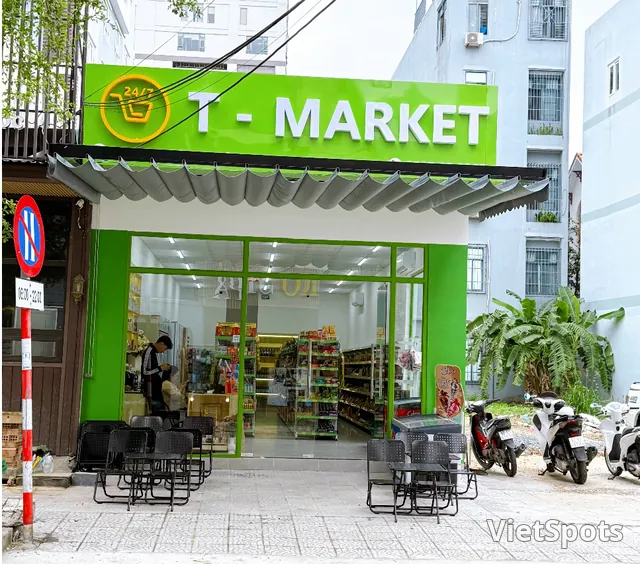
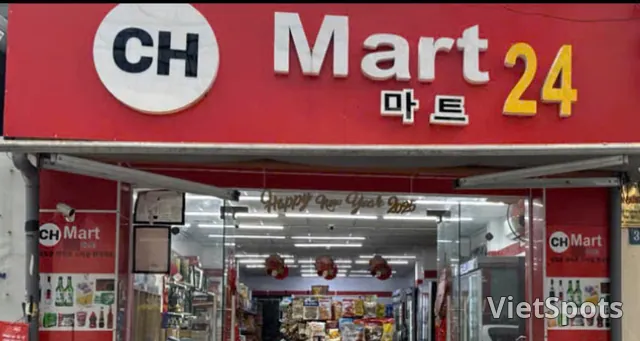
You should always keep some cash on you. If you want to break a 500,000 note into smaller bills, just stop by a convenience store or mini supermarket and buy something — it's quick and doesn't bother anyone. See shops in Da Nang.
7. Some other places need cash
At markets, cash is definitely required, and you'll have to haggle — I've written about that separately in the article about Han Market. Renting a motorbike usually requires a deposit, and the deposit conditions vary from place to place, so ask about everything before signing: see questions you should ask before renting a motorbike.
And if you're planning to buy souvenirs to take home, remember to set aside cash for that, since most specialty goods in the market don't accept card payments — there's a separate post on what to buy as gifts.
One habit worth keeping: once you receive the money, count it right away at the counter, in front of the person exchanging it with you, before putting it away. No one minds at all — that's exactly what Vietnamese people do too.
Photo: HuangWending1807 (CC0) — Wikimedia Commons
Book Travel in English on vietSpots
- 🎁 Sign up and get 14 Welcome Pack coupons — e.g. Motorbike Rental 45%
- 👑 Member tier discount up to 15% on site (Silver 5% · Gold 15%)
- 🛂 Auto-fill arrival card📶 Compare lowest eSIM prices🚻 Find toilets

Comments