

At noon, the whole city lies down — and that's not laziness



There's a time slot in Vietnam that newcomers often completely misunderstand.
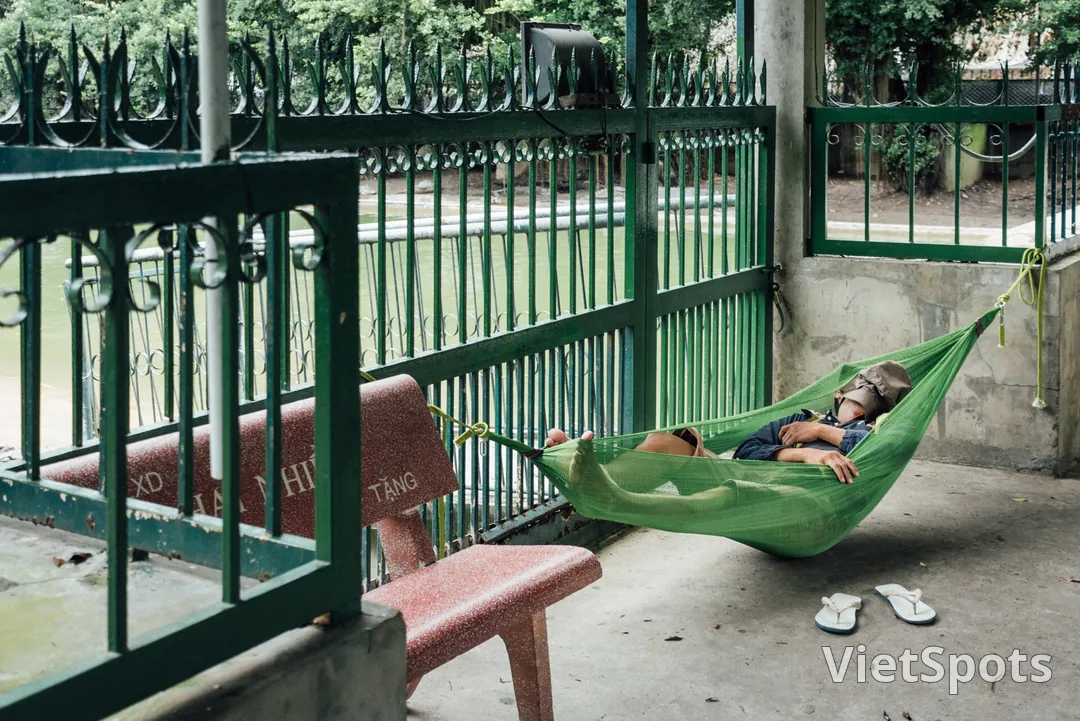
Around twelve noon, walking along a row of shops in Da Nang, you'll see the roll-down shutters pulled halfway — not quite closed, yet not quite open either. Glancing inside, I saw the shop owner lying in a hammock strung between two posts, his hat pulled down over his face, his sandals left behind on the floor.
Foreign visitors who see that scene for the first time often think one of two things: the shop has closed, or the people there are just being lazy.
Both are wrong.
They woke up at five o'clock in the morning
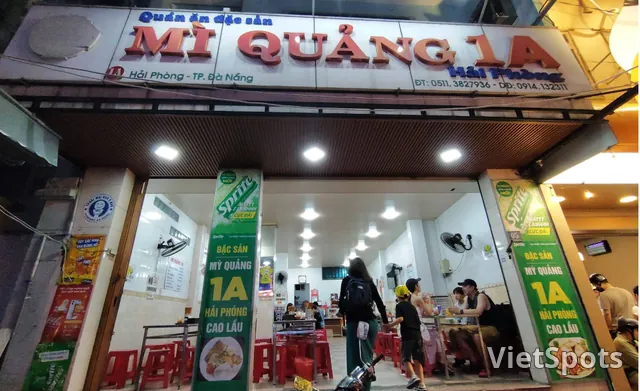
This is the part few people tell you. The noodle shop you're planning to visit at noon has already started working since it was still dark: going to the market, simmering broth, cleaning tables and chairs, selling from six o'clock. By noon, they had already finished what an ordinary person's full day of work would take. About breakfast shops selling out and closing early, not waiting until noon, I already mentioned it in the article about breakfast in Da Nang.
And they continued selling in the evening too.
So the midday nap here isn't an extra added onto a workday — it's the hinge that splits the day in two. Take it away, and no one could hold out until ten at night.
The art of sleeping anywhere
What surprises foreign guests isn't that people take naps, but where they do.
On a hammock, of course — the hammock is the most underrated piece of furniture in Vietnam: it's both a chair and a bed, and then you just fold it up and tuck it into a corner.
But there's also this: sleeping on your own motorbike, both legs propped up on the handlebars, back leaning against the rear seat — a posture that demands a sense of balance that no school ever teaches. Sleeping on sheets of cardboard laid out behind the counter. Sleeping sitting up, head slumped onto the arms, right at the table that had just been wiped clean.
Behind it is a simple truth: someone who knows they only have forty minutes doesn't get picky about the place.
How does this affect you
Between twelve o'clock and two thirty:
• Small shops, motorbike repair shops, photocopy shops — many are closed, or look like they're closed• Calling to ask about this at that hour, usually no one picks up• Government offices really do take a lunch break, it's not just for show• But eateries are still open. Even if you see everyone slumped over the table, don't be shy — just call out, and they'll wake up right away
The last point is where many customers misunderstand and walk away. Taking a nap here doesn't mean "don't disturb me." People sleep in a position ready to jump up, and it's really not a bother. Small shops with plastic tables and chairs are even more so — the more down-to-earth a place is, the more trustworthy it tends to be, and I've actually written about that separately.
And this is the best part
If you've ever wondered why Vietnamese streets are still packed at nine or ten o'clock at night — while in many other places that hour is already deserted — the answer lies in the afternoon nap.
Here, a day isn't a single line stretching from morning to night. It's two short days, separated by forty minutes lying in a hammock. The afternoon here begins with someone who has just woken up, not someone who's already tired out since noon.
Thinking carefully, that is a very smart way to divide the day.
Photo: Benjamin Arnold (CC BY 3.0) — Wikimedia Commons
Book Travel in Da Nang — in English on VietSpots
- 🎁 Sign up and get 15 Welcome Pack coupons — e.g. Motorbike Rental 45%
- 👑 Member tier discount up to 15% on site (Silver 5% · Gold 15%)
- 🛂 Auto-fill arrival card📶 Compare lowest eSIM prices🚻 Find toilets


Comments