

Chicken hotpot with basil leaves: a Phú Yên dish that wandered into Đà Nẵng, and why it suits the rainy season



The rainy season in Da Nang doesn't raise difficult questions about what to eat. When it's cold and humid, everyone wants something hot. The real question is: what can you eat that lets you sit for a long time?

Because the rain here doesn't stop after forty-five minutes like rain in Saigon — it pours, sometimes all day long. A bowl of bún takes ten minutes to eat, and once you're done, you still have to step back out into the rain. But a hotpot is different: it sits in the middle of the table, bubbling gently, and allows the whole table to sit together for two hours without anyone finding it strange.
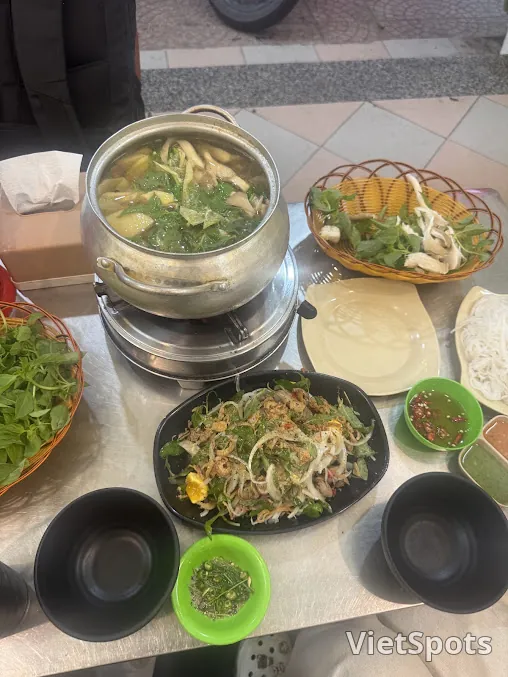
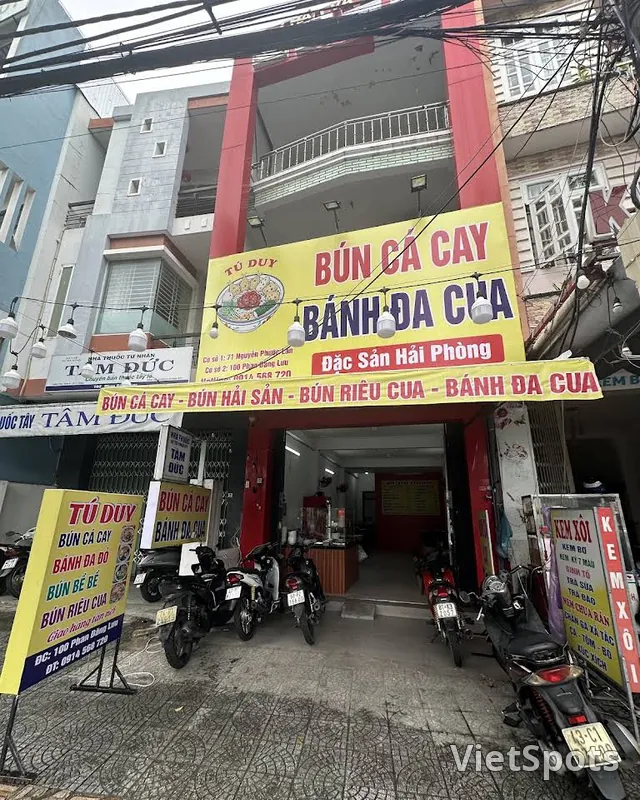
The place I want to talk about today is Lẩu gà lá é Xóm Ngộ, at 16 Đặng Dung, Liên Chiểu.
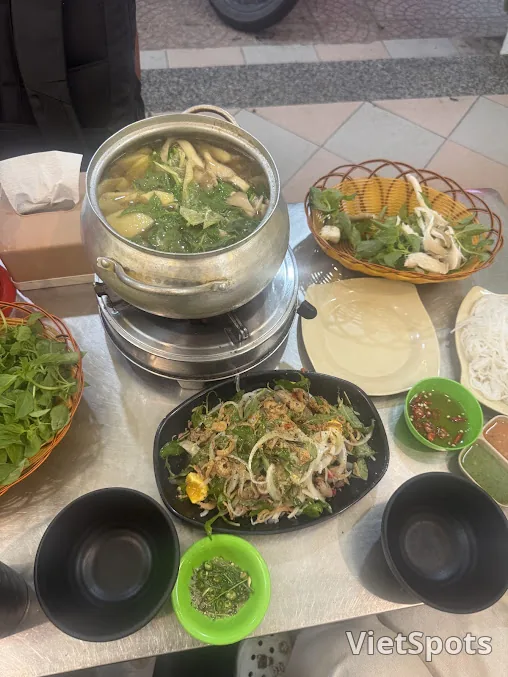
But first: chicken lemongrass hotpot is not a Danang dish.
It's a Phú Yên specialty that came from an older dish of the highland region called chicken cooked with everything — simple chicken cooked with forest leaves, without fancy seasonings. Later, Đà Lạt made it famous with tourists, and from there it spread everywhere. Now in Đà Nẵng there are several restaurants that make this dish.
This is a familiar thing in this city. Phở is also a dish that migrated from the North, while hủ tiếu rose up from the South and quietly became the breakfast of many people. Da Nang is a place where people from all walks of life come to make their living, and the food follows in the footsteps of the people.
What kind of leaf is "é" leaf?
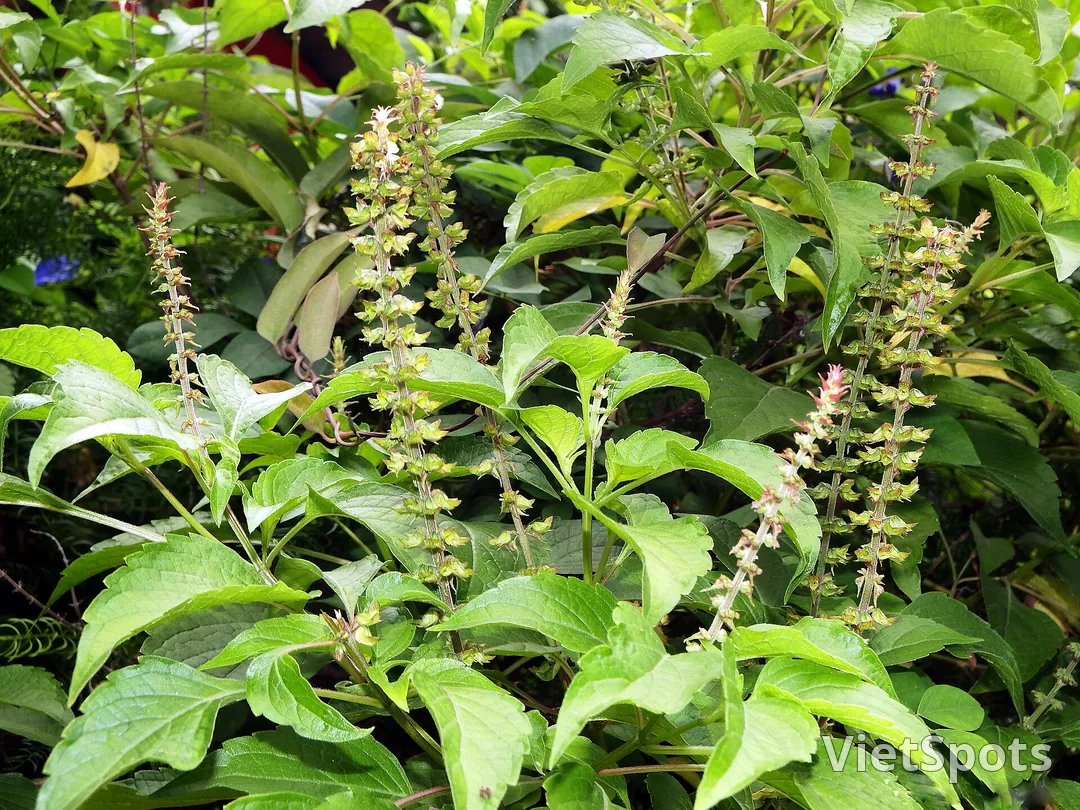
Many people think é leaf is the same as basil. It's not — but it's close. É leaf is also called white é, fairy tea, hairy basil, and it belongs to the same group as basil and holy basil.
Eaten raw, é leaves are slightly astringent and a bit sour. But when dipped into a pot of boiling water and pulled out right away while still barely cooked, it turns into a savory, slightly cooling taste, with a scent closer to holy basil than to sweet basil. That's why you can't simply replace Vietnamese cilantro with basil and call it done — otherwise you'd lose the distinctive aroma that makes the dish special.
People from Phu Yen also say that white eggplant grown on sandy soil, with plenty of sun and arid conditions, has a stronger aroma. Though it sounds like a story, the logic behind it isn't strange: spice plants grown in difficult soil typically accumulate more essential oils.
Green Chili Salt — Don't Miss Out
The hot pot always comes with a small bowl of green chili salt: green chili pounded with salt, with a squeeze of lime added, and in some places lemon basil leaves are pounded in as well. The chicken is taken out and dipped into it.
In my opinion, this is exactly what distinguishes a shop that genuinely does the work from one that just does it for show. Any restaurant can cook a broth that tastes roughly similar; but mixing the green chili-salt dip just right — spicy enough, sour enough, not overly salty — that takes real effort. Anyone eating this dish for the first time, remember to dip it before making a judgment about the restaurant.
About Us
Xom Ngo specializes in exactly this dish, and the pot comes in many sizes, so a group of just two people can order it too — you don't have to go in a big group. Besides hotpot, there's also salt-baked chicken, scallion-steamed chicken, a chicken platter with many dishes, and rice – vermicelli – sticky rice with chicken for anyone who doesn't eat hotpot.
One thing worth saying straight up about the location: the restaurant is in Lien Chieu, in the northwest part of the city, quite far from the beach area and hotel district. It's not a restaurant that sits right along the tourist route — if you want to go there, you have to make the effort to go. In exchange, the customers here are mainly locals from the area.
Tips for eating chicken hot pot with wild basil (é leaf)
• Don't steep the perilla leaves for too long. Drop them in, count for a moment, then take them out right away. If left too long, the leaves become too strong and lose their fragrance.• Order a pot sized to match the number of people. The hot pot broth gets increasingly salty as time goes on, and if you order extra, the final portion won't be as delicious. • Save your appetite for the end of the pot. Drop the rice vermicelli or noodles into the broth infused with chicken and é leaves — for many people, that's the best part.
What if you don't like chicken? This season, Da Nang isn't short on hot soup dishes — spicy fish noodle soup, congee, fish cake noodle soup, and thick noodle soup are all perfect choices. You can check out restaurants in Da Nang to pick a place near where you're staying.
The rainy season in Central Vietnam extends until December, and October and November are actually when the heaviest rain occurs — I explained this in detail in an article about not waiting for clear weather in Da Nang. In other words, there are still quite a few evenings left to enjoy a hot pot.
Hot pot photo: VietSpots. Photo of rain over Da Nang Bay: Christophe95 (CC BY-SA 4.0). Photo of basil plant: Rison Thumboor (CC BY 2.0) — Wikimedia Commons
Book Food in Da Nang — in English on vietSpots
- 🎁 Sign up and get 14 Welcome Pack coupons — e.g. Motorbike Rental 45%
- 👑 Member tier discount up to 15% on site (Silver 5% · Gold 15%)
- 🛂 Auto-fill arrival card📶 Compare lowest eSIM prices🚻 Find toilets

Comments