

Phở in Da Nang: why does this shop have a big plate of herbs, while that shop doesn't



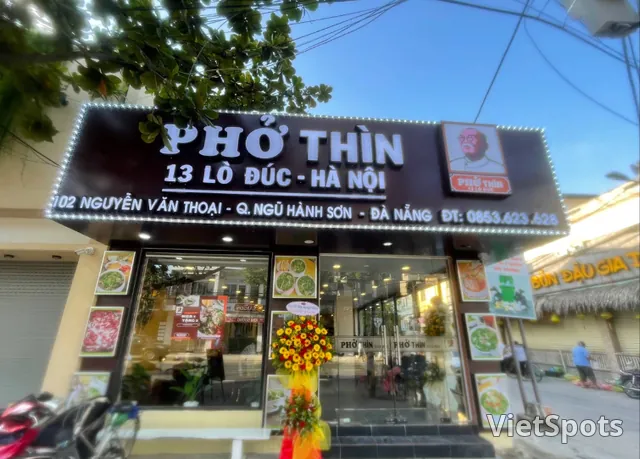
Ở Đà Nẵng có cả Phở Thìn lẫn Phở Lý Quốc Sư — hai cái tên mà ai từng ăn phở ở Hà Nội đều biết. Điều đó nói lên một chuyện: phở ở đây là món nhập cư, và nó vào theo nhiều đường khác nhau.
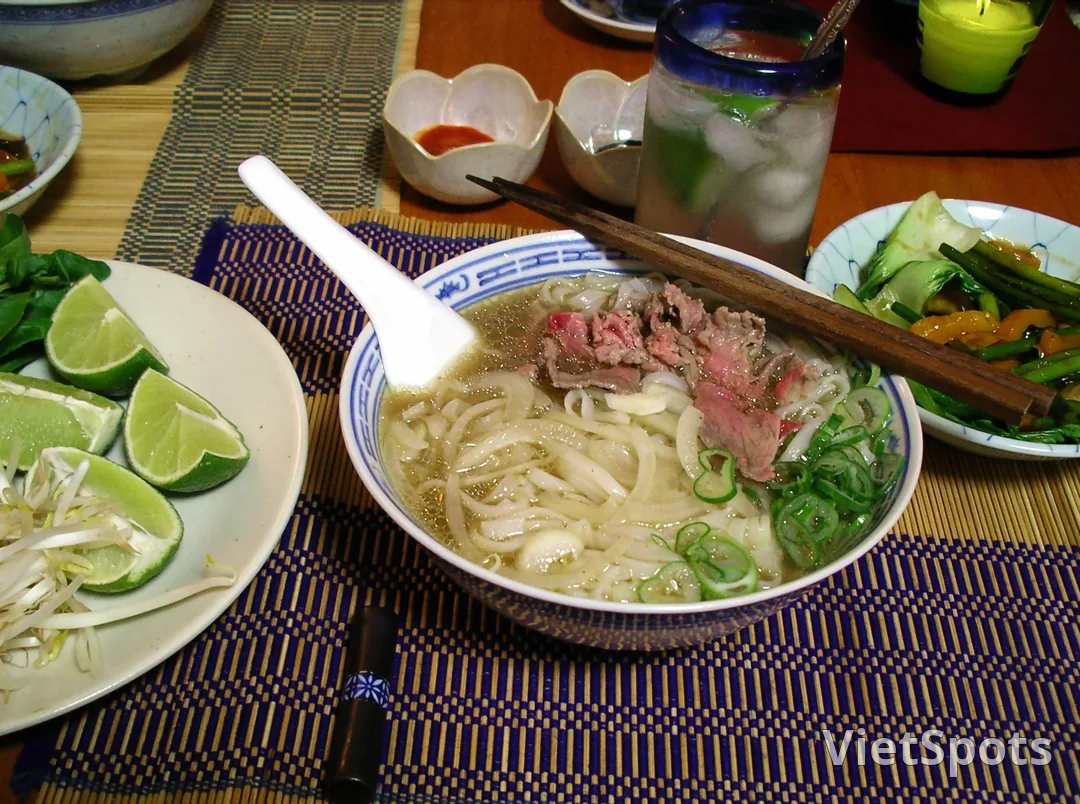
Phở is originally a dish from Northern Vietnam, formed in the early 20th century around the Nam Định – Hà Nội region. Central Vietnam is not its birthplace. But Da Nang is a city where people from all over come to make a living, so now the city has all sorts of pho styles, and they differ so clearly that eating at two shops right next to each other can feel like two completely different dishes.
Northern-style pho: the broth is clear, leaning salty and light, fragrant with cinnamon and star anise but not sweet. It's served with only scallions, thinly sliced onion, and a few slices of fresh chili pickled in vinegar. No fresh herbs on the plate, no bean sprouts, no dark soy sauce. Northerners believe that pouring in the sauce ruins the broth, and they say so quite firmly.
Southern-style pho: noticeably sweeter broth, often with added rock sugar or daikon radish. Every table has a big plate of herbs — basil, saw-tooth herb, bean sprouts — plus dark and red sauces. You mix it up however you like.
No style is more correct than the other. But if you order phở in Đà Nẵng and then sit there looking for a plate of herbs and can't find one, it's not that the shop forgot — that shop is doing it the Northern way.
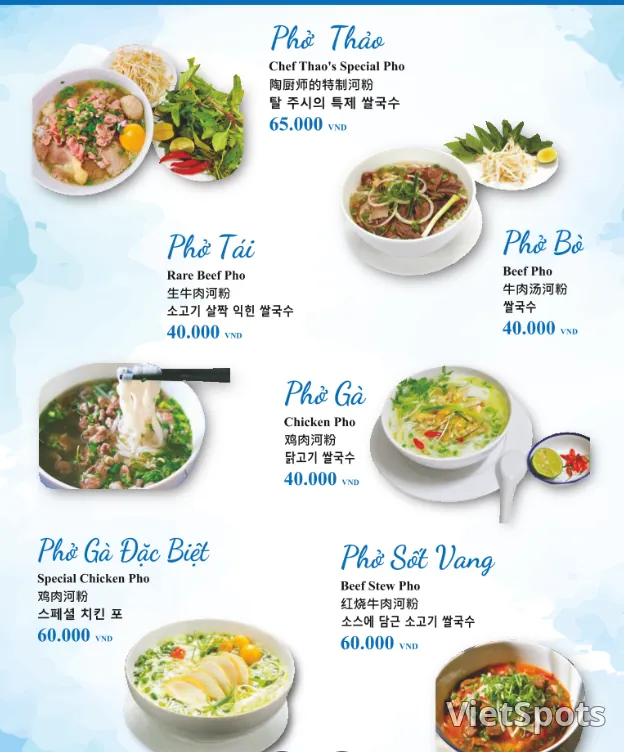
A few things worth knowing when ordering. "Tái" is raw thinly sliced beef, with boiling water poured over it until just cooked through, still pink in the middle. "Chín" is meat that has been thoroughly boiled, tender and firm. Nạm (flank) has tendon, gầu (fatty brisket) has crispy fat, and the tendon is chewy and translucent. If you're not sure what to choose, order tái chín — this is the most popular and well-balanced bowl.
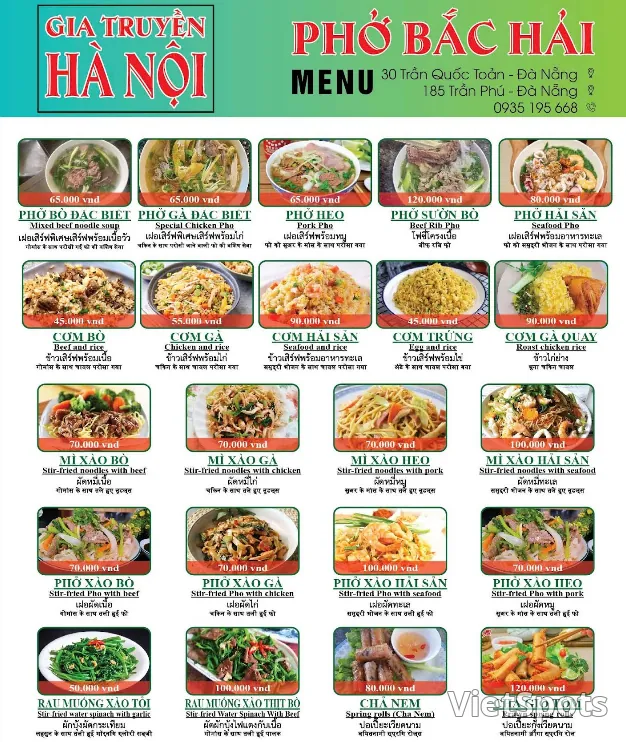
About timing: pho is a breakfast dish. Good pho restaurants usually open at 6 AM and sell until noon; some restaurants that are open all day then the broth pot has to be reheated, quite different from a fresh pot. Prices in Da Nang are around 35–60 thousand depending on the restaurant and portion of meat.
A little tip that pho lovers often use: before adding anything to the bowl, take a spoonful of the plain broth first. The broth is the one thing a shop can never hide — whether it's delicious or not is revealed right in that first spoonful, while the meat is pretty much the same everywhere.
Photo: Blue Lotus (CC BY 2.0) — Wikimedia Commons
🏷️ Mentioned places

 Pho ThaoOfficial09/14/2026 16:05
Thank you, honored customers
Comments