

In Vietnam, the person who wins in the bill-snatching game is the one who loses money



The meal ends. The bill is brought out. And then something happens that foreigners witnessing it for the first time often can't quite understand.
Two people reach their hands toward the piece of paper at the same time. One person blocks the other's hand. The other person slips their hand through and pushes money to the employee. Sometimes it becomes a real struggle, there's laughter but it's not quite joking. Then one person wins — and the loser clearly looks displeased.
Annoyed because I just didn't get paid.
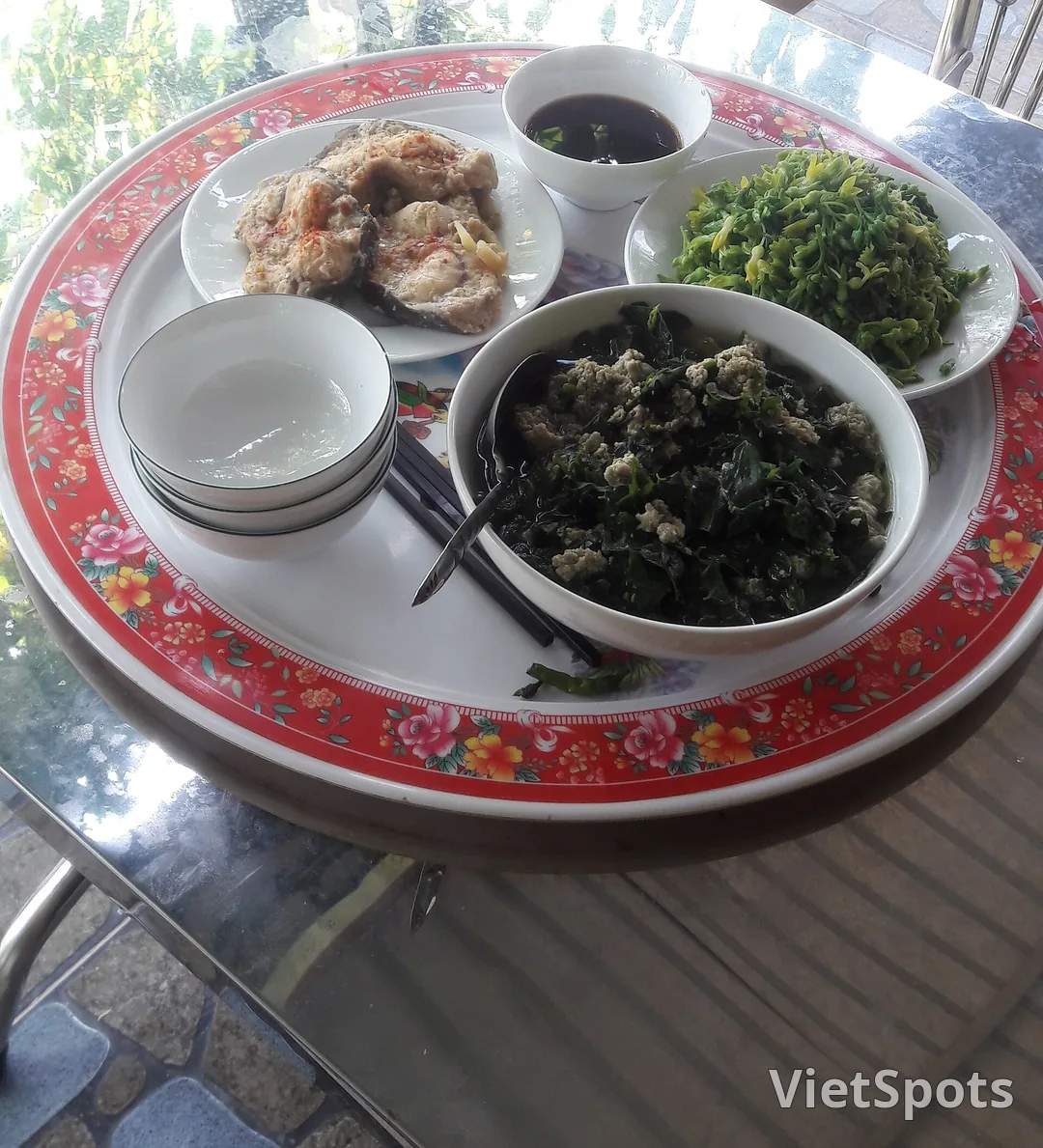
What's going on here
In many places, the bill is a number you have to split. Here, it's not like that.
Paying is a statement: I'm the one taking care of this meal. And who holds the right to take care of it follows an unspoken convention — usually it's the older person, the one who extended the invitation, the one celebrating some good news, or simply the host, while the other side is the guest from afar.
Understood that way, then that tense scene makes perfect sense: they are not fighting over money. They are fighting over roles. As for how age determines seniority, I've actually drawn up a whole diagram in the article anh, chị, cô, chú or em.
Why is splitting the bill so awkward?
The proposal of "let's just split it in half" sounds very fair, and that's exactly the problem.
Splitting the meal cost into a transaction: everyone takes their own share, done, even. But the meal here is actually doing something else — it's a matter of relationships. Being square right away, in that way of thinking, is almost like saying there doesn't need to be a next time between us.
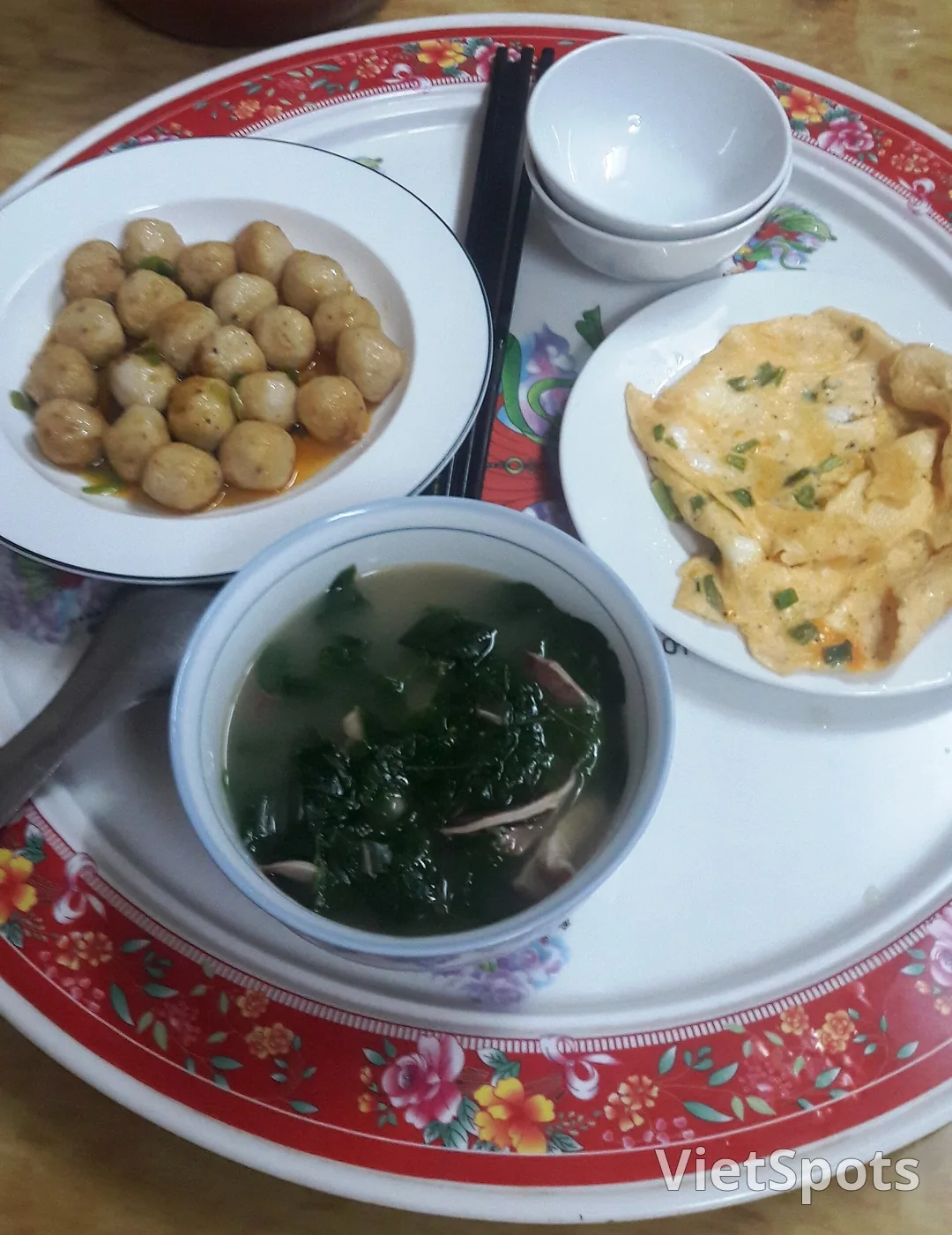
So how does it balance?
There's balance, it's just not balanced today.
No one sits and keeps track of every meal, but everyone remembers. This time you pay, then next time I do. It works like a long-term ledger between two people, not a cash register. And it's precisely because we still owe each other a meal that there keeps being a next time.
If you are a foreigner here
• If you're invited, let them pay. Putting up token resistance with just one sentence is enough and proper etiquette. Resisting all the way to the end is actually impolite.• Then invite them back next time. That's the proper way to pay, not transferring your share.• If you want to pay, you have to act first. Experienced people sneakily pay when the other person leaves the table. That move is seen here as clever/skillful, not sneaky.• Don't suggest splitting the bill with someone older than you. Among friends of the same age it's becoming more and more normal, especially among young people. But for someone older, that sentence puts them in an awkward position.
But if you're invited to someone's home for a meal, then that's a completely different situation, and it has its own set of rules — survival guide for when a Quảng person invites you to eat.
Looking back at the opening scene of the lesson
Two people are pulling a bill back and forth from each other, looking as if they're fighting over money.
Actually, they're competing to be the one who gets to care for the other. And the winner — the one who has to pay — goes home in a much better mood. Also in the same vein as the topic that 'Have you eaten rice yet?' is not actually a question about rice.
If there's something hard to understand, perhaps it's not on their end.
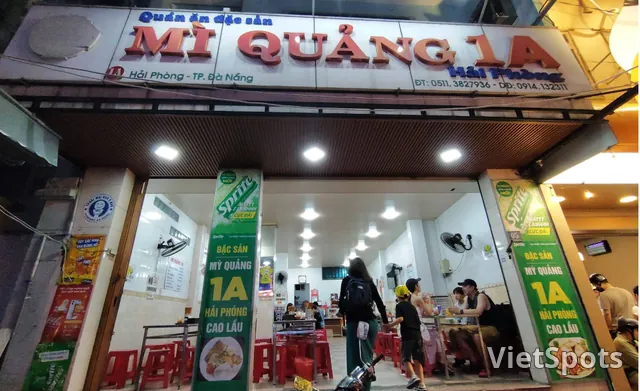
Photo: Phương Huy (CC BY-SA 4.0) — Wikimedia Commons
Book Food in Da Nang — in English on VietSpots
- 🎁 Sign up and get 15 Welcome Pack coupons — e.g. Motorbike Rental 45%
- 👑 Member tier discount up to 15% on site (Silver 5% · Gold 15%)
- 🛂 Auto-fill arrival card📶 Compare lowest eSIM prices🚻 Find toilets
Comments