

Is Da Nang ripping off tourists — and here are four spots you should still watch out for



This is a question many people ask before going, and the honest answer is: few, but not none.
Da Nang is known as one of the most pleasant travel destinations in the country when it comes to prices. Most of the restaurants here mainly sell to local residents, and the price for visitors is the same as the price for people in the neighborhood. But there are four situations where the pricing mechanism works differently, and that's what you should pay attention to.
1. Seafood priced by weight — the biggest risk
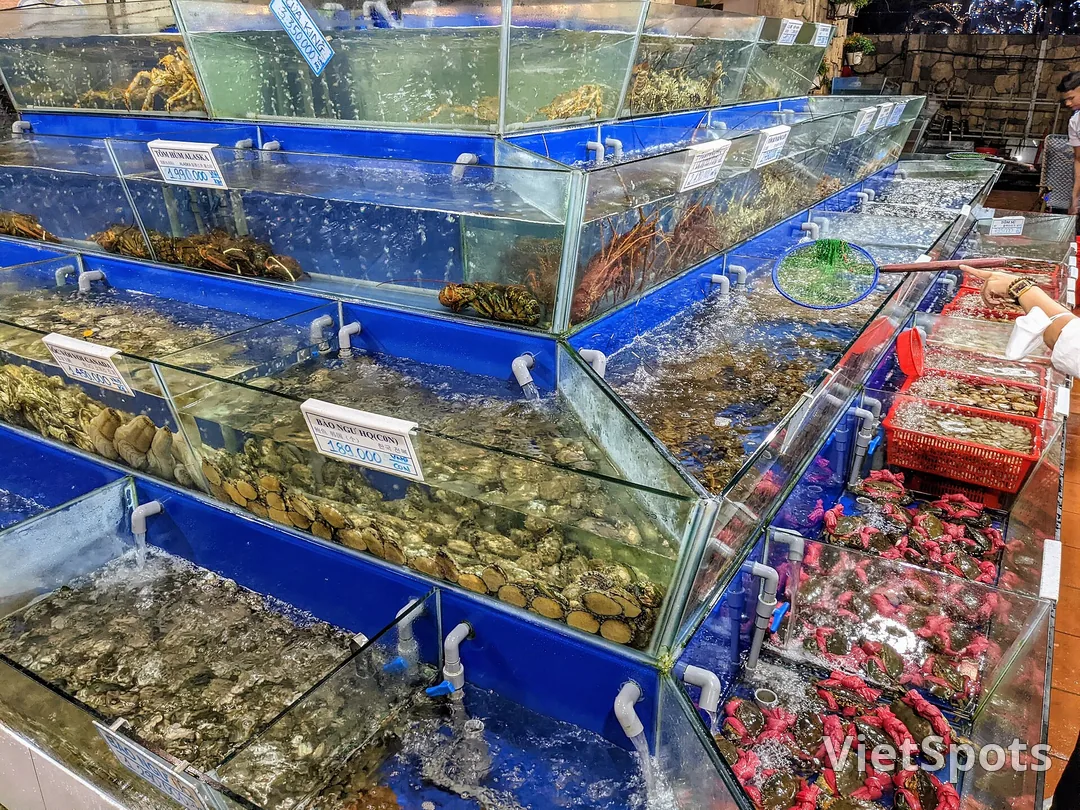
This is the only part of the article where I felt real care was needed, because the pricing method is completely different from every other dish: you pick a live one still in the tank, the staff catches it, weighs it, then charges by the kilogram. Three steps, and any one of them could be off.
The way to protect yourself is very simple, and the locals do exactly the same:
• Ask for the price per kilo before choosing an animal, not after. • Stand and watch while it's being weighed. This is completely normal, no one will feel offended.• Clearly confirm which one before they take it to be prepared.• A decent place will have a price tag right on the tank — if the tank has no label, you should ask more carefully.
If you want to be even more proactive, you can buy from the market and have the restaurant cook it for you — I've written separately about this in the article on buying seafood at the market and having them cook it.
2. Car does not turn on the meter
A familiar situation: the driver offers a flat all-inclusive price instead of turning on the meter. Sometimes that price is reasonable too, but you lose the basis for comparison.
The simplest way is to use a ride-hailing app — the price is shown before you book, no negotiation at all. If you hail a cab on the street instead, then you need to ask them to turn on the meter. I've talked in detail about choosing a mode of transport in the article about getting around in Da Nang.
3. Items that spontaneously appear on the table
Cold towels, peanuts, shrimp crackers — many restaurants keep these ready on the table and charge if you use them. This is not a trick, but a common practice; the trap only lies in the fact that customers think it's free.
If you don't want to use it, just push it aside — no one will say anything. On the other hand, iced tea is usually really free — that's a difference that often confuses newcomers.
4. Market — where haggling is a normal thing to do
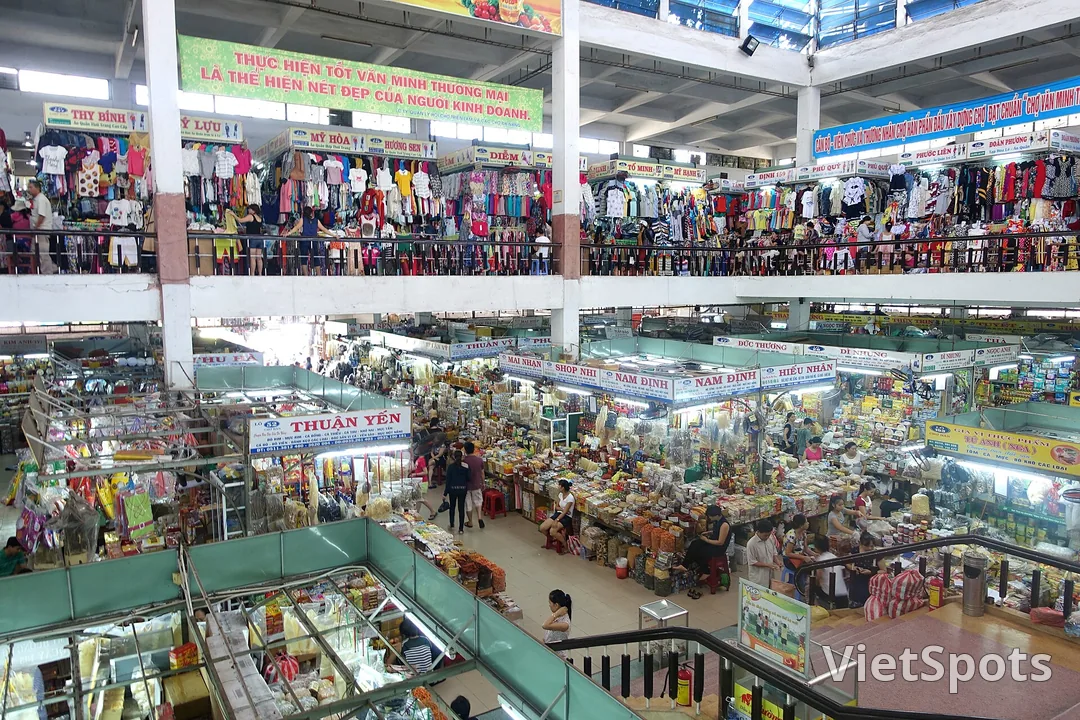
At the market, the first price isn't the final one, and that doesn't mean the seller is trying to cheat you — bargaining is just part of how buying and selling works here. But it also means that whoever doesn't bargain ends up paying more.
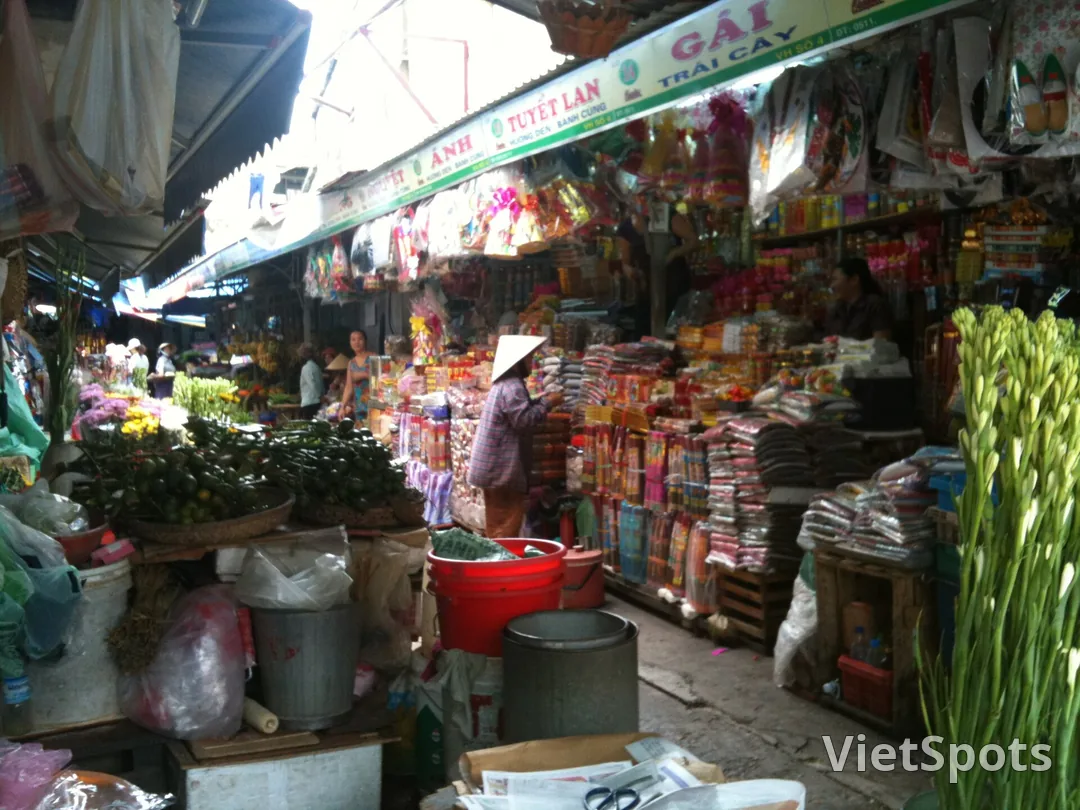
The most important principle: ask the price before picking up the item. If you pick it up first and ask later, you've already lost some leverage. You can find specific tips on how to bargain at Han Market in a dedicated article about Han Market, or check out the shops with listed prices if you'd rather not haggle.
And here are the parts that you almost don't need to worry about
The restaurant has a menu with prices listed. The prices on the menu are the same for everyone; there is no separate price list for foreign customers.
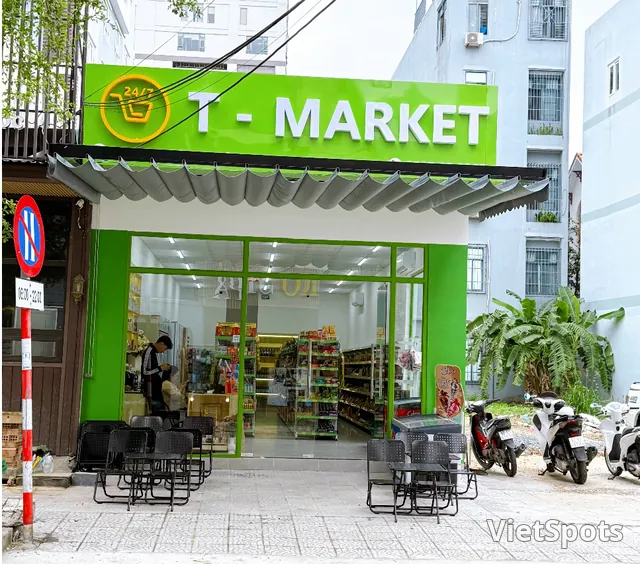
Supermarkets and convenience stores. Fixed prices, with barcodes, no need to think.
A humble sidewalk eatery run by locals in the neighborhood. It might sound counterintuitive, but this is usually the safest kind of place: their customers are neighbors, and neighbors eat there every day. One miscalculation means losing customers forever — as I discussed in the article about plastic chairs, the more humble a restaurant is, the more trustworthy it needs to be.
A habit worth cultivating
Ask the price first. In Vietnam, asking the price before ordering food or before getting on a vehicle is not considered impolite at all — locals ask all the time. Many foreign guests hesitate to ask because they're afraid of being impolite, and end up paying more while still not feeling happy about it. A few Vietnamese sentences that are enough for this can be found in the article three sentences that save you from 90% of restaurant trouble.
And if something really happens: stay calm, take a photo of the receipt or price list, and then report it. Da Nang has a channel for receiving tourists' feedback, and the city pays quite a lot of attention to this — that's also why it happens far less here than in many other places.
Photo: Jpatokal (CC BY-SA 4.0), Dragfyre (CC BY-SA 3.0), Daderot (CC0) — Wikimedia Commons
Book Travel in Da Nang — in English on vietSpots
- 🎁 Sign up and get 14 Welcome Pack coupons — e.g. Motorbike Rental 45%
- 👑 Member tier discount up to 15% on site (Silver 5% · Gold 15%)
- 🛂 Auto-fill arrival card📶 Compare lowest eSIM prices🚻 Find toilets


Comments