

Breakfast in Da Nang: what to eat, and why going late means missing out


In Da Nang, eating breakfast out isn't an occasional thing — it's the default. Most working people here don't cook breakfast; they stop by a regular spot, eat in fifteen minutes, then head off.
That leads to something customers often stumble on: good breakfast places usually sell out before noon. It's not that they close early — it's that they cook a set amount and once it's sold, they're done for the day. If you sleep in and stroll over to eat at eleven, many places have already packed up.
In short: about 6 to 9 hours. The most popular dishes are Quang noodles, fish cake vermicelli, rolled cakes, pho, tapioca soup, sticky rice, and banh mi.
Mì Quảng — The Most Authentic Local Specialty
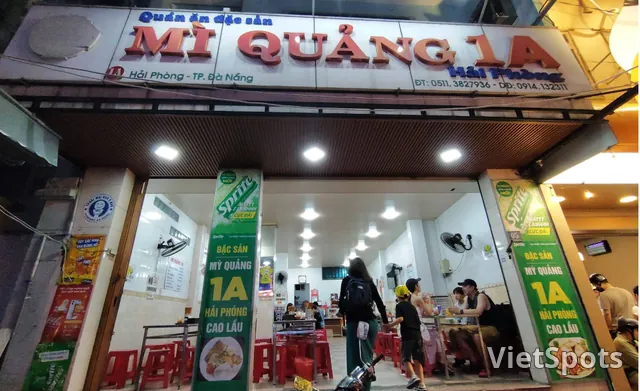
If you're only eating breakfast in Da Nang just once, it should be Quang noodles. This is a dish native to this land itself, not something brought from elsewhere. The noodles are wide, with very little broth — just enough to moisten them, not submerged like in phở — and they're eaten with crumbled sesame rice paper. If you're used to bún or phở swimming in broth, this will feel unusual the first time.
How to eat it the proper way is explained in detail at Mì Quảng in the morning — how to eat it the proper Đà Nẵng way.
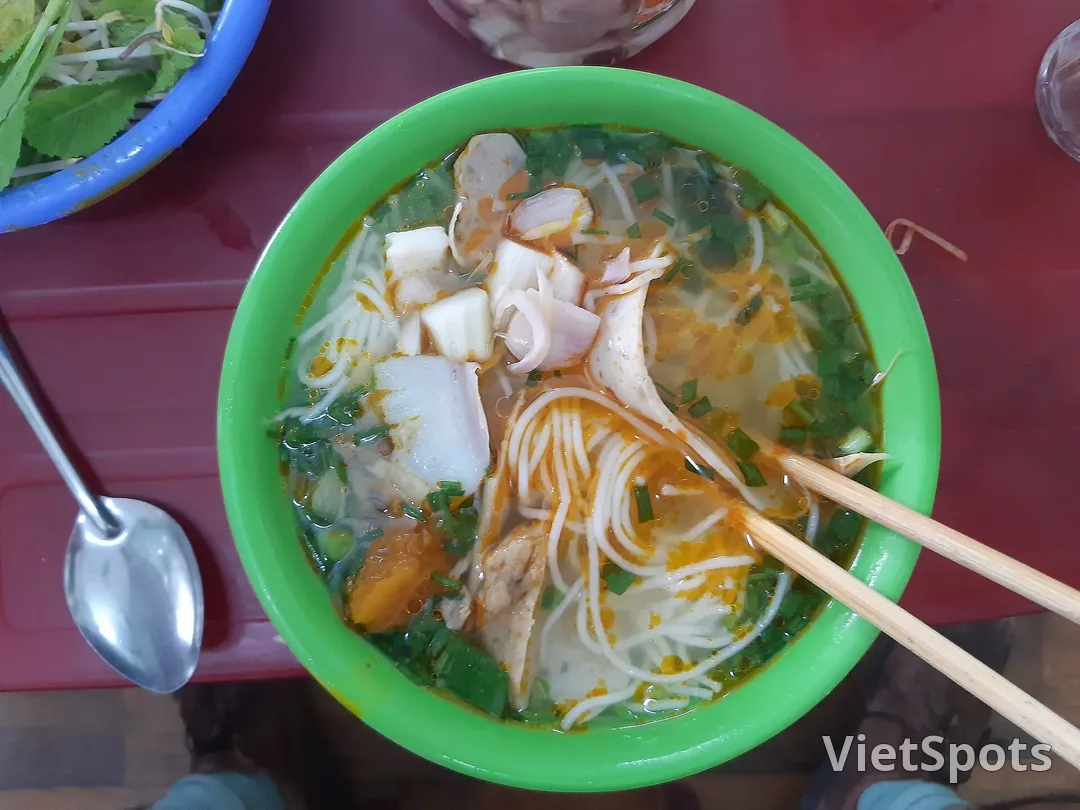
Fish Cake Rice Vermicelli — A Signature Breakfast Dish of the Coastal City
Da Nang is a coastal city, so the cha ca here is made from fresh, chewy, and fragrant fish, not mushy. But what determines a bowl of bún isn't in the chả — it's in the pot of broth, and the proper broth here is made from vegetables, not bones. I wrote about this separately in the secret lies in the broth of bún chả cá.
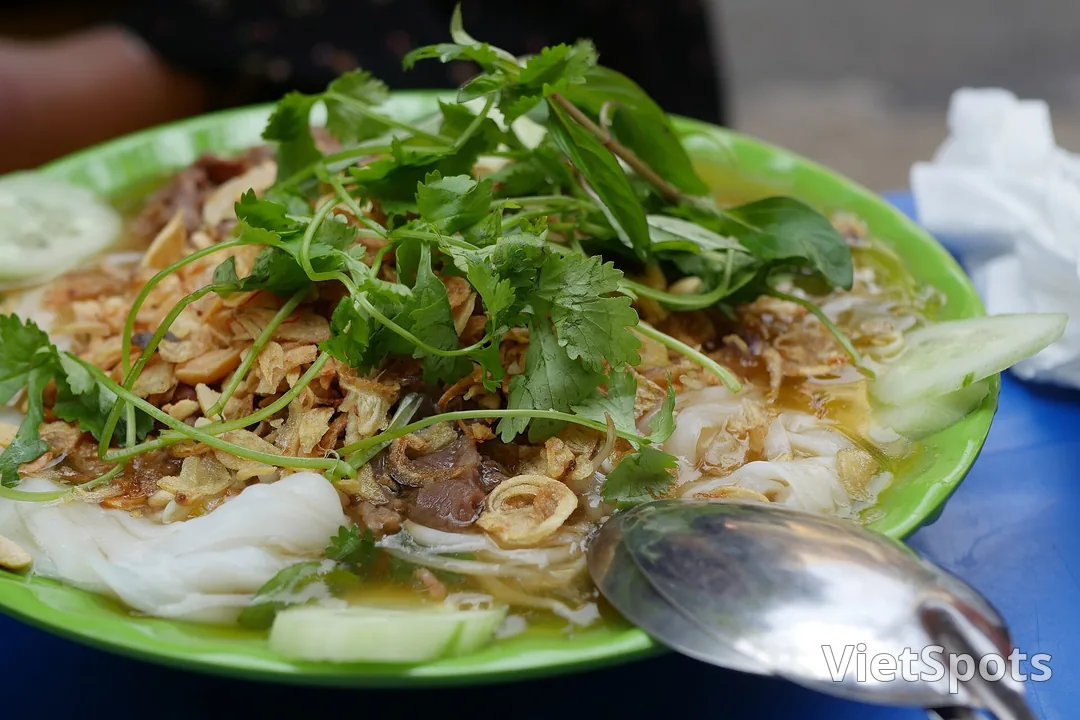
Bánh cuốn — for those who don't want a broth
There are mornings when you don't feel like slurping broth. Bánh cuốn is perfect for those times: a thin crepe layer, filled with minced pork and wood ear mushrooms, topped with crispy fried shallots, dipped in diluted fish sauce. Light on the stomach and quick. For why Vietnamese people can make the pancake layer that thin, check out the thinnest dish in a Vietnamese breakfast.
Pho and hu tieu — two immigrant dishes
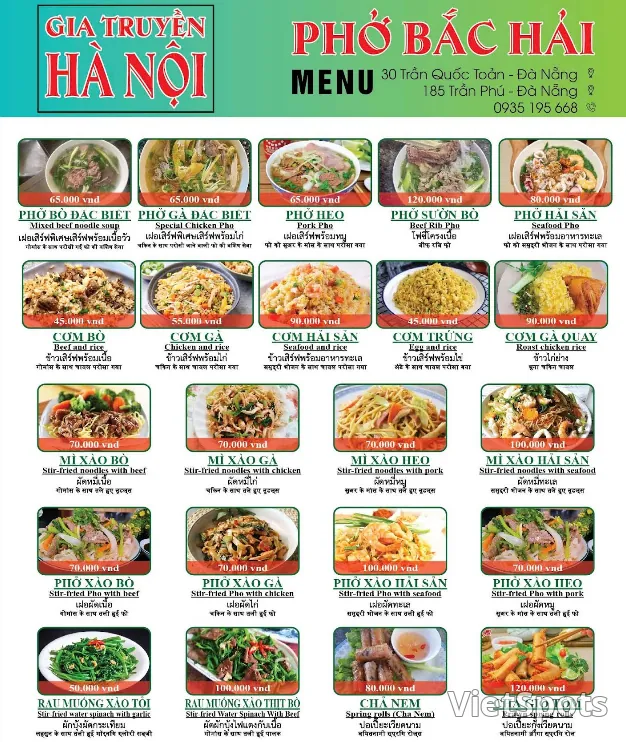
Neither of them is originally from Da Nang, but every restaurant has them now. Phở came in from the North, and in Da Nang you'll find both the Northern style and the Southern style — so different that two shops sitting right next to each other can serve up two bowls that seem like they're not even related. This restaurant has large vegetable plates while that one doesn't, as mentioned in the article about pho in Da Nang.
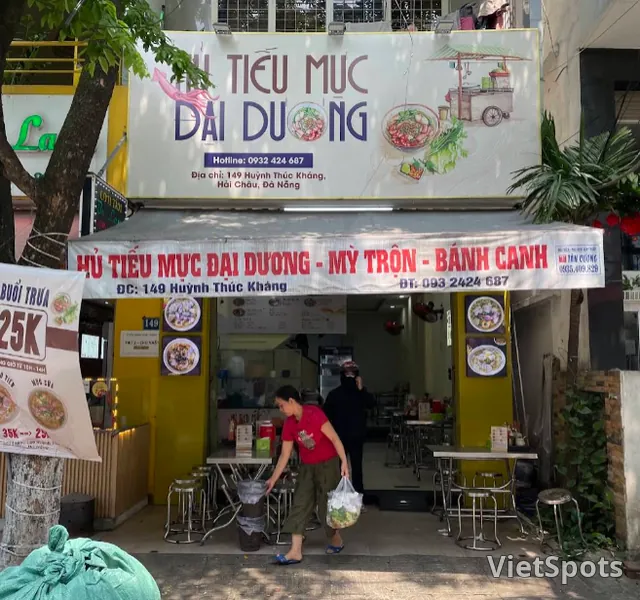
Hủ tiếu (rice noodle soup) came up from the South, more quietly, and has become the familiar breakfast of quite a lot of people here — see hủ tiếu, a dish from the South that has become Đà Nẵng's breakfast.
Sticky Rice and Bread — When You Only Have Ten Minutes
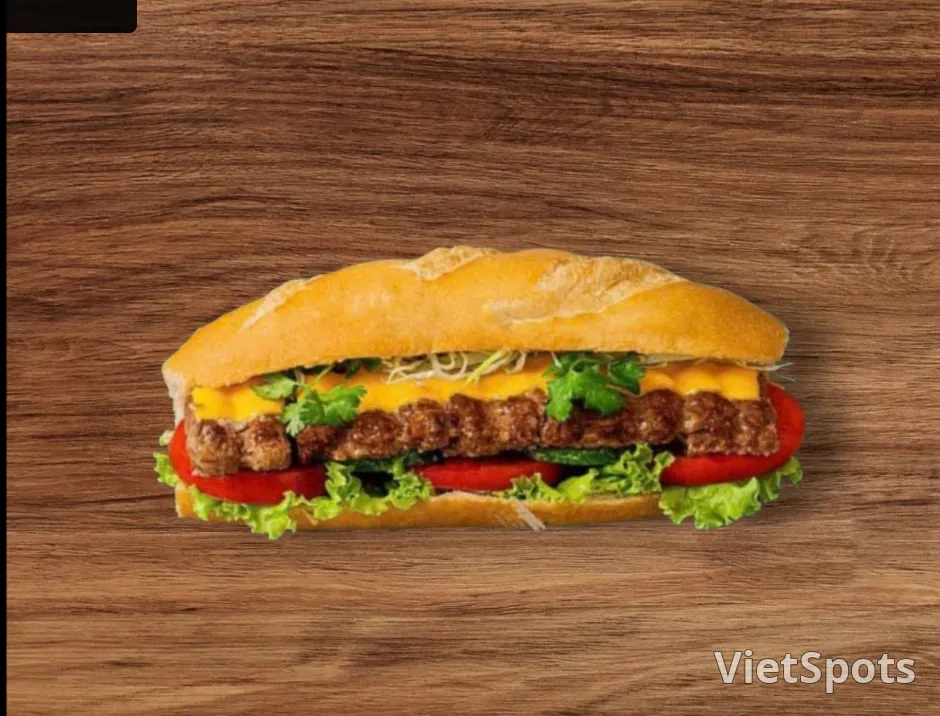
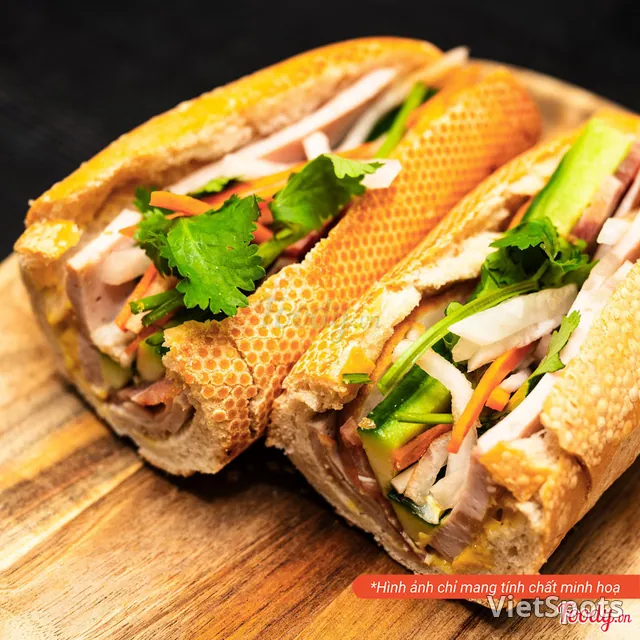
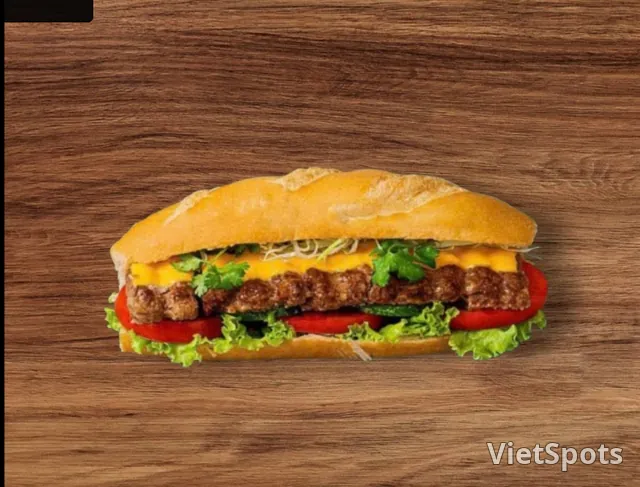
These two dishes are different from the dishes above in that they can be taken away. Sticky rice wrapped in banana leaf or paper, eating it standing up works just fine — I already talked about wrapping sticky rice in the morning in a breakfast you can eat standing up. Bánh mì needs no introduction, but do note that bánh mì in Central Vietnam is usually smaller and has a crispier crust than Saigon-style bánh mì.
A Few Facts
Go early. Repeating this because it's the most common mistake. The place is busiest around 7 to 8 o'clock, and busy is a good sign — if it's empty at that hour, there's usually a reason.
Don't be afraid of street food stalls. Most of the good breakfast places here are small stalls with plastic chairs and tables, no big signs. That's just the normal standard, not a sign of poor hygiene.
Iced tea is usually free. Sit down and you get a glass right away, and no one charges you for it. This is something that confuses a lot of foreign visitors at first — I wrote about it separately in the most pleasant culture shock in Vietnam.
You can order more. If you finish the bowl and are still hungry, ordering more is normal—nobody finds it strange. The breakfast portions here are naturally small.
If you want to find a restaurant near your place, check the list of restaurants in Da Nang.
Bánh mì photo: VietSpots. Bún chả cá photo: Everyday English (CC BY-SA 4.0). Bánh cuốn photo: Valentin Orange (CC BY-SA 4.0) — Wikimedia Commons
Book Food in Da Nang — in English on vietSpots
- 🎁 Sign up and get 14 Welcome Pack coupons — e.g. Motorbike Rental 45%
- 👑 Member tier discount up to 15% on site (Silver 5% · Gold 15%)
- 🛂 Auto-fill arrival card📶 Compare lowest eSIM prices🚻 Find toilets
Comments